

Free visual inspection and a written scope of work before any mitigation begins - photos, moisture readings, and drying logs go in your claim file
The scope we write is the scope we bill. Anything new gets shown to you, in writing, before we touch it.
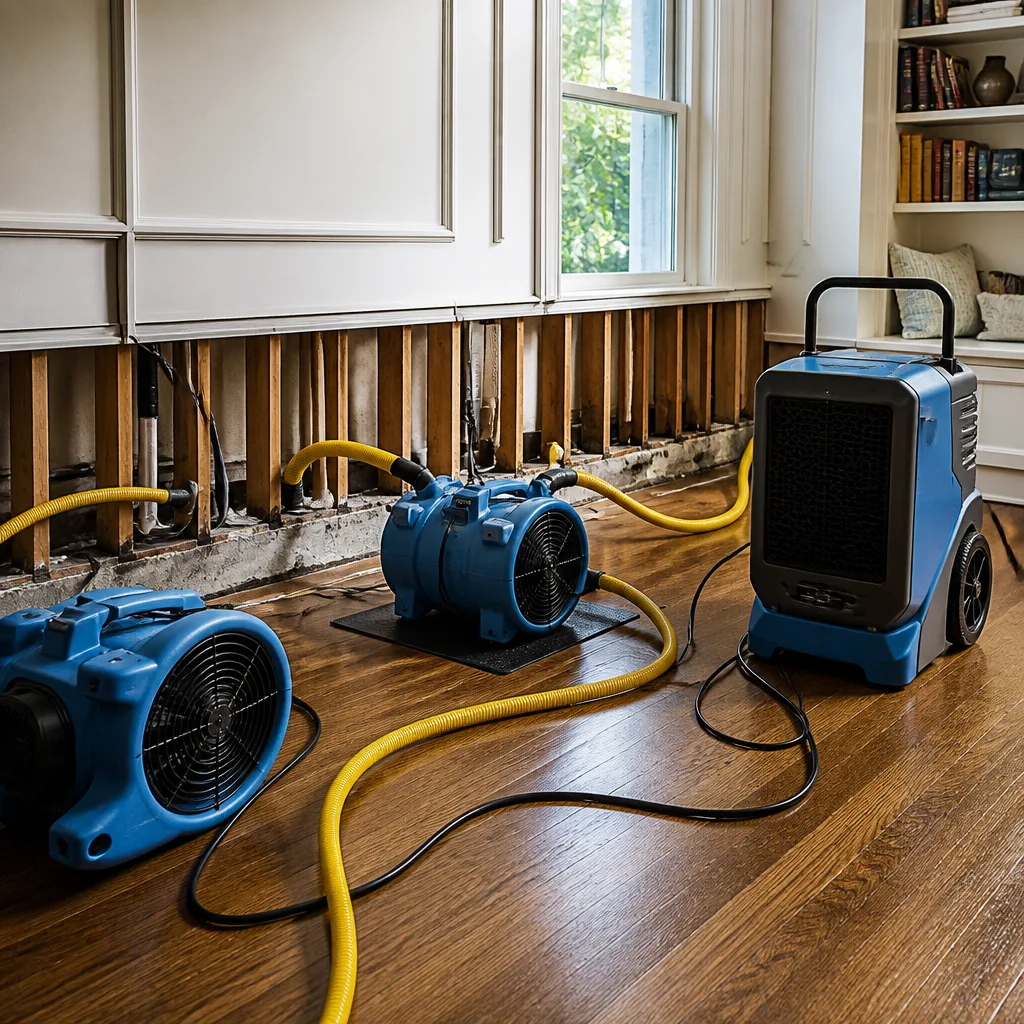

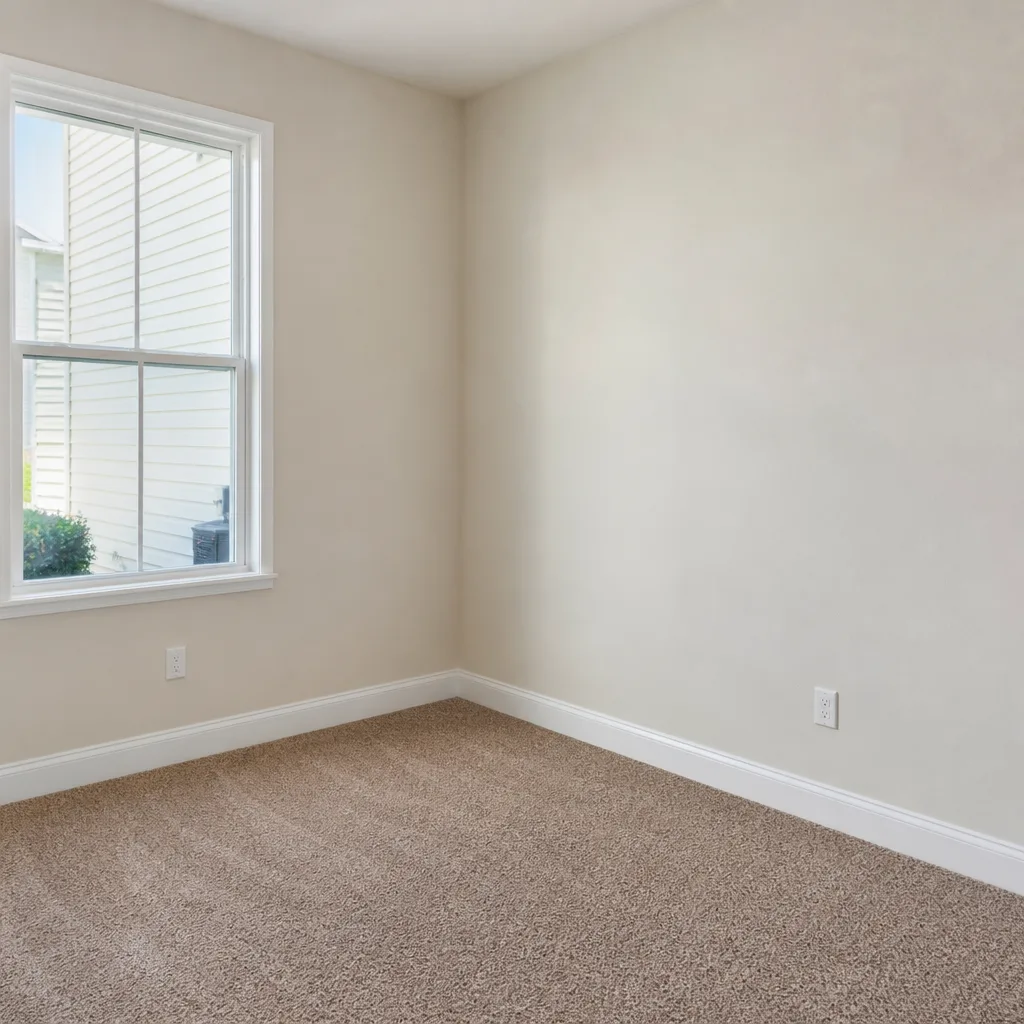



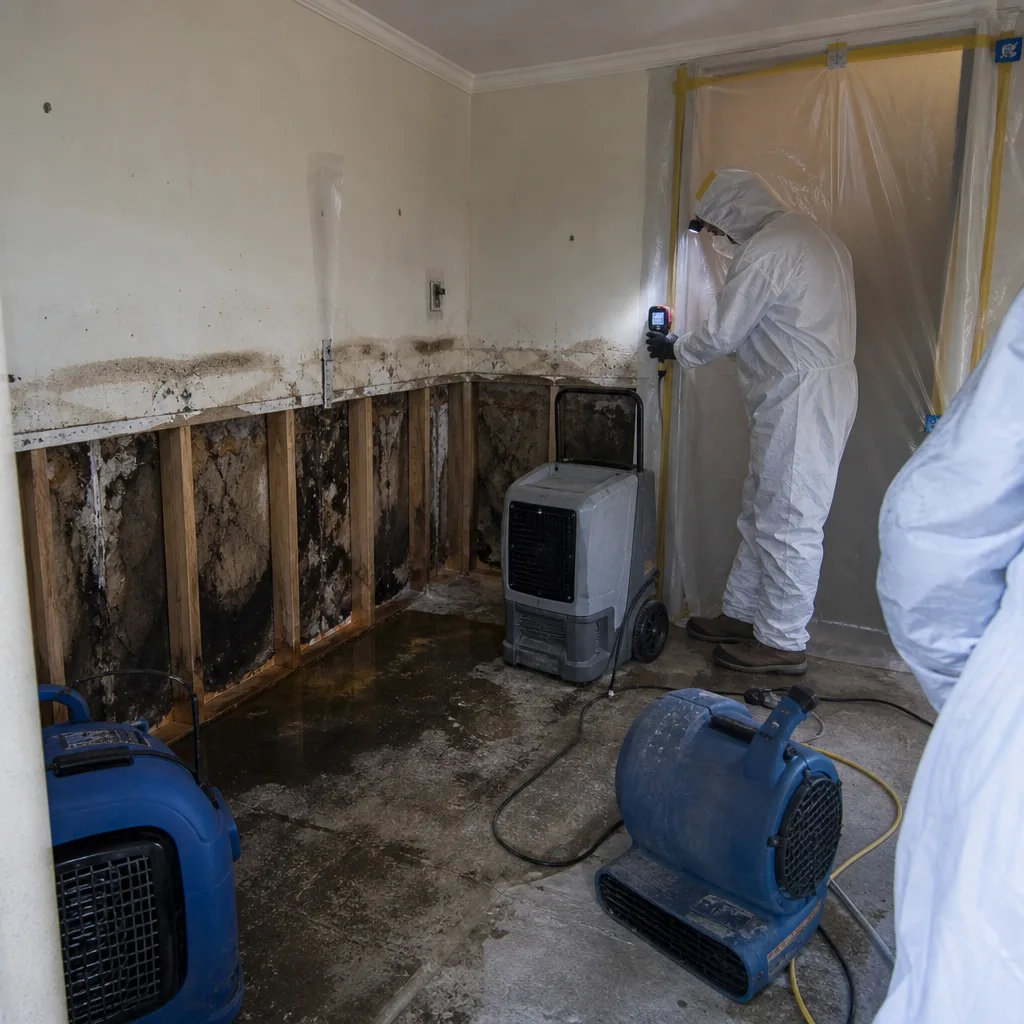 Before
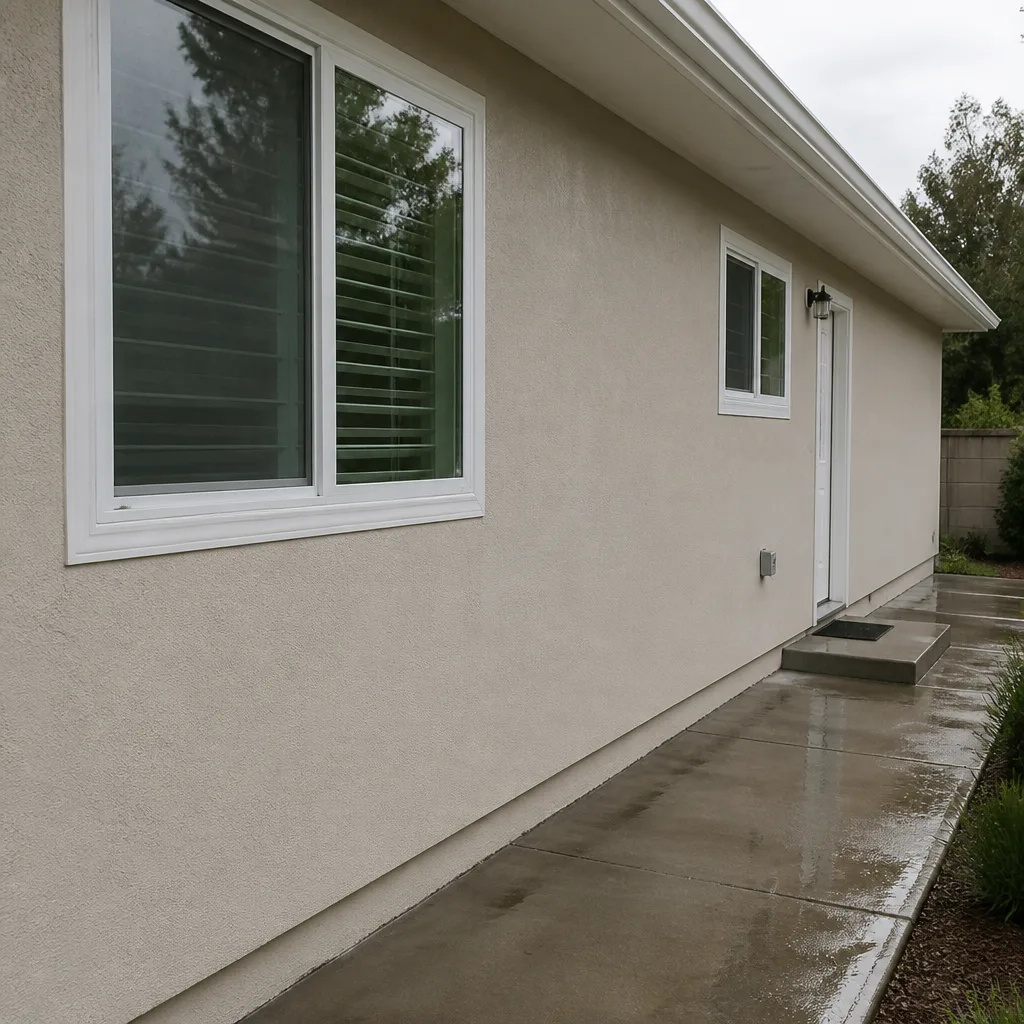 After
After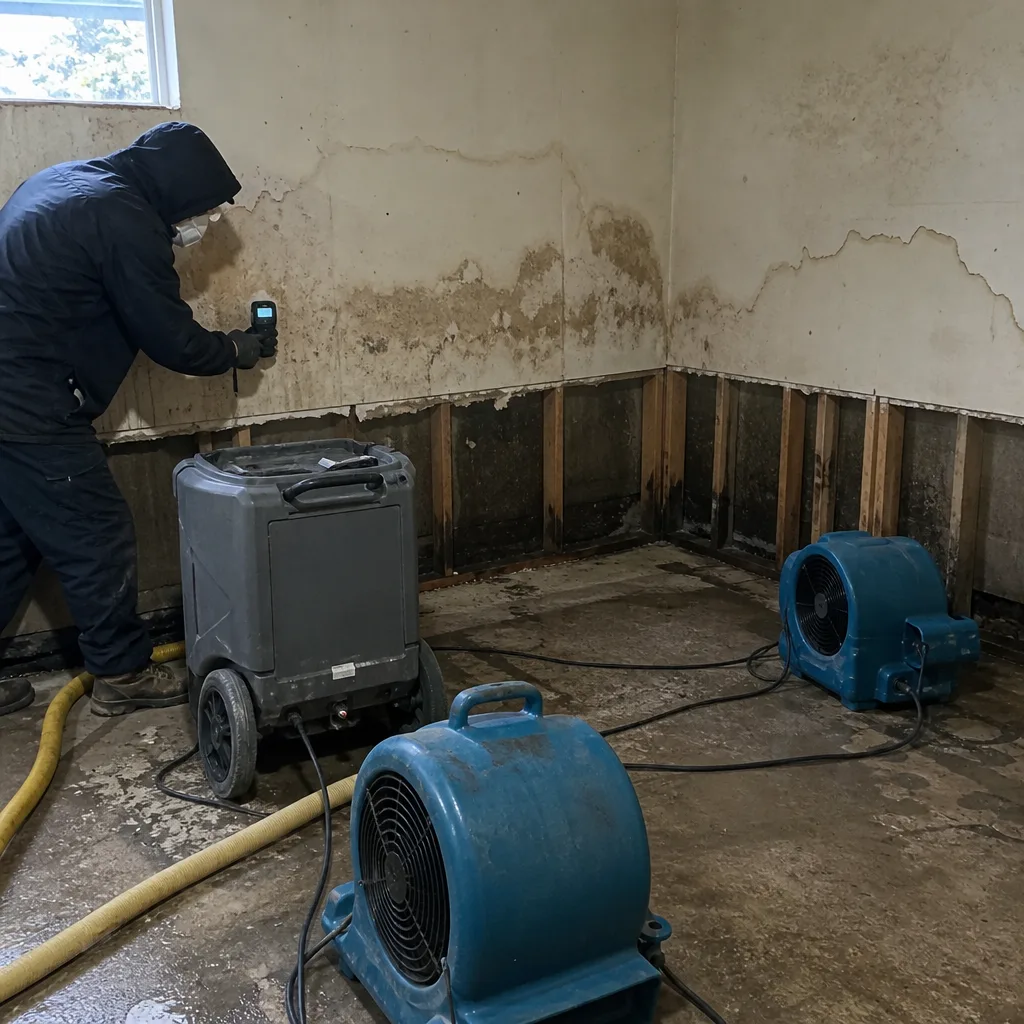 Before
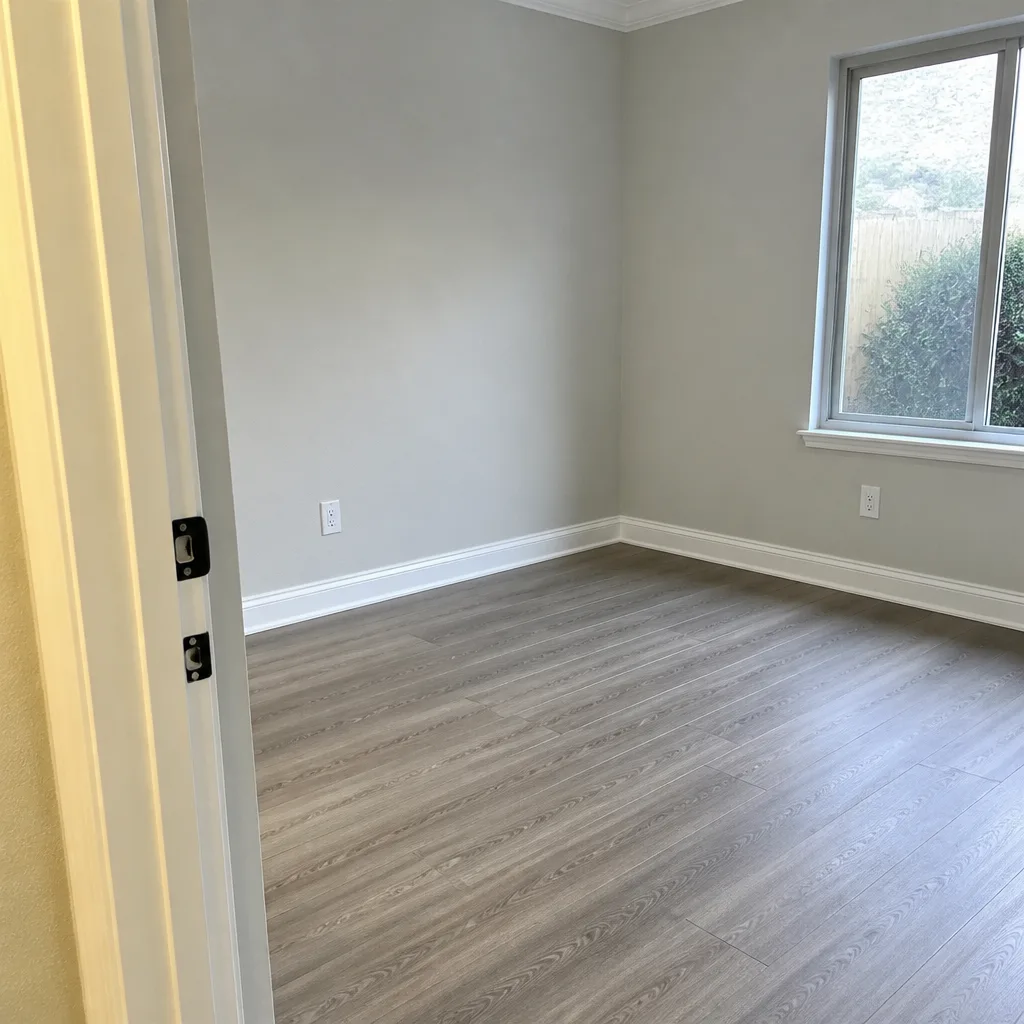 After
After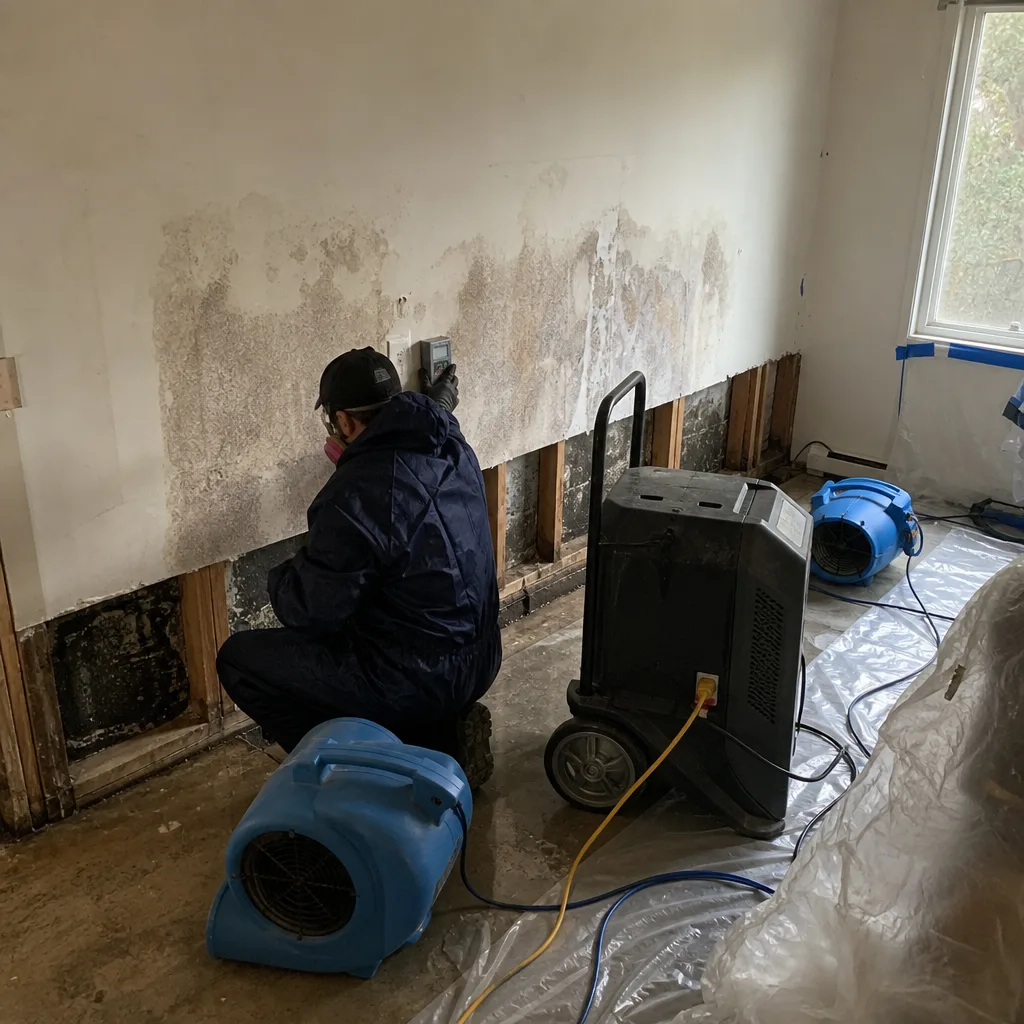 Before
 After
After24/7 Emergency Water Damage Restoration in Escondido
Water damage in Escondido spreads fast. Call (858) 683-1768 and a live person answers, 24 hours a day, every day. Crews are dispatched from our San Diego office and typically reach Escondido properties within 45 minutes. The first hour determines whether you’re looking at extraction and drying or full gutting and reconstruction. Standing water wicks upward into drywall at a rate of one inch per hour, and mold colonization begins in 24 to 72 hours in Escondido’s warm inland climate. We arrive with moisture meters, thermal imaging, and extraction equipment to stop that clock. Your free visual inspection includes documented moisture readings and a photo record before any work begins.
Understanding Water Damage Restoration Severity in Escondido Properties
Water damage is classified by contamination level, and Escondido’s geography creates unusual crossover between categories. Category 1 is clean water from a supply line, but when that line bursts in a 1960s tract home with corroded galvanized pipe, the rust and mineral sediment from Escondido’s hard imported water can elevate it toward Category 2. Category 2, gray water, carries chemical or biological loads. Category 3, black water, contains sewage or flood-borne pathogens.
Escondido’s housing stock complicates every classification. Downtown core homes from the 1920s to 1950s may have knob-and-tube wiring still live in walls, requiring electrical lockout before moisture mapping can begin. Mid-century tract homes in central neighborhoods hide original galvanized supply lines that fail catastrophically after decades of hard-water corrosion. Newer hillside construction near Harmony Grove Road sits in Fire Hazard Severity Zones where firefighting water intrusion and post-fire debris flow from Escondido Creek can introduce silt, ash, and combustion byproducts into what started as clean water.
Our crews document the water category, the affected square footage, and the material classification of every wet surface. Psychrometric data, vapor pressure differential, and grain depression readings guide the drying plan. We explain each term in plain language on the written scope you receive before work starts.
Why Escondido Property Owners Choose DryMark Restoration Poway
- 45-minute response commitment to Escondido properties, with crews staged for the inland valley corridor.
- 24/7 live answer - a real person, never an automated system or voicemail tree, on every call.
- IICRC-certified crews holding WRT (Water Damage Restoration Technician) and FSRT (Fire & Smoke Restoration Technician) certifications, with AMRT (Applied Microbial Remediation Technician) on mold-prone jobs.
- Free visual inspection with documented moisture readings, photo record, and written scope delivered before any work begins.
- Direct insurance billing with adjuster coordination and daily drying logs that turn invoices into payable claims.
- One team from extraction to reconstruction - no handoffs to unknown subcontractors, no gaps in documentation.
 Before
 After
AfterOur Water Damage Restoration Process
1. Inspection & Assessment
We arrive with thermal imaging cameras, penetrating and non-penetrating moisture meters, and hygrometers to map the full extent of water migration. In Escondido’s older homes, we check for knob-and-tube wiring and active electrical hazards before proceeding. You receive a written scope with line-item pricing before any work starts - Haven Standard, Clause 1.
2. Extraction & Stabilization
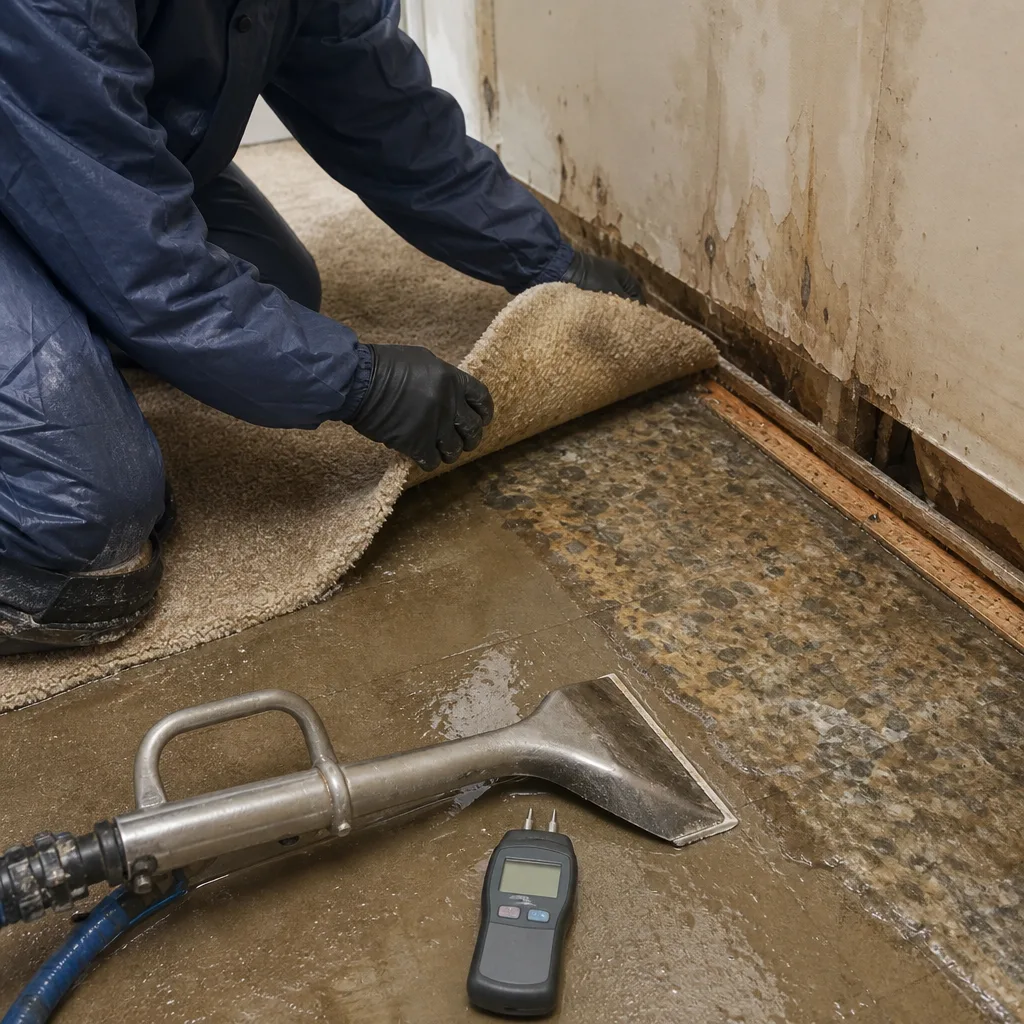
Standing water is removed with truck-mounted extraction systems and portable units for confined spaces. We deploy weighted extraction tools on saturated carpet and deploy containment barriers to isolate unaffected areas. After a burst galvanized supply line flooded a 1960s tract home near Harmony Grove Road, our crew performed emergency water extraction and moisture mapping, discovering that the home’s original plumbing had corroded from Escondido’s hard water.
3. Drying & Dehumidification
We set up structural drying with Dri-Eaz air movers and dehumidification systems, calculating equipment placement based on cubic footage, material permeance, and target equilibrium moisture content. In Escondido’s dry climate, we monitor for over-drying that can damage hardwood and plaster. Daily moisture logs track progress to IICRC standards.
4. Cleaning & Sanitization
All affected surfaces receive antimicrobial treatment appropriate to the water category. In Escondido, hard water residue left after drying can harbor minerals that support microbial growth; we address this with specialized cleaning agents that remove deposits without compromising the finish.
5. Smoke & Ash Decontamination (When Needed)
Escondido’s valley-basin geography traps wildfire smoke and ash from surrounding chaparral fires even when no home burns. Water damage restoration crews here often face simultaneous smoke infiltration and water intrusion from firefighting efforts or post-fire rains. We apply HEPA air scrubbing, duct cleaning, and odor remediation protocols developed specifically for this dual-threat scenario.
6. Repairs & Restoration
Once drying targets are met and documented, our reconstruction team repairs or replaces damaged materials. Drywall, flooring, trim, and paint are restored to pre-loss condition. The 365-Day Done Right Promise covers every repair under The Haven Standard.
Need Emergency Water Damage Restoration in Escondido Now?
Crews minutes away, answering live 24 hours a day. The sooner we start, the less it costs.
Working With Your Insurance Company
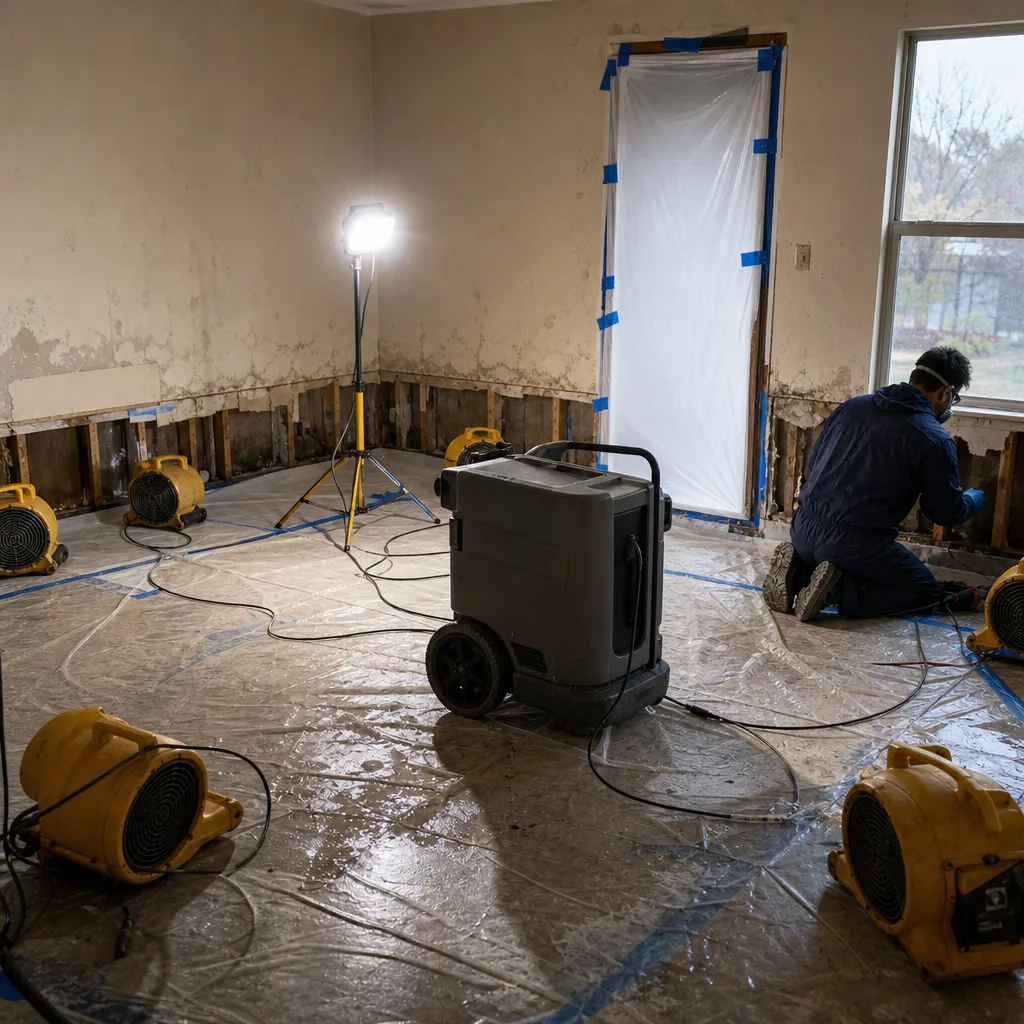
Insurance claims fail when documentation does. We build your file from the first hour with the precision a claims adjuster expects. Our estimates follow industry-standard Xactimate pricing, and we communicate directly with your carrier’s adjuster to resolve scope questions before they become disputes. Every visit produces a photo record, moisture readings, and drying logs that demonstrate progress and justify the invoice.
Escondido homeowners benefit from our origin: founded in 2011 by a former claims adjuster who built the company around the documentation gap that costs homeowners their claims. We know what adjusters need because we used to be the adjuster asking for it.
What We Provide Your Insurer
- Thorough documentation of the loss
- Photos of all damage, room by room
- Moisture readings and drying logs
- A detailed, line-item scope of work
- Direct coordination with your carrier
Built for Escondido’s Loss Calendar
Escondido’s damage pattern follows a rhythm no coastal contractor recognizes. January through March brings winter storms that overwhelm aging drainage in the downtown core, where 1920s clay sewer lines back up into basements and crawl spaces. April and May deliver the last reliable rains before the dry season, often revealing roof leaks that went unnoticed through winter.
June through September is fire season. Santa Ana wind events funnel through the inland valley with sustained intensity that coastal communities don’t experience. When chaparral ignites in the hills between Escondido and Ramona, firefighting efforts soak structures that may not have burned. Then the calls come from homes that never saw a flame: smoke and fine ash infiltrate attic insulation, ductwork, and wall cavities valley-wide, requiring full HVAC decontamination alongside water damage mitigation.
October through December is the dangerous overlap. El Niño years bring intense rainfall after summer fire damage strips hillside vegetation. Escondido Creek swells with debris-laden flash floodwater that deposits silt and contaminated sediment into downstream residential properties. Water that entered as Category 1 from a supply line can be reclassified when firefighting runoff or creek flooding introduces ash, soil, and combustion byproducts. Contractors who haven’t built protocols for this seasonal cascade get caught flat-footed when the surge hits.
Water Damage Restoration Across Escondido’s Neighborhoods
Old Escondido, the downtown core between Grand Avenue and Lincoln Avenue, holds the city’s oldest housing stock. Craftsman bungalows and Spanish Colonial Revival homes from the 1920s to 1950s feature plaster-and-lath walls, original clay tile roofs, and foundations that have settled for nearly a century. Water damage here demands careful moisture mapping behind plaster, and restoration that matches historic materials rather than replacing them with modern equivalents.
Central Escondido, the mid-century neighborhoods between Mission Avenue and El Norte Parkway, is dominated by 1960s-1980s tract construction. These homes share a common failure mode: original galvanized steel supply lines that corrode internally from Escondido’s hard water until they burst without warning. We’ve replaced entire sections of failed pipe in these homes after extraction was complete. The restoration includes documenting the corrosion for insurance, as the water damage is often a covered peril while the pipe replacement may fall under maintenance.
The Harmony Grove Road corridor and northern hillside developments represent newer construction at the wildland interface. These properties face dual exposure: fire hazard severity zones that elevate insurance scrutiny, and drainage patterns that concentrate runoff from burned hillsides. Water damage restoration here often requires coordination with fire damage protocols, and documentation that satisfies both property and casualty adjusters.
Properties along the Escondido Creek corridor, from Dixon Lake downstream through the city center, experience seasonal flooding that introduces debris and sediment contamination. Standard drying protocols fail here if crews don’t account for silt infiltration in wall cavities and subfloor spaces. We check for it every time.
Specialized Water Damage Restoration Services We Offer in Escondido
Emergency Water Extraction
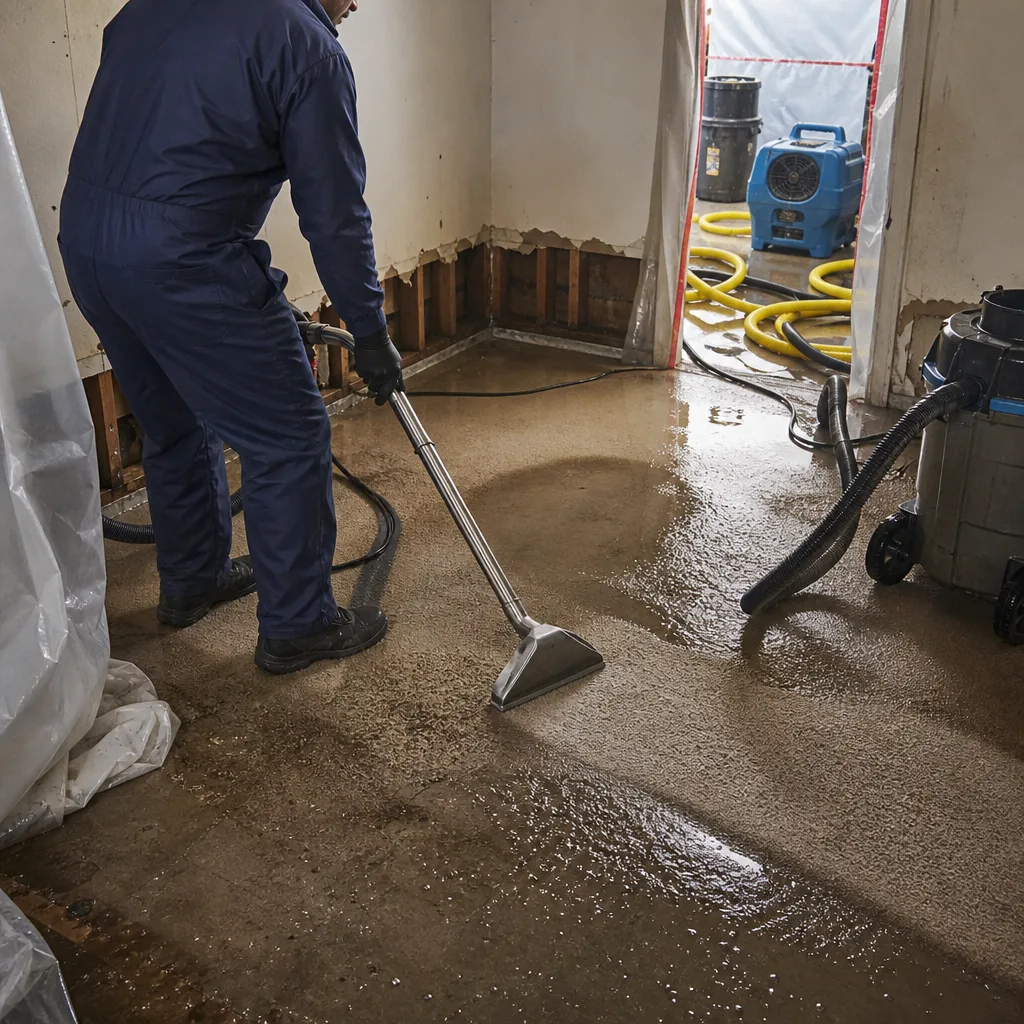
Standing water is removed within hours, not days. Our truck-mounted extraction systems handle bulk water removal, while portable units access crawl spaces and second stories. In Escondido’s hard-water environment, we test extracted water for mineral content that can affect drying calculations and material compatibility.
Structural Drying & Dehumidification
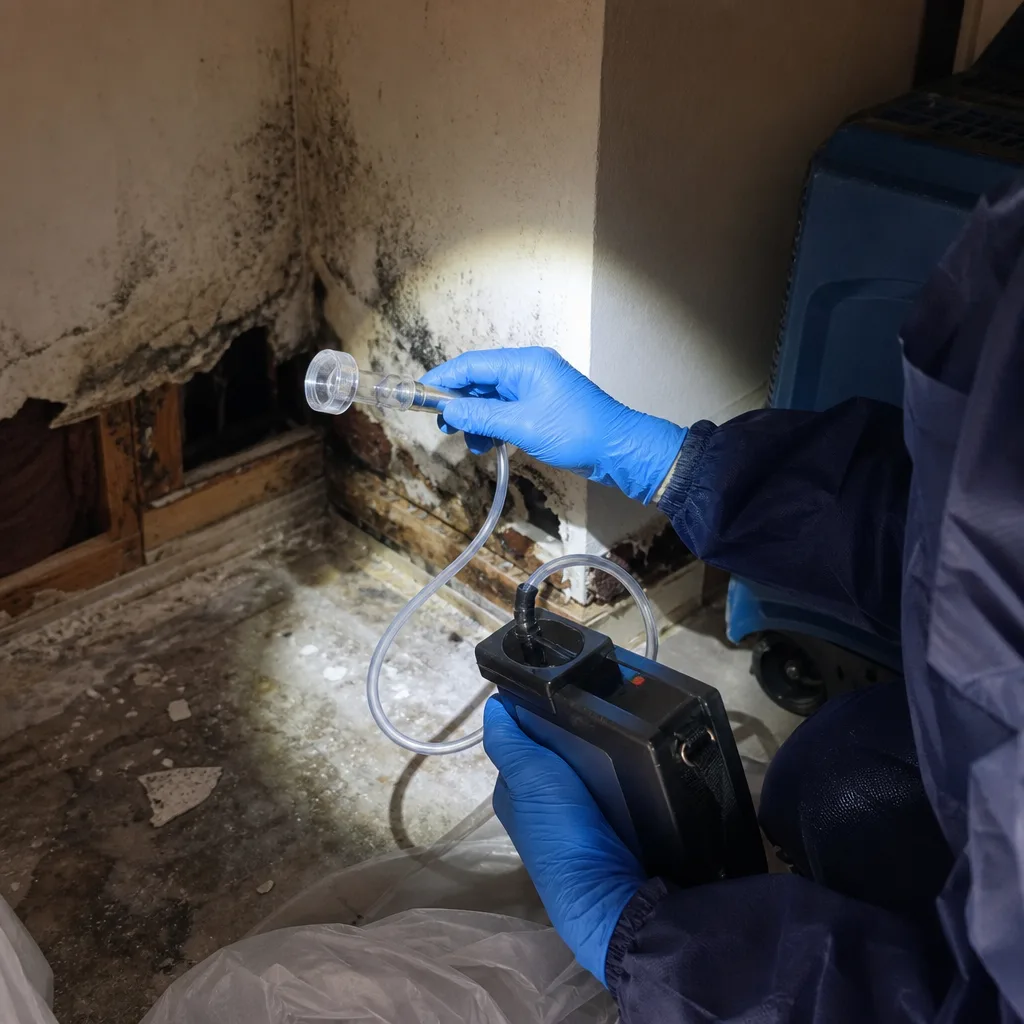
We deploy Dri-Eaz and Phoenix dehumidification systems sized to the affected cubic footage, with air movers positioned to create optimal vapor pressure differential across wet materials. Daily moisture logs document grain depression and equilibrium moisture content until targets are met. Tertiary drying, the final phase where bound moisture is removed from dense materials, prevents callbacks from Escondido’s seasonal humidity swings.
Flood Cleanup
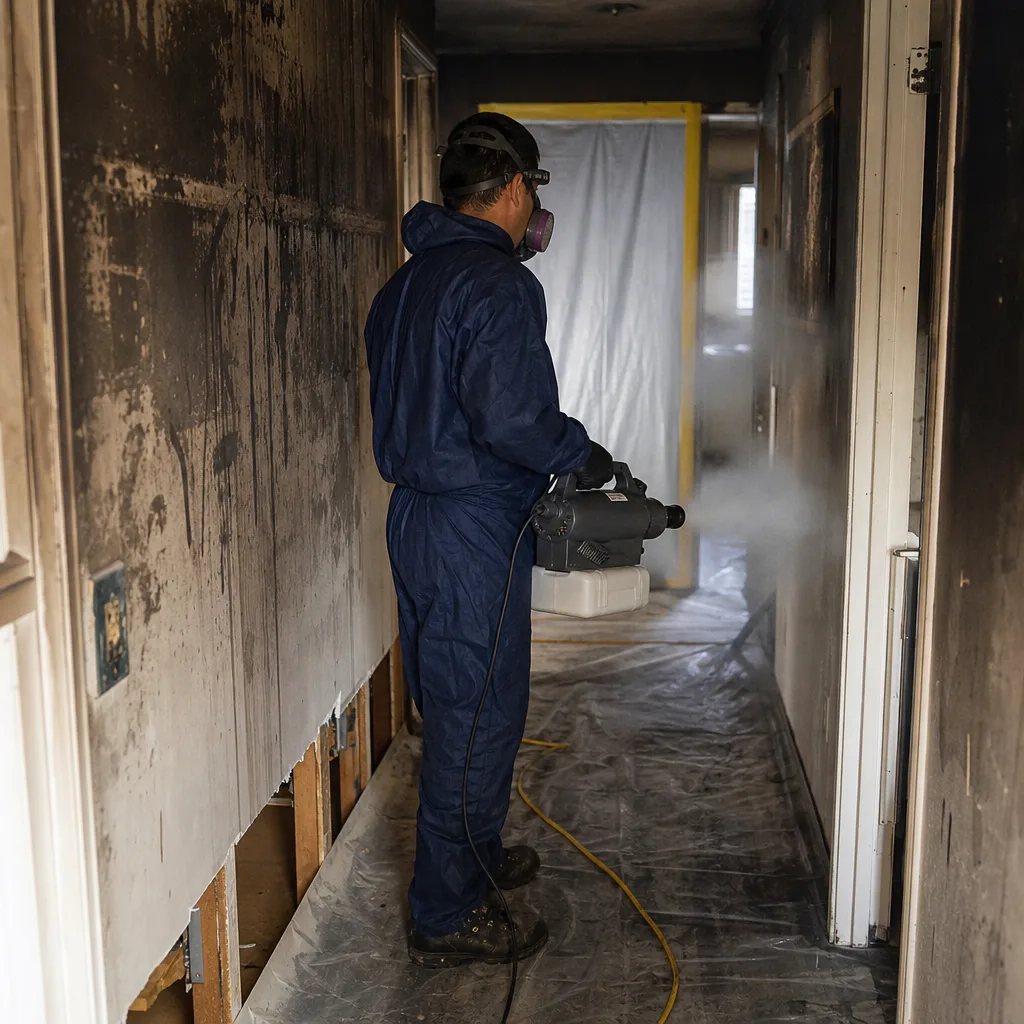
Escondido Creek flooding and post-fire debris flow introduce Category 3 contamination that standard extraction cannot address. We remove silt and sediment, classify affected materials as salvageable or non-salvageable per IICRC standards, and apply antimicrobial treatment before drying begins. Documentation of the contamination source supports your insurance claim.
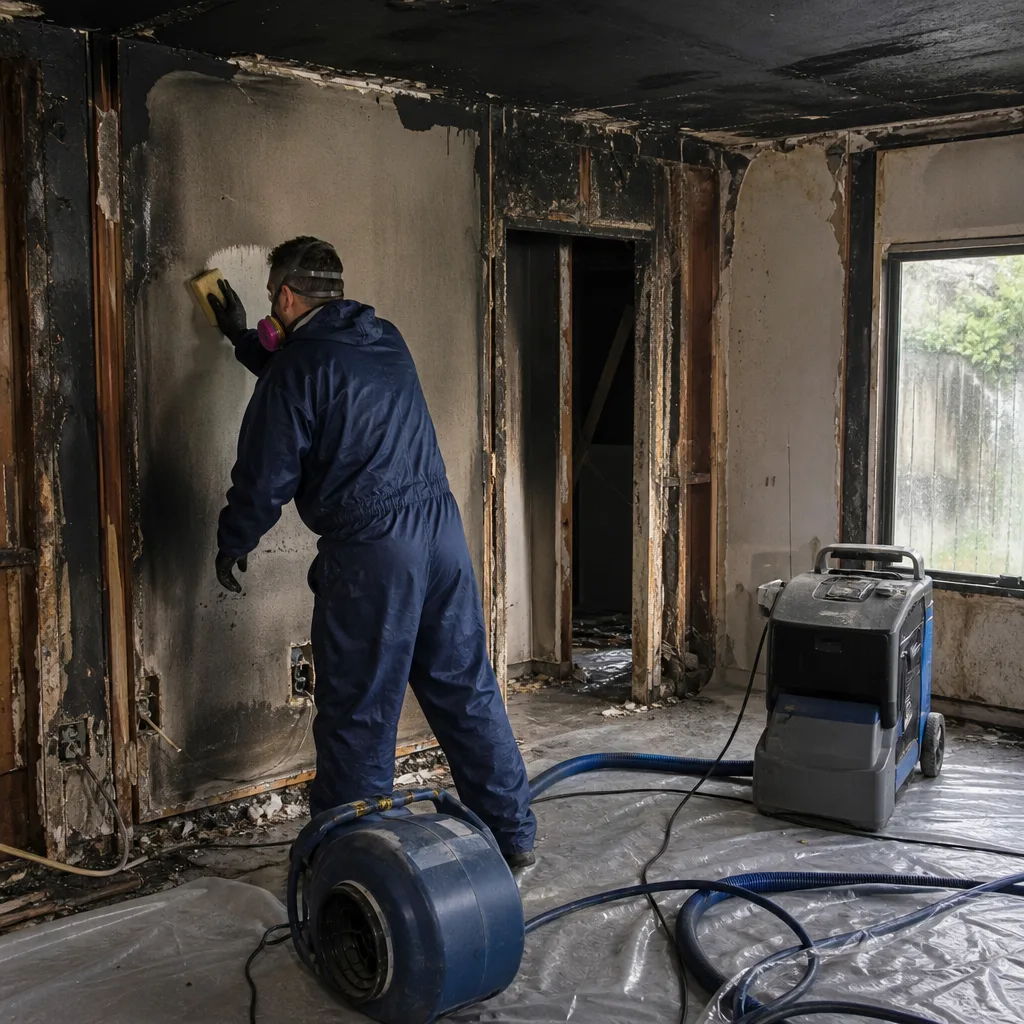
Burst Pipe Restoration
Galvanized pipe failure is epidemic in Escondido’s mid-century housing. We extract the water, document the corrosion pattern with photos, and coordinate with licensed plumbers for replacement. The restoration scope addresses water damage only; we don’t markup subcontractor plumbing work.
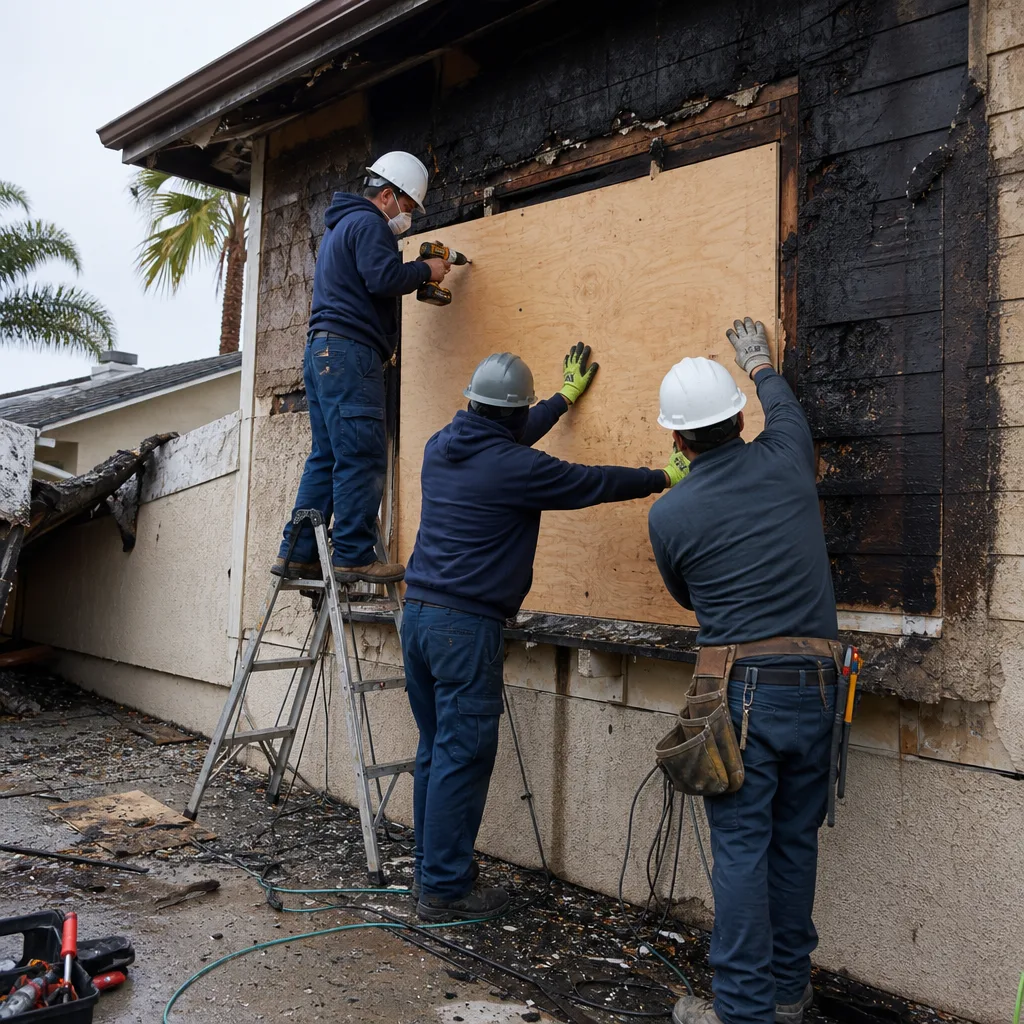
Basement Water Removal
Older Escondido homes with basement foundations, particularly in the downtown core, face hydrostatic pressure and sewer backup risks. We extract, sanitize, and dry these below-grade spaces with specialized equipment for low-clearance areas.
Ceiling & Roof Leak Water Damage
From clay tile failure in historic homes to wind-driven rain at the wildland interface, we trace water migration through attic spaces, document insulation saturation, and restore ceiling systems to pre-loss condition.
What happens when you call
- 1
A real person answersNo phone trees - you reach a local pro.
- 2
You get an upfront price rangeHonest numbers before anyone is dispatched.
- 3
A background-checked tech heads outLicensed & insured, dispatched right away.
- 4
You approve before work beginsNothing starts until you say go.
Water Damage Restoration Costs in Escondido, CA
Typical water damage restoration in Escondido runs $3,200-$8,500 for a standard residential extraction and drying job. Emergency water extraction alone typically costs $800-$1,800 depending on volume and access. Structural drying and dehumidification adds $1,500-$4,200 for a three-day to five-day cycle with daily monitoring. Flood cleanup involving Category 3 contamination or debris-flow sediment ranges $5,500-$14,000 due to removal, disposal, and sanitization requirements.
What moves the price: square footage affected, water category, material type (hardwood and plaster cost more to dry than carpet and drywall), and whether the loss involves the dual smoke-and-water scenario common after wildfire response. Insurance typically covers sudden and accidental water damage from supply lines, storms, and firefighting efforts; gradual leaks and maintenance-related failures are usually excluded.
We deliver a written price before work begins, every time, with no scope-creep additions once the crew is inside - Haven Standard, Clause 1. Bring a competitor’s written estimate and we’ll review it at no charge. Call (858) 683-1768 for your free visual inspection and firm scope.
We Also Serve Cities Near Escondido
Our crews respond throughout the inland north San Diego County corridor, including Water Damage Restoration in Escondido and surrounding communities: San Marcos to the west, Poway to the south, Valley Center to the northeast, and Vista to the northwest. Each community shares Escondido’s inland climate patterns but carries distinct housing stock and risk profiles that our teams are trained to recognize.
Serving Escondido, CA - Our Local Coverage Area
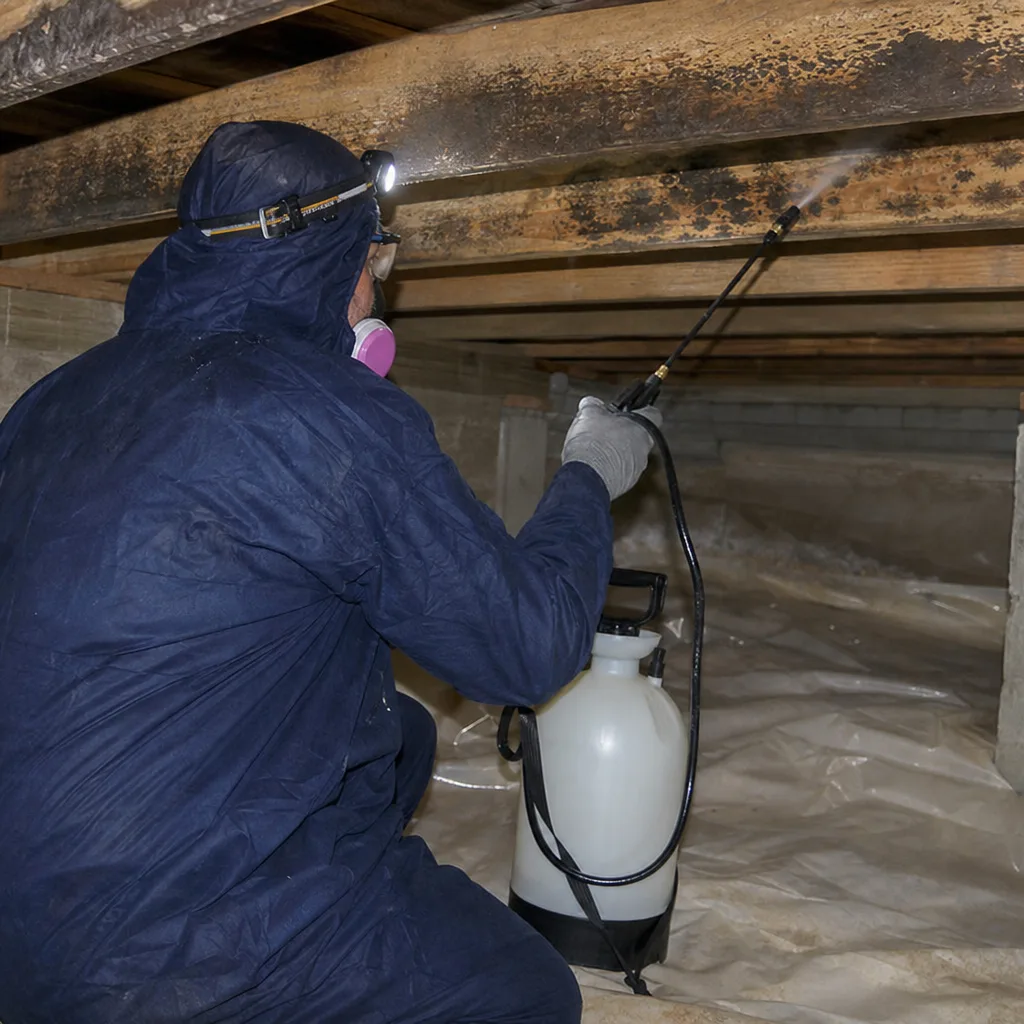
We’re based in the Escondido area and know this community well. Use the map below to see our service coverage - if you’re nearby, we can almost certainly help.
Escondido Water Damage Restoration Questions, Answered
How fast can you get to my Escondido property?
Our crews typically arrive within 45 minutes of your call, dispatched from our San Diego office to serve Escondido directly. Live phone coverage is available 24 hours a day, 7 days a week with no voicemail on emergency lines. Call (858) 683-1768 now.
Will insurance cover my water damage restoration in Escondido?
Most sudden and accidental water damage is covered under standard homeowners policies, including burst pipes, storm intrusion, and firefighting water damage. Gradual leaks, maintenance failures, and flooding from outside the home may require separate flood coverage or fall under exclusions. We document every loss to support your claim and coordinate directly with your adjuster. Call (858) 683-1768 and we’ll review your coverage during the free inspection.
Why does water damage in Escondido often come with smoke odor?
Escondido’s valley-basin geography traps wildfire smoke and ash from surrounding chaparral fires, and firefighting efforts often introduce water into homes that never burned. Smoke infiltration and water damage require simultaneous remediation; addressing one without the other leaves odor and residue that cause callbacks. Our crews are IICRC FSRT-certified to handle both protocols together.
How does Escondido’s hard water affect pipe failures and restoration?
Escondido’s imported water supply is characteristically hard, with mineral content that accelerates internal corrosion in galvanized steel pipes common in 1960s-1980s homes. The same minerals can leave deposits on surfaces after water damage, interfering with moisture meter readings and supporting microbial growth if not properly cleaned. We test for mineral content and adjust our drying and cleaning protocols accordingly.
What is the difference between category 1 and category 3 water damage in Escondido?
Category 1 is clean water from a supply line or rainwater. Category 3 is grossly contaminated water containing sewage, flood-borne pathogens, or firefighting runoff mixed with ash and debris. In Escondido, post-fire debris flow from Escondido Creek and firefighting water intrusion frequently elevate Category 1 losses to Category 3, requiring more extensive removal, disposal, and sanitization. We classify and document the water category on every job.
Can you handle water damage from both fires and floods in Escondido?
Yes. Our crews hold both WRT and FSRT certifications, and we’ve built specific protocols for Escondido’s dual-threat scenario where wildfire smoke infiltration coincides with water intrusion from firefighting or post-fire rains. One team manages both damage types with integrated documentation for your insurance claim.
How quickly can mold start after water damage in Escondido homes?
Mold colonization can begin in 24 to 72 hours in Escondido’s warm inland climate, faster than in cooler coastal areas. Our emergency extraction and drying protocols are designed to prevent colonization, and we apply antimicrobial treatment as standard on all Category 2 and 3 losses. If mold is already present, our AMRT-certified technicians transition to containment and remediation per IICRC standards.
Do I need to leave my home during water damage restoration?
Most homeowners remain in residence during extraction and drying, though Category 3 losses or extensive demolition may require temporary relocation for safety. We establish containment barriers to isolate work areas and maintain livable conditions in unaffected spaces. Your written scope will specify any occupancy recommendations before work begins.
Water damage in Escondido doesn’t wait for business hours, and neither do we. Our Water Damage Restoration team answers live 24 hours a day, documents every loss to insurance standards, and delivers a written price before any work starts. Call (858) 683-1768 now for your free visual inspection and firm scope.
Written by Alicia Brennan, Owner at Back to Dry Restoration, serving Escondido since 2011.
Water Damage Restoration in Nearby Areas