
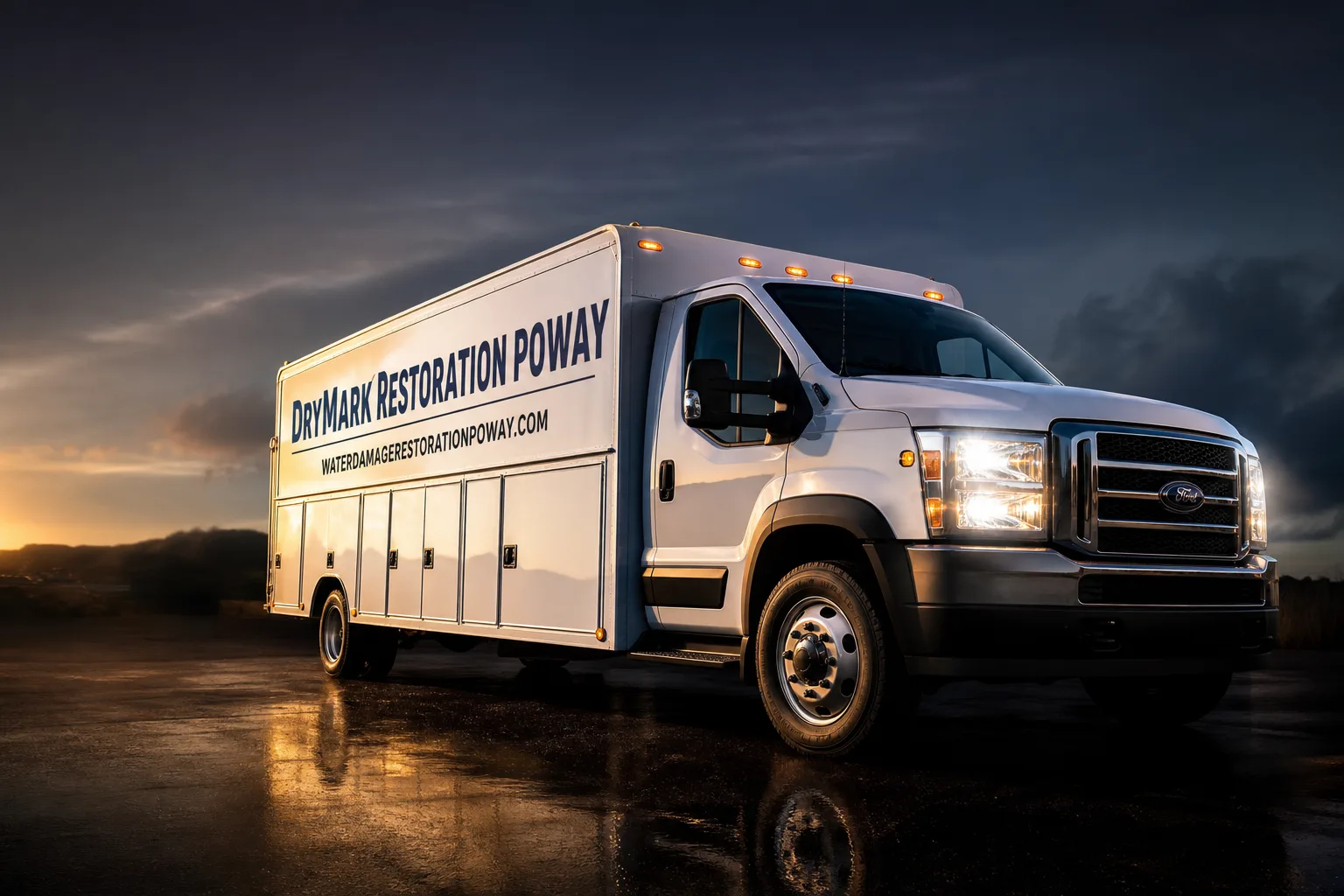
Free visual inspection and a written scope of work before any mitigation begins - photos, moisture readings, and drying logs go in your claim file
The scope we write is the scope we bill. Anything new gets shown to you, in writing, before we touch it.
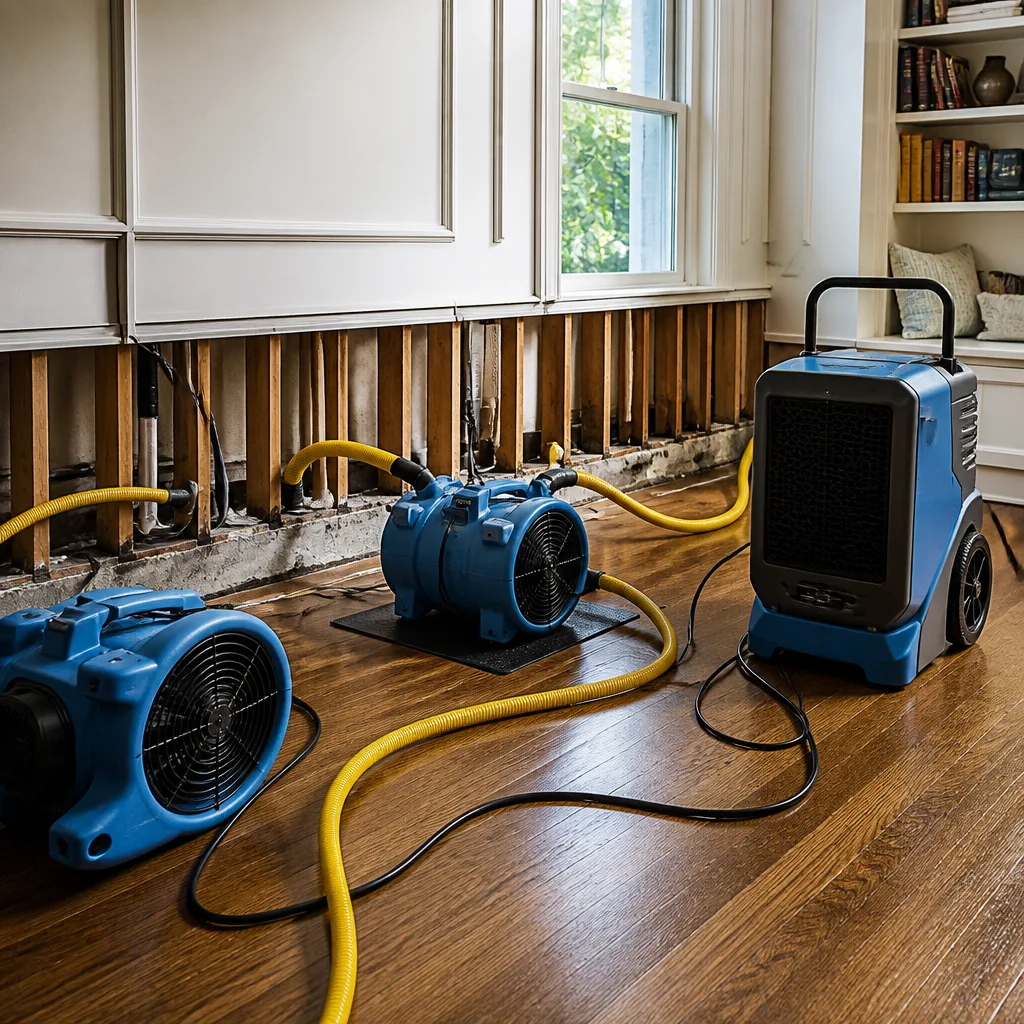

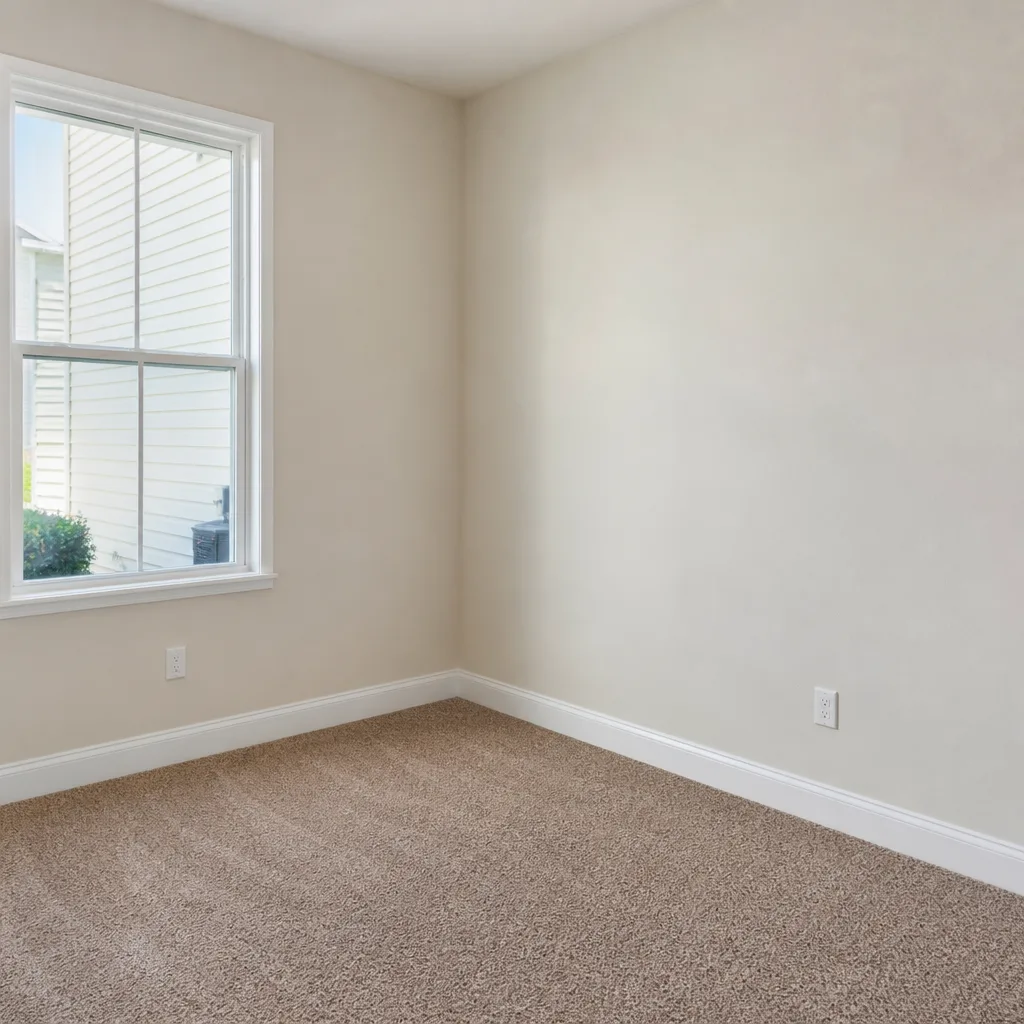

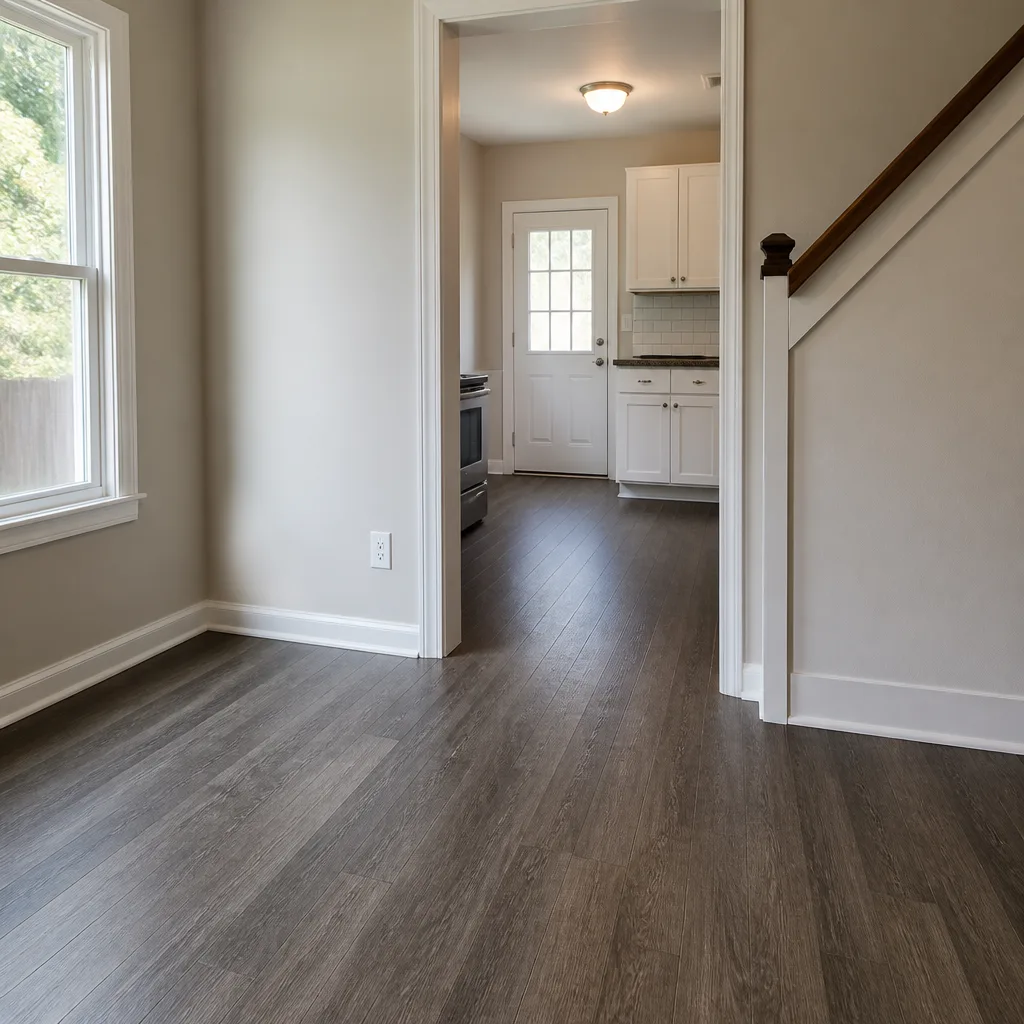

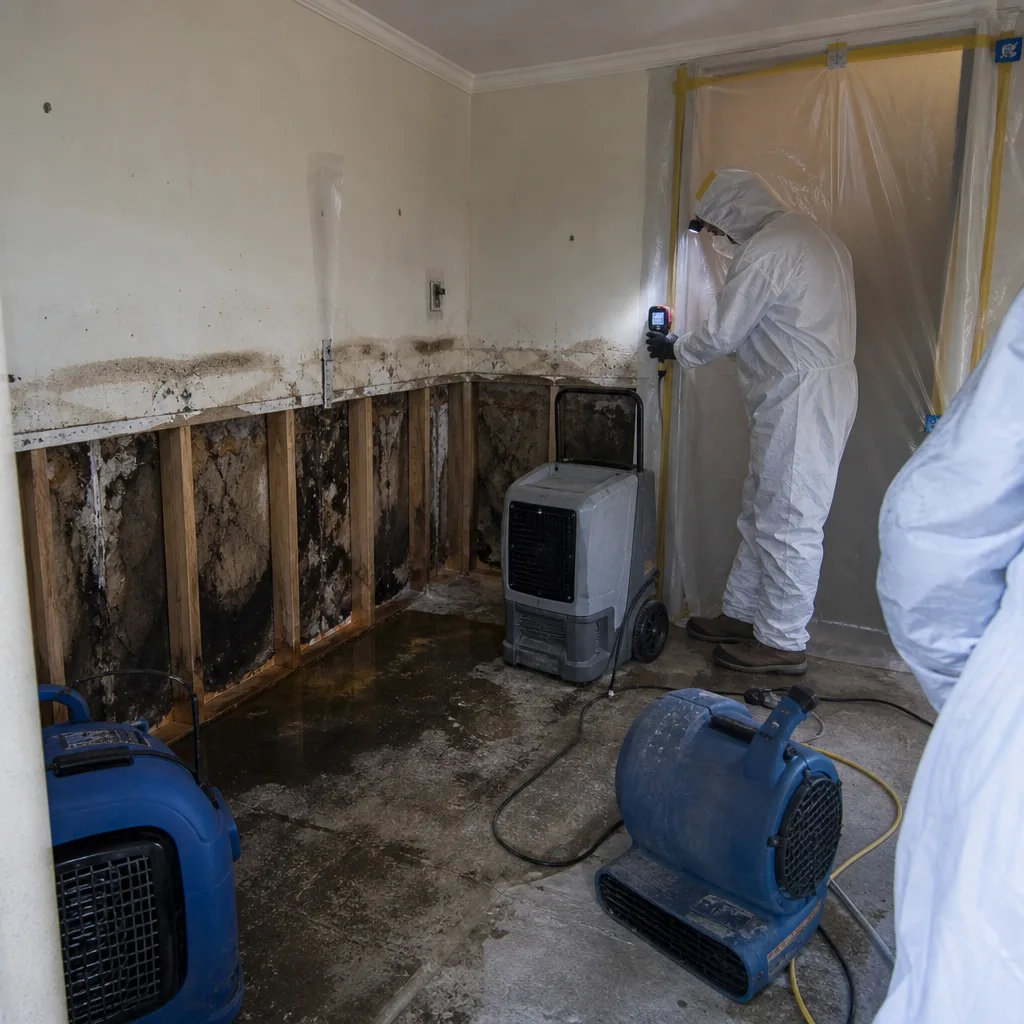 Before
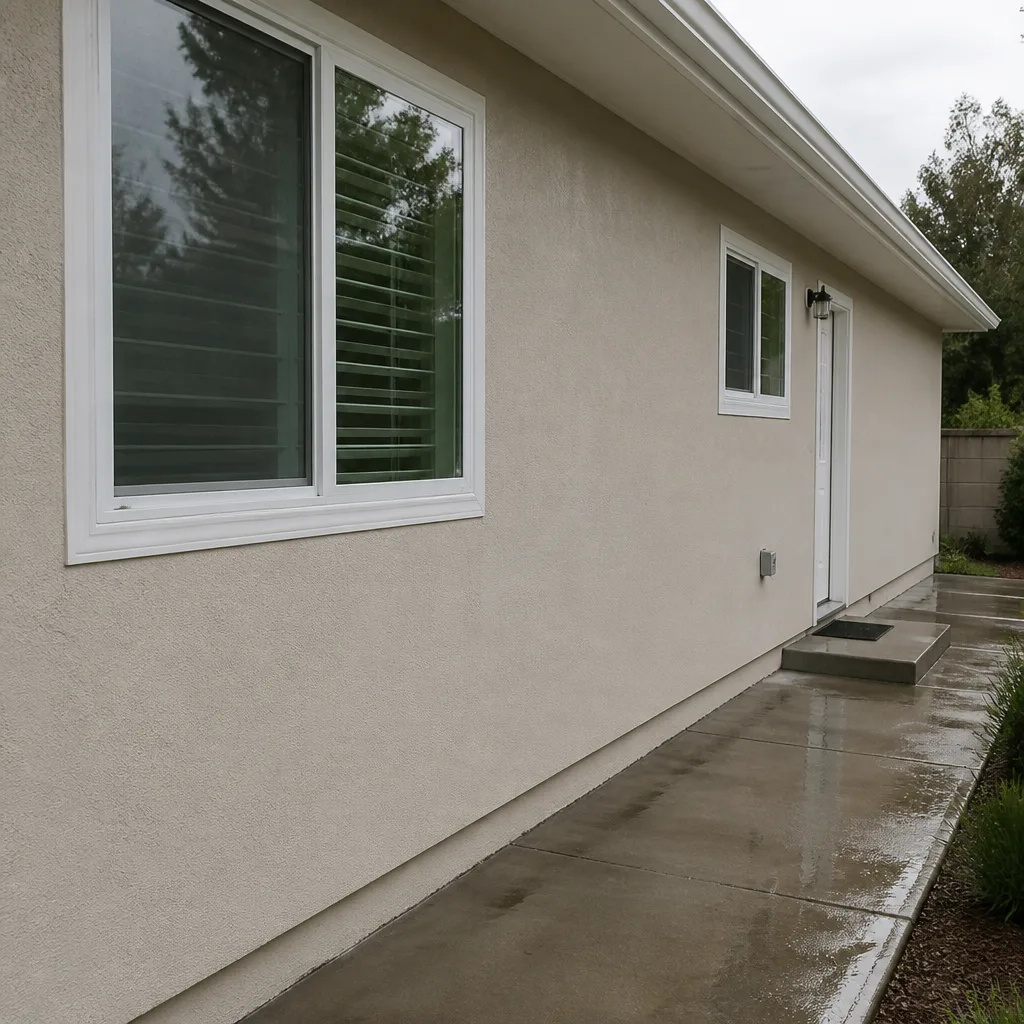 After
After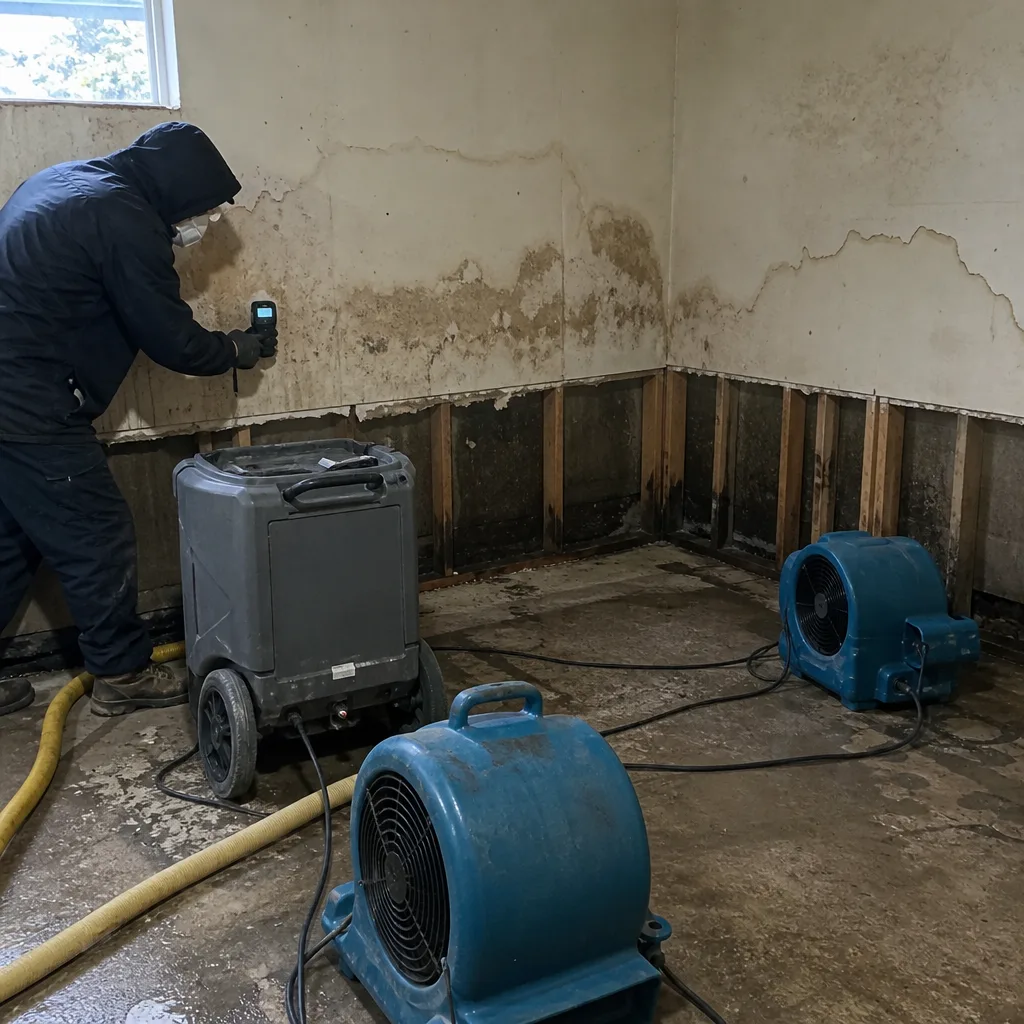 Before
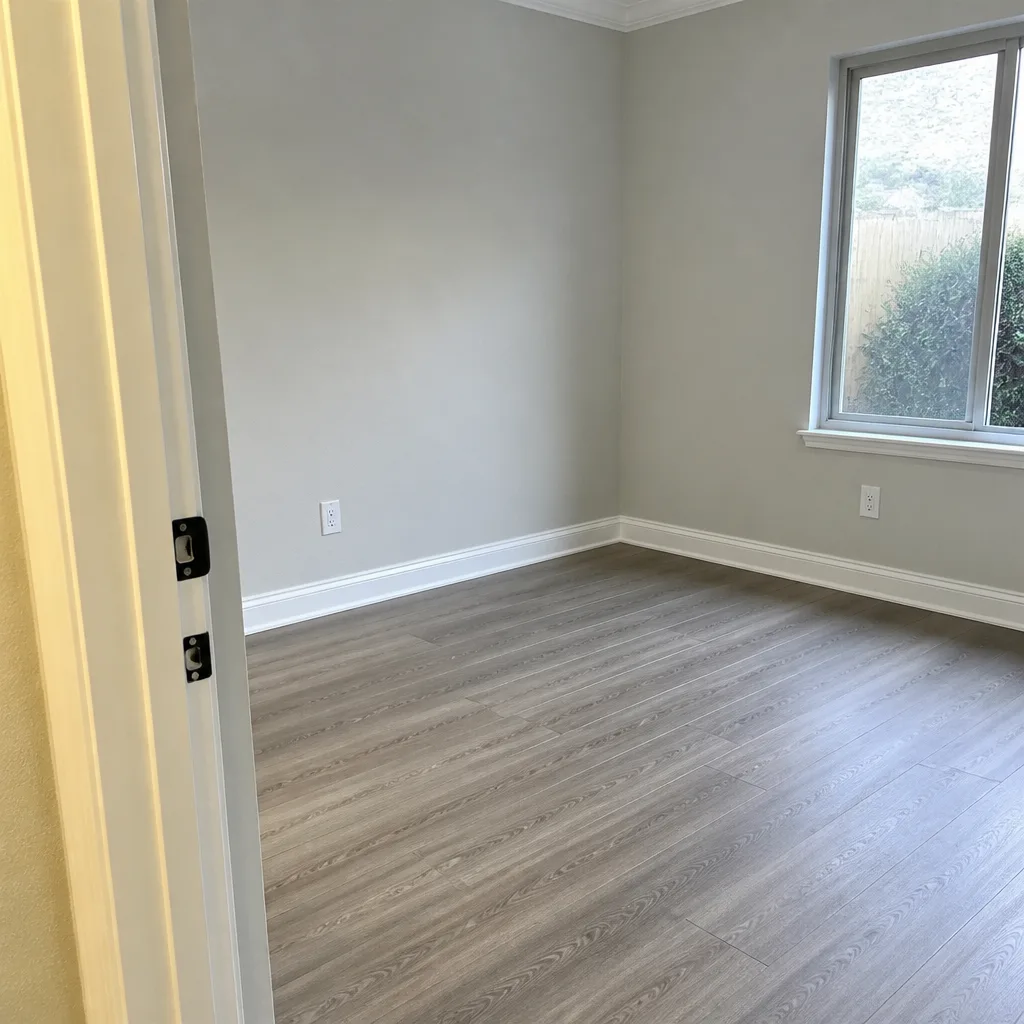 After
After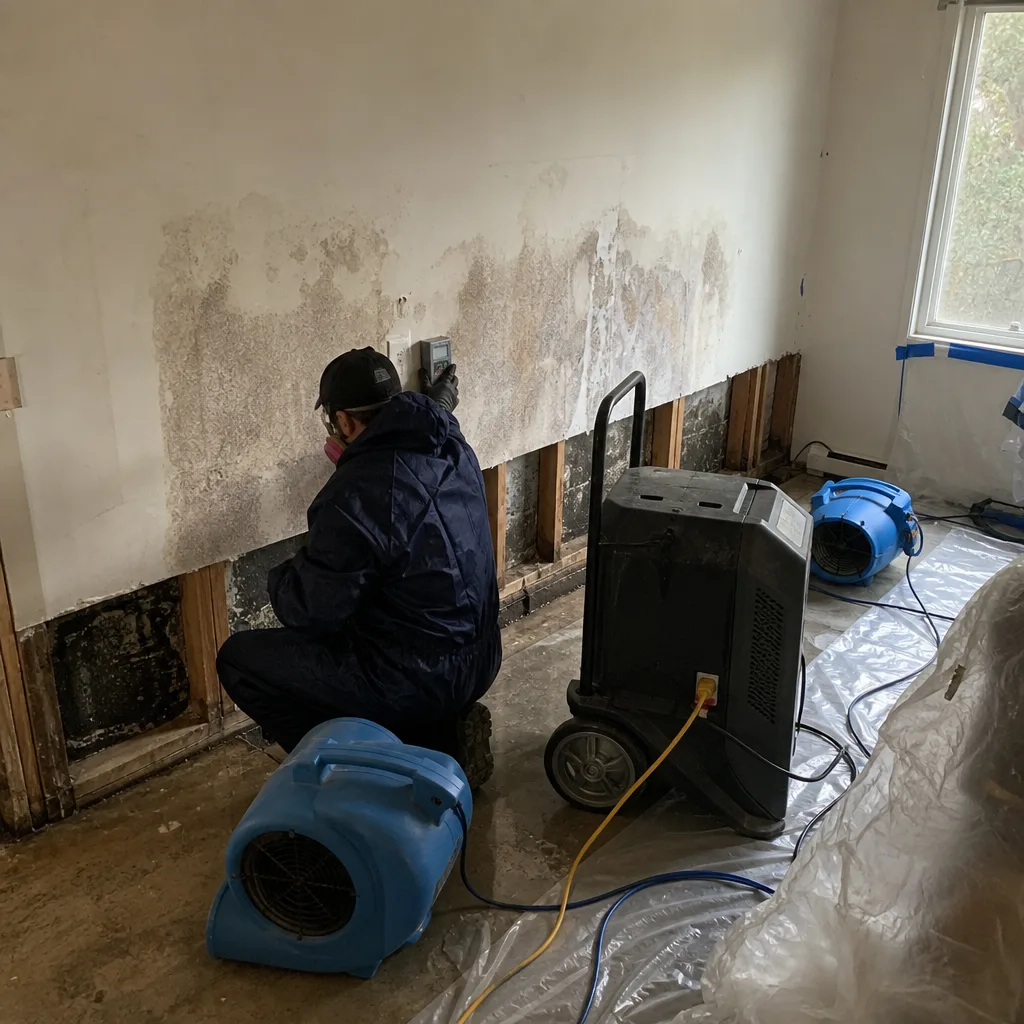 Before
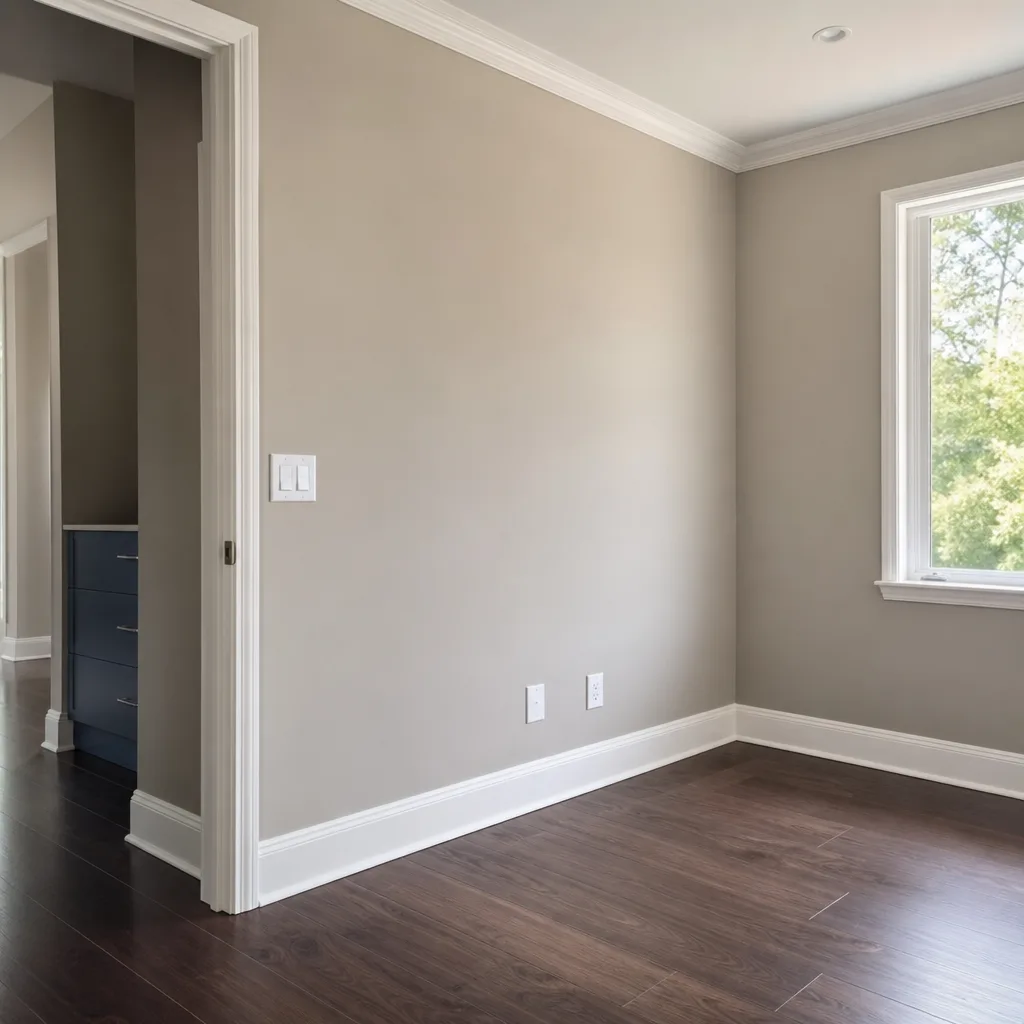 After
After24/7 Emergency Water Damage Restoration in Poway
Water damage restoration in Poway typically costs $2,800-$7,500 for a standard residential dry-out, with Category 3 flood jobs running $5,500-$12,000 due to tear-out and antimicrobial requirements. Most emergency calls in Poway reach a live person within 60 seconds, and crews can be on-site in 45 minutes or less. Call (858) 683-1768 now.
We’re available 24 hours a day, 7 days a week - a real person answers every call, no voicemail trees, no next-business-day callbacks while water is still moving through your walls. Our dispatch is coordinated from our San Diego office, with crews serving Poway locally. The first hour determines whether you’re looking at a contained extraction or a full-gut rebuild. Water travels along joist bays and stud cavities, so the visible puddle is rarely the whole story. We start every emergency call with a free visual inspection and moisture mapping to find where the water has actually gone.
Understanding Water Damage Restoration Severity in Poway Properties
Water damage breaks into three categories. Category 1 is clean water - a burst supply line, an overflowing sink. Category 2 is gray water, carrying detergents or light contaminants. Category 3 is black water: sewage, creek flooding, or any water that has passed through soil or building materials. In Poway, Category 3 is more common than in most San Diego County cities because winter atmospheric-river events drive flash flooding through the Poway Creek and Rattlesnake Creek drainages, sending contaminated water into low-lying homes.
Most of Poway’s housing stock was built between the mid-1970s and mid-1990s - wood-framed single-family homes on larger lots, many originally roofed with wood shake. These structures have aging attic insulation, soffit vents, and perimeter flashing that absorb moisture readily and complicate drying. We classify every loss by water category and material condition before setting equipment. Psychrometric data - temperature, relative humidity, and vapor pressure differential, which is the force that drives moisture from wet materials into the air - governs our drying plan. Tertiary drying, the final phase where we chase residual moisture from dense structural members, often takes longest in these older framed walls.
Why Poway Property Owners Choose DryMark Restoration Poway
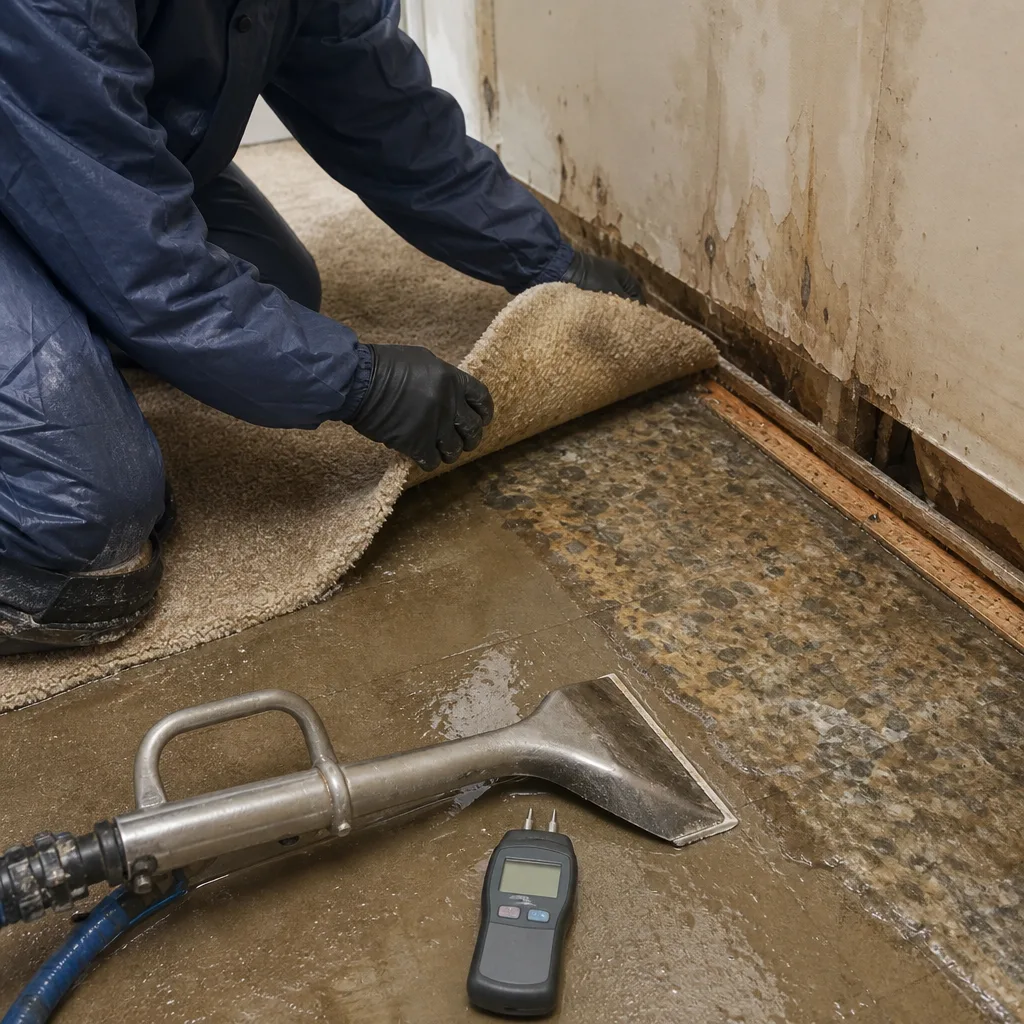
- 45-minute response commitment to Poway addresses - our crews know the corridor from Scripps Poway Parkway to Espola Road and arrive with extraction gear already loaded.
- 24/7 live answer: a real person, never an automated system. No voicemail trees while water is still spreading through your subfloor.
- IICRC-certified crews holding WRT (Water Damage Restoration Technician) and AMRT (Applied Microbial Remediation Technician) certifications, with documented training to RIA standards.
- Free visual inspection before any work begins - we map moisture, classify the water, and show you what we found.
- Direct insurance billing with photo-documented estimates and daily drying logs that adjusters recognize and pay without dispute.
- One team from extraction to reconstruction - no handoffs to unknown subcontractors, no gaps in your documentation chain.
 Before
 After
AfterOur Water Damage Restoration Process
1. Inspection & Assessment
We arrive with thermal imaging cameras, pin and non-invasive moisture meters, and hygrometers. We classify the water, identify affected materials by trade name (drywall, R-11 fiberglass batt, OSB subfloor, etc.), and document pre-loss moisture readings room by room. You get a written scope before any work starts - Haven Standard, Clause 1.
2. Extraction & Stabilization
Standing water comes out first. We deploy truck-mounted extractors and portable units for confined spaces. If the water is Category 3, we establish containment with 6-mil poly barriers and negative air pressure to prevent cross-contamination. Affected porous materials - carpet pad, base drywall, insulation - are removed and logged for the adjuster.
3. Drying & Dehumidification
We size the drying system to the cubic volume and material load: Dri-Eaz and Phoenix LGR dehumidifiers, XPOWER and B-Air air movers positioned for laminar airflow across wet surfaces. We log specific humidity and grain depression daily, adjusting equipment until readings match pre-loss baselines.
4. Cleaning & Sanitization
Category 2 and 3 losses receive antimicrobial treatment to EPA-registered standards. Hard surfaces are cleaned; porous materials that absorbed contaminated water are removed, not treated in place. We HEPA-vacuum before applying any chemistry.
5. Attic & HVAC Inspection
On Poway’s older wood-framed, shake-roof housing stock, we inspect attic spaces and HVAC return vents for wind-driven rain intrusion and smoke particulate from nearby brushfires. Missing this step leads to mold callbacks when condensation activates organic debris left in ducts - a known failure mode in this market.
6. Repairs & Restoration
Once drying logs confirm pre-loss moisture content, we rebuild: drywall, insulation, flooring, trim. Every phase is photo-documented. The final packet includes moisture logs, photo record, and our 365-Day Done Right Promise under The Haven Standard.
Need Emergency Water Damage Restoration in Poway Now?
Crews minutes away, answering live 24 hours a day. The sooner we start, the less it costs.
Working With Your Insurance Company
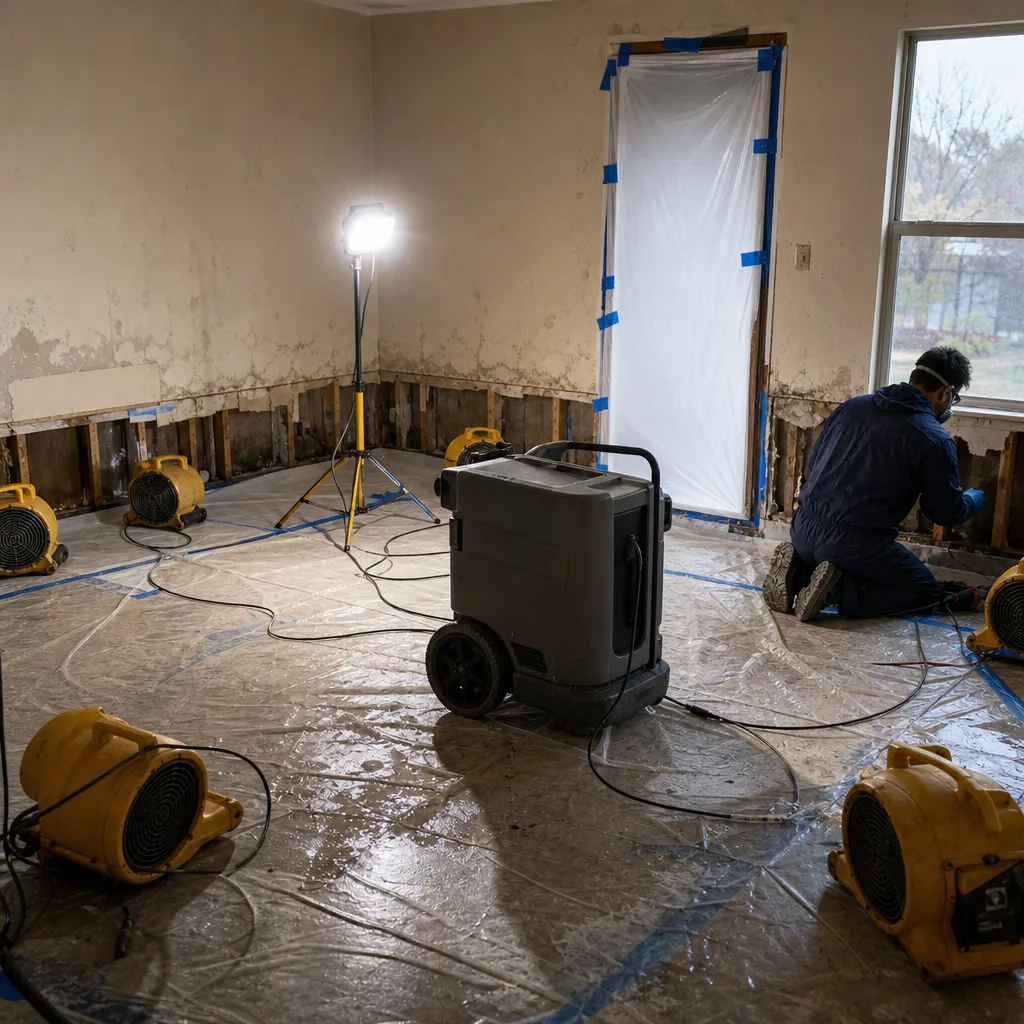
Insurance claims succeed or fail on documentation. We start building your file from the first hour: moisture readings with timestamps, room-by-room photos, material classifications, and a line-item scope written to Xactimate or Symbility standards. Our estimates speak the language adjusters expect because Alicia Brennan founded this company in 2011 after working as a claims adjuster and seeing how many restoration invoices got denied for vague scopes and missing photos.
We coordinate directly with your carrier. You don’t chase paperwork between two offices. Our daily drying logs show grain depression trends that prove the structure returned to pre-loss condition - the documentation that turns a questioned invoice into a paid claim.
What We Provide Your Insurer
- Thorough documentation of the loss
- Photos of all damage, room by room
- Moisture readings and drying logs
- A detailed, line-item scope of work
- Direct coordination with your carrier
Built for Poway’s Loss Calendar
Poway’s water damage follows two distinct seasonal tracks. Winter atmospheric-river events, intensifying in recent years, concentrate flash-flood risk in the Poway Creek and Rattlesnake Creek drainages. Low-lying neighborhoods along these corridors - the streets near Old Poway Park, the flats below Espola Road, the reaches near Community Road - see Category 3 flood water enter through foundation vents, garage doors, and compromised window wells. The Santa Ana wind events that peak in fall drive the second pattern: wind-driven rain intrusion through aging roof assemblies, especially on the pre-1990s wood-framed stock with original or replaced-in-kind shake roofs.
Spring brings the mold callbacks. Not from new leaks, but from winter jobs where crews skipped attic inspection or treated creek flood water as Category 2 and dried it in place. The organic load in that water activates when temperatures rise. We see it every March and April.
Water Damage Restoration Across Poway’s Neighborhoods
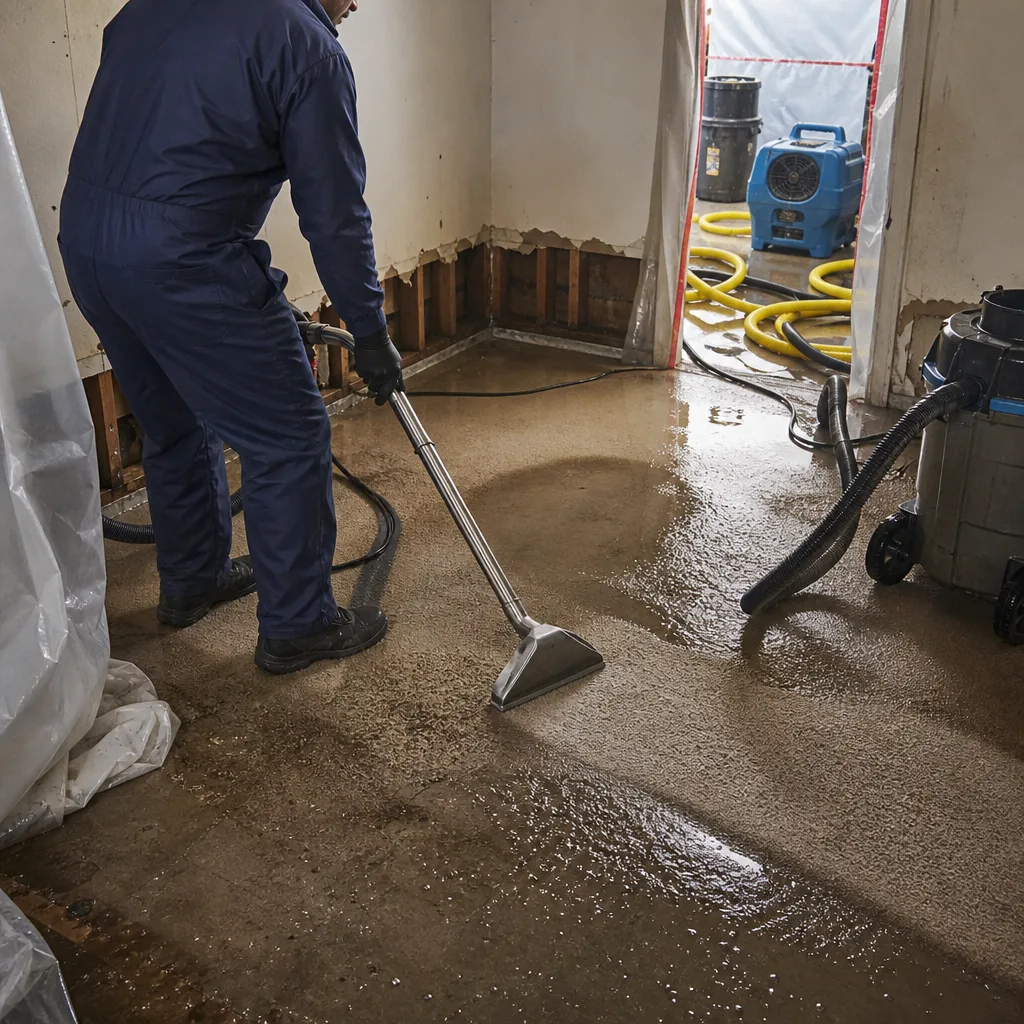
Old Poway, the historic core near the park and train depot, sits lowest in the creek drainage. Homes here flood first when the creek overtops its banks. We route crews via Midland Road and know to check basement and crawl space entries first - many of these properties have original foundation vents at grade level that become intake points for contaminated water.
The Green Valley corridor, climbing toward the Cleveland National Forest boundary, sees more wind-driven rain damage. Exposed ridge lines and older shake roofs take the full force of Santa Ana-driven storms. We always inspect attic sheathing and soffit vents on these calls; the wind angle drives water past flashing that would hold in normal conditions.
Bridlewood and the neighborhoods along Scripps Poway Parkway represent the 1980s-1990s build wave - larger homes, more complex HVAC duct runs, and the transition from shake to comp shingle roofs. Water losses here tend to be supply-line bursts in attic installations, with migration down interior wall cavities. Our moisture mapping traces these paths before we cut any drywall.
The semi-rural properties along Espola Road and toward Ramona face both threats: creek adjacency from the Rattlesnake Creek drainage and extended fire-season exposure that leaves HVAC systems loaded with ash before winter storms even arrive. We inspect returns and attic spaces as standard practice on every job in this zone.
Specialized Water Damage Restoration Services We Offer in Poway
Emergency Water Extraction
Truck-mounted and portable extractors remove standing water within hours of your call. In Poway’s creek-corridor flooding events, extraction is only the start - Category 3 water demands immediate removal of saturated porous materials before drying equipment can be effective. We classify first, extract second, never the reverse.
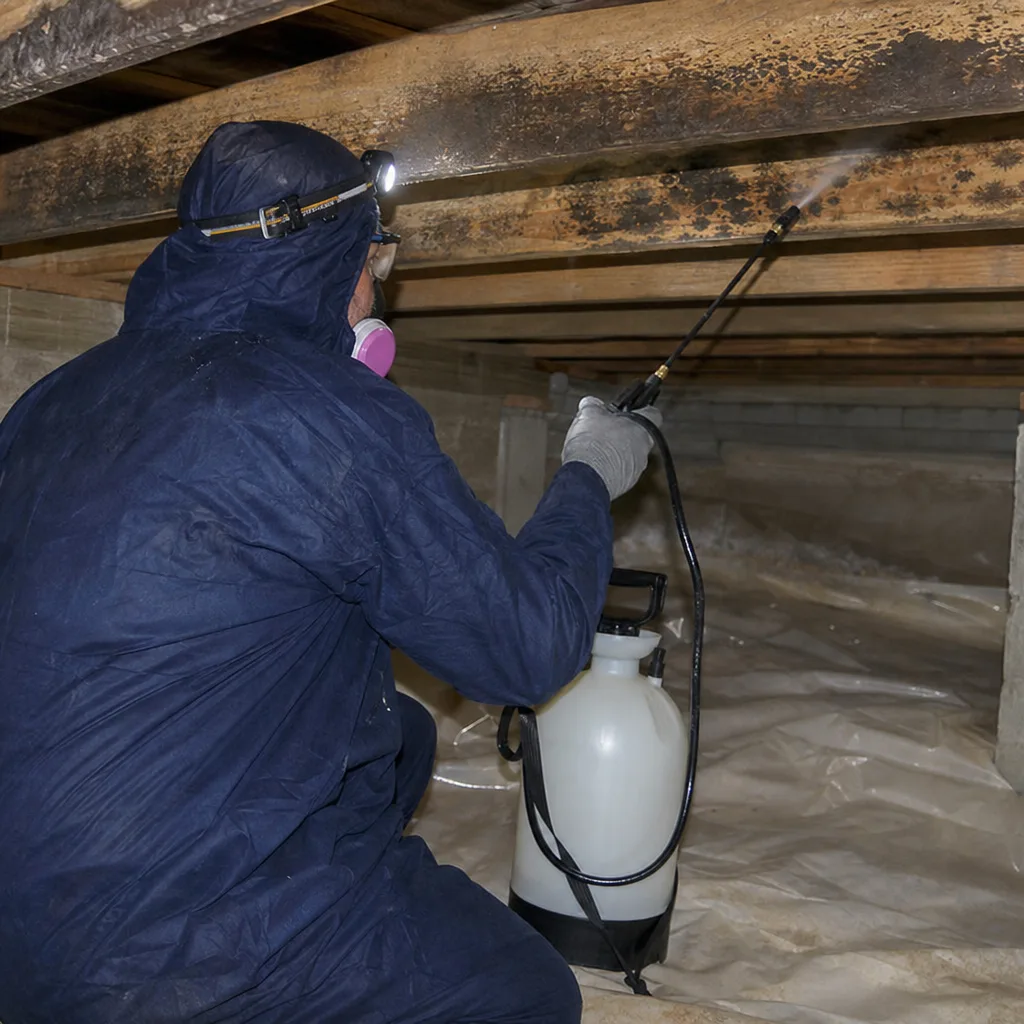
Structural Drying & Dehumidification
We size dehumidification to the specific vapor pressure load of your structure, using Dri-Eaz and Phoenix LGR units with XPOWER air movers. Daily moisture logs track specific humidity and grain depression until readings match pre-loss baselines documented at inspection. This is the documentation that gets your claim paid.
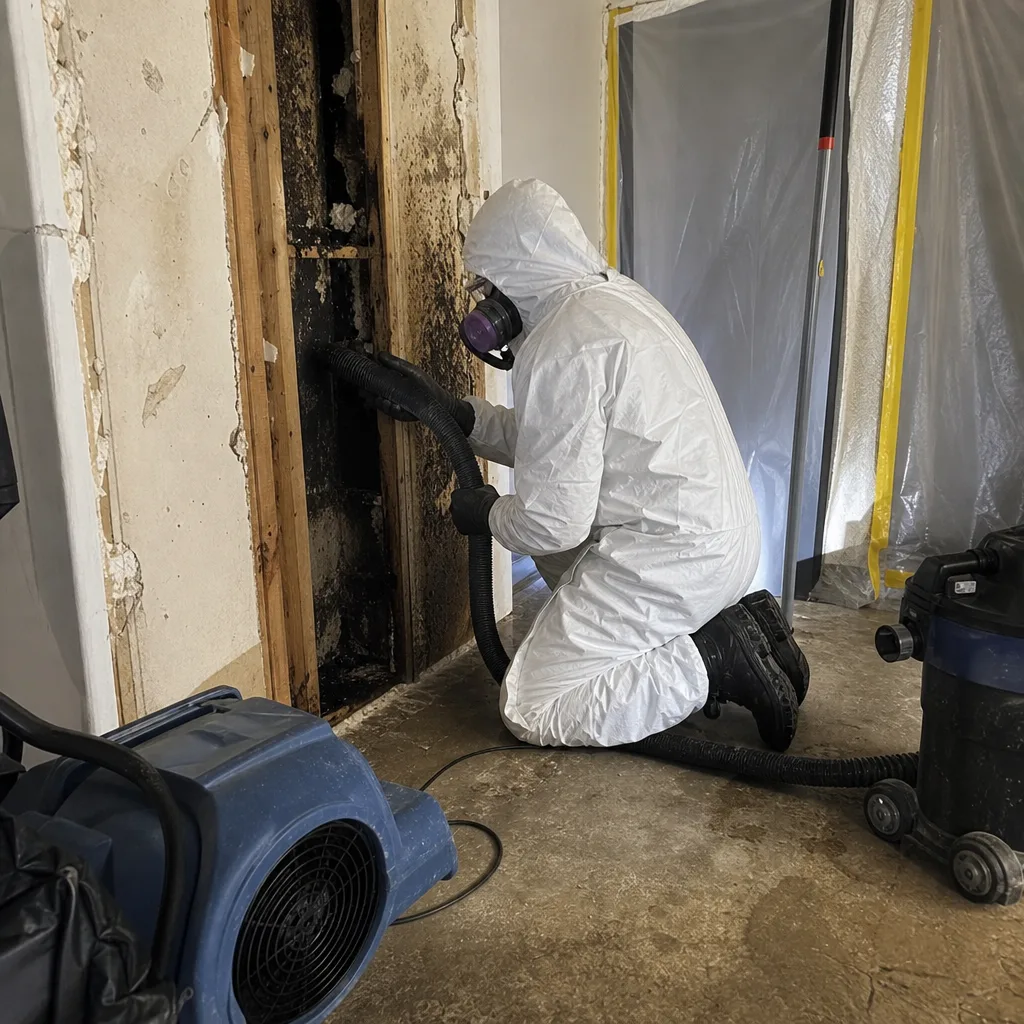
Flood Cleanup
Poway’s atmospheric-river flooding is Category 3 by definition - creek water carries soil bacteria, hydrocarbons from road runoff, and organic debris. We do not dry this in place. Containment, removal, antimicrobial treatment, and verified drying before rebuild. Anything less leads to mold callbacks within 48 hours.
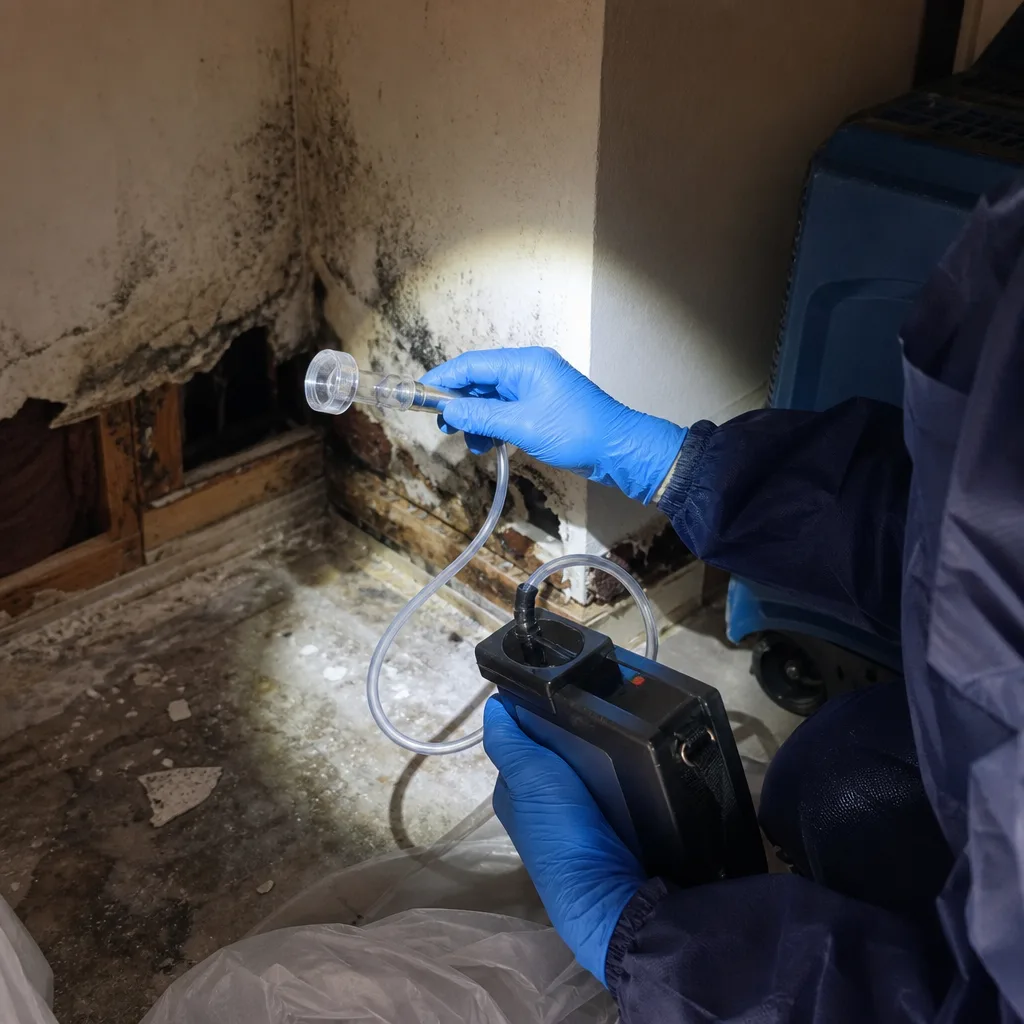
Burst Pipe Restoration
Poway’s older copper and galvanized supply lines, especially in the 1970s-1980s build stock, fail at joints and attic installations where temperature swings stress the metal. We extract, map moisture migration through wall cavities, and document the line-item scope for your adjuster before any demolition begins.
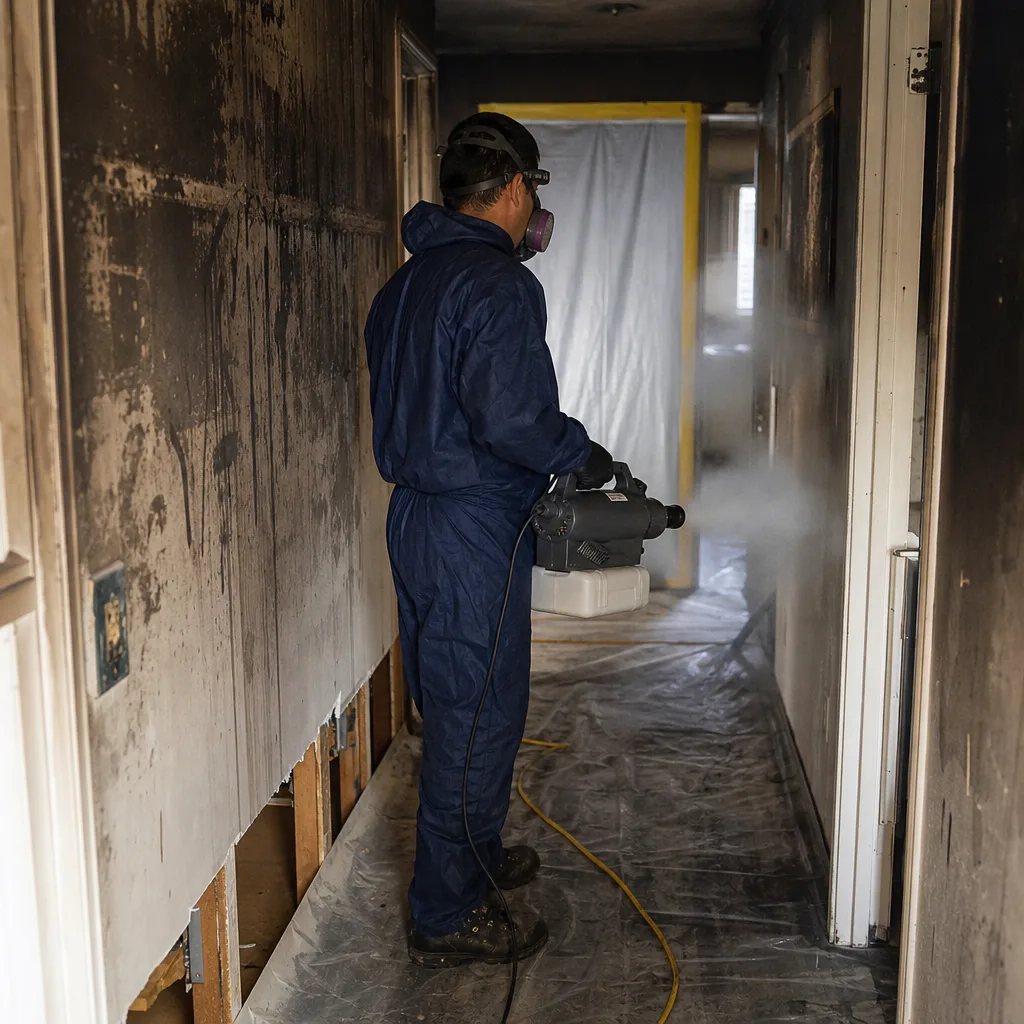
Basement Water Removal
Few Poway homes have true basements, but crawl spaces and below-grade additions in the creek corridors function the same way. Submersible pumps, extractors, and targeted dehumidification dry these confined spaces. We inspect vapor barriers and foundation vents for contamination.
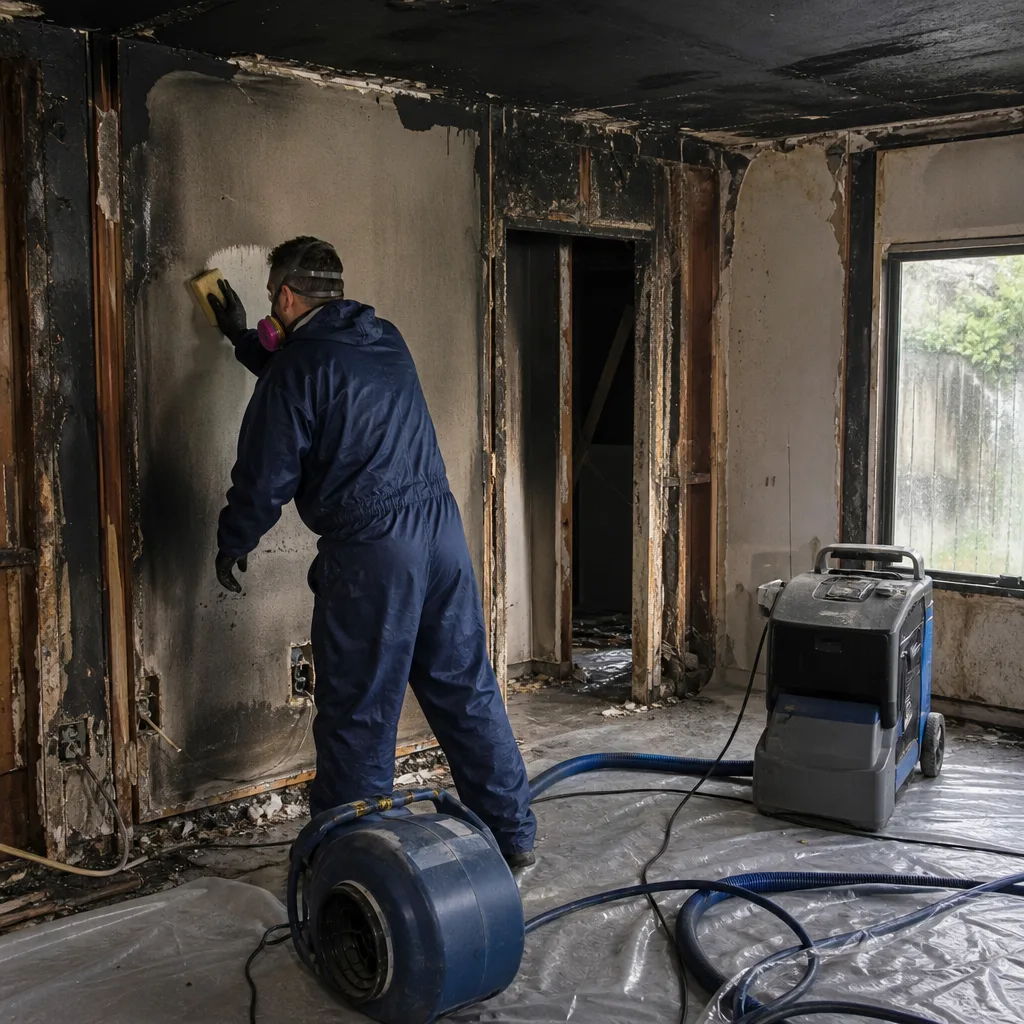
What happens when you call
- 1
A real person answersNo phone trees - you reach a local pro.
- 2
You get an upfront price rangeHonest numbers before anyone is dispatched.
- 3
A background-checked tech heads outLicensed & insured, dispatched right away.
- 4
You approve before work beginsNothing starts until you say go.
Water Damage Restoration Costs in Poway, CA
| Service | Typical Range in Poway |
|---|---|
| Category 1 clean water extraction and drying | $2,800 - $4,500 |
| Category 2 gray water with limited tear-out | $4,000 - $6,500 |
| Category 3 flood cleanup with full removal | $5,500 - $12,000 |
| Attic/crawl space drying (confined space) | $3,500 - $7,000 |
| Roof leak with interior damage (wind-driven rain) | $3,200 - $8,000 |
What moves the price: water category (Category 3 requires more labor and material removal), affected square footage, whether the loss reached wall cavities or remained at the floor plane, and the local cost of replacement materials. Insurance typically covers sudden and accidental water damage; gradual leaks and maintenance issues are usually excluded. We provide a written price before any work starts - Haven Standard, Clause 1 - and offer a Free Second Opinion on any competitor’s written estimate. Call (858) 683-1768 for your exact scope.
We Also Serve Cities Near Poway
Our crews respond throughout northeastern San Diego County, including Water Damage Restoration in Poway and surrounding communities: Santee to the south, Escondido to the north, Lakeside to the east, and Ramona in the inland valley. Each area has distinct loss patterns - Santee’s Santee Lakes basin flooding, Escondido’s older downtown commercial stock, Ramona’s rural well and septic exposure - and we scope accordingly.
Serving Poway, CA - Our Local Coverage Area
We’re based in the Poway area and know this community well. Use the map below to see our service coverage - if you’re nearby, we can almost certainly help.
Poway Water Damage Restoration Questions, Answered
After a big rain event, how fast do I need to act on water damage in Poway?
Within the first 2-4 hours. Mold colonization begins on wet organic materials in 24-48 hours, and Category 3 creek water accelerates that timeline. Our crews answer live 24/7 and can be on-site in Poway in 45 minutes. The sooner we start extraction and classification, the less material we have to remove and the lower your total cost. Call (858) 683-1768 now.
Why do Poway water-damage jobs sometimes get treated as Category 3 instead of Category 2?
Because creek-driven flooding in the Poway Creek and Rattlesnake Creek corridors carries soil bacteria, road runoff, and organic debris by definition. The IICRC S500 standard classifies any water that has passed through ground or building materials as Category 3. Treating it as Category 2 and drying in place is a scope error that leads to mold callbacks within 24-48 hours. We classify at the door and document the basis for the adjuster.
Does a Poway roof leak get handled the same as creek flooding?
No. A roof leak from wind-driven rain is typically Category 1 or 2, depending on whether it picked up contaminants from the roof assembly. Creek flooding is Category 3. The drying approach differs: roof leaks often allow in-place drying of salvageable materials, while creek flooding requires removal of porous materials and antimicrobial treatment. We inspect the attic and soffit vents on every roof-leak call in Poway’s older housing stock to catch hidden intrusion.
What equipment do you use for structural drying on Poway homes?
We deploy Dri-Eaz and Phoenix low-grain refrigerant dehumidifiers, XPOWER and B-Air axial and centrifugal air movers, and Injectidry systems for wall-cavity drying. Moisture mapping with thermal imaging and pinless meters guides placement. Daily psychrometric readings - temperature, relative humidity, specific humidity, and grain depression - are logged until we reach pre-loss baselines. This documentation is included as a standard deliverable for your insurance claim.
Do you check the attic and ducts on Poway water-damage jobs?
Yes, on every job. Poway’s older wood-framed, shake-roof housing stock and its position in the wildland-urban interface mean attics and HVAC systems routinely collect wind-driven rain, smoke particulate from brushfires, and organic debris. Skipping this inspection leads to mold callbacks when condensation activates the debris left behind. We document attic sheathing moisture and return-vent condition as standard practice.
How long does structural drying take in Poway?
Three to five days for most Category 1 and 2 losses, five to ten days for Category 3 with extensive tear-out. Dense structural members in Poway’s 1970s-1990s framed walls often require tertiary drying, the final phase where we chase residual moisture with targeted airflow and heat. We don’t remove equipment until daily logs confirm pre-loss moisture content - not by calendar, by data.
Can my family stay in the home during water damage restoration?
Sometimes, for contained Category 1 losses in isolated areas. For Category 2 or 3, or when containment and air scrubbing are active, we recommend relocation until drying is complete and clearance confirms safe air quality. We discuss this at inspection and can document the recommendation for your adjuster if additional living expenses apply under your policy.
What should I do in the first 30 minutes after discovering water damage?
Stop the source if you can do so safely - shut off the main water supply for pipe bursts, avoid electrical hazards in standing water. Then call us. Don’t run your HVAC, which can spread contamination through ducts. Don’t move saturated items into dry areas. Document with photos if possible, but don’t delay the call to do so - our crew will photo-document professionally as part of the standard scope.
Written by Alicia Brennan, Owner at DryMark Restoration Poway, serving Poway and northeastern San Diego County since 2011.
Water Damage Restoration in Nearby Areas