

Free visual inspection and a written scope of work before any mitigation begins - photos, moisture readings, and drying logs go in your claim file
The scope we write is the scope we bill. Anything new gets shown to you, in writing, before we touch it.
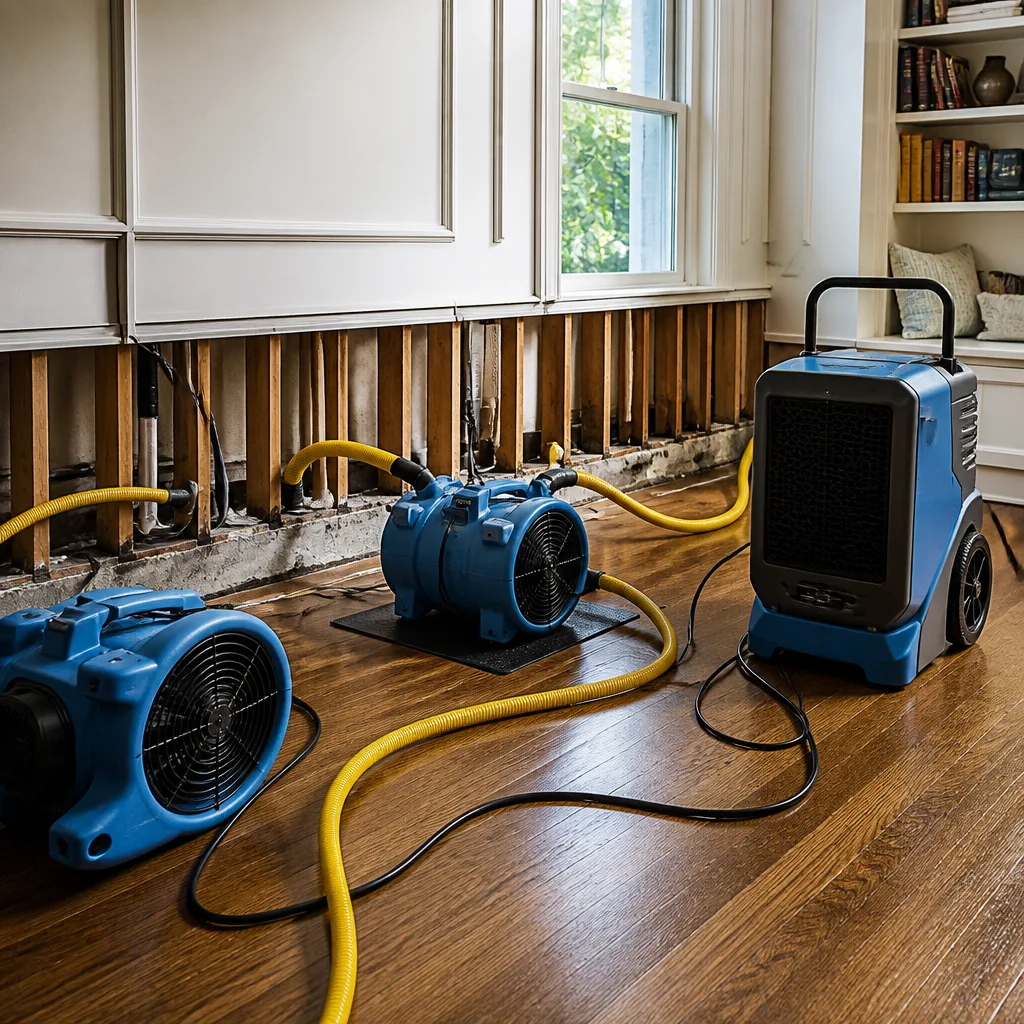
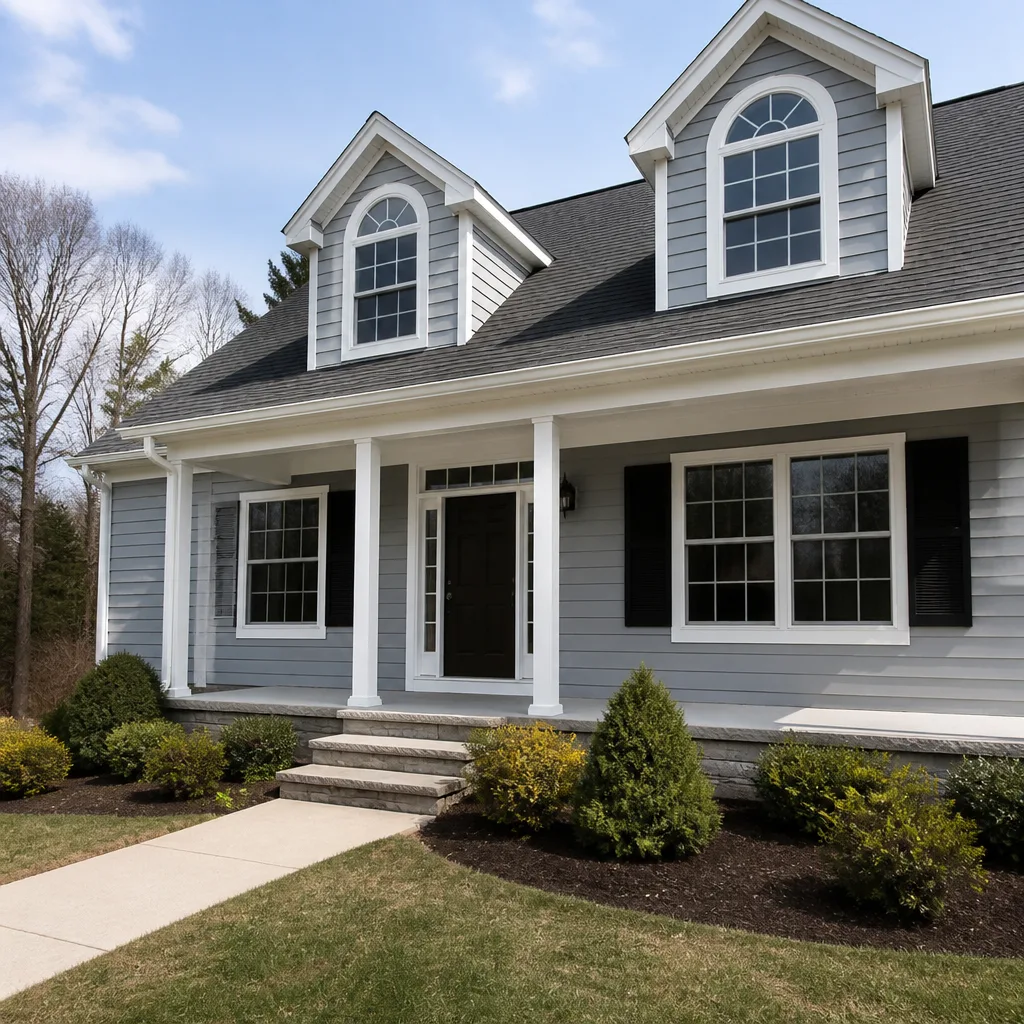
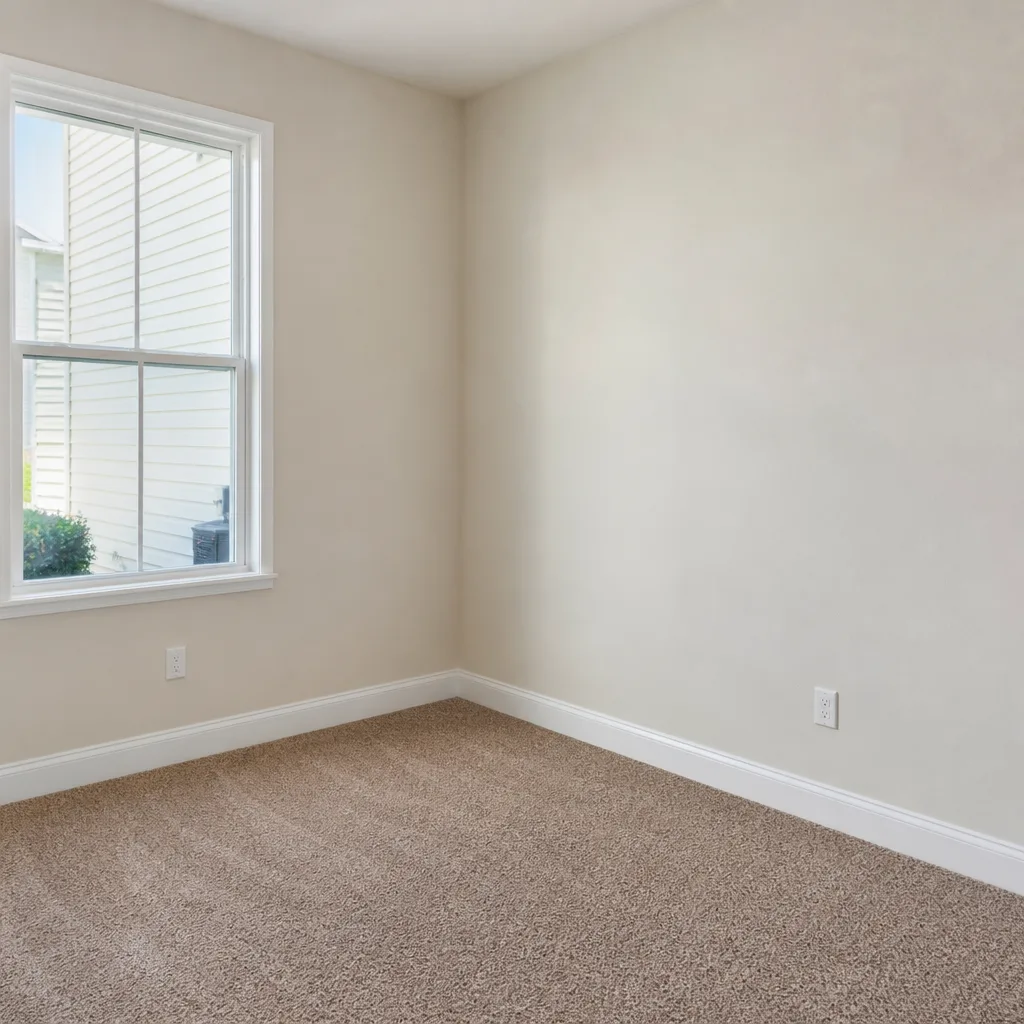

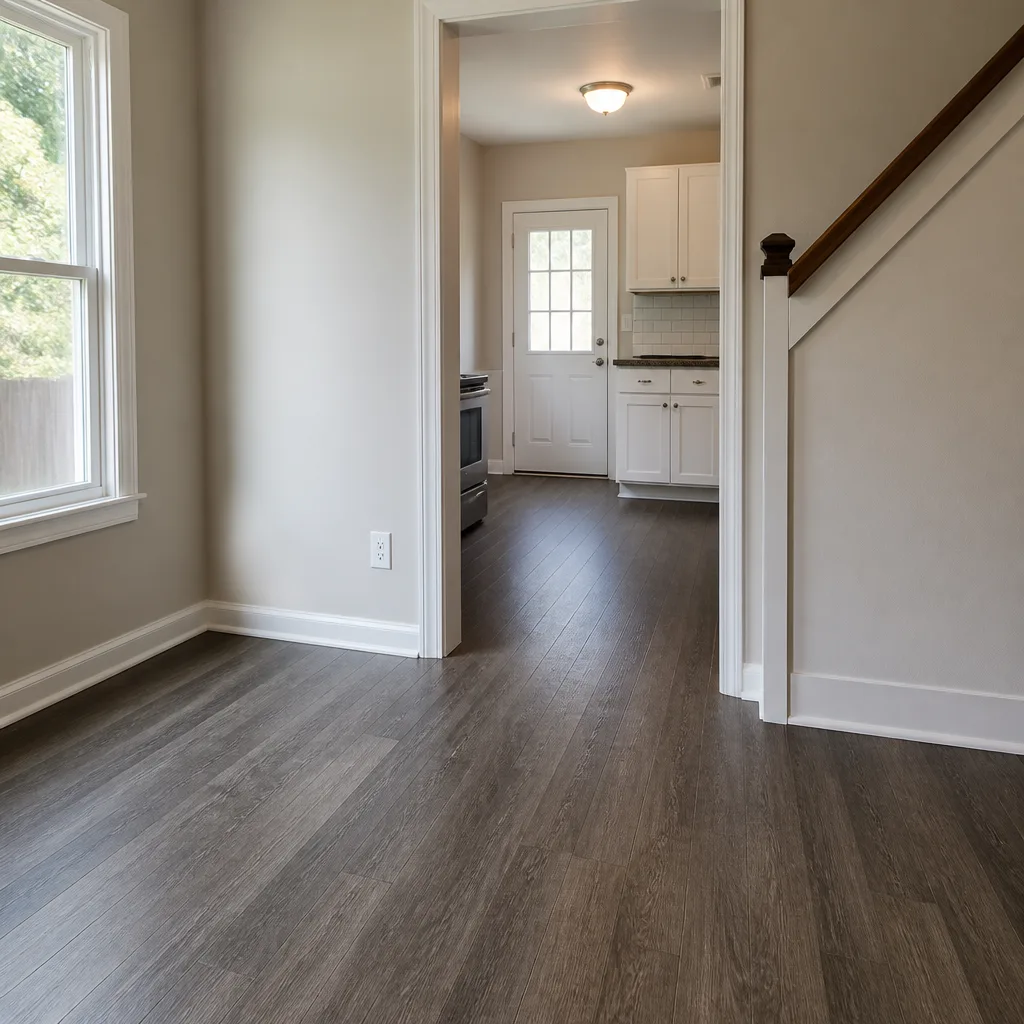

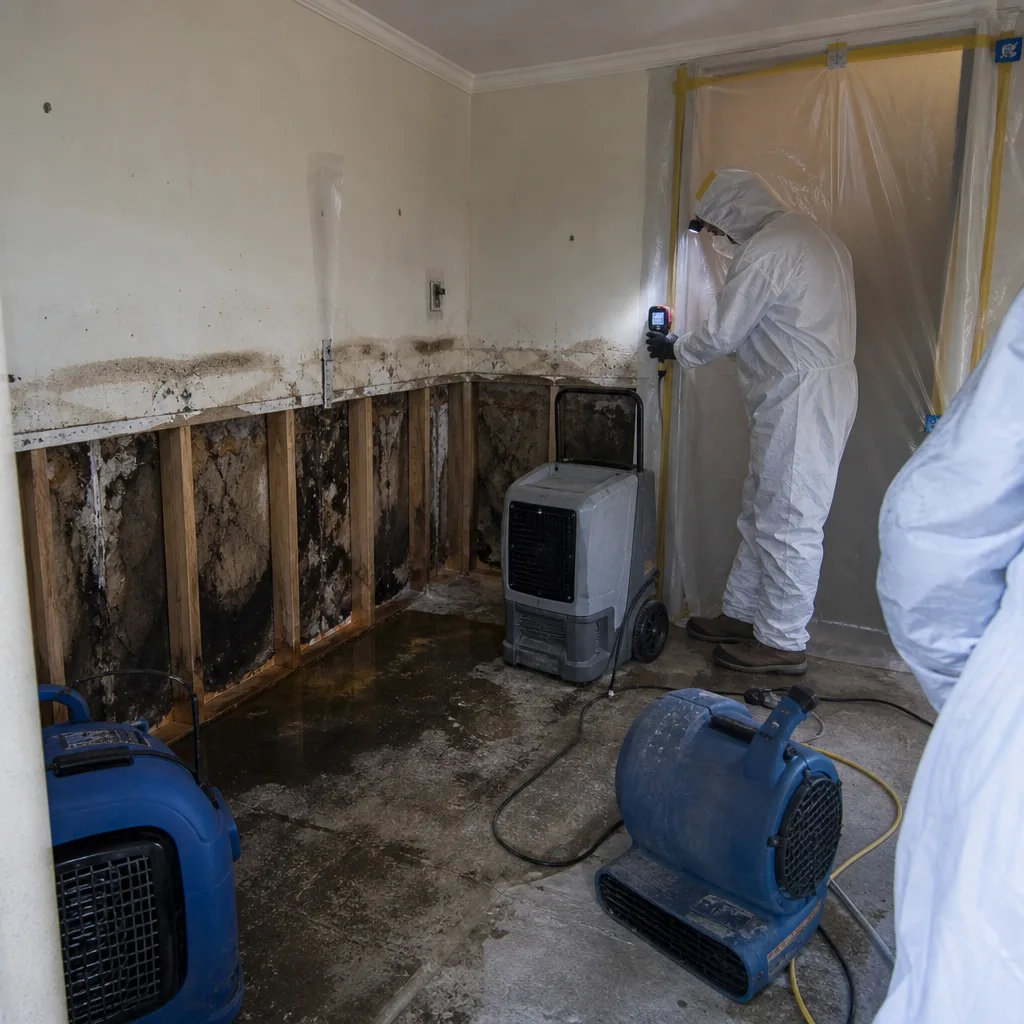 Before
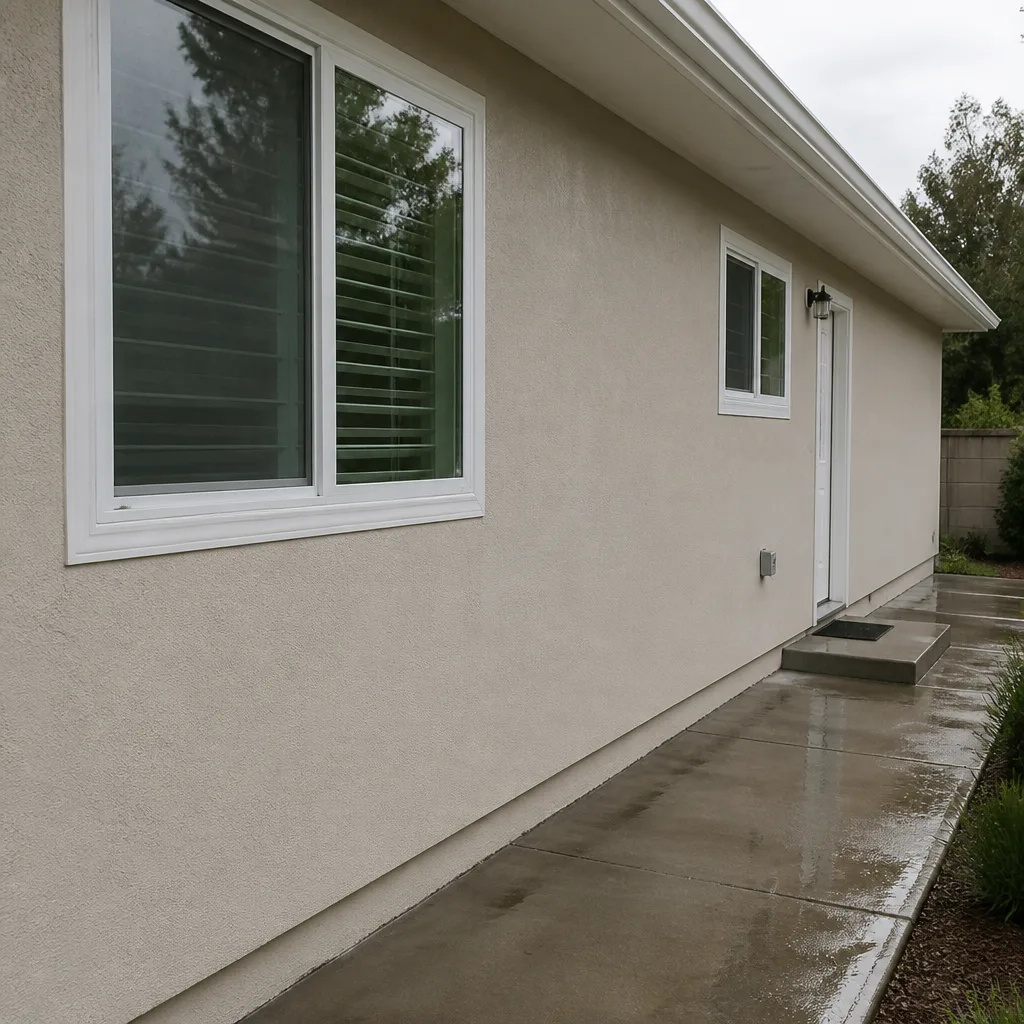 After
After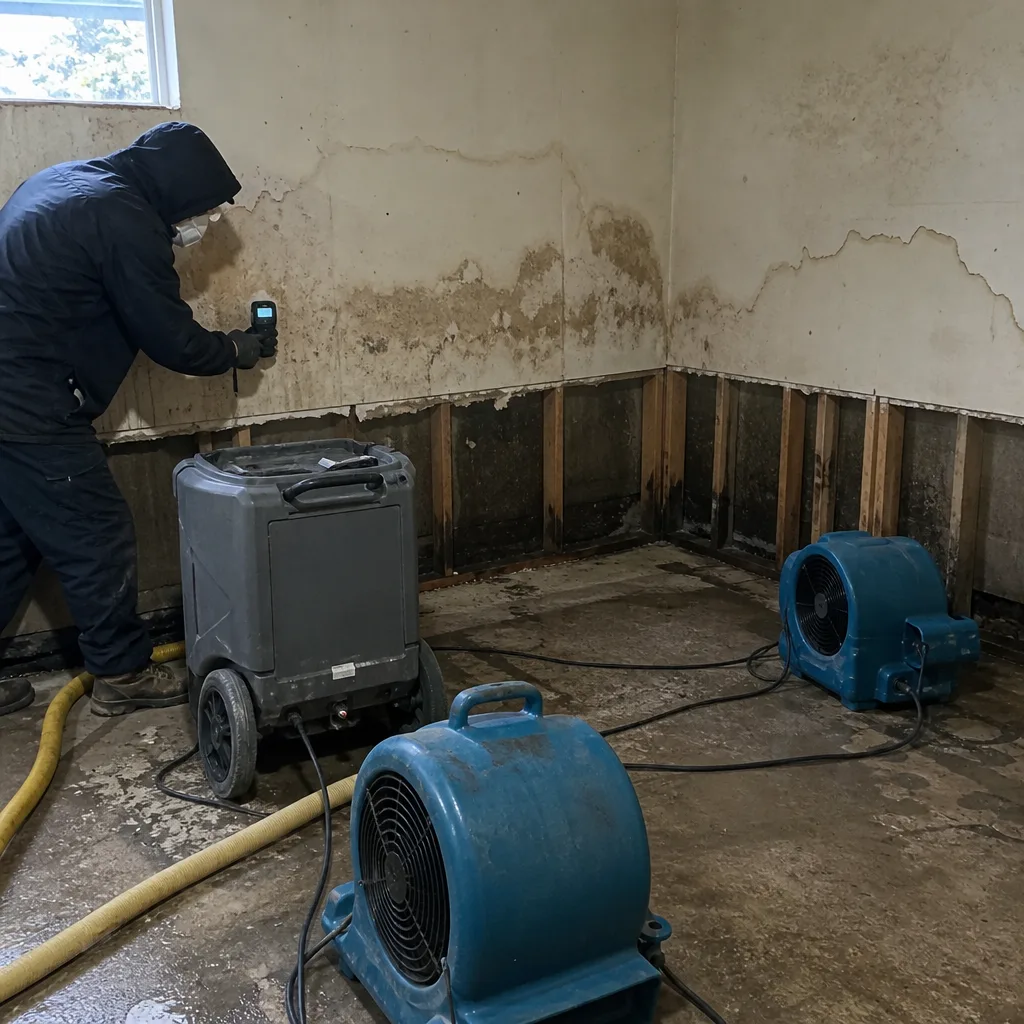 Before
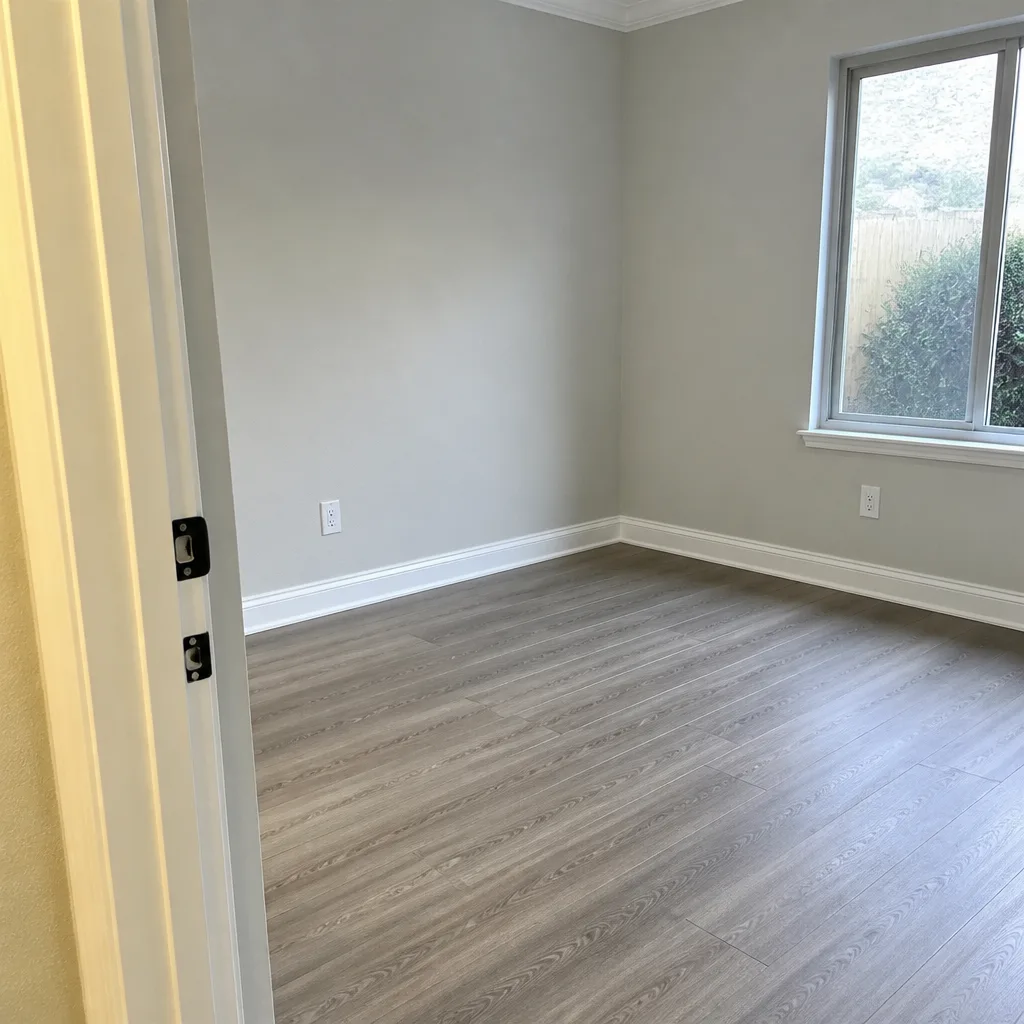 After
After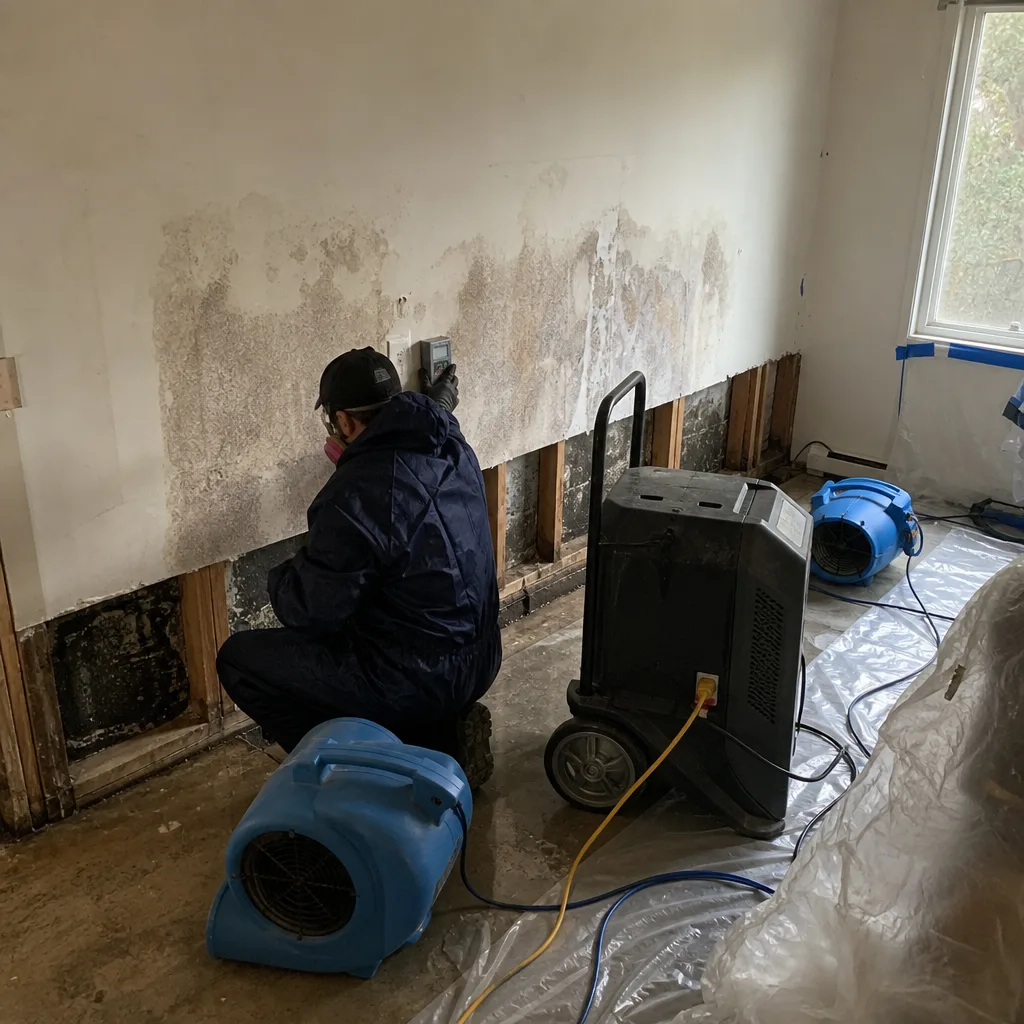 Before
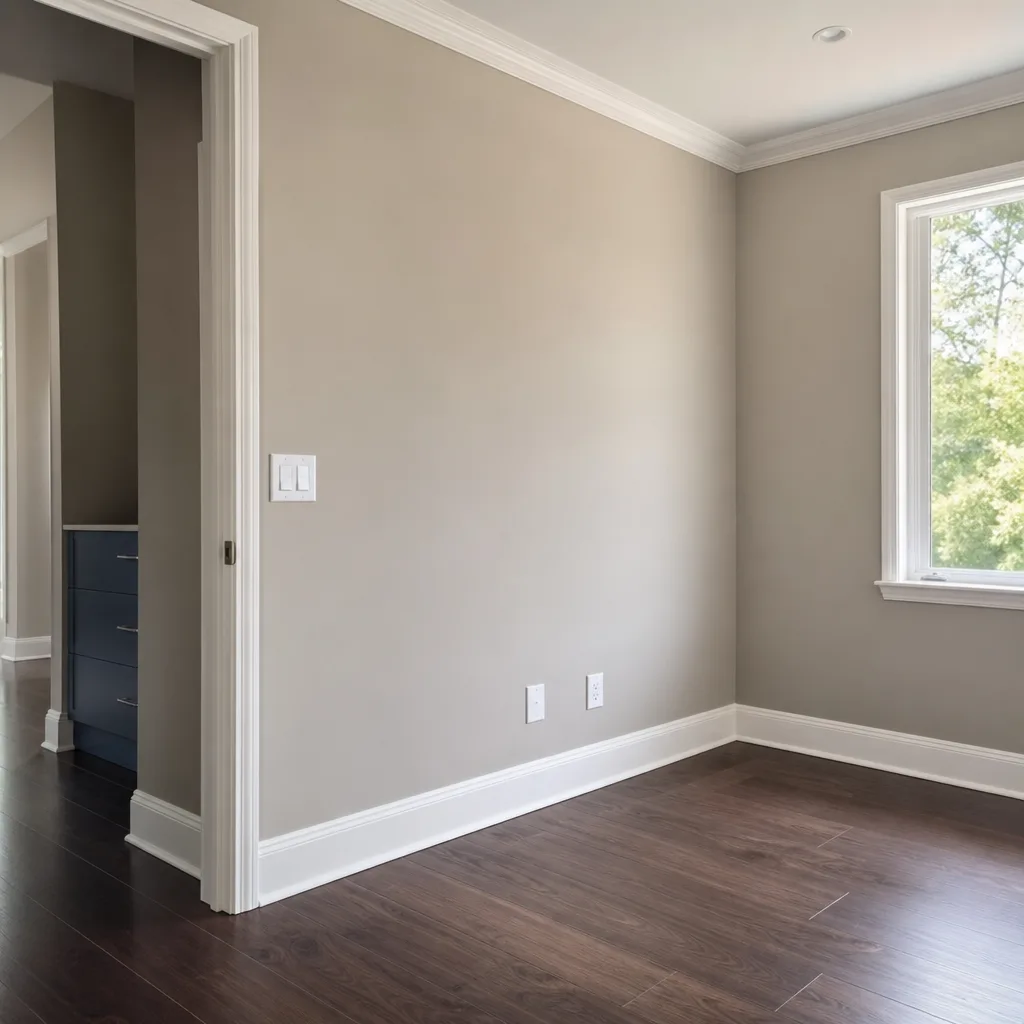 After
After24/7 Emergency Water Damage Restoration in San Marcos
Water damage restoration in San Marcos typically costs $2,800-$6,500 for a standard residential mitigation, with emergency extraction starting at $180-$340 per affected area and full structural drying running $150-$250 per day. Our crews answer live at (858) 683-1768 every hour of every day, no voicemail, and we’re usually on-site in San Marcos within 45 minutes of your call. The first hour matters because water migrates laterally through slab-adjacent soil and vertically through wall cavities faster in San Marcos’s wood-framed stucco construction than most homeowners expect. By the 24-hour mark, category 1 clean water degrades to category 2, and mold colonization becomes a documented probability. We don’t wait for business hours. A real person picks up, dispatches a crew, and starts the documentation your insurer will need before the adjuster ever calls back.
Understanding Water Damage Restoration Severity in San Marcos Properties
Water damage in San Marcos falls into three categories that determine everything from extraction method to disposal protocol. Category 1 is clean water from a burst supply line or overflowing sink. Category 2 is gray water with chemical or biological load, think washing machine discharge or fire-suppression sprinkler runoff. Category 3 is black water: sewage, floodwater from the San Marcos Creek corridor, or any water that has sat long enough to support bacterial growth.
We classify using moisture mapping, a systematic survey with thermal imaging cameras and penetrating hygrometers that reads moisture content in drywall, subfloors, and structural framing to a tenth of a percent. San Marcos’s housing stock intensifies every category. The mid-1980s-to-2000s tracts built during the city’s rapid expansion used wood-framed construction on graded hillside pads where improper slope drainage channels runoff toward slab foundations. Moisture that reads “dry” at the interior wall can still be wicking from saturated exterior soil. Older homes near Lake San Marcos and the historic downtown core carry 1970s-era tile roofing and aging stucco with hairline cracks that allow slow intrusion, category 1 water that degrades to category 2 inside the wall cavity before anyone notices. Our crews document the classification with photos, moisture readings, and material classifications by trade name, then explain each in plain language on the written scope.
Why San Marcos Property Owners Choose DryMark Restoration Poway
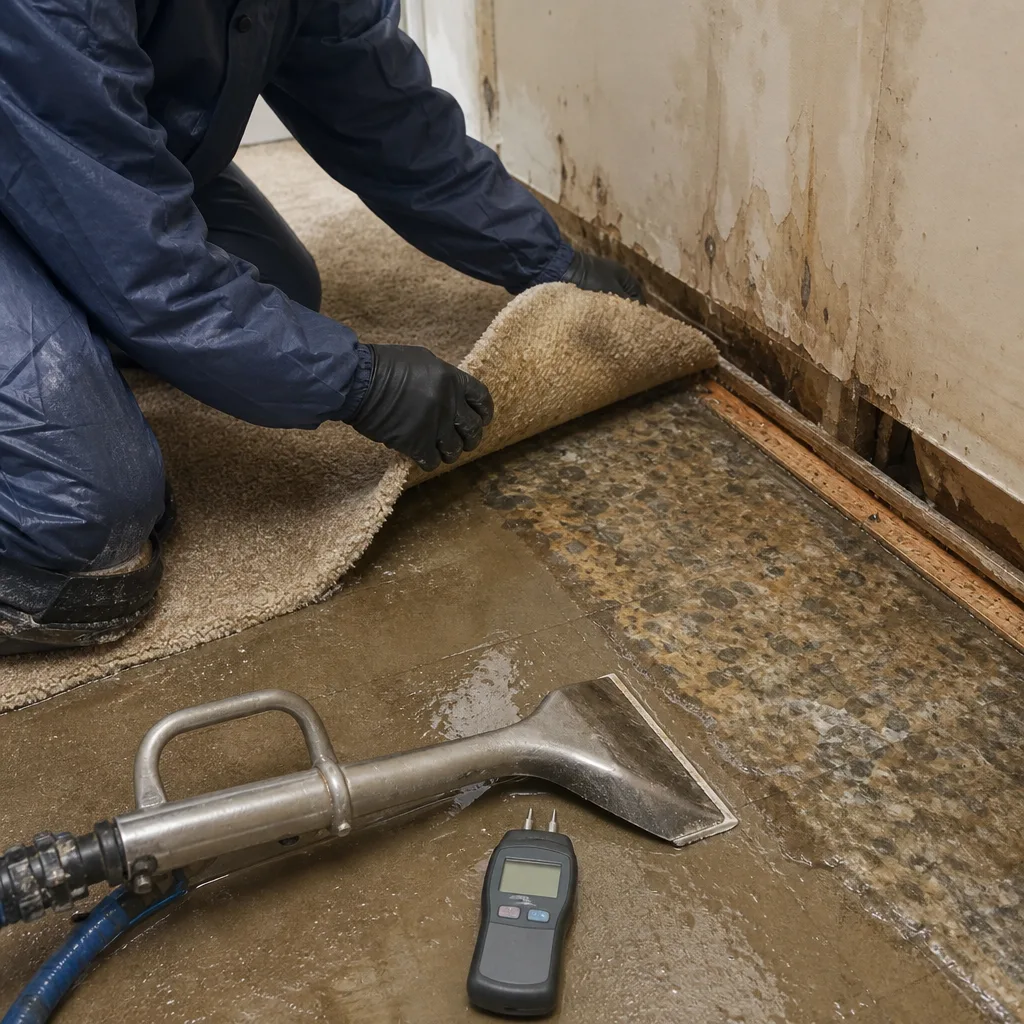
- 45-minute response commitment to San Marcos addresses, because the 24-to-48-hour mold clock doesn’t pause for traffic on Mission Road.
- 24/7 live answer by a real person, never an automated system, never a callback promise while water is still moving through your subfloor.
- IICRC-certified crews holding WRT (Water Damage Restoration Technician) and ASD (Applied Structural Drying) certifications, with license numbers documented on every job file.
- Free visual inspection and moisture mapping before any work begins, with a written price delivered on-site, not after the equipment is staged.
- Direct insurance billing and adjuster coordination, including photo-documented assessments that turn restoration invoices into payable claims.
- One team from extraction through reconstruction, no handoffs to unknown subcontractors, no scope-creep additions once the crew is inside your home.
 Before
 After
AfterOur Water Damage Restoration Process
1. Inspection & Assessment
We arrive with thermal imaging, penetrating hygrometers, and non-invasive moisture meters to map the full extent of migration. In San Marcos’s stucco-clad tracts, we read exterior slab perimeters and graded hillside drainage patterns, not just interior surfaces. You get a written scope and price before any equipment runs.
2. Water Extraction & Stabilization
Standing water comes out first with truck-mounted extraction units, then subsurface water with Injectidry mat systems and light wand extraction on carpet pad. For category 2 or 3 losses, we establish containment and negative air pressure with HEPA-scrubbed exhaust before the first cut.
3. Structural Drying & Dehumidification
We deploy Dri-Eaz and Phoenix LGR dehumidifiers sized to the cubic footage and vapor pressure differential, the measurable force that drives moisture from wet materials into dry air. Air movers from B-Air and XPOWER create controlled airflow across wet surfaces. Daily psychrometric readings, temperature, relative humidity, and specific humidity, go on your drying log.
4. Cleaning & Sanitization
Category 2 and 3 losses get antimicrobial treatment on affected surfaces, with documentation of product, concentration, and dwell time. Smoke-contaminated materials from prior wildfire exposure are identified and segregated for separate handling per RIA guidelines.
5. Post-Fire Contamination Detection
San Marcos’s Wildland-Urban Interface history means we inspect attic insulation and HVAC ductwork on every water loss in canyon-adjacent tracts. Smoke-saturated insulation and soot-contaminated ducts that survived a prior brush fire will re-emit odor when moisture raises relative humidity. We scope, document, and include replacement in the written scope when found.
6. Repairs & Restoration
Drywall, flooring, cabinetry, and trim are restored to pre-loss condition under the same 365-Day Done Right Promise. No separate contractor, no conflicting schedules, no blame-shifting if something doesn’t match.
Need Emergency Water Damage Restoration in San Marcos Now?
Crews minutes away, answering live 24 hours a day. The sooner we start, the less it costs.
Working With Your Insurance Company
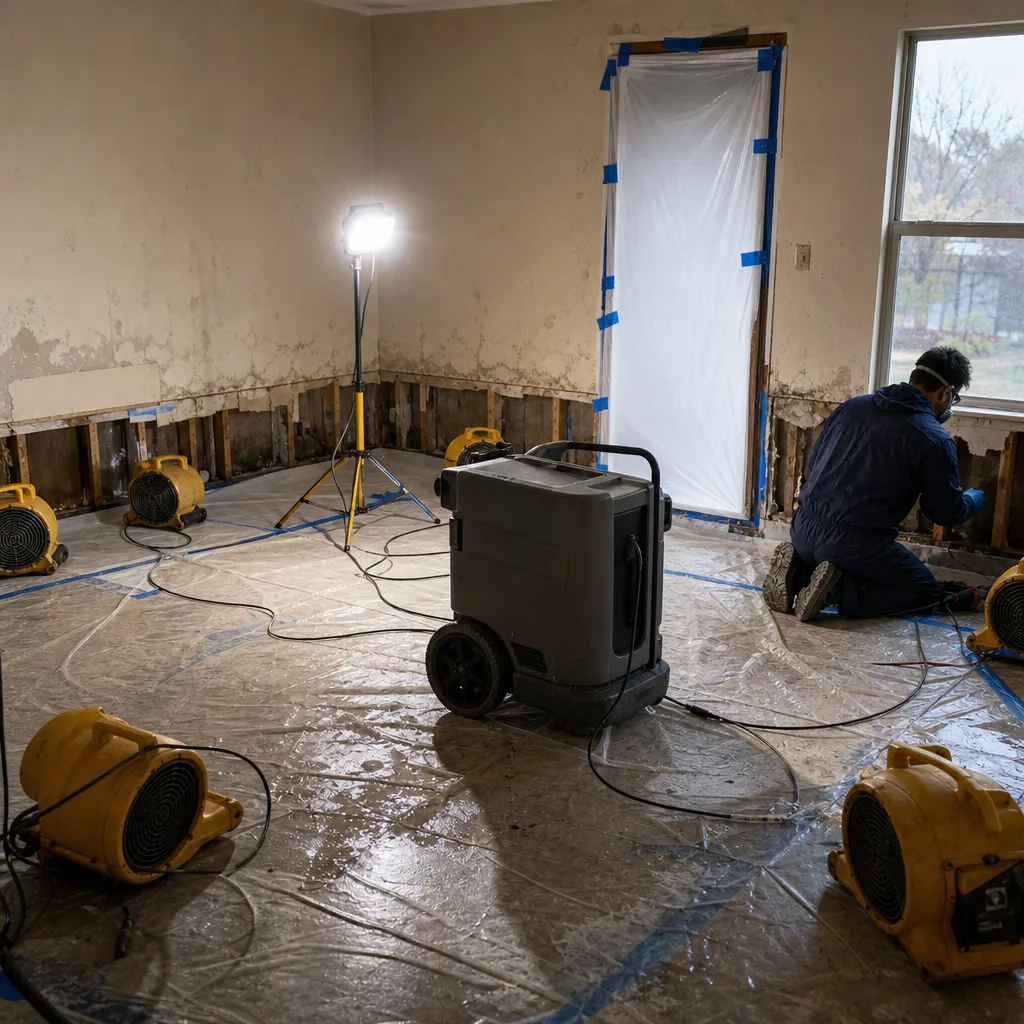
Documentation from the first hour is what separates a paid claim from a denied one. We photograph every room before any equipment touches it, log moisture readings at every visit, and produce a line-item scope that matches the format your adjuster’s software expects. Our estimates follow Xactimate pricing standards, the same database most carriers use, so the numbers don’t require negotiation. We coordinate directly with your carrier, field their questions, and supplement the file with additional documentation if they request it. You don’t become the project manager between a restoration crew and an insurance office.
What We Provide Your Insurer
- Thorough documentation of the loss
- Photos of all damage, room by room
- Moisture readings and drying logs
- A detailed, line-item scope of work
- Direct coordination with your carrier
Built for San Marcos’s Loss Calendar
San Marcos’s inland position, roughly 15 miles from the coast, creates a restoration calendar unlike its coastal neighbors. Fall and early winter bring Santa Ana wind events that amplify both direct wind damage and ember-cast wildfire exposure across the Wildland-Urban Interface. The 2014 Cocos Fire burned through active residential corridors, and subsequent seasons have kept smoke and ash infiltration calls steady in canyon-adjacent tracts near Twin Oaks Valley. El Niño years flip the pattern: the same hillside grading that creates fire-risk topography funnels intense runoff into the San Marcos Creek corridor and low-lying residential areas, adding flash-flood and category 3 water calls to an already heavy season. Spring brings the least dramatic losses, mostly aging supply-line failures in the 1970s-era homes near Lake San Marcos, where original copper or galvanized plumbing reaches end of service life. Summer is relatively quiet until monsoonal flow triggers isolated roof leaks on cracked tile systems. Our crew rotations and equipment staging account for this dual-threat calendar.
Water Damage Restoration Across San Marcos’s Neighborhoods
San Marcos’s neighborhoods each present distinct access and construction challenges that shape how we scope water damage restoration.
Twin Oaks Valley and the canyon-adjacent tracts along the northern edge sit deepest in the Wildland-Urban Interface. Stucco homes here show no visible exterior scorch after nearby brush fires, but our moisture mapping routinely finds smoke-saturated attic insulation and soot-contaminated HVAC ductwork that only surfaces as persistent odor weeks later. We scope duct replacement and insulation removal on the initial visit, not as a surprise add-on.
The mid-1980s-to-2000s dense tracts south of Highway 78, including much of the San Marcos Creek corridor area, pack townhomes and alley-load single-family homes with tight clearances and limited street parking. Crews often park on Mission Road or adjacent arterials and run extraction hose past neighboring units. We build this access time into our response commitment, but it means the 24-to-48-hour mold clock starts before equipment is even staged. Early call matters more here than in suburban layouts with driveway access.
Lake San Marcos and the historic downtown core hold the city’s oldest housing stock, 1970s-era tile roofing and original stucco that has developed decades of hairline cracking. Slow moisture intrusion through compromised roofing assemblies is the typical loss pattern, category 1 water that has degraded to category 2 inside wall cavities by the time staining appears on interior drywall. Our thermal imaging surveys focus on ceiling and wall top plates in these homes.
Grand Avenue corridor and the commercial-residential mixed areas near Cal State San Marcos see more burst supply-line calls in multi-story buildings with slab-on-grade construction and shared wall assemblies. Water migration crosses unit boundaries, requiring coordination with property management and adjacent owners that we handle directly.
Specialized Water Damage Restoration Services We Offer in San Marcos
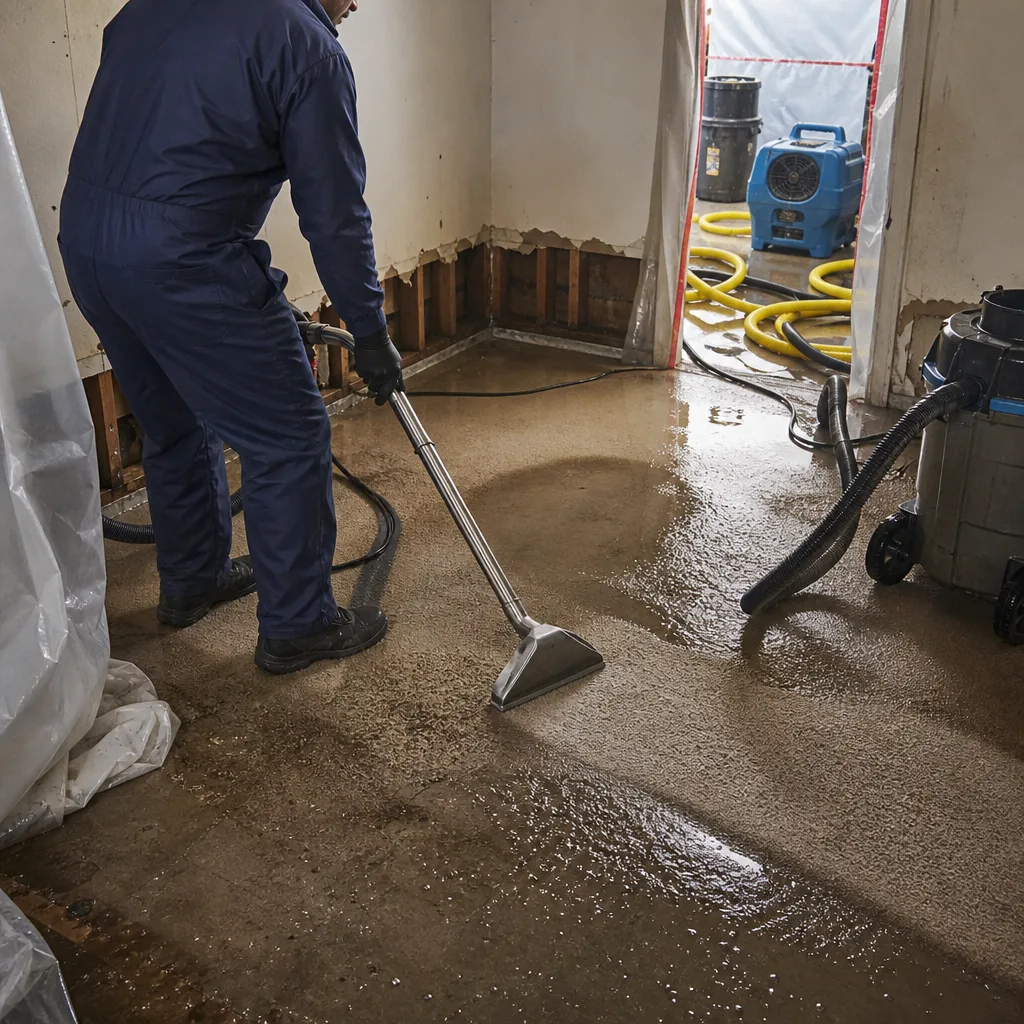
Emergency Water Extraction
Standing water is removed within hours, not days. In San Marcos’s tight townhome tracts, we deploy portable extraction units when truck-mounted access is impossible, matching gallons-per-minute capacity to the loss size. Typical extraction runs $180-$340 per affected area in the San Marcos market.
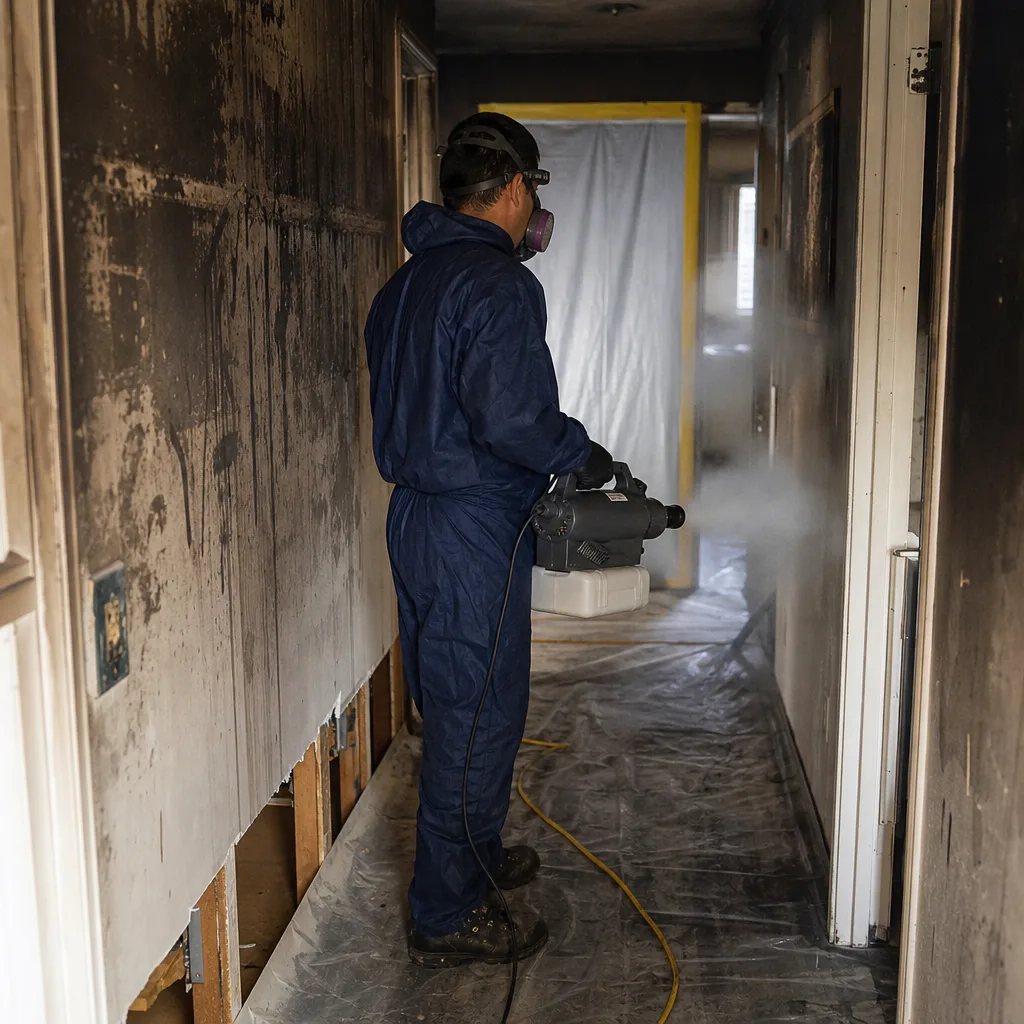
Structural Drying & Dehumidification
We size Dri-Eaz and Phoenix LGR dehumidifiers to the cubic footage and target specific humidity levels documented on daily drying logs. San Marcos’s Santa Ana wind events can drop exterior humidity rapidly, creating vapor pressure differentials that accelerate drying if equipment is positioned correctly. Daily readings continue until materials reach the dry standard, typically 3-5 days for standard residential losses.
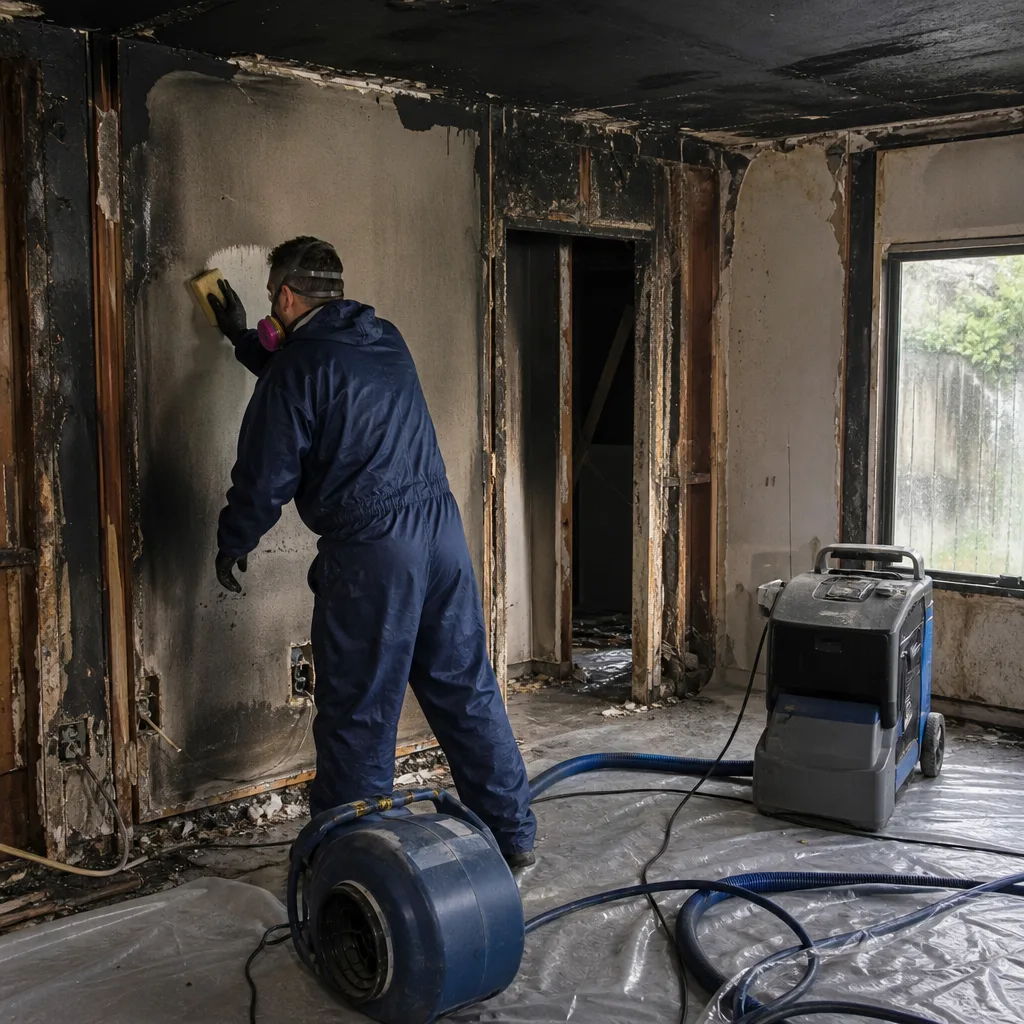
Flood Cleanup
Floodwater from the San Marcos Creek corridor or hillside runoff carries category 3 classification by default. We establish full containment, remove porous materials that cannot be sanitized, and document every square foot of affected area for your insurer. El Niño-season flood calls in San Marcos often reveal prior smoke contamination in the same structure, which we scope and include in the written price.
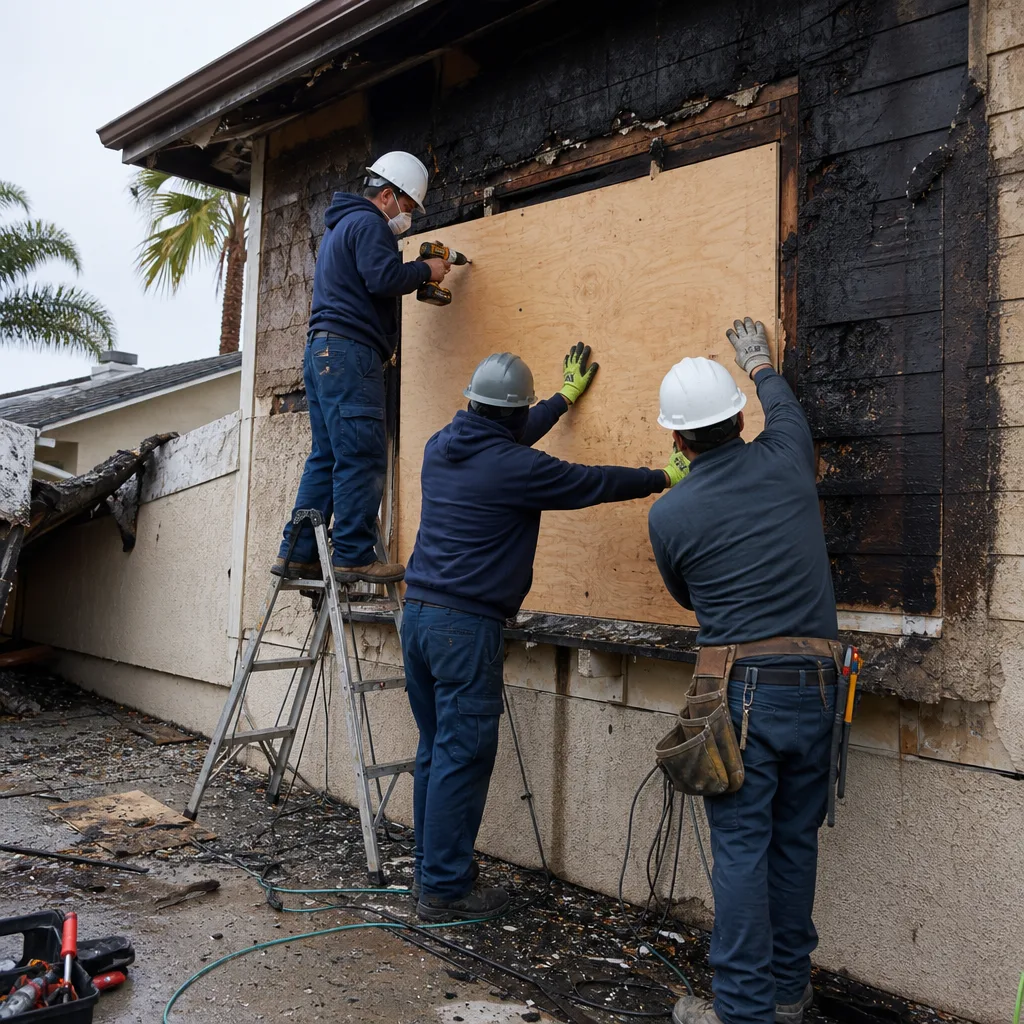
Burst Pipe Restoration
Supply-line bursts in San Marcos’s 1970s-era homes near Lake San Marcos frequently involve original copper or galvanized systems at end of service life. We extract, dry, and document the water loss while coordinating with your plumber for the line repair. The written scope separates mitigation from plumbing so your insurer sees exactly what they’re paying for.
Basement Water Removal
San Marcos’s hillside grading means few true basements, but lower-level living spaces in split-level tracts and garage-adjacent slab areas function similarly. We address hydrostatic pressure from saturated exterior soil and install temporary sump capacity when groundwater continues to migrate.
Ceiling & Roof Leak Water Damage
1970s tile roofing in older San Marcos neighborhoods fails at flashing and underlayment, not just visible tile cracks. We thermal-image ceiling cavities to trace the actual entry point, which often differs from the interior stain location by several feet. Documentation includes roof assembly condition photos for your adjuster.
What happens when you call
- 1
A real person answersNo phone trees - you reach a local pro.
- 2
You get an upfront price rangeHonest numbers before anyone is dispatched.
- 3
A background-checked tech heads outLicensed & insured, dispatched right away.
- 4
You approve before work beginsNothing starts until you say go.
Water Damage Restoration Costs in San Marcos, CA
San Marcos water damage restoration pricing reflects North County San Diego’s labor market and the specific construction challenges of the city’s housing stock. Emergency water extraction typically runs $180-$340 per affected area. Structural drying with professional-grade dehumidification and air movement costs $150-$250 per day, with most residential losses requiring 3-5 days. A complete mitigation for a standard single-family home in San Marcos, from extraction through dry standard, generally falls between $2,800 and $6,500.
Several factors move the price within this range. Category 3 water requires more extensive removal of porous materials and longer sanitization protocols. Tight access in alley-load townhomes adds labor hours for equipment staging and material handling. Post-wildfire smoke contamination discovered during water mitigation adds duct cleaning or replacement and insulation removal, scoped separately but included in the initial written price when we find it.
Most San Marcos water damage losses are covered by standard homeowner’s insurance, less your deductible. We provide the documentation your carrier requires and bill directly when possible. Haven Standard, Clause 1: your written price before any work starts, every time, with no scope-creep additions once the crew is inside. Call (858) 683-1768 for a free visual inspection and exact quote.
We Also Serve Cities Near San Marcos
Our crews respond throughout North County San Diego from our San Diego office, with regular service to San Marcos and neighboring Vista, Escondido, Carlsbad, and Encinitas. Each city’s housing stock and loss patterns differ, coastal Carlsbad sees less wildfire smoke infiltration than San Marcos’s Wildland-Urban Interface, and Escondido’s older downtown core presents different access challenges than San Marcos’s dense tracts. We scope accordingly.
Serving San Marcos, CA - Our Local Coverage Area
We’re based in the San Marcos area and know this community well. Use the map below to see our service coverage - if you’re nearby, we can almost certainly help.
San Marcos Water Damage Restoration Questions, Answered
How fast does water damage turn into mold in a San Marcos home?
Mold colonization becomes a documented probability within 24 to 48 hours of water intrusion in San Marcos’s climate, sooner in poorly ventilated stucco wall cavities. The city’s inland warmth and Santa Ana wind patterns don’t eliminate this window; they can actually accelerate it in south-facing walls that heat during the day and cool at night, creating condensation cycles. Our crews arrive within 45 minutes to start extraction and establish drying protocols before that threshold. Call (858) 683-1768 for immediate response.
Does San Marcos’s wildfire history affect water damage restoration work?
Yes, directly. After events like the 2014 Cocos Fire, our crews working in Twin Oaks Valley and other canyon-adjacent tracts learned to inspect attic insulation and HVAC ductwork on every water loss, even when the home showed no exterior scorch marks. Smoke-saturated insulation and soot-contaminated ducts, undisturbed and dry, re-emit odor and particulate when moisture from a subsequent water loss raises relative humidity. We scope and document this contamination during the initial moisture mapping, and include replacement in the written price when found. Call (858) 683-1768 for inspection.
How do you handle water extraction in San Marcos townhomes with tight alley access?
We deploy portable extraction units and run hose from street parking when truck-mounted units can’t reach the structure. This adds setup time, which is why our 45-minute response commitment to San Marcos’s dense tracts includes travel and equipment staging, not just arrival at the curb. We also coordinate with HOA or property management for shared-wall access when water has migrated to adjacent units. The written scope accounts for these access conditions upfront. Call (858) 683-1768 for a free inspection and exact quote.
What’s the difference between category 1, 2, and 3 water in a San Marcos flood call?
Category 1 is clean water from a burst supply line or sink overflow. Category 2 is gray water with chemical or biological contamination, typical of washing machine discharge or fire sprinkler runoff. Category 3 is black water: sewage, floodwater from the San Marcos Creek corridor, or any water that has sat long enough to support bacterial growth. The category determines disposal protocol, material removal requirements, and sanitization standards. We classify using moisture mapping and source identification, then document the classification with photos and readings for your insurer. Call (858) 683-1768 for assessment.
Do ceiling and roof leaks on San Marcos’s 1970s tile roofs get missed?
Frequently, yes, by homeowners and less thorough contractors. Original tile roofing in San Marcos’s older neighborhoods near Lake San Marcos fails at underlayment and flashing long before visible tile cracks appear. Interior stains often appear several feet from the actual entry point because water travels along rafters or top plates before dropping. Our thermal imaging locates the true source, and we document roof assembly condition with photos for your adjuster. Call (858) 683-1768 for moisture mapping that finds the real entry point.
Will my insurance cover water damage restoration in San Marcos?
Most sudden and accidental water damage is covered under standard homeowner’s policies, less your deductible. Gradual leaks and maintenance-related failures typically are not. We document the loss as sudden and accidental from the first photo, produce Xactimate-formatted estimates that match your adjuster’s software, and coordinate directly with your carrier. Our documentation package includes room-by-room photos, moisture readings, drying logs, and a detailed line-item scope. Call (858) 683-1768 and we’ll review your coverage situation during the free inspection.
How long does structural drying take in a typical San Marcos home?
Standard residential losses in San Marcos’s wood-framed stucco construction reach dry standard in 3 to 5 days with properly sized dehumidification and air movement. Dense stucco wall cavities and slab-on-grade construction with saturated exterior soil can extend this to 7 days. We don’t guess; we log daily psychrometric readings and moisture content percentages, and we don’t remove equipment until materials hit the documented dry standard. Your drying log proves the timeline to your insurer. Call (858) 683-1768 for assessment.
Can we stay in our home during water damage restoration?
Often yes for category 1 losses confined to non-living areas, but category 2 and 3 losses, or any loss with significant demolition, usually require temporary relocation. In San Marcos’s tight townhome tracts, equipment noise and the need for containment in shared-wall buildings also affect livability. We tell you clearly during the initial inspection, documented in writing, whether the structure is safe to occupy during drying. Your safety and the drying timeline both factor into this decision. Call (858) 683-1768 to discuss your specific situation.
Water damage in San Marcos doesn’t follow a generic pattern. The city’s Wildland-Urban Interface fire history, hillside grading, and dense mid-1980s-to-2000s housing stock create loss conditions that coastal North County contractors rarely encounter. Our Water Damage Restoration team documents every variable, delivers a written price before any work starts, and backs the result with a 365-Day Done Right Promise under The Haven Standard. We’ve restored 12,000+ homes since 2011, every one with a photo record, a drying log, and a signed guarantee.
Call (858) 683-1768 now. A real person answers, 24 hours a day, and we’ll have a crew on-site in San Marcos within 45 minutes.
Written by Alicia Brennan, Owner at DryMark Restoration Poway, serving San Marcos since 2011.
Water Damage Restoration in Nearby Areas