

Free visual inspection and a written scope of work before any mitigation begins - photos, moisture readings, and drying logs go in your claim file
The scope we write is the scope we bill. Anything new gets shown to you, in writing, before we touch it.
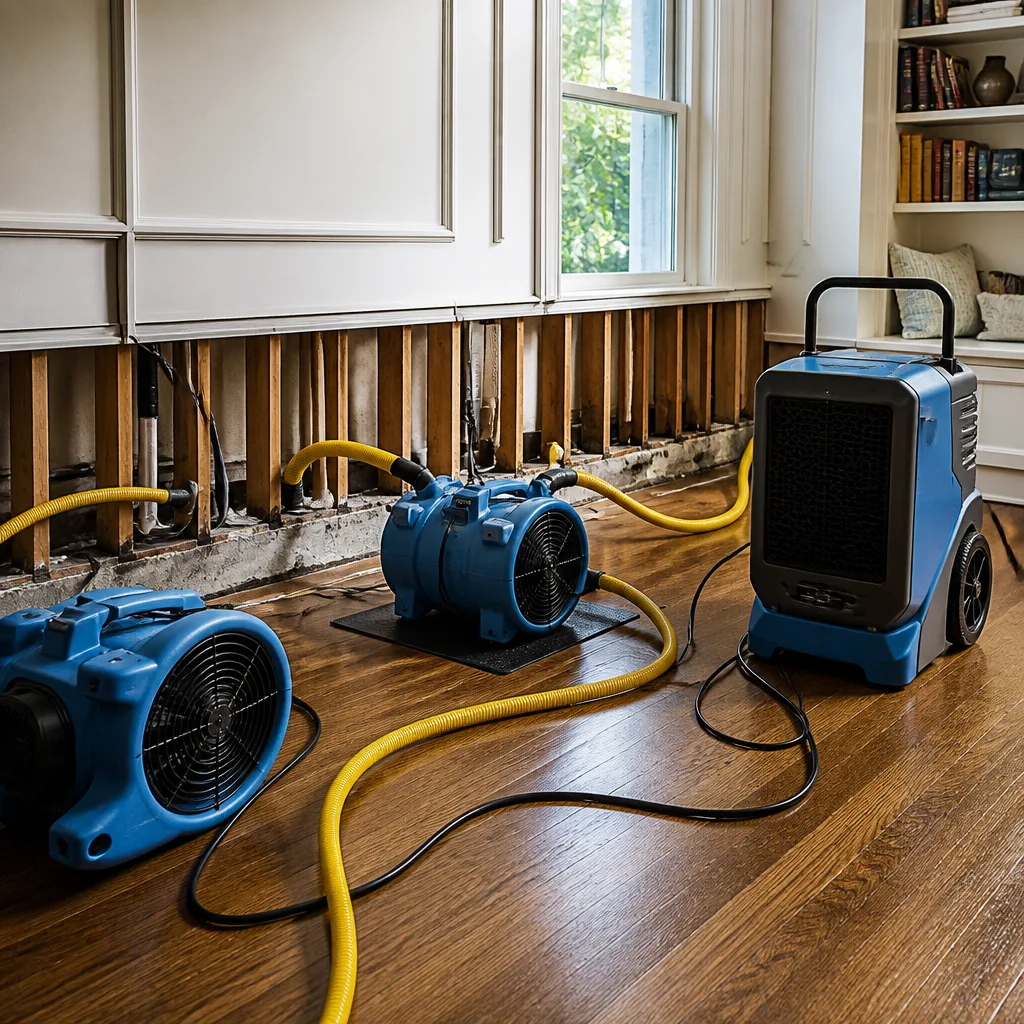
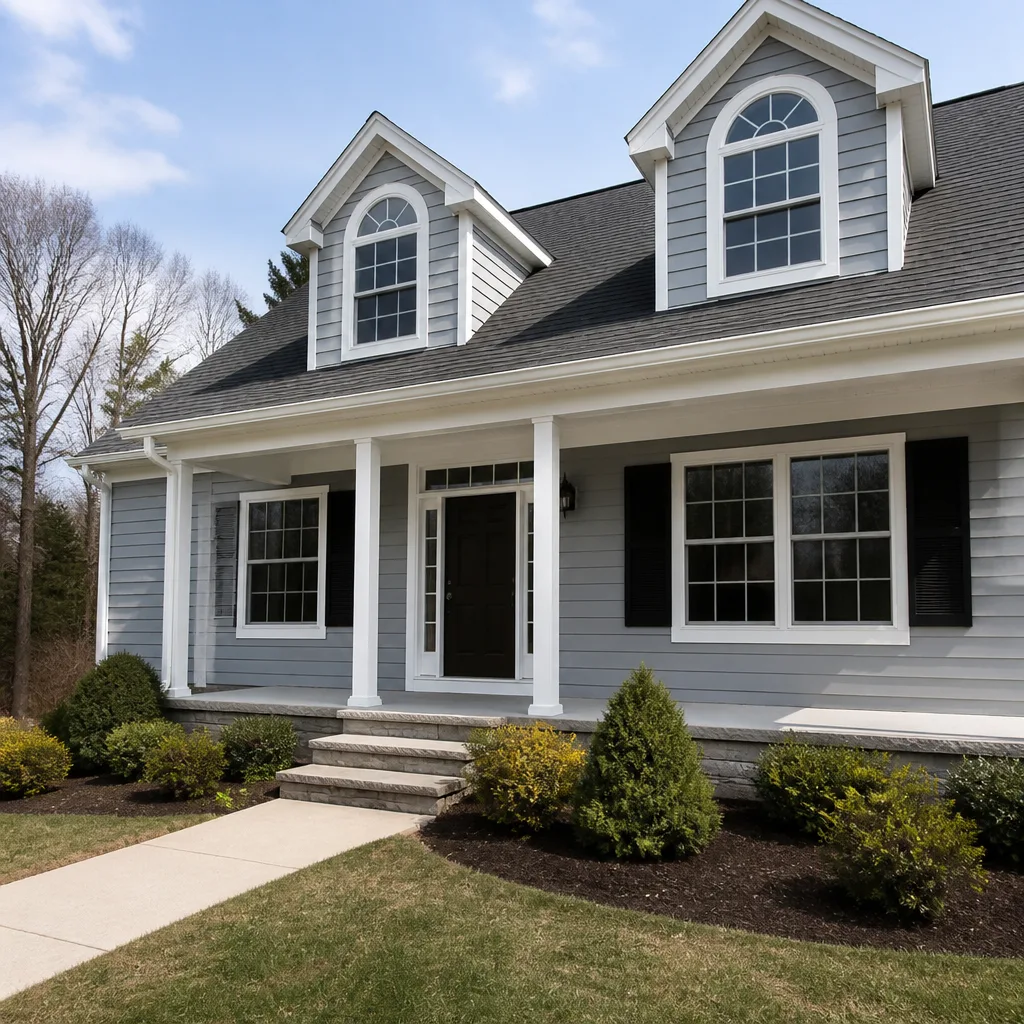
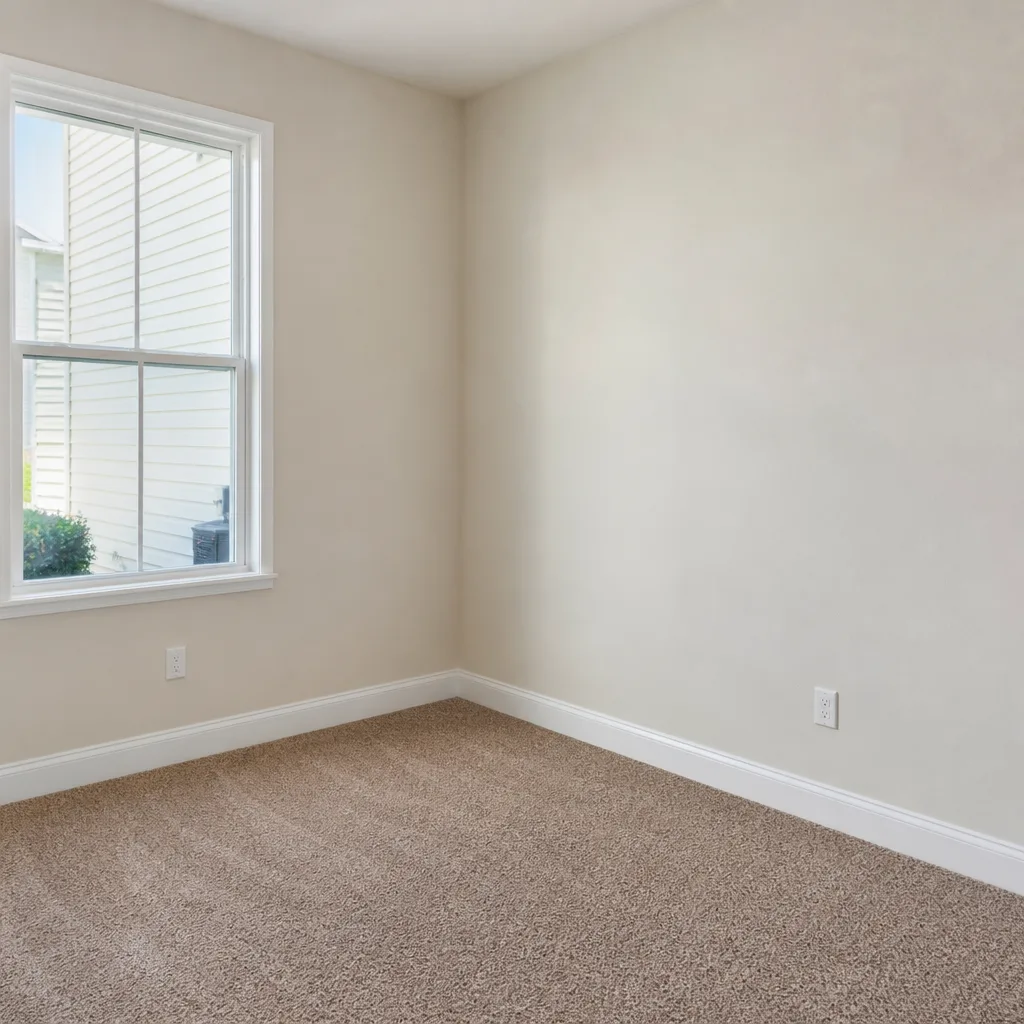
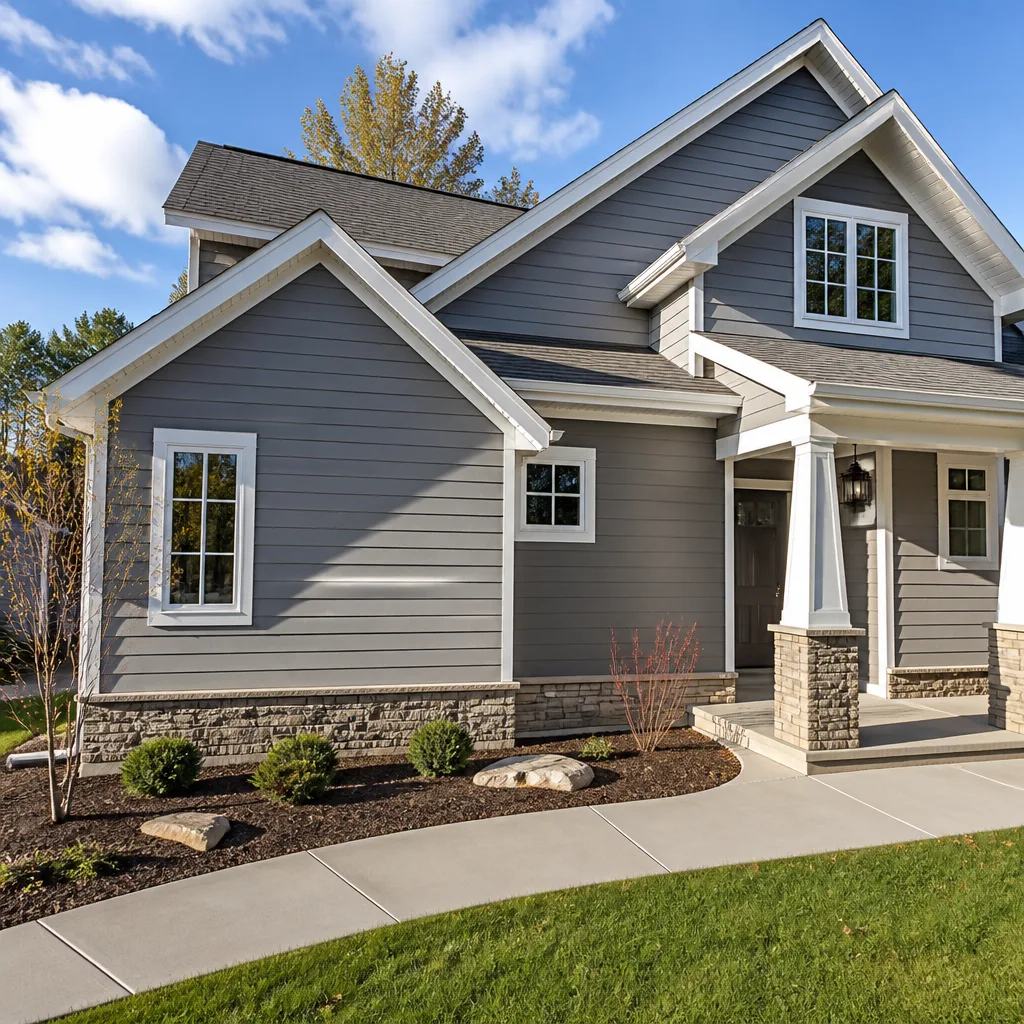
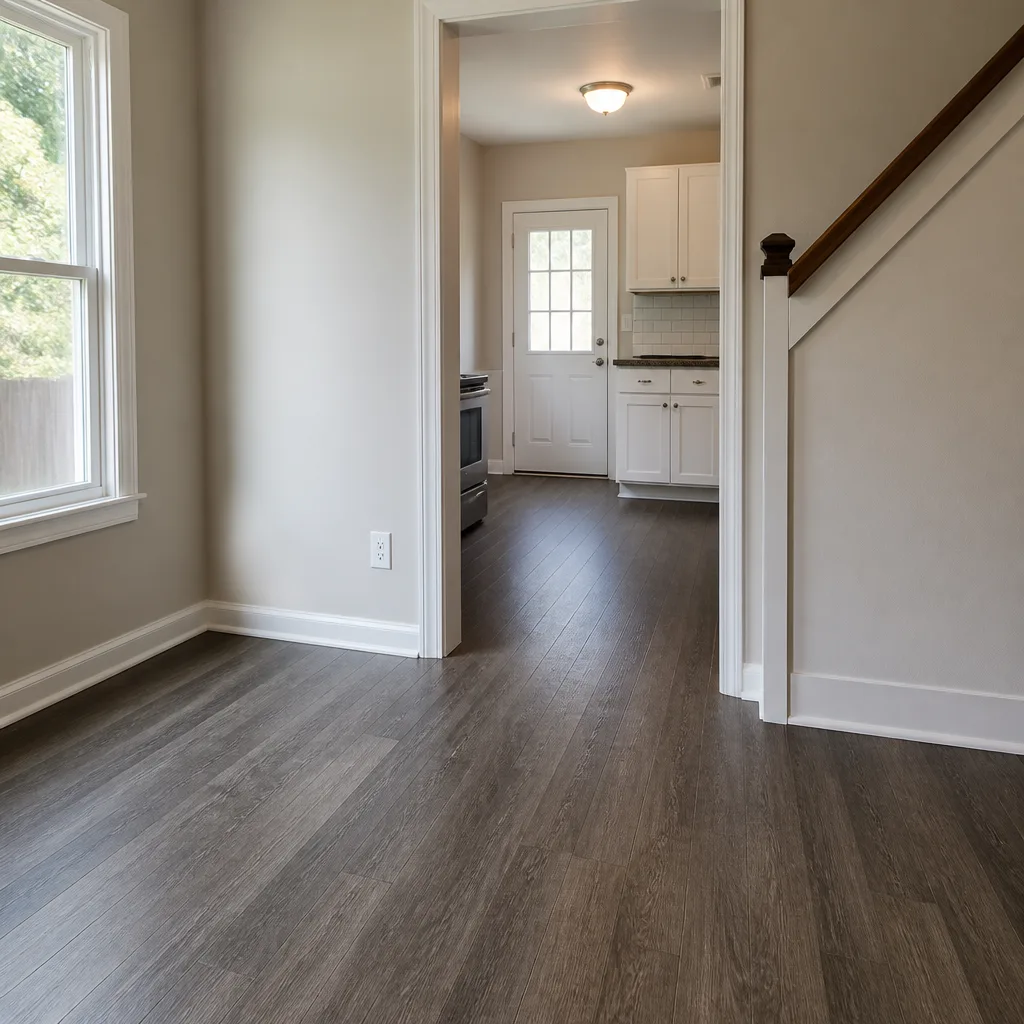

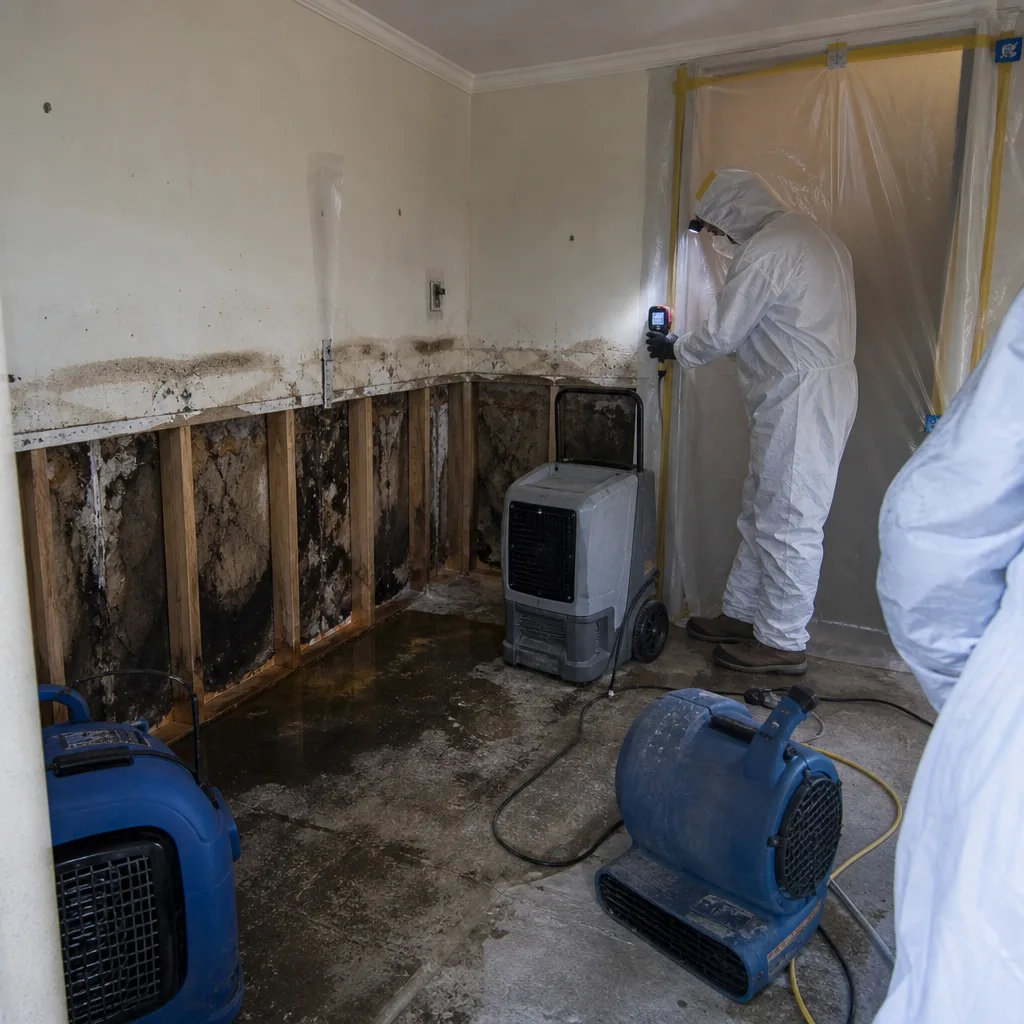 Before
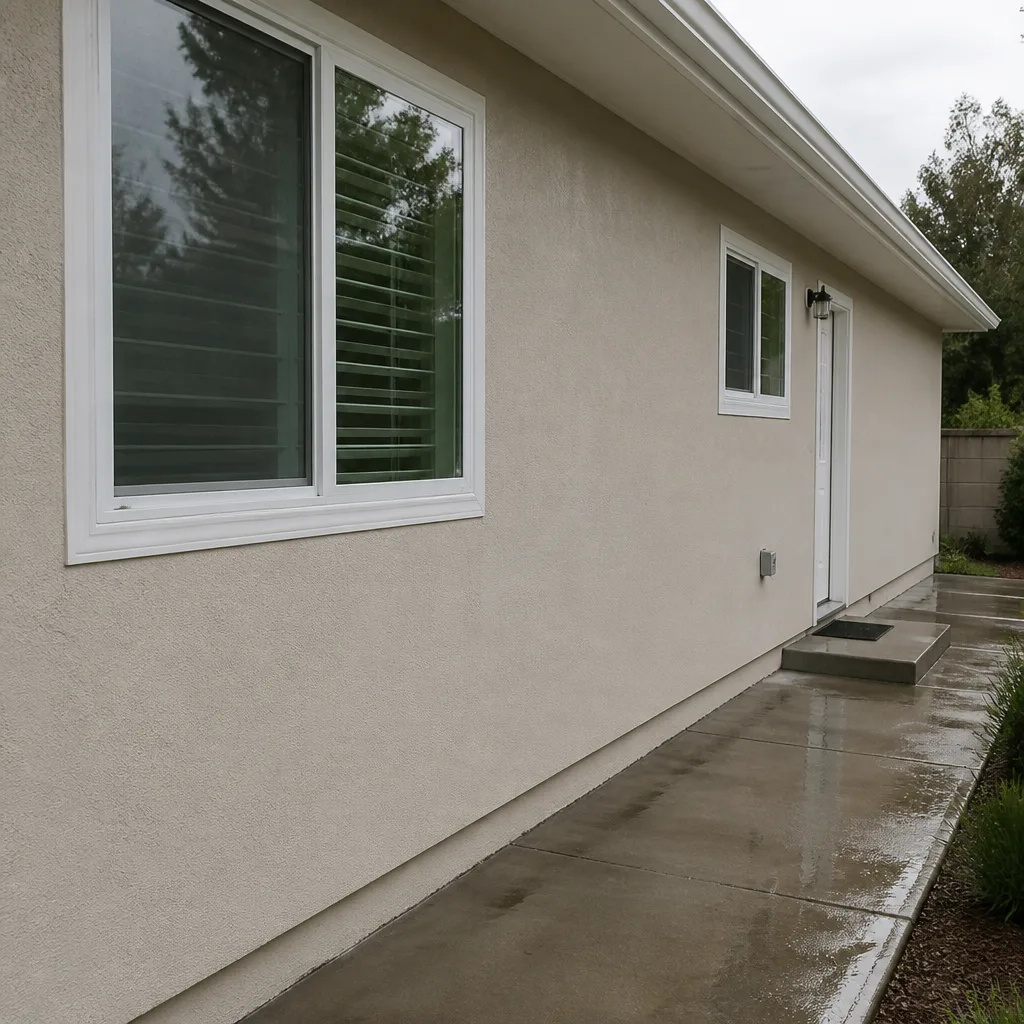 After
After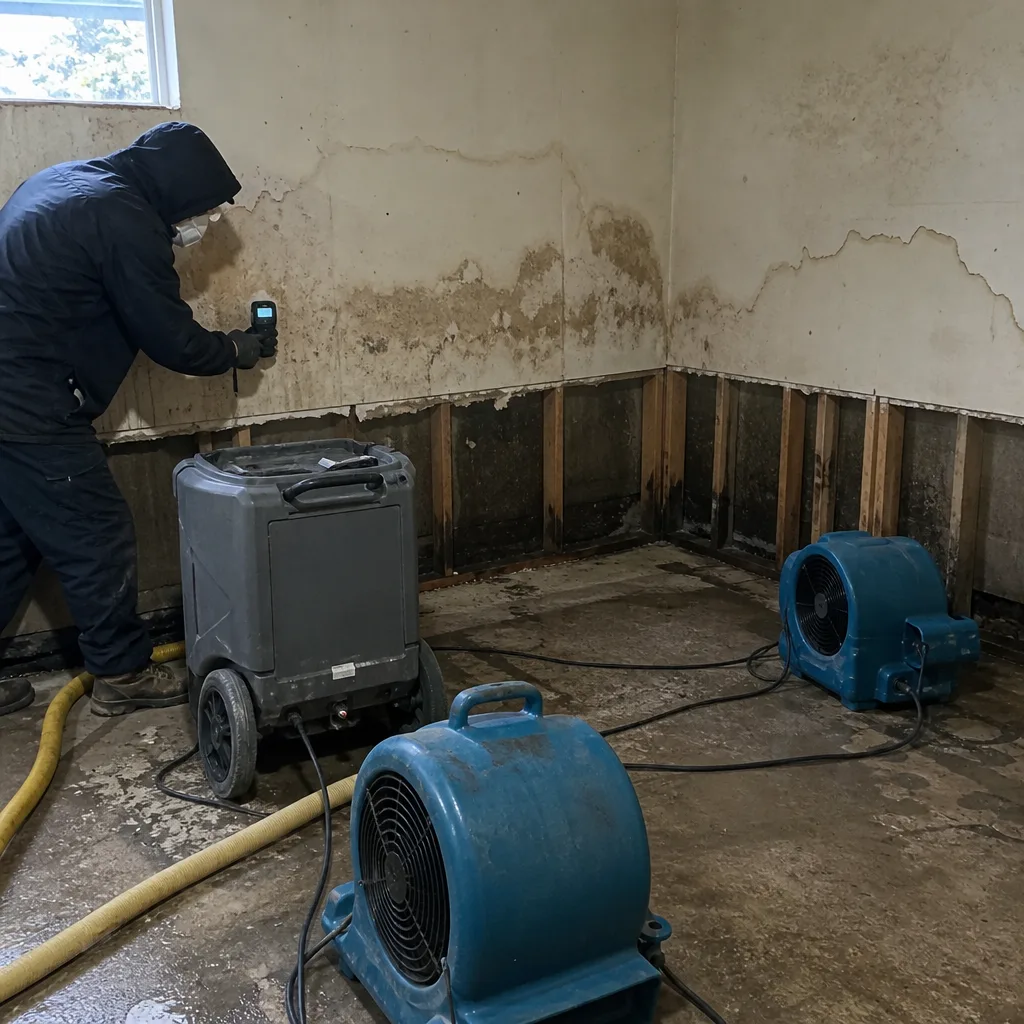 Before
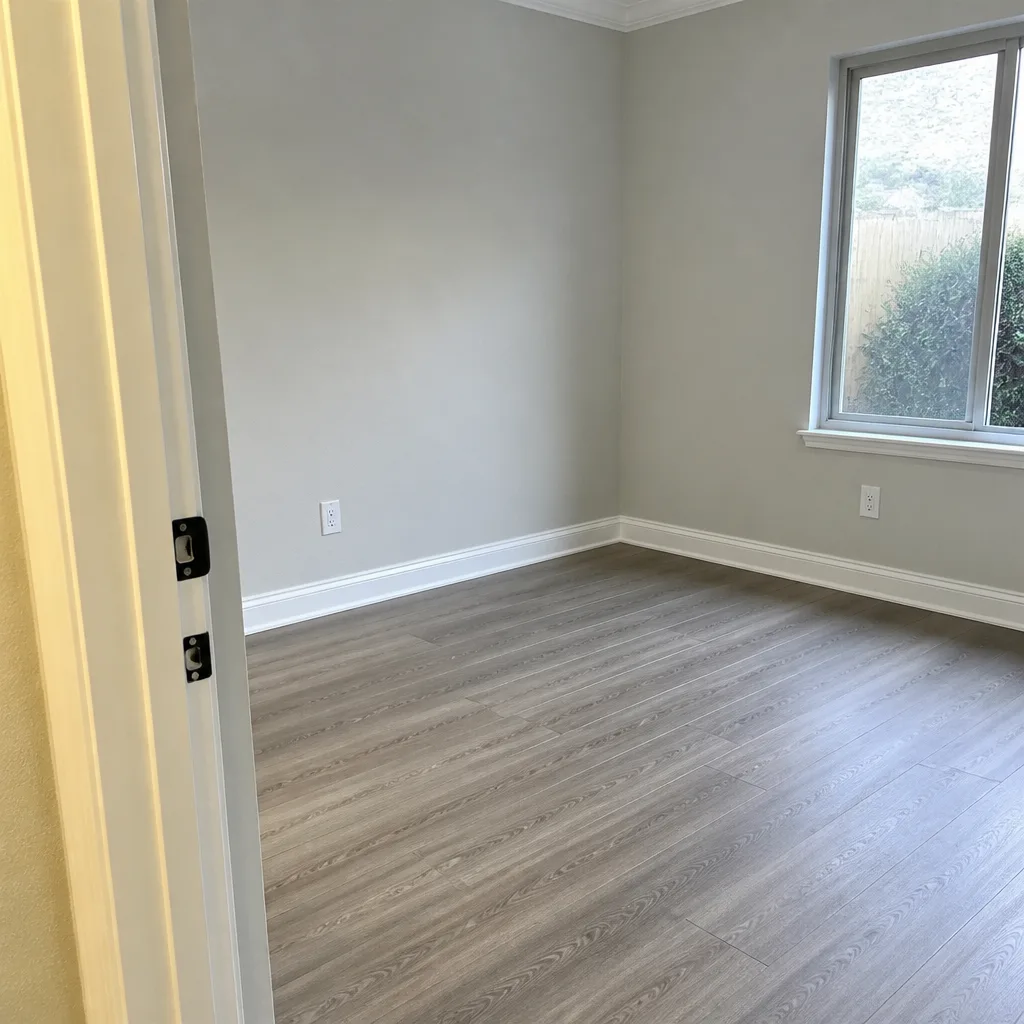 After
After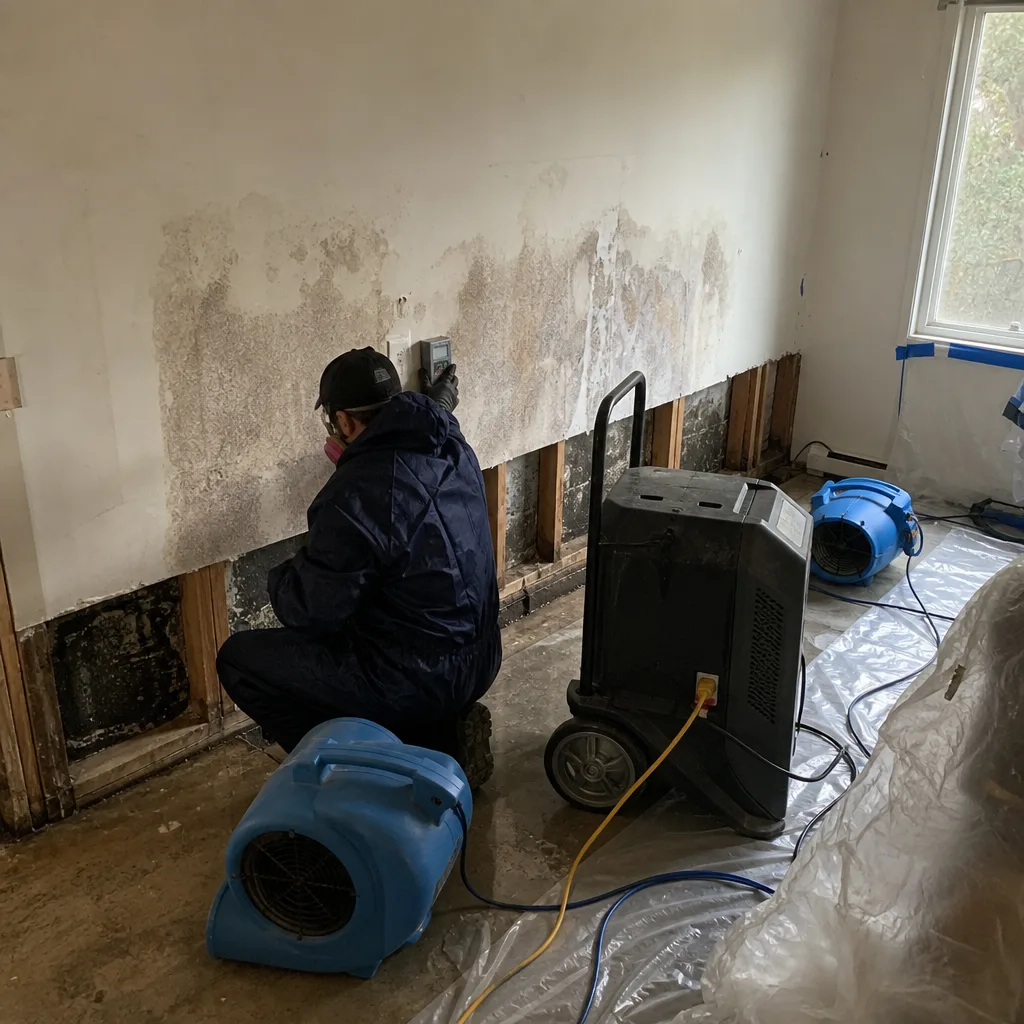 Before
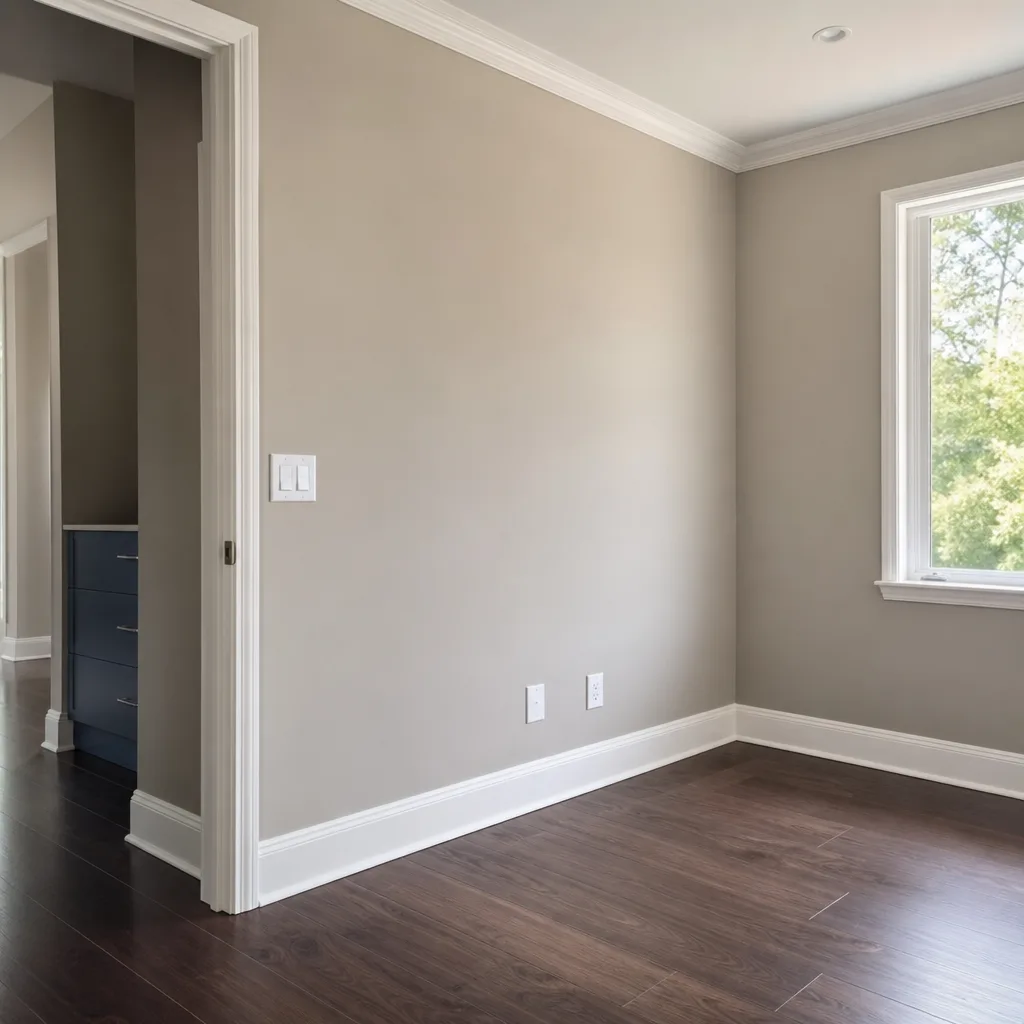 After
After24/7 Emergency Water Damage Restoration in Vista
Water damage restoration in Vista typically costs $2,800-$6,500 for a standard residential drying job, with emergency extraction starting at $1,200-$2,400 depending on affected square footage and water category. Most Vista properties require 3-5 days of active drying, and our crews are dispatched within 45 minutes of your call. Call (858) 683-1768 now - a live person answers, 24 hours a day, 7 days a week, no voicemail trees.
The first hour after water intrusion is when damage compounds fastest. In Vista’s 1960s-1980s stucco tract homes, water that breaches a door seal or window frame doesn’t stay visible; it tracks behind stucco, saturates wall cavities, and wicks into subflooring through hairline cracks that opened during years of thermal cycling. Every minute of delay means more square footage affected, more materials requiring removal, and a longer drying timeline. Our Vista crews carry thermal imaging, moisture meters, and extraction equipment on every truck so we can stop the spread before the structure absorbs it.
Understanding Water Damage Restoration Severity in Vista Properties
Water damage in Vista is classified by the IICRC into three categories that determine both safety protocols and restoration cost. Category 1 is clean water from a burst supply line or overflowing sink - still time-sensitive, but posing minimal health risk if addressed within 24 hours. Category 2, or gray water, carries chemical or biological contamination from sources like dishwasher discharge or washing machine overflow; affected porous materials in Vista’s older homes often require removal rather than cleaning. Category 3, black water, originates from sewage backup, ground flooding, or any water that has passed through soil or building debris - this demands full containment, HEPA air scrubbing, and antimicrobial treatment of all affected surfaces.
Moisture mapping is where Vista’s housing stock complicates the assessment. The original stucco on these tract homes was applied directly to wire lath with minimal water-resistive barrier; decades of Santa Ana desiccation followed by atmospheric river saturation have created micro-fractures that allow water to migrate laterally behind walls for 10-15 feet from the visible intrusion point. Our crews use non-penetrating moisture meters to trace these hidden pathways, then confirm with thermal imaging to document the full extent for your insurer. Without this mapping, drying equipment gets placed where water is visible, not where it actually traveled - and three weeks later, mold appears in a supposedly dry room.
Vapor pressure differential, the force that drives moisture from wet materials into drier air, is what our drying strategy manipulates. In Vista’s low-humidity Santa Ana periods, we can exploit natural conditions; during atmospheric river events when outdoor humidity spikes, we seal the structure and create artificial differentials with desiccant dehumidifiers. Psychrometric data - temperature, relative humidity, and specific humidity readings taken every four hours - goes into your drying log, the document that proves to your adjuster that the structure was returned to pre-loss equilibrium.
Why Vista Property Owners Choose DryMark Restoration Poway
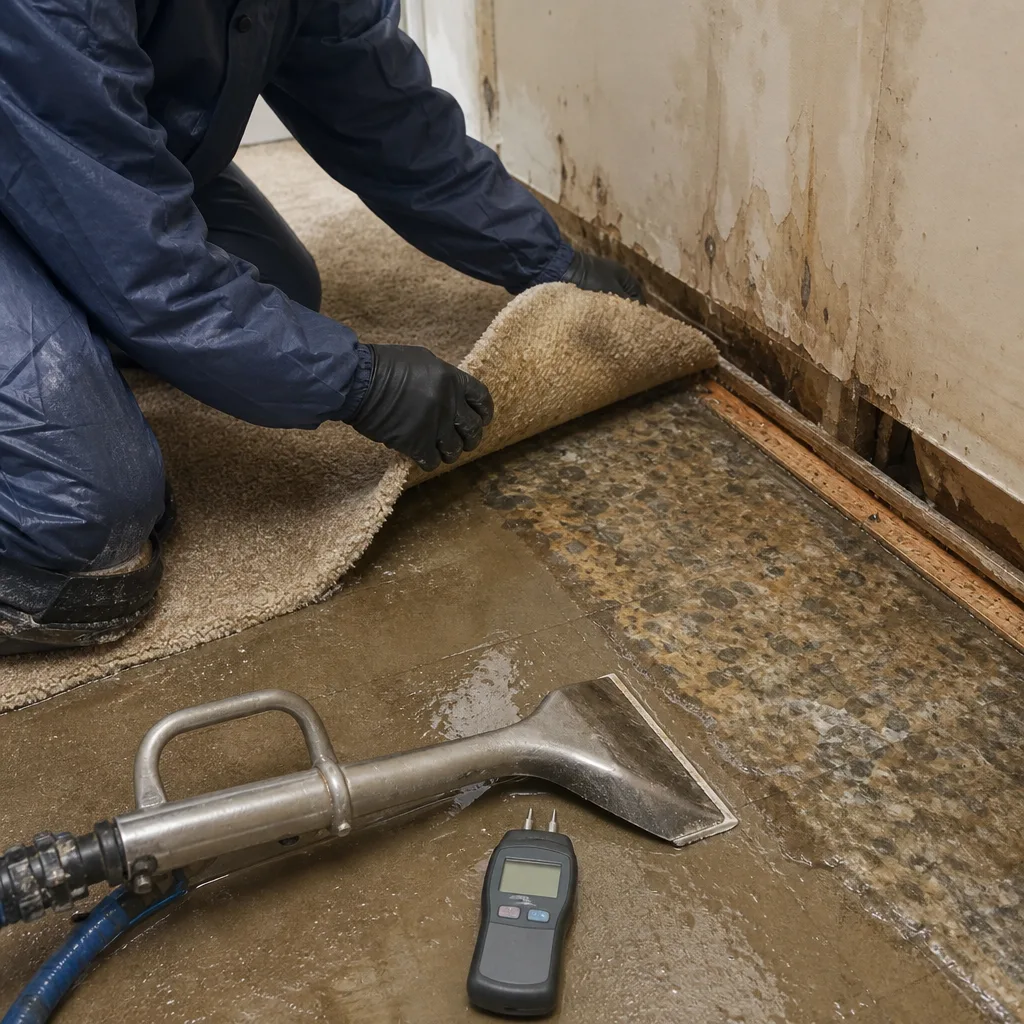
- 45-minute response commitment to Vista addresses, with crews staged for the inland corridor and no callback delays while water continues spreading.
- 24/7 live answer - a real person, never an automated system or voicemail tree, picks up every emergency line within three rings.
- IICRC-certified crews holding WRT (Water Damage Restoration Technician), FSRT (Fire & Smoke Restoration Technician), and AMRT (Applied Microbial Remediation Technician) credentials - license numbers provided on request.
- Free visual inspection and moisture assessment with no obligation; we document what we find and deliver a written scope before any equipment runs.
- Direct insurance billing with photo-documented estimates formatted to carrier standards, plus adjuster coordination that keeps claims moving without your chasing paperwork.
- One team from extraction to reconstruction - no handoffs between mitigation and rebuild contractors, no gaps in documentation, no finger-pointing if moisture readings don’t match.
 Before
 After
AfterOur Water Damage Restoration Process
1. Inspection & Assessment
We arrive with thermal imaging cameras, penetrating and non-penetrating moisture meters, and hygrometers to map the full water boundary. In Vista’s stucco tract homes, we pay particular attention to wall cavities adjacent to door and window openings, where wind-driven rain commonly breaches aged seals. You receive a written scope and firm price before any work begins - Haven Standard, Clause 1.
2. Extraction & Stabilization
Standing water is removed with truck-mounted extractors and portable submersible pumps. For carpeted areas, we use weighted extraction wands to pull water from pad and backing simultaneously. If the water source is active, we locate and stop it - whether that’s a burst pipe, failed door seal, or compromised roof underlayment - then document the point of intrusion with photos for your claim file.
3. Drying & Dehumidification
We deploy Dri-Eaz and Phoenix dehumidifiers sized to the affected cubic footage, paired with B-Air axial air movers positioned to create laminar airflow across wet surfaces. Injectidry systems dry inside wall cavities without removing intact drywall when moisture mapping supports it. Psychrometric readings are logged every four hours, adjusting equipment placement as drying progresses.
4. Cleaning & Sanitization
Category 2 and 3 water losses receive antimicrobial treatment of all affected framing, subflooring, and structural surfaces. HEPA air scrubbers run during this phase to capture airborne particulates. We clean salvageable contents on-site or pack them for off-site restoration, with photo inventory of every item.
5. Wind-Load & Envelope Assessment
Unique to Vista’s Santa Ana corridor exposure, we inspect door and window assemblies for seal failure, frame misalignment, or compromised impact ratings that allowed the initial intrusion. This assessment, documented with photos, becomes the basis for reinforcement recommendations that prevent the same loss next season - a service national franchises rarely provide.
6. Repairs & Restoration
Our reconstruction crew replaces removed drywall, insulation, flooring, and trim to match existing finishes. If wind-rated door or window upgrades are indicated, we coordinate permit-compliant installation to current California Building Code for the Santa Ana corridor. The 365-Day Done Right Promise covers all work.
Need Emergency Water Damage Restoration in Vista Now?
Crews minutes away, answering live 24 hours a day. The sooner we start, the less it costs.
Working With Your Insurance Company
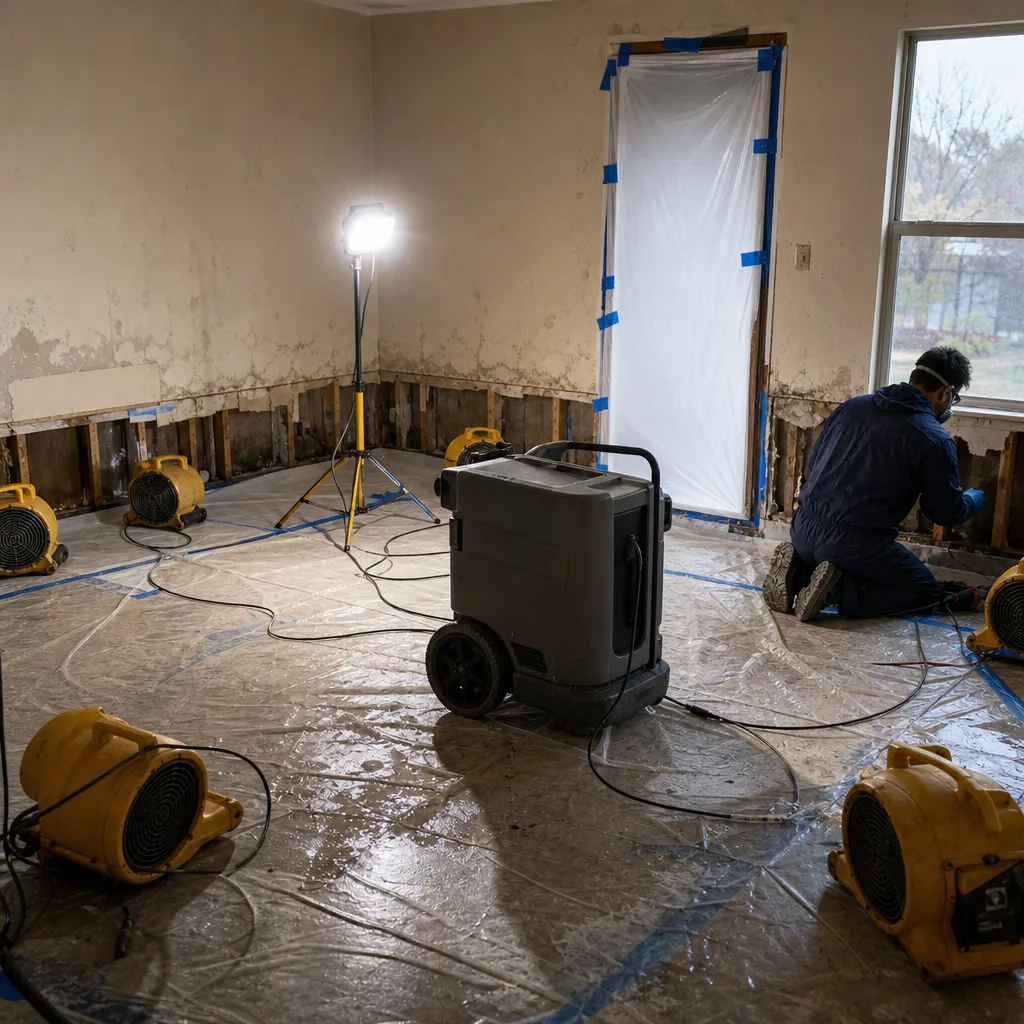
Insurance claims fail when documentation gaps let adjusters dispute the scope of loss or the necessity of specific line items. We close those gaps from the first hour. Every Vista job begins with photo documentation of the point of intrusion, moisture readings from affected and unaffected areas for baseline comparison, and a written estimate formatted to Xactimate or Symbility standards - the same platforms your carrier’s adjuster uses.
Our team communicates directly with your adjuster, providing drying logs that prove the structure was returned to pre-loss moisture content, not merely surface-dry. We handle supplemental requests when hidden damage extends the scope, always with photo evidence and moisture mapping to support the addition. Direct billing is available with most major carriers; you pay your deductible, we manage the rest.
What We Provide Your Insurer
- Thorough documentation of the loss
- Photos of all damage, room by room
- Moisture readings and drying logs
- A detailed, line-item scope of work
- Direct coordination with your carrier
Built for Vista’s Loss Calendar
Vista’s water damage calendar runs on two alternating clocks. September through January brings Santa Ana wind events - sustained gusts of 40-60 mph with relative humidity plunging below 10% for days. This desiccation cracks stucco, shrinks door and window seals, and dries roofing underlayment to brittleness. Then February through April, atmospheric river storms deliver concentrated rainfall on structures already compromised. The same door that held against Santa Ana pressure in October leaks wind-driven rain in March because its weatherstrip has hardened and pulled away from the frame.
May through August brings occasional monsoonal thunderstorms, but the bigger summer risk is homeowner discovery: that musty smell in a guest bedroom, the soft spot near the patio slider, the baseboard that never quite dried from last season’s leak. These are tertiary drying failures - moisture that remained trapped in wall cavities after incomplete previous mitigation, now supporting microbial growth. Our summer Vista calls are disproportionately mold remediation that began as undetected water damage from the prior winter’s storms.
Our Water Damage Restoration team maintains equipment staging for surge response during atmospheric river warnings, with additional crews on standby when National Weather Service alerts target inland San Diego County.
Water Damage Restoration Across Vista’s Neighborhoods
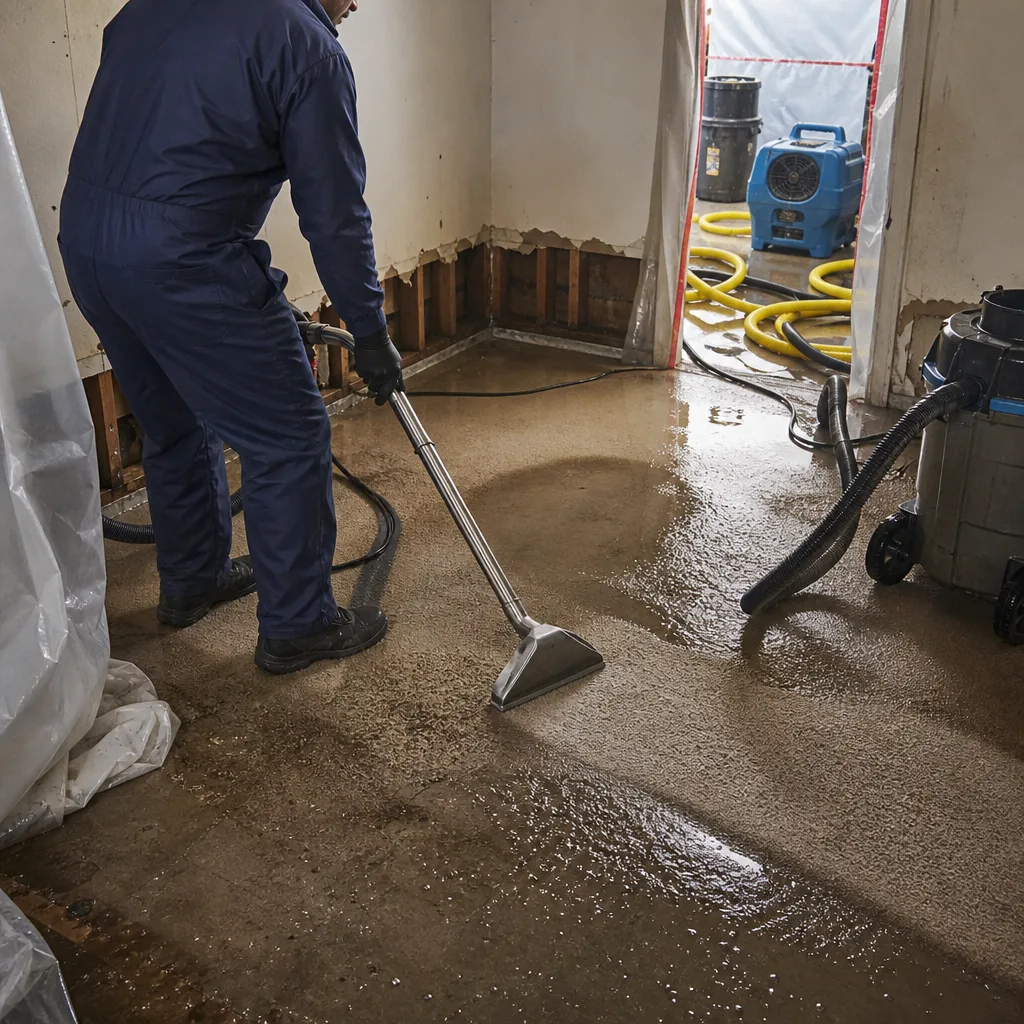
Breeze Hill sits on some of Vista’s higher terrain, but its 1970s tract homes face west and catch Santa Ana winds full-force. We’ve responded repeatedly to patio door seal failures in this area, where wind-driven rain enters through gaps that opened during the prior season’s desiccation. The hilly grading here also creates drainage challenges; downspouts that discharge against stem walls during heavy rain saturate crawl spaces that sit below street level on the downhill side.
Melrose Drive corridor and the neighborhoods east of it include a significant inventory of manufactured homes in park communities. These structures have different water intrusion patterns - belly wrap deterioration, compromised roof-over seams, and skirting that traps ground moisture. Our crews carry specialized extraction equipment for the limited access beneath these homes, and we understand the park management notification requirements that delay mitigation if not handled correctly.
Santa Fe Avenue area and the lower-elevation neighborhoods near the city center contain some of Vista’s oldest 1960s stucco, much of it with original galvanized plumbing now past its functional life. Burst pipe calls here often involve multiple fixture failures, with water running for hours before discovery. The compact lot sizes mean water reaches neighboring units quickly, adding third-party liability documentation to the immediate mitigation priority.
Canyon-adjacent streets throughout Vista’s hilly eastern sections back directly onto natural drainage ravines. During atmospheric river events, these canyons funnel runoff into stem walls and subfloor spaces of homes graded flat in the 1970s without modern positive drainage. We’ve performed crawl-space extraction and subfloor drying at the same addresses after nearly every major rain cycle - a recurring pattern that only permanent drainage correction can resolve.
Specialized Water Damage Restoration Services We Offer in Vista
Emergency Water Extraction
Our truck-mounted extractors remove standing water at rates exceeding 25 gallons per minute, with portable units for multi-story Vista homes where access limits truck placement. In the Breeze Hill field vignette, extraction began within 20 minutes of arrival, preventing the Category 2 gray water from degrading to Category 3 before we contained it.
Structural Drying & Dehumidification
We size dehumidification to the specific cubic footage and vapor load, using Phoenix LGR units for standard residential drying and Dri-Eaz desiccant systems when Vista’s atmospheric river events spike outdoor humidity beyond what refrigerant dehumidifiers can process. Drying logs are updated every four hours and delivered with your final documentation package.
Flood Cleanup
Ground flooding in Vista’s canyon-adjacent neighborhoods brings Category 3 black water containing soil contaminants, pesticides from agricultural runoff, and potential sewage cross-connection. Full PPE, containment, HEPA air scrubbing, and antimicrobial treatment of all affected structural materials are standard; we do not attempt to clean porous materials saturated with black water.
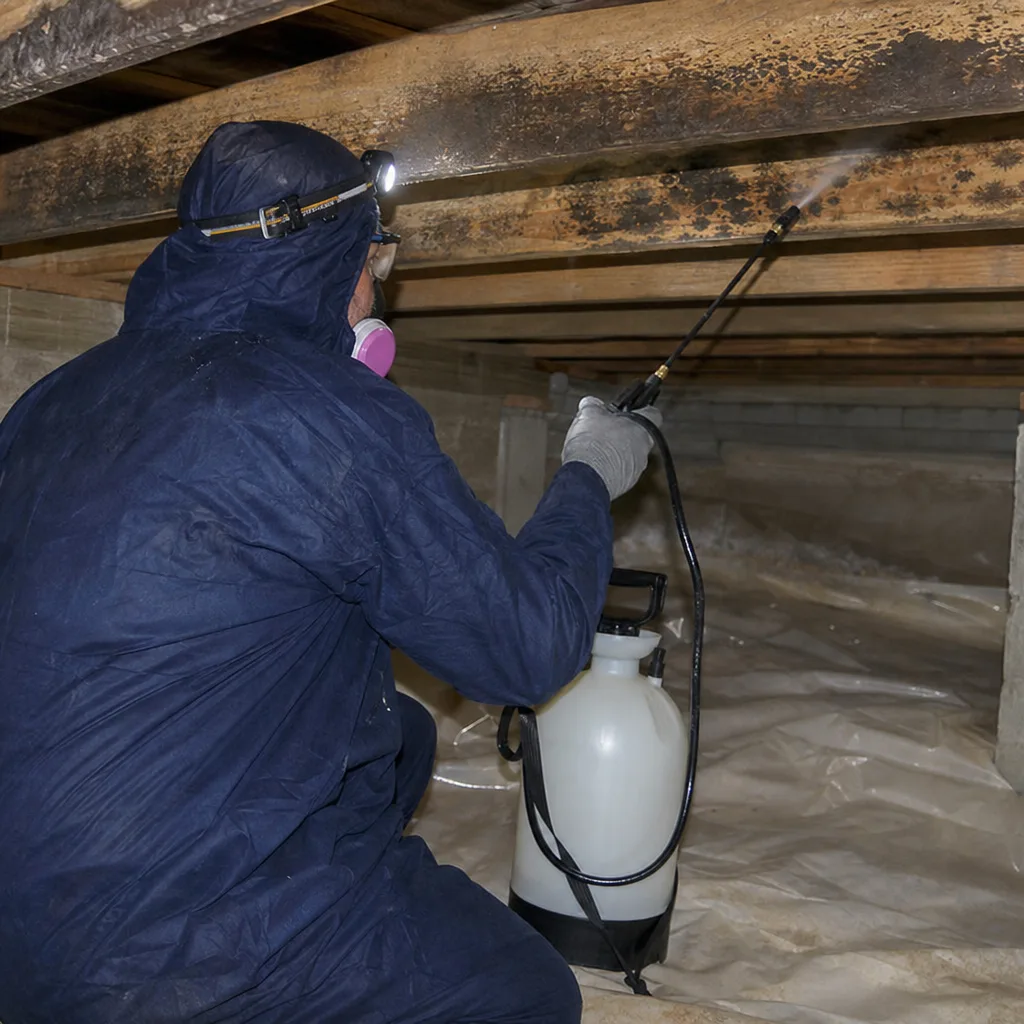
Burst Pipe Restoration
Vista’s aging galvanized and early copper infrastructure, particularly in Santa Fe area homes, fails predictably at joints and fixture connections. We extract, dry, and document the water damage, then coordinate with licensed plumbers for the repair - with photo documentation of the failure point to support your claim’s causation argument.
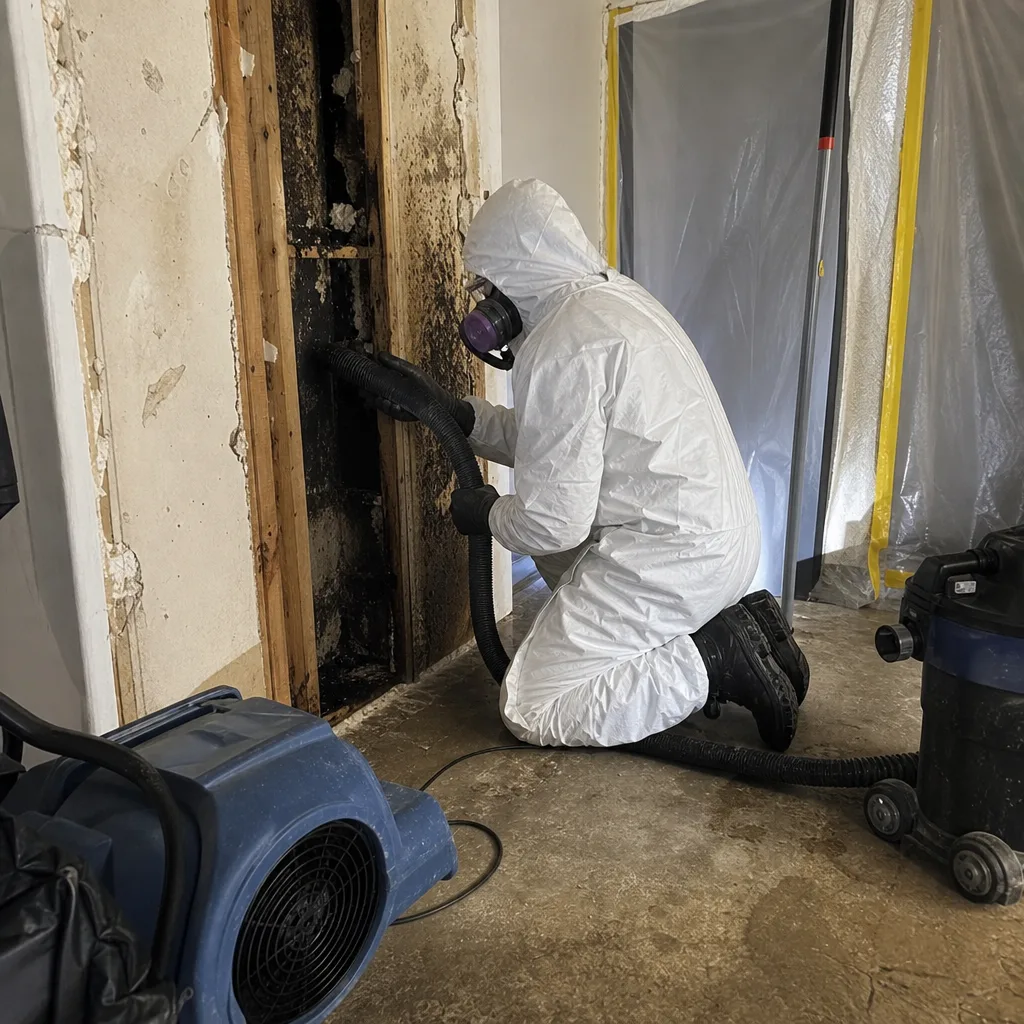
Basement Water Removal
True basements are uncommon in Vista, but the city’s hillside homes often have daylight basements or under-house crawl spaces that function similarly. These below-grade areas accumulate water from failed perimeter drainage, compromised stem walls, or sewer backup. Submersible pumps, portable extraction, and low-profile air movers designed for confined spaces are standard equipment for these calls.
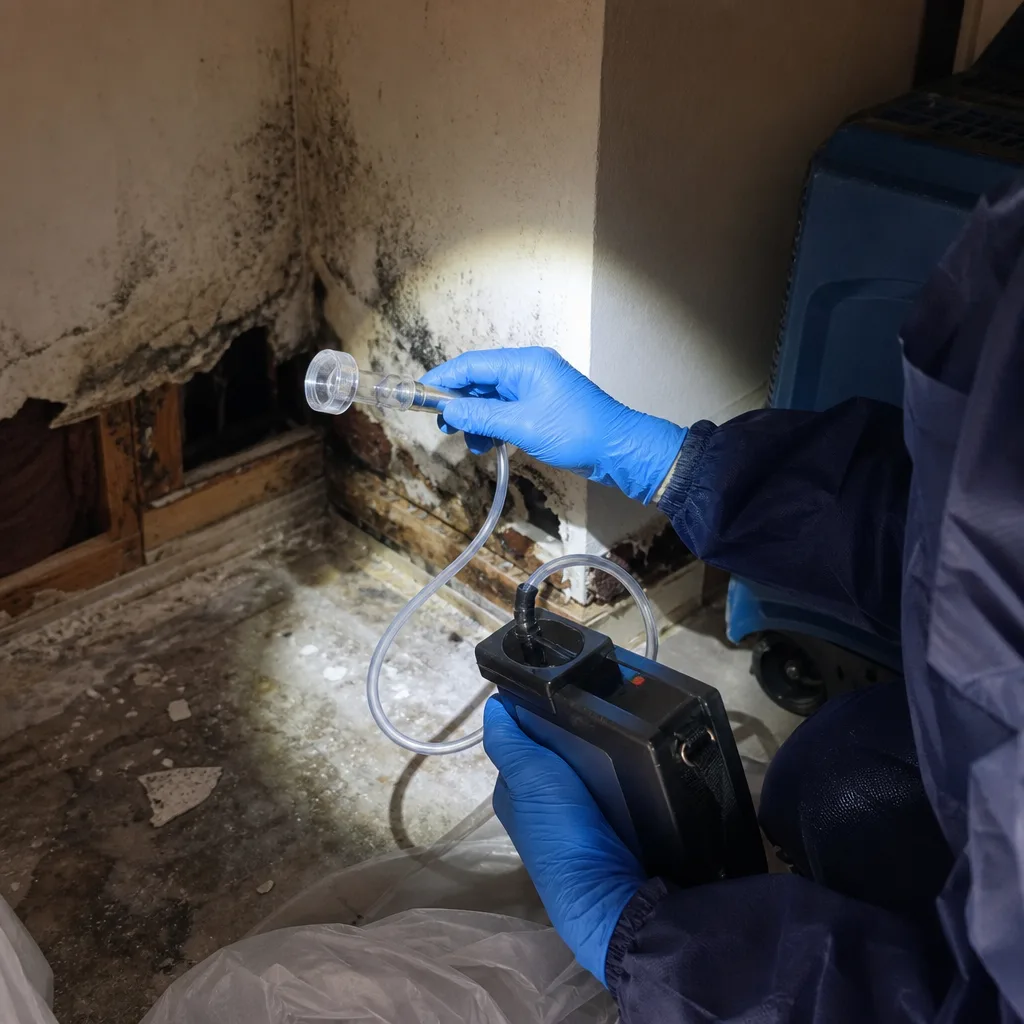
Ceiling & Roof Leak Water Damage
Atmospheric river wind drives rain under compromised tile roof mortar beds and through aged underlayment on Vista’s 1970s-1980s homes. Ceiling damage often indicates more extensive attic insulation saturation; we inspect with borescopes when access is limited, and we document roof damage photos for your adjuster’s causation review.
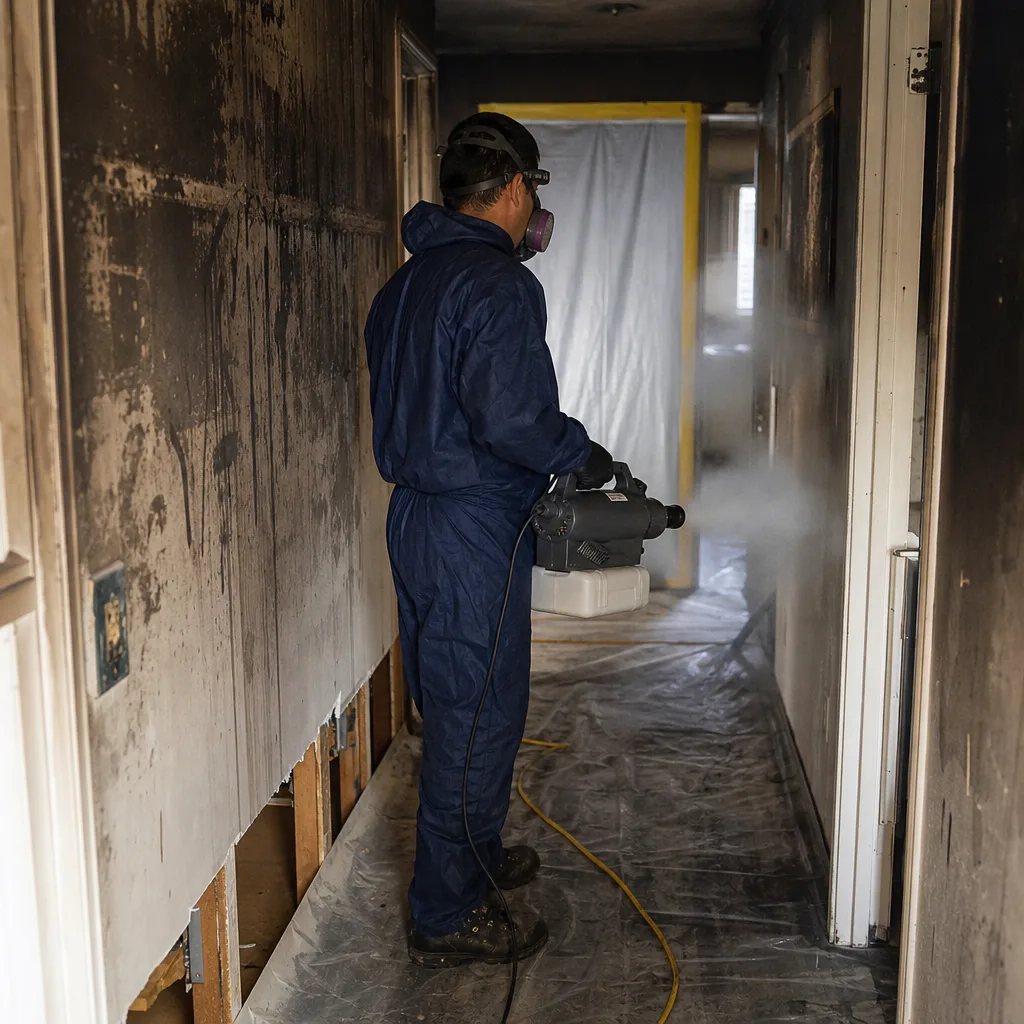
What happens when you call
- 1
A real person answersNo phone trees - you reach a local pro.
- 2
You get an upfront price rangeHonest numbers before anyone is dispatched.
- 3
A background-checked tech heads outLicensed & insured, dispatched right away.
- 4
You approve before work beginsNothing starts until you say go.
Water Damage Restoration Costs in Vista, CA
Emergency water extraction in Vista runs $1,200-$2,400 for a standard residential response, with structural drying and dehumidification adding $2,800-$6,500 depending on affected square footage, water category, and days of active equipment. Category 3 black water losses requiring full containment and antimicrobial treatment typically range $4,500-$9,000. Content pack-out, storage, and restoration are priced separately based on inventory.
What moves the price: the water category (clean vs. contaminated), the extent of hidden saturation behind walls, whether flooring and drywall require removal, and the need for specialized equipment like Injectidry cavity drying systems. Insurance typically covers sudden and accidental water damage from burst pipes, storm intrusion through failed building envelopes, and appliance failures; gradual leaks from deferred maintenance and flood damage from rising groundwater require separate flood insurance.
We provide a written price before any work begins - Haven Standard, Clause 1 - with no scope additions once our crew is inside. Bring a competitor’s written estimate and we’ll review it free under our Second Opinion policy. Call (858) 683-1768 for scheduling.
We Also Serve Cities Near Vista
Our crews respond throughout North County from dispatch coordination at our San Diego office. We also provide Water Damage Restoration in Vista and surrounding communities including San Marcos, Carlsbad, Encinitas, and Escondido. Each city’s page details local conditions, pricing, and response protocols specific to that market.
Serving Vista, CA - Our Local Coverage Area
We’re based in the Vista area and know this community well. Use the map below to see our service coverage - if you’re nearby, we can almost certainly help.
Vista Water Damage Restoration Questions, Answered
How does Vista’s Santa Ana wind corridor affect water damage restoration after a storm?
The Santa Ana wind corridor creates a unique alternating stress pattern: desiccating winds crack seals and dry out building materials one month, then atmospheric river storms drive rain through those compromised barriers the next.
This means Vista restoration jobs often involve both wind-load envelope damage and water intrusion at the same point of failure - a door seal that leaked, a window frame that shifted, a roof mortar bed that cracked. Our assessments document both the water damage and the structural compromise that allowed it, which matters for insurance causation arguments. We also inspect for the next failure mode before it happens, recommending reinforcement while the structure is open for drying. Call (858) 683-1768 if you’ve had wind-driven rain intrusion.
What should Vista homeowners do immediately after a storm if they suspect a door or window leak?
Contain the water with towels or a wet/dry vacuum if safe to do so, then call for professional assessment - do not assume surface drying is sufficient.
Wind-driven rain in Vista’s stucco homes travels behind the visible wall surface through cracks that may be invisible from inside. Placing a fan on interior drywall can actually drive moisture deeper into the cavity. We respond with thermal imaging to trace the full water boundary, then extract and dry with equipment positioned based on moisture mapping, not guesswork. The sooner we map it, the less drywall requires removal. Call (858) 683-1768 for same-day assessment.
Do Vista’s older stucco homes require special drying techniques after wind-driven rain?
Yes - stucco applied directly to wire lath with minimal water-resistive barrier creates a reservoir that holds moisture and releases it slowly into wall cavities.
Standard drying that targets interior drywall can miss the moisture trapped in the stucco itself, which then re-wets the framing over weeks. We use higher-capacity dehumidification for longer periods in Vista’s stucco homes, with moisture readings taken from the exterior sheathing as well as interior surfaces. Injectidry systems dry inside wall cavities without removing intact drywall when possible, but we don’t promise this until moisture mapping confirms the stucco reservoir isn’t saturated. The drying log proves the structure reached equilibrium, not just the drywall.
What is the difference between Category 1, 2, and 3 water damage in Vista?
Category 1 is clean water from supply lines or sinks; Category 2 is gray water with chemical or biological contamination from appliances or sump failures; Category 3 is black water from sewage, ground flooding, or any water that has contacted soil or building debris.
In Vista’s canyon-adjacent neighborhoods, ground flooding frequently tests as Category 3 due to agricultural runoff and potential sewage cross-connection. Category 2 water that sits longer than 48 hours degrades to Category 3 regardless of source. The category determines whether porous materials can be cleaned or must be removed, what PPE our crews wear, and whether HEPA containment is required. We test and document the category at arrival, with photo evidence, because category disputes are a common reason insurers deny portions of claims. Call (858) 683-1768 for assessment.
How can Vista homeowners reinforce doors and reduce water intrusion risk before the rainy season?
Inspect and replace weatherstripping on all exterior doors before October, check that door frames are square and seals compress evenly when closed, and verify that sliding glass door tracks drain to the exterior without blockage.
For homes built before 1990, consider upgrading to wind-rated door assemblies that meet current California Building Code for the Santa Ana corridor - many Vista homes lack documented ratings, which complicates insurance recovery after storm damage. We assess door and window envelope integrity as part of our post-loss documentation, and we can coordinate code-compliant upgrades during the reconstruction phase. The investment typically runs $800-$2,400 per opening, with permits pulled to city requirements. Call (858) 683-1768 to discuss envelope assessment.
How fast can DryMark Restoration Poway actually get to my Vista home?
Our commitment is 45 minutes from call to arrival for emergency water damage in Vista, with crews staged for the inland corridor.
During atmospheric river surge periods, response may extend to 60-90 minutes depending on call volume and road conditions on routes like SR-78 or Melrose Drive. We answer live 24/7, give you an honest ETA, and begin remote guidance on containment if water is still active. The crew that arrives carries extraction equipment, moisture mapping tools, and the first dehumidifier load - no separate “assessment” visit that delays drying. Call (858) 683-1768; a live person will answer.
Will my insurance cover water damage restoration in Vista?
Most standard homeowners policies cover sudden and accidental water damage from burst pipes, failed appliances, and storm intrusion through compromised building envelopes.
They typically exclude gradual leaks from deferred maintenance, flooding from rising groundwater (which requires separate flood insurance), and mold remediation beyond the drying phase. We document causation from the first photo, format estimates to carrier standards, and coordinate directly with your adjuster. Our photo records and drying logs are designed specifically to survive claim scrutiny - that’s why former adjuster Alicia Brennan built this documentation protocol in 2011. If your carrier disputes coverage, we provide the evidence to support your position. Call (858) 683-1768 to discuss your specific loss.
How long does water damage drying take in Vista’s climate?
Standard residential drying takes 3-5 days of active equipment, with an additional 24-48 hours for moisture verification after equipment removal.
Vista’s inland climate can help or hurt: low humidity during Santa Ana periods accelerates surface drying but can hide moisture trapped in wall cavities, while atmospheric river humidity slows evaporation and may require desiccant dehumidification. We don’t remove equipment until moisture readings from affected materials match unaffected baseline areas of the same structure - not until the air feels dry, not until a timer expires. The drying log documents every reading, with timestamps, for your insurer. Call (858) 683-1768 to schedule assessment.
Written by Alicia Brennan, Owner at Back to Dry Restoration, serving Vista and North County San Diego since 2011.