

Free visual inspection and a written scope of work before any mitigation begins - photos, moisture readings, and drying logs go in your claim file
The scope we write is the scope we bill. Anything new gets shown to you, in writing, before we touch it.
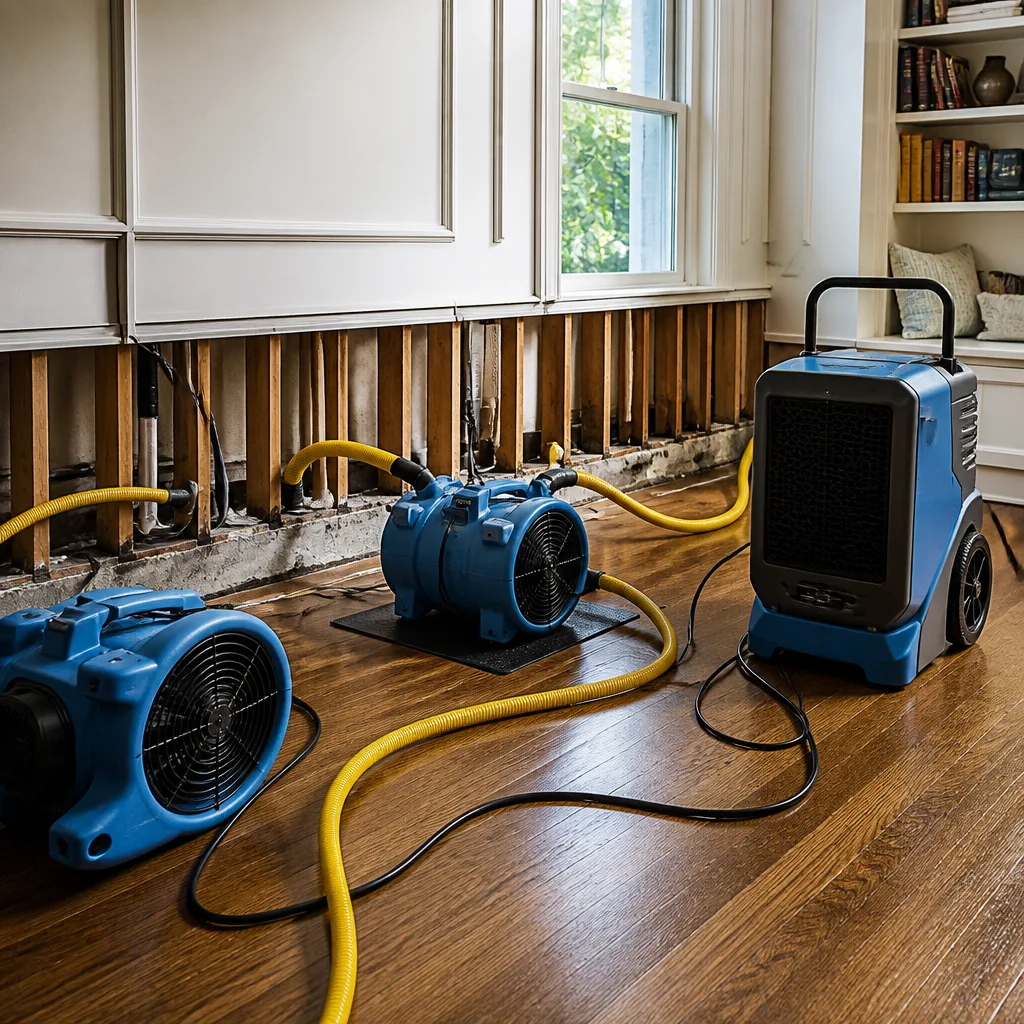
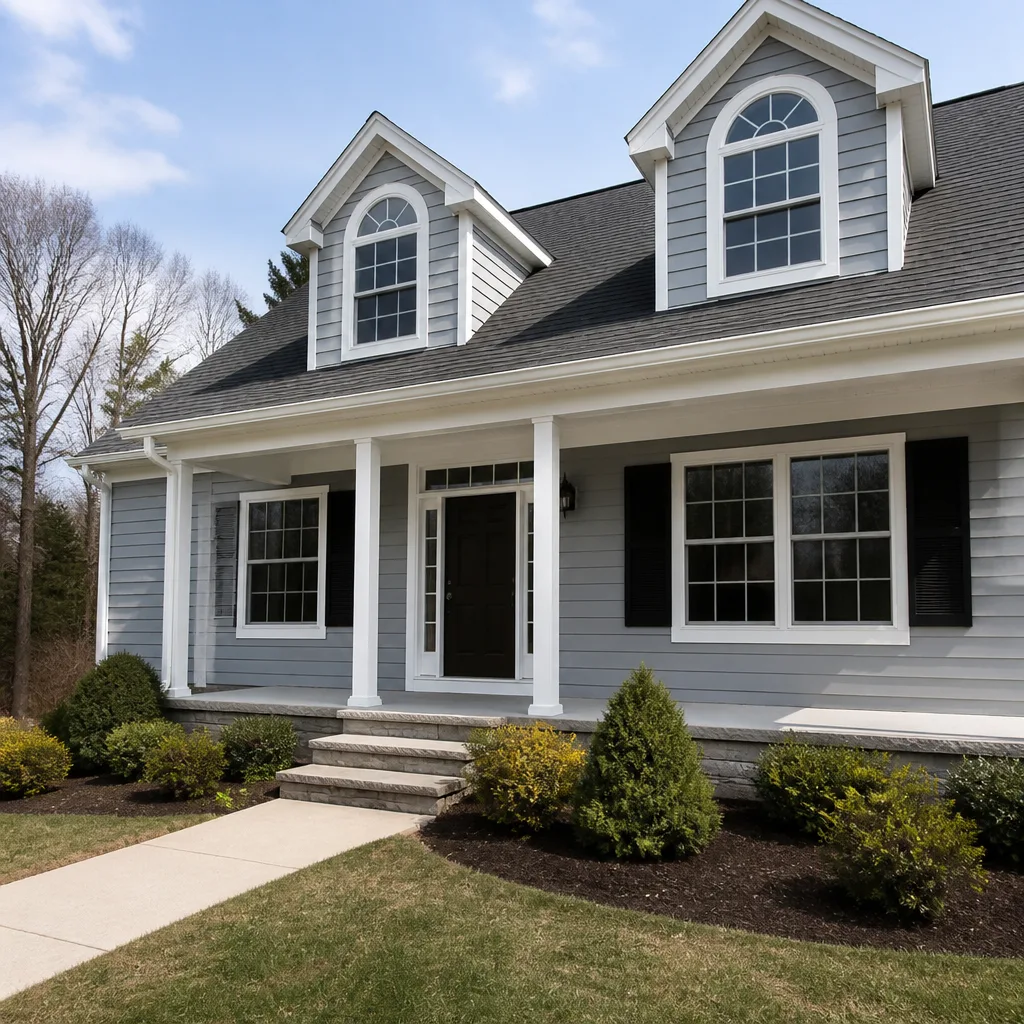
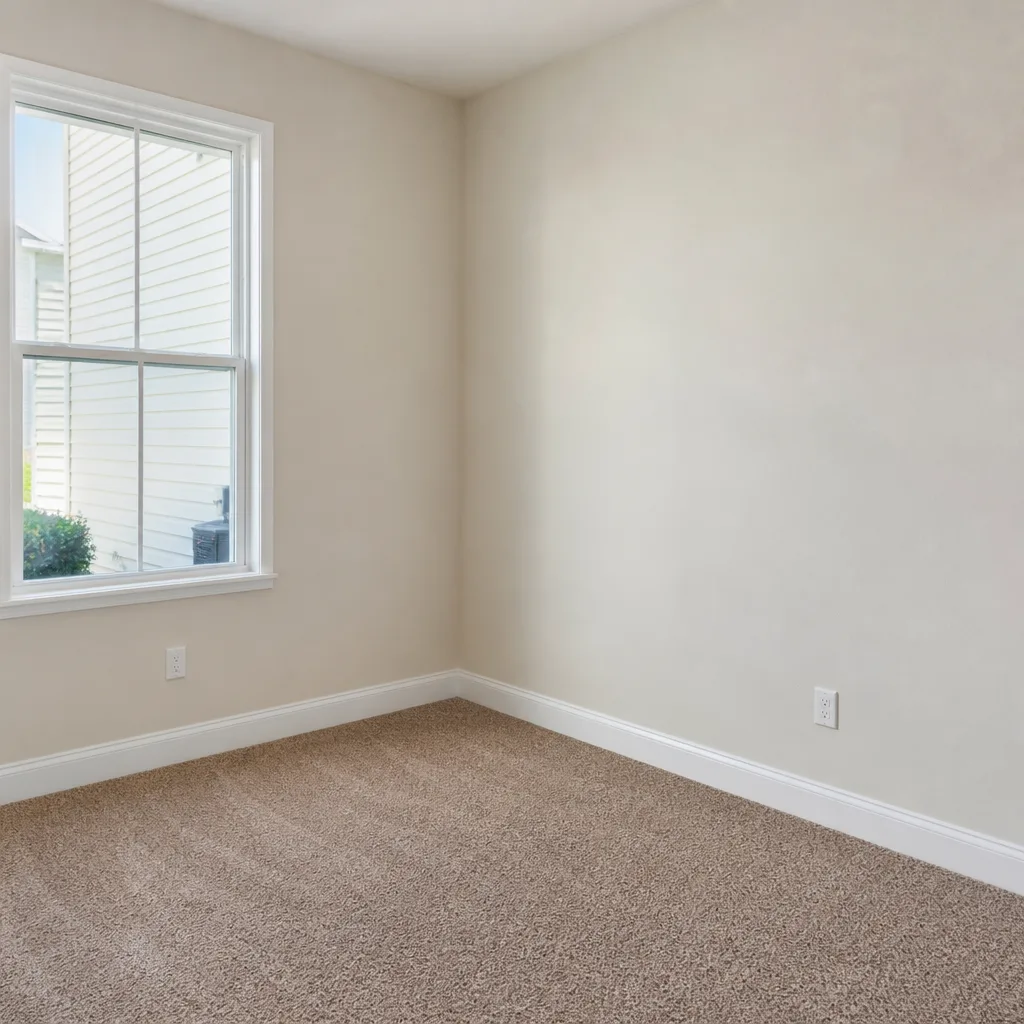
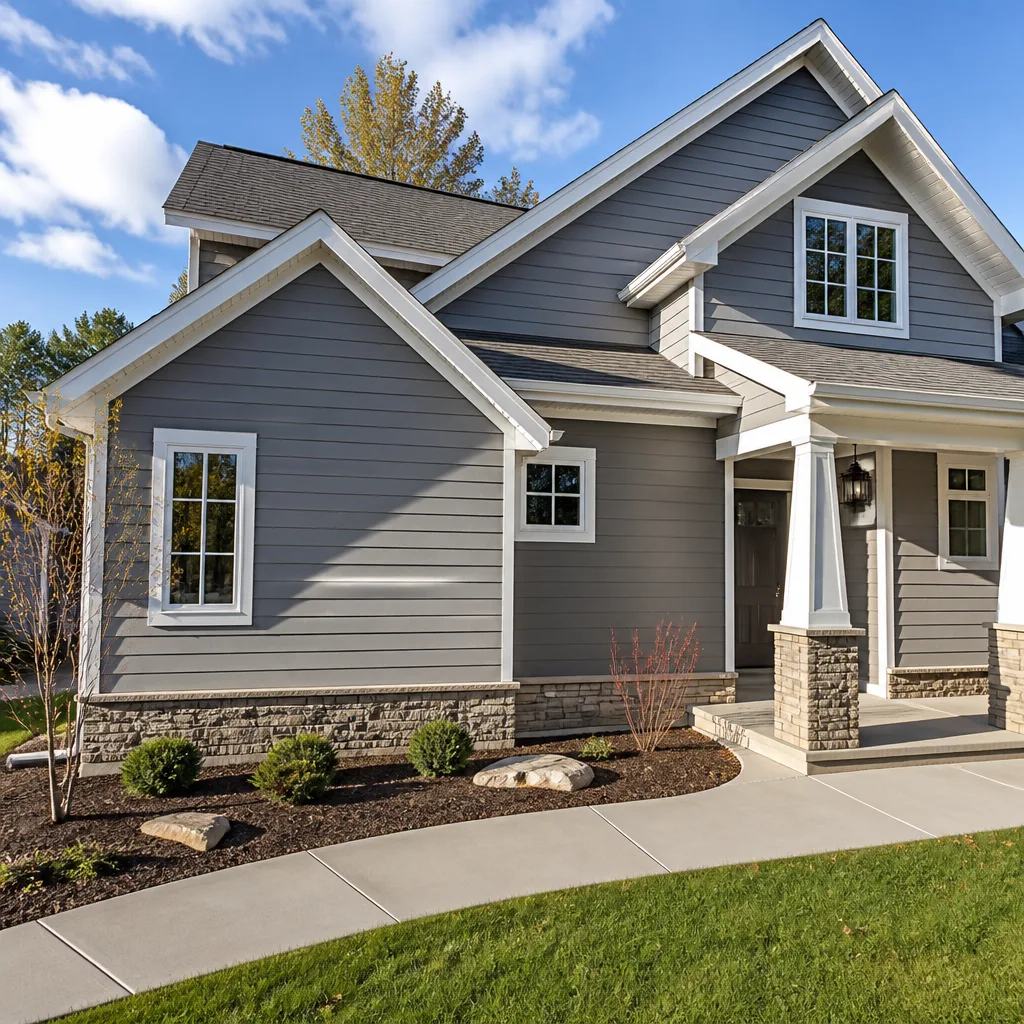
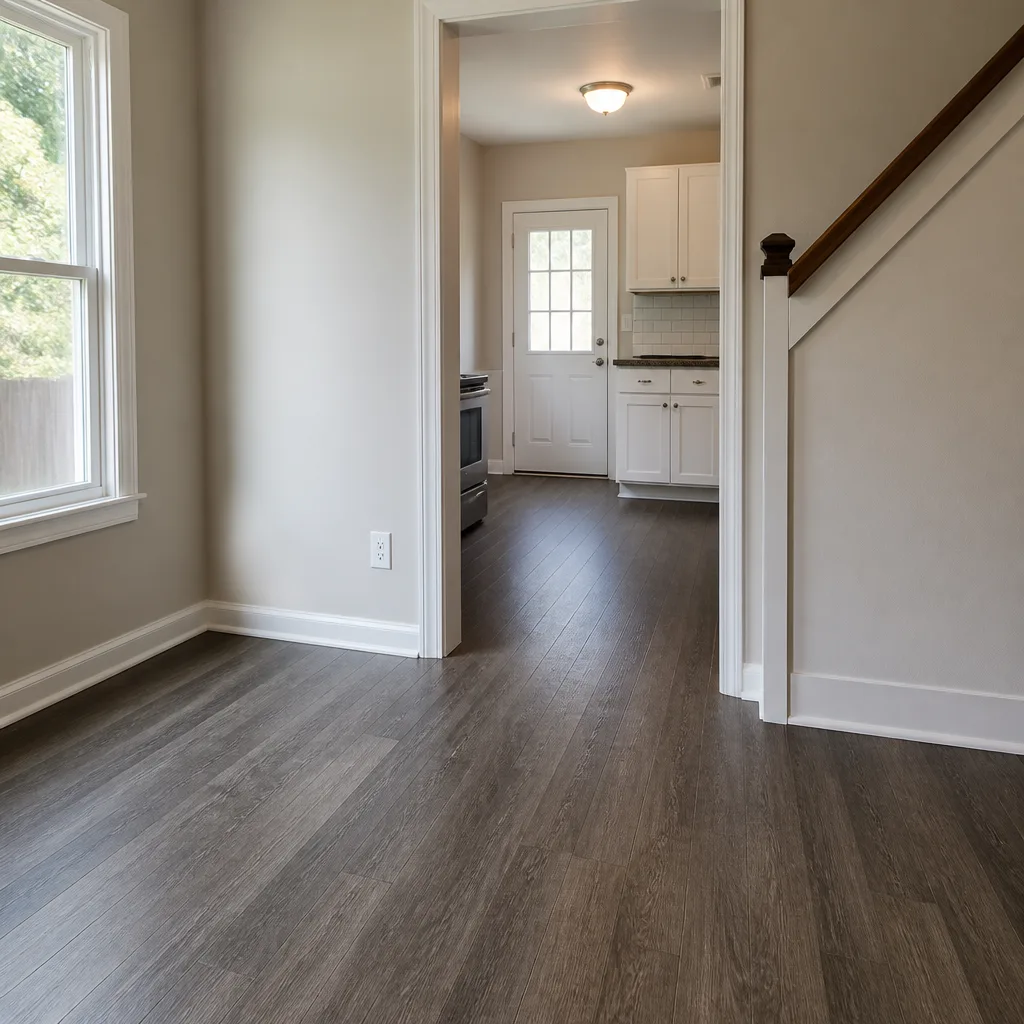

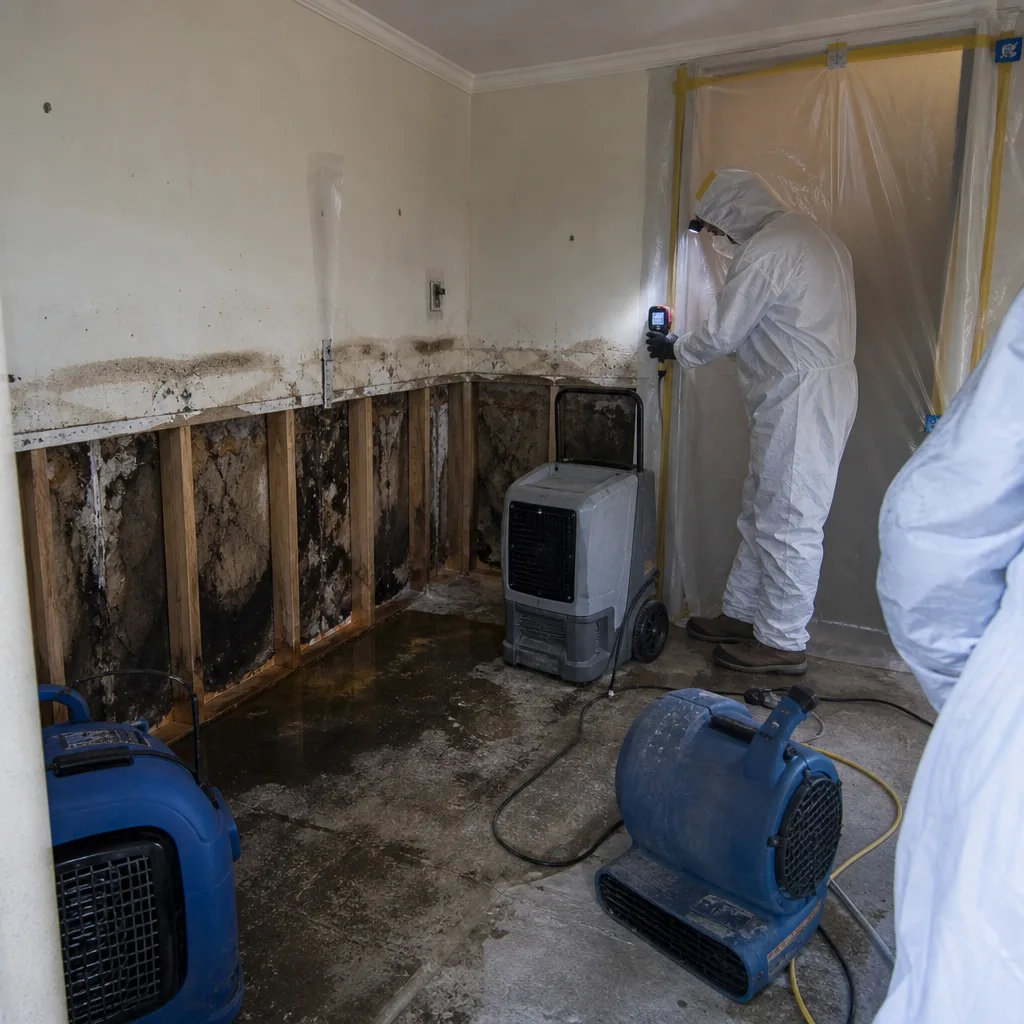 Before
 After
After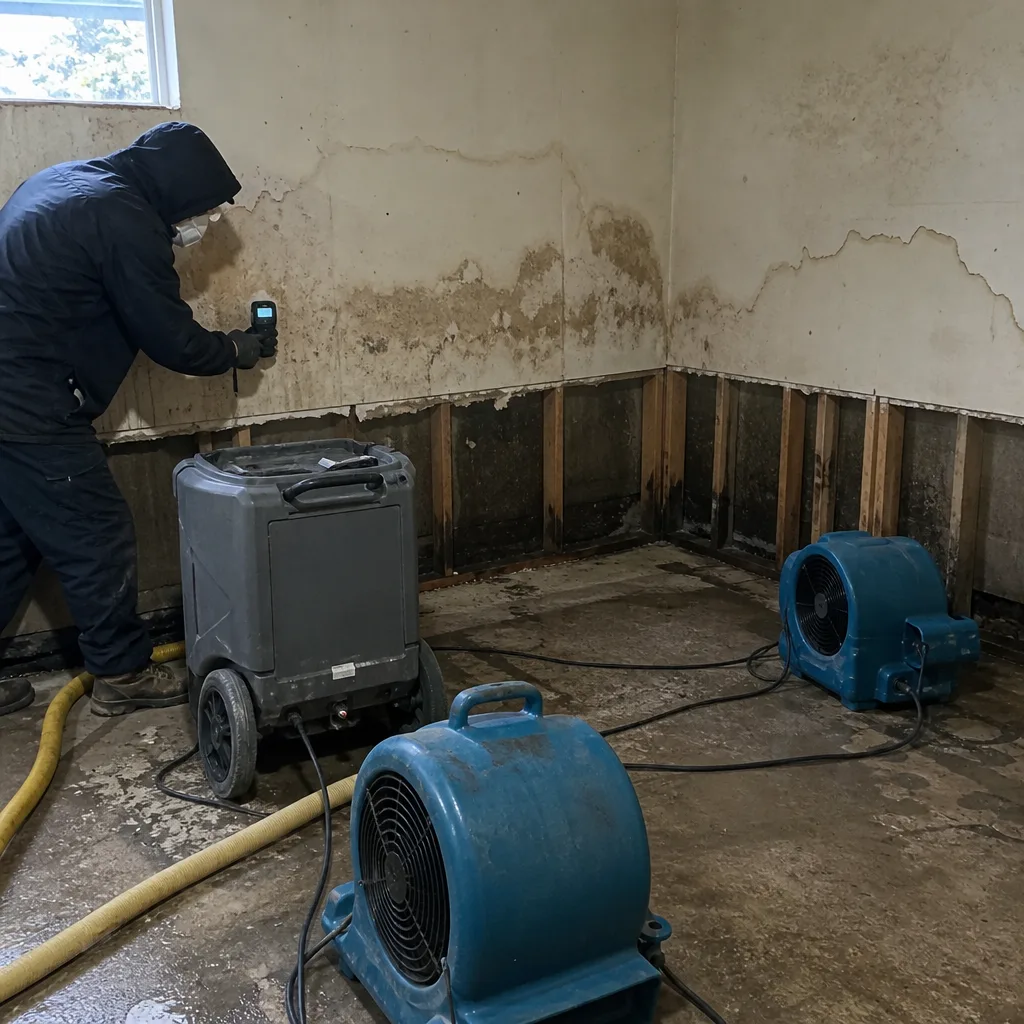 Before
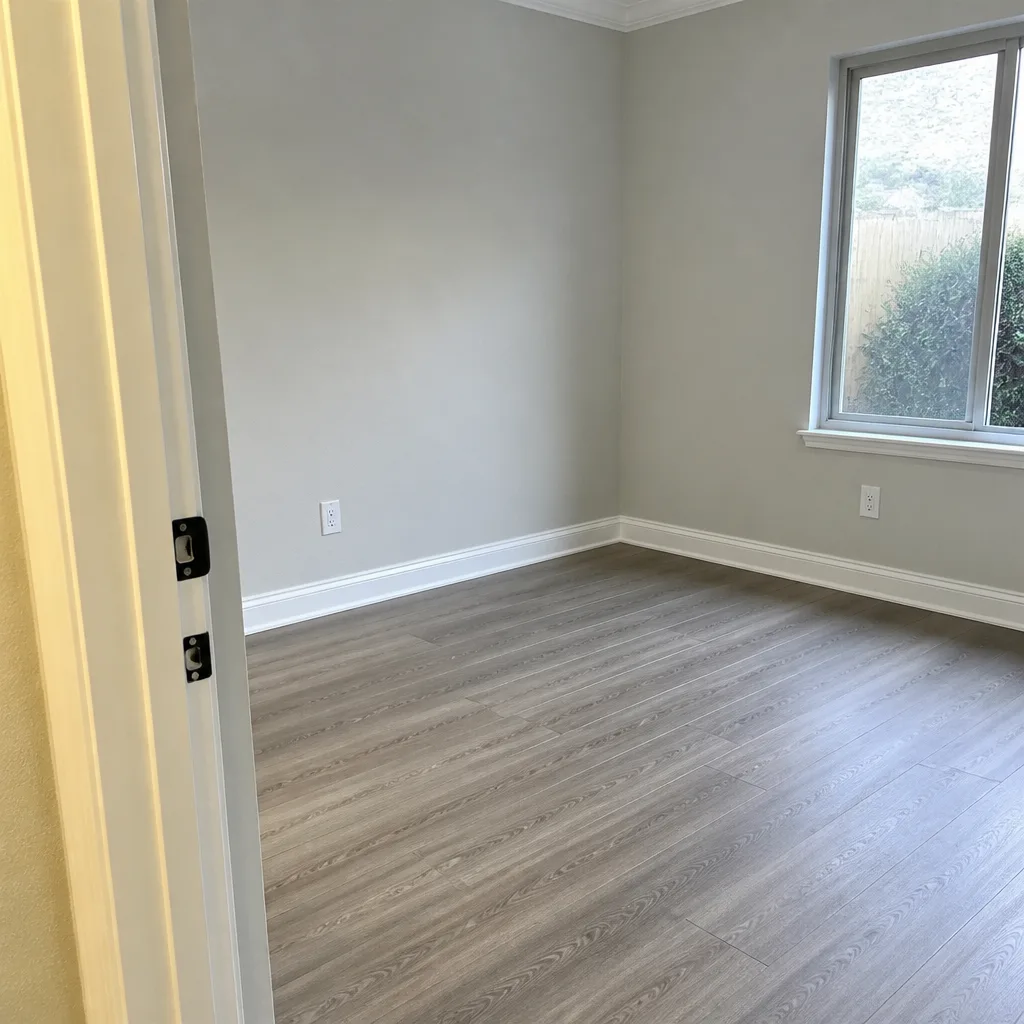 After
After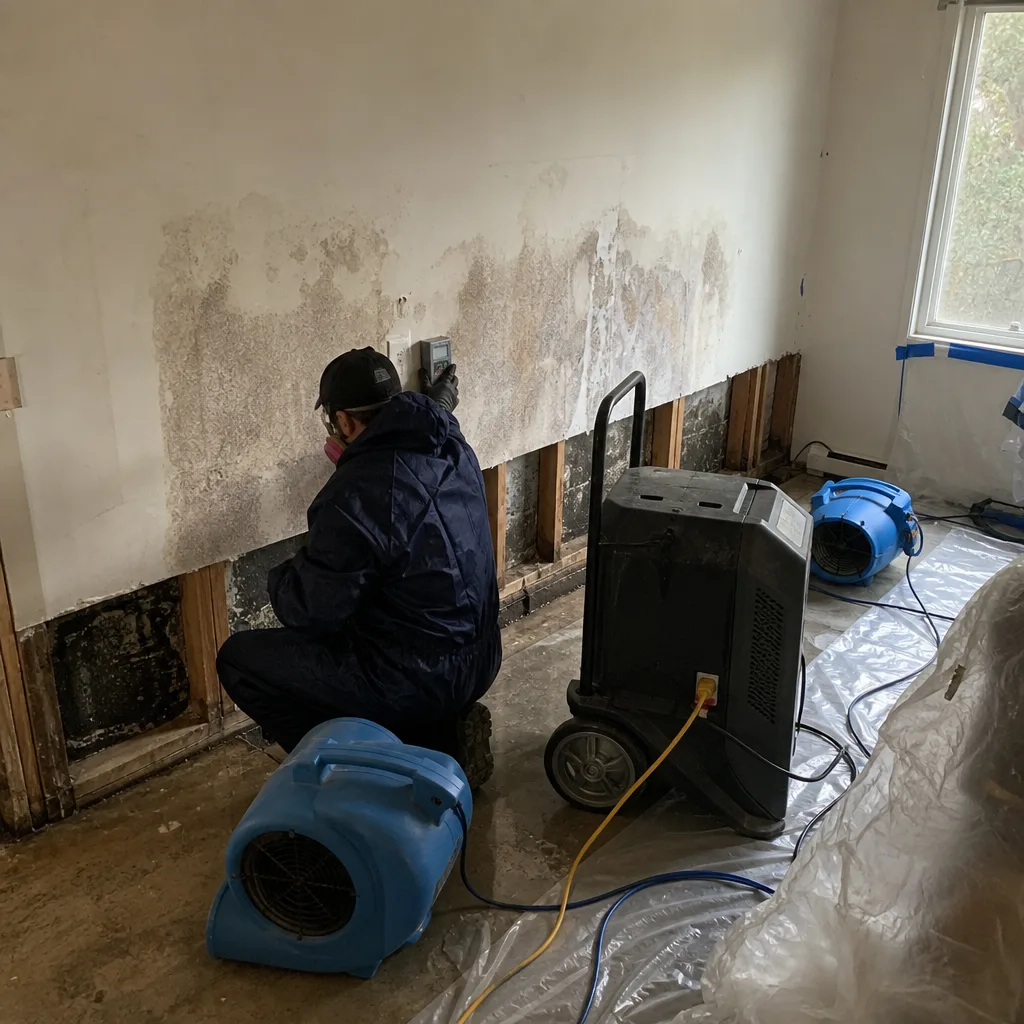 Before
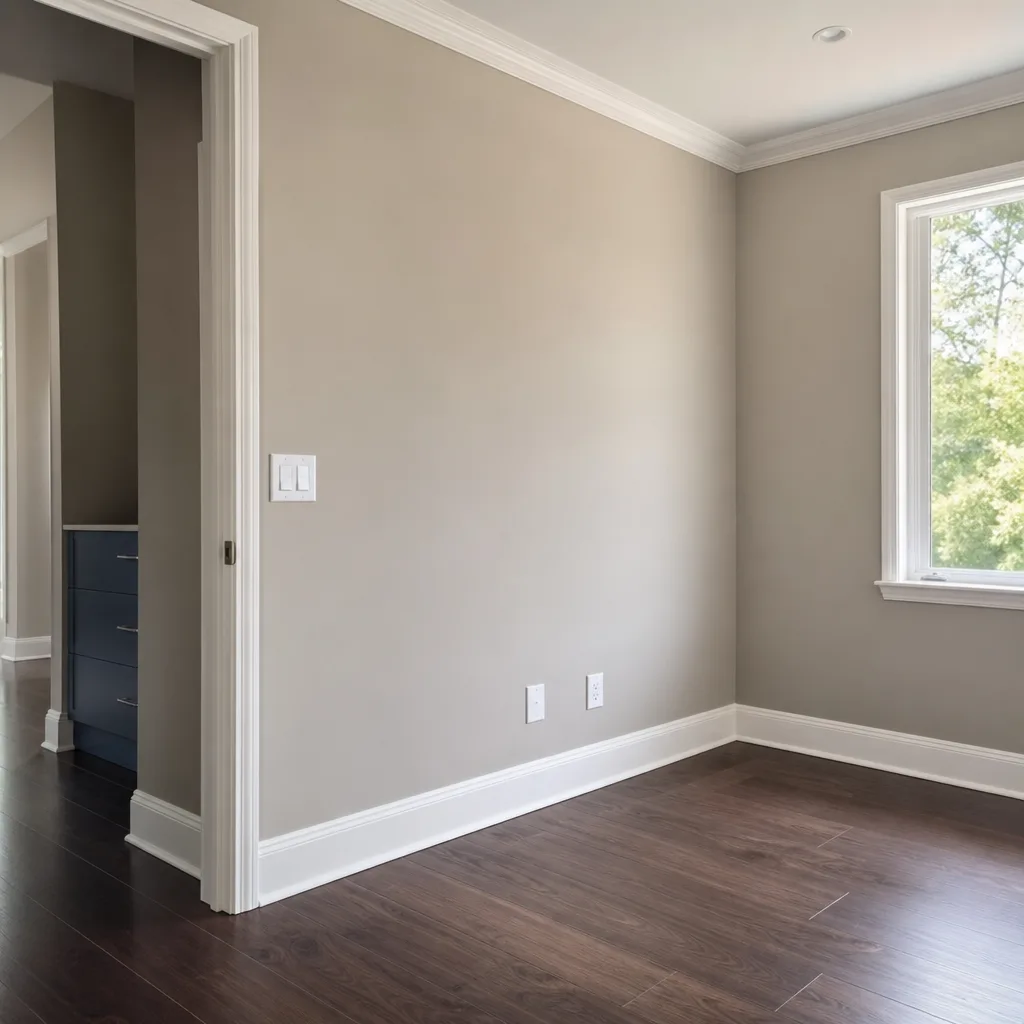 After
After24/7 Emergency Fire & Smoke Damage Restoration in Escondido
Fire and smoke damage restoration in Escondido typically costs $2,800-$8,500 for partial-home cleanup and $12,000-$35,000 for full-structure remediation after significant fire loss. Most emergency board-ups and initial stabilization begin within 45 minutes of your call. Our crews serve Escondido from our San Diego metro office, with live phone coverage 24 hours a day, 7 days a week - no voicemail trees, no next-business-day callbacks while smoke continues settling into porous materials.
The first hour after fire or smoke damage determines what can be saved. Heat opens wood grain and drywall pores; as temperatures drop, those surfaces contract and lock soot particles deep inside. Synthetic materials begin off-gassing toxic compounds within minutes of exposure. In Escondido’s dry inland climate, this timeline compresses further. Call (858) 683-1768 now and we’ll dispatch a crew with containment materials, HEPA filtration, and documentation equipment already loaded.
Understanding Fire & Smoke Damage Restoration Severity in Escondido Properties
Fire damage in Escondido follows three distinct severity tracks, each demanding different protocols. Structural fire damage involves direct flame contact to framing, roofing, or load-bearing elements - common in the hillside and canyon-rim developments near Harmony Grove Road that sit within state-designated Fire Hazard Severity Zones. Smoke and soot damage migrates through convection currents and pressure differentials, leaving dry soot (fast-burning, natural materials), wet soot (plastics and synthetic fuels), or protein residue (invisible, pungent, from kitchen fires). Smoke infiltration without flame contact - Escondido’s most frequent call type after wildfire events - saturates attic insulation, flexible ductwork, and wall cavities with fine ash and combustion byproducts.
Escondido’s housing stock complicates every category. The 1920s-1950s Craftsman and Spanish Colonial Revival homes in the older downtown core often contain knob-and-tube wiring that can reignite days after initial suppression. The 1960s-1980s mid-century tract homes in central neighborhoods have original galvanized supply lines that corrode rapidly in Escondido’s hard imported water; these lines fail under the thermal stress of firefighting or the vibration of restoration equipment, introducing Category 2 or 3 water behind walls that standard fire cleanup misses without moisture mapping. Newer balloon-frame construction at the wildland interface allows smoke to travel vertically through wall cavities with minimal resistance.
Our crews document each severity level with thermal imaging to locate hidden hot spots, hygrometers to measure vapor pressure differential (the force that drives moisture and odor molecules through materials), and written moisture readings room by room - the documentation that turns restoration invoices into payable insurance claims.
Why Escondido Property Owners Choose DryMark Restoration Poway
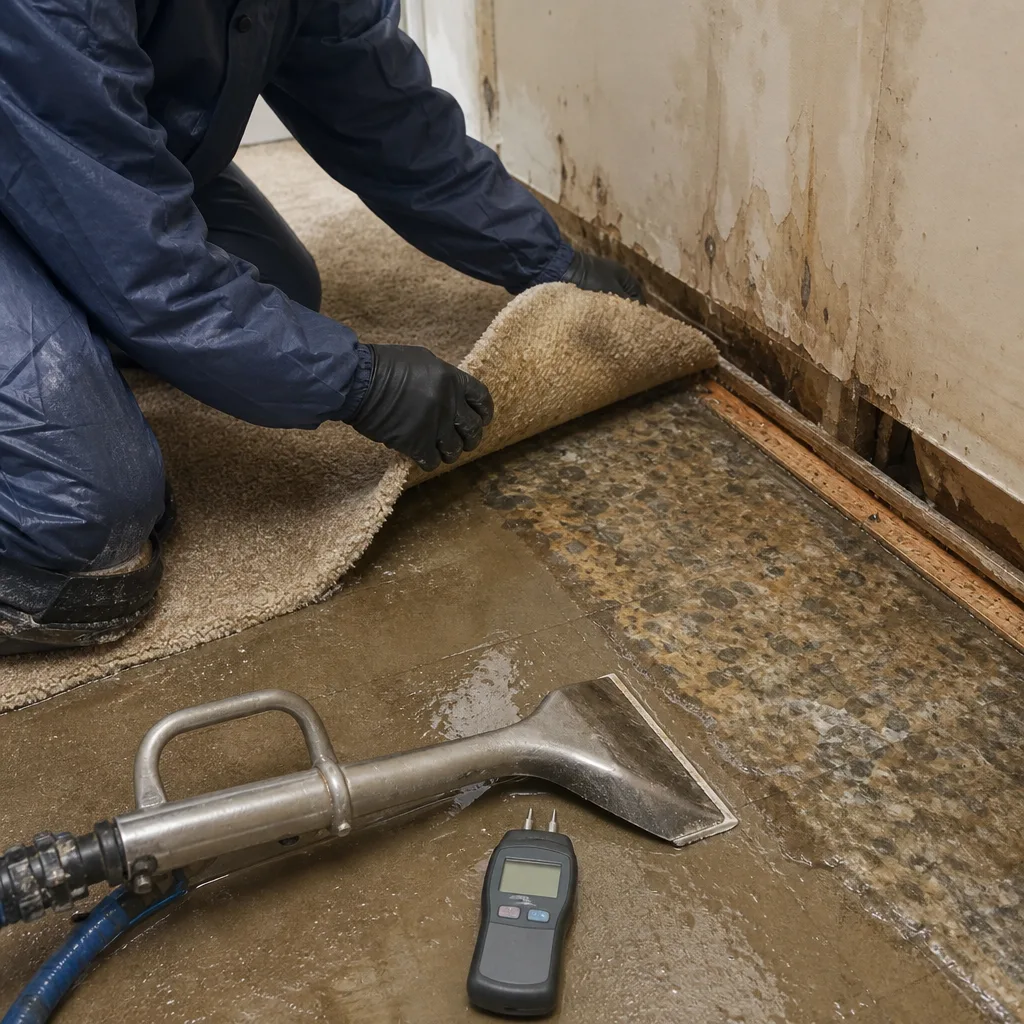
- 45-minute response commitment to Escondido addresses, with crews staged for the valley’s unique wildfire-driven call surges.
- 24/7 live answer - a real person, never an automated system, picks up every call to our emergency lines.
- IICRC-certified crews holding FSRT (Fire and Smoke Restoration Technician) and WRT (Water Damage Restoration Technician) certifications, with training on Escondido’s specific hard-water corrosion and smoke-infiltration protocols.
- Free visual inspection with a written scope delivered before any work begins, every time, with no exceptions - Haven Standard, Clause 1.
- Direct insurance billing with photo-documented assessments, daily drying logs, and direct adjuster coordination included as standard deliverables.
- One team from emergency board-up through reconstruction - no handoffs between contractors that fragment your documentation trail.
 Before
 After
AfterOur Fire & Smoke Damage Restoration Process
1. Inspection & Assessment
We arrive with thermal imaging cameras, moisture meters, and combustion residue test kits to classify soot type and map smoke migration paths. In Escondido’s wildland-interface homes, we specifically inspect attic insulation and HVAC plenums for ash infiltration that surface cleaning misses. Every finding is photographed and logged before any equipment runs.
2. Emergency Board-Up & Stabilization
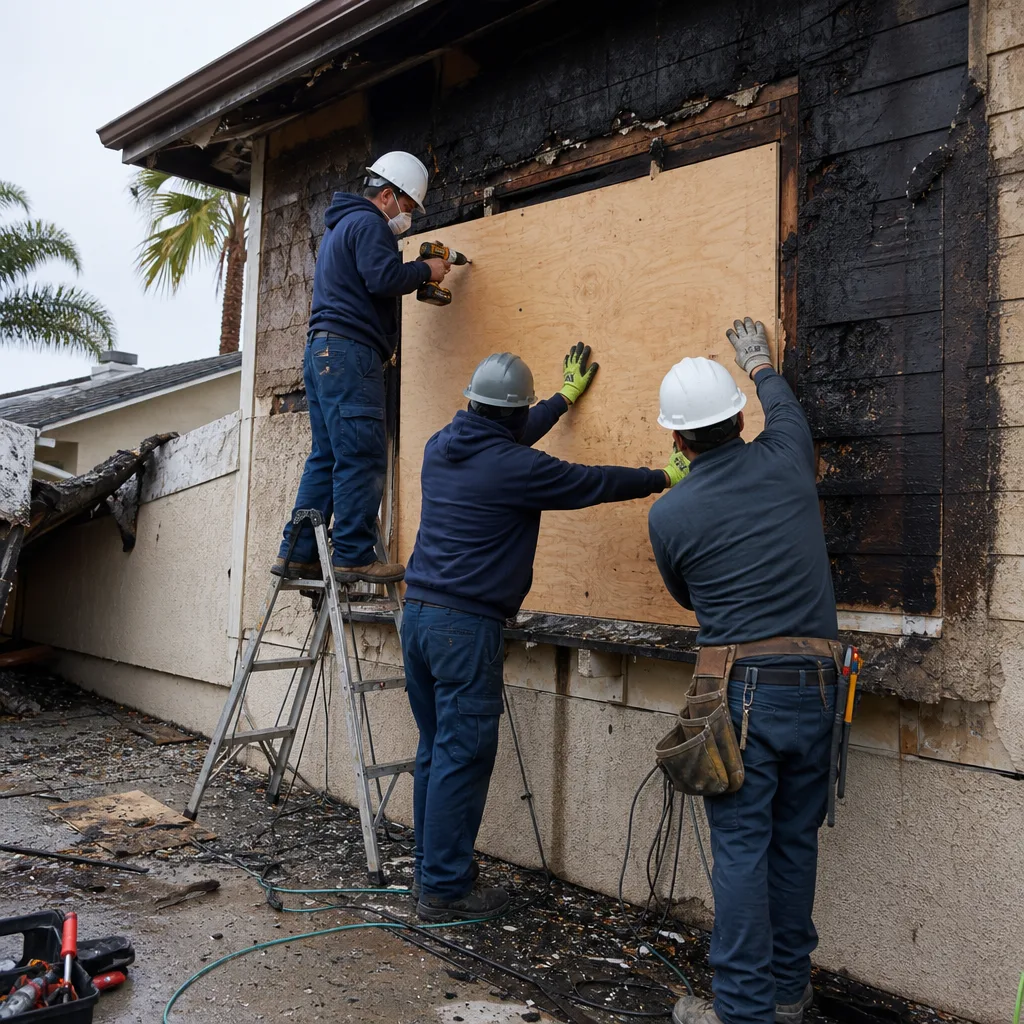
We secure compromised openings with fire-rated plywood and weather-resistant tarps, paying special attention to door jambs and hinge-side weatherstripping that Santa Ana winds have already stressed. For homes in Fire Hazard Severity Zones near Harmony Grove Road, we document wind-rated door failures for insurance scope inclusion.
3. Water Extraction & Structural Drying
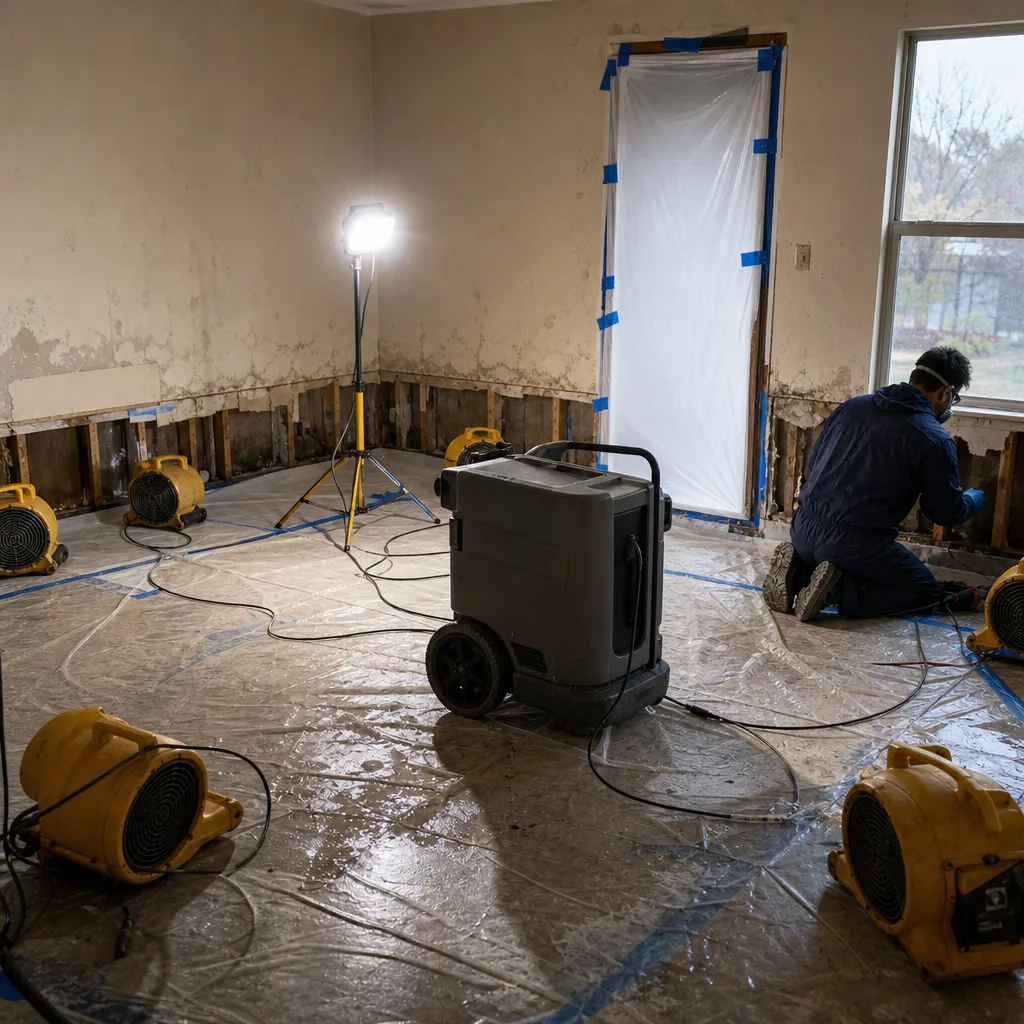
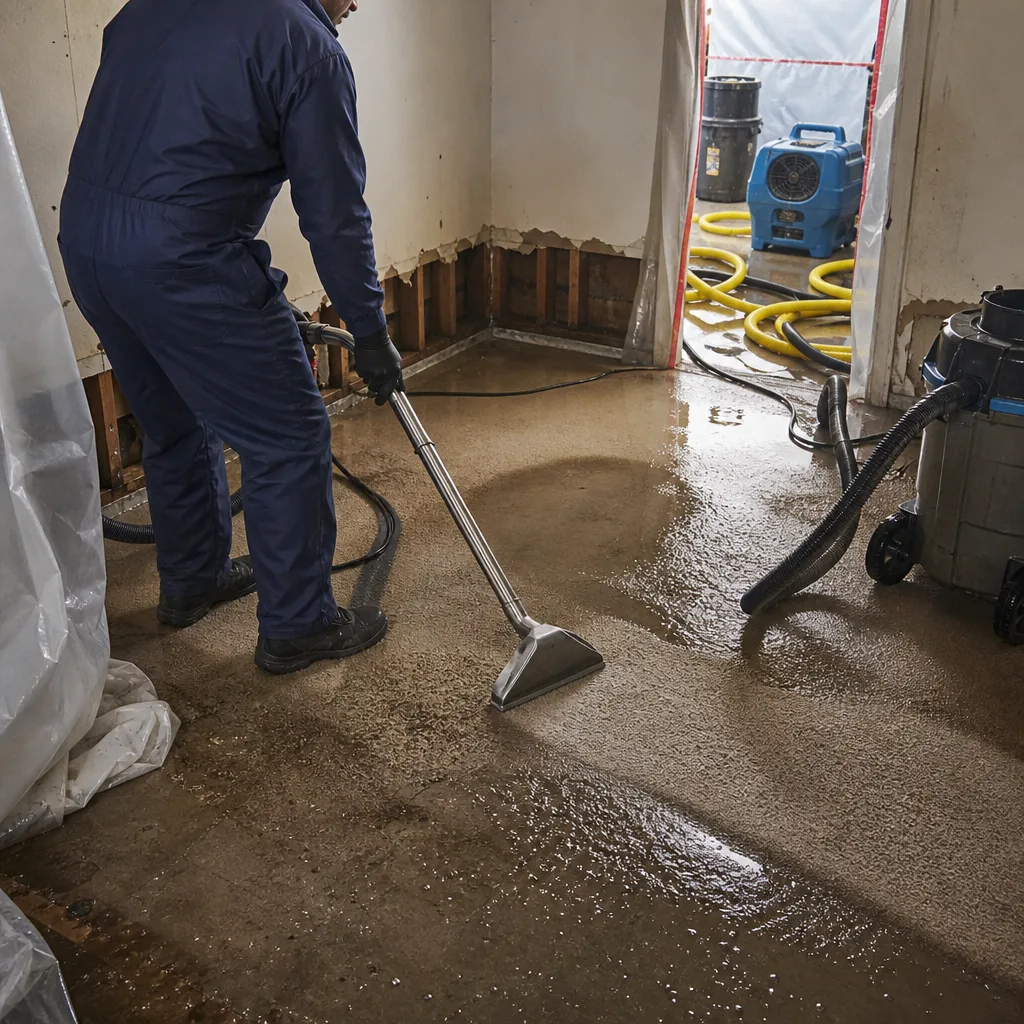
Fire suppression leaves Category 1, 2, or 3 water in wall cavities and subfloors. We deploy Dri-Eaz and Phoenix dehumidifiers with Injectidry cavity-drying systems, producing daily moisture logs that track vapor pressure differential until materials reach dry standard. In Escondido’s hard-water environment, we test for corrosion-induced secondary leaks from galvanized lines.
4. Smoke & Soot Removal
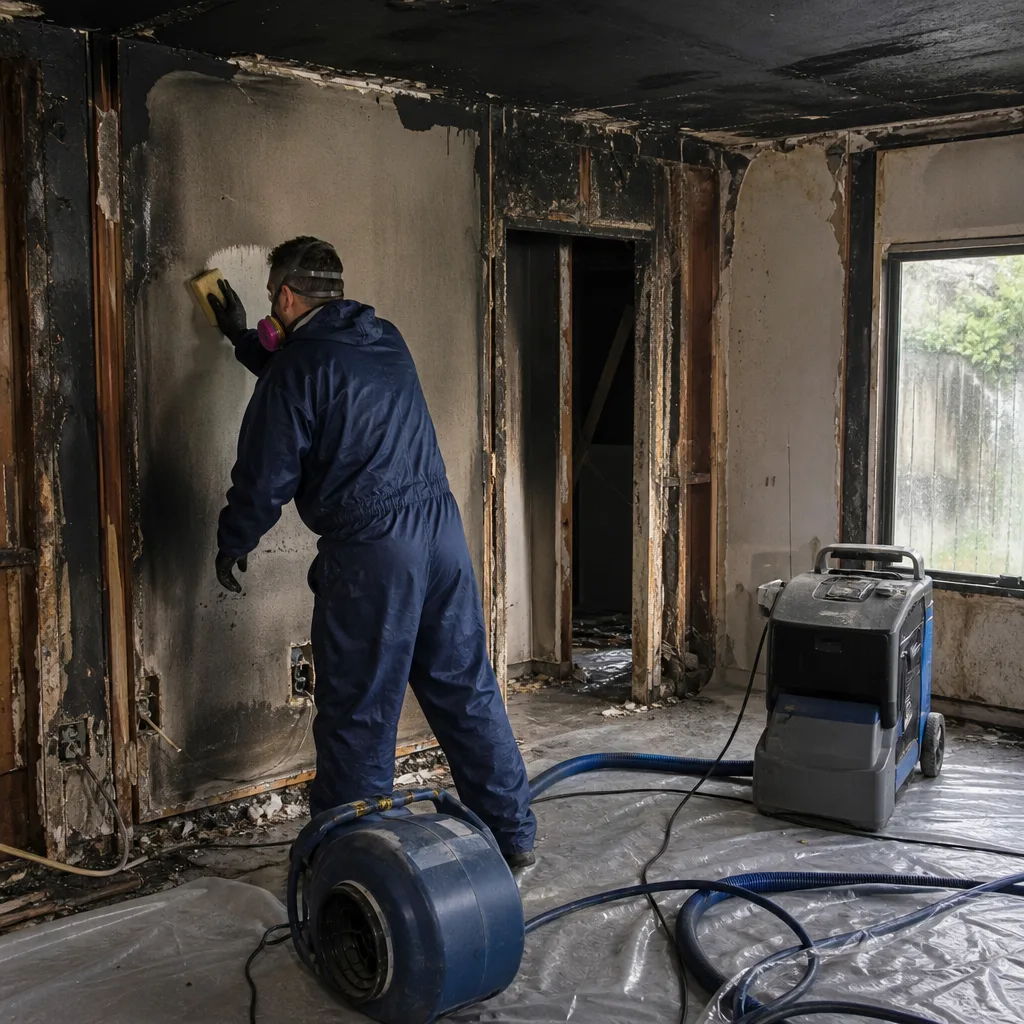
Dry soot responds to HEPA vacuuming and dry-sponge cleaning; wet soot requires solvent-based cleaning agents and careful substrate testing to avoid smearing. Protein residues demand enzyme digesters and specialized deodorization. We clean to IICRC S730 standards, with photo documentation at each phase.
5. HVAC Decontamination & Odor Removal
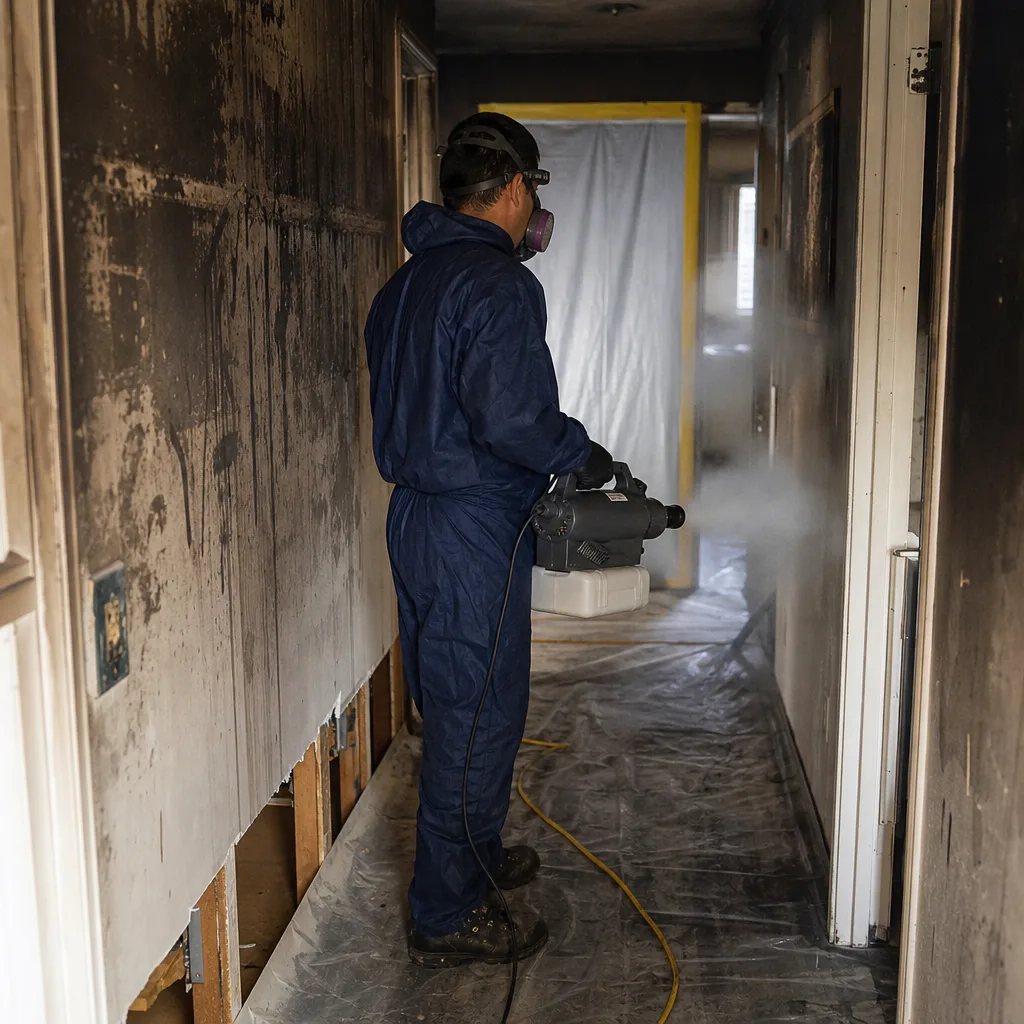
Escondido’s smoke-infiltration events demand full ductwork inspection. We pull flexible duct for off-site cleaning with XPOWER HEPA air scrubbers, apply antimicrobial treatment to plenums, and run ozone or hydroxyl generators with Dri-Eaz and Phoenix equipment to break odor compounds at the molecular level. This is not surface deodorizing; it’s full system decontamination.
6. Repairs & Restoration
We rebuild to pre-loss condition with wind-rated door reinforcement where Santa Ana wind events compromised original installations. All work is covered by our 365-Day Done Right Promise under The Haven Standard - if it’s not done right, we make it right, in writing, not as a verbal assurance.
Need Emergency Fire & Smoke Damage Restoration in Escondido Now?
Crews minutes away, answering live 24 hours a day. The sooner we start, the less it costs.
Working With Your Insurance Company
Insurance claims for fire and smoke damage fail most often at the documentation stage. Adjusters deny scopes that lack photo evidence of pre-existing conditions, line-item justification for each cleaning agent, or proof that hidden moisture was addressed. We’ve seen it from the other side - Alicia Brennan founded Back to Dry Restoration in 2011 after working as a claims adjuster and watching homeowners lose legitimate coverage to incomplete paperwork.
Our process reverses that pattern. From the first hour on your Escondido property, we photograph every room, every surface, every piece of equipment placement. We produce industry-standard estimates with Xactimate or Symbility line items that match your carrier’s required format. Your adjuster receives our documentation directly - moisture readings, drying logs, material classifications by trade name, and a written scope signed before work begins. No scope-creep additions once the crew is inside. Haven Standard, Clause 1.
What We Provide Your Insurer
- Thorough documentation of the loss
- Photos of all damage, room by room
- Moisture readings and drying logs
- A detailed, line-item scope of work
- Direct coordination with your carrier
Built for Escondido’s Loss Calendar
Escondido’s fire and smoke damage season runs on a different clock than coastal San Diego. June through November brings Santa Ana wind events that funnel through the inland valley with sustained intensity coastal communities don’t experience. These winds push brush fires from the chaparral zones northeast of the city - the 2007 Witch Creek Fire corridor still defines the landscape - and drive embers into structures through compromised door jambs and attic vents. September and October typically produce the most severe smoke-infiltration calls: homes that never burned but require full HVAC decontamination and attic insulation replacement.
December through March brings El Niño rainfall that compounds the problem. Fire-damaged hillside vegetation above Escondido Creek gives way in intense storms, sending debris flows and silt into downstream residential properties. We’ve responded to homes that needed fire cleanup in October and water damage restoration by January - the same documentation trail carries through both losses, and when mold risk emerges from prolonged moisture, we coordinate Mold Remediation in Escondido as part of the recovery plan.
April and May are quieter, the window for preventive work: wind-rated door reinforcement, weatherstripping replacement, and HVAC filter upgrades before the next Santa Ana cycle. We offer free visual inspections during this period with written scopes for recommended improvements.
Fire & Smoke Damage Restoration Across Escondido’s Neighborhoods
Our Fire & Smoke Damage Restoration team knows Escondido’s neighborhoods by their building stock and loss patterns, not just zip codes.
Downtown core and Old Escondido (roughly bounded by Grand Avenue, Juniper Street, and the Escondido Creek corridor): The 1920s-1950s Craftsman and Spanish Colonial Revival homes here have balloon-framed walls that allow smoke to travel vertically with minimal resistance, and original knob-and-tube wiring that can smolder for days after apparent extinguishment. We always run thermal imaging on second-floor wall cavities in these properties, and we document electrical system condition for adjuster scope inclusion.
Central Escondido tract neighborhoods (the 1960s-1980s developments between Mission Avenue and El Norte Parkway): These homes share two vulnerabilities - original galvanized supply lines that corrode in Escondido’s hard water, and single-pane aluminum windows that fail at the frame during heat exposure. Our crews carry corrosion-test kits and replacement window board-up materials specifically for this housing stock. After a kitchen fire on North Broadway last year, we found a corroded hot-water line spraying Category 2 water into a wall cavity the fire department had opened for suppression access.
Harmony Grove Road corridor and north Escondido hillside developments: These properties sit directly in state-designated Fire Hazard Severity Zones. Wind-rated garage doors and fire-rated entry doors fail here at the jamb and hinge side before the glass does, creating the ember-intrusion pathway that defines our board-up protocol for this area. We reinforce with fire-rated plywood and document wind-load failure for insurance scope inclusion.
Escondido Creek downstream properties (near Washington Avenue and east): The secondary flood risk after hillside fires means these homes often need combined fire and water protocols. We map moisture behind walls even when the visible damage is smoke, because firefighting water and post-fire debris flows introduce Category 3 contamination that standard smoke cleanup misses.
Specialized Fire & Smoke Damage Restoration Services We Offer in Escondido
Fire Damage Cleanup
Structural fire damage in Escondido’s hillside zones often involves compromised roof decking and charred framing members. We remove unsalvageable materials to IICRC S700 standards, test remaining structural elements for residual heat damage with thermal imaging, and document load-bearing integrity for your adjuster and building inspector.
Smoke & Soot Removal
Escondido’s wildfire smoke carries a specific chemical signature - chaparral combustion produces alkaline ash that etches glass and corrodes metal if left more than 72 hours. We classify residue type on site and match cleaning agents to substrate: dry sponges for dry soot, solvent cleaners for wet soot from synthetic materials, enzyme digesters for protein residue from kitchen fires. Every surface is tested before and after.
Odor Removal & Deodorization
Surface deodorizing fails in Escondido’s smoke-infiltration events. When ash penetrates attic insulation and flexible ductwork, odor molecules adsorb to porous materials and re-emit when temperatures rise. Our protocol pulls ductwork for off-site cleaning, treats plenums with antimicrobial agents, and runs ozone or hydroxyl generation with Dri-Eaz and Phoenix equipment until vapor pressure readings confirm neutralization.
Contents Cleaning & Pack-Out
After a wind-driven brush fire pushed smoke into an Escondido canyon-rim neighborhood near Harmony Grove Road, our crew responded to a home that never saw flame but had heavy ash infiltration into its attic and HVAC system. We set up containment, pulled the flexible ductwork for off-site cleaning with an XPOWER air scrubber, performed antimicrobial treatment on the plenum, and ran a full deodorization protocol using Dri-Eaz and Phoenix equipment. The homeowner was surprised that a “smoke event” required a pack-out of upholstered contents and a documented scope of work for their insurance adjuster. We cleaned and stored those contents in our climate-controlled facility, with photo inventory, until structural work completed.
Emergency Board-Up & Tarping
Santa Ana winds in Escondido don’t stop after the fire passes. Our board-ups use fire-rated plywood secured with wind-load-rated fasteners, with specific attention to door jambs and hinge-side weatherstripping that failed during the initial event. For homes in Fire Hazard Severity Zones, we document wind-rated door reinforcement needs for adjuster scope inclusion - the next wind event is never far away.
What happens when you call
- 1
A real person answersNo phone trees - you reach a local pro.
- 2
You get an upfront price rangeHonest numbers before anyone is dispatched.
- 3
A background-checked tech heads outLicensed & insured, dispatched right away.
- 4
You approve before work beginsNothing starts until you say go.
Fire & Smoke Damage Restoration Costs in Escondido, CA
Actual pricing for Escondido’s market, based on 12,000+ homes restored since 2011:
| Service | Typical Range in Escondido |
|---|---|
| Emergency board-up and tarping | $450-$1,200 |
| Smoke and soot cleanup (partial home, no structural fire) | $2,800-$5,500 |
| Full HVAC decontamination and duct replacement | $3,500-$7,800 |
| Attic insulation removal and replacement after smoke infiltration | $2,200-$4,600 |
| Contents pack-out, cleaning, and storage | $1,800-$4,200 |
| Structural fire damage repair (rebuild to pre-loss) | $12,000-$35,000+ |
What moves the price: square footage affected, soot type (wet soot requires more labor hours than dry), HVAC system complexity, and whether Category 2 or 3 water from suppression or corroded lines requires additional drying protocol. Insurance typically covers direct fire and smoke damage, plus necessary water damage from suppression; our written scope identifies each line item’s coverage category before work begins.
We provide a free visual inspection with a written price before any work starts - Haven Standard, Clause 1. Bring a competitor’s written estimate and we’ll review it at no charge.
We Also Serve Cities Near Escondido
Our crews respond throughout northern San Diego County. We regularly restore fire and smoke damage in Escondido and neighboring Fire & Smoke Damage Restoration in Escondido communities including San Marcos, Poway, Valley Center, and Vista - each with distinct building stock and wildfire exposure patterns that our documentation protocols address specifically.
Serving Escondido, CA - Our Local Coverage Area
We’re based in the Escondido area and know this community well. Use the map below to see our service coverage - if you’re nearby, we can almost certainly help.
Escondido Fire & Smoke Damage Restoration Questions, Answered
After a wildfire in the hills between Escondido and Ramona, my home never burned but smells like smoke. What should I expect from a restoration company?
Expect full HVAC decontamination, attic insulation inspection, and written documentation of ash infiltration pathways - not surface cleaning and air freshener. A competent crew will pull flexible ductwork for off-site cleaning, treat plenums with antimicrobial agents, and run vapor pressure readings to confirm odor neutralization before declaring the job complete. Call (858) 683-1768 for a free inspection with a written scope.
Does Escondido’s hard water affect fire and smoke damage restoration work?
Yes, particularly in 1960s-1980s tract homes with original galvanized supply lines. The thermal stress of firefighting and vibration from restoration equipment accelerates corrosion in these lines, causing Category 2 or 3 water leaks behind walls that standard fire cleanup misses. We test for this specifically and include moisture mapping in every Escondido fire scope. Call (858) 683-1768 for an inspection that catches both damage types.
Can you board up my Escondido home after a fire if it’s in a Fire Hazard Severity Zone near Harmony Grove Road?
We board up in all Escondido zones, including state-designated Fire Hazard Severity Zones, using fire-rated plywood and wind-load-rated fasteners. For Harmony Grove Road area homes, we specifically document wind-rated door and jamb reinforcement needs for insurance scope inclusion, because Santa Ana winds will test those repairs before permanent reconstruction completes. Call (858) 683-1768 for immediate response.
How does Escondido’s Santa Ana wind intensity change how you handle smoke odor removal?
Santa Ana winds in Escondido’s inland valley reach sustained speeds coastal San Diego doesn’t experience, which drives smoke deeper into structures through compromised weatherstripping and pressurizes attic spaces to force ash into ductwork. Our odor protocol includes sealing the building envelope before running ozone or hydroxyl generation, and we verify negative pressure containment before declaring neutralization complete. Surface deodorizing alone fails under these conditions. Call (858) 683-1768 for a protocol built for Escondido’s wind environment.
What’s the difference between category 1, 2, and 3 water in a fire-damaged Escondido home?
Category 1 water is clean supply line water, like from a corroded galvanized hot-water line in a central Escondido tract home. Category 2 water contains significant contamination, like firefighting runoff mixed with ash and household chemicals. Category 3 water is grossly contaminated, like sewage backup or debris-flow water from Escondido Creek after hillside fires strip vegetation. Each category demands different drying protocols, antimicrobial treatments, and documentation standards for insurance coverage. We classify on site and log it in your written scope. Call (858) 683-1768 for a free assessment.
How fast can DryMark Restoration Poway actually get to my Escondido property?
We commit to 45 minutes from call to arrival for Escondido addresses, with crews staged for the valley’s wildfire-driven call surges. Live phone coverage means no voicemail delay. Call (858) 683-1768 - a real person answers.
Will my insurance cover smoke damage if my home never caught fire?
Most homeowner policies cover smoke damage from nearby fires as a covered peril, but adjusters require documentation proving the damage source and scope. We provide photo evidence of ash infiltration, HVAC test results, and line-item scopes that match Xactimate pricing standards. Our direct adjuster coordination is included as standard, not an upsell. Call (858) 683-1768 and we’ll review your policy coverage during the free inspection.
How long does full fire and smoke restoration take in Escondido?
Partial smoke cleanup with no structural damage typically runs 3-7 days. Full structural fire repair with rebuild extends to 4-12 weeks depending on permit timelines and material availability. Smoke-infiltration jobs requiring HVAC decontamination and attic insulation replacement fall in the middle, usually 7-14 days. We provide a written timeline with your scope before work begins - Haven Standard, Clause 1. Call (858) 683-1768 for your specific timeline.
Fire and smoke damage in Escondido demands a restoration company that understands the valley’s unique wildfire-driven loss patterns, from Santa Ana wind-intensified smoke infiltration to the hard-water corrosion that complicates post-fire drying. Our documentation-first approach - written price before work begins, photo record on every visit, daily moisture logs, and direct adjuster coordination - turns restoration invoices into claims that get paid. The 365-Day Done Right Promise under The Haven Standard means if it’s not done right, we make it right, in writing.
Call (858) 683-1768 now. A real person answers 24 hours a day, 7 days a week. Free visual inspection. Written scope before any work starts. Free second opinion on any competitor’s written estimate.
Written by Alicia Brennan, Owner at DryMark Restoration Poway, serving Escondido since 2011 under The Haven Standard.