

Free visual inspection and a written scope of work before any mitigation begins - photos, moisture readings, and drying logs go in your claim file
The scope we write is the scope we bill. Anything new gets shown to you, in writing, before we touch it.
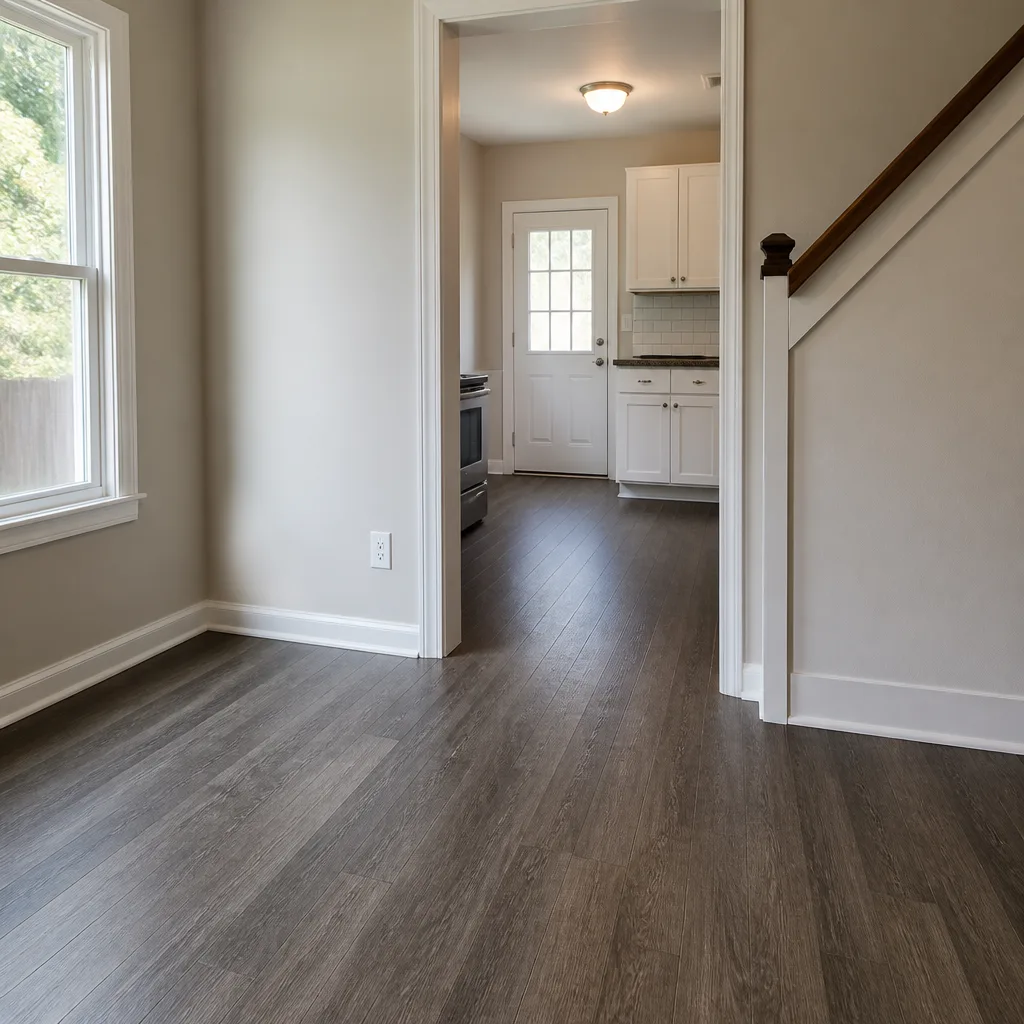
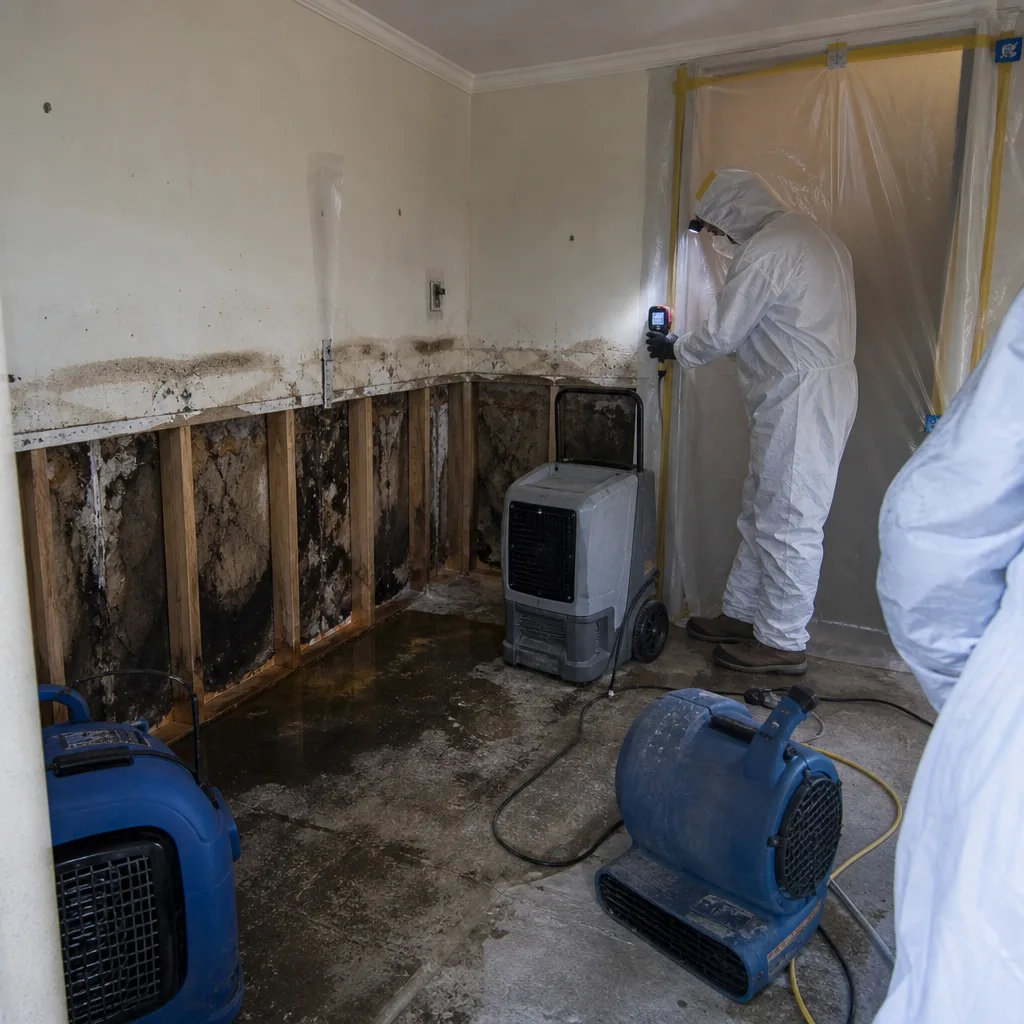 Before
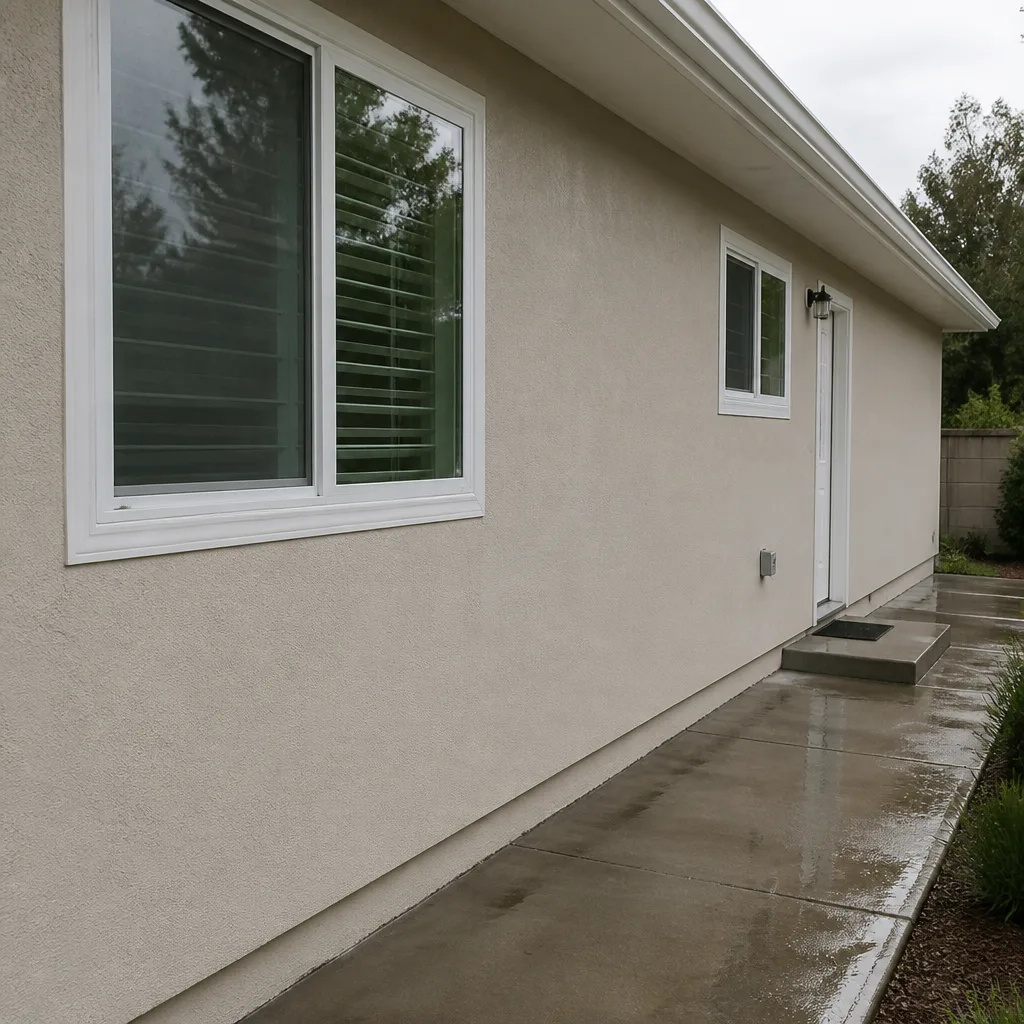 After
After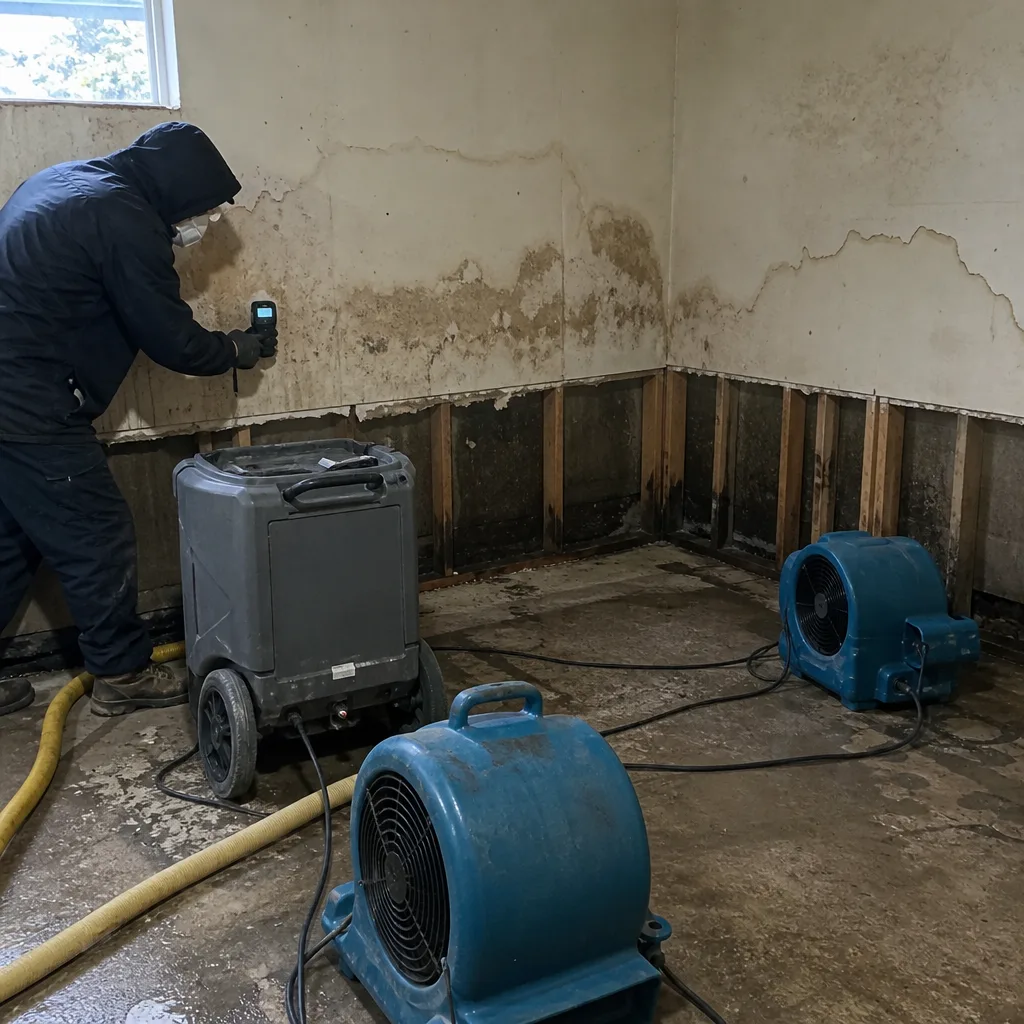 Before
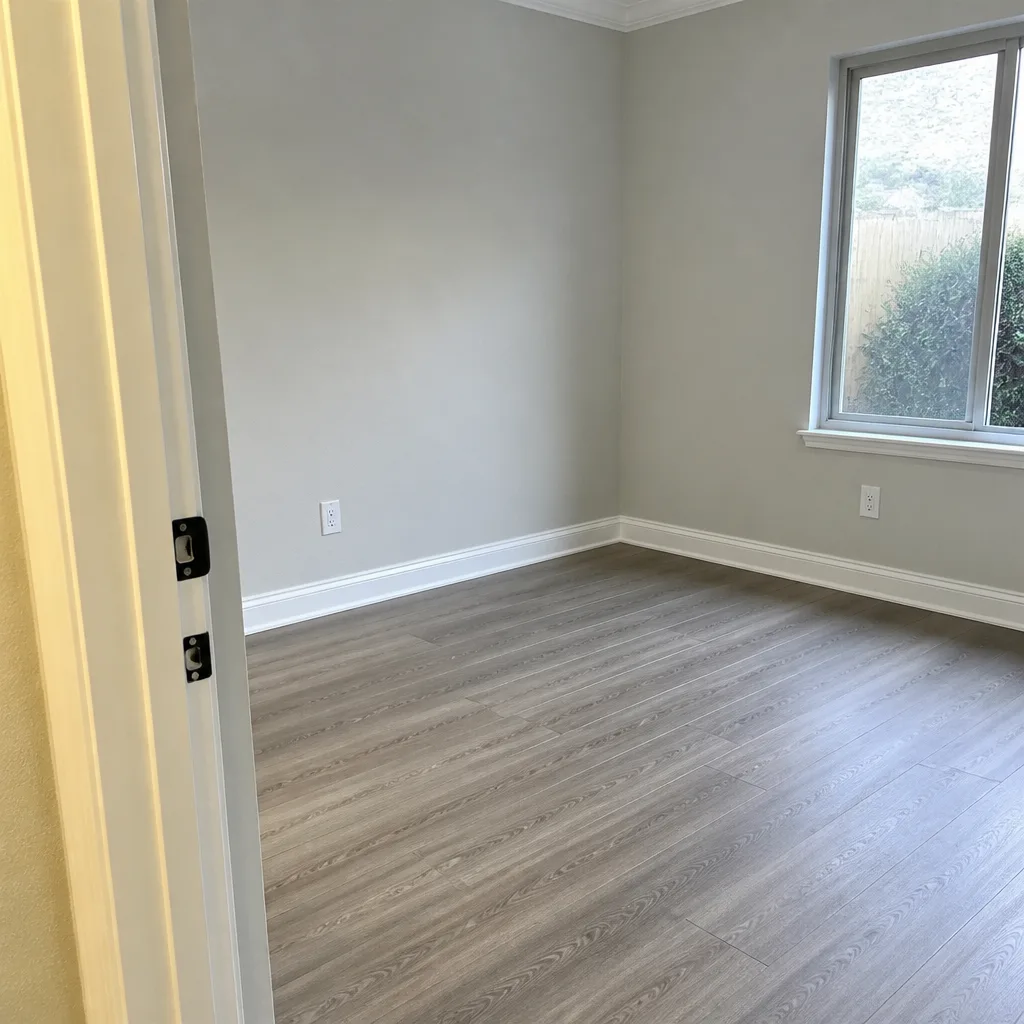 After
After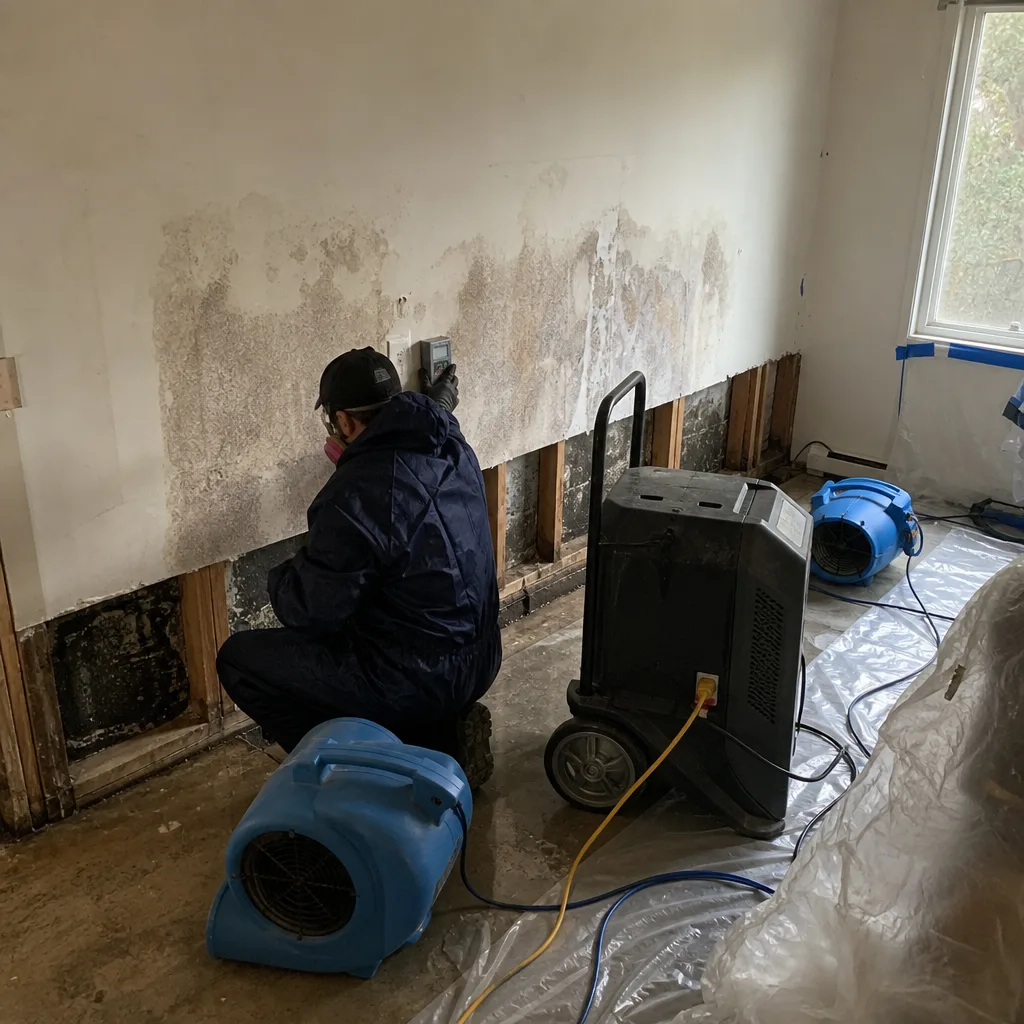 Before
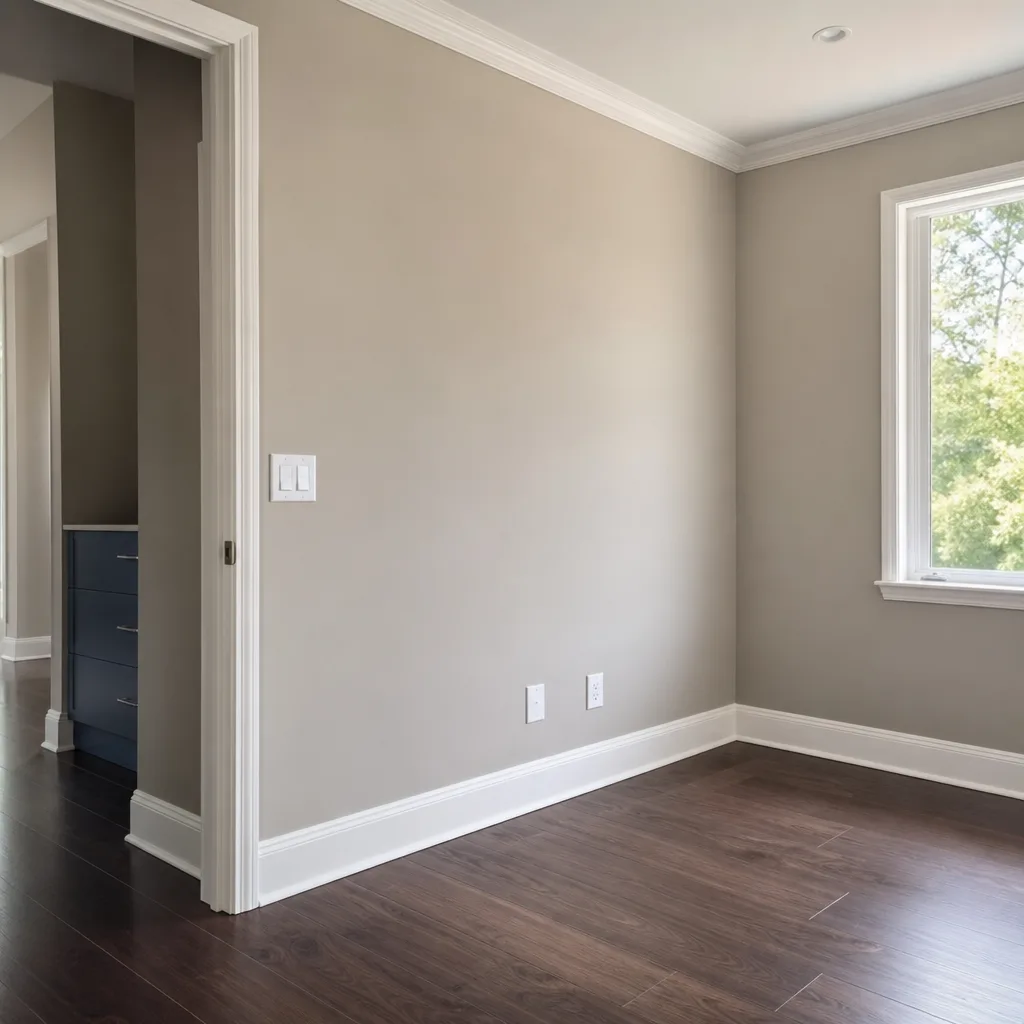 After
After24/7 Emergency Fire & Smoke Damage Restoration in Valley Center
Fire and smoke damage restoration in Valley Center typically costs $4,200-$18,500 depending on structural involvement, with smoke and soot remediation alone running $2,800-$7,400 for a standard ranch home. Our crews answer live at (858) 683-1768 24 hours a day, 7 days a week, and we can have a team on-site anywhere in the Valley Center area within 45 minutes of your call. The first hour after a fire or wildfire smoke event determines whether soot sets permanently into wood framing, whether odor penetrates deep into insulation, and whether your insurance claim documents the full scope of damage or leaves you fighting for coverage six months later.
Valley Center‘s position in a CAL FIRE Very High Fire Hazard Severity Zone means our phones spike every fall when Santa Ana winds push embers and smoke through inland valleys. We’ve restored ranch homes off Valley Center Road, Lilac Road, and Cole Grade Road after wildfire events where the main structure never caught fire but smoke infiltrated every room through attic vents and settled into custom wood finishes. That damage is real, it’s claimable, and it gets worse the longer you wait.
Understanding Fire & Smoke Damage Restoration Severity in Valley Center Properties
Fire damage breaks into three categories that determine scope, price, and timeline. Structural fire damage involves charred framing, compromised load-bearing members, and materials that must be removed per IICRC S700 standards. Content fire damage affects furnishings, fixtures, and personal property requiring specialized cleaning or pack-out. Smoke and soot damage, the most common loss type in Valley Center, involves acidic residue deposition on surfaces, odor absorption into porous materials, and particulate infiltration into HVAC systems and wall cavities.
Smoke residue types matter for treatment selection. Dry smoke from fast-burning, high-heat fires produces powdery, easily smeared soot requiring dry-cleaning sponges and HEPA vacuuming. Wet smoke from slow-burning, low-heat fires creates sticky, smeary residue that bonds to surfaces and demands solvent-based cleaning. Protein residue from kitchen fires leaves nearly invisible but pungent varnishes that standard cleaners won’t touch. Valley Center’s ranch homes, many built between the 1970s and 2000s with wood-frame construction and large attic spaces, trap all three residue types in ways that tract homes don’t. The open beam ceilings, custom wood doors, and carriage-house finishes common here absorb odor molecules into grain structures that require thermal fogging or ozone treatment to reach.
Severity escalates with time. Within 72 hours, acidic soot etches metal fixtures, discolors plastics, and permanently stains unsealed wood. After a week, odor compounds bond at the molecular level with cellulose in drywall and insulation. Our moisture meters and psychrometric data, documented to IICRC and RIA standards, establish baseline readings we track through every phase.
Why Valley Center Property Owners Choose DryMark Restoration Poway
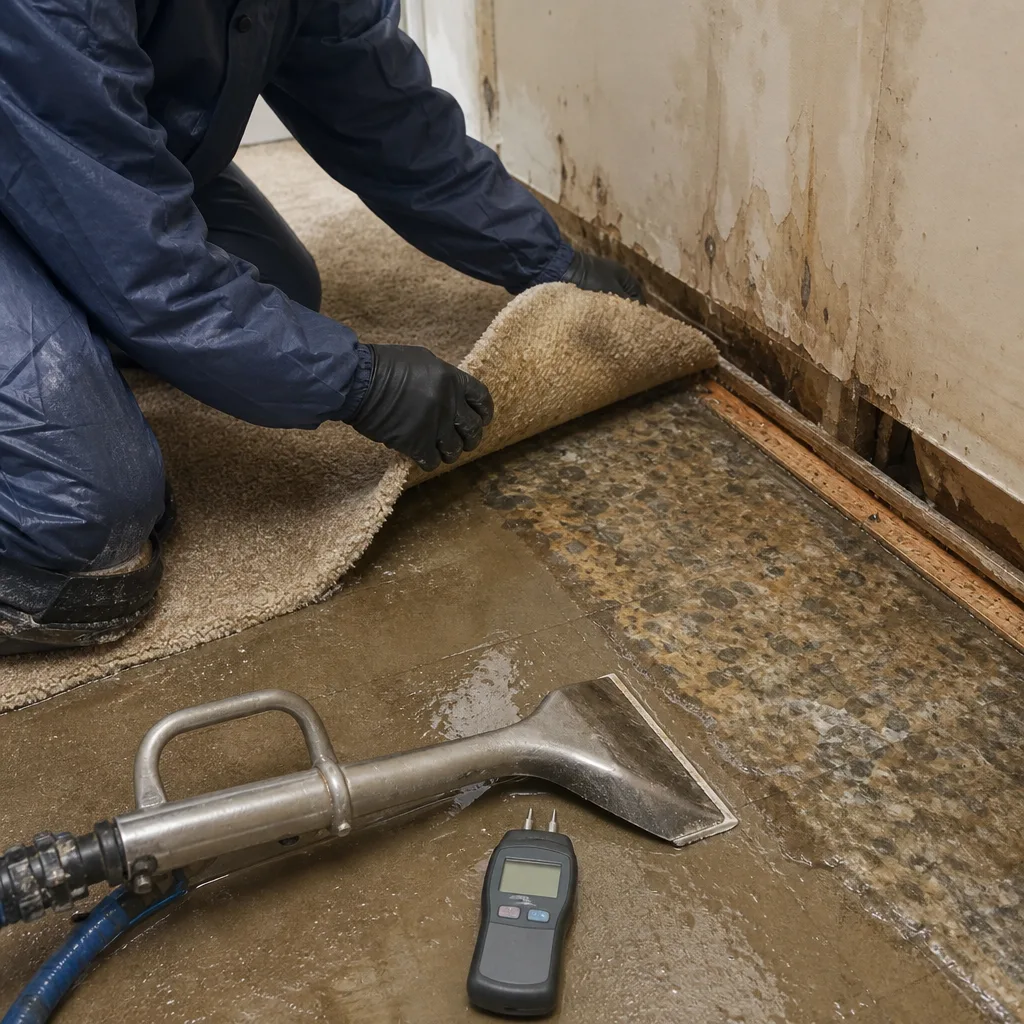
- 45-minute response commitment to any address in Valley Center, including multi-acre ranch properties with gated access or private roads off Cole Grade or Valley Center Road.
- 24/7 live answer by a real person, never an automated system or voicemail tree, because smoke damage documentation starts with the first call.
- IICRC-certified crews holding FSRT (Fire and Smoke Restoration Technician) and WRT (Water Damage Restoration Technician) credentials, with license numbers provided on request.
- Free visual inspection and written scope before any work begins, per Haven Standard, Clause 1.
- Direct insurance billing and adjuster coordination, with photo-documented drying logs that turn restoration invoices into payable claims.
- One team from emergency board-up through final reconstruction, so no handoff gaps in documentation or accountability.
 Before
 After
AfterOur Fire & Smoke Damage Restoration Process
1. Inspection & Assessment
We arrive with thermal imaging cameras, moisture meters, and hygrometers to map smoke migration beyond visible soot. On Valley Center ranch properties, we inspect main houses, detached outbuildings, equestrian facilities, and attic spaces that suburban crews routinely miss. Every finding is photographed and logged before any equipment runs.
2. Emergency Board-Up & Stabilization
Broken windows, compromised roofing, and damaged doors get secured with plywood and weatherproof tarps to prevent secondary damage. For custom carriage-house doors and wood finishes, we use protective masking rather than standard boarding to preserve pre-loss condition.
3. Smoke & Soot Extraction
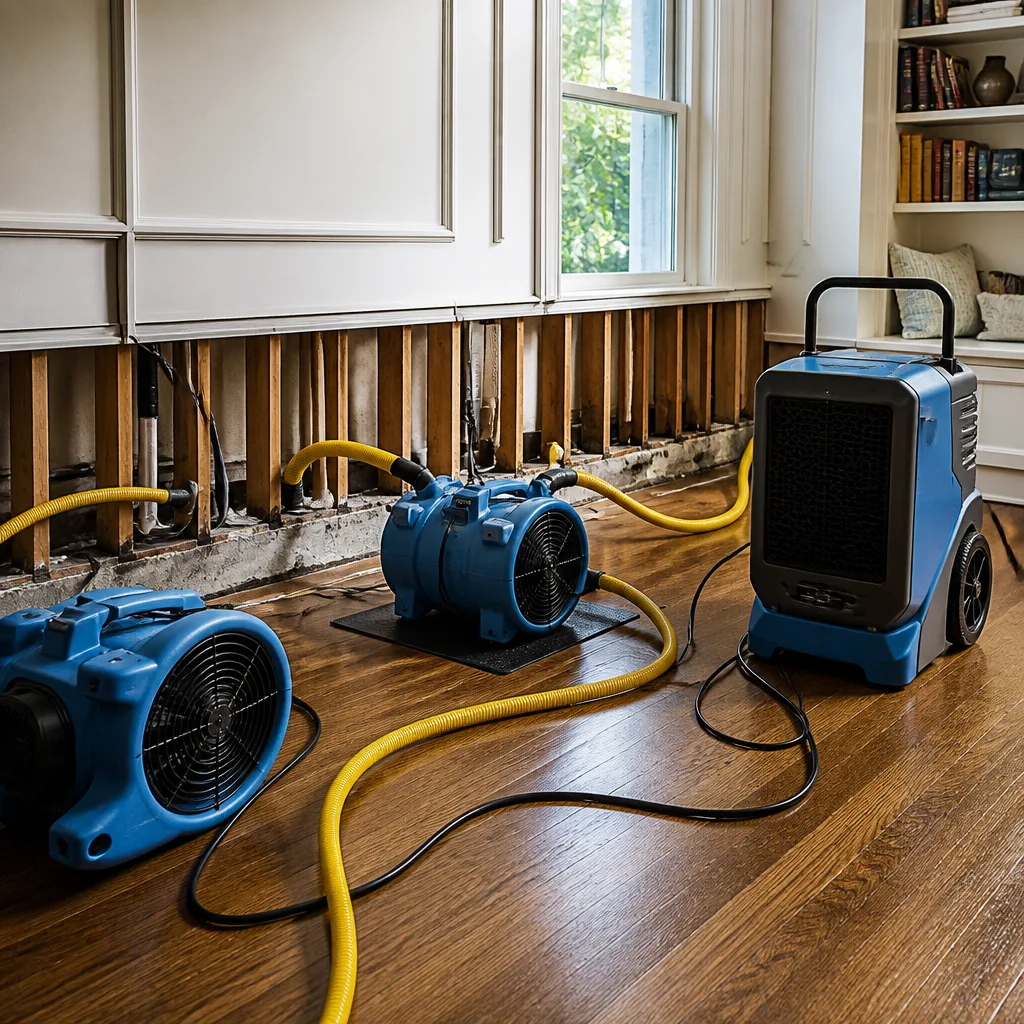
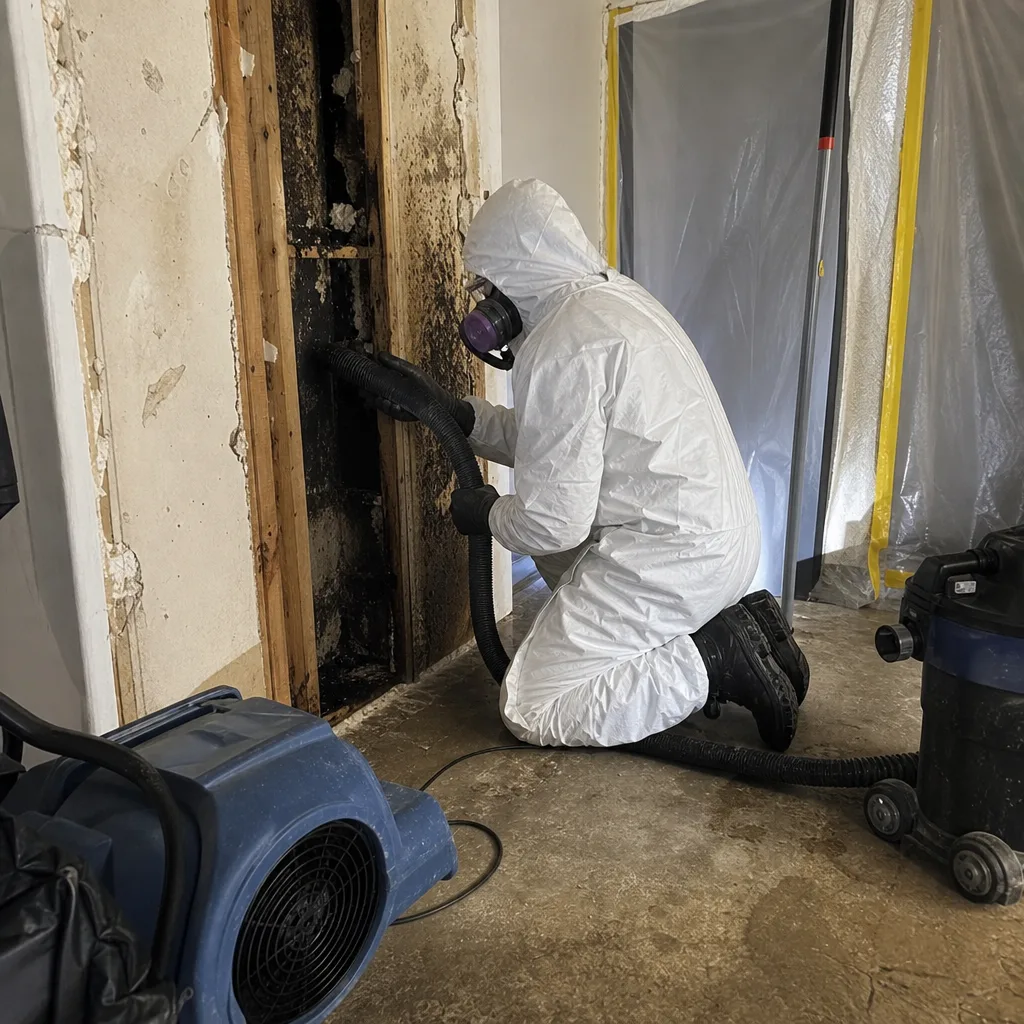
HEPA air scrubbers create negative air pressure while our crews use dry sponges, solvent cleaners, and B-Air air movers to remove residue from surfaces. Injectidry systems pull soot and odor from wall cavities and wood framing without tearing out intact drywall.
4. Cleaning & Sanitization
All affected surfaces receive pH-neutral cleaning followed by antimicrobial treatment where moisture readings indicate risk. Contents are inventoried, photographed, and packed out to our cleaning facility with chain-of-custody documentation.
5. Odor Removal & Deodorization
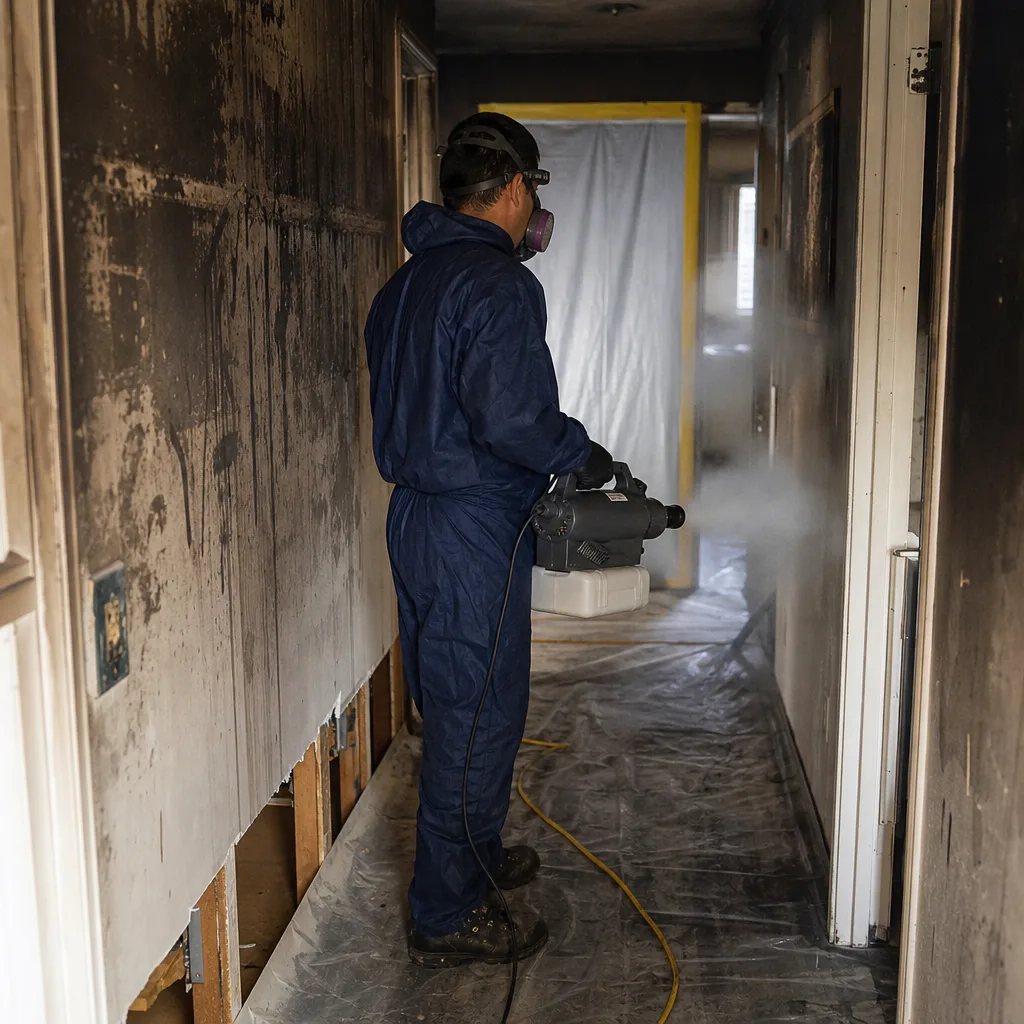
Thermal fogging, ozone treatment, or hydroxyl generation penetrates porous materials where surface cleaning can’t reach. On Valley Center’s wood-frame ranch homes with shake roofing and large attics, this phase typically runs 30-50% longer than comparable suburban jobs due to greater surface area and material porosity.
6. Repairs & Restoration
Charred framing is replaced, finishes are matched to pre-loss condition, and smart-home-integrated systems are tested and recalibrated. We deliver a written completion certificate, final photo record, and the 365-Day Done Right Promise under The Haven Standard.
Need Emergency Fire & Smoke Damage Restoration in Valley Center Now?
Crews minutes away, answering live 24 hours a day. The sooner we start, the less it costs.
Working With Your Insurance Company
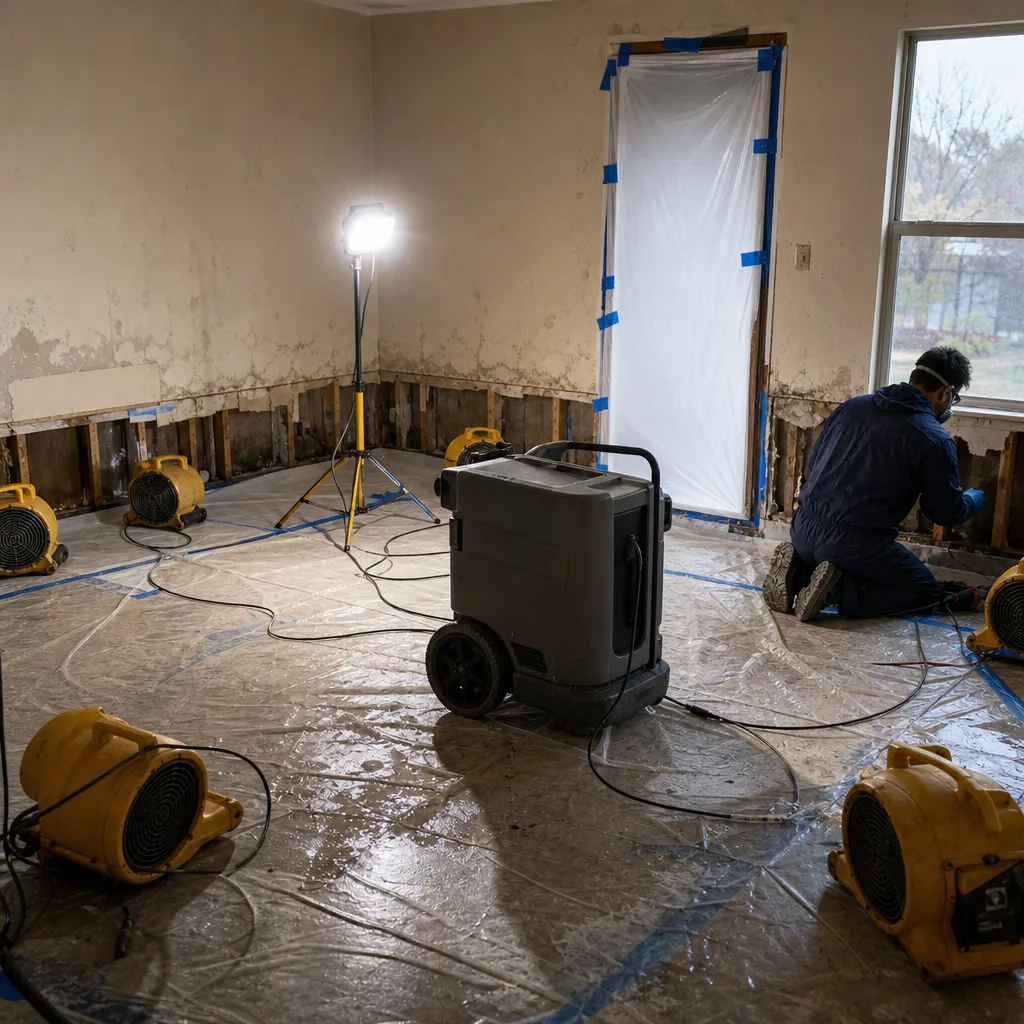
Fire and smoke claims fail when documentation gaps let adjusters dispute the scope. We close those gaps from hour one. Our crews photograph every room before touching anything, record moisture readings at multiple elevations, and build line-item scopes that match Xactimate pricing standards. We coordinate directly with your adjuster, provide daily drying logs, and never ask you to front costs for covered work.
After a fall Santa Ana event pushed smoke and ash through a custom ranch home off Valley Center Road, our crew set up containment and ran air movers with HEPA filtration to pull soot from the open attic and carriage-house doors, then used Injectidry to dry the wood framing that had absorbed smoke odor. We performed a full pack-out of the homeowner’s contents, applied antimicrobial treatment to the affected framing, and logged moisture readings daily in our drying logs to document the scope of work for the adjuster. The homeowner’s smart-home-integrated openers and wood door finishes were masked and protected throughout, and we matched replacement parts to the original hardware to preserve the pre-loss condition.
What We Provide Your Insurer
- Thorough documentation of the loss
- Photos of all damage, room by room
- Moisture readings and drying logs
- A detailed, line-item scope of work
- Direct coordination with your carrier
Built for Valley Center’s Loss Calendar
Valley Center’s fire and smoke restoration calendar runs on wind, not rain. September through November brings Santa Ana events that push wildfire embers across chaparral and into attic vents on rural properties. These are peak months for our Fire & Smoke Damage Restoration team. December through February, the rare winter storms that do hit can complicate recovery: properties that sat bone-dry for months absorb moisture rapidly, and smoke-damaged wood framing that wasn’t fully dried becomes a mold risk. March through May brings lower fire risk but higher call volume for odor complaints when homeowners open up houses that were sealed after fall fires, and residual smoke compounds reactivate with temperature swings. June through August, lightning strikes and equipment fires on agricultural properties add structure fires to the wildfire pattern. We maintain dedicated fire restoration inventory year-round because Valley Center’s hazard profile doesn’t follow a single season.
Fire & Smoke Damage Restoration Across Valley Center’s Neighborhoods
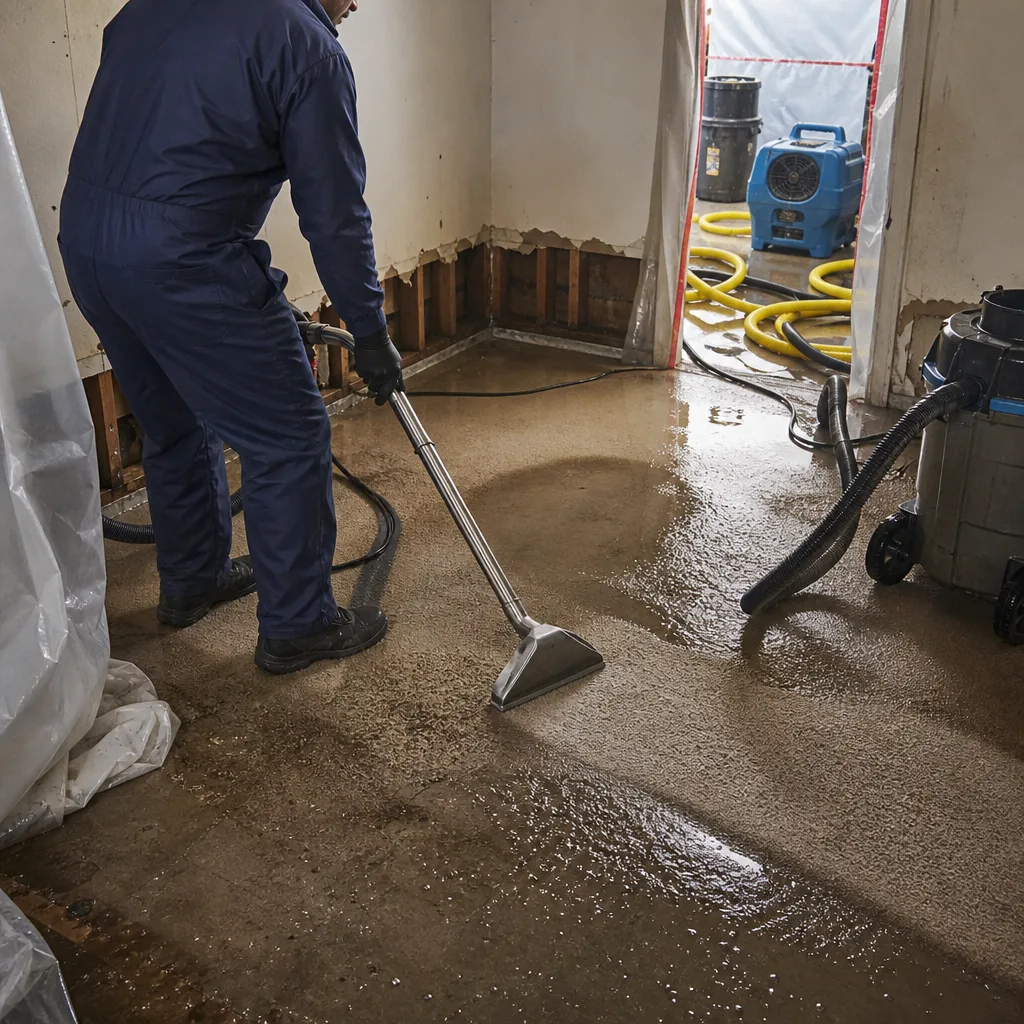
Valley Center Road corridor properties, from the commercial strip east toward the hills, mix custom ranches with equestrian facilities. Smoke jobs here typically involve detached barns and carriage houses that need separate containment from the main residence. Crews must coordinate access across multiple acres and account for livestock during pack-out operations.
Lilac Road and the northern hills sit deeper in chaparral with longer response routes and gated private drives. These properties often have well water systems, so pressure tank failures after fire suppression can add water damage to smoke losses. We scope both simultaneously because smoke-impacted framing that gets wet degrades faster than either damage type alone.
Cole Grade Road properties tend toward larger parcels with avocado groves and agricultural outbuildings. Fire restoration here routinely includes equipment sheds and processing structures that standard residential scopes miss. Our teams carry commercial-grade HEPA capacity and document every detached structure for the adjuster.
The area south toward Woods Valley Golf Club includes newer custom homes with smart-home integration and premium finishes. These jobs demand precision: matching wood door stains, recalibrating automated opener systems, and protecting integrated electronics from soot infiltration during restoration. We mask and protect rather than remove whenever possible.
Specialized Fire & Smoke Damage Restoration Services We Offer in Valley Center
Fire Damage Cleanup
Structural char removal, debris disposal, and framing assessment to IICRC S700 standards. On Valley Center’s 1970s-2000s wood-frame ranches, we pay particular attention to balloon framing and open attic spaces where fire can travel unseen between floors.
Smoke & Soot Removal
Dry, wet, and protein residue cleaning with chemistry matched to fuel source and surface type. Our crews use B-Air air movers and Injectidry cavity drying systems to reach smoke trapped in wall voids and ceiling spaces that standard surface cleaning misses.
Odor Removal & Deodorization
Thermal fogging, ozone, and hydroxyl treatment for molecular odor elimination. Valley Center’s ranch homes with wood-frame construction and older shake roofing require extended treatment cycles because porous materials absorb odor compounds deeply. Masking agents are never used; source removal is the only method we document.
Contents Cleaning & Pack-Out
Inventory, photograph, clean, and store personal property with full chain-of-custody documentation. Custom finishes, carriage-house hardware, and agricultural equipment receive specialized handling and separate storage from standard household contents.
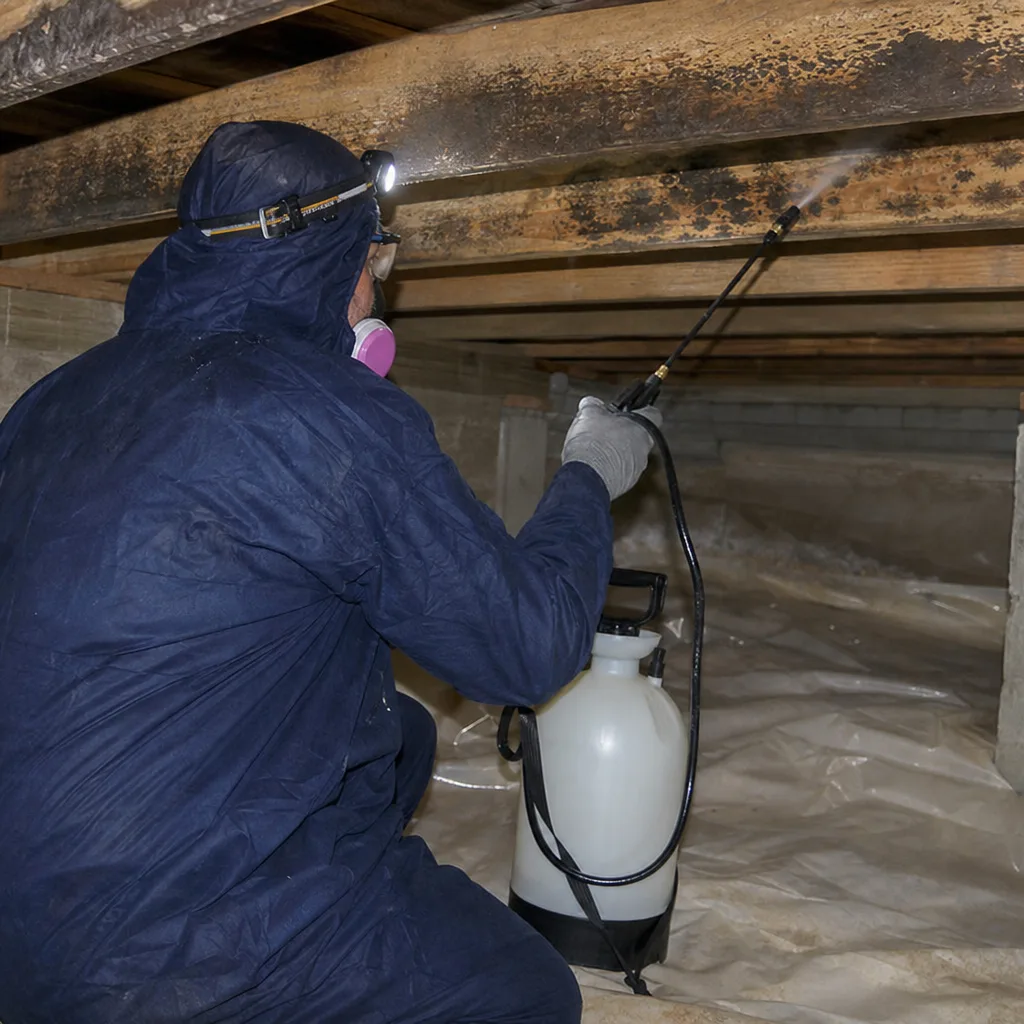
Emergency Board-Up & Tarping
Immediate structural securing with materials selected to protect rather than damage pre-loss finishes. Custom wood doors and carriage-house openings get protective masking; standard plywood is used only where structural compromise requires it.
What happens when you call
- 1
A real person answersNo phone trees - you reach a local pro.
- 2
You get an upfront price rangeHonest numbers before anyone is dispatched.
- 3
A background-checked tech heads outLicensed & insured, dispatched right away.
- 4
You approve before work beginsNothing starts until you say go.
Fire & Smoke Damage Restoration Costs in Valley Center, CA
Smoke and soot remediation for a standard Valley Center ranch home runs $2,800-$7,400. Structural fire damage repair starts at $4,200 and can reach $18,500+ for extensive charring in main houses with detached outbuildings. Contents pack-out and cleaning adds $1,800-$5,200 depending on volume and specialty items. Odor removal and deodorization, the phase most commonly underestimated, runs $1,200-$3,600 for standard jobs and $4,000+ for properties with large attic spaces or extensive wood framing.
| Service | Typical Range in Valley Center |
|---|---|
| Smoke & soot remediation (ranch home) | $2,800 - $7,400 |
| Structural fire damage repair | $4,200 - $18,500+ |
| Contents pack-out & cleaning | $1,800 - $5,200 |
| Odor removal & deodorization | $1,200 - $3,600 |
| Emergency board-up & tarping | $800 - $2,400 |
What moves the price: square footage, number of detached structures, extent of attic involvement, type of smoke residue, and whether smart-home systems require recalibration. Insurance typically covers direct fire and smoke damage plus reasonable mitigation; our written scope, delivered before work begins per Haven Standard, Clause 1, gives your adjuster the documentation needed for approval. Call (858) 683-1768 for a free inspection and firm written estimate.
We Also Serve Cities Near Valley Center
Our crews respond throughout northern San Diego County from our San Diego office. We regularly restore fire and smoke damage in Valley Center and neighboring communities including Escondido, San Marcos, Vista, and Ramona. Each area has distinct building stock and hazard profiles; our documentation adapts to local conditions rather than applying a generic template.
Serving Valley Center, CA - Our Local Coverage Area
We’re based in the Valley Center area and know this community well. Use the map below to see our service coverage - if you’re nearby, we can almost certainly help.
Valley Center Fire & Smoke Damage Restoration Questions, Answered
How quickly can smoke odor return to a Valley Center ranch home after restoration?
Odor returns within days if the source wasn’t eliminated. On Valley Center’s wood-frame ranch homes with large attic spaces and older shake roofing, incomplete soot removal from attic vents, wall cavities, or detached outbuildings allows odor molecules to reactivate with temperature swings or Santa Ana wind events. We guarantee our odor removal with the 365-Day Done Right Promise under The Haven Standard. Call (858) 683-1768 if you’ve had odor return from a previous restoration.
Does a detached outbuilding or equestrian facility need separate fire and smoke restoration from the main house?
Yes, detached structures require separate containment, assessment, and documentation for insurance purposes. Valley Center’s multi-acre ranch properties routinely have barns, equipment sheds, and carriage houses that share smoke exposure with the main house but need independent scopes because construction type, contents value, and use differ. Our crews inspect and document every structure on the property, not just the primary residence. Call (858) 683-1768 for a complete property assessment.
Why does a wildfire smoke job in Valley Center take longer than a similar job in Escondido or San Marcos?
Valley Center’s rural ranch properties average two to three times the affected square footage of suburban homes, with additional detached structures, larger attic spaces, and wood-frame construction that absorbs smoke deeply. The Santa Ana wind pattern here also drives ember intrusion through multiple entry points that tract-home construction doesn’t have. A typical Valley Center smoke remediation runs 5-9 days versus 3-5 days for a comparable Escondido or San Marcos property. Call (858) 683-1768 for a timeline estimate specific to your property.
Can you restore custom wood doors and carriage-house finishes after smoke damage instead of replacing them?
Often yes, if soot hasn’t etched beyond the finish layer. We use pH-neutral cleaners and controlled abrasion to remove residue without stripping original stain or varnish, then match any necessary touch-up to existing color profiles. For smart-home-integrated opener systems, we mask and protect electronics during cleaning rather than removing and reinstalling, which risks calibration loss. Replacement is recommended only when our assessment shows structural compromise or when matching isn’t feasible. Call (858) 683-1768 for a finish evaluation.
How do you handle smoke and soot in a home with smart-home-integrated openers and electronics?
Electronics and integrated systems are masked, powered down, and protected before any cleaning begins. Soot is acidic and conductive; running equipment during remediation risks permanent damage. Our crews document pre-loss condition with photos, isolate power to affected circuits, and coordinate with your integrator for recalibration after restoration completes. The photo record goes to your adjuster as standard documentation. Call (858) 683-1768 for protocol details.
Will my insurance cover the full cost of fire and smoke restoration?
Most homeowner policies cover direct fire and smoke damage plus reasonable emergency mitigation, subject to your deductible and coverage limits. Documentation quality determines whether you receive full scope approval or face partial denial. Our written estimate, photo record, and drying logs are built to Xactimate standards that adjusters recognize and approve. We bill your carrier directly and coordinate on disputed items. Call (858) 683-1768 for a free insurance review.
How long does the full fire and smoke restoration process take?
Smoke and soot remediation typically takes 5-9 days for a Valley Center ranch home, with structural repairs adding 2-6 weeks depending on permit requirements and material availability. Odor removal may require multiple treatment cycles in properties with extensive wood framing or large attic spaces. We provide a written timeline with every scope, updated daily, so you know where the job stands. Call (858) 683-1768 for a schedule specific to your loss.
Is it safe to stay in my home during smoke restoration?
Usually not during active remediation. HEPA air scrubbers create negative pressure that improves air quality, but solvent-based cleaning and thermal fogging produce temporary conditions that aren’t healthy for occupants. For Valley Center properties with secondary dwellings or guest houses, we can sequence work to keep you on-property. Otherwise, we coordinate with your adjuster on additional living expense coverage and document the displacement period in our logs. Call (858) 683-1768 to discuss occupancy options.
Fire and smoke damage in Valley Center demands a restoration approach built for rural ranch properties, not suburban tract homes. From ember intrusion in large attic spaces to matching custom carriage-house door finishes, our Fire & Smoke Damage Restoration team documents every detail to IICRC and RIA standards, delivers a written price before work begins per Haven Standard, Clause 1, and stands behind the result with a 365-Day Done Right Promise. Call (858) 683-1768 now for a free inspection and written estimate. Live person answering, 24 hours a day.
Written by Alicia Brennan, Owner at Back to Dry Restoration, serving Valley Center under The Haven Standard since 2011.