

Free visual inspection and a written scope of work before any mitigation begins - photos, moisture readings, and drying logs go in your claim file
The scope we write is the scope we bill. Anything new gets shown to you, in writing, before we touch it.
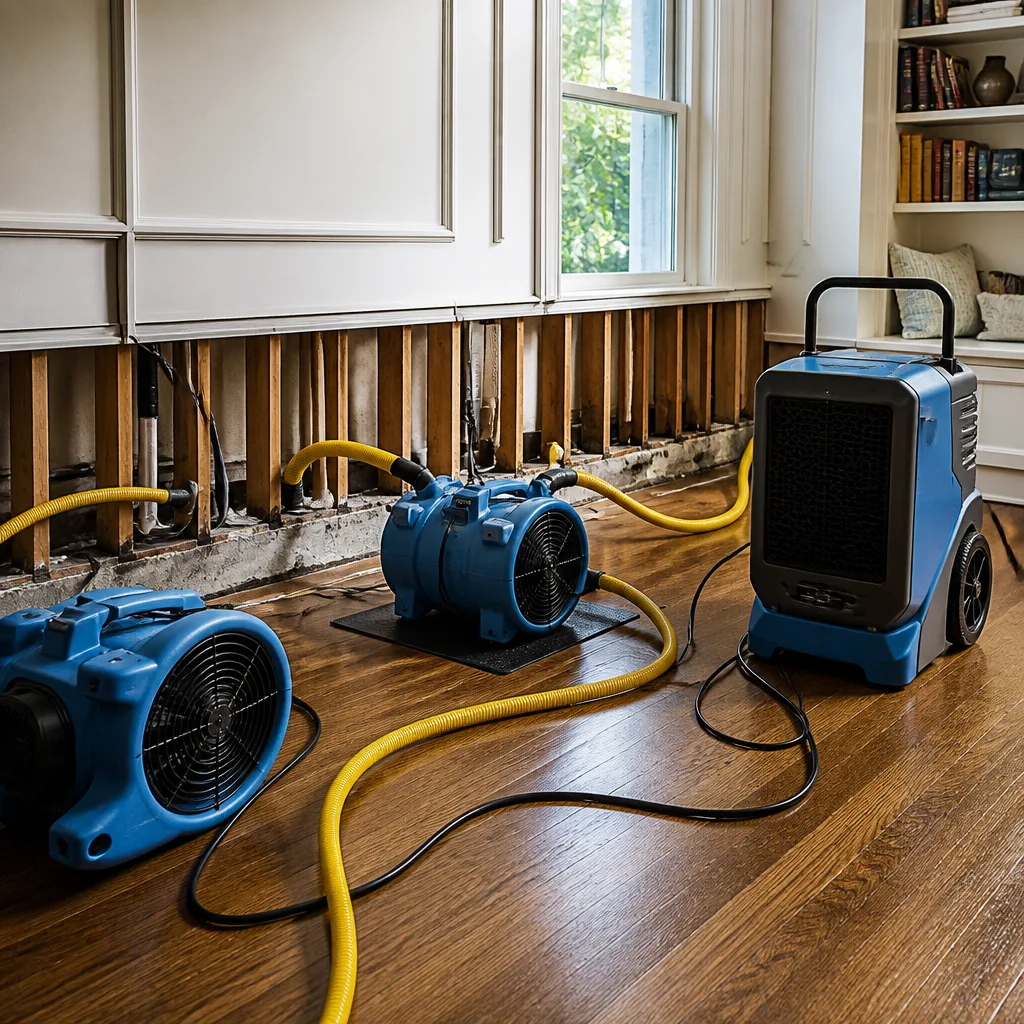
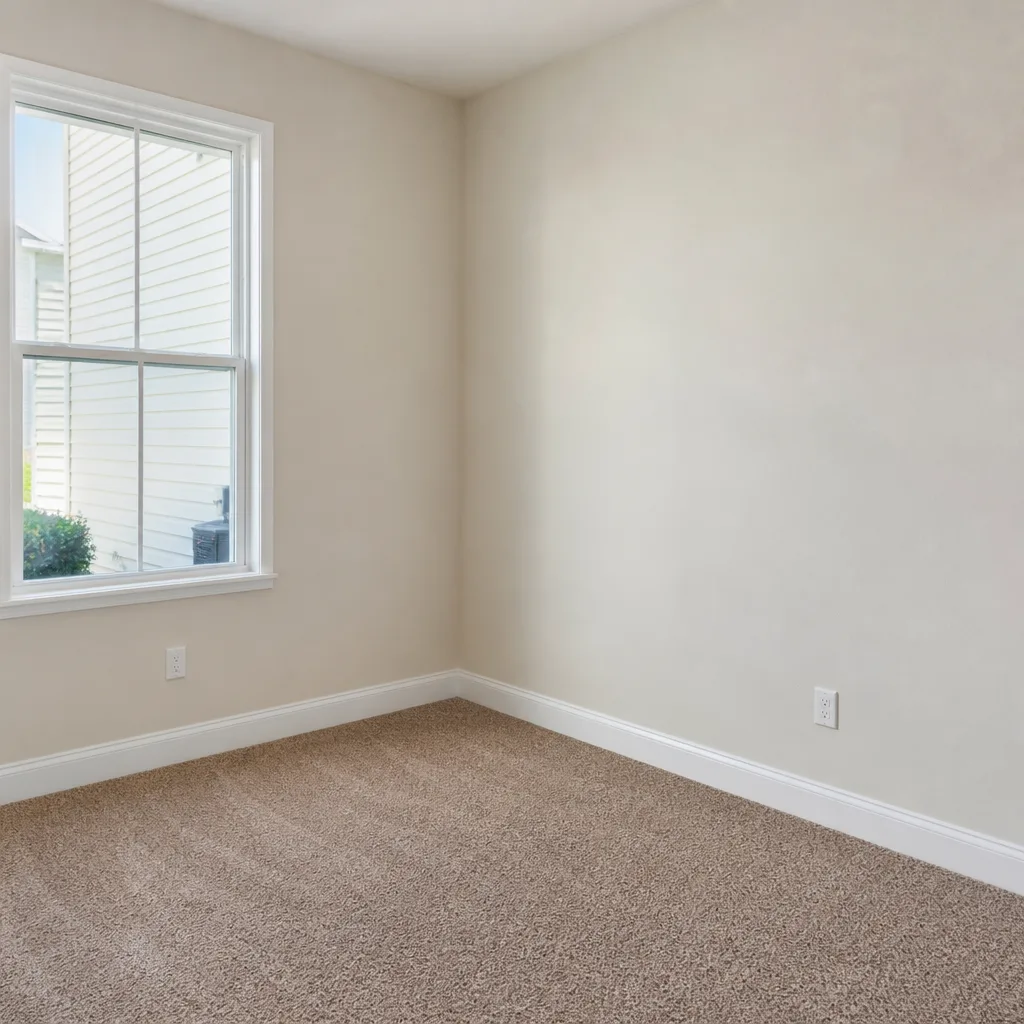

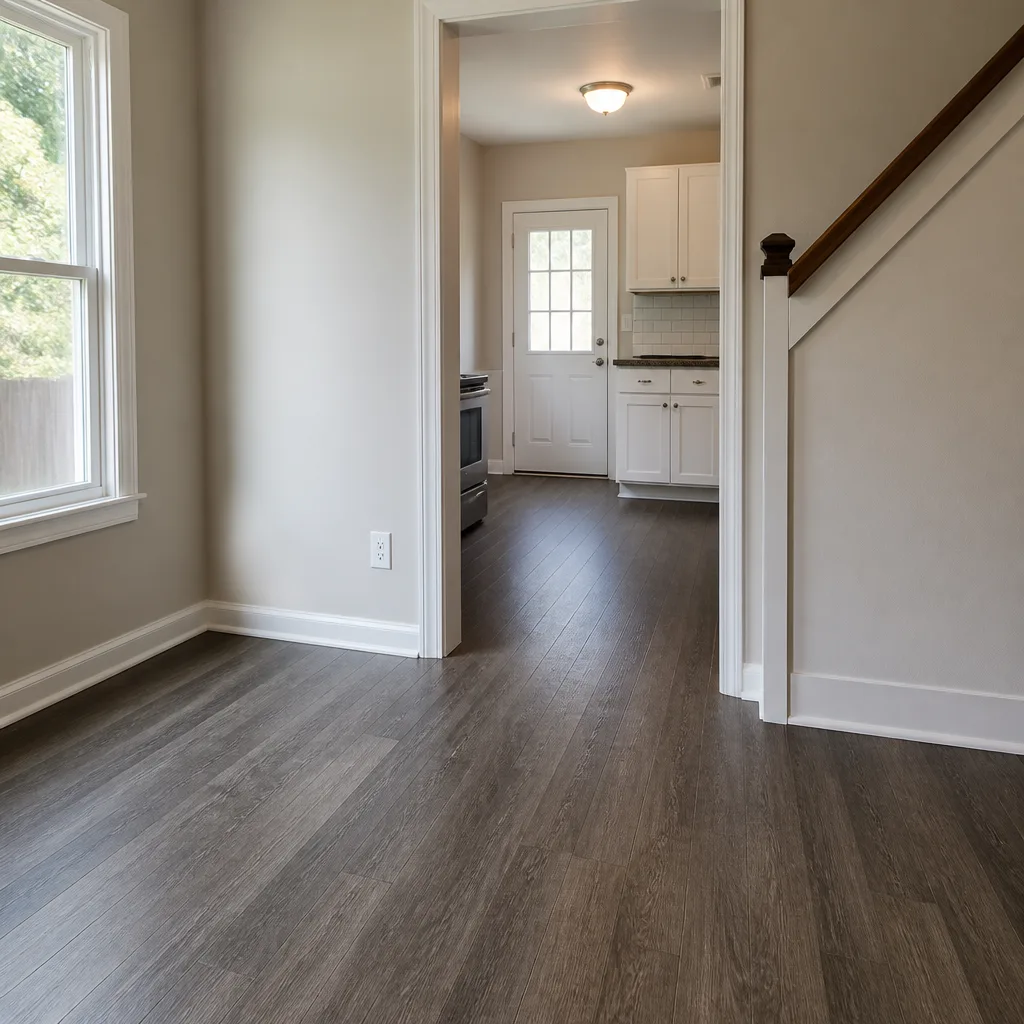

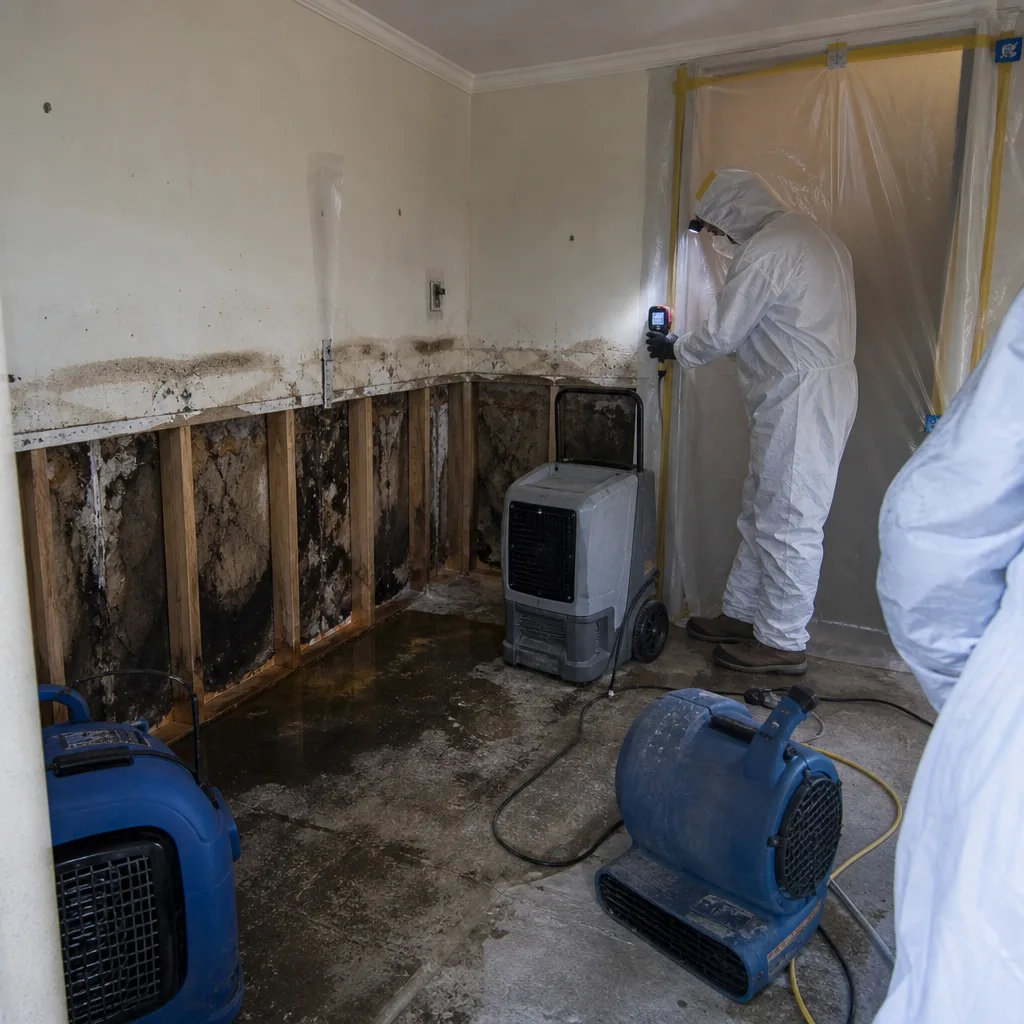 Before
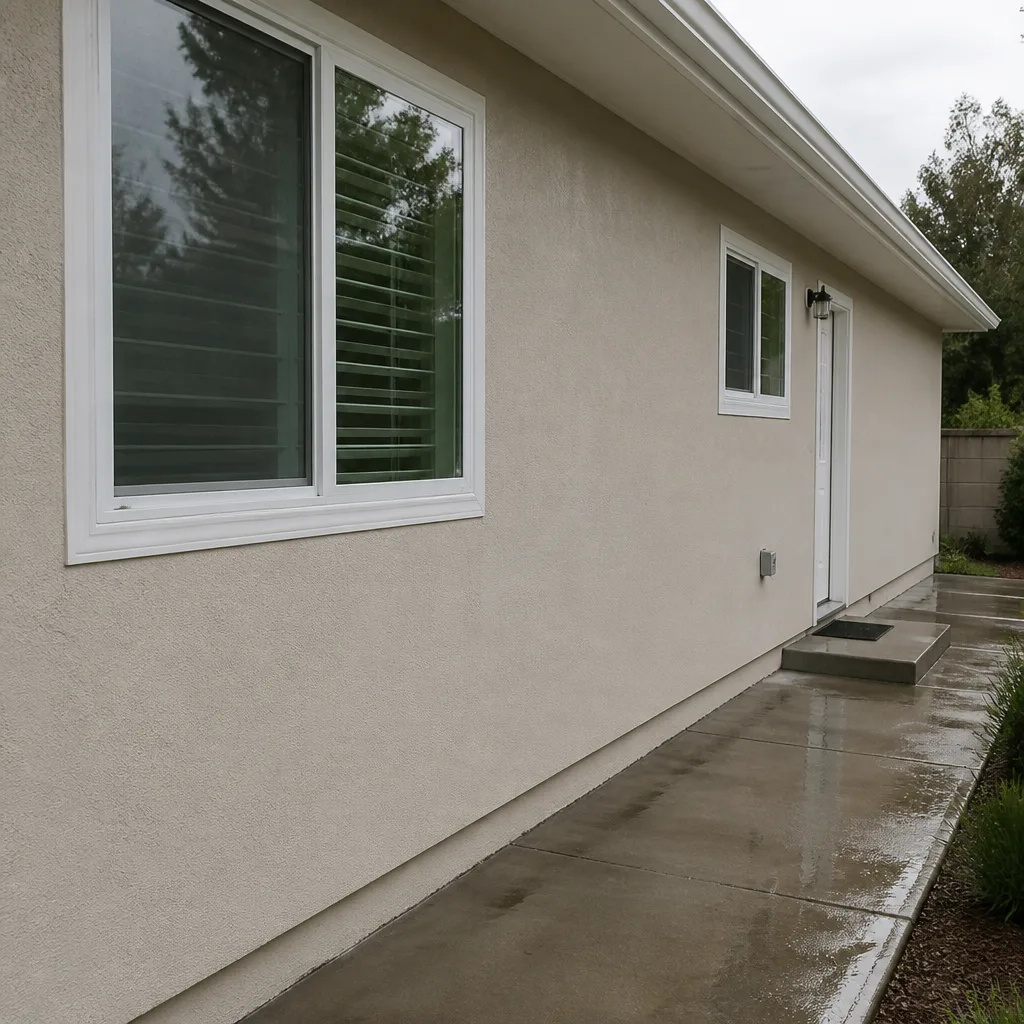 After
After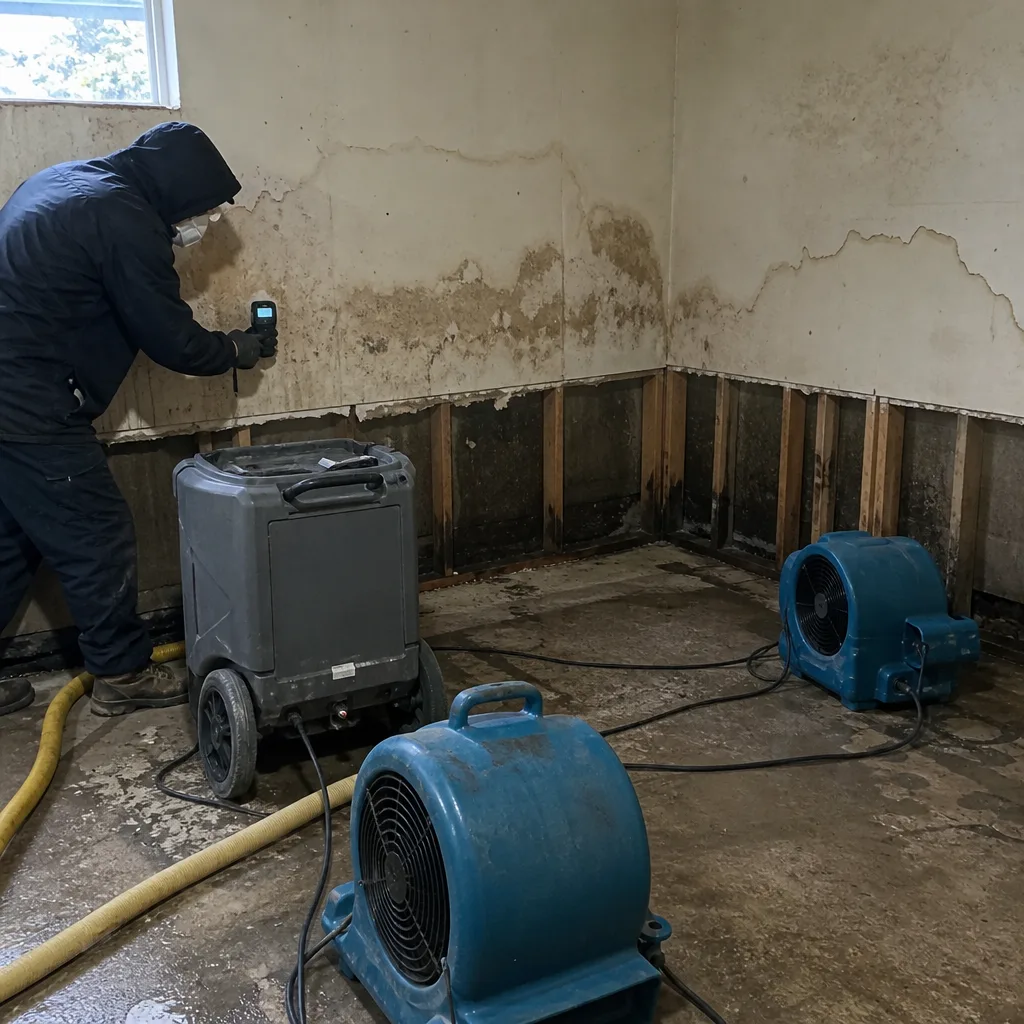 Before
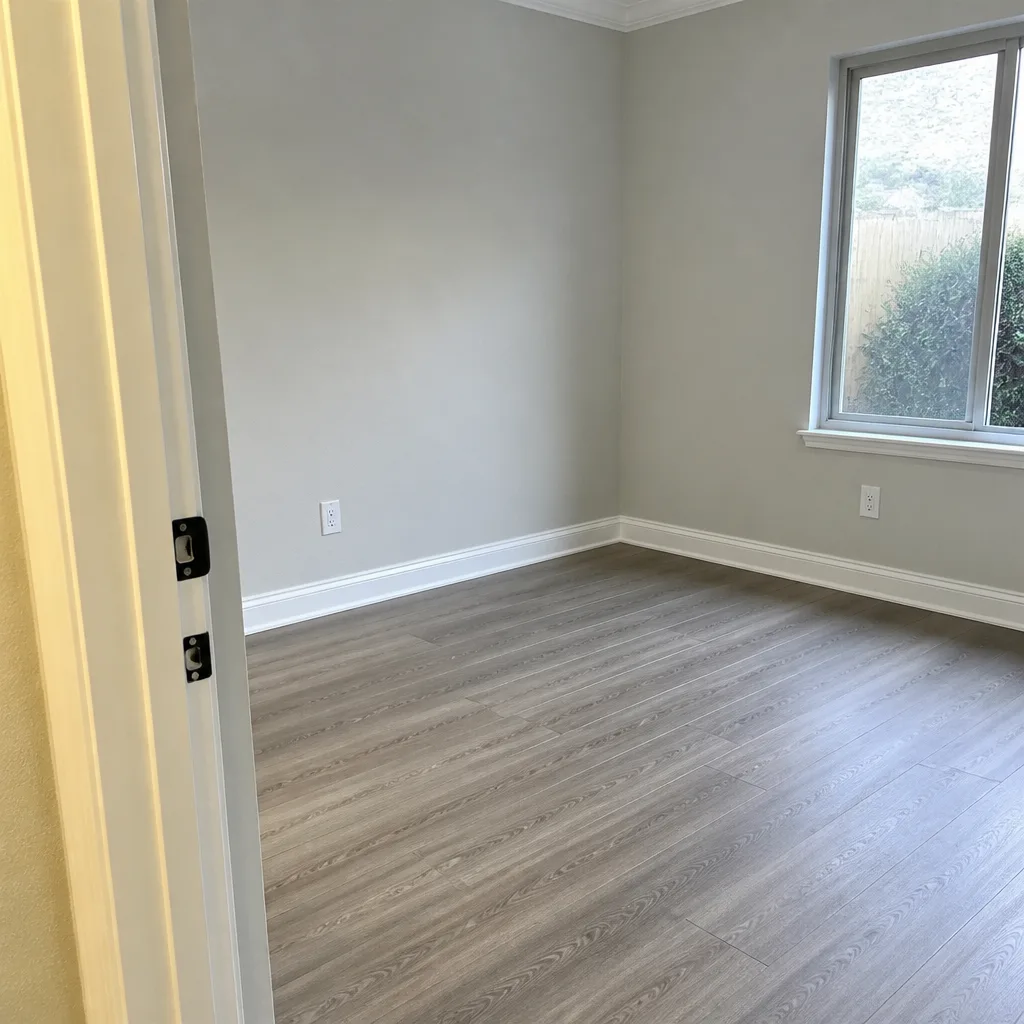 After
After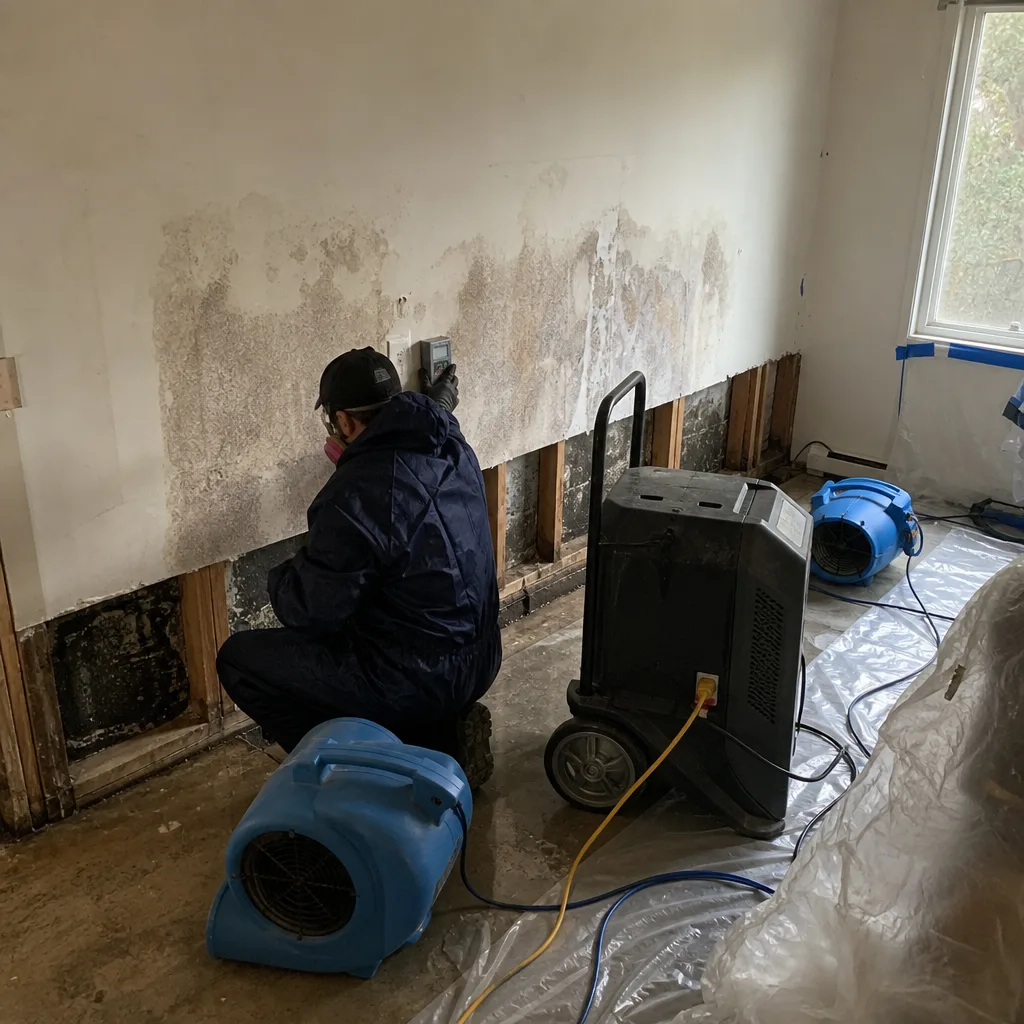 Before
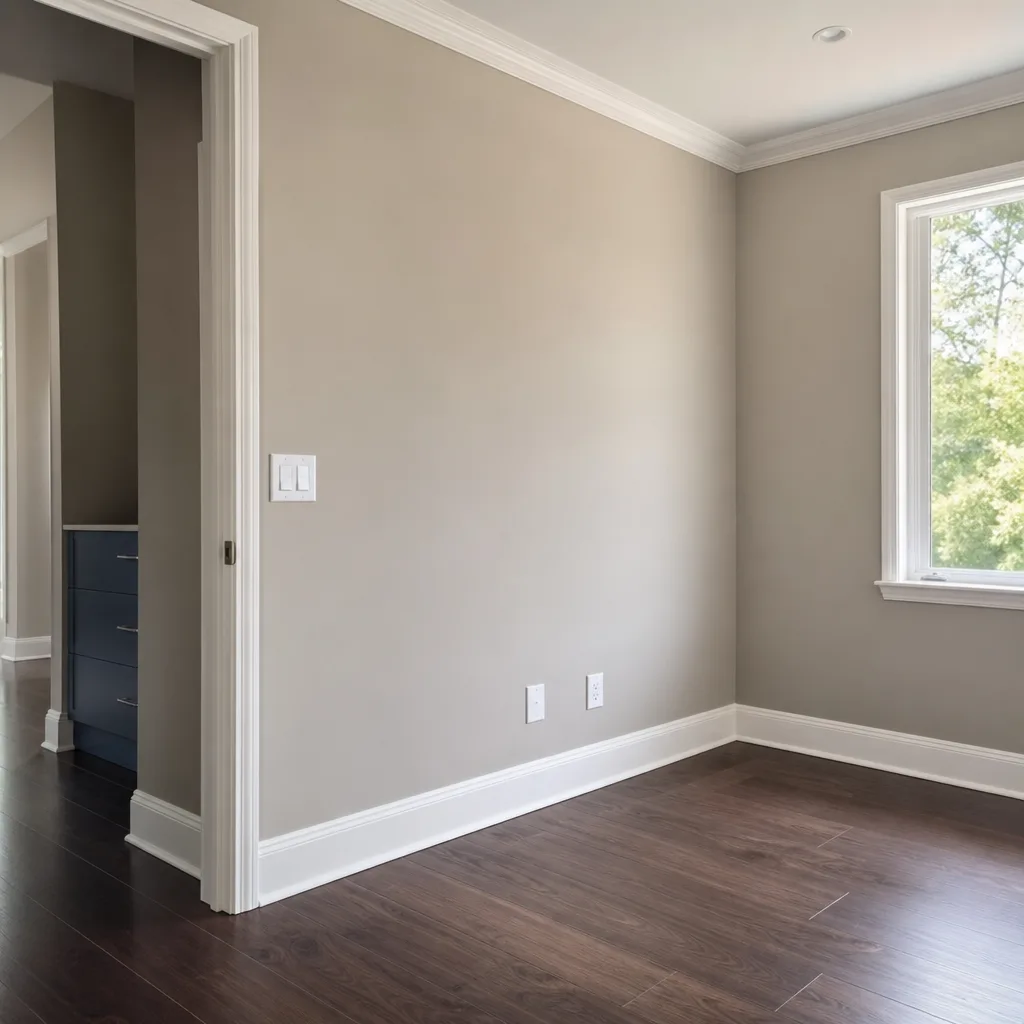 After
After24/7 Emergency Mold Remediation in Escondido
Mold remediation in Escondido typically costs $1,800-$4,500 for contained areas and $6,000-$15,000+ for whole-home treatment, with most jobs starting same day once a written scope is approved. Call (858) 683-1768 now and you’ll reach a live person, not a voicemail tree. Our crews dispatch from our San Diego office and serve Escondido properties directly, usually arriving within 45 minutes of your call. The first hour matters because mold colonizes drywall and insulation within 24-48 hours of moisture contact. Every minute you wait, the containment perimeter grows and the remediation price climbs. We start with a free visual inspection, deliver a written price before any work begins, and document every step with photos.
Understanding Mold Remediation Severity in Escondido Properties
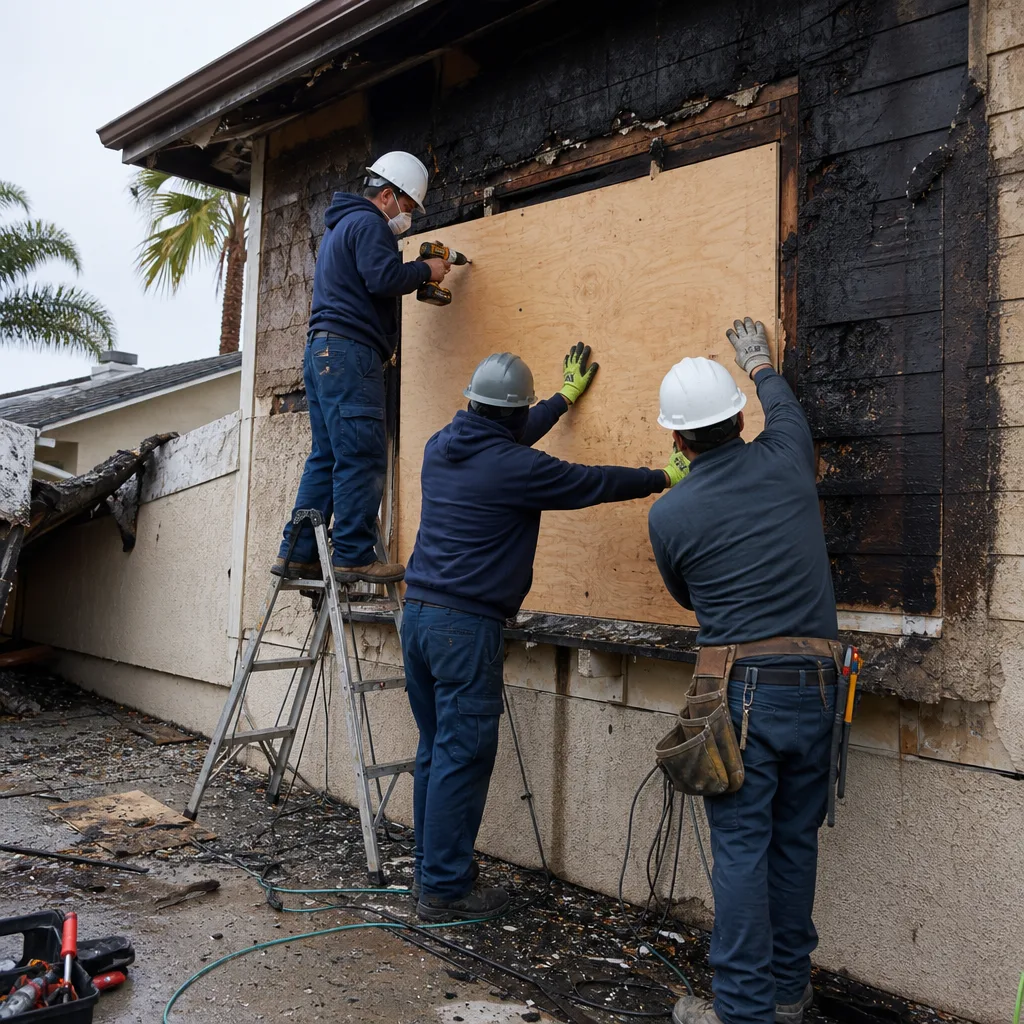
Mold severity in Escondido falls into three practical categories. Category 1 involves limited surface growth on non-porous materials - tile, sealed concrete, metal framing - typically from a resolved supply-line leak with less than 10 square feet of visible colonization. Category 2 affects porous materials: drywall, carpet pad, insulation, and subfloor, where hyphae penetrate beyond surface cleaning and controlled demolition becomes necessary. Category 3 is systemic colonization, often in HVAC systems, crawl spaces, or behind fire-damaged wall assemblies where moisture has been trapped for weeks.
Escondido’s housing stock drives these patterns. The 1920s-1950s Craftsman and Spanish Colonial Revival homes in the downtown core have plaster-and-lath walls with no vapor barrier, so slow leaks wick horizontally across entire rooms before anyone notices. The 1960s-1980s tract homes in central neighborhoods - think the corridors near El Norte Parkway and Ash Street - carry original galvanized supply lines corroded by Escondido’s characteristically hard imported water. Pinhole leaks spray inside walls for days before surfacing. The newer canyon-rim developments near Harmony Grove Road sit in Fire Hazard Severity Zones where smoke-infiltration events, not plumbing failures, drive moisture problems. Ash clogs attic vents and HVAC coils, trapping condensation that breeds mold in insulation and ductwork while homeowners focus on odor, not microbial growth.
Why Escondido Property Owners Choose DryMark Restoration Poway
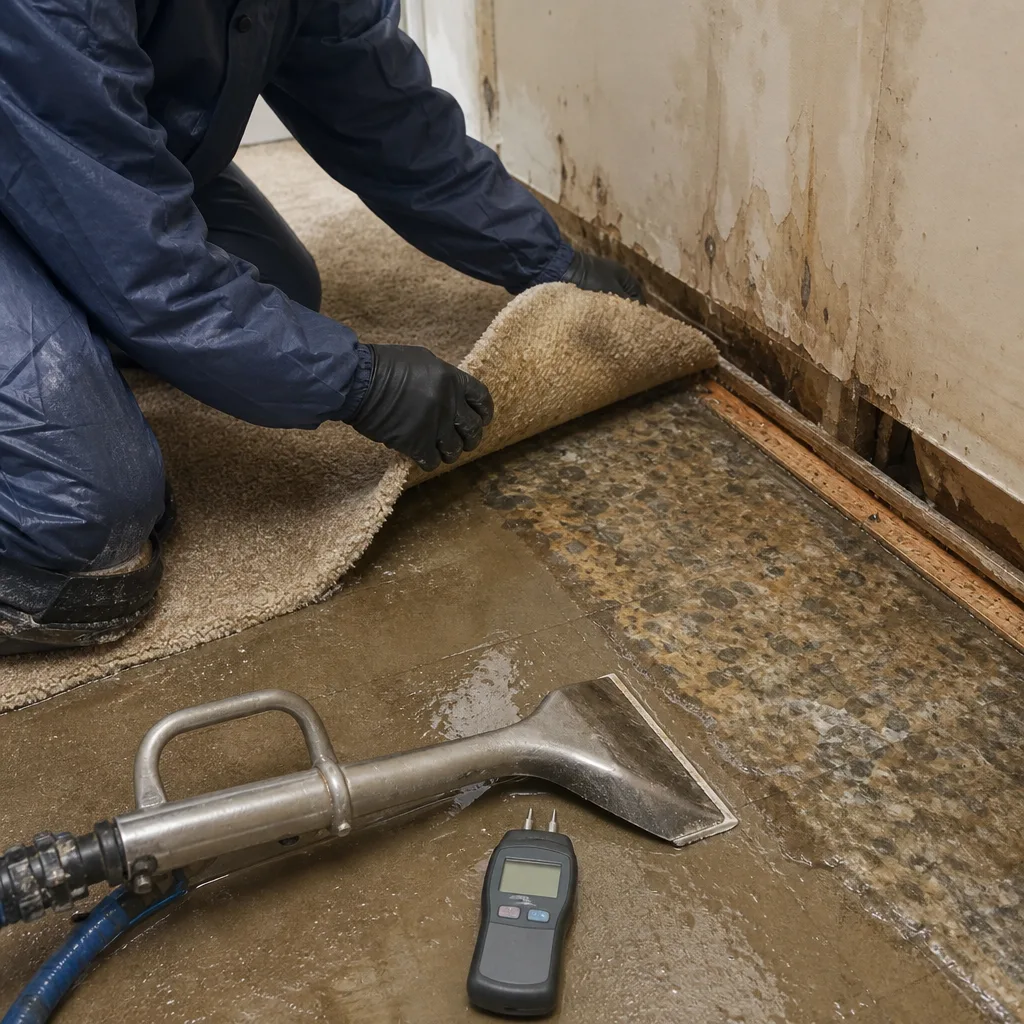
- 45-minute response commitment to Escondido properties, day or night, because mold spreads faster than most homeowners realize.
- 24/7 live answer - a real person picks up every call, never an automated system or next-business-day callback while spores are colonizing.
- IICRC-certified crews holding AMRT (Applied Microbial Remediation Technician) and WRT (Water Damage Restoration Technician) certifications, with license numbers verified before arrival.
- Free visual inspection and written estimate - no charge to assess the damage and no obligation to proceed.
- Direct insurance billing with photo-documented drying logs and room-by-room moisture readings that turn restoration invoices into payable claims.
- One team from containment to reconstruction - no handoffs between mitigation contractors and rebuild crews, no gaps in documentation.
 Before
 After
AfterOur Mold Remediation Process
1. Inspection & Assessment
We start with moisture mapping using thermal imaging and calibrated hygrometers, not a flashlight and guesswork. In Escondido’s smoke-infiltration cases, we specifically check attic insulation and HVAC plenums where ash traps condensation. Every reading is logged.
2. Containment & Air Filtration
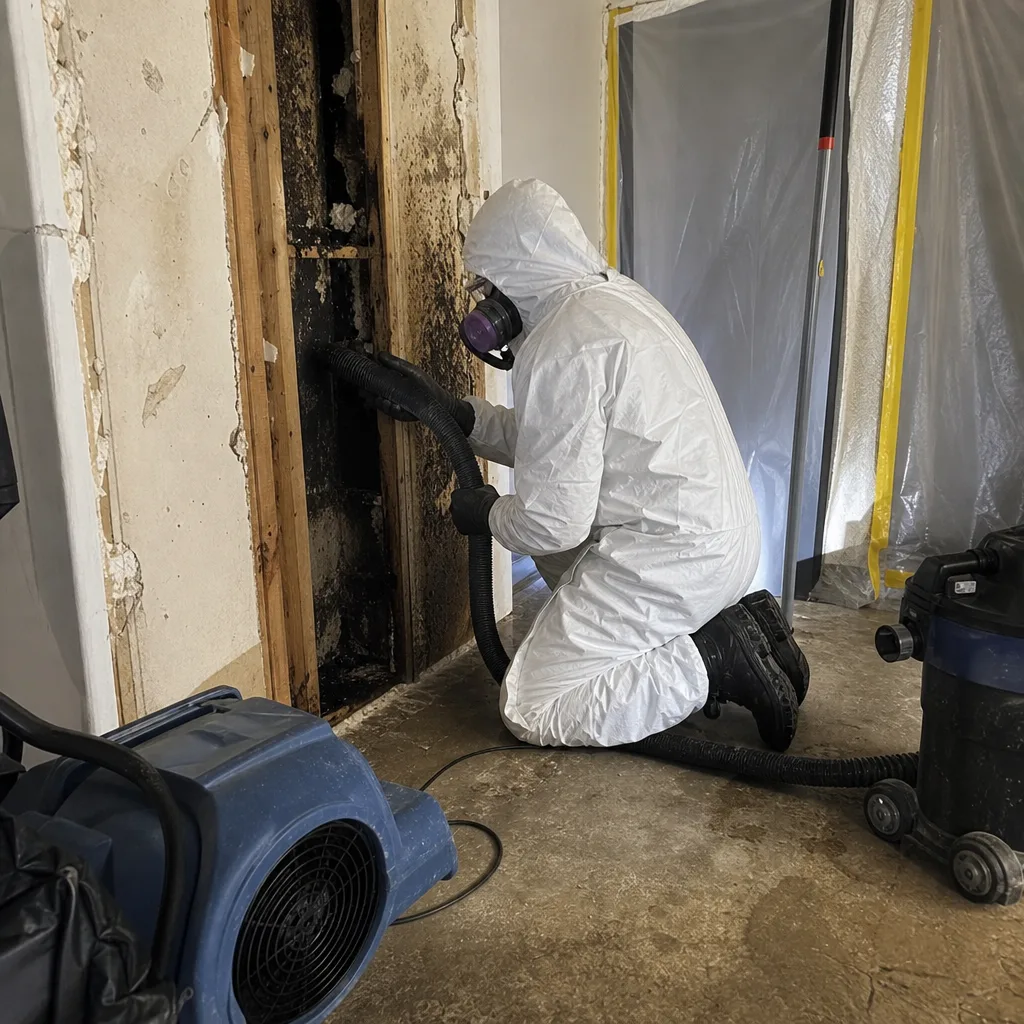
We establish negative-pressure containment with 6-mil poly barriers and HEPA air scrubbers running at 500+ CFM. In tighter downtown homes with limited access, we build smaller, sequential containment zones rather than skipping the step.
3. Source Elimination & Material Removal
Demolition is surgical, not wholesale. We remove only what’s non-salvageable per IICRC S520 standards, bag it sealed, and document pre-loss condition with photos. Category 2 and 3 materials go out; Category 1 hard surfaces stay for treatment.
4. Cleaning & Antimicrobial Treatment
We apply EPA-registered antimicrobial agents to all affected and adjacent surfaces, then HEPA-vacuum every square inch. For smoke-infiltration jobs, this includes full HVAC decontamination: coil cleaning, duct brushing, and register treatment.
5. Structural Drying & Dehumidification
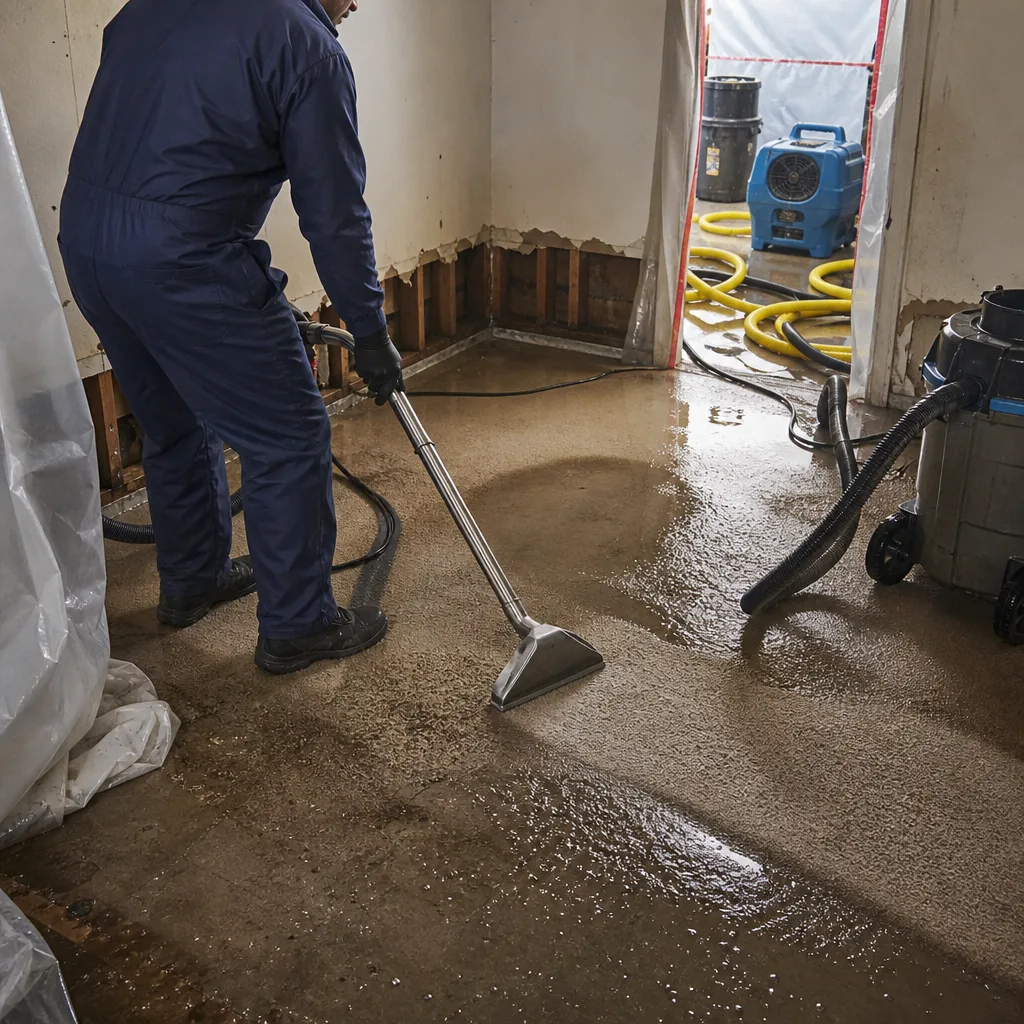
Dri-Eaz and Phoenix LGR dehumidifiers pull vapor from the air while Injectidry systems target wall cavities and subfloors. We log daily moisture readings until materials hit dry standard - typically 12% or below for wood framing in Escondido’s inland climate.
6. Clearance Testing & Restoration
Third-party clearance testing confirms spore counts at or below outdoor baseline. Then we rebuild: drywall, paint, flooring, trim. The 365-Day Done Right Promise covers it all.
Need Emergency Mold Remediation in Escondido Now?
Crews minutes away, answering live 24 hours a day. The sooner we start, the less it costs.
Working With Your Insurance Company
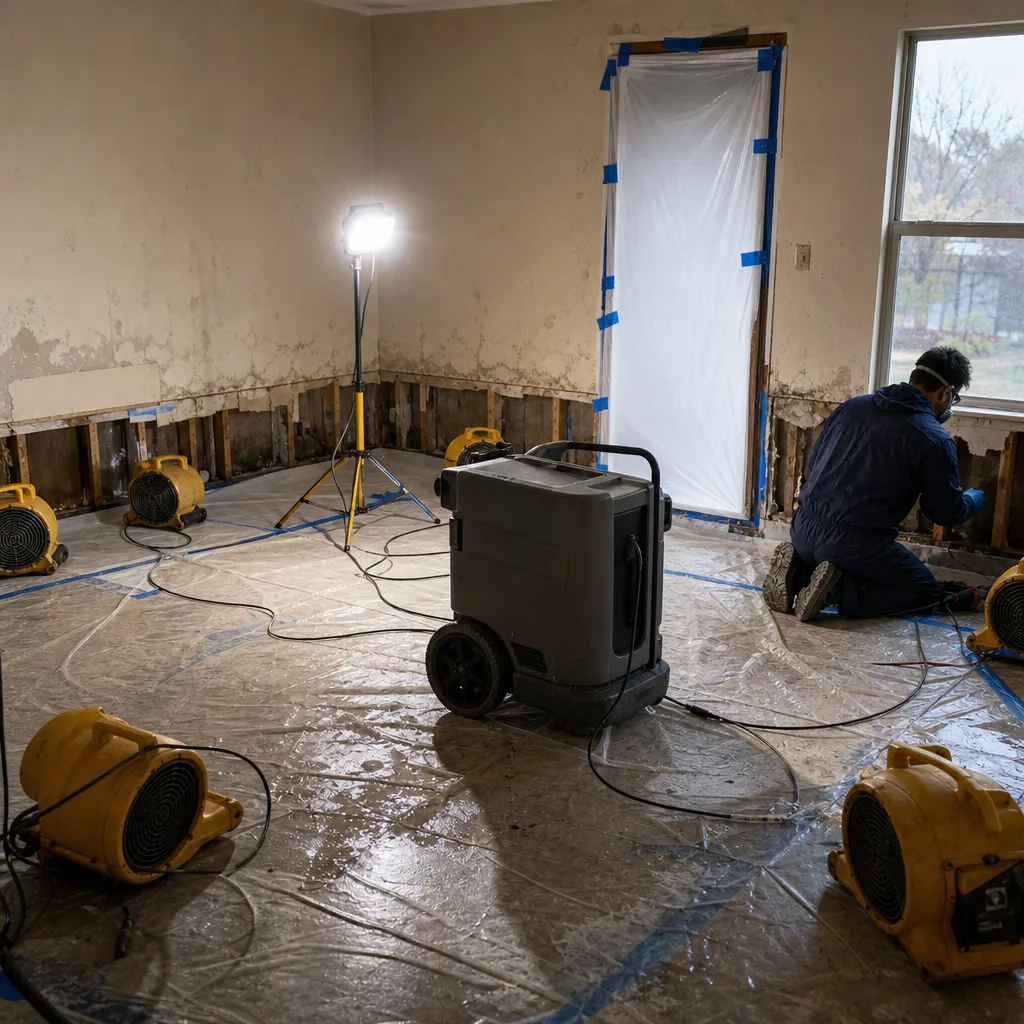
Insurance adjusters pay claims that are documented, not described. From the first hour on your Escondido property, we build a file that speaks their language: dated photos of every room, moisture readings with equipment serial numbers, daily drying logs with psychrometric data, and a line-item scope written to Xactimate standards. We coordinate directly with your carrier’s adjuster, answer their documentation requests within hours, and never let a claim stall for missing paperwork.
Our Mold Remediation team has handled Escondido claims from smoke-infiltration events, slab leaks in central tract homes, and seasonal flooding along Escondido Creek. We know which carriers require pre-approval for demolition scope increases and which accept our documented recommendations without delay.
What We Provide Your Insurer
- Thorough documentation of the loss
- Photos of all damage, room by room
- Moisture readings and drying logs
- A detailed, line-item scope of work
- Direct coordination with your carrier
Built for Escondido’s Loss Calendar
Escondido’s mold season doesn’t follow the calendar you’d expect. Summer and fall bring the Santa Ana winds, and after any significant fire in the chaparral hills between Escondido and Ramona - which happens on a near-annual basis - we field a wave of calls from homes that never saw a flame. Smoke and fine ash infiltrate attic insulation, ductwork, and wall cavities valley-wide. Homeowners smell the smoke, call for odor remediation, and don’t realize that ash-clogged vents are trapping moisture until mold colonies appear weeks later.
Winter El Niño years compound the pattern. Intense rainfall after summer fire damage strips hillside vegetation, sending flash-flood and debris-flow risk along Escondido Creek. Properties near the creek corridor take on silt-laden water, and if drying isn’t documented to IICRC standards with daily moisture logs, mold follows by spring. The wet/dry seasonality here is more pronounced than coastal San Diego, and the fire-flood-mold sequence is unique to inland valley communities surrounded by wildland.
Mold Remediation Across Escondido’s Neighborhoods
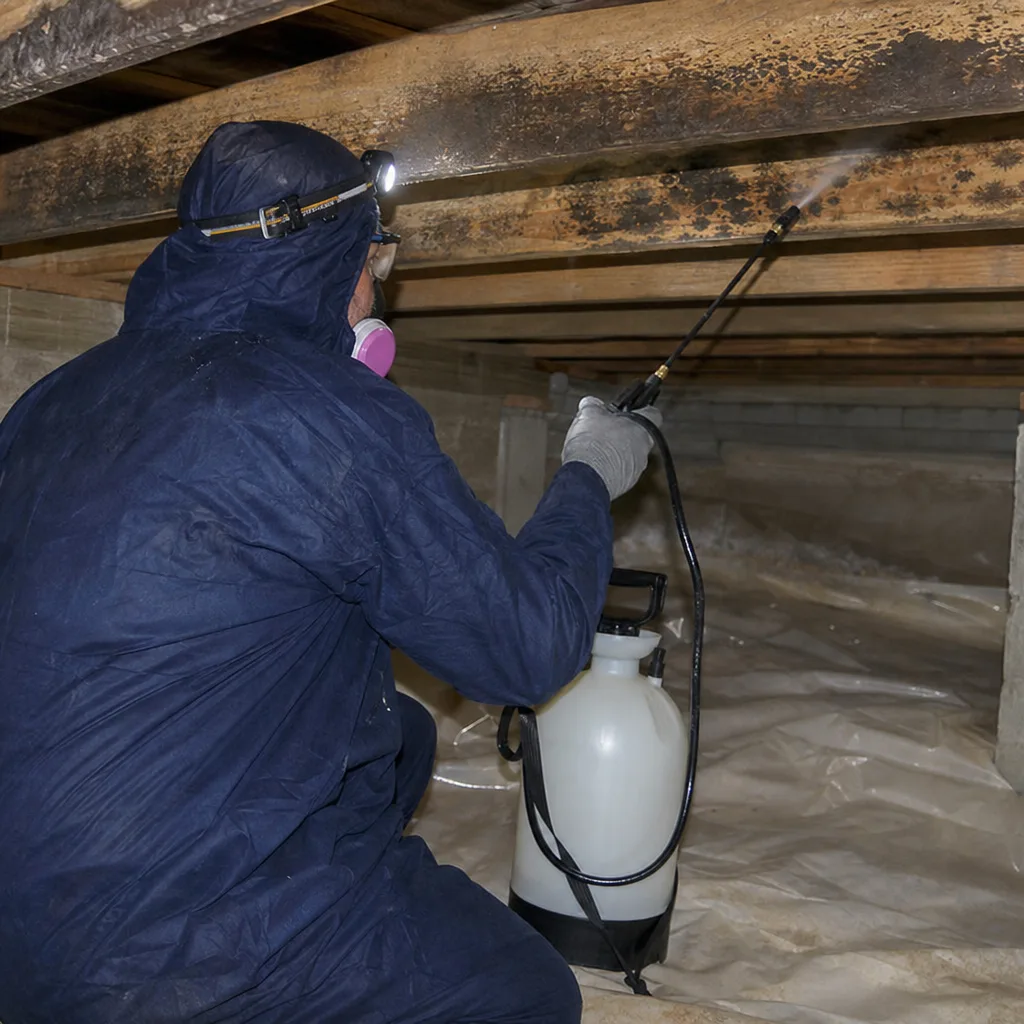
Downtown Escondido, roughly between Grand Avenue and Washington Avenue, holds the city’s oldest housing stock. The 1920s-1950s Craftsman and Spanish Colonial Revival homes here have plaster walls, minimal insulation, and crawl spaces or partial basements that trap moisture from the hard-water-corroded galvanized lines still serving many of these properties. We see mold in these homes long after the leak is “fixed” because surface drying doesn’t reach the lath channels where water wicks laterally.
Central Escondido, the corridor along El Norte Parkway and Ash Street, is dominated by 1960s-1980s tract homes. The building quality was adequate for the era, but the original galvanized supply lines are now 40-60 years old and failing predictably. We respond regularly to slab leaks here that spray inside walls for days before showing as a water bill spike or a soft spot in the flooring. Full mold inspection and testing is critical because the visible mold is rarely the full extent.
The newer developments near Harmony Grove Road and the canyon-rim areas north of town sit in state-designated Fire Hazard Severity Zones. These homes are modern construction with PEX or copper supply lines, so plumbing failures are rare. The dominant mold driver is smoke infiltration from wildfires in the surrounding chaparral. After a fire, we run moisture mapping in attics and HVAC systems where ash has clogged ventilation, often finding elevated readings in insulation that homeowners assumed was merely smoky.
Properties near Escondido Creek, particularly between Centre City Parkway and Broadway, face seasonal flooding risk. The creek runs hard and fast during El Niño winters, and even homes that don’t take direct water intrusion get elevated humidity in crawl spaces and subgrade areas. Mold Remediation in Escondido for these properties always includes crawl space treatment and vapor barrier assessment, not just surface mold removal.
Specialized Mold Remediation Services We Offer in Escondido
Mold Inspection & Testing
We don’t treat what we haven’t measured. Our inspections include air sampling, surface tape lifts, and ERMI dust analysis where indicated, with third-party lab turnaround in 48 hours. In Escondido’s smoke-infiltration cases, we specifically sample attic air and HVAC return plenums, not just living spaces. The source matters: a slab leak in a central tract home demands different remediation than ash-driven moisture in a canyon-rim attic.
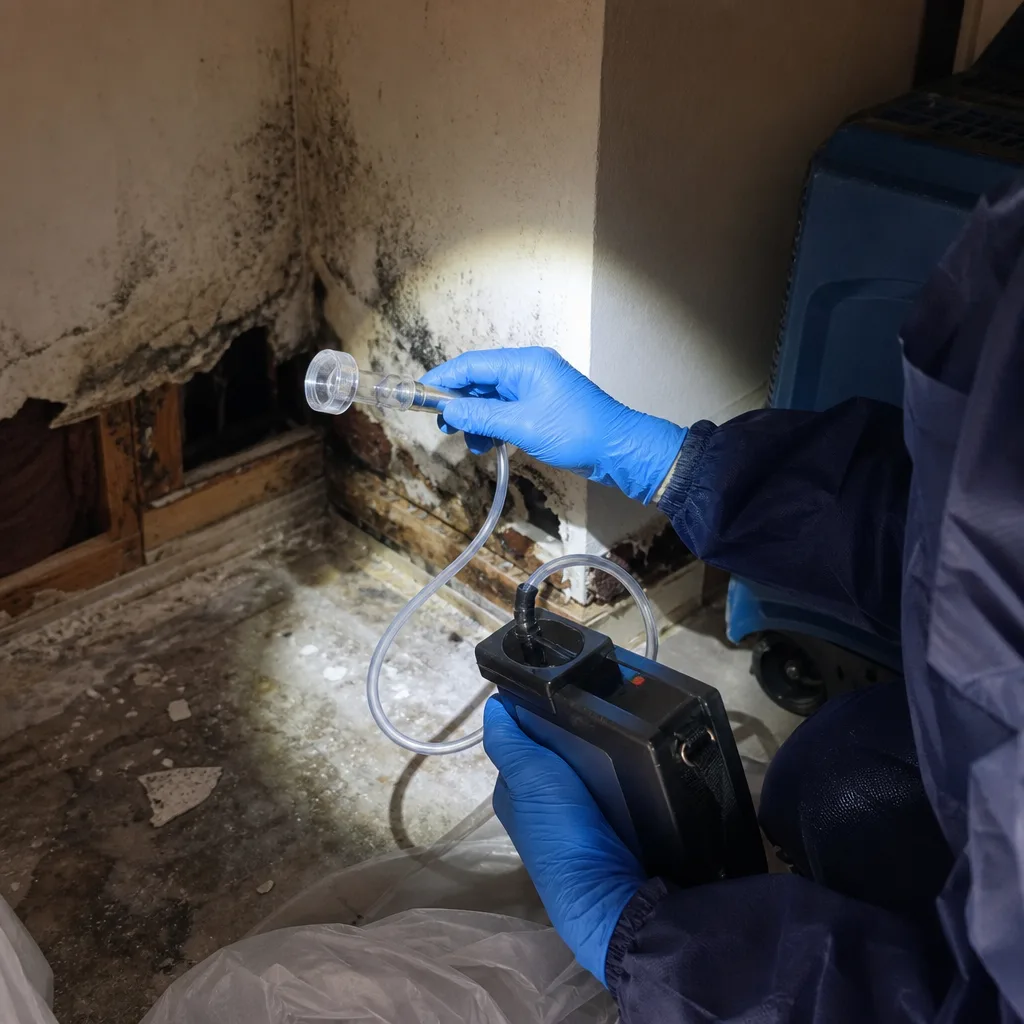
Mold Removal
Removal is controlled demolition under containment, not scrubbing with bleach. We remove non-salvageable drywall, insulation, carpet pad, and subfloor per IICRC S520, then treat remaining structural materials with EPA-registered antimicrobials. In Escondido’s older downtown homes with tight wall cavities, we use Injectidry systems to dry lath channels without tearing out entire walls.
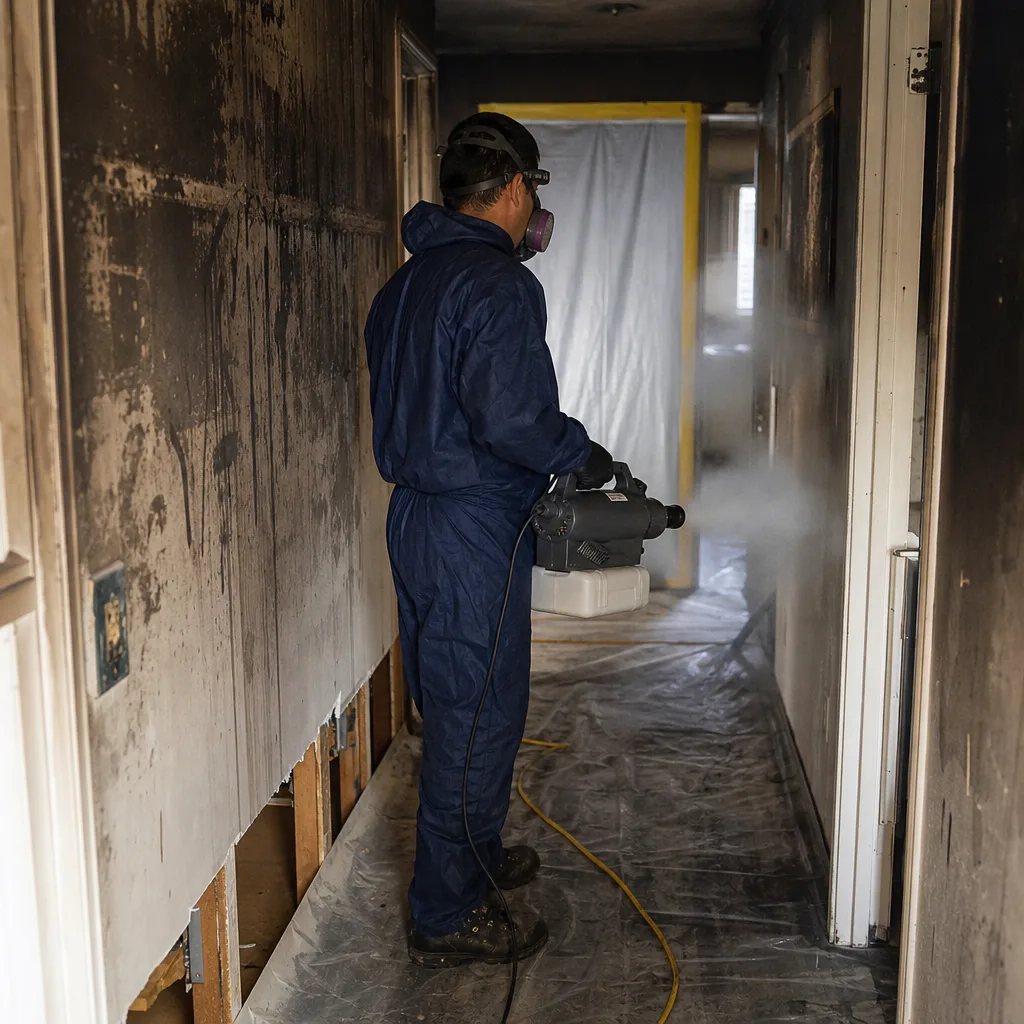
Black Mold Remediation
Stachybotrys chartarum and other toxigenic species require enhanced containment, PAPR respirators for technicians, and strict disposal protocols. We don’t assume species from color - we test first, then build the containment protocol to match the hazard classification.
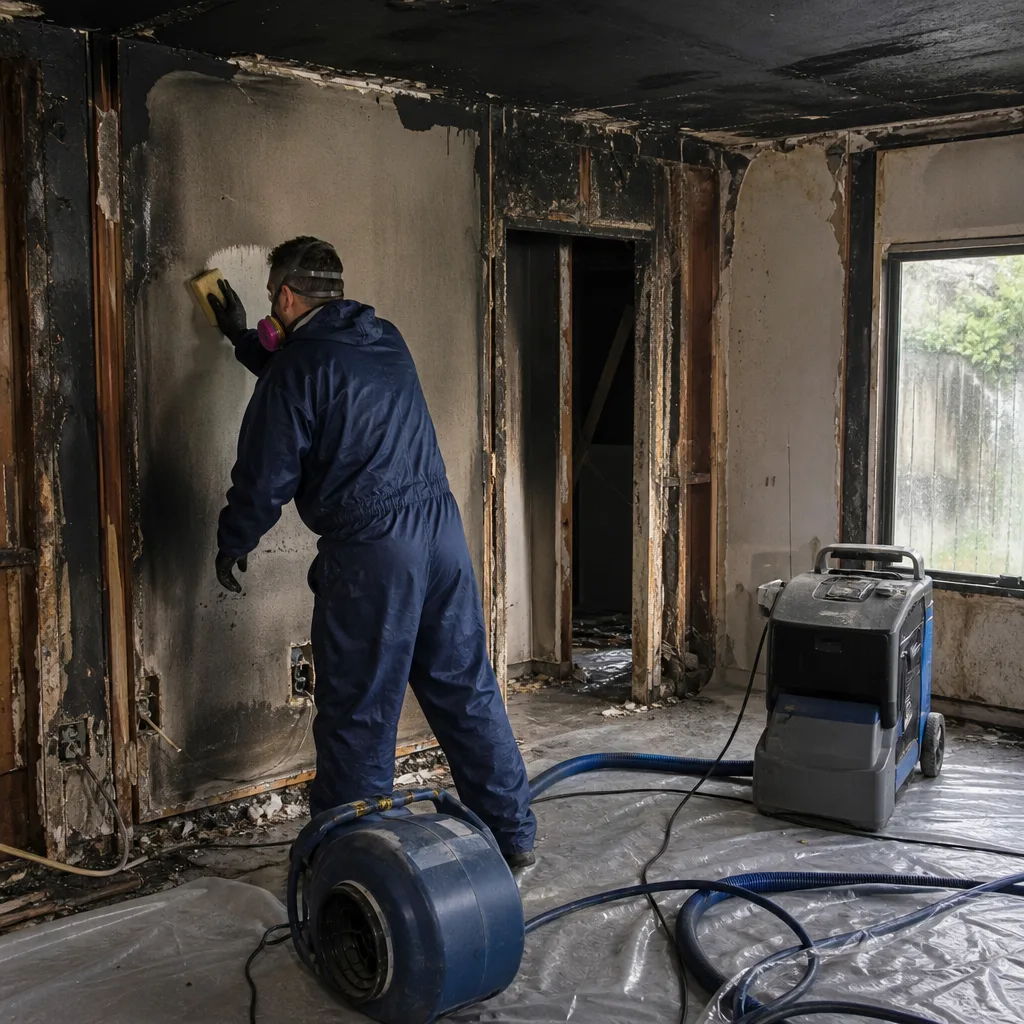
Air Quality Restoration
This is where Escondido’s wildfire pattern demands specialized protocol. After smoke infiltration, we perform full HVAC decontamination: coil cleaning, duct brushing, register removal and treatment, and HEPA filtration until particulate counts normalize. Then we address the moisture that ash trapped. Air quality restoration without moisture control is temporary.
Crawl Space Treatment
Escondido’s older homes and creek-adjacent properties often have vented crawl spaces that become moisture reservoirs. We install vapor barriers, seal vents where appropriate, and deploy dedicated dehumidification. In central tract homes with corroded galvanized lines, we coordinate with licensed plumbers to replace failing pipes before mold returns.
What happens when you call
- 1
A real person answersNo phone trees - you reach a local pro.
- 2
You get an upfront price rangeHonest numbers before anyone is dispatched.
- 3
A background-checked tech heads outLicensed & insured, dispatched right away.
- 4
You approve before work beginsNothing starts until you say go.
Mold Remediation Costs in Escondido, CA
Here’s what mold remediation actually costs in the Escondido market, based on jobs we’ve scoped and completed:
| Service | Typical Range in Escondido |
|---|---|
| Mold inspection & testing | $350-$650 |
| Contained area remediation (1 room, Category 1-2) | $1,800-$4,500 |
| Multi-room remediation with demolition (Category 2-3) | $5,500-$12,000 |
| Whole-home remediation with HVAC decontamination | $10,000-$22,000 |
| Crawl space treatment with vapor barrier | $3,500-$8,500 |
| Air quality restoration / smoke-infiltration protocol | $4,000-$9,500 |
What moves the price: square footage of colonization, whether containment requires sequential zones in tight spaces, if asbestos or lead testing is needed in pre-1978 homes, and whether HVAC systems require full decontamination. Insurance typically covers mold remediation when the moisture source is a covered peril - sudden pipe failure, fire suppression water, or storm intrusion - but not long-term maintenance issues like a leaking shower pan neglected for years. We provide a written scope before work begins, every time, with no additions once the crew is inside. Haven Standard, Clause 1.
We Also Serve Cities Near Escondido
Our crews respond throughout northern San Diego County, including San Marcos to the west, Poway to the southwest, Valley Center to the north, and Vista to the northwest. Each community has distinct housing stock and loss patterns, and we adjust our protocols accordingly.
Serving Escondido, CA - Our Local Coverage Area
We’re based in the Escondido area and know this community well. Use the map below to see our service coverage - if you’re nearby, we can almost certainly help.
Escondido Mold Remediation Questions, Answered
Does Escondido’s wildfire smoke season actually cause mold, or is it just an odor problem?
Smoke season causes mold when ash clogs attic vents and HVAC coils, trapping condensation that breeds microbial growth in insulation and ductwork. The odor gets attention first, but the moisture problem persists. After a hillside fire between Escondido and Ramona, we ran moisture mapping in a 1970s tract home near Harmony Grove Road and found elevated readings in attic insulation where fine ash had blocked ventilation. We set containment, performed antimicrobial treatment and full HVAC decontamination, then used Dri-Eaz and Phoenix dehumidification with air movers to complete structural drying, logging daily moisture readings. The homeowner never saw a flame. Call (858) 683-1768 if you smell smoke after a fire - we’ll check for moisture, not just odor.
Why do mold problems show up in Escondido’s older downtown homes long after a leak is fixed?
Plaster-and-lath walls in 1920s-1950s homes wick water horizontally through concealed channels, so surface drying misses the moisture trapped behind. We see this regularly in the downtown core between Grand Avenue and Washington Avenue. Mold appears weeks or months later when humidity rises. Proper remediation requires moisture mapping through the full wall assembly, not just visible surfaces. Call (858) 683-1768 for inspection if you see staining or smell mustiness in an older home.
How does a canyon-rim home near Harmony Grove Road differ from a central Escondido tract home for mold work?
Canyon-rim homes face smoke-infiltration moisture from wildfires in surrounding chaparral, not plumbing failures. Central tract homes near El Norte Parkway have original galvanized supply lines corroded by hard water, producing slab leaks and wall cavity spraying. The inspection protocol differs: canyon-rim jobs start with attic and HVAC moisture mapping; central jobs start with pressure testing and leak detection. Both get written scopes before work begins. Call (858) 683-1768 and we’ll route the right protocol.
What does containment actually involve during Escondido mold remediation?
Containment is a sealed workspace under negative air pressure, built with 6-mil polyethylene sheeting and maintained by HEPA air scrubbers exhausting to the exterior. In tight downtown homes with limited access, we construct smaller sequential zones rather than one large enclosure. This prevents spore migration to unaffected areas during demolition. Every containment setup is photographed and logged. Call (858) 683-1768 for a free inspection and we’ll show you the specific containment plan for your property.
How do we know when Escondido Creek flooding turns into a mold job?
Floodwater becomes a mold job when materials stay above 16% moisture content for more than 48 hours. After creek flooding, we measure subfloors, wall cavities, and crawl spaces with calibrated meters, then log daily readings until dry standard is reached. Silt-laden water from Escondido Creek also carries Category 2 or 3 contamination, requiring antimicrobial treatment regardless of visible mold. If your property took water near the creek corridor, call (858) 683-1768 for moisture mapping - don’t wait for visible growth.
How fast can you get to my Escondido property?
We typically arrive within 45 minutes of your call, 24 hours a day, 7 days a week. A live person answers every call - no voicemail trees. Crews dispatch from our San Diego office and serve Escondido directly. The first hour of mold response is about stopping moisture migration and establishing containment before colonization spreads. Call (858) 683-1768 now and we’ll give you an exact ETA.
Will my insurance cover mold remediation?
Insurance covers mold when the moisture source is a sudden, accidental covered peril - burst pipe, fire suppression water, storm intrusion - but typically excludes long-term maintenance issues like slow leaks or poor ventilation. We document the loss from hour one, produce photo records and drying logs, and coordinate directly with your adjuster. Our documentation package is built to turn restoration invoices into payable claims. Call (858) 683-1768 and we’ll review your coverage specifics during the free inspection.
Can we stay in the home during mold remediation?
For contained, single-room Category 1 remediation, occupants often remain with the HVAC isolated from the work zone. For Category 2-3 jobs, multi-room work, or any toxigenic species, we recommend temporary relocation until clearance testing confirms safe reoccupancy. We coordinate this in the written scope before work begins - no surprises once the crew is inside. Haven Standard, Clause 1. Call (858) 683-1768 to discuss your specific situation.
Written by Alicia Brennan, Owner at DryMark Restoration Poway, serving Escondido since 2011.
Mold Remediation in Nearby Areas