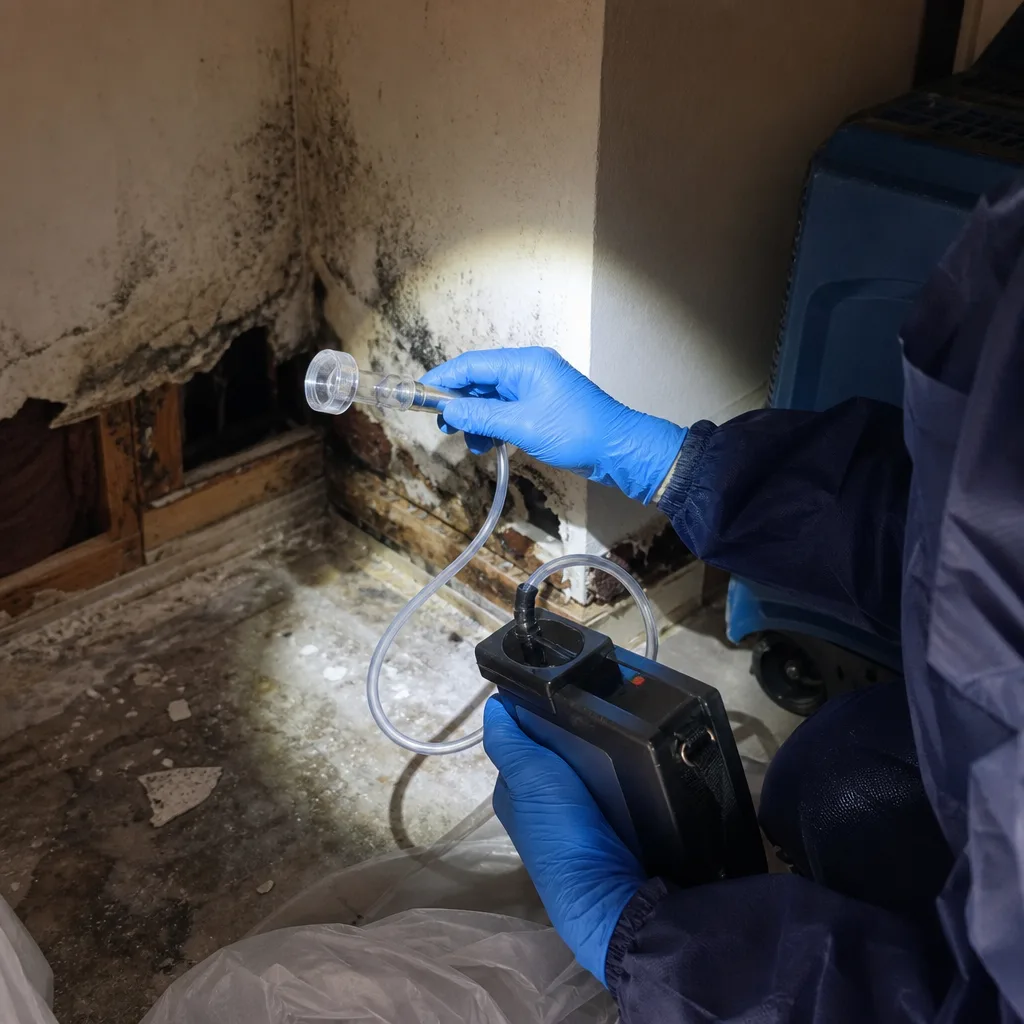
Free visual inspection and a written scope of work before any mitigation begins - photos, moisture readings, and drying logs go in your claim file
The scope we write is the scope we bill. Anything new gets shown to you, in writing, before we touch it.
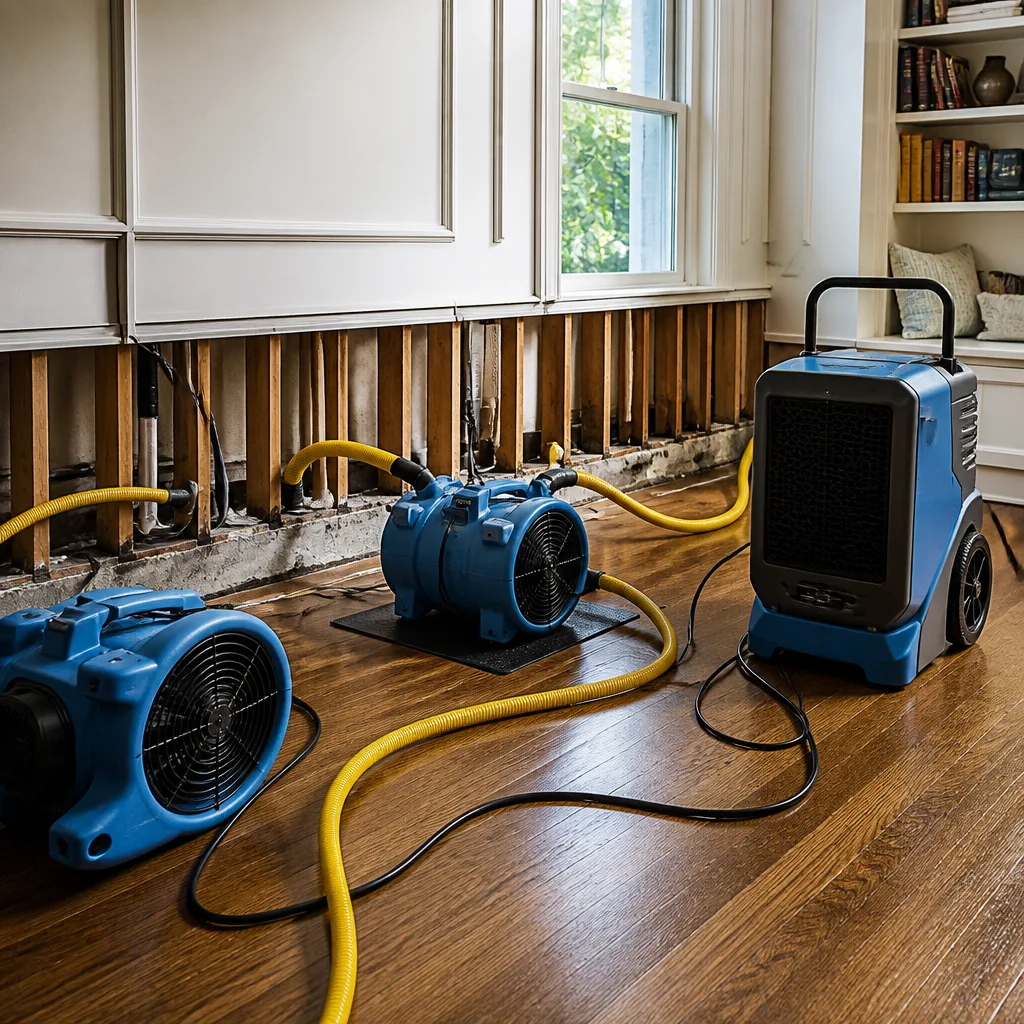
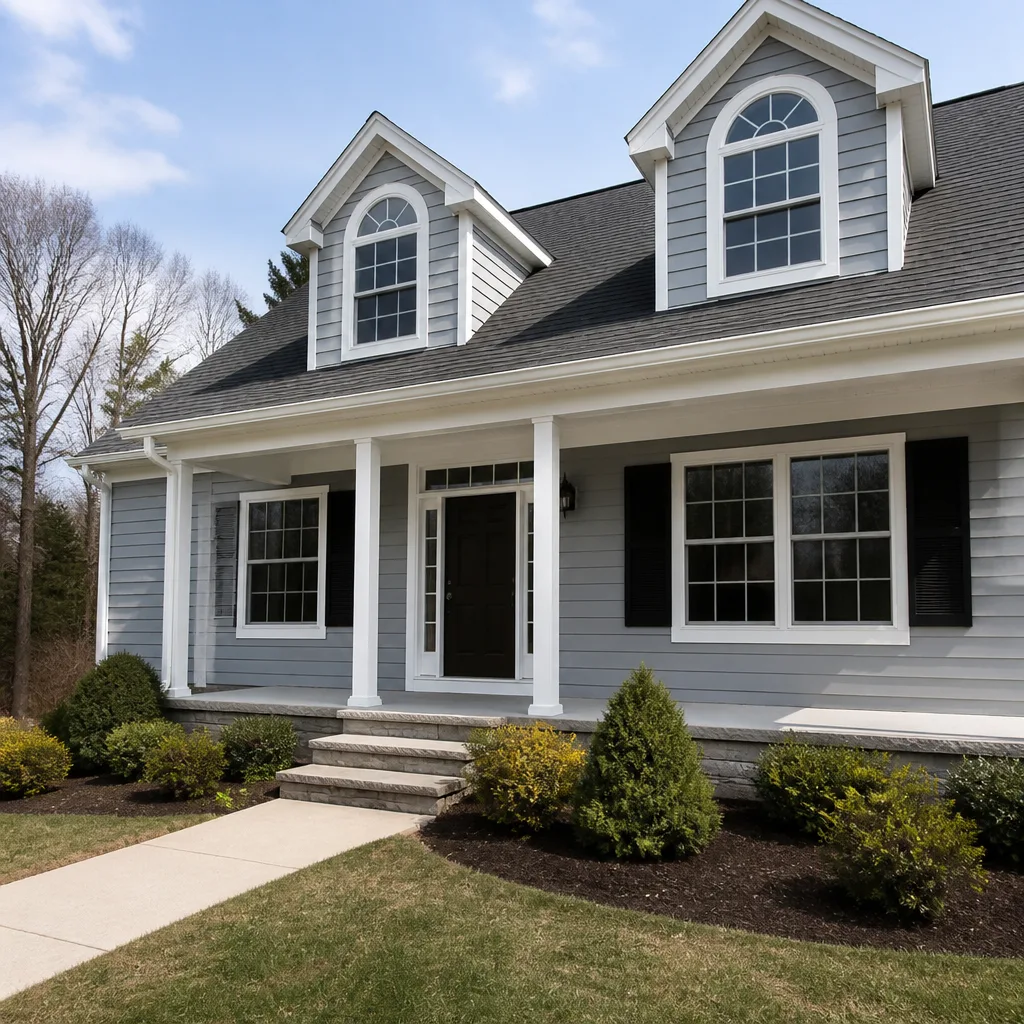
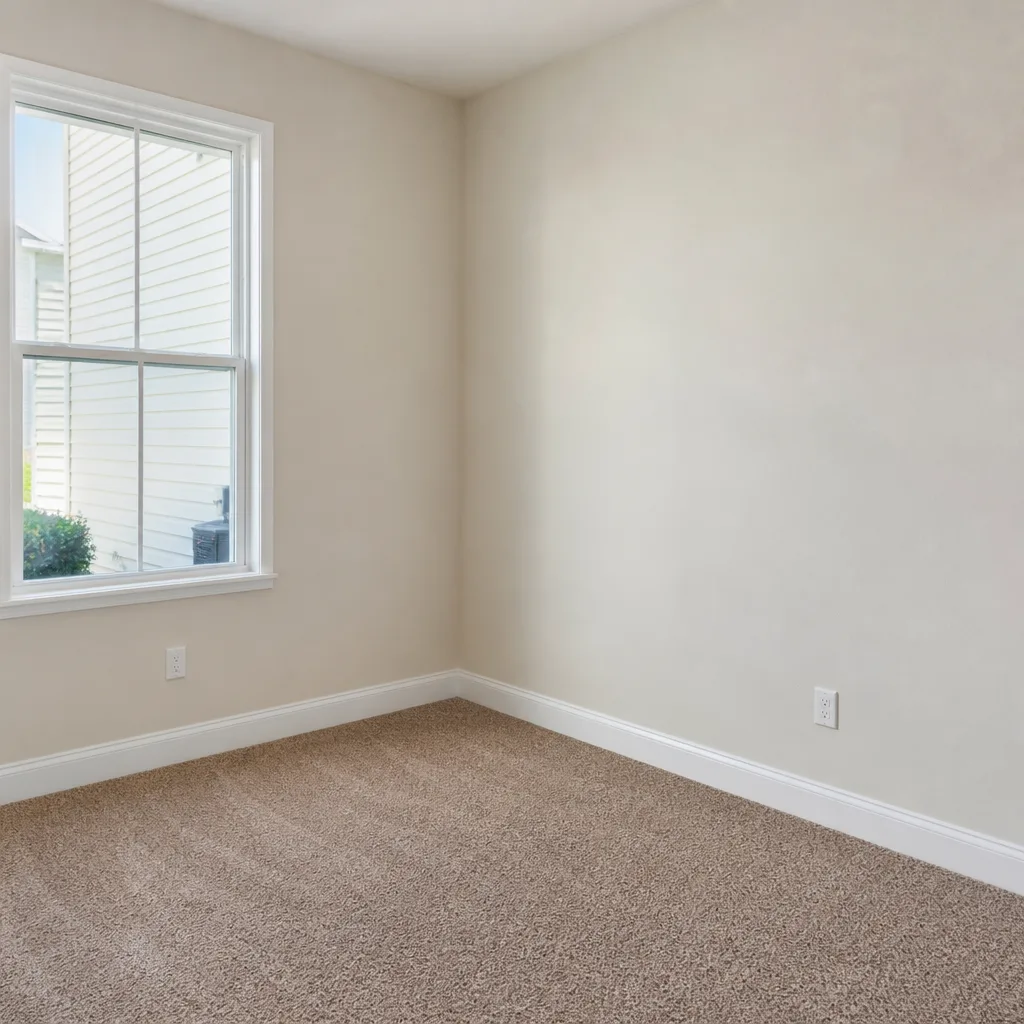

 Before
 After
After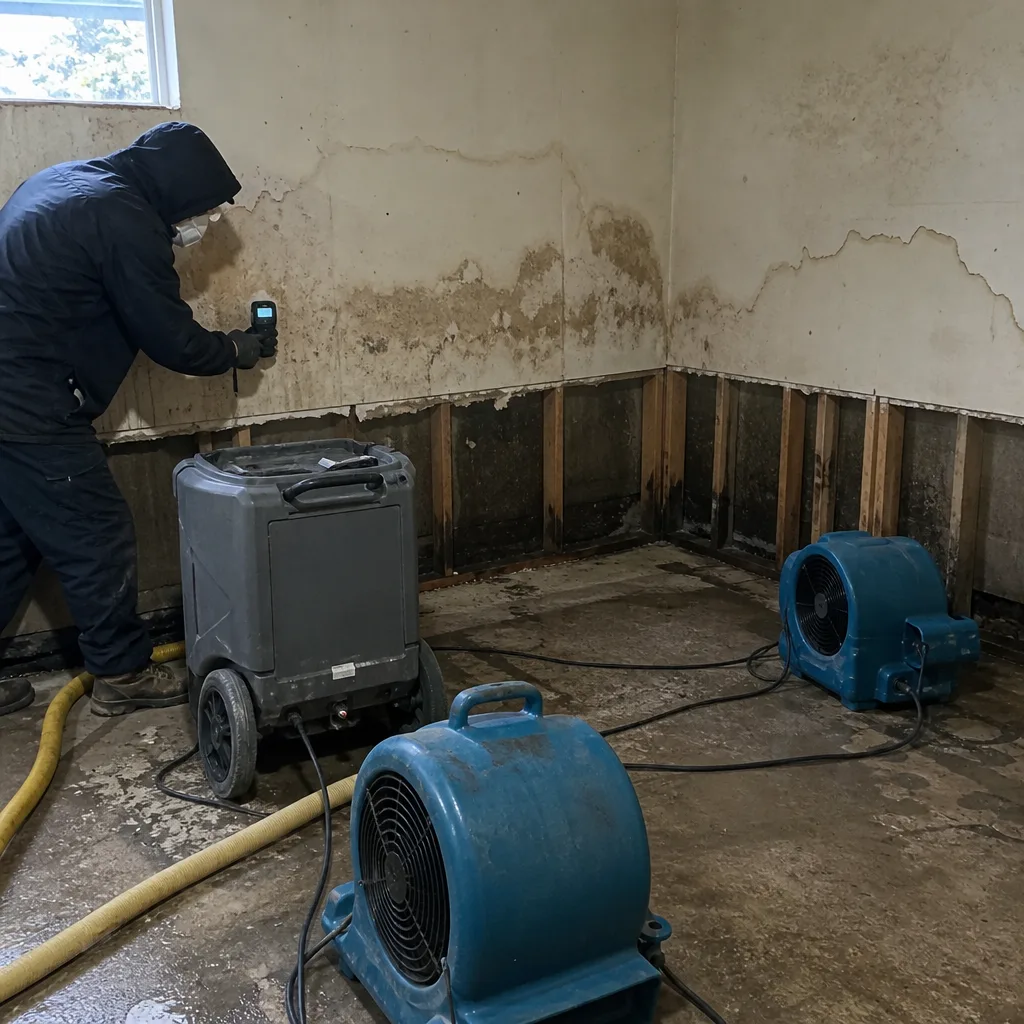 Before
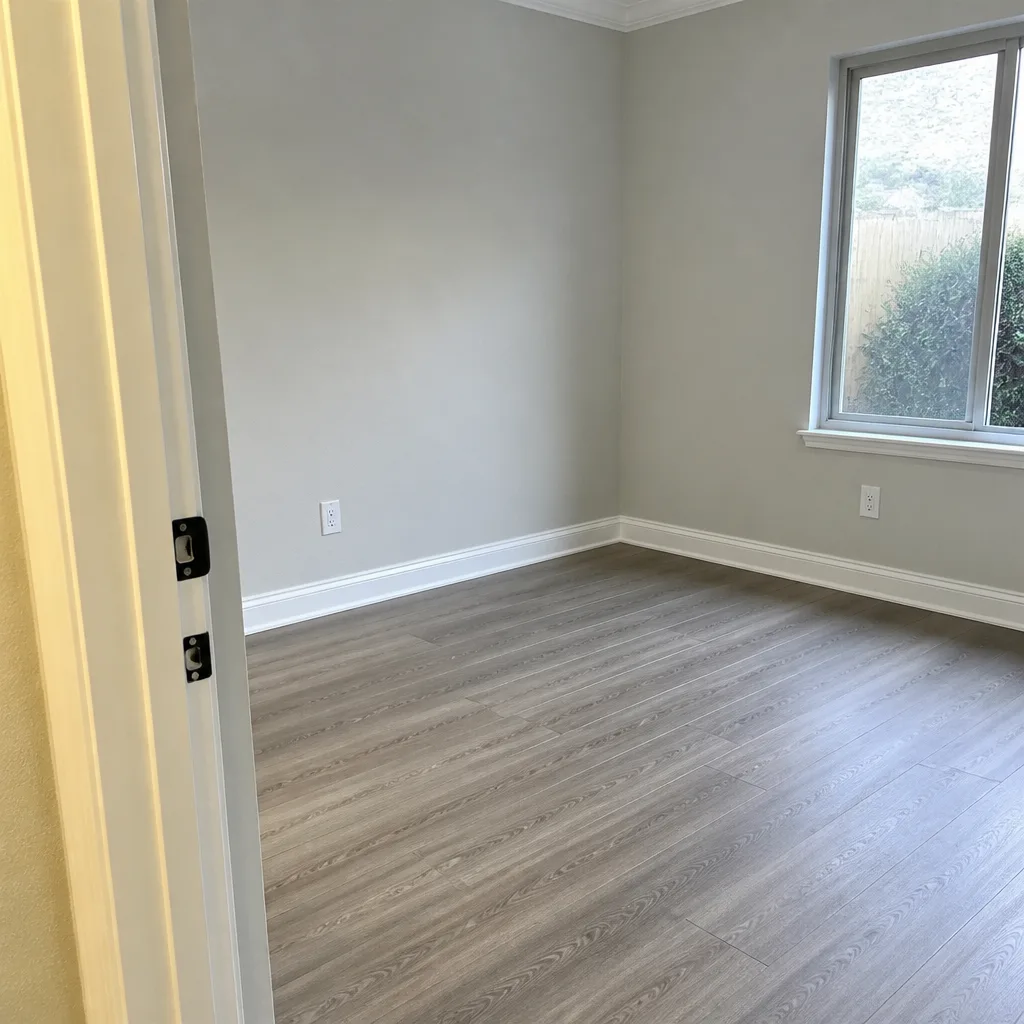 After
After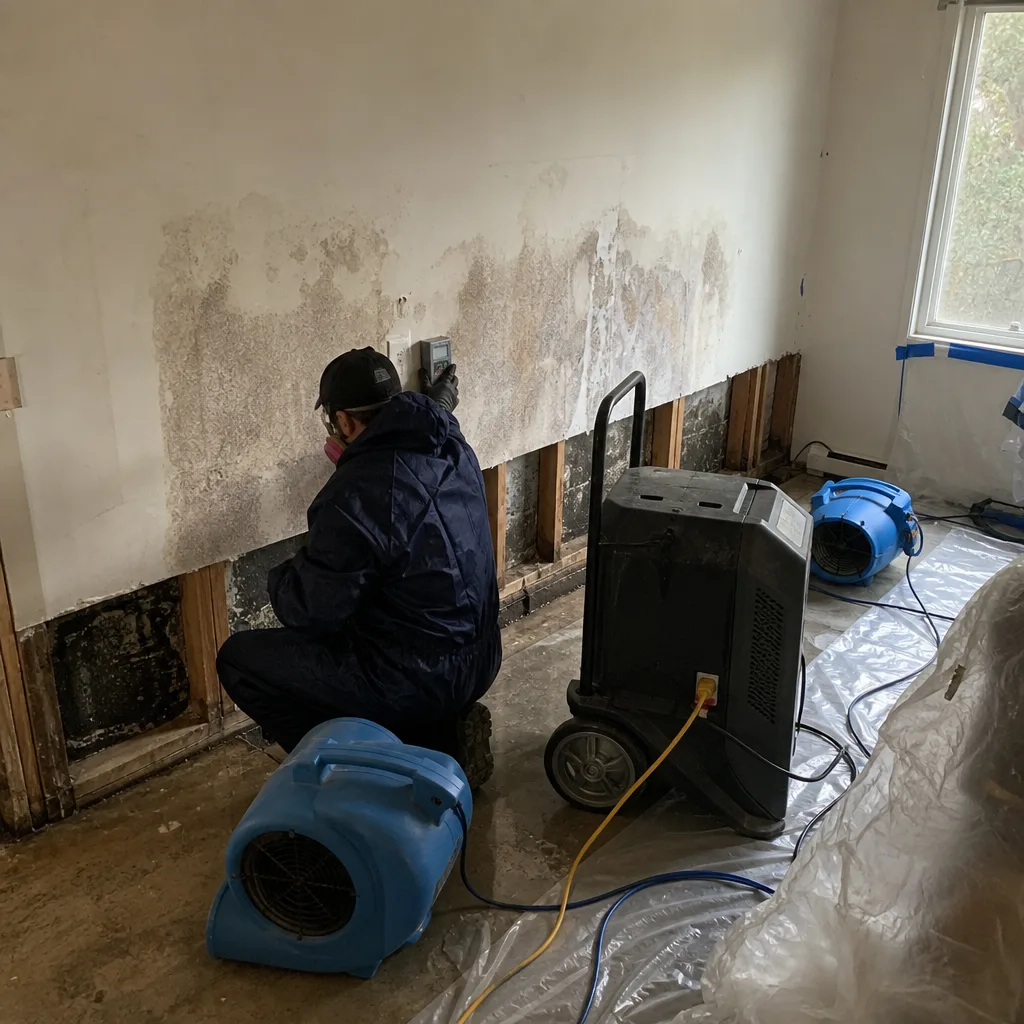 Before
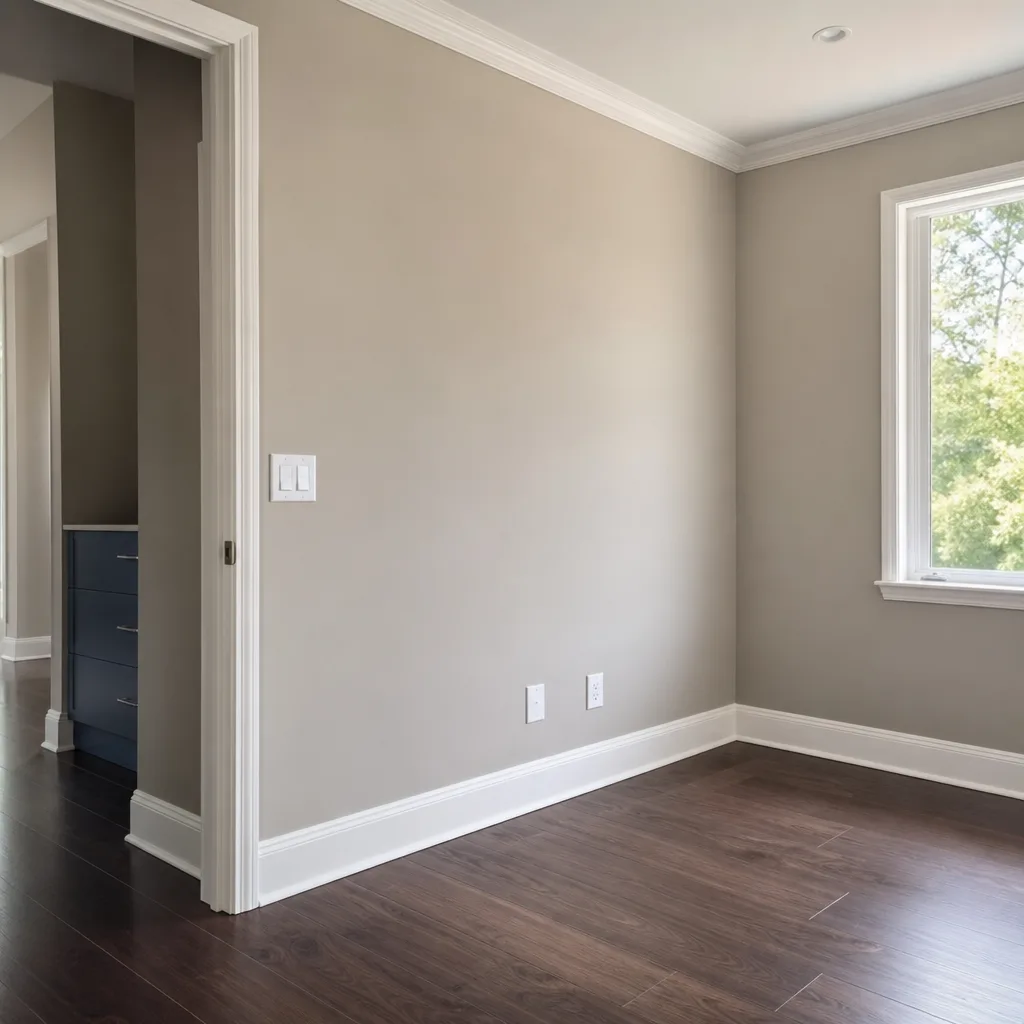 After
After24/7 Emergency Mold Remediation in Vista
Mold remediation in Vista typically costs $1,800-$6,500 depending on affected square footage and whether the growth is contained to a single wall cavity or has spread through subflooring and HVAC systems. Most Vista jobs we handle start with a free visual inspection and written scope the same day, with containment and removal beginning within hours for active infestations. Call (858) 683-1768 now - a live person answers every call, 24 hours a day, 7 days a week, with crews dispatched from our San Diego office to serve Vista locally.
The first 48 hours after water intrusion are when mold colonizes drywall, framing, and insulation. In Vista’s 1960s-1980s stucco tract homes, that timeline compresses further - hairline cracks from decades of Santa Ana thermal cycling create hidden pathways that keep wall cavities damp long after surface water appears dry. Waiting even one extra day can turn a contained $2,200 remediation into a whole-room $5,800 rebuild with HVAC decontamination.
Understanding Mold Remediation Severity in Vista Properties
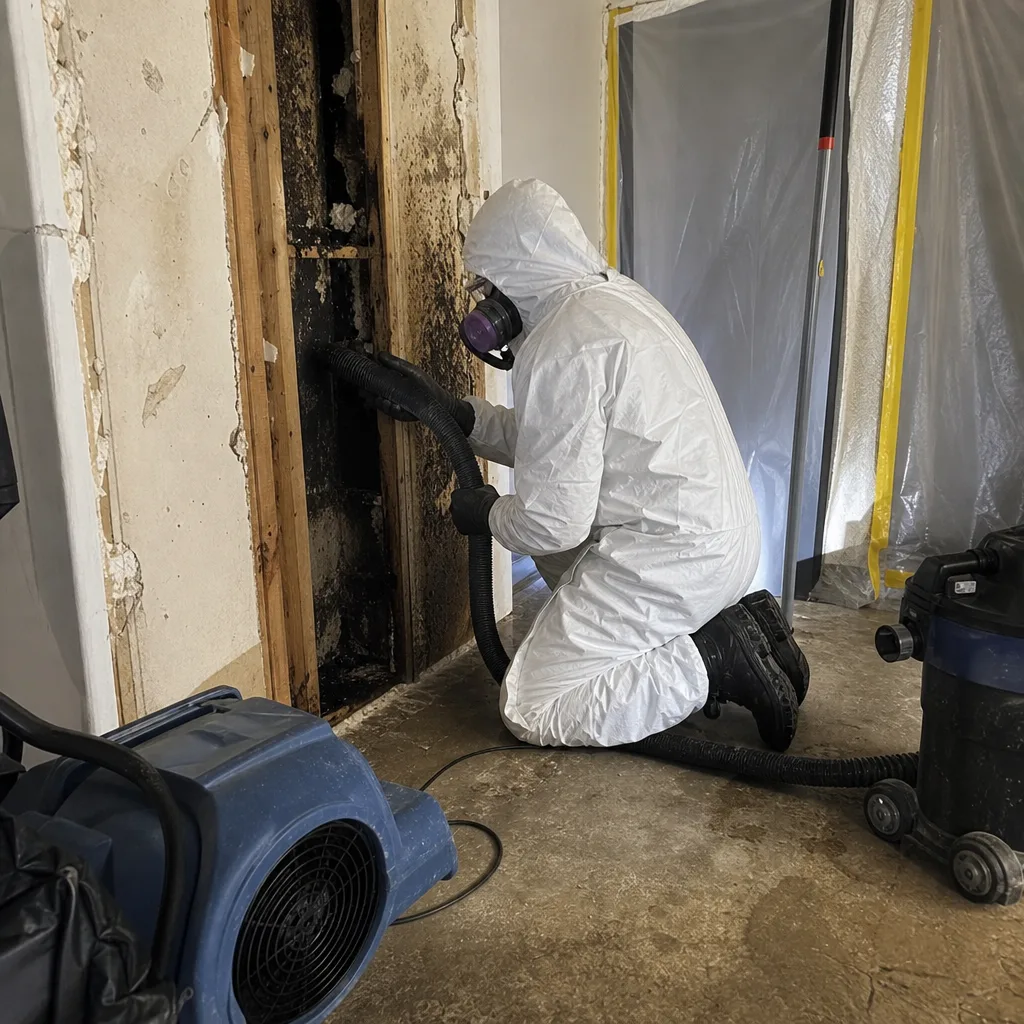
Mold damage in Vista falls into three severity tiers, each requiring different containment protocols and equipment deployment. Limited growth - under 10 square feet in a single, accessible area - responds to localized containment with 6-mil polyethylene barriers, negative air pressure from HEPA scrubbers, and direct removal of affected drywall or insulation. Our Mold Remediation team sees this pattern in newer Vista additions and well-maintained homes with prompt leak repair.
Moderate growth - 10 to 100 square feet, often spanning multiple wall cavities or involving subflooring - demands full-room containment, air scrubbing at 4-6 air changes per hour, and systematic deconstruction to trace moisture pathways. This is the most common category we encounter in Vista’s original tract housing off streets like Sycamore Avenue and Shadowridge Drive, where stucco cracks and failed flashing have allowed chronic water intrusion.
Extensive growth - over 100 square feet, HVAC contamination, or crawl-space saturation affecting structural framing - requires whole-house negative pressure, sealed HVAC ductwork, and coordination with structural drying specialists using Injectidry cavity-drying systems and Phoenix or Dri-Eaz dehumidifiers. Vista’s canyon-adjacent neighborhoods, where 1970s flat-graded lots back onto natural drainage ravines, produce these severe cases repeatedly after atmospheric river events.
Why Vista Property Owners Choose DryMark Restoration Poway
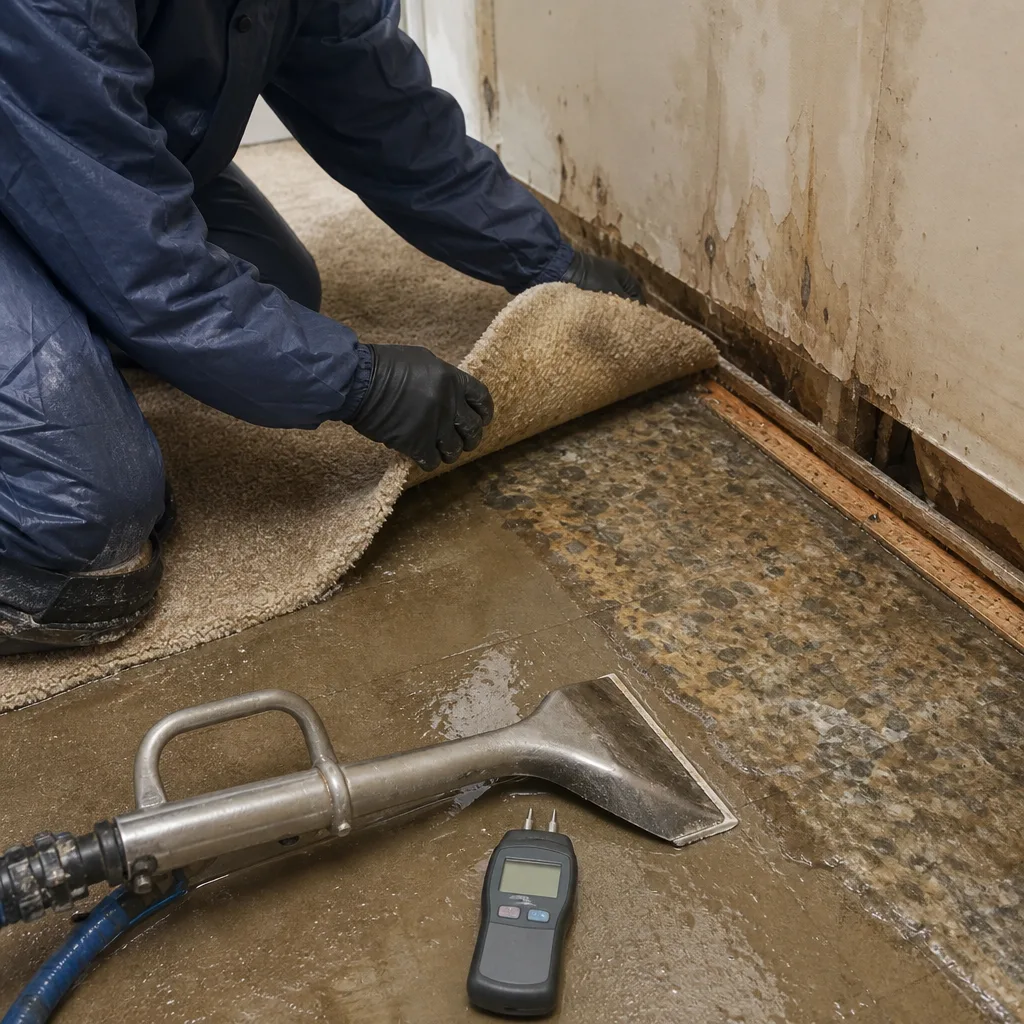
- 45-minute response commitment to Vista addresses - our crews are staged for the inland corridor and understand the stem-wall and crawl-space access patterns specific to 1960s-1980s tract construction.
- 24/7 live answer - a real person, never an automated system or voicemail tree, picks up every call to (858) 683-1768 because mold doesn’t wait for business hours and neither do we.
- IICRC-certified crews - our technicians hold AMRT (Applied Microbial Remediation Technician) and WRT (Water Damage Restoration Technician) certifications, with license numbers documented on every job file.
- Free visual inspection - we arrive, assess, and deliver a written scope with line-item pricing before any work begins, per Haven Standard, Clause 1.
- Direct insurance billing - we photograph every room, log moisture readings, and coordinate directly with your adjuster so your claim documentation is complete before the carrier’s field inspector arrives.
- One team from containment to reconstruction - the same crew that sets your containment and removes mold-damaged materials handles the structural drying, antimicrobial treatment, and final build-back, eliminating handoff gaps that let moisture linger.
 Before
 After
AfterOur Mold Remediation Process
Inspection & Assessment
We start with moisture mapping using thermal imaging and penetrating hygrometers, not surface readings that miss cavity moisture. In Vista’s stucco homes, we specifically trace the thermal-cycling crack patterns that create hidden water pathways behind apparently dry drywall.
Containment & Air Scrubbing
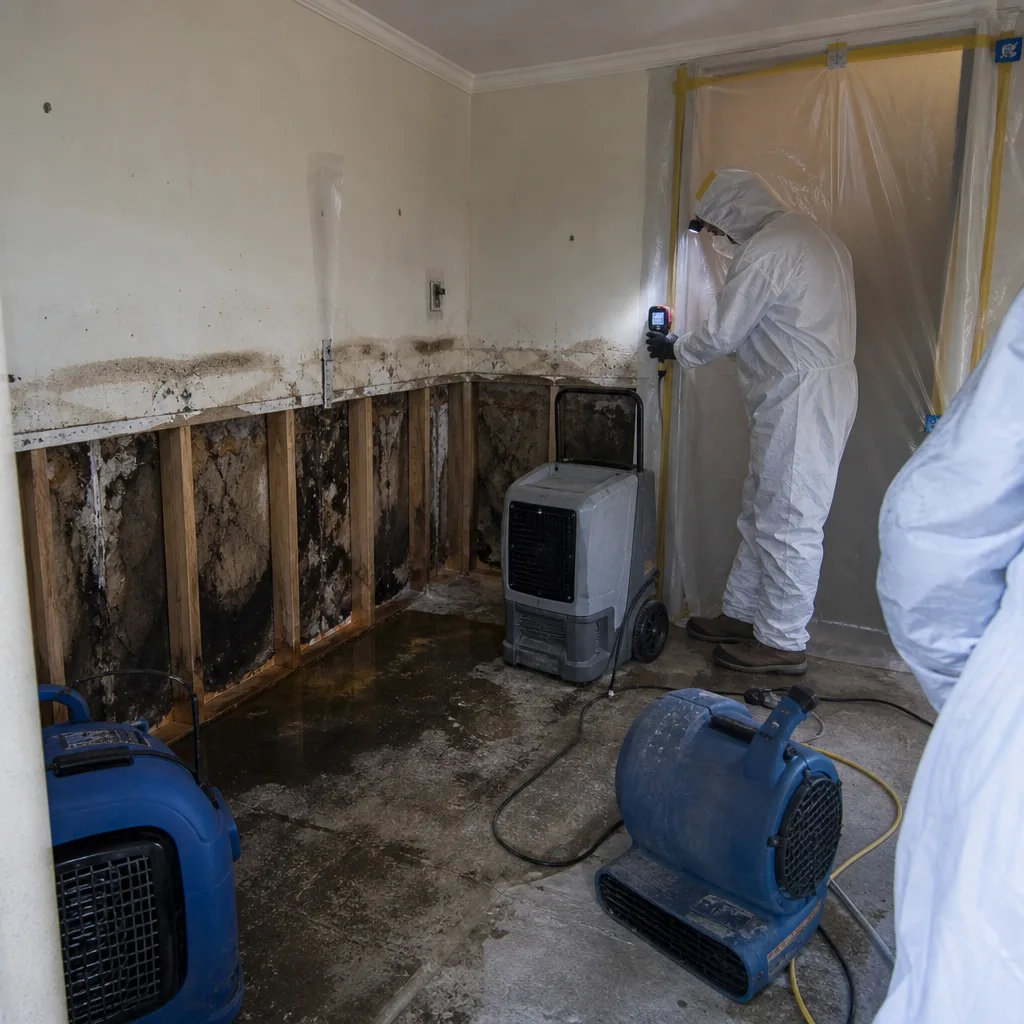
We establish polyethylene containment barriers and negative air pressure with HEPA scrubbers before disturbing any mold-affected materials. This prevents cross-contamination to unaffected areas, critical in Vista’s older homes with shared wall cavities and minimal fireblocking.
Structural Drying & Cavity Treatment
We deploy Injectidry interwall drying systems, Dri-Eaz and Phoenix dehumidifiers, and targeted air movers to reduce moisture content in framing and sheathing to below 16% wood moisture equivalent. Daily psychrometric data - temperature, relative humidity, vapor pressure differential - is logged and delivered to your insurer.
Antimicrobial Cleaning & HEPA Vacuuming
All affected surfaces receive antimicrobial treatment followed by HEPA vacuuming at 99.97% efficiency at 0.3 microns. We clean beyond the visible mold line, treating the full water-damaged perimeter to address spore settlement that precedes visible growth.
Crawl Space & Subfloor Remediation
For Vista’s canyon-adjacent homes with recurring crawl-space saturation, we install vapor barriers, address drainage deficiencies, and treat structural framing with borate-based preservatives. This is where we break the recurrence cycle that standard surface remediation misses.
Clearance Testing & Restoration
We bring in third-party clearance testing to verify airborne spore counts return to ambient levels before containment removal. Then our reconstruction team repairs drywall, flooring, and trim to match existing finishes, documented with photo records at every stage.
Need Emergency Mold Remediation in Vista Now?
Crews minutes away, answering live 24 hours a day. The sooner we start, the less it costs.
Working With Your Insurance Company
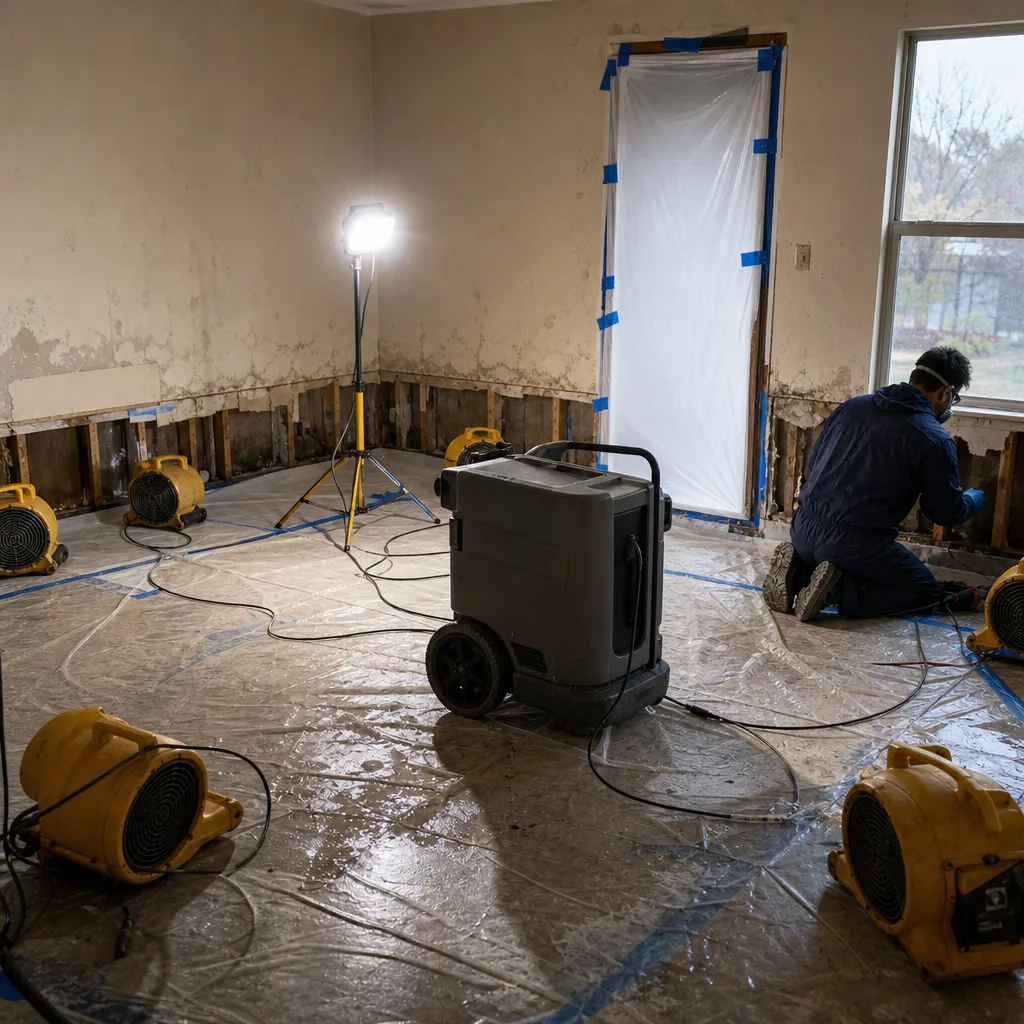
Mold claims succeed or fail on documentation quality, and we built our process around that reality. From the first hour on site, we photograph every affected room, record moisture readings with make, model, and calibration date of each instrument, and maintain daily drying logs that track psychrometric conditions against IICRC S520 standards for microbial remediation.
Our estimates follow industry-standard Xactimate pricing updated for San Diego County labor and material rates. We communicate directly with your adjuster, providing the photo documentation, moisture logs, and line-item scope that turn a questioned invoice into a paid claim. Alicia Brennan founded Back to Dry Restoration in 2011 after years as a claims adjuster watching homeowners lose coverage over documentation gaps - that origin shapes every file we build.
What We Provide Your Insurer
- Thorough documentation of the loss
- Photos of all damage, room by room
- Moisture readings and drying logs
- A detailed, line-item scope of work
- Direct coordination with your carrier
Built for Vista’s Loss Calendar
Vista’s mold season doesn’t follow a simple calendar - it follows the Santa Ana-to-atmospheric-river whiplash that defines this inland corridor. August through October brings desiccating Santa Ana winds with relative humidity plunging below 10% for days at a stretch. That extreme dryness cracks stucco, separates tile-roof mortar beds, and degrades roofing underlayment on homes whose envelopes have already endured forty to sixty years of thermal cycling.
Then November through March delivers concentrated atmospheric river rainfall on compromised building envelopes. The same hairline cracks that opened in the dry season become water injection points. Canyon-adjacent neighborhoods - particularly those off streets like Foothill Drive and around the Shadowridge area - see stem walls and crawl spaces flood as runoff from natural drainage ravines overwhelms 1970s grading that never included modern positive drainage.
April through June brings the secondary mold surge: homeowners discover growth that colonized during winter rains but was masked by dry surface conditions, or they find recurrence at addresses where prior remediation addressed visible mold but missed the envelope cracks that keep re-wetting wall cavities. This is Vista’s unique pattern, and it’s why we emphasize moisture mapping over surface inspection on every job.
Mold Remediation Across Vista’s Neighborhoods
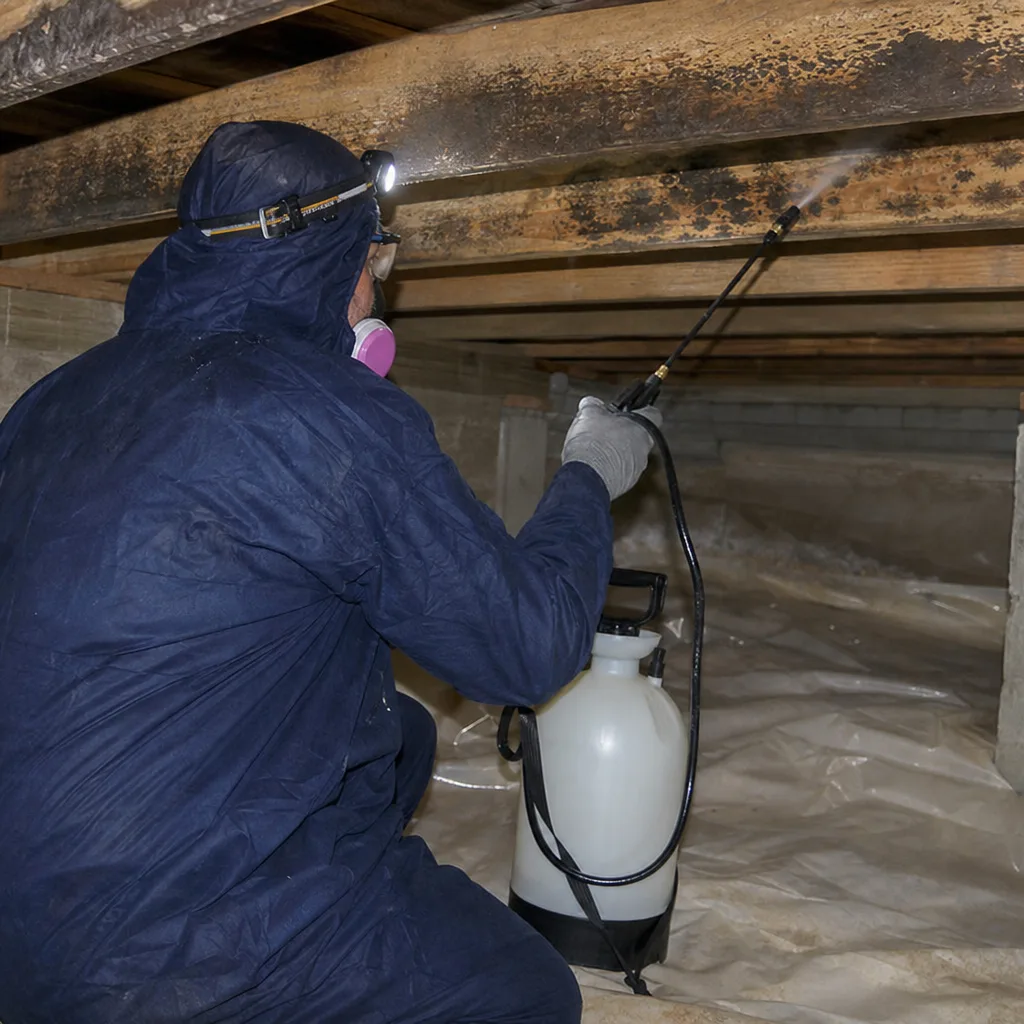
Shadowridge and the surrounding hillside tracts present a specific challenge: homes built into slopes with walkout basements and partial daylight foundations. The thermal cycling here is severe, and the below-grade walls develop crack networks that channel water from saturated uphill soil directly into finished basement spaces. We regularly deploy Injectidry systems in these homes to dry the cavity without full deconstruction of finished interiors.
The central Vista corridor along Santa Fe Avenue and the streets radiating from it contains some of the city’s oldest 1960s stucco tracts, many with original composition shingle roofs now past their service life. These homes show a predictable failure sequence: failed flashing at roof-wall intersections, water tracking down sheathing, and mold colonization in exterior wall cavities that appears first as bubbling paint or warped baseboards. Our thermal imaging catches this pattern before visible mold spreads to interior rooms.
Canyon-adjacent neighborhoods off Foothill Drive and similar streets backing onto the city’s natural drainage ravines produce the most severe recurring cases. We’ve returned to the same addresses after three consecutive atmospheric river seasons because prior remediation dried the crawl space but never addressed the fundamental drainage failure. Our crawl-space treatment protocol here includes vapor barrier installation, drainage assessment, and borate wood treatment - not just mold removal.
The manufactured home communities along Vista’s lower corridors present their own profile: smaller envelope volumes, different ventilation dynamics, and often limited access to subfloor spaces. Mold in these homes spreads faster due to compact construction, but containment and remediation can be more targeted when addressed promptly.
Specialized Mold Remediation Services We Offer in Vista
Mold Inspection & Testing
Our Vista inspections start with moisture mapping and thermal imaging, not guesswork. We use penetrating hygrometers to read actual wood moisture content in framing and sheathing, and we trace the thermal-cycling crack patterns specific to Vista’s inland stucco housing stock. Air sampling and surface testing are available when clearance documentation or health concerns require laboratory verification, but we never sell testing as a substitute for finding the actual moisture source.
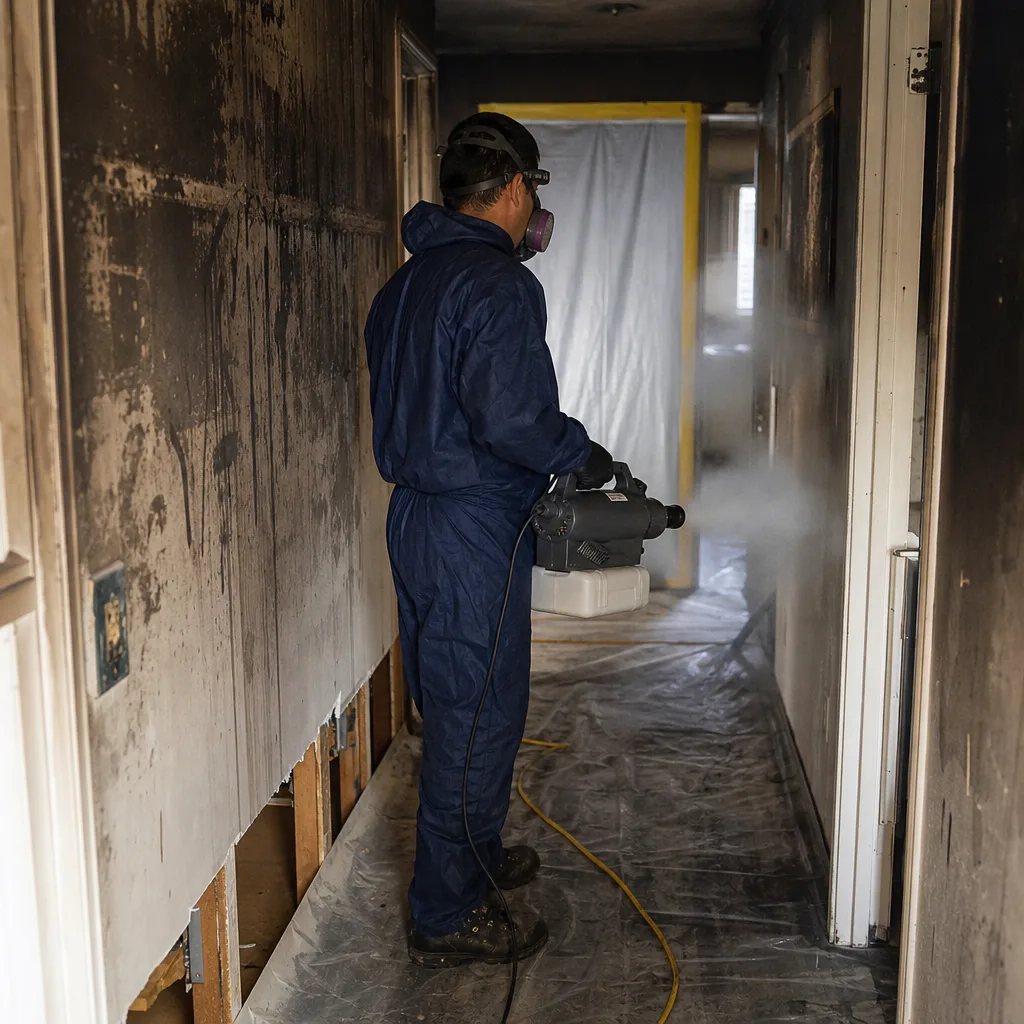
Mold Removal
We remove mold-damaged materials following IICRC S520 containment protocols, with negative air pressure and HEPA filtration protecting unaffected areas. In Vista’s older homes with minimal fireblocking and shared wall cavities, this containment discipline is essential - sloppy remediation here spreads spores through the entire structure.
Black Mold Remediation
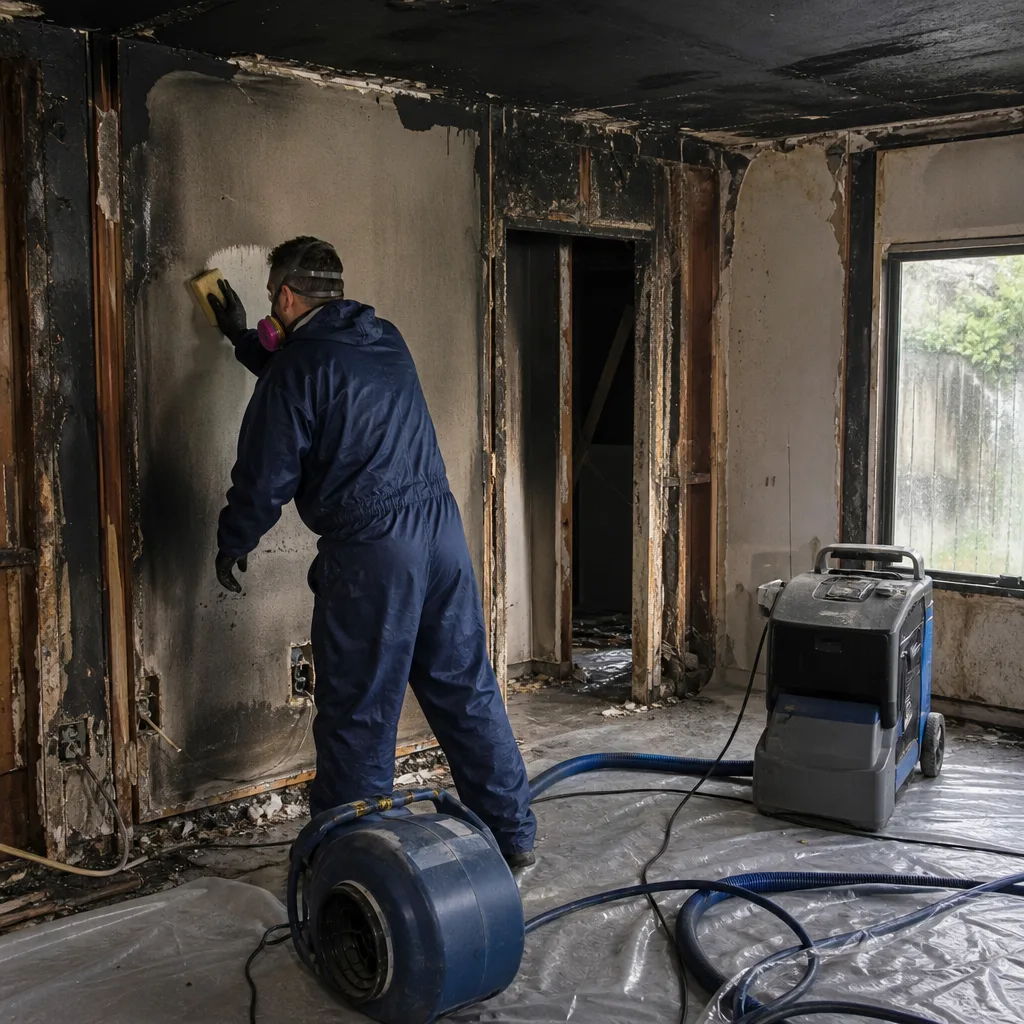
Stachybotrys chartarum and other toxigenic species require enhanced containment and specialized antimicrobial protocols. We treat these cases with full-room negative pressure, sealed HVAC ductwork, and personnel protective equipment documented to RIA standards. If laboratory confirmation of species is needed, we coordinate sampling and chain-of-custody documentation.
Air Quality Restoration
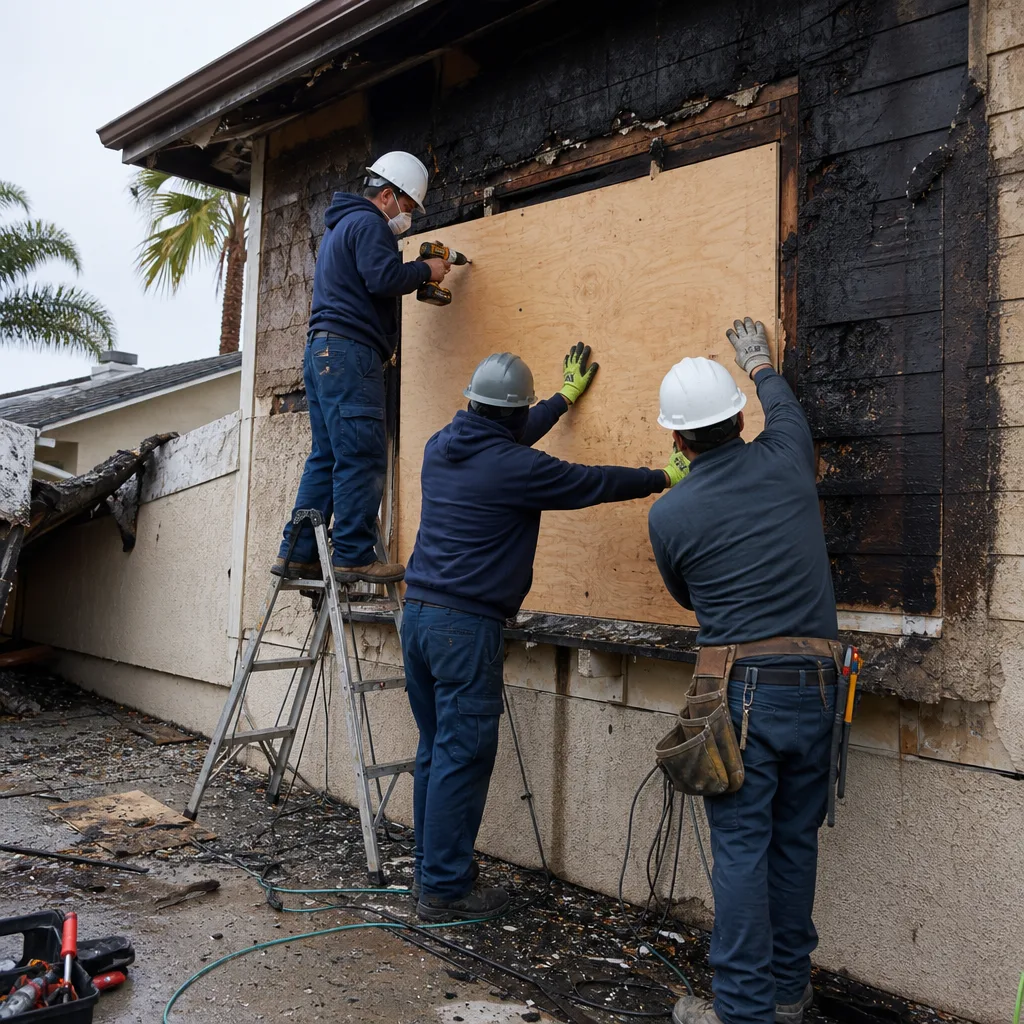
Mold remediation isn’t complete when visible growth is gone - it’s complete when airborne spore counts return to ambient levels. We bring in third-party clearance testing with laboratory analysis, and we clean and treat HVAC systems when spore migration through ductwork is suspected. This is standard on our Vista jobs, not an upsell.
Crawl Space Treatment
Vista’s canyon-adjacent 1970s lots make this our most critical sub-service. We remove contaminated vapor barriers, treat structural framing with borate preservatives, install new 6-mil or heavier vapor barriers sealed at seams and piers, and assess drainage deficiencies that drive recurring saturation. Without this envelope-level intervention, the same mold returns after the next atmospheric river.
Moisture & Humidity Control
We install permanent dehumidification and ventilation solutions for Vista homes with chronic moisture issues - typically crawl-space exhaust systems, sealed crawl-space conditioning, or whole-house dehumidifier integration. These systems are specified with written performance targets and monitored with hygrometer data.
What happens when you call
- 1
A real person answersNo phone trees - you reach a local pro.
- 2
You get an upfront price rangeHonest numbers before anyone is dispatched.
- 3
A background-checked tech heads outLicensed & insured, dispatched right away.
- 4
You approve before work beginsNothing starts until you say go.
Mold Remediation Costs in Vista, CA
A typical contained mold removal in Vista - limited growth in a single bathroom or closet, no HVAC involvement - runs $1,800-$2,800. Moderate remediation spanning multiple wall cavities or involving subflooring in a single room generally falls between $3,200-$5,200. Extensive whole-house cases with crawl-space saturation, HVAC decontamination, and reconstruction start around $5,800 and can exceed $12,000 for severe structural involvement.
What moves the price: affected square footage, whether containment requires full-room or whole-house negative air pressure, the need for HVAC duct cleaning and sealing, crawl-space access difficulty, and whether reconstruction is included or handled separately. Insurance typically covers mold remediation when it results from a covered water loss - burst pipe, storm intrusion, appliance failure - but may exclude long-term maintenance-related growth. We review your policy language and document the loss origin to support coverage arguments.
Every Vista job starts with a free visual inspection and written scope with line-item pricing before work begins, per Haven Standard, Clause 1. No exceptions. Bring a competitor’s written estimate and we’ll provide a free second opinion.
We Also Serve Cities Near Vista
Our crews respond throughout North County San Diego from our San Diego office, with regular service to Vista and surrounding communities including San Marcos, Carlsbad, Encinitas, and Escondido. Each city’s building stock and climate patterns shape our approach - Carlsbad’s marine-buffered coastal homes face different envelope stress than Vista’s inland thermal cycling, and Escondido’s older hillside construction presents its own drainage challenges.
Serving Vista, CA - Our Local Coverage Area
We’re based in the Vista area and know this community well. Use the map below to see our service coverage - if you’re nearby, we can almost certainly help.
Vista Mold Remediation Questions, Answered
Why does mold keep coming back in Vista’s 1960s-1980s stucco tract homes after we dry it?
Because the actual water pathway - hairline cracks in stucco from decades of Santa Ana thermal cycling - rarely gets addressed during surface drying. We trace these cracks with thermal imaging, verify cavity dryness with penetrating hygrometers, and seal or repair the envelope breach. Without that step, the next rain or humidity spike re-wets the cavity and mold recolonizes within weeks. Call (858) 683-1768 for an inspection that finds the actual source.
Our Vista home backs onto a canyon ravine and the crawl space floods every big storm. Is that normal?
No, and it’s fixable. The flat grading common to 1970s Vista lots was never designed with modern positive drainage, so runoff from canyon ravines pools against stem walls and seeps into crawl spaces. We treat the mold, install proper vapor barriers, and assess drainage improvements - grading, French drains, or sump systems - that break the recurrence cycle. Call (858) 683-1768 for a crawl-space assessment.
How fast does mold start growing in a Vista home after a water intrusion?
Under favorable conditions - temperatures between 60-80°F and moisture content above 16% in organic materials - mold colonization begins in 24 to 48 hours. In Vista’s inland climate, wall cavities behind sun-heated stucco often maintain ideal growth temperatures year-round, so the timeline is at the short end of that range. Speed of response matters enormously. Call (858) 683-1768 for immediate dispatch.
A pipe leak soaked our carpet, but the water looked clear. Does it still need remediation?
Clear water from a supply line is Category 1 initially, but it degrades to Category 2 within 48 hours of contact with building materials and soils, and to Category 3 if left longer. More critically, even Category 1 water activates mold spores present in all buildings. We test actual moisture content in subflooring and wall cavities, not visible water appearance, to determine remediation scope. Call (858) 683-1768 for moisture mapping.
Do you handle air quality after mold remediation in Vista, or just remove the visible mold?
Air quality restoration is standard on every job, not optional. We bring in third-party clearance testing with laboratory analysis of airborne spore counts, and we clean and treat HVAC systems when ductwork is suspected of spore migration. Visible mold removal without air quality verification leaves the job incomplete. Call (858) 683-1768 for full-scope remediation.
How long does mold remediation take in a typical Vista home?
Limited containment and removal: 2-3 days plus 24-48 hours for clearance testing. Moderate cases with structural drying: 5-7 days. Extensive crawl-space or whole-house remediation: 10-14 days or longer depending on reconstruction scope. We provide a written timeline with the scope before work begins, per Haven Standard, Clause 1. Call (858) 683-1768 for your specific timeline.
Can we stay in our Vista home during mold remediation?
For limited growth in a single, contained area, often yes. For moderate or extensive remediation with whole-house negative air pressure, or when toxigenic species are involved, we recommend temporary relocation during active remediation and until clearance testing confirms safe reoccupancy. We discuss this explicitly in the written scope before work begins. Call (858) 683-1768 to discuss your situation.
What certifications do your Vista mold remediation technicians hold?
Our technicians hold IICRC AMRT (Applied Microbial Remediation Technician) and WRT (Water Damage Restoration Technician) certifications, with ongoing education to RIA and IFA standards. License numbers are documented on every job file. We do not send uncertified personnel to mold remediation sites. Call (858) 683-1768 to verify credentials for your job.
Written by Alicia Brennan, Owner at Back to Dry Restoration, serving Vista since 2011.
Mold Remediation in Nearby Areas