
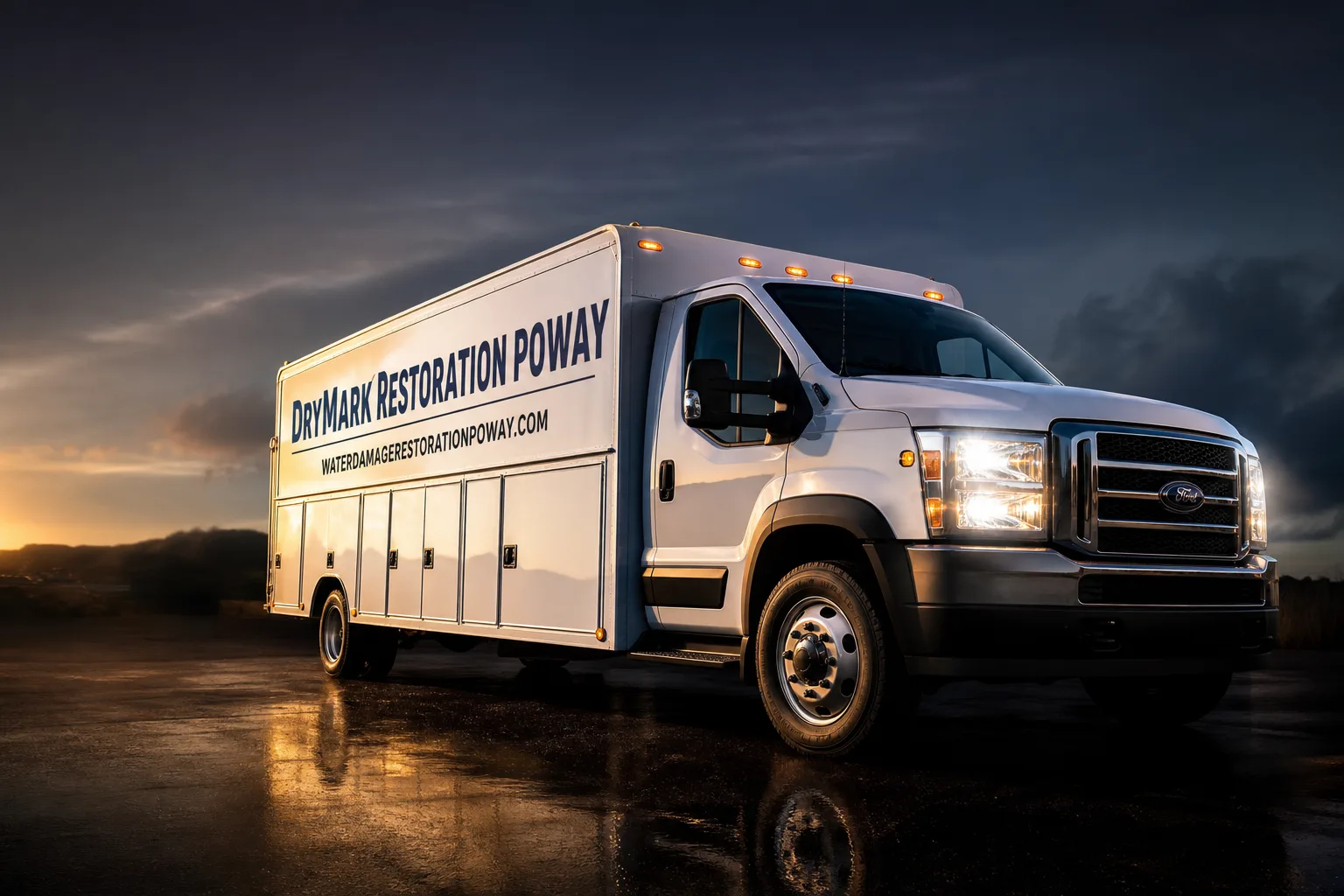
Free visual inspection and a written scope of work before any mitigation begins - photos, moisture readings, and drying logs go in your claim file
The scope we write is the scope we bill. Anything new gets shown to you, in writing, before we touch it.
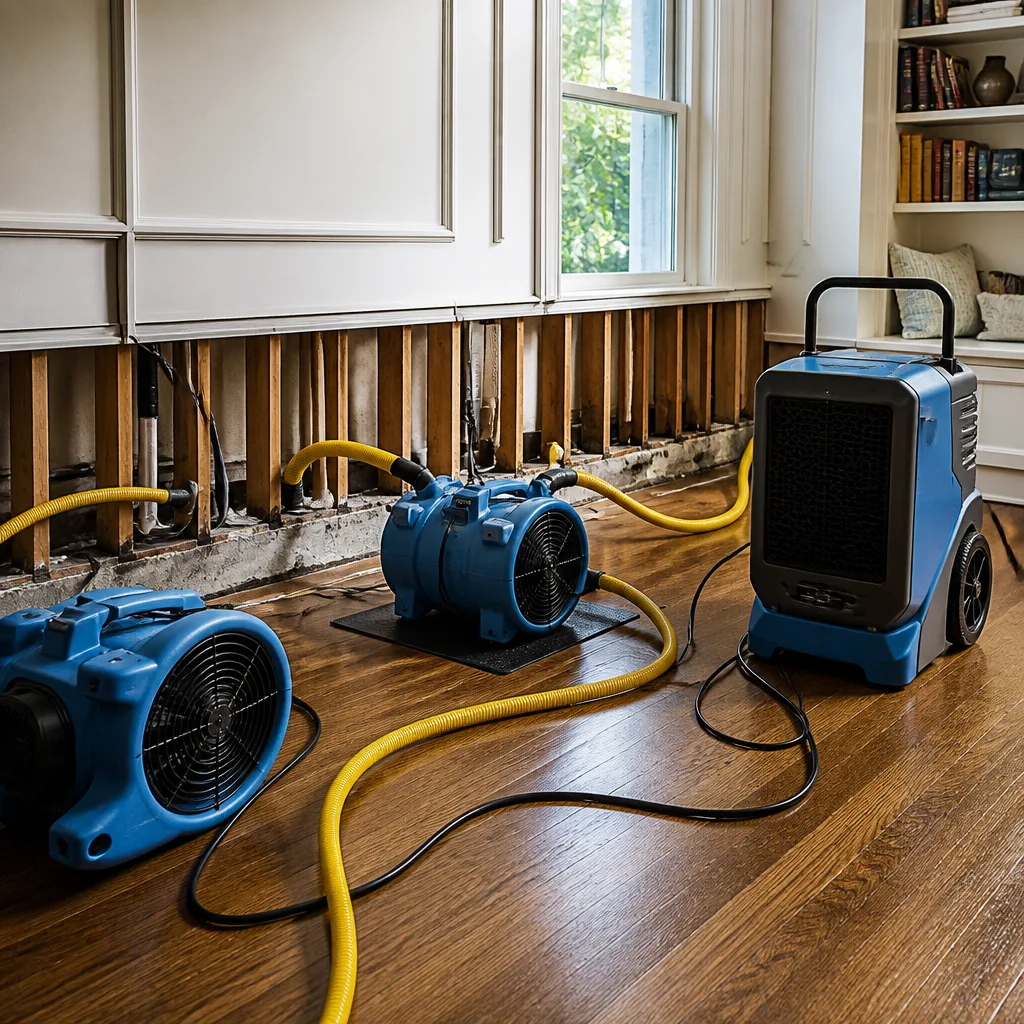
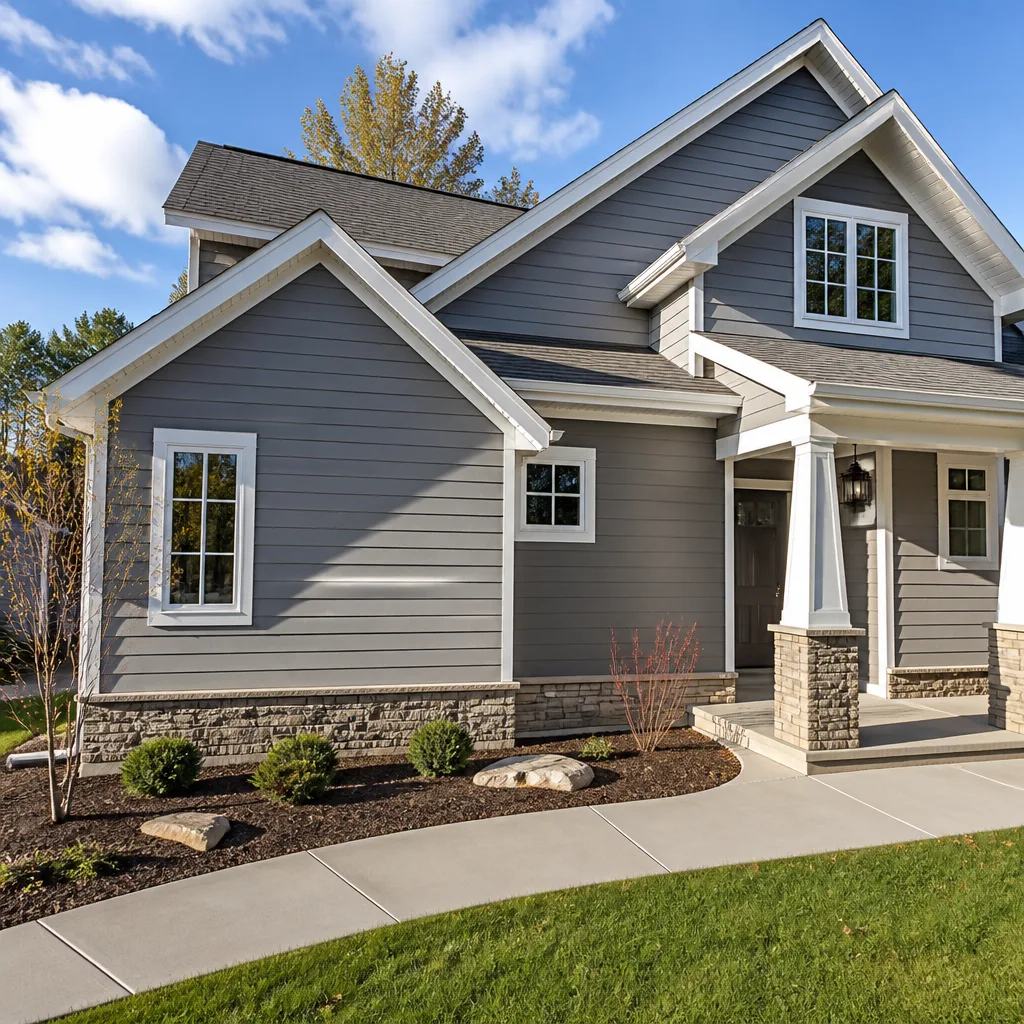
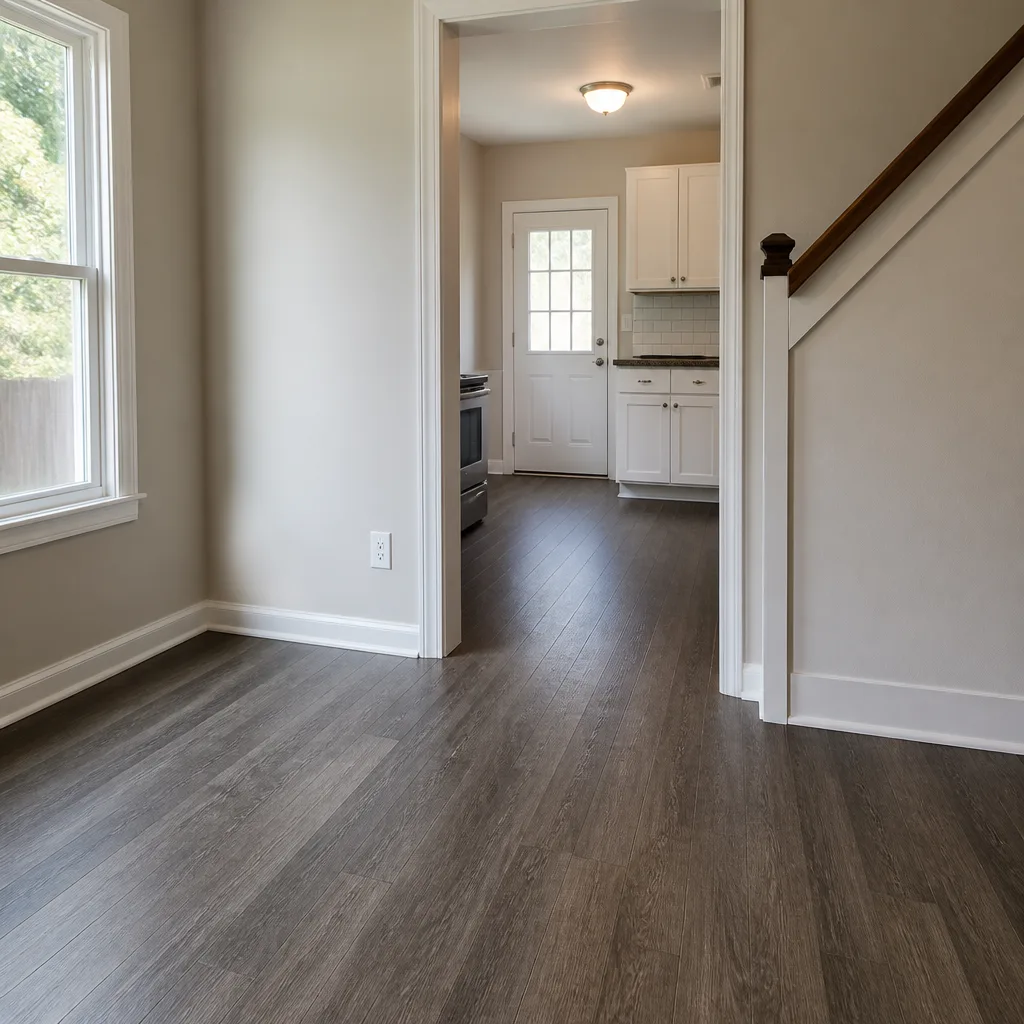
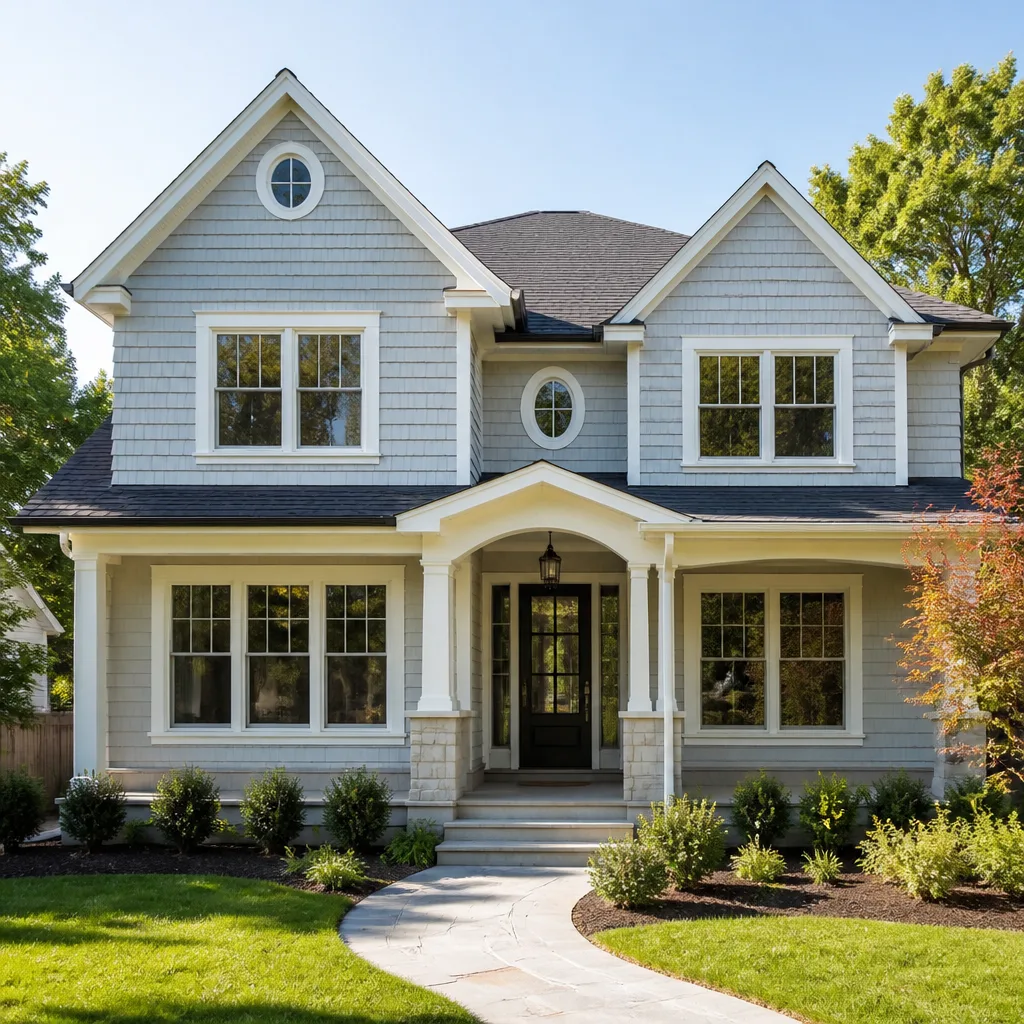
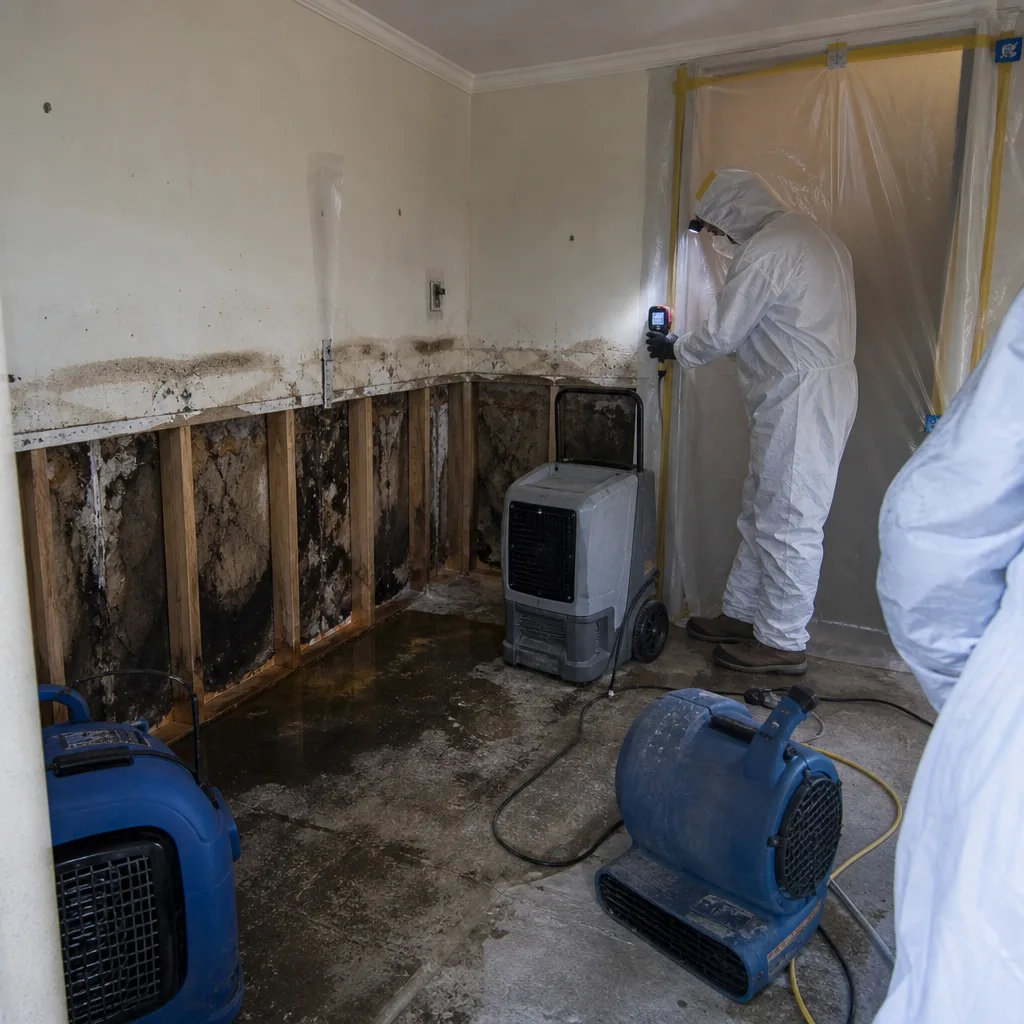 Before
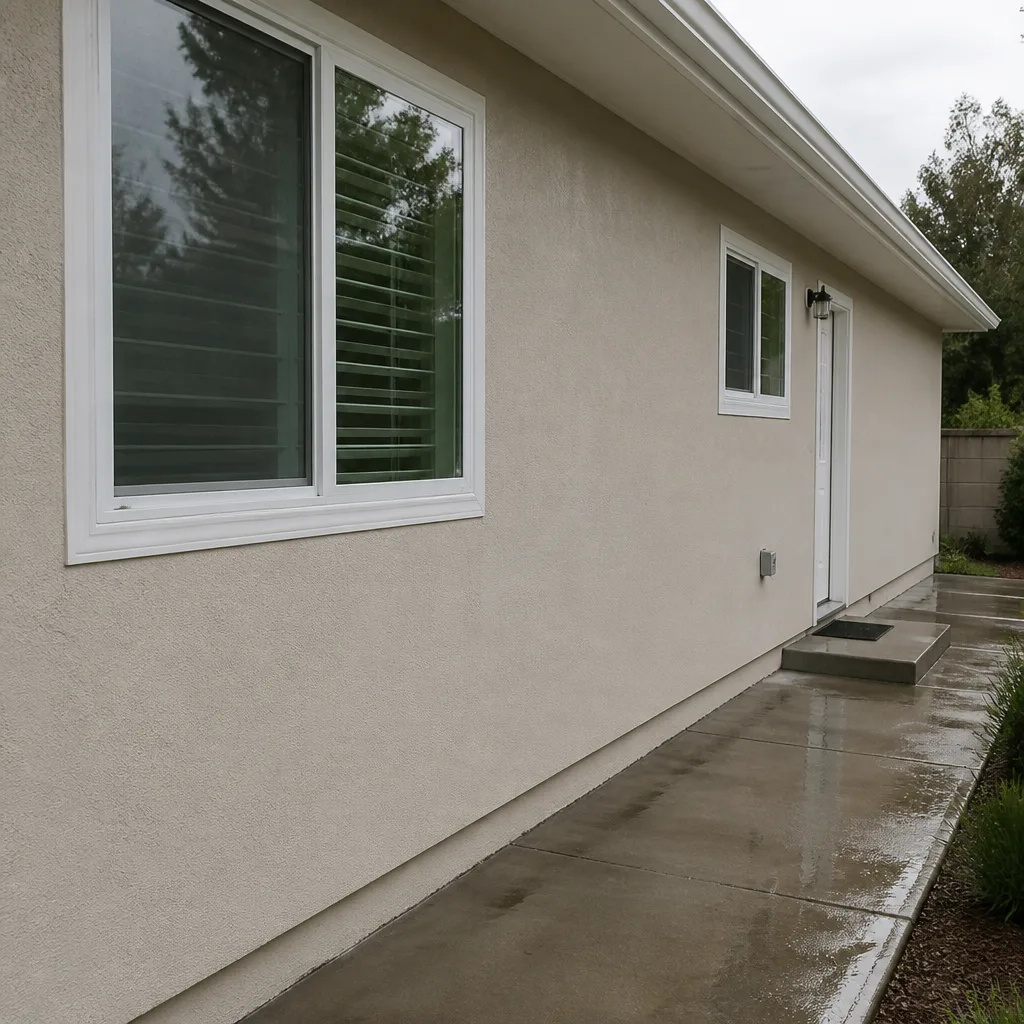 After
After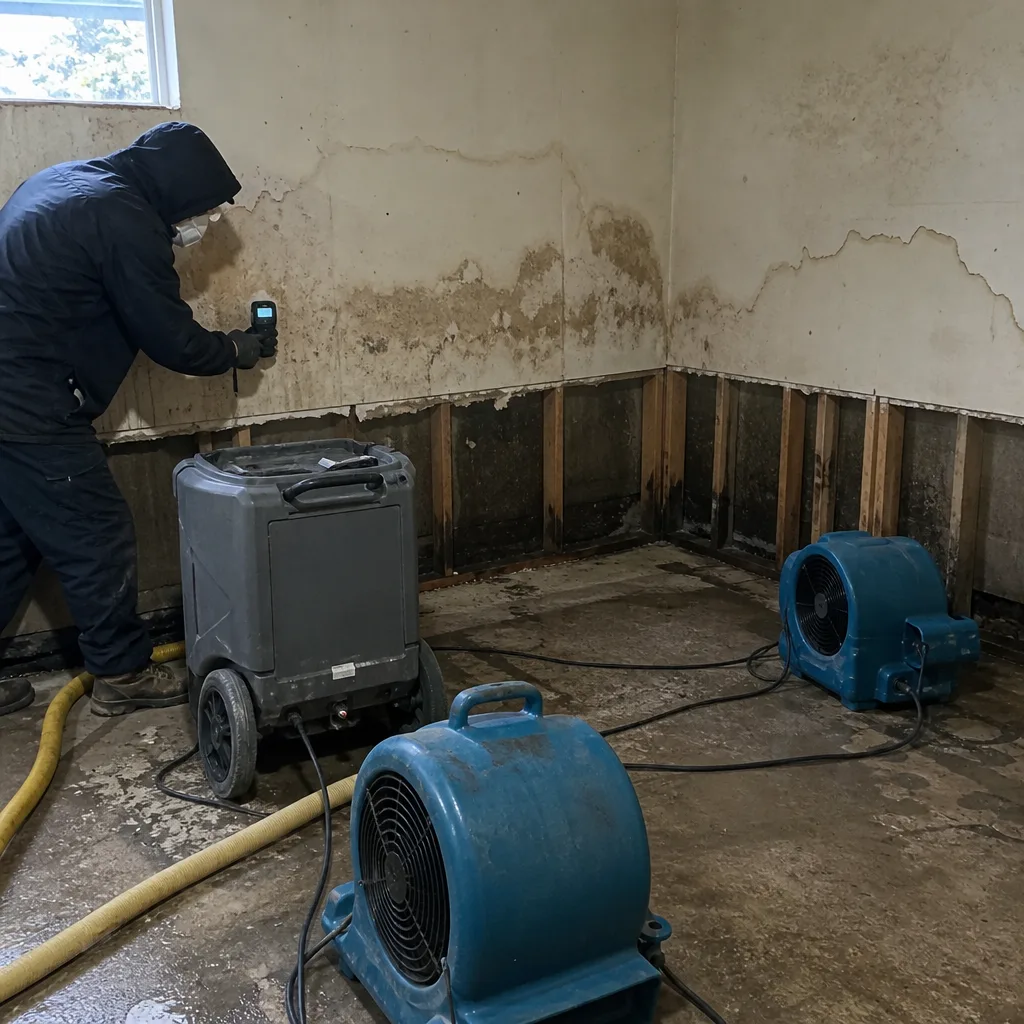 Before
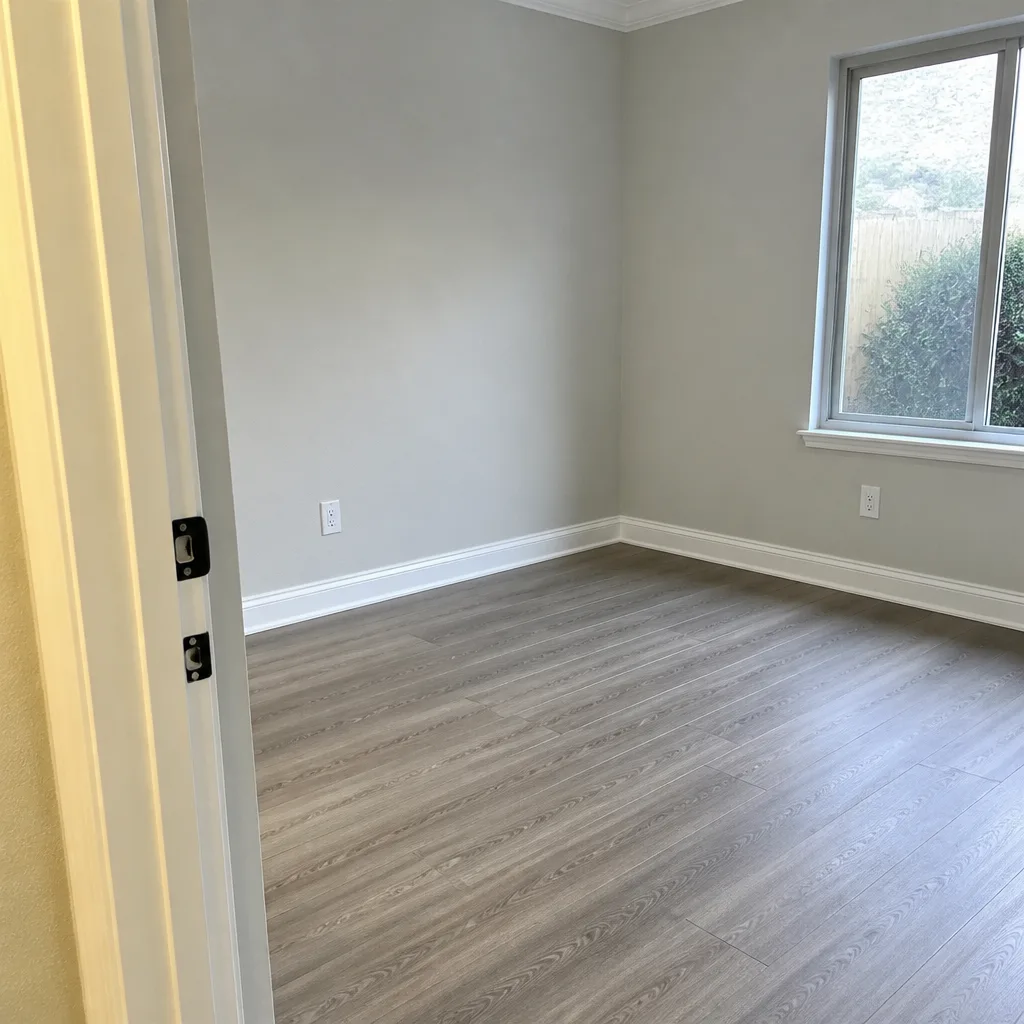 After
After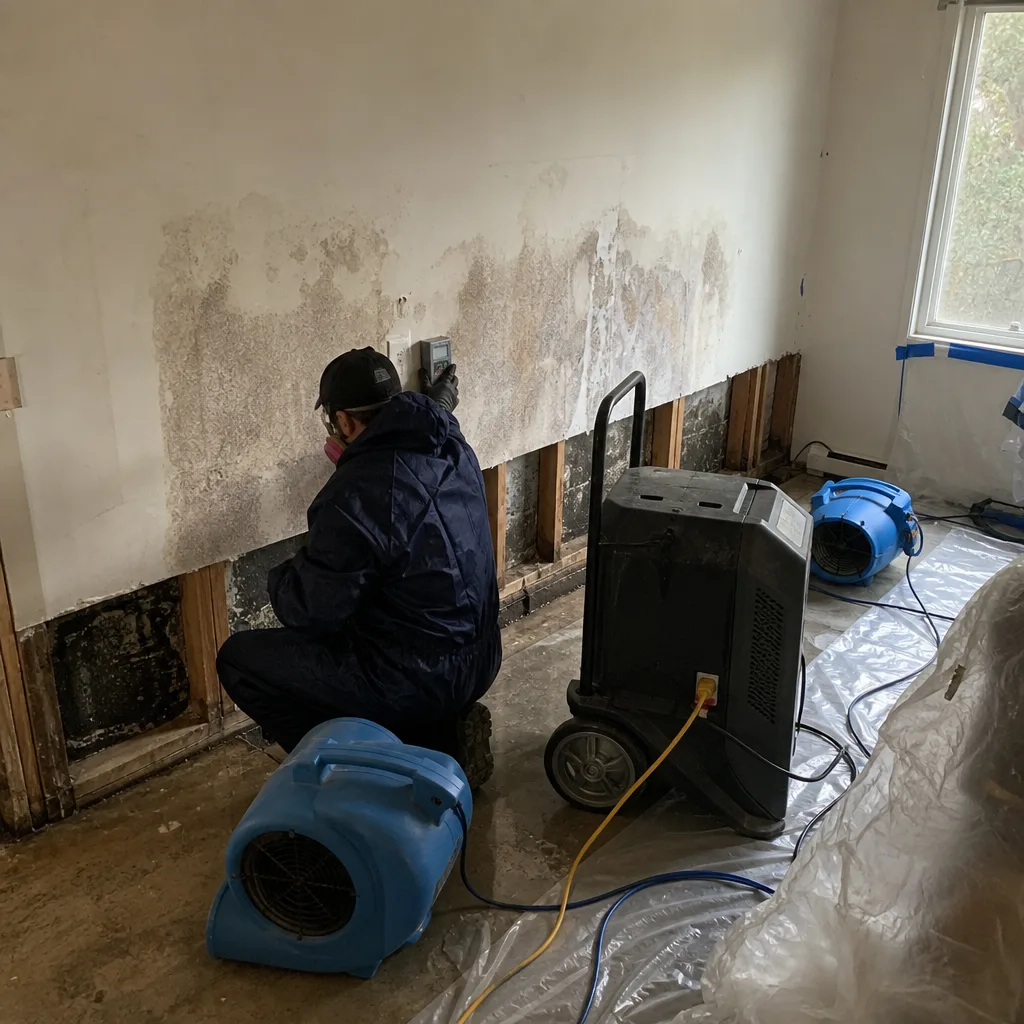 Before
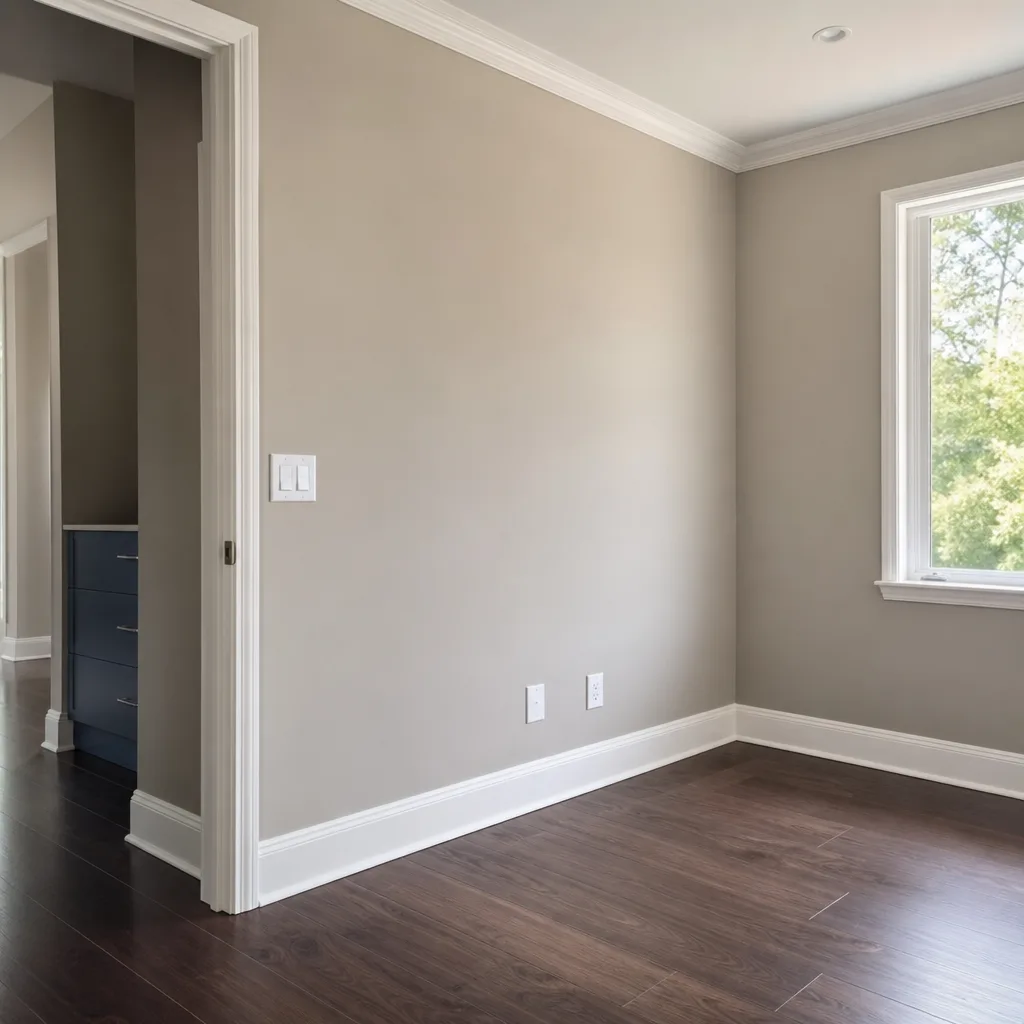 After
After24/7 Emergency Water Damage Restoration in Valley Center
Water damage restoration in Valley Center typically costs $2,800-$7,500 for a standard residential loss, with emergency extraction starting at $1,200-$1,800 and full structural drying running $180-$340 per day depending on equipment load. Most Valley Center properties need 3-5 days of active drying, though losses from private well systems often run larger due to extended flow times before shutoff. Call (858) 683-1768 now - a live person answers every emergency line, 24 hours a day, 7 days a week, with crews dispatched throughout the Valley Center area.
The first hour determines whether you’re looking at extraction and drying or full selective demolition and rebuild. Water moves fast through Valley Center’s dry, absorbent framing - especially in custom ranch homes built between the 1970s and 2000s where wood has spent months at low equilibrium moisture content. We arrive with truck-mounted extraction, thermal imaging, and moisture meters to map the migration before it reaches secondary spaces. Every visit produces a photo record and written moisture log, documented to IICRC standards.
Understanding Water Damage Restoration Severity in Valley Center Properties
Water damage falls into three categories that dictate every decision we make on site. Category 1 is clean water - a burst supply line or failed pressure tank. Category 2 carries significant contamination, often from dishwasher or washing machine discharge. Category 3 is grossly contaminated: sewage, ground water, or water that has sat long enough to support bacterial growth. In Valley Center, Category 1 losses escalate faster than almost anywhere in San Diego County because the region’s bone-dry framing and drywall absorb water at accelerated rates after months of low inland humidity.
Moisture mapping with thermal imaging and penetrating probes tells us where water has traveled behind walls and under tile. Structural drying uses psychrometric data - temperature, relative humidity, and vapor pressure differential - to calculate exactly how much dehumidification capacity we need per cubic foot of affected space. Tertiary drying addresses materials like hardwood, plaster, or dense structural timbers that release moisture more slowly than drywall or carpet. Valley Center’s custom ranch homes often feature these slower-drying materials in finished basements and detached outbuildings, extending the drying curve and requiring more precise equipment placement.
The age of Valley Center’s housing stock matters too. Homes built in the 1970s and 1980s may have original galvanized supply lines or early copper with pinhole corrosion. Properties from the 1990s and 2000s often use PEX or PVC, but the private well systems and long laterals introduce failure points no municipal system has - pressure tanks, booster pumps, and buried lines with no accessible shutoff.
Why Valley Center Property Owners Choose DryMark Restoration Poway
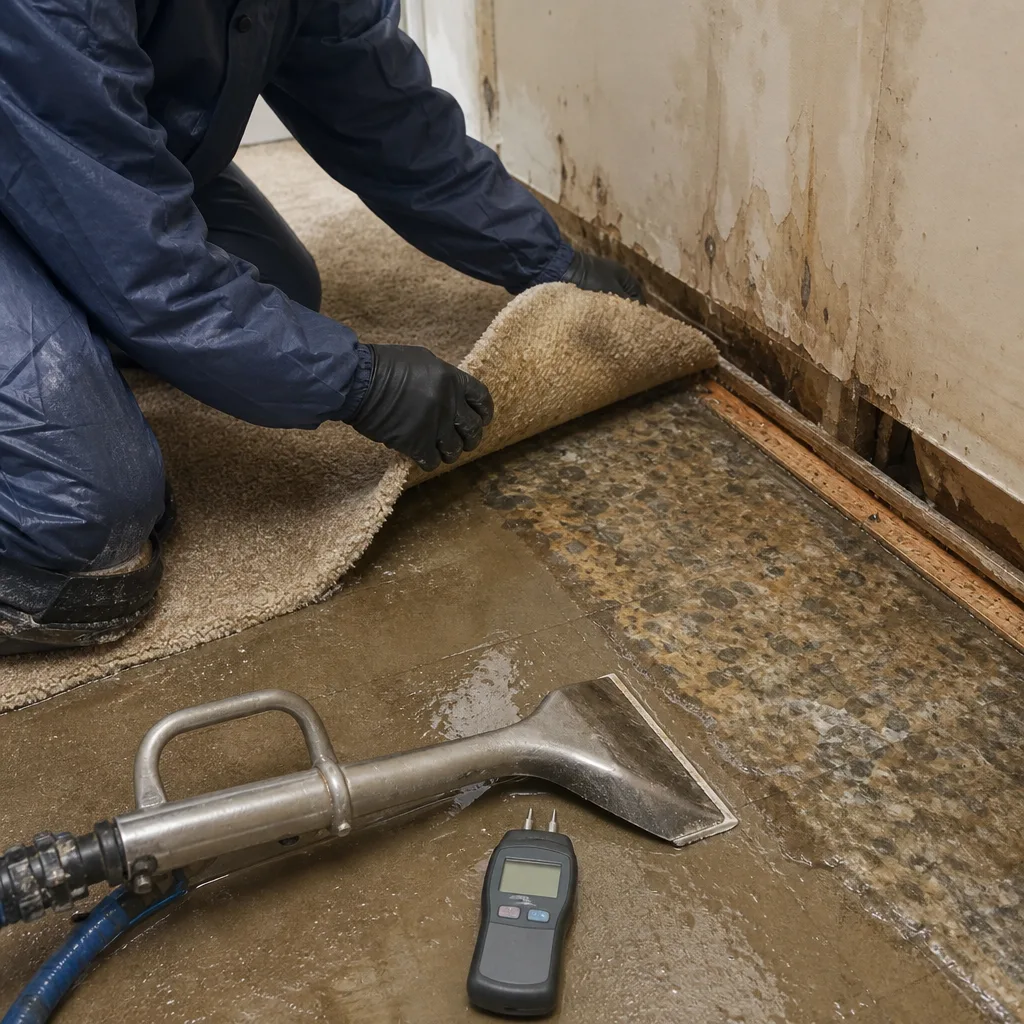
- 45-minute response commitment to Valley Center properties - our crews stage from the San Diego office and know the rural routes off Valley Center Road, Lilac Road, and Woods Valley Road.
- 24/7 live answer, every call: a real person, never an automated system or voicemail tree, because water doesn’t wait for business hours.
- IICRC-certified crews holding WRT (Water Damage Restoration Technician) and ASD (Applied Structural Drying) certifications - the industry codes that matter for proper documentation and insurer acceptance.
- Free visual inspection and moisture assessment before any work begins, with a written price delivered on site under Haven Standard, Clause 1.
- Direct insurance billing and adjuster coordination - we produce the photo records, drying logs, and line-item scopes that turn restoration invoices into payable claims.
- One team from extraction through reconstruction - no handoffs between contractors, no gaps in documentation, no finger-pointing if something needs correction.
 Before
 After
AfterOur Water Damage Restoration Process
1. Inspection & Assessment
We arrive with thermal imaging cameras, penetrating moisture meters, and hygrometers to map the full extent of water migration. On Valley Center ranches, this means checking the primary structure plus any detached buildings, outbuildings, or equestrian facilities that may have been affected. Every reading is logged with a timestamp and photo.
2. Extraction & Stabilization
Truck-mounted extraction removes standing water from floors, carpets, and hard surfaces. For Category 2 or 3 losses, we establish containment with polyethylene barriers and negative air pressure to prevent cross-contamination. Subsurface extraction with weighted vacuums pulls water from pad and subfloor that surface removal misses.
3. Drying & Dehumidification
We deploy Dri-Eaz and Phoenix dehumidifiers alongside axial and centrifugal air movers positioned for optimal airflow patterns. In Valley Center’s large ranch homes with high ceilings and expansive attics, vapor pressure differential calculations determine equipment count per cubic foot. Daily moisture readings track progress until materials return to pre-loss equilibrium.
4. Cleaning & Sanitization
Antimicrobial treatment with EPA-registered products applied to affected surfaces, followed by HEPA air scrubbing to capture airborne particulates. For Category 2 and 3 losses, this step includes detailed documentation of all treated areas for insurer review and clearance.
5. Moisture Verification & Documentation
We verify dryness with calibrated moisture meters and thermohygrometers, producing the daily drying logs and final moisture readings that insurers require before releasing rebuild funds. No equipment comes off the job until documentation proves materials are within acceptable moisture content ranges.
6. Repairs & Restoration
Selective demolition of unsalvageable materials, then reconstruction to match existing finishes. In Valley Center’s custom homes, this often means sourcing matching tile, hardwood, or trim to maintain the property’s original character. A written scope and firm price precede all rebuild work.
Need Emergency Water Damage Restoration in Valley Center Now?
Crews minutes away, answering live 24 hours a day. The sooner we start, the less it costs.
Working With Your Insurance Company
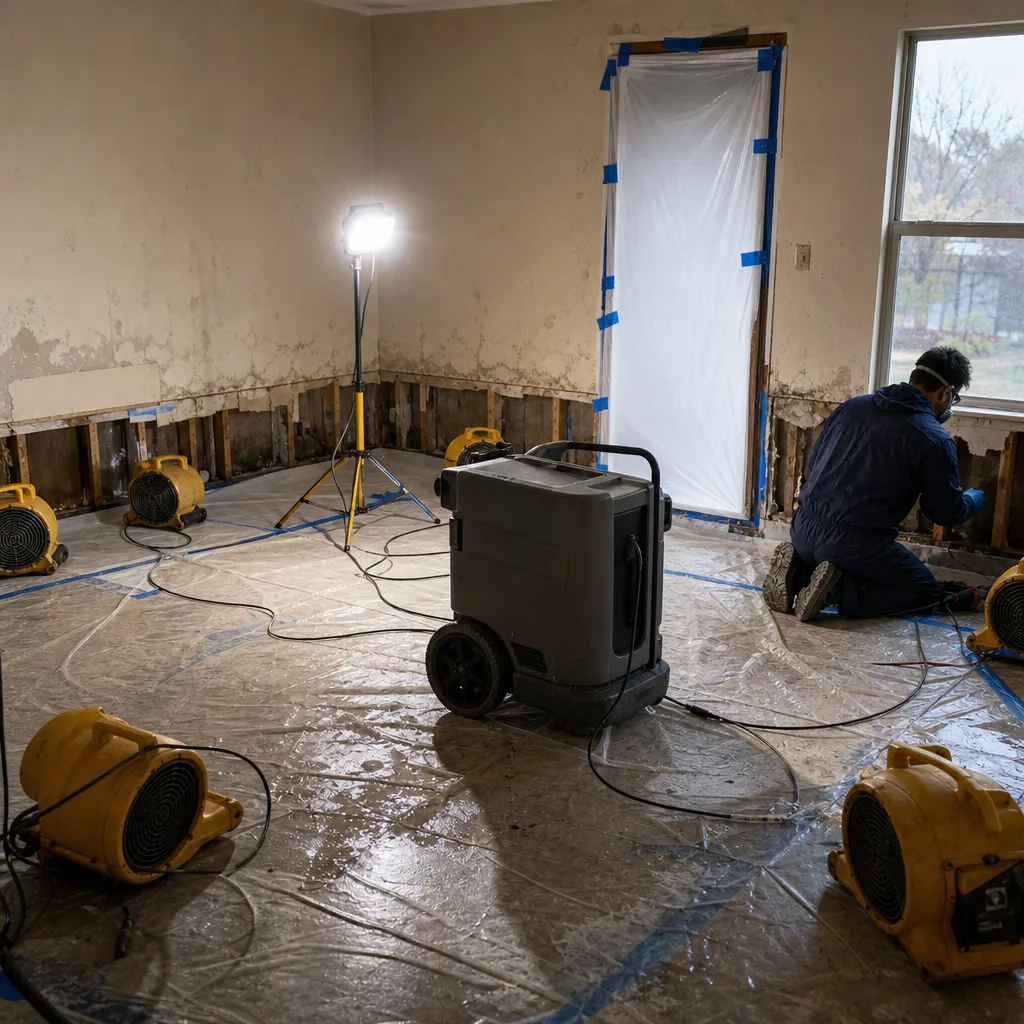
Insurance claims live or die on documentation. We know this because our founder built Back to Dry Restoration after working as a claims adjuster and watching homeowners lose legitimate payouts over incomplete photo records and missing moisture logs. From the first hour on your Valley Center property, we document everything: thermal images showing water migration paths, moisture meter readings with material classifications, daily drying logs with psychrometric data, and room-by-room photo records on every visit.
Our estimates follow industry-standard pricing databases that adjust for San Diego County labor and material costs. We communicate directly with your adjuster, providing the line-item scope and supporting documentation that moves claims through review without delays. If you’ve received a written estimate from another contractor, we offer a Free Second Opinion - no charge, no obligation, just a review of whether the scope matches the actual loss.
What We Provide Your Insurer
- Thorough documentation of the loss
- Photos of all damage, room by room
- Moisture readings and drying logs
- A detailed, line-item scope of work
- Direct coordination with your carrier
Built for Valley Center’s Loss Calendar
Valley Center’s water damage calendar looks different from coastal San Diego’s. The dominant threat isn’t year-round humidity or storm surge - it’s the rare but intense winter rainstorms that hit after months of bone-dry conditions, and the private well system failures that can happen any day of the year.
October through April brings the Santa Ana wind season and occasional Pacific storm systems. When rain does come, properties that have sat at low moisture content for months experience rapid absorption into wood framing, roof sheathing, and attic spaces. The temperature swings between cool nights and warm days create condensation cycles in large attic spaces common to Valley Center ranch homes, producing mold colonization within 48-72 hours if drying doesn’t start immediately.
May through September is peak well system failure season. Higher groundwater demand stresses aging pressure tanks, booster pumps, and buried laterals. A split supply line on a multi-acre parcel with no municipal shutoff can deliver 10-15 gallons per minute for 8-12 hours before anyone notices - the kind of loss that fills a finished basement or ground-level living space before dawn. We see these calls weekly in summer.
Water Damage Restoration Across Valley Center’s Neighborhoods
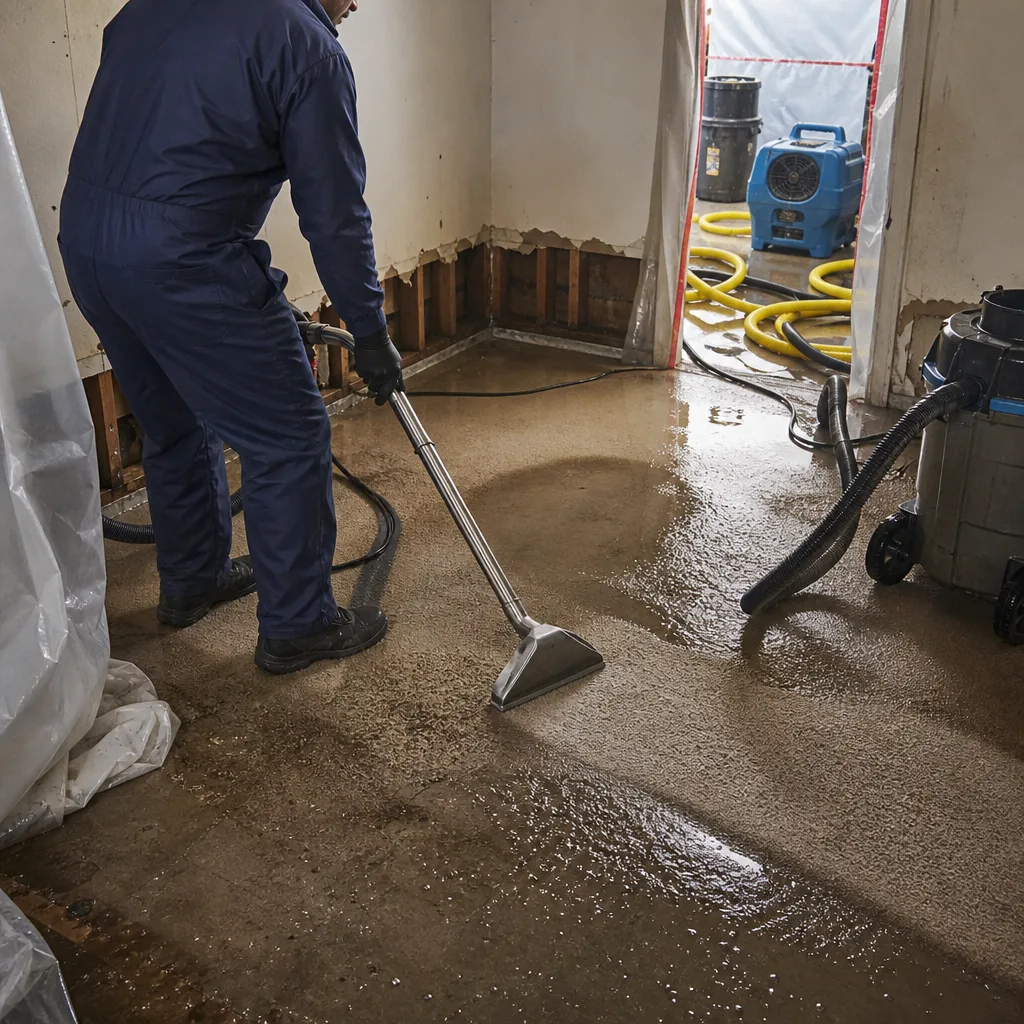
Valley Center isn’t a single housing type - it’s a patchwork of rural ranch properties, custom homes on acreage, and agricultural operations with multiple structures. Our response routes and equipment loads vary significantly by area.
West Valley Center, along Valley Center Road and the corridors approaching Escondido, holds some of the area’s older custom homes from the 1970s and 1980s. These properties often have original plumbing, mature landscaping with invasive root systems, and detached garages or workshops that complicate water migration patterns. We’ve replaced more than one failed pressure tank in this zone where the basement or crawl space took the full flow overnight.
North Valley Center toward Woods Valley Road and the higher elevations features newer ranch construction from the 1990s and 2000s, often with finished basements, wine cellars, and extensive hardscaping. The elevation change means colder winter nights and more freeze-thaw stress on exposed irrigation and supply lines. A burst line here can send water cascading through multi-level hillside construction before it reaches a drain.
East Valley Center along Lilac Road and the rural stretches toward Ramona is where the private well failures hit hardest. Properties sit on multi-acre parcels with long laterals, equestrian facilities, and detached barns or guest houses. One pressure tank failure can affect three structures, each requiring separate containment, moisture mapping, and drying logs. Our crews pack extra equipment for these calls - the scope always runs larger than initial phone estimates suggest.
South Valley Center, closer to the San Marcos border, includes some of the area’s agricultural operations with packing facilities, coolers, and processing buildings. Water losses here can involve commercial-grade equipment, chemical storage areas, and specialized containment requirements. The documentation burden is heavier, and the adjuster involvement typically starts earlier.
Specialized Water Damage Restoration Services We Offer in Valley Center
Emergency Water Extraction
Truck-mounted and portable extraction for standing water of any depth. On Valley Center ranches with finished basements or sunken living areas, we often deploy submersible pumps before vacuum extraction to handle volumes that exceed standard residential capacity. The goal is always the same: remove every gallon we can reach before it wicks into structural materials.
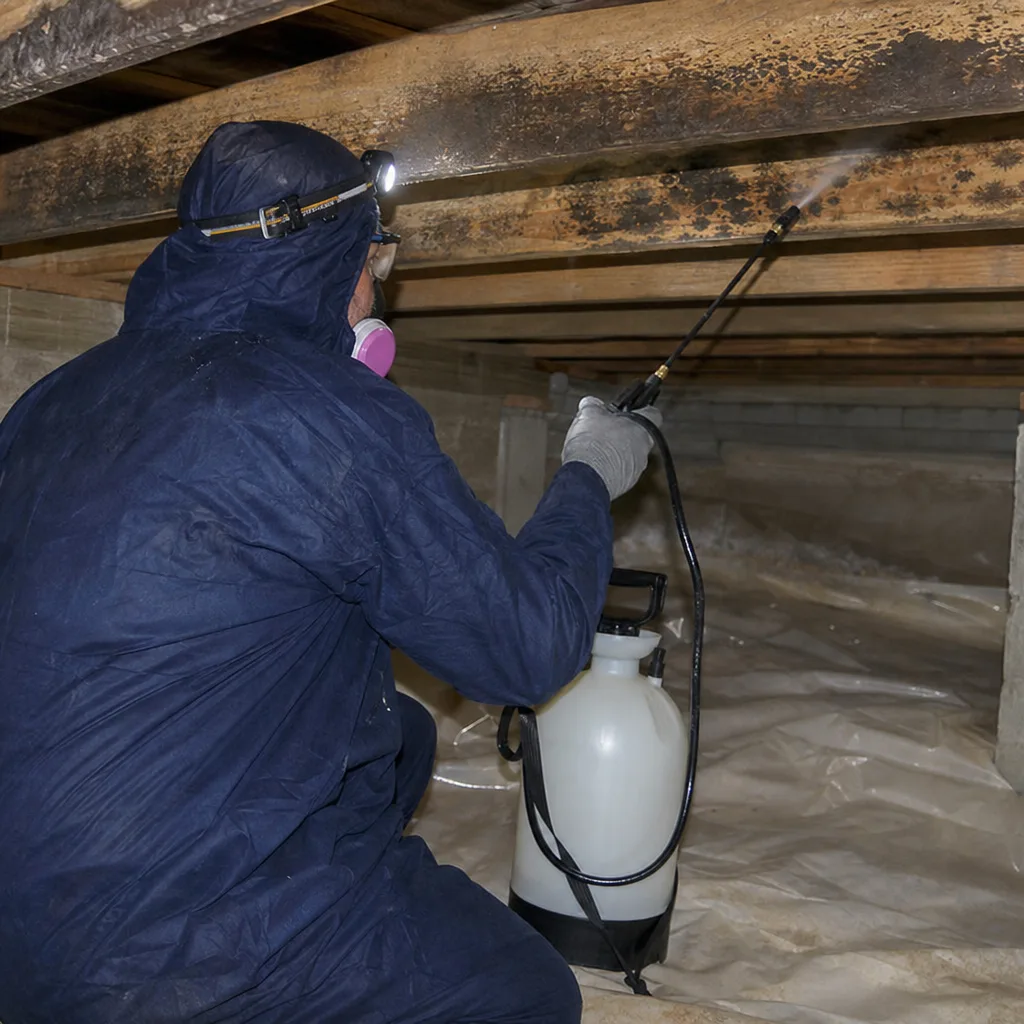
Structural Drying & Dehumidification
Calculated drying based on psychrometric data, not guesswork. Dri-Eaz and Phoenix LGR dehumidifiers pull moisture from air and materials simultaneously, while Injectidry systems deliver targeted airflow inside wall cavities and under hardwood floors. In Valley Center’s large ranch homes with high ceilings and expansive square footage, equipment sizing is critical - undersized dehumidification extends drying by days and risks secondary mold growth.
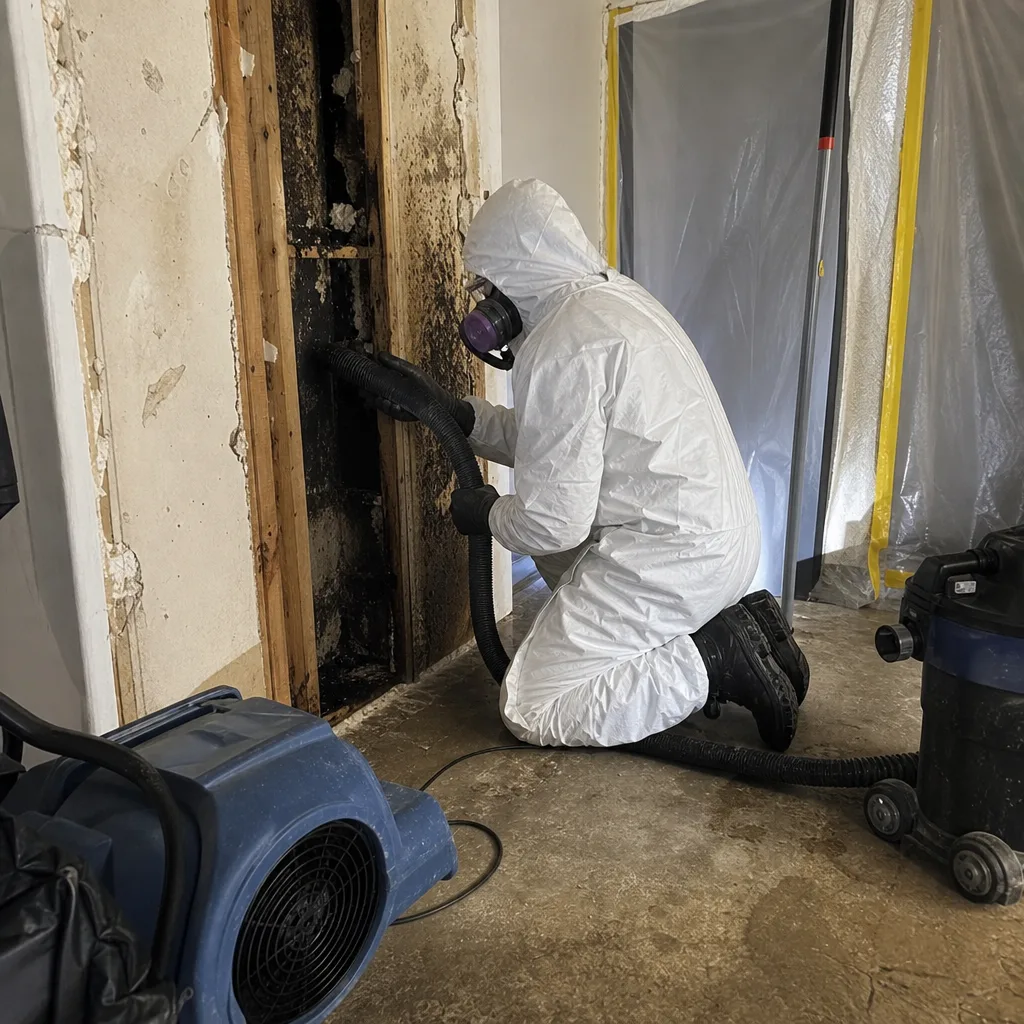
Flood Cleanup
Category 3 losses from ground water, storm intrusion, or sewage backup require full PPE, antimicrobial treatment, and selective removal of contaminated materials. Valley Center’s rural properties can experience flooding from seasonal creek overflow or drainage system overwhelm during intense winter storms. We document contamination levels with photo evidence and material samples for insurer review.
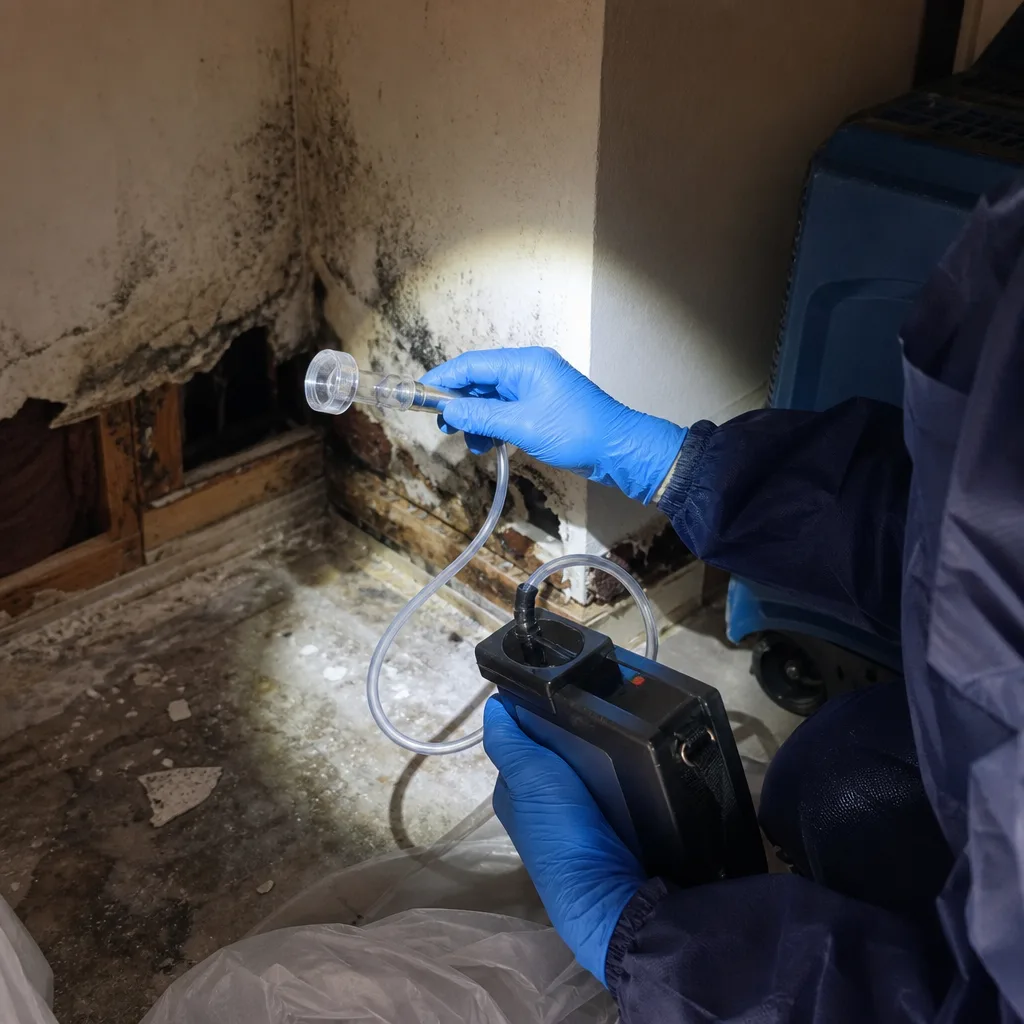
Burst Pipe Restoration
Supply line failures are the most common call we get in Valley Center, and the most misunderstood. A burst copper line in a municipal system is a contained event - shut the meter, extract, dry, repair. A failed pressure tank or split lateral on a private well is an uncontrolled event with no easy shutoff, often producing Category 2 or 3 conditions by the time we arrive. We handle both the immediate mitigation and the coordination with well contractors for permanent repair.
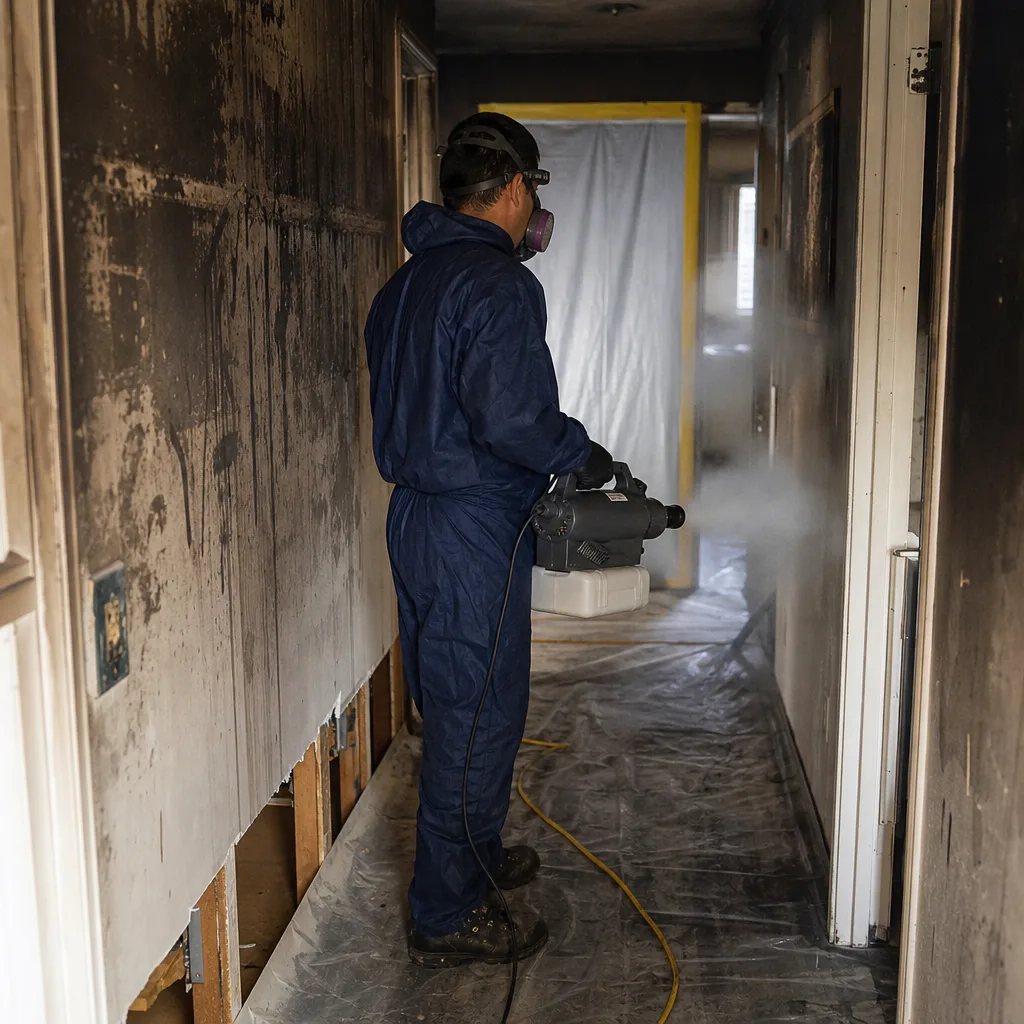
Basement Water Removal
Finished basements in Valley Center’s hillside and valley-floor homes present unique challenges: limited access for extraction equipment, vapor barriers that trap moisture, and foundation seepage that continues after the initial source is stopped. We use portable extraction, specialized drying mats for hardwood or tile, and targeted dehumidification to preserve finished spaces without full gutting.
What happens when you call
- 1
A real person answersNo phone trees - you reach a local pro.
- 2
You get an upfront price rangeHonest numbers before anyone is dispatched.
- 3
A background-checked tech heads outLicensed & insured, dispatched right away.
- 4
You approve before work beginsNothing starts until you say go.
Water Damage Restoration Costs in Valley Center, CA
Water damage restoration in Valley Center runs higher than in nearby Escondido or San Marcos for one reason: the losses are bigger. Private well systems with no accessible shutoff mean more standing water, deeper migration into framing, and longer drying times.
| Service Component | Typical Valley Center Range |
|---|---|
| Emergency water extraction (initial visit) | $1,200 - $1,800 |
| Structural drying & dehumidification (per day) | $180 - $340 |
| Typical 3-5 day residential drying project | $2,800 - $5,200 |
| Category 2 or 3 loss with antimicrobial treatment | $4,500 - $7,500 |
| Large ranch property with multiple structures | $7,500 - $15,000+ |
| Selective demolition & debris removal | $800 - $2,400 |
What moves the price: total affected square footage, water category (1, 2, or 3), number of structures involved, material types (tile dries faster than hardwood, plaster slower than drywall), and whether the loss originated from a contained municipal line or an uncontrolled private well failure. Insurance typically covers sudden and accidental water damage from supply lines, pressure tanks, and storm intrusion - gradual leaks and maintenance issues usually don’t qualify. We provide a written price before any work begins, every time, under Haven Standard, Clause 1. Call (858) 683-1768 for a free visual inspection and exact scope.
We Also Serve Cities Near Valley Center
Our crews respond throughout northern San Diego County from the San Diego office. We regularly handle Water Damage Restoration in Valley Center and surrounding communities including Escondido to the west, San Marcos to the southwest, Vista to the northwest, and Ramona to the east. Each market has distinct loss patterns - Escondido’s denser suburban housing with municipal water systems, San Marcos’s newer construction with different failure modes, Ramona’s similar rural ranch profile - and we adjust our equipment loads and response protocols accordingly.
Serving Valley Center, CA - Our Local Coverage Area
We’re based in the Valley Center area and know this community well. Use the map below to see our service coverage - if you’re nearby, we can almost certainly help.
Valley Center Water Damage Restoration Questions, Answered
My well pump or pressure tank failed on my Valley Center ranch and water ran for hours - how much bigger is the job than a normal leak?
Typically two to three times larger. A municipal supply line in Escondido might release 20-40 gallons before the homeowner shuts the meter; an uncontrolled private well or pressure tank failure in Valley Center can run 300-1,000+ gallons over 8-12 hours, flooding finished basements, wicking deep into wood framing, and affecting multiple rooms or structures. The extraction scope expands, drying time extends, and Category 1 water often degrades to Category 2 or 3 before we arrive, requiring antimicrobial treatment and selective removal. Call (858) 683-1768 for a free inspection and written scope.
How quickly do we need to start drying a leaking supply line in Valley Center’s dry climate?
Within 24 hours, and preferably within 4-6. Valley Center’s dry climate is deceptive - months of low humidity leave wood framing and drywall highly absorbent, so they take on water fast once exposure begins. But that same dryness doesn’t prevent mold; it just means the mold colonization timeline shifts. Temperature swings between warm days and cool nights create condensation in wall cavities that sustains growth even when ambient humidity is low. We prioritize same-day extraction and equipment placement on every Valley Center call. Call (858) 683-1768 for immediate dispatch.
Does the CAL FIRE Very High Fire Hazard Severity Zone designation affect water damage work in Valley Center?
Not directly for water losses, but it shapes how we operate on every job. The VHFHSZ designation means many Valley Center properties have defensible-space requirements, limited water storage for fire suppression, and restricted access roads that affect our equipment staging. More importantly, the same rural infrastructure that creates fire risk - private wells, long laterals, limited municipal services - is what drives our larger water loss patterns. We coordinate with local fire safe councils when losses involve fire suppression system damage or when our work affects required defensible-space zones. Call (858) 683-1768 to discuss your specific property.
Can you handle water damage in detached barns, guest houses, or equestrian outbuildings on a multi-acre Valley Center parcel?
Yes. We routinely establish separate containment, moisture mapping, and drying protocols for multiple structures on a single loss. Each building gets its own equipment set, drying log, and photo record - critical for insurance documentation and for preventing cross-contamination if water categories differ between structures. Equestrian facilities require additional attention to bedding, feed storage, and ventilation systems that standard residential protocols don’t address. Our Water Damage Restoration team packs expanded equipment loads for these multi-structure Valley Center calls. Call (858) 683-1768 to schedule assessment.
What’s the difference between Category 1, 2, and 3 water when my Valley Center home floods?
Category 1 is clean water from a supply line, pressure tank, or faucet - safe to handle with standard PPE, salvageable materials if dried quickly. Category 2 carries significant contamination from dishwashers, washing machines, or sump pump failures - requires antimicrobial treatment, and porous materials like carpet pad usually must go. Category 3 is grossly contaminated: sewage, ground water, or any water that has sat long enough to support bacterial and fungal growth - demands full PPE, extensive removal, and specialized cleaning. In Valley Center, Category 1 well or supply line losses often become Category 2 within 24-48 hours due to rapid absorption into dry framing and warm daytime temperatures. Call (858) 683-1768 for proper classification and scope.
How fast can your crew actually get to my Valley Center property?
We commit to 45 minutes from dispatch to arrival for emergency water losses in Valley Center. Our crews stage from the San Diego office and know the rural routes - Valley Center Road, Lilac Road, Woods Valley Road - without GPS dependence. Live phone coverage means no voicemail delays: a real person answers, gathers your address and loss details, and dispatches immediately. Night calls for well system failures are common; we don’t defer them to morning. Call (858) 683-1768 now for immediate dispatch.
Will my insurance cover water damage restoration in Valley Center?
Sudden and accidental water damage from burst supply lines, failed pressure tanks, or storm intrusion is typically covered under standard homeowners policies, minus your deductible. Gradual leaks, maintenance failures, and flood damage from rising ground water usually are not - though separate flood policies may apply. The key to coverage is documentation: photo records, moisture logs, and a detailed scope of work that proves the loss was sudden and meets policy terms. We produce this documentation from day one and coordinate directly with your adjuster. Call (858) 683-1768 for a free inspection and insurance review.
Can we stay in our home during water damage restoration?
Often yes for Category 1 losses limited to one or two rooms, provided we can establish containment and the HVAC system isn’t compromised. For Category 2 or 3 losses, multi-room damage, or when drying equipment noise and dehumidifier heat make living conditions untenable, we recommend temporary relocation. Large Valley Center ranch homes sometimes allow partial occupancy - one wing active while we work in another - but this requires careful equipment placement and daily safety checks. We discuss this explicitly in our written scope before work begins, under Haven Standard, Clause 1. Call (858) 683-1768 to assess your specific situation.
Written by Alicia Brennan, Owner at Back to Dry Restoration, serving Valley Center since 2011.
Water Damage Restoration in Nearby Areas