
Last updated September 23, 2026
Free visual inspection and a written scope of work before any mitigation begins - photos, moisture readings, and drying logs go in your claim file
The scope we write is the scope we bill. Anything new gets shown to you, in writing, before we touch it.
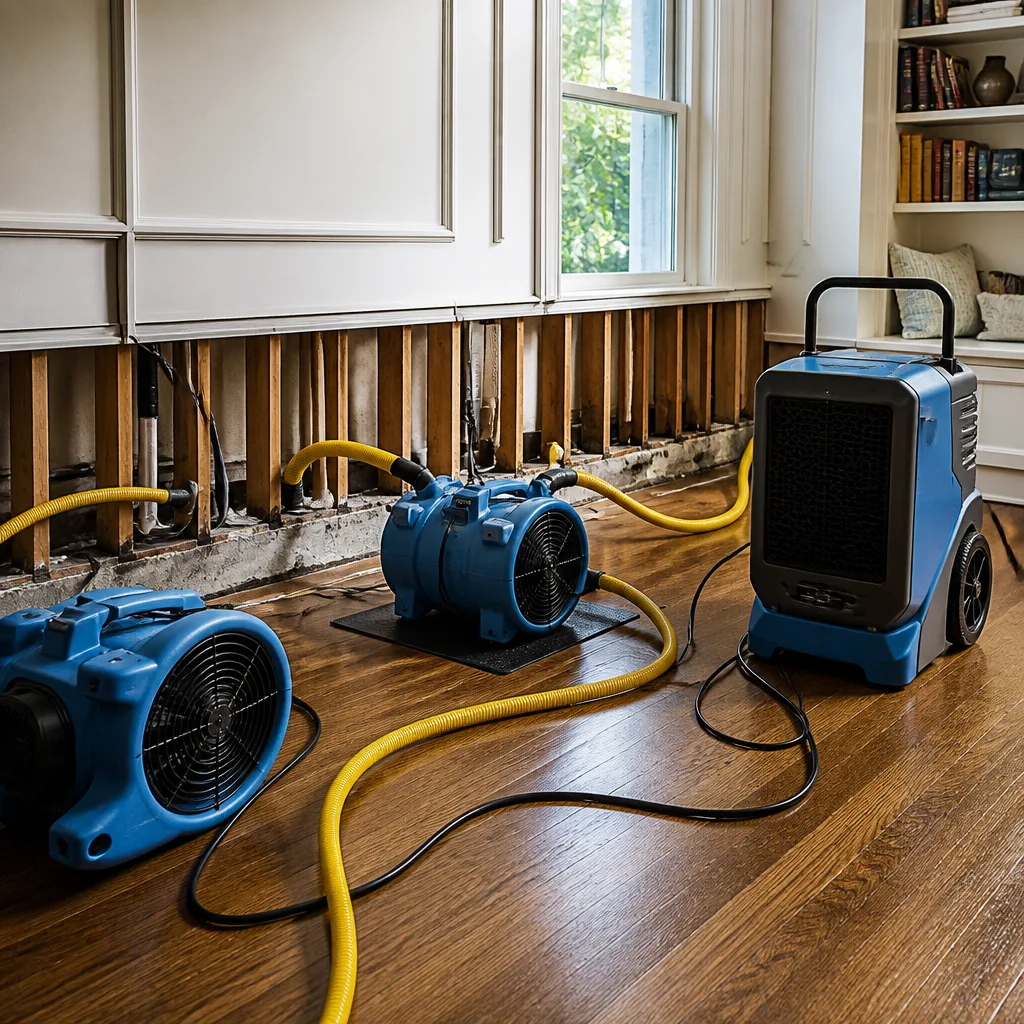
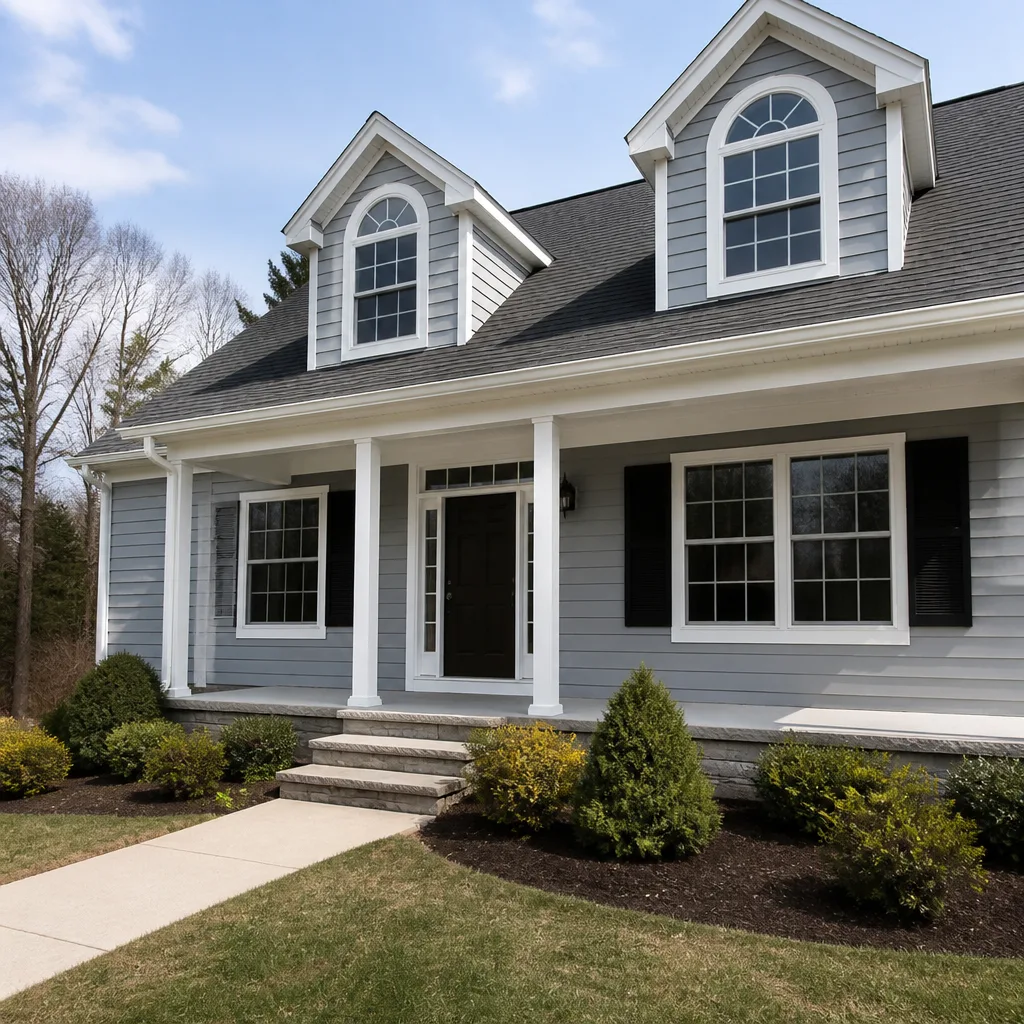
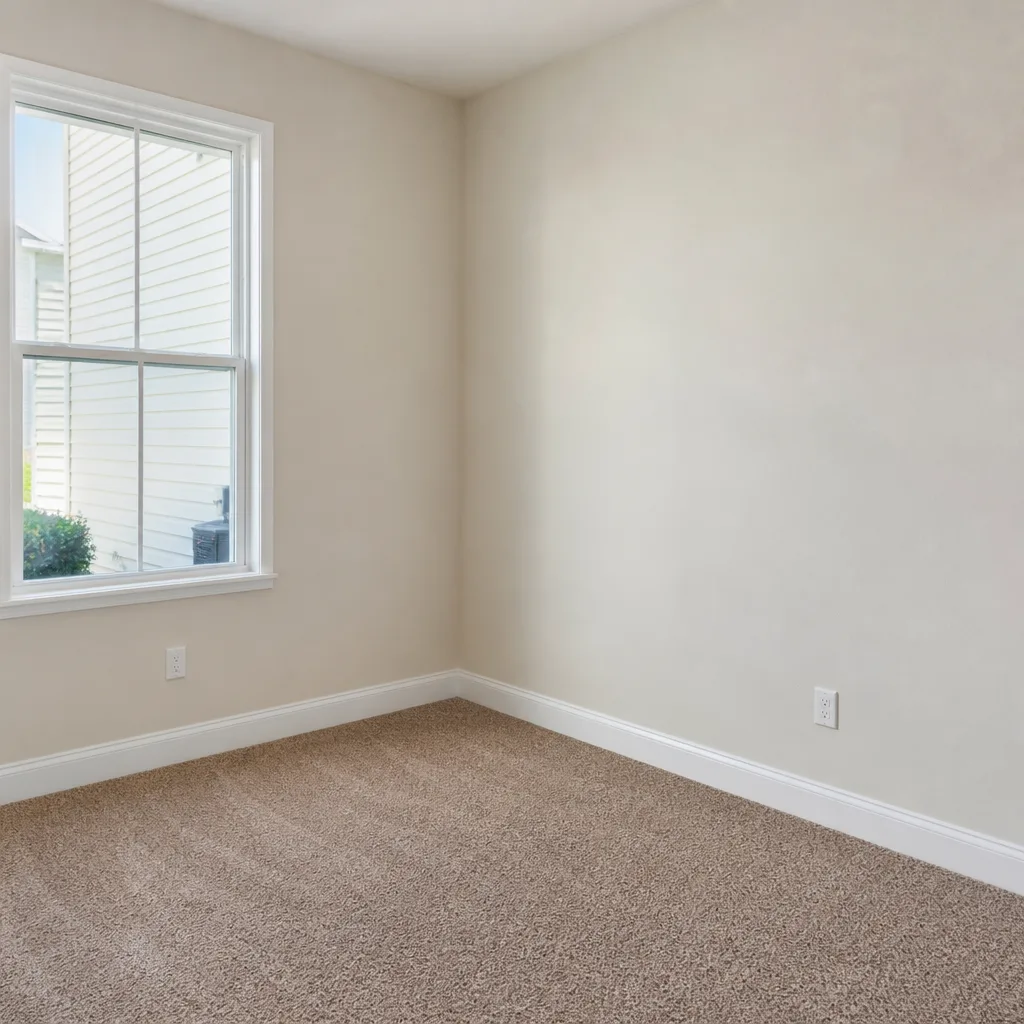

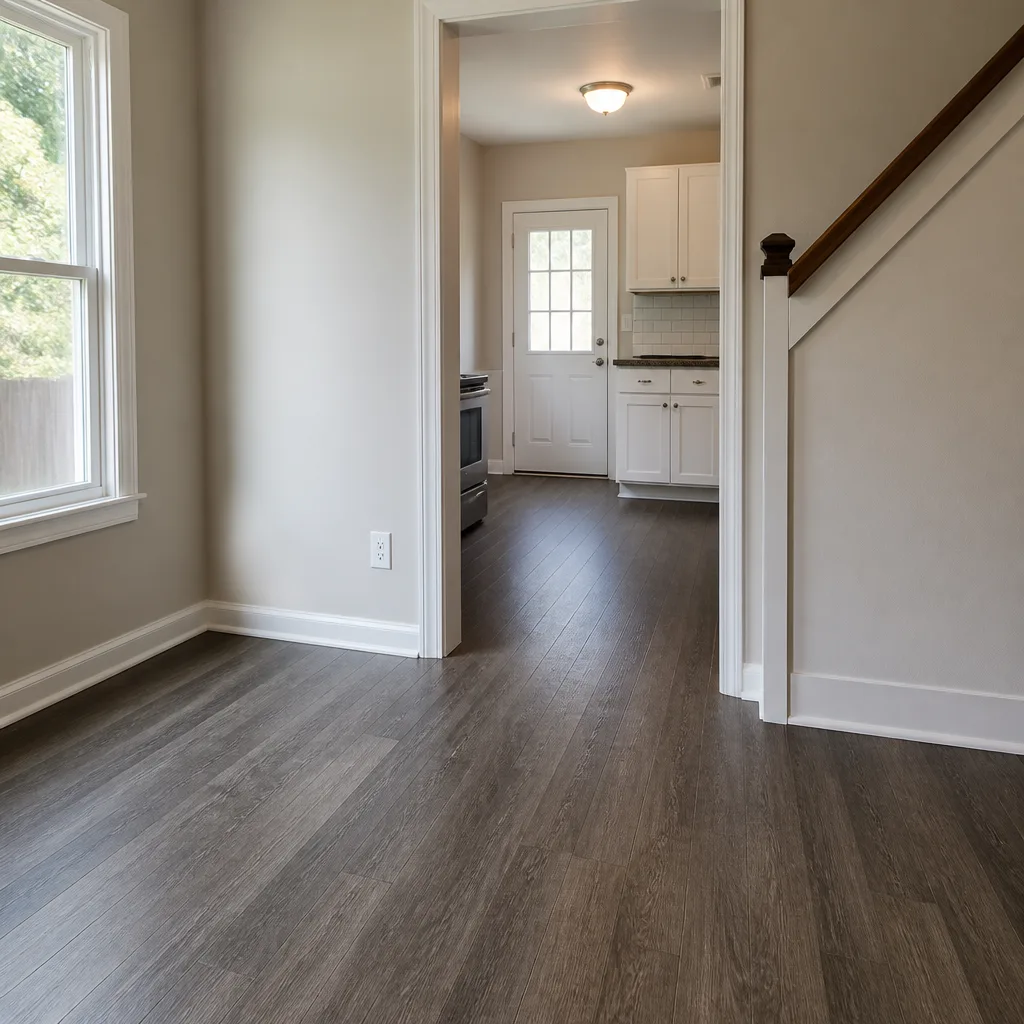

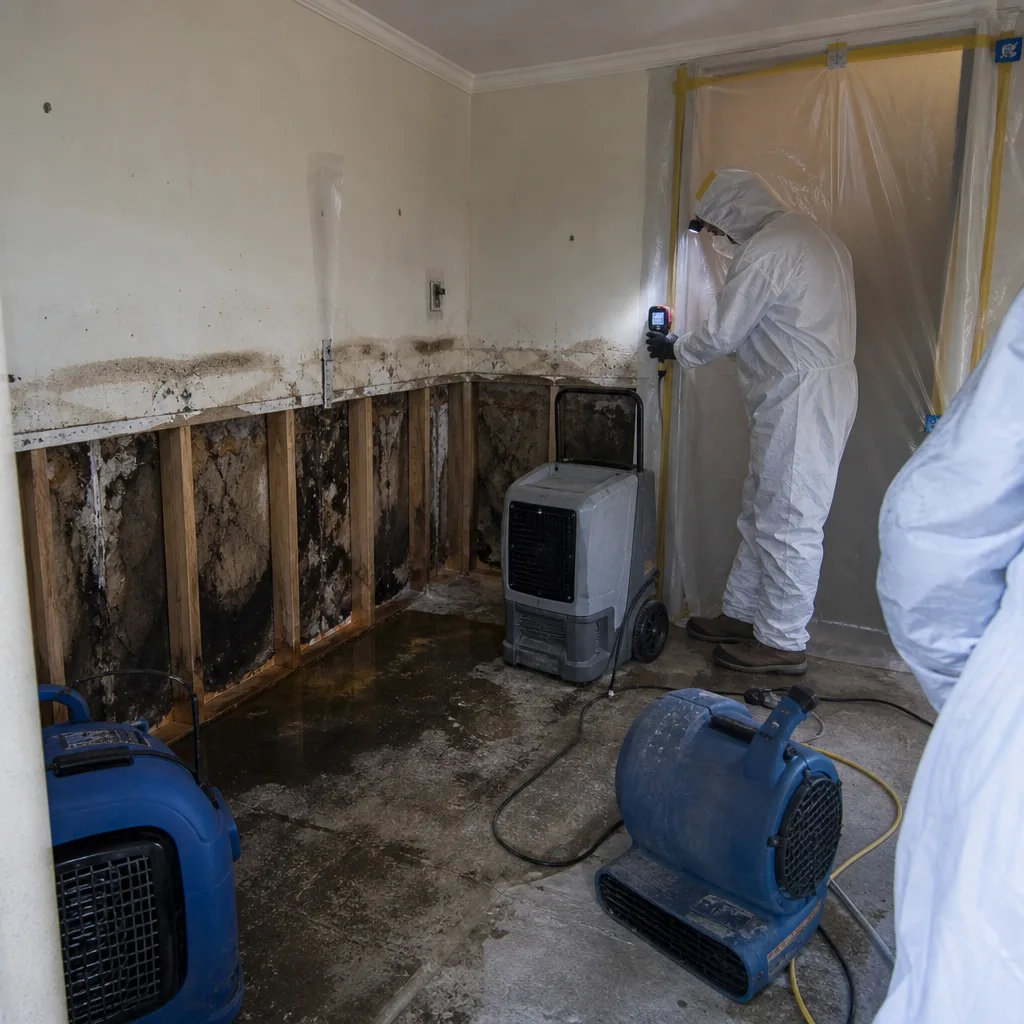 Before
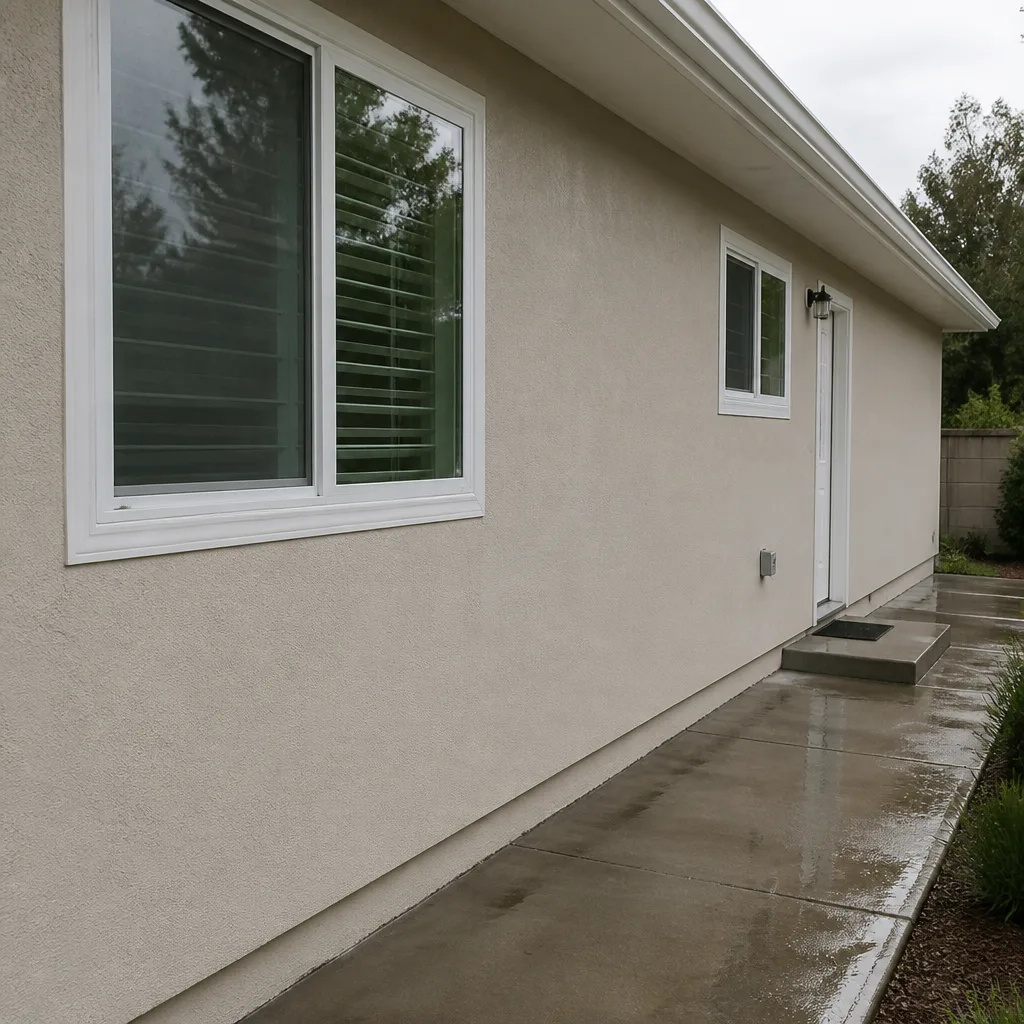 After
After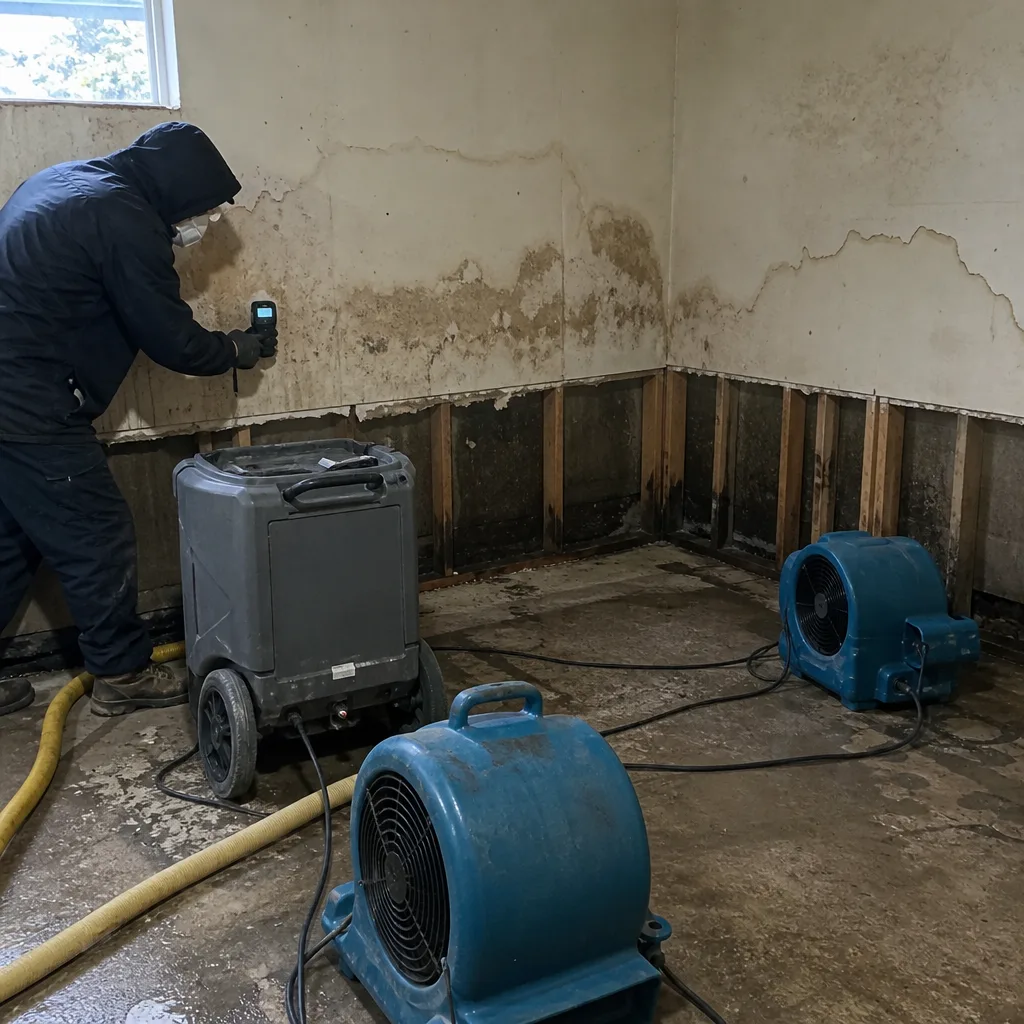 Before
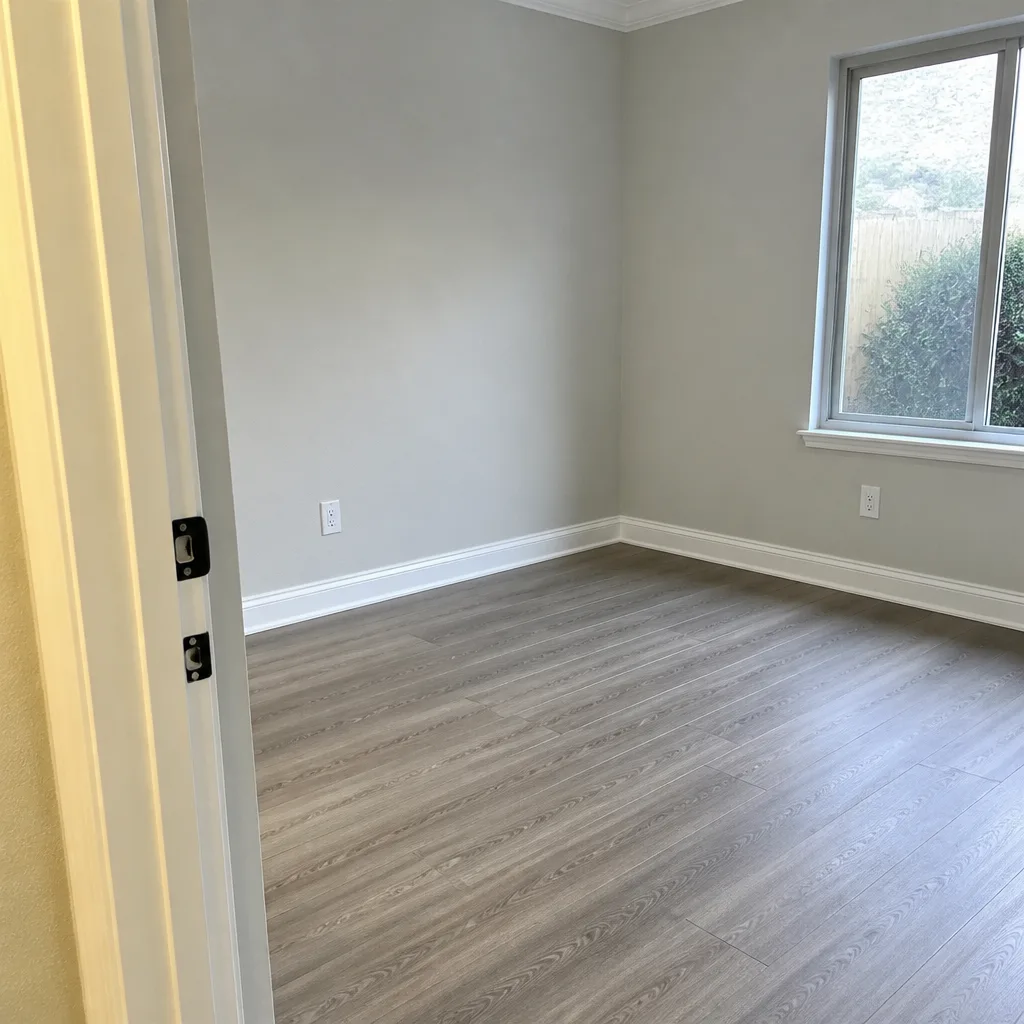 After
After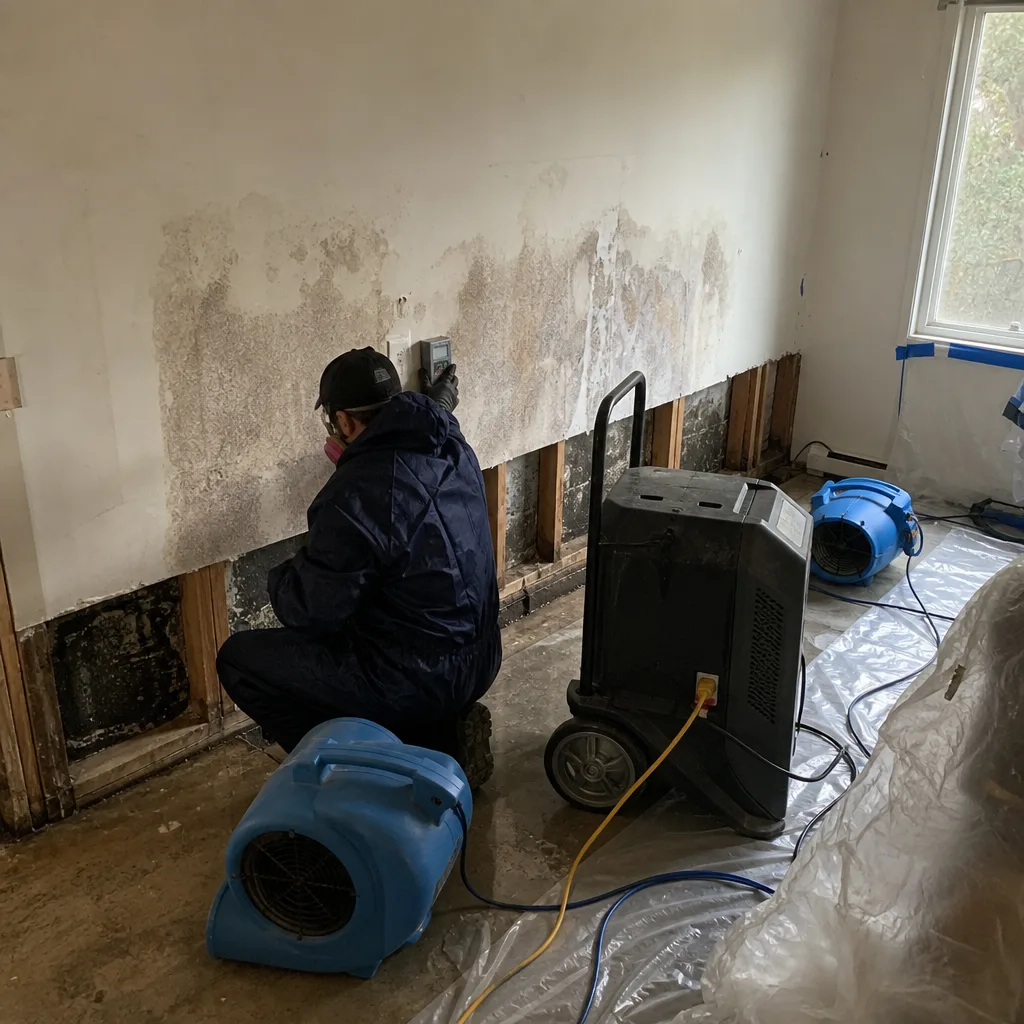 Before
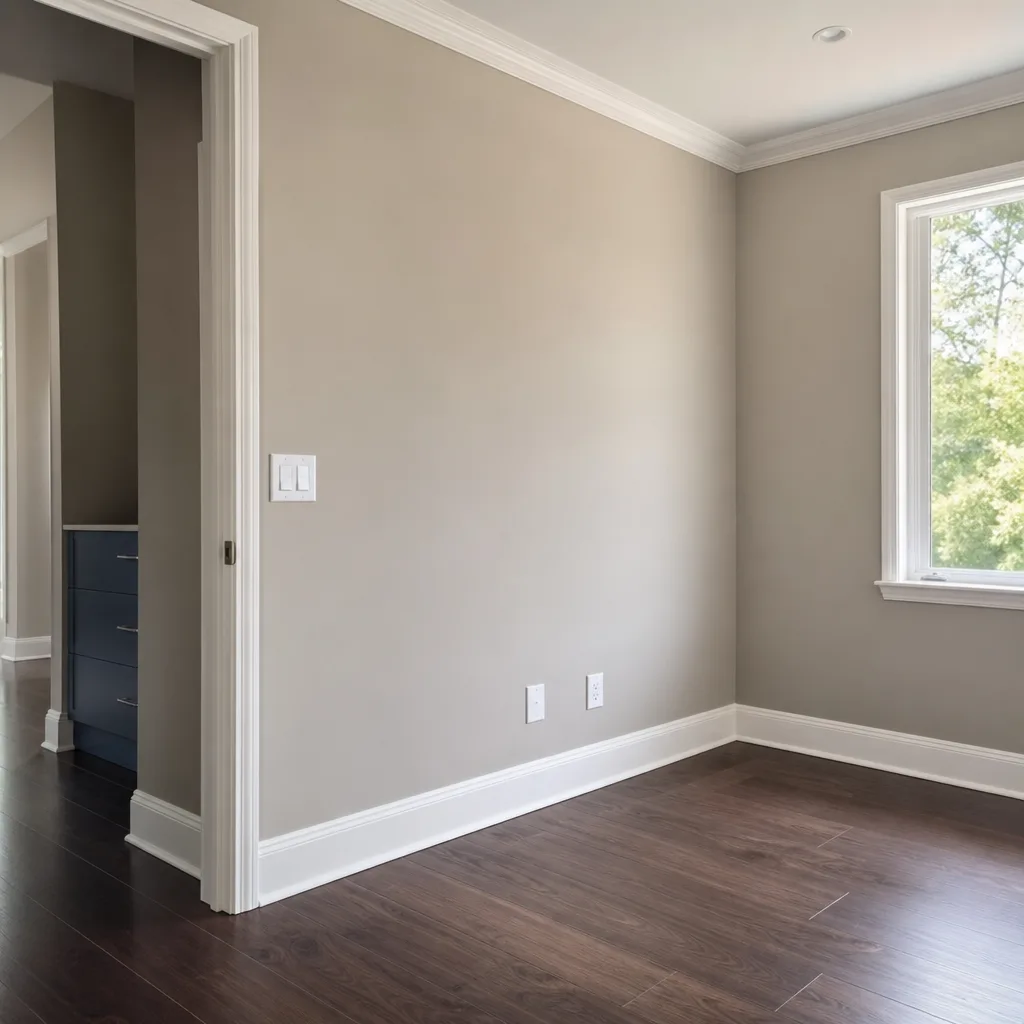 After
AfterDamage Restoration Permits, Codes & Inspections in CA: What You Need to Know
In California, replacing more than 50 percent of a roof surface triggers a permit requirement - a threshold crossed by many storm-damage restoration projects that contractors routinely complete without one, leaving the homeowner legally exposed. We’ve seen this exact scenario in Poway after winter Santa Ana wind events, where a partial re-roof done without a permit surfaces three years later during a refinance and kills the deal. This guide - alongside our Damage Restoration Warning Signs: A Poway Homeowner’s Reference Guide - translates the California Building Code sections and San Diego County requirements that actually matter into plain decisions a Poway homeowner can make before the first shingle comes off or the first wall opens up.
Quick Answer
Most structural, electrical, plumbing, and HVAC work in California restoration projects requires a city or county building permit, while cosmetic repairs like painting and flooring typically do not. In Poway, the City of Poway Building Division issues permits for work within city limits, and unpermitted repairs can trigger California Health and Safety Code Section 17920.3 disclosure obligations that complicate future sales or insurance claims. A closed-permit card from the city is the only documentation that survives a dispute and satisfies many insurance policy conditions for covered repairs.
Table of Contents
- When Restoration Work Requires a Permit in California
- The Poway Permit Process Step by Step
- What Happens During Poway Inspections
- California Health and Safety Code Section 17920.3
- CSLB Rules: What Contractors Must Do
- Insurance Policies and Permit Requirements
- Common Mistakes to Avoid
- When to Call a Professional
- Frequently Asked Questions
 Before
 After
AfterWhen Restoration Work Requires a Permit in California
California Building Code Section 105.1 requires permits for construction, alteration, movement, enlargement, replacement, repair, equipment, use and occupancy, location, removal, and demolition of any building or structure. For restoration work, this breaks into clear categories.
Permit-Required Work
- Structural repairs: Framing, load-bearing walls, roof sheathing or decking, foundation work, and any alteration to structural members. In Poway, this includes the hillside homes in Old Coach and Bridlewood where foundation settlement from water intrusion is common after heavy winter rains.
- Electrical: Panel replacement, circuit additions, rewiring, and any work beyond like-for-like device replacement. A flooded electrical panel in a Sabre Springs crawl space requires a permit and inspection.
- Plumbing: Repiping, water heater replacement, drain line repair, and any modification to the plumbing system. Cross-linked polyethylene (PEX) repipes after slab leaks need permits.
- HVAC: Furnace or air handler replacement, ductwork modification, and any refrigerant line work. Post-fire smoke damage often requires full HVAC replacement.
- Roofing: Replacement of more than 50 percent of the roof surface in any 12-month period, or any structural roof deck repair.
- Window and exterior door replacement: When the opening is modified or the unit is not a direct size-for-size replacement.
- Fire damage reconstruction: Any repair to fire-rated assemblies, including garage-to-house walls and multi-family demising walls.
Permit-Exempt Work
- Cosmetic drywall repair under 32 square feet per wall (larger patches require inspection as they may affect fire ratings)
- Interior painting, wallpaper, and similar finish work
- Flooring replacement (except when subfloor repair is needed)
- Like-for-like cabinet, countertop, and fixture replacement
- Minor trim and molding
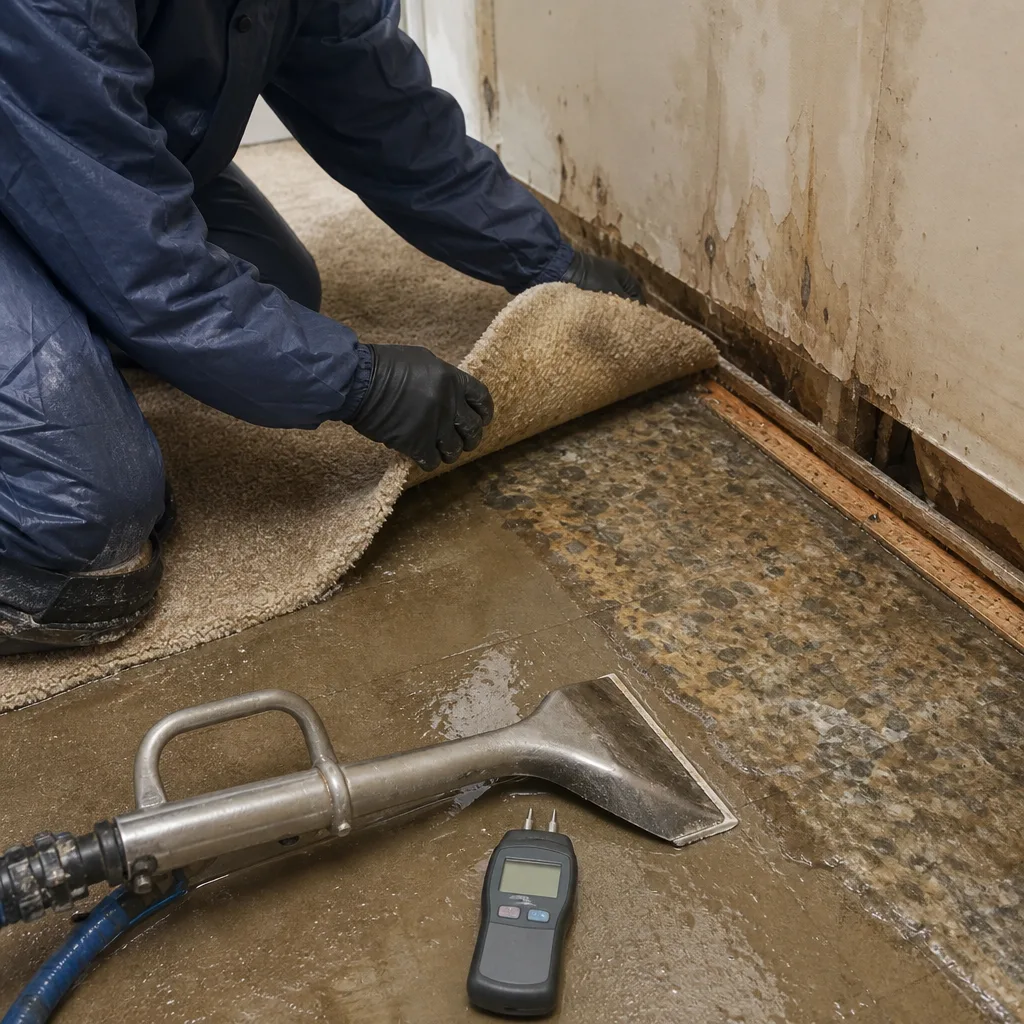
The line between exempt and required is where homeowners get caught. A water-damaged kitchen floor seems cosmetic until the crew discovers the subfloor is saturated and the joists show fungal growth. At that point, the scope crosses into structural repair and permit territory. We document this exact transition on every job with photos and moisture readings, then flag it in the written scope before work proceeds. Haven Standard, Clause 1: the written price before work begins includes permit costs when they’re triggered, not as surprise additions after demo.
Poway’s climate amplifies these threshold-crossing moments. The semi-arid conditions with intense summer heat and occasional winter saturation create expansion-contraction cycles that hide damage until surfaces are opened. A simple drywall patch in a Rancho Arbolitos home can reveal deteriorated insulation and compromised vapor barriers that push the repair into permit-required territory.
The Poway Permit Process Step by Step
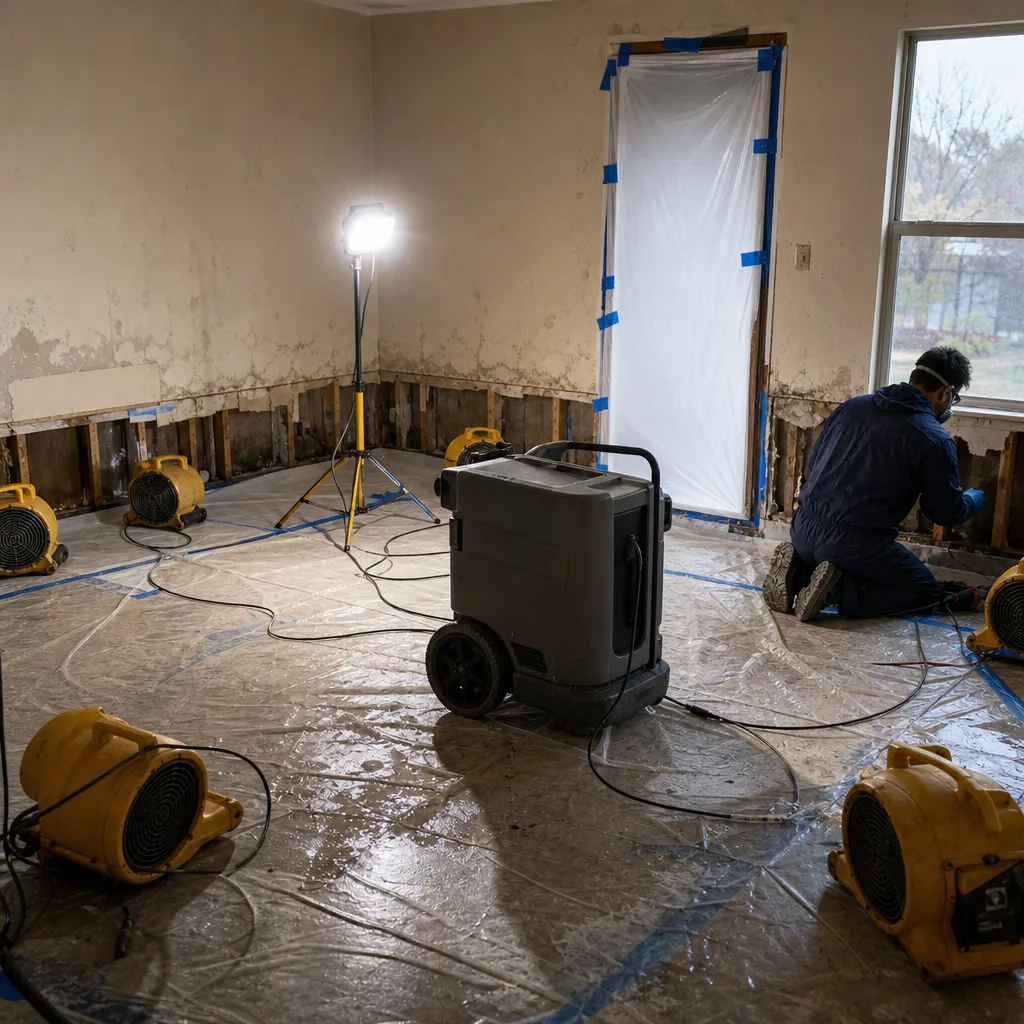
For work within Poway city limits, permits are issued by the City of Poway Building Division at City Hall on Civic Center Drive. Properties in unincorporated San Diego County areas near Poway fall under County of San Diego permitting authority. The process follows a consistent sequence.
- Determine jurisdiction. Verify whether the property sits within Poway city limits or unincorporated county land. The City of Poway’s online parcel lookup tool resolves this in minutes. Most of Poway proper is city-jurisdiction; some outlying areas near Highway 67 and the Ramona border are county.
- Prepare construction documents. For minor repairs, a detailed scope of work with drawings may suffice. For structural, electrical, or major reconstruction, engineered plans stamped by a California-licensed architect or engineer are required. We prepare these in-house for reconstruction projects, with moisture readings and photo documentation attached to show the damage that justifies the scope.
- Submit application. Online submission is available through the City’s Accela Citizen Access portal. Paper submission is accepted at the counter. The application requires property owner information, contractor license number, project description, and estimated valuation.
- Plan review. Staff reviews for code compliance. Simple permits may issue same-day; complex reconstruction projects require 2-4 weeks for plan review. Expedited review is available for emergency repairs that affect life safety, such as post-storm structural stabilization.
- Pay fees and receive permit. Fees are based on project valuation. A typical water-damage reconstruction permit in Poway runs $400-$1,200 depending on scope. The permit card must be posted on site before work begins.
- Schedule inspections. Inspections are scheduled through the City’s online system or by phone. Same-day or next-day scheduling is typically available for active projects.
- Final inspection and card closure. Upon passing final inspection, the city issues a Certificate of Completion or closed-permit card. This document is what future buyers, insurers, and appraisers will request.
Valuation matters for fee calculation, and this is where documentation discipline pays off. We attach our drying logs, photo records, and material specifications to support a valuation that reflects actual repair scope rather than inflated estimates. This accuracy keeps permit fees reasonable and supports insurance claim documentation under IICRC standards.
For properties in Poway’s older neighborhoods like Midland Estates and Green Valley Highlands, original construction predates current code requirements. When damage triggers reconstruction, the permit process may require bringing affected systems up to current code - a scope expansion that surprises homeowners who expected simple like-for-like repair. We flag this possibility in our initial written scope, with specific code sections cited, so the decision to proceed is an informed one.
What Happens During Poway Inspections
A typical water-damage reconstruction project in Poway moves through multiple inspection checkpoints. Each inspection stamps the permit card and creates a municipal record that survives any future dispute. Understanding what the inspector examines at each stage helps homeowners verify that work is actually complete before it’s covered up.
Inspection Sequence for a Reconstruction Project
- Foundation/underfloor inspection (if applicable): For projects involving subfloor repair, crawl space work, or foundation stabilization. The inspector verifies proper materials, fastening, and moisture barriers. In Poway’s clay-heavy soils, proper drainage and vapor barrier installation are scrutinized.
- Rough framing inspection: Structural members are examined for proper size, grade, spacing, and connection. Fire blocking is verified. The inspector confirms that damaged members are fully replaced rather than sistered in ways that compromise structural integrity.
- Plumbing rough-in: Pressure-tested lines, proper slope, and approved materials. For PEX installations, the inspector verifies proper expansion fittings and support spacing.
- Electrical rough-in: Wire gauge, circuit protection, box fill calculations, grounding, and arc-fault protection where required. Post-2020 code updates require arc-fault circuit interrupter (AFCI) protection in most residential circuits.
- Insulation inspection: Type, R-value, and installation quality. Vapor barrier placement is critical in Poway’s climate, where summer attic temperatures exceed 140°F and winter moisture can condense in wall cavities.
- Drywall/nail inspection: Fastener schedule, fire-rated assemblies, and penetration sealing. This inspection must occur before taping and mudding.
- Final inspection: Complete verification of all systems, finishes, and safety equipment. Smoke and carbon monoxide detector placement and interconnection are verified. The inspector signs the permit card, which the homeowner should retain permanently.
What the inspector stamps at each stage becomes part of the permanent record. We photograph each inspection card with the inspector’s signature and include these images in the job file delivered to the homeowner. This practice, standard under The Haven Standard, creates a chain of documentation that links municipal verification to insurance claim support.
Failed inspections happen, and they’re not catastrophic. They indicate code deficiencies that need correction before the work is concealed. A common failure in Poway reconstruction projects is inadequate nailing of roof sheathing, a detail that matters enormously in the next Santa Ana wind event. Another is improper fire blocking at garage-to-house wall penetrations, a life-safety issue that inspectors consistently flag. When we encounter a failed inspection, we correct the deficiency, reschedule, and document the resolution - all included in the original written price, with no additional charges.
California Health and Safety Code Section 17920.3
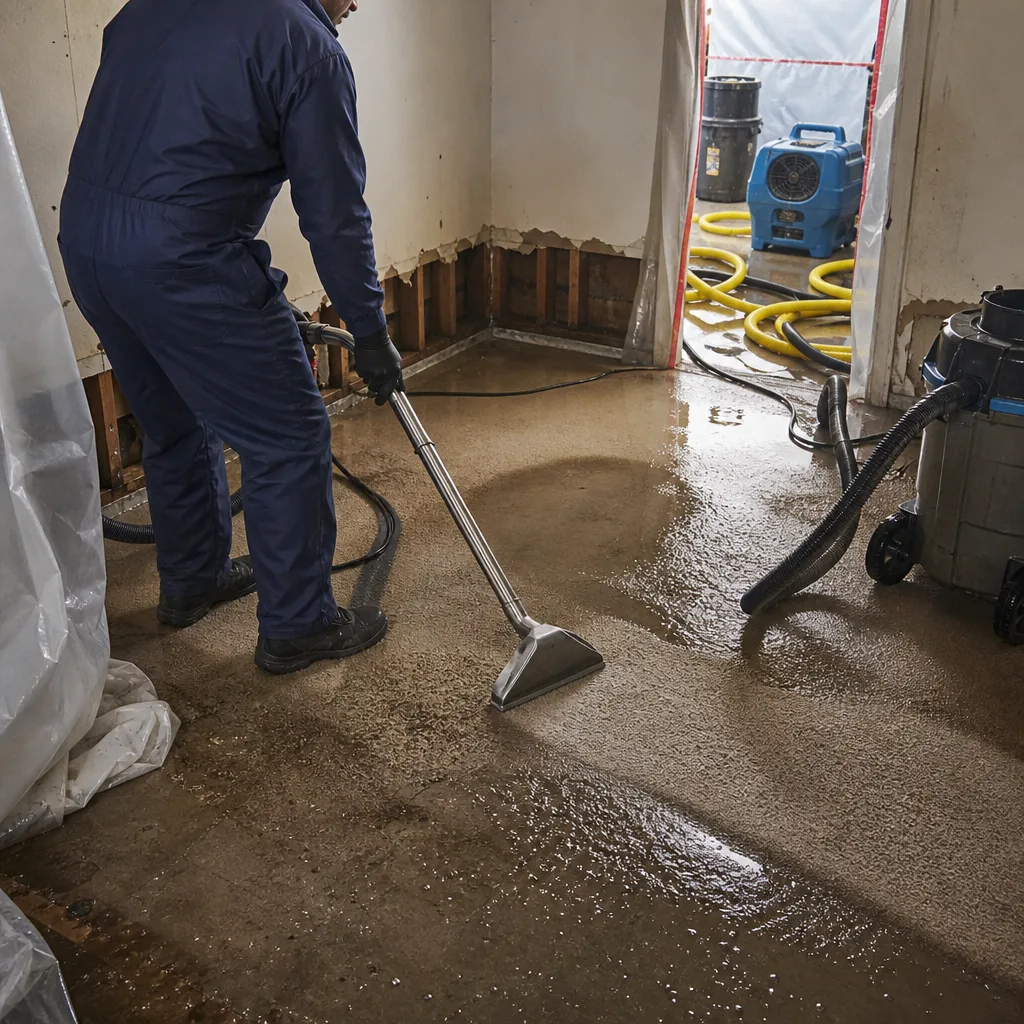
This section defines “substandard building” conditions that trigger mandatory disclosure obligations and potential local enforcement action. For restoration work, the critical intersection occurs when permit inspections reveal undocumented damage that the homeowner knew or should have known about.
Section 17920.3 identifies conditions including structural deterioration, inadequate sanitation, faulty electrical or plumbing systems, and - directly relevant to restoration - “dampness of habitable rooms” and “visible mold growth.” A home with active water damage or mold contamination that has not been properly remediated meets the statutory definition of substandard.
The disclosure trigger works like this: when a property is sold, the Transfer Disclosure Statement (TDS) and Seller Property Questionnaire (SPQ) require disclosure of material defects. A permit inspection that reveals previously concealed mold or water damage - damage that should have been addressed during an earlier restoration project - creates a paper trail of known conditions. If the prior restoration was done without permits and without proper documentation, the seller has no defensible record of what was actually repaired.
We’ve reviewed competitor work in Poway where a “completed” mold remediation left active growth in wall cavities, discovered years later during an unrelated permit inspection for a kitchen remodel. The homeowner faced disclosure obligations that reduced sale price by tens of thousands, plus mandatory remediation before close of escrow. The original contractor was unlicensed and unfindable. The documentation gap became the homeowner’s financial burden.
The protection against this exposure is simple: permitted work with closed permits, photo-documented remediation with moisture readings, and written warranties that survive contractor turnover. Our 365-Day Done Right Promise under The Haven Standard is a signed guarantee, not a verbal assurance, and it’s transferable to subsequent owners with proper documentation.
For mold remediation in Poway, this code section is particularly consequential. Mold remediation done without permit oversight may achieve visible clearance but fail to address the moisture source or hidden colonization. A future permit inspection for other work reveals the ongoing condition, and the homeowner faces Section 17920.3 disclosure plus mandatory abatement.
CSLB Rules: What Contractors Must Do
The California Contractors State License Board (CSLB) imposes specific obligations on licensed contractors regarding permits. These rules exist to protect homeowners from the liability of unpermitted work, but they’re frequently ignored in restoration where speed pressures and insurance complexities create incentives to skip steps.
Under CSLB regulations, a contractor who performs work that requires a permit must obtain that permit before starting work. This is not optional. The contractor cannot delegate permit responsibility to the homeowner, though unscrupulous operators sometimes attempt this through “owner-builder” arrangements that transfer liability while the contractor does the actual work - a distinction we explore in DIY vs Professional Damage Restoration: The Poway Homeowner’s Decision Guide.
Key CSLB requirements:
- Permit display: The permit card must be posted at the job site, visible from the street. Work performed without a posted permit is subject to stop-work orders.
- Licensed contractor of record: The CSLB-licensed contractor must be named on the permit. Using an unlicensed subcontractor or handyman for permit-required work violates CSLB rules and voids many insurance protections.
- Final inspection completion: Contractors must ensure final inspection is obtained and the permit closed. Abandoning a project with an open permit creates ongoing liability for the property owner.
- Code compliance: All work must meet current adopted codes, not the code in effect when the structure was built. This “current code” requirement often surprises homeowners in Poway’s 1970s-1980s neighborhoods.
What can a homeowner do if a contractor resists pulling permits? First, verify the contractor’s license status at cslb.ca.gov - a simple search that takes 30 seconds. Second, insist in writing that permits be obtained, with the permit number provided before work begins. Third, contact the CSLB if a licensed contractor refuses; this constitutes grounds for complaint and potential disciplinary action. Fourth, consider whether a contractor who avoids permits is a contractor you want inside your home.
We’ve been called to Poway homes where a previous restoration contractor completed structural repairs without permits, then disappeared when problems emerged. The homeowner inherited full liability. Our approach is documented from first contact: permit requirements are identified in the written scope, permit costs are itemized in the written price, and permit cards are photographed and delivered with the final documentation package. Haven Standard, Clause 1 means no surprises, and that includes permit compliance.
The license number verification is critical. California law requires contractors to display their license number in all advertising and contracts. We provide ours on every proposal, every invoice, and every piece of correspondence. Homeowners should cross-reference this number with CSLB records to verify active status, bond compliance, and disciplinary history.
Insurance Policies and Permit Requirements
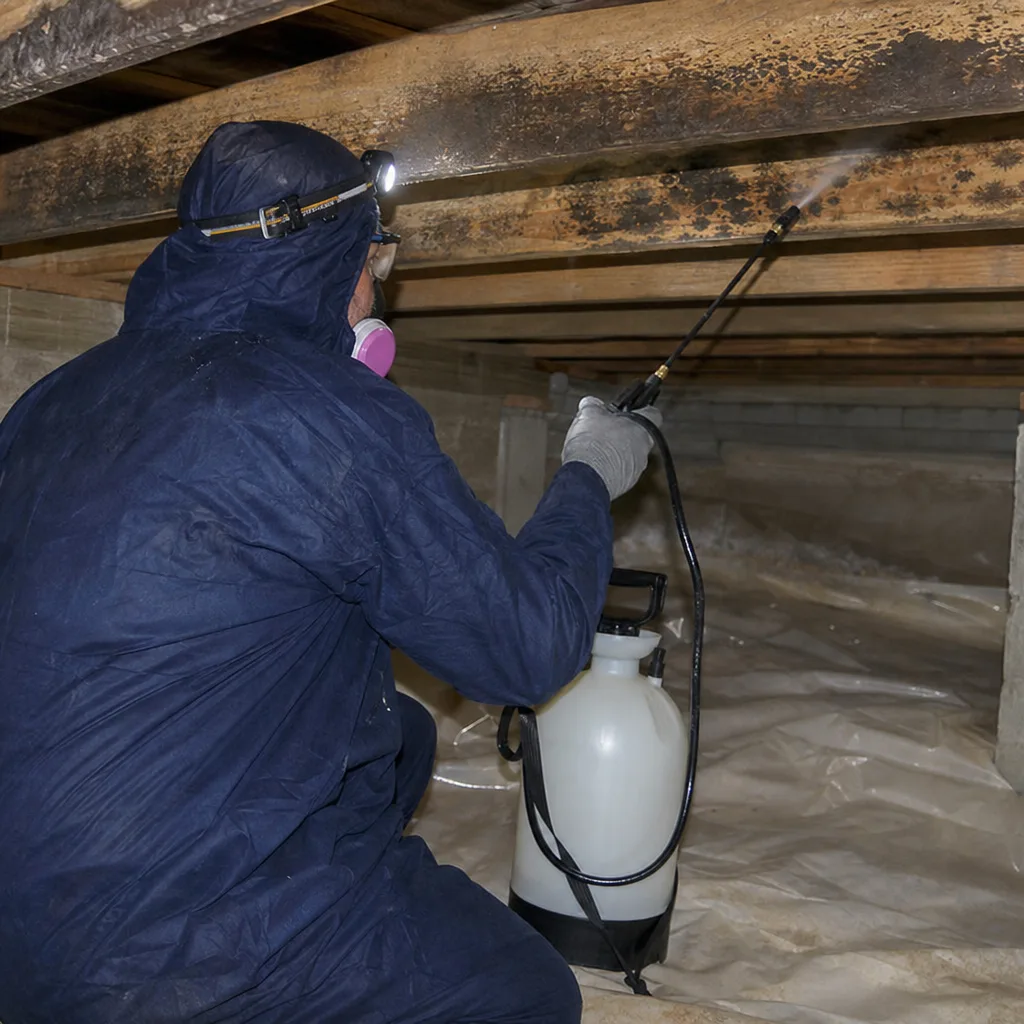
The intersection of insurance claims and permit requirements is where many restoration projects go wrong. Homeowners assume the insurance company handles everything; insurers assume the contractor knows the rules. The gap between these assumptions lands on the homeowner when unpermitted work surfaces years later.
Some insurance policies explicitly require permitted repairs as a condition of coverage or claim payment. This language typically appears in the “Duties After Loss” section or in endorsements for dwelling coverage. The policy may state that repairs must comply with applicable building codes, and code compliance requires permits for the work described in earlier sections.
More commonly, policies require “like kind and quality” repair or replacement. When current code requires upgrades beyond like-kind - for example, AFCI protection in a rewired circuit, or enhanced wind resistance in roof replacement - the policy’s ordinance or law coverage may apply. This coverage, typically 10-25% of dwelling limits, pays for the cost of code-required upgrades. But it only pays if the upgrades are actually performed and documented through the permit process. Unpermitted code upgrades leave the homeowner with non-compliant work and no insurance payment for the upgrade cost.
The closed-permit card is the only proof that survives a future dispute. Insurance companies merge, policies are sold, adjusters retire, and contractor businesses close. The municipal permit record persists. When a future claim arises - water damage at the same location, or a buyer’s inspection that reveals prior repairs - the closed permit demonstrates that work was performed to code and inspected. Without it, the homeowner faces the burden of proving that work was done properly, often years after the fact with no surviving documentation.
We coordinate directly with adjusters on permit requirements for water damage restoration in Poway and other covered losses. Our documentation package includes permit applications, inspection records, and code citations that support claim payment. The daily moisture logs and photo records we produce under IICRC standards become evidence that the scope of work was necessary and properly executed.
For fire and smoke damage restoration in Poway, the permit-documentation-insurance triangle is especially acute. Fire reconstruction often involves structural, electrical, plumbing, and HVAC work simultaneously. Multiple permits, multiple inspections, and complex coordination with the insurer’s estimate all must align. We manage this coordination as part of our standard service, with written milestones that track permit status against insurance payment schedules.
Common Mistakes to Avoid
- Accepting a contractor’s claim that permits “aren’t needed for insurance work.” Insurance coverage does not override building code requirements. Permits are jurisdictional, not optional based on funding source. In Poway, we’ve seen this claim used to expedite storm repairs that later required costly retroactive permitting.
- Allowing work to start before permit approval. Pre-permit work is legally unprotected and may be required to be removed or exposed for inspection. The “emergency” exception is narrower than contractors often suggest; true emergencies affecting life safety require notification to the building official, not silent commencement.
- Failing to verify that final inspection passed and the permit closed. An open permit creates a cloud on title that can delay or prevent sale or refinancing. We deliver closed-permit documentation as a standard deliverable, not an afterthought.
- Neglecting to disclose prior unpermitted work when selling. California’s disclosure requirements are strict, and Section 17920.3 conditions are specifically enumerated. The penalty for nondisclosure can exceed the cost of proper permitting by orders of magnitude.
- Assuming county and city requirements are identical. Unincorporated San Diego County and the City of Poway have different fee schedules, inspection protocols, and sometimes differing code amendments. A contractor familiar with one jurisdiction may mishandle work in the other.
- Relying on verbal assurances instead of written documentation. “Don’t worry, we handle permits” means nothing without a permit number in writing. Our written scope specifies exactly which permits will be obtained, by whom, and at what cost.
- Ignoring the ordinance or law coverage implications. Homeowners who waive code upgrade coverage to reduce premiums may face thousands in unrecoverable costs when permitted reconstruction triggers mandatory upgrades. We review this coverage with homeowners during scope development.
When to Call a Professional
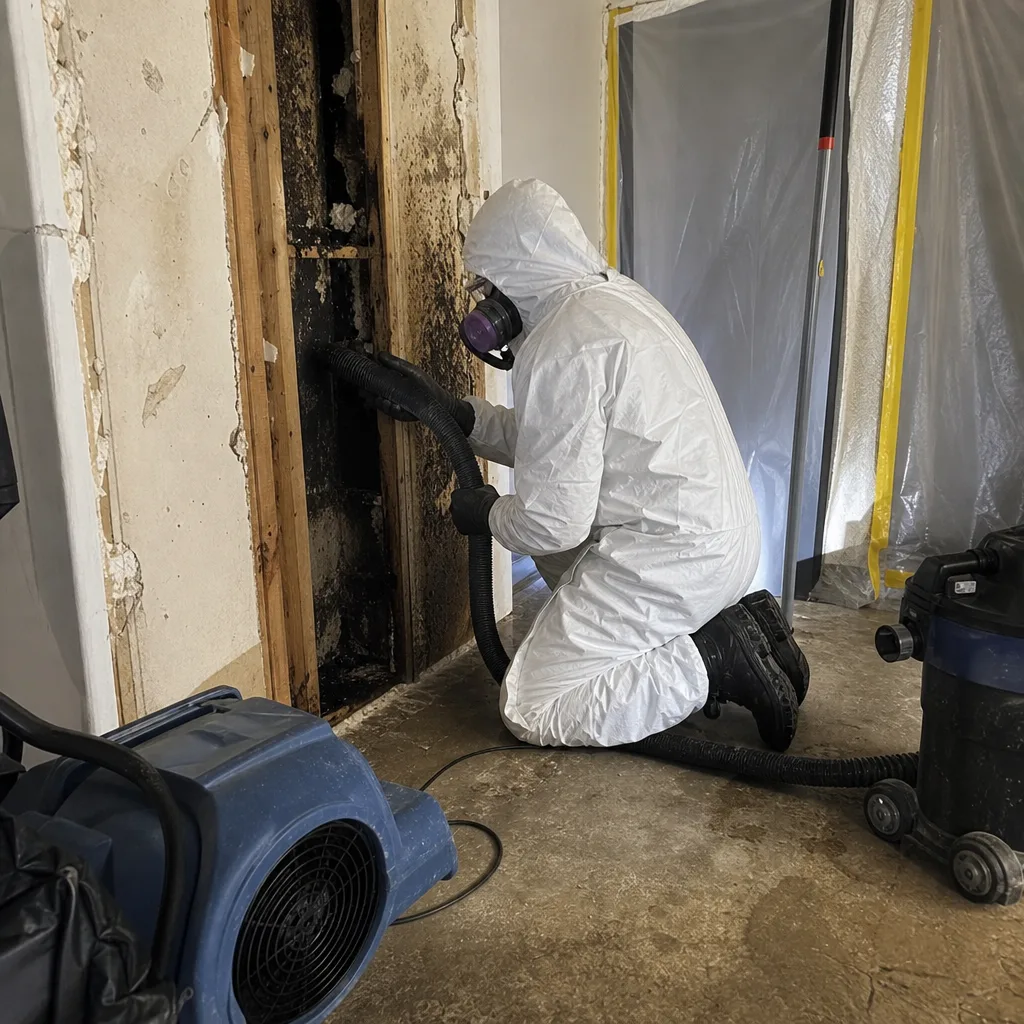
Call a licensed restoration contractor when damage involves structural elements, electrical or plumbing systems, HVAC equipment, or roofing - the categories where permits are legally required and errors are costly to correct. Call when you suspect hidden damage behind finished surfaces, where opening walls without documentation discipline can create disclosure obligations you don’t yet understand. Call when your insurance adjuster’s scope conflicts with what a contractor says is necessary, because the resolution requires technical knowledge of both code and policy language.
DryMark Restoration Poway offers free estimates in Poway - call (858) 683-1768. Every estimate includes identification of permit requirements, a written price before work begins, and a clear statement of what documentation you’ll receive. We also provide a Free Second Opinion on any competitor’s written estimate, reviewing permit compliance and scope accuracy at no charge.
Frequently Asked Questions
Replacement of drywall in the same location with the same dimensions typically does not require a permit, but repairs exceeding 32 square feet per wall, repairs to fire-rated assemblies, or repairs requiring structural member replacement do require permits. In Poway, we frequently encounter situations where initial drywall removal reveals damaged framing or insulation that pushes the scope into permit territory, which we flag in the written scope before proceeding. Call (858) 683-1768 for an exact assessment - estimates are free.
No. Under CSLB regulations, contractors must obtain required permits regardless of homeowner preferences; the permit obligation is statutory and cannot be waived by agreement. A contractor who suggests otherwise is exposing the homeowner to stop-work orders, code enforcement, and future disclosure liability. We obtain all required permits as a standard practice, with costs included in our written price.
Most standard homeowner policies include some provision for code upgrade costs through ordinance or law coverage, typically 10-25% of dwelling limits. Permit fees are generally recoverable as part of code compliance costs, but only if the work is actually permitted and inspected. Unpermitted work, even if technically code-compliant, may not trigger this coverage. We document permit costs explicitly in our insurance claim packages.
Emergency repairs affecting life safety or structural stability can often be approved same-day or next-day through Poway’s expedited process, provided the application includes documentation of the emergency condition. Our photo records and moisture readings support these expedited requests. Non-emergency reconstruction permits typically require 2-4 weeks for plan review. We schedule permit applications concurrently with mitigation work to avoid delays.
California law requires disclosure of material defects, including substandard building conditions under Health and Safety Code Section 17920.3. Unpermitted structural, electrical, or plumbing work constitutes a known defect that must be disclosed. Failure to disclose can result in rescission, damages, and in some cases fraud claims. The only reliable protection is retroactive permitting or full disclosure with appropriate price adjustment.
Request the permit number and verify it directly with the City of Poway Building Division or the relevant San Diego County office. Online permit lookup is available for most jurisdictions. The permit should list the contractor’s license number and show active status with scheduled or completed inspections. We provide permit numbers in writing and encourage verification - it’s a standard part of our documentation package.
Mold remediation itself does not typically require a building permit, but the repairs that follow often do - drywall replacement, structural repair, HVAC cleaning or replacement, and moisture source correction. If mold discovery triggers reconstruction of permit-required systems, those repairs must be permitted. Additionally, some mold remediation in Poway projects require environmental health notification for certain toxigenic species or large-scale abatement. We identify all permit and notification requirements in our initial scope.
The Bottom Line
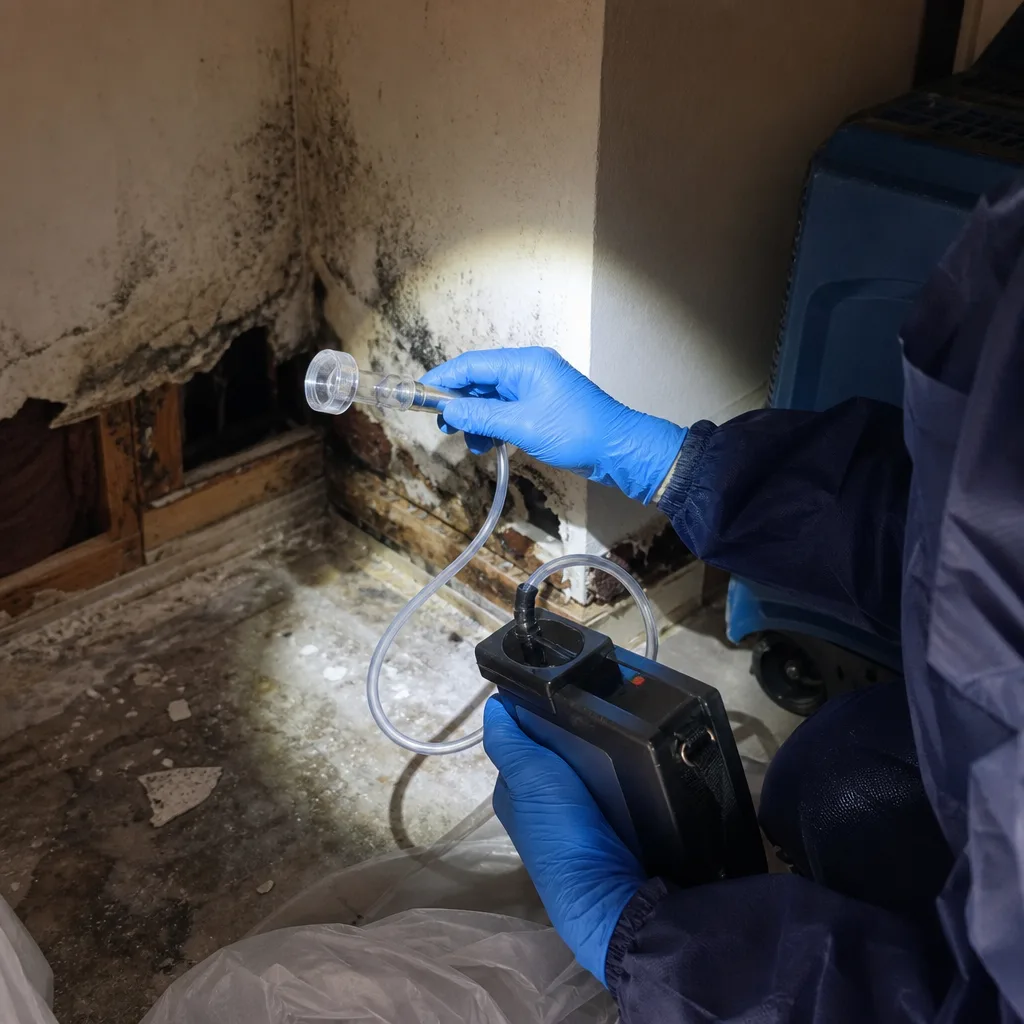
California permit requirements for restoration work are not bureaucratic obstacles; they’re the documentation framework that protects homeowners from liability, ensures code-compliant repairs, and satisfies insurance conditions that persist for years. For more guides & resources on navigating these requirements, visit our blog. In Poway, the difference between a properly permitted reconstruction and an unpermitted repair often surfaces at the most expensive possible moment: a future sale, a subsequent claim, or a code enforcement inspection triggered by unrelated work. The closed-permit card is the only document that reliably survives these events. Every other record - contractor warranties, insurance approvals, even photographic evidence - can be lost, disputed, or invalidated. We build our work around this permanence: permits obtained, inspections passed, documentation delivered, and a written warranty that references specific standards and specific people. That’s The Haven Standard, and it’s been our practice since 2011.
Written by Alicia Brennan, Owner at DryMark Restoration Poway, serving Poway since 2011.