
Last updated September 23, 2026
Free visual inspection and a written scope of work before any mitigation begins - photos, moisture readings, and drying logs go in your claim file
The scope we write is the scope we bill. Anything new gets shown to you, in writing, before we touch it.
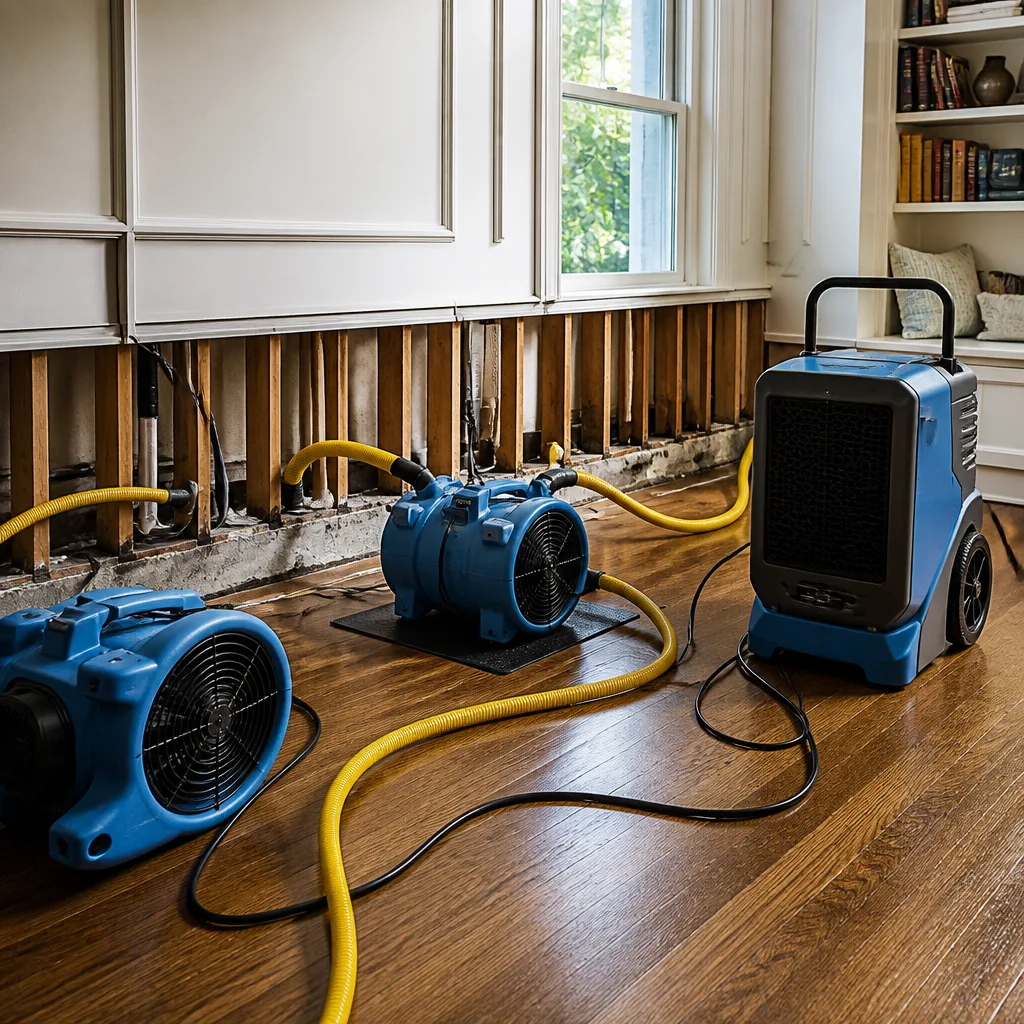

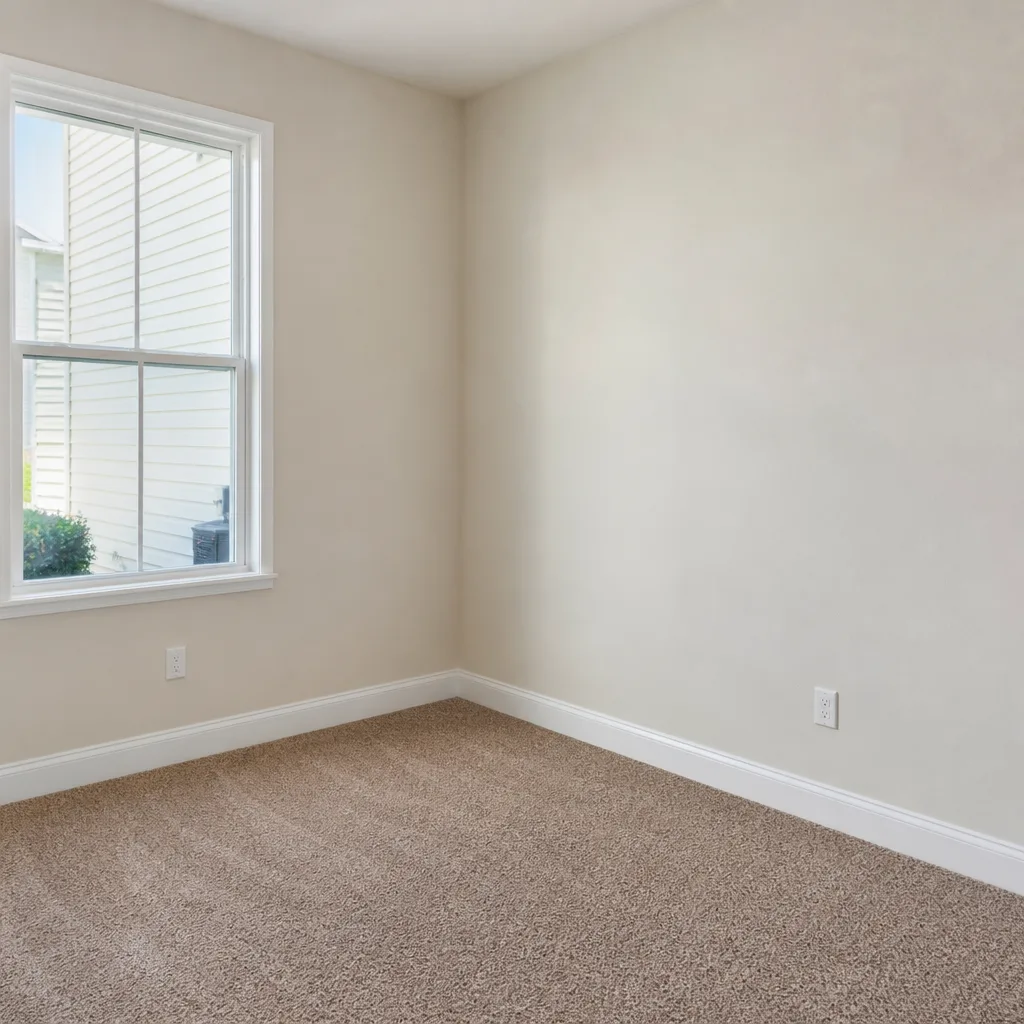

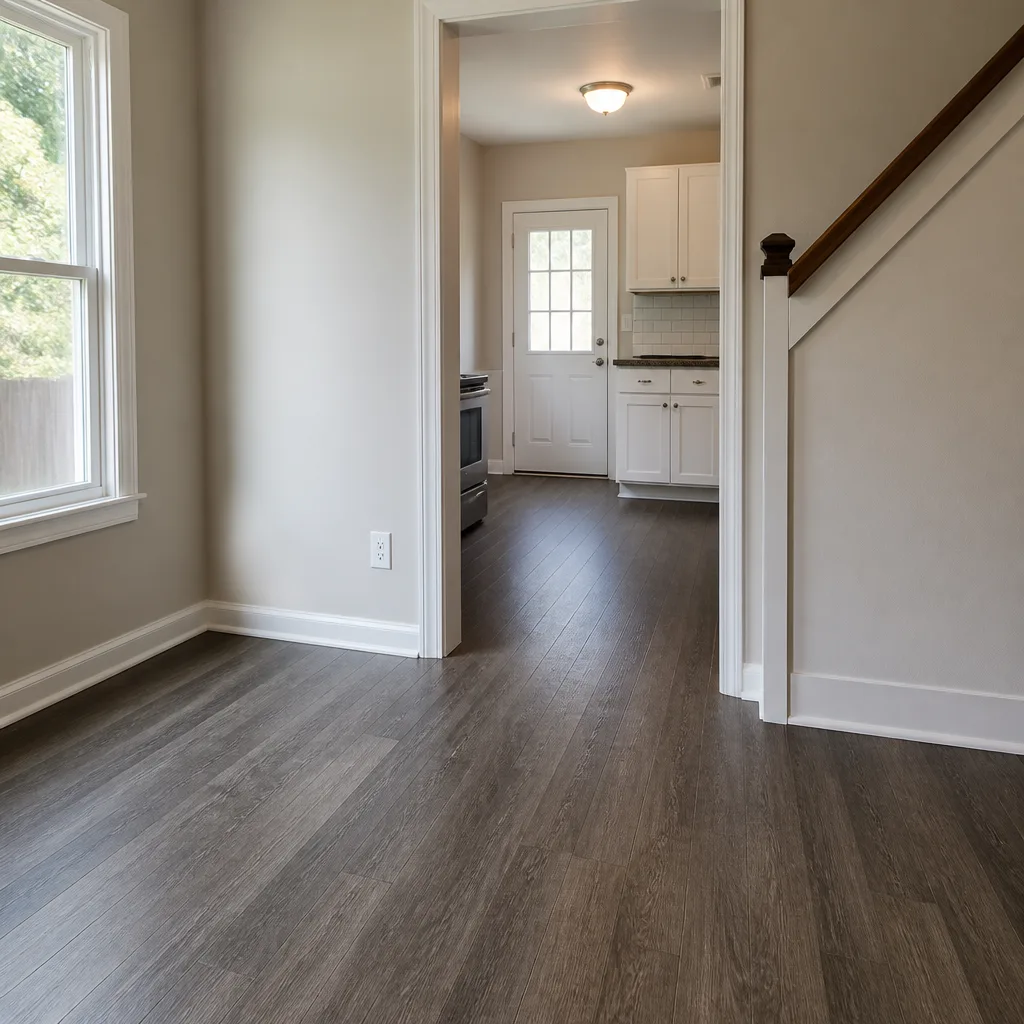

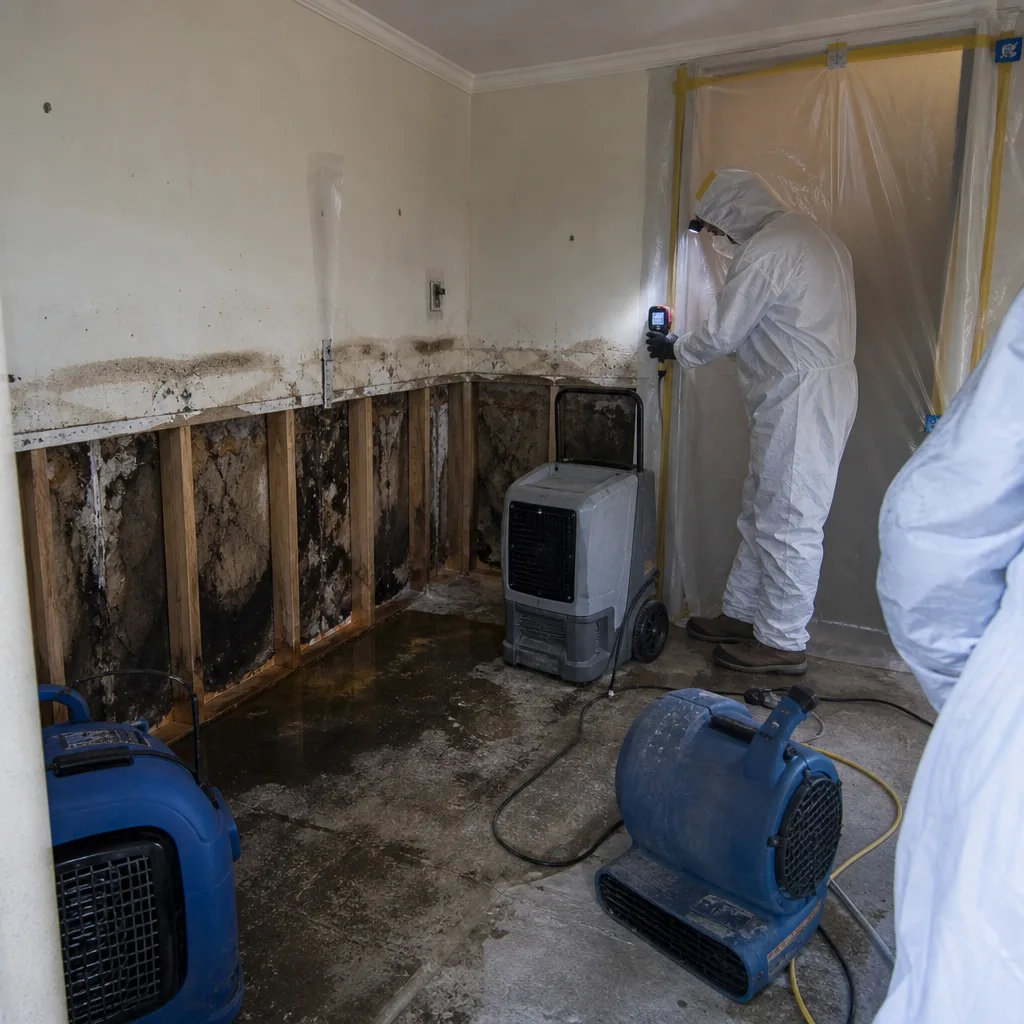 Before
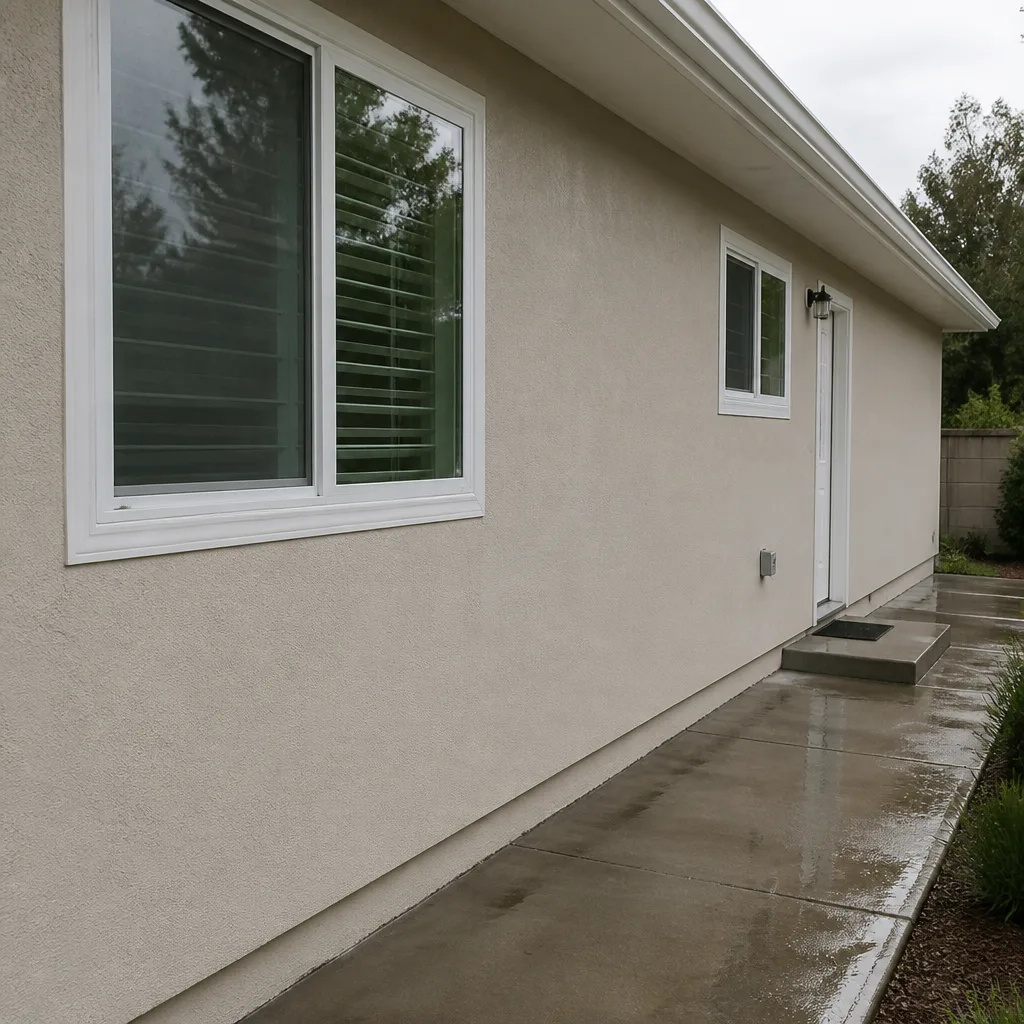 After
After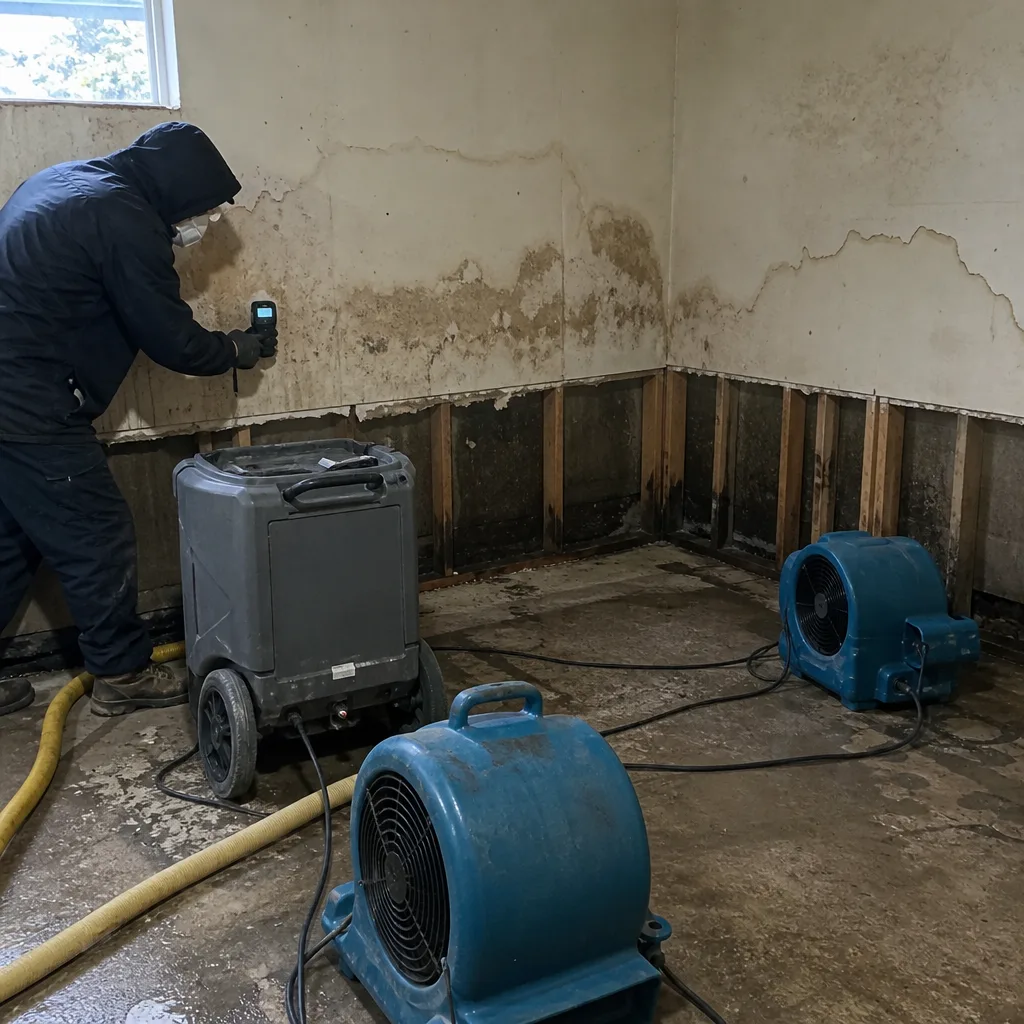 Before
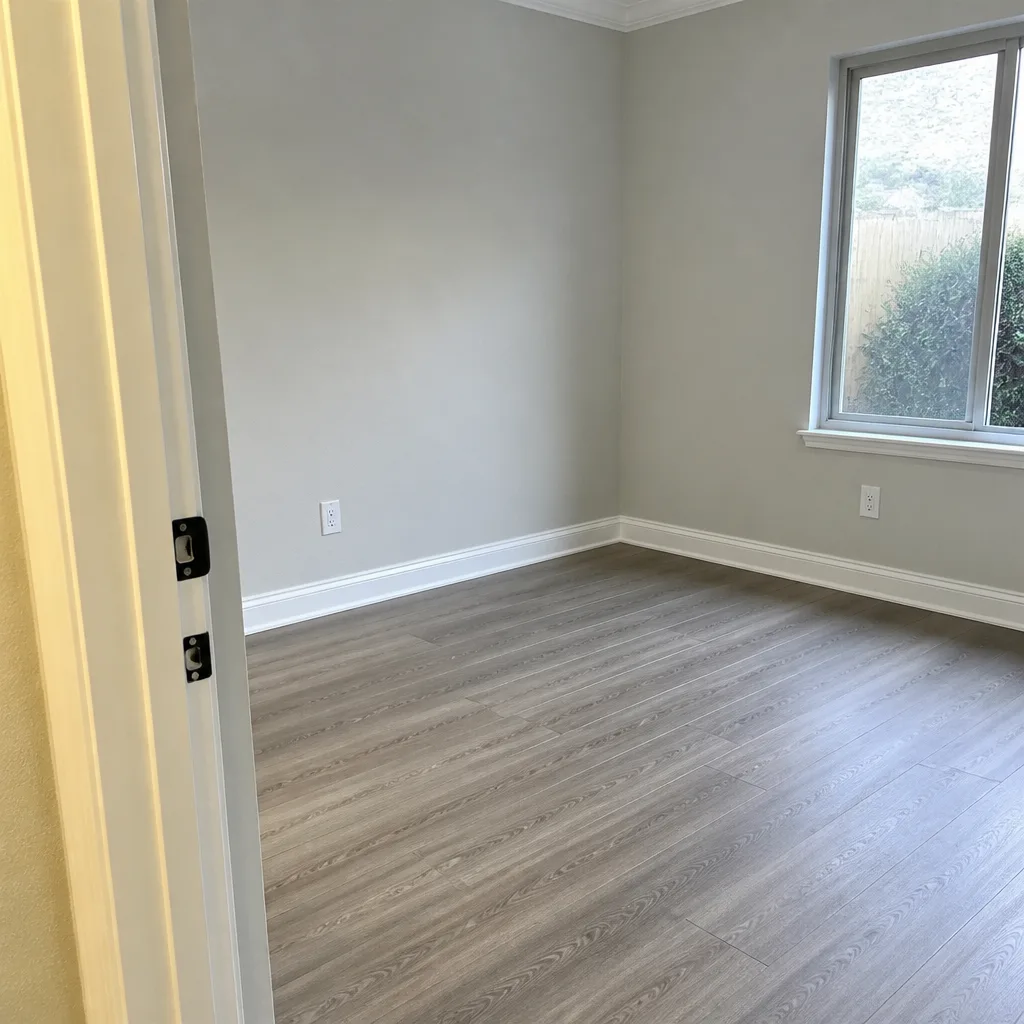 After
After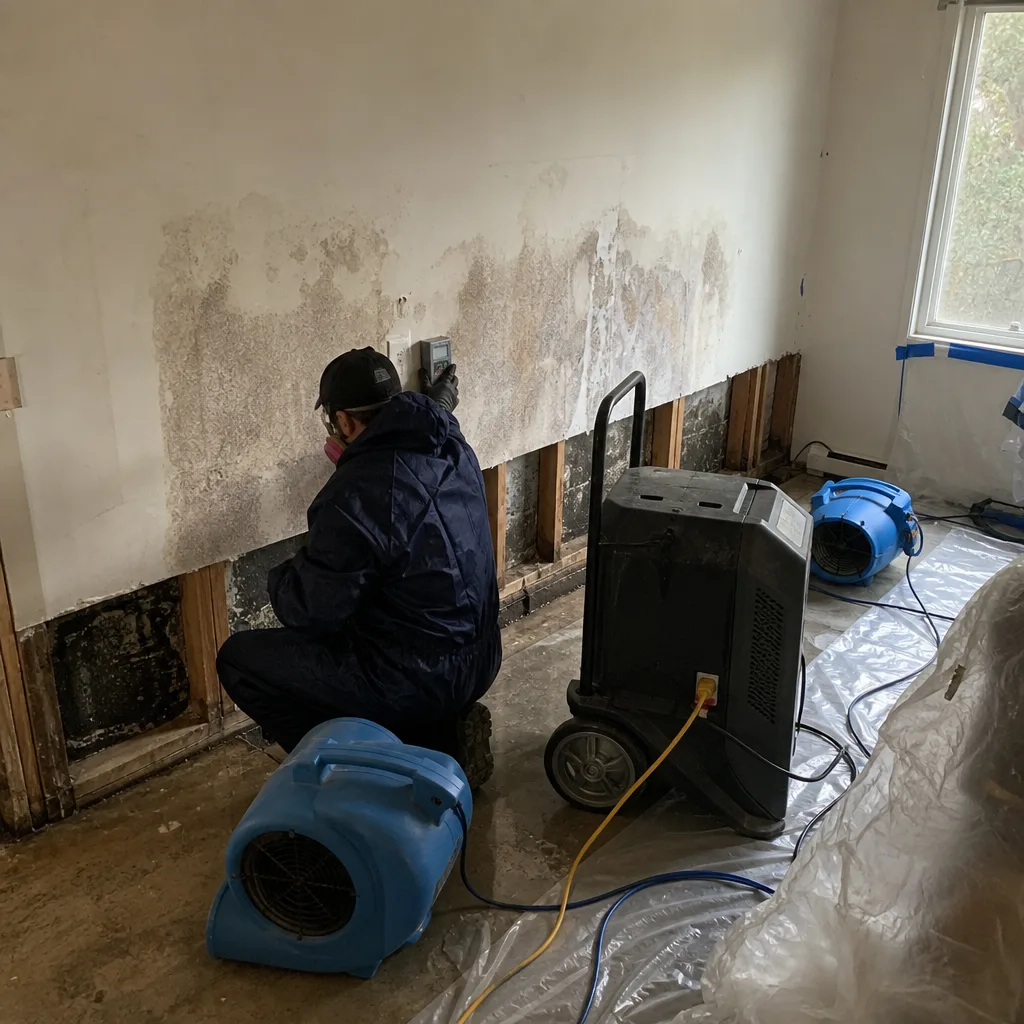 Before
 After
AfterDamage Restoration Warning Signs: A Poway Homeowner’s Reference Guide
By the time you smell mold, you’ve already lost the first 72 hours. That musty odor drifting from your Rancho Bernardo guest closet or your Stone Canyon garage? It’s a lagging indicator. The leading indicators are numbers: a humidity reading above 60 percent RH sustained for more than 24 hours, a moisture content in drywall above 1 percent above baseline, a vapor pressure differential that pulls moisture through concrete slabs you cannot see. Poway’s inland climate, with its hot, dry summers and occasional winter storm surges, creates exactly the kind of rapid humidity swings that trick homeowners into thinking a problem has “dried out on its own.” In this guide, you’ll learn which warning signs demand immediate action, which ones you can monitor yourself, and the specific measurements that separate a $200 fix from a $20,000 reconstruction.
Quick Answer
The most costly damage warning signs in Poway homes are measurable, not visible: sustained humidity above 60 percent RH, moisture content in wood framing above 16 percent, and efflorescence at slab edges indicating chronic sub-slab moisture. Homeowners who catch these early with a $25 hygrometer and a basic moisture meter can prevent mold growth, structural compromise, and disputed insurance claims-though for larger issues, see our DIY vs Professional Damage Restoration: The Poway Homeowner’s Decision Guide.
Table of Contents
- Moisture Readings: The Numbers That Matter
- Mold Indicators: Before You Smell Anything
- Structural Warning Signs in Poway Homes
- Plumbing Failures: Pressure, Flow, and Temperature Clues
- Fire and Smoke Risks: Electrical and HVAC Red Flags
- How to Document Damage Before the Contractor Arrives
- Printable Reference Table: Warning Signs and Action Thresholds
- Common Mistakes to Avoid
 Before
 After
AfterMoisture Readings: The Numbers That Matter
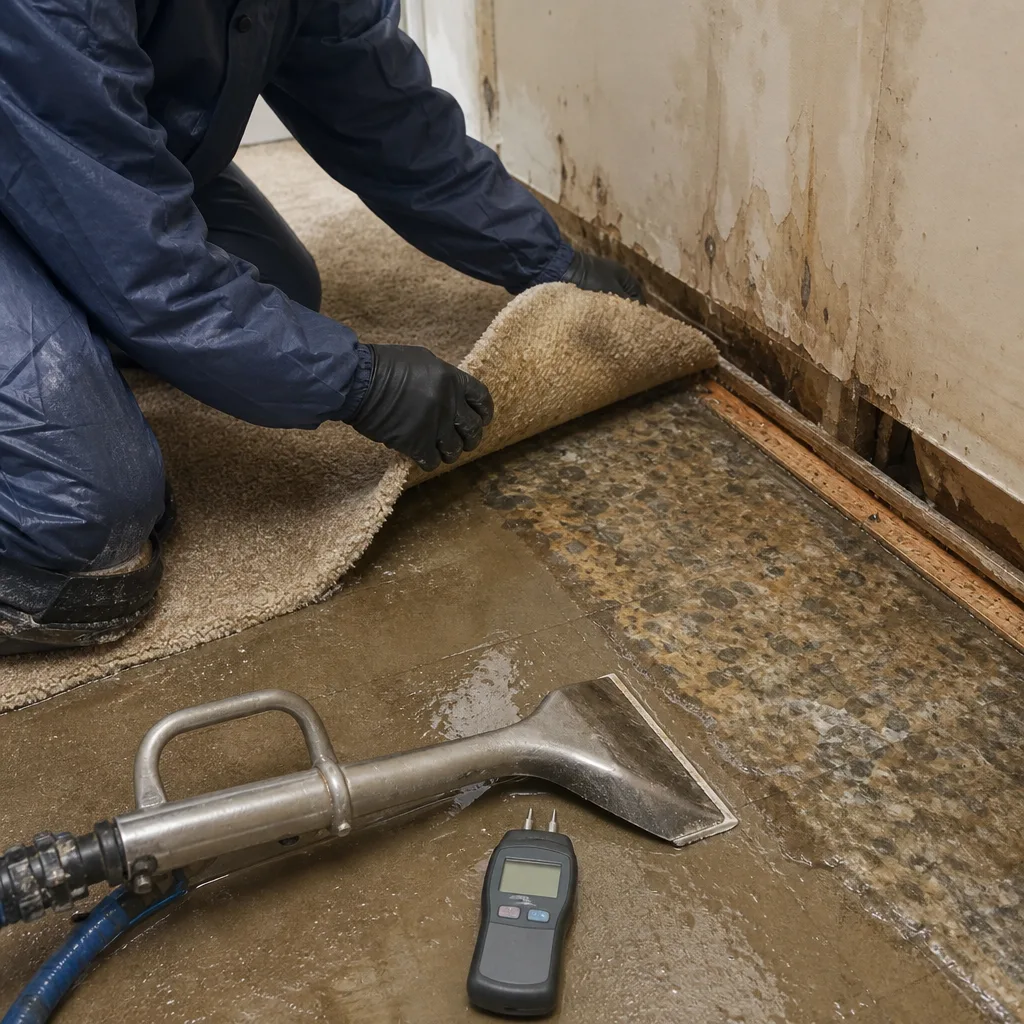
Every material in your home has a baseline moisture content, and every material has a failure threshold. Knowing both is the difference between monitoring and mobilizing.
Wood framing and structural lumber in Poway homes typically measures 9 to 14 percent moisture content during normal conditions. When readings climb to 16 percent or higher, fungal growth becomes physically possible. At 20 percent, decay organisms activate. These aren’t guesses; they’re the psychrometric data points that govern water damage restoration in Poway and determine whether an insurer will classify damage as “sudden and accidental” versus “long-term maintenance neglect.”
Drywall and gypsum board present a simpler threshold. Baseline in our climate runs 0.5 to 1.0 percent moisture content by weight. A reading above 1 percent above baseline, or any reading that doesn’t return to baseline within 24 to 48 hours after a known water event, indicates trapped moisture. We’ve removed drywall in Old Poway homes that read “dry” to the touch but registered 3.2 percent moisture content, enough to support Aspergillus growth behind the paint film.
Concrete slabs and subfloors are where Poway’s geology creates unique risk. The city’s expansive clay soils and hillside construction common in neighborhoods like Green Valley and The Heritage create hydrostatic pressure that drives moisture upward through slab edges. A calcium chloride test showing vapor emission above 3 pounds per 1,000 square feet per 24 hours, or visible efflorescence at slab perimeters, indicates chronic moisture loading that surface drying cannot address.
What to measure and when:
- Buy a pin-type moisture meter ($25 to $60) and a digital hygrometer ($15 to $30).
- Establish baselines now, before any event: record readings in unaffected closets, under sinks, and at slab edges.
- After any water intrusion, measure at 6, 12, 24, and 48 hours. Document each reading with date, time, location, and photo.
- If wood framing exceeds 16 percent or drywall exceeds 1 percent above baseline at 48 hours, call for professional assessment.
The daily drying logs we produce using professional-grade systems from Dri-Eaz and Phoenix track these same numbers. The difference is resolution: our sensors log every 15 minutes, and our documentation meets IICRC S500 standards for water damage restoration. But your $25 meter creates a baseline record that protects you if a dispute arises.
Mold Indicators: Before You Smell Anything
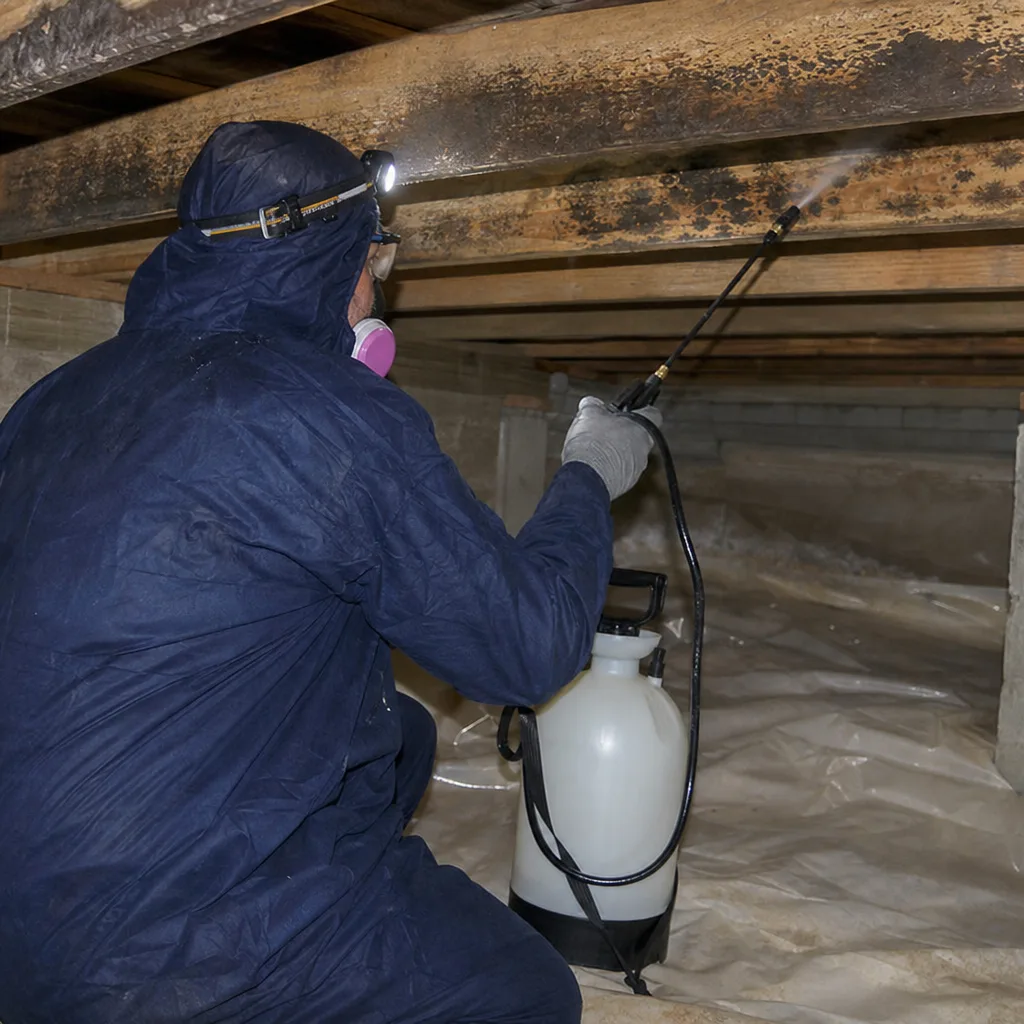
Mold requires four conditions: a food source (cellulose, which is in drywall, wood, and paper), adequate temperature (40 to 100 degrees Fahrenheit, which covers every Poway home), oxygen, and moisture. You control only one.
The 60 percent RH threshold is critical. At 60 percent relative humidity sustained for 24 to 48 hours, dormant mold spores germinate. At 70 percent, growth accelerates exponentially. Poway’s summer afternoons often drop below 30 percent RH, which tricks homeowners into believing their home is “dry.” But microclimates matter: a poorly ventilated bathroom after a shower, a laundry room with a dryer vent leak, or a garage with a slab that wicks moisture from expansive clay soils can sustain 70 percent RH while the living room reads 35 percent.
Leading indicators (measure these):
- Hygrometer reading above 60 percent RH in any room for more than 24 hours
- Surface temperature of exterior walls more than 5 degrees Fahrenheit below dew point (condensation risk)
- Moisture meter reading in baseboards or drywall corners above baseline
- Positive pressure in attic spaces during cooling season (indicates conditioned air leakage and moisture transport)
Lagging indicators (you’re already behind):
- Visible discoloration: gray, green, black, or brown patches, even small ones
- Musty odor, particularly in closets, basements, or behind furniture
- Allergy symptoms that improve when leaving the home
- Peeling or bubbling paint, particularly on exterior-facing walls
In our work across Poway, from the flat lots near Community Park to the hillside homes in Tierra Bonita, we’ve found that mold colonization in wall cavities typically begins 48 to 72 hours after moisture intrusion, but remains undetectable by smell for 10 to 14 days. By the time you smell it, the colony has established a foothold that requires professional remediation under IICRC S520 standards.
Mold remediation in Poway follows a specific protocol: containment, negative air pressure, HEPA filtration, removal of colonized materials, and post-remediation verification testing. The cost difference between catching moisture at 60 percent RH and waiting for visible mold is typically 8 to 15 times the early-intervention price.
Structural Warning Signs in Poway Homes
Poway’s topography, soil composition, and construction era create structural warning signs that generic guides miss, which is why we also publish a Seasonal Damage Restoration Care for Poway: Year-Round Homeowner’s Guide. Hillside properties, homes built during the 1980s and 1990s construction boom, and properties on expansive clay soils present patterns we’ve documented across thousands of inspections.
Stair-step cracking in stucco along block walls is common in hillside construction from Green Valley to The Heritage. These cracks follow mortar joints in a diagonal pattern, indicating differential settlement or soil movement. The threshold for concern: cracks wider than 1/8 inch, or any crack that has grown measurably in a 6-month period. Wider cracks, or those accompanied by interior drywall cracking at the same location, suggest active structural movement that may compromise waterproofing membranes and create moisture pathways.
Efflorescence at slab edges appears as white, powdery deposits where concrete meets soil or stem walls. It’s crystallized mineral salt left behind as moisture evaporates. In Poway’s clay soils, this indicates chronic sub-slab moisture, often from irrigation overspray, poor drainage, or hydrostatic pressure. The key measurement: if efflorescence reappears within 30 days of cleaning, the moisture source is active, not historical. Active sub-slab moisture degrades sill plates, invites termites, and creates vapor pressure that drives humidity into wall cavities.
Rusted soffit fasteners in eaves and porch ceilings indicate chronic attic condensation. When attic ventilation is inadequate, moisture-laden air condenses on cooler surfaces, including nail shanks. The rust threshold: any fastener with more than 50 percent surface rust, or staining on the soffit material itself. In Poway’s climate, this pattern often appears in homes with ridge vents but inadequate soffit intake, or in homes where bathroom and kitchen vents terminate in the attic rather than through the roof.
Other Poway-specific patterns:
- Foundation gaps between slab and stem wall: measure with a ruler; gaps exceeding 1/4 inch that change seasonally indicate expansive soil pressure
- Floor tile tenting or grout cracking: subfloor moisture or slab movement; measure with a 4-foot level; deviations over 1/8 inch in 4 feet warrant inspection
- Window frame separation from stucco: measure gap width; gaps over 3/16 inch that admit light or airflow indicate failed flashing and potential water intrusion
We’ve documented each of these patterns in homes from Old Poway’s historic district to newer construction in Sabre Springs. The common thread: they’re measurable, they progress if unaddressed, and they create the moisture pathways that lead to the restoration claims we handle daily.
Plumbing Failures: Pressure, Flow, and Temperature Clues
Plumbing failures account for the majority of sudden water damage claims in Poway homes. The warning signs precede the burst pipe or the slab leak, but they’re easy to miss if you don’t know what to measure.
Water pressure in municipal-supplied Poway homes should measure 40 to 80 psi at a hose bib. Pressure above 80 psi strains supply lines, flex connectors, and appliance valves. Pressure below 40 psi may indicate a leak in the supply line. The measurement takes 30 seconds with a $10 pressure gauge. If your pressure fluctuates more than 10 psi between morning and evening measurements, or if you’ve installed a pressure regulator that requires adjustment more than once yearly, you have a dynamic pressure problem that increases failure risk.
Water meter testing reveals hidden leaks: turn off all fixtures, record the meter reading, wait 2 hours without water use, and read again. Any movement indicates a leak. In our experience, a leak producing 1 gallon per hour, undetected for 30 days, saturates approximately 150 square feet of wall cavity and subfloor, enough to require professional drying and often mold remediation.
Temperature differentials in hot water lines indicate circulation problems or insulation failure. Use an infrared thermometer on exposed pipes: a hot water line reading below 100 degrees Fahrenheit within 30 seconds of opening a tap suggests significant heat loss, often from pipe contact with cold surfaces or failed insulation in wall cavities. This same contact point creates condensation during cooling season, a hidden moisture source.
Slab leak indicators specific to Poway:
- Hot spots on tile or concrete floors, detectable by bare foot or infrared thermometer
- Sound of running water when all fixtures are off; use a stethoscope or screwdriver pressed to the slab
- Foundation heaving or cracking that correlates with wet soil patterns
- Water bill increase without usage change: calculate gallons per day from meter readings; sustained increase over 500 gallons per day strongly suggests slab leak
Slab leaks in Poway’s expansive soils are particularly destructive. The soil swells when wet, lifting the foundation; it shrinks when drying, creating voids. This cycle cracks the slab, damages the leak repair, and often requires structural remediation beyond the plumbing fix. Early detection, through pressure monitoring and meter testing, prevents this cascade.
Fire and Smoke Risks: Electrical and HVAC Red Flags
Fire damage restoration is the most documentation-intensive work we perform. Insurance adjusters scrutinize origin-and-cause determinations, and disputed claims often hinge on whether the homeowner noticed and ignored warning signs. Fire and smoke damage restoration in Poway requires IICRC S740-compliant documentation from the first contact.
Electrical warning signs:
- Outlets or switches that are warm to the touch: use an infrared thermometer; any reading above 85 degrees Fahrenheit at the faceplate indicates resistance heating from loose connections
- Breaker trips that require reset more than once per month: this is not “an old panel”; it’s a circuit operating beyond safe capacity or with a fault condition
- GFCI outlets that won’t reset or trip randomly: test monthly using the test button; failure to trip or failure to reset indicates defective protection
- Discoloration around outlet openings: any brown, black, or orange staining indicates past arcing events
HVAC warning signs:
- Burning odor from supply registers, even briefly: shut down the system and inspect; filter media can ignite from contact with heat exchangers or electric elements
- Visible rust on heat exchanger or flue pipe: indicates condensation from improper venting, which can corrode through and admit combustion gases
- Short cycling: system runs less than 10 minutes per cycle; indicates overheating safety shutdown, often from restricted airflow that creates fire risk
Poway’s combination of high summer temperatures and occasional Santa Ana wind events creates particular HVAC stress. Systems that are marginally sized or poorly maintained operate at thermal limits for extended periods, accelerating component degradation. The threshold for professional HVAC inspection: any burning odor, any component temperature above manufacturer’s specification, or any safety device activation.
We’ve restored homes in Poway where a $12 outlet replacement would have prevented a $200,000 fire loss. The documentation of these warning signs, with dated photos and temperature readings, supports both prevention and, if damage occurs, insurance claim acceptance.
How to Document Damage Before the Contractor Arrives
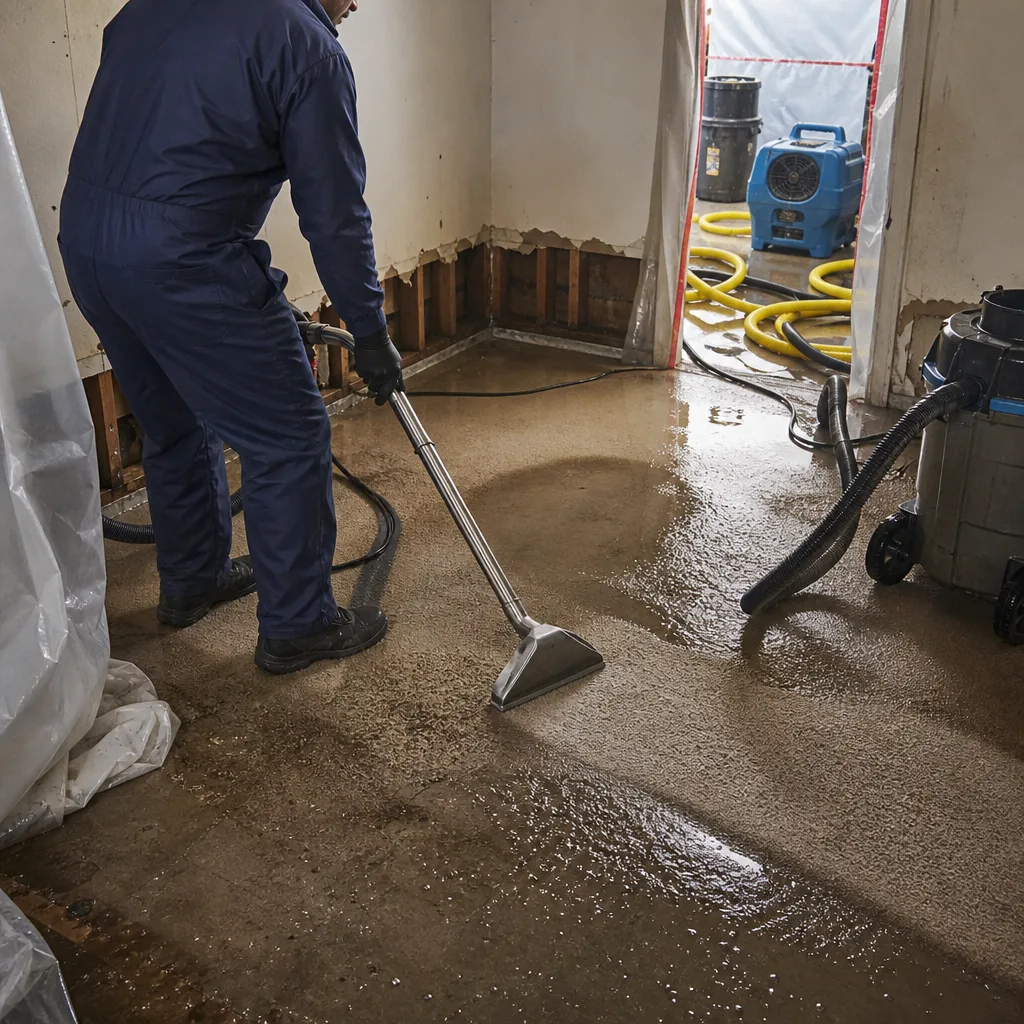
The single most powerful action a homeowner can take is creating a baseline record. This documentation protects against scope inflation, supports insurance claims, and ensures that restoration work addresses actual damage rather than estimated damage. For help finding qualified help when needed, read our How to Hire a Damage Restoration Contractor in Poway: A Step-by-Step Guide.
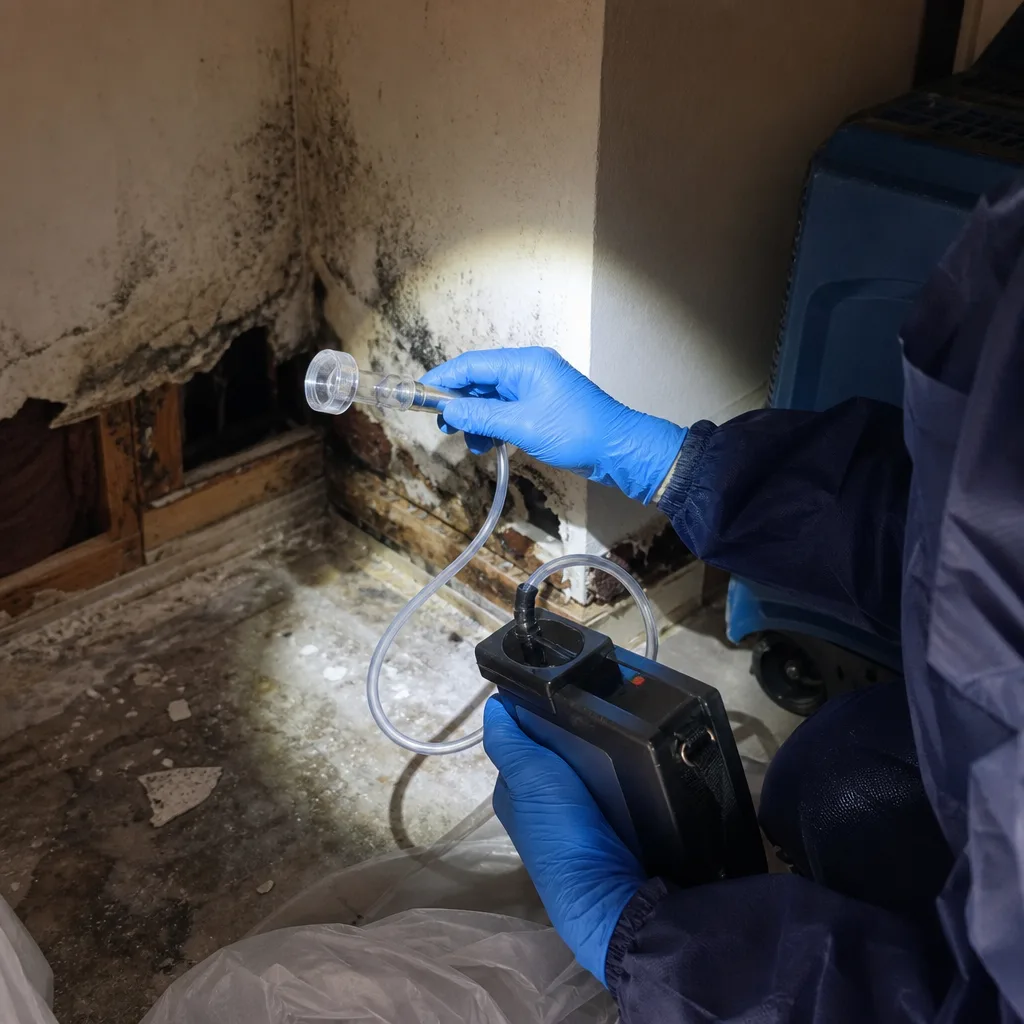
Tools needed: smartphone with camera, pin-type moisture meter ($25 to $60), digital hygrometer ($15 to $30), notepad or notes app, flashlight.
- Photograph everything before touching anything. Wide shots showing room context, medium shots showing damage extent, close shots showing material detail. Include a reference object (ruler, coin) for scale. Date and time stamp enabled.
- Establish the water source and path. Trace visible water to its origin. If the source is still active, photograph the active flow; if stopped, photograph the point of origin and all visible flow paths. This determines whether damage is active, latent, or historical.
- Measure moisture content at multiple points. Record baseline readings in unaffected areas first, then readings in affected areas. Note: material type, location, depth of reading (surface vs. deep with pin penetration), and time. A grid pattern, readings every 2 feet, creates a moisture map that professionals can extend with more sophisticated equipment.
- Record environmental conditions. Temperature and relative humidity in affected rooms, in adjacent unaffected rooms, and outdoors. These numbers determine the psychrometric conditions for drying and indicate whether the HVAC system is maintaining adequate control.
- Inventory affected contents. Photo and list: item description, approximate age, visible damage, location when found. This supports contents claims separate from structural claims.
- Document all communications. Save emails, texts, and notes from phone calls with insurers, property managers, and contractors. Note date, time, person spoken with, and commitments made.
The photo record we produce on every visit, included as a standard deliverable under The Haven Standard, extends this homeowner documentation with professional moisture mapping, thermal imaging, and detailed scope narratives. But your initial record establishes the timeline and baseline that make our documentation more defensible.
Under Haven Standard, Clause 1, we deliver a written price before any work starts, every time, with no exceptions. Your documentation supports accurate scoping, which supports accurate pricing, which prevents the scope-creep additions that damage trust in this industry.
Printable Reference Table: Warning Signs and Action Thresholds
Print this section and keep it accessible. The thresholds below distinguish monitor-and-watch from call-a-professional situations.
| Warning Sign | What It May Indicate | Measurement or Photo to Take | Threshold Triggering Professional Assessment |
|---|---|---|---|
| Musty odor in any room | Active mold growth, hidden moisture | Hygrometer reading; photo of any visible discoloration | Any odor with RH above 60% or visible growth of any size |
| Water stain on ceiling or wall | Active or past leak; ongoing if stain expands or darkens | Photo with date stamp; moisture meter reading at stain center and edge | Moisture content above 1% over baseline, or stain growing |
| Stair-step crack in stucco | Differential settlement, soil movement | Photo with ruler; measure crack width; photo from same angle in 30 days | Crack width above 1/8 inch, or measurable growth in 30 days |
| Efflorescence at slab edge | Chronic sub-slab moisture | Photo; note location; clean and observe for recurrence | Reappearance within 30 days of cleaning |
| Rusted soffit fasteners | Chronic attic condensation | Photo; count affected fasteners; note attic ventilation configuration | More than 50% surface rust on any fastener, or staining on soffit material |
| Water pressure above 80 psi or below 40 psi | Pressure regulator failure, supply line leak | Pressure gauge reading at hose bib, morning and evening | Sustained reading outside 40-80 psi range, or fluctuation above 10 psi daily |
| Water meter movement with all fixtures off | Hidden leak in supply system | Meter reading at start and after 2 hours; calculate gallons per hour | Any movement in 2-hour test, or calculated loss above 1 gallon per hour |
| Hot water line temperature below 100°F at tap | Heat loss to cold surfaces, condensation risk | Infrared thermometer on exposed pipe within 30 seconds of opening tap | Consistent reading below 100°F with water heater set to 120°F |
| Warm outlet or switch faceplate | Loose connection, resistance heating | Infrared thermometer reading; photo of faceplate | Any reading above 85°F at faceplate |
| Burning odor from HVAC registers | Overheating component, filter ignition risk | Photo of filter condition; note system runtime and cycle frequency | Any burning odor, even brief; shut down and call immediately |
| Floor tile tenting or grout cracking | Subfloor moisture, slab movement | 4-foot level reading; photo; moisture meter reading of subfloor if accessible | Deviation above 1/8 inch in 4 feet, or moisture above baseline |
Common Mistakes to Avoid
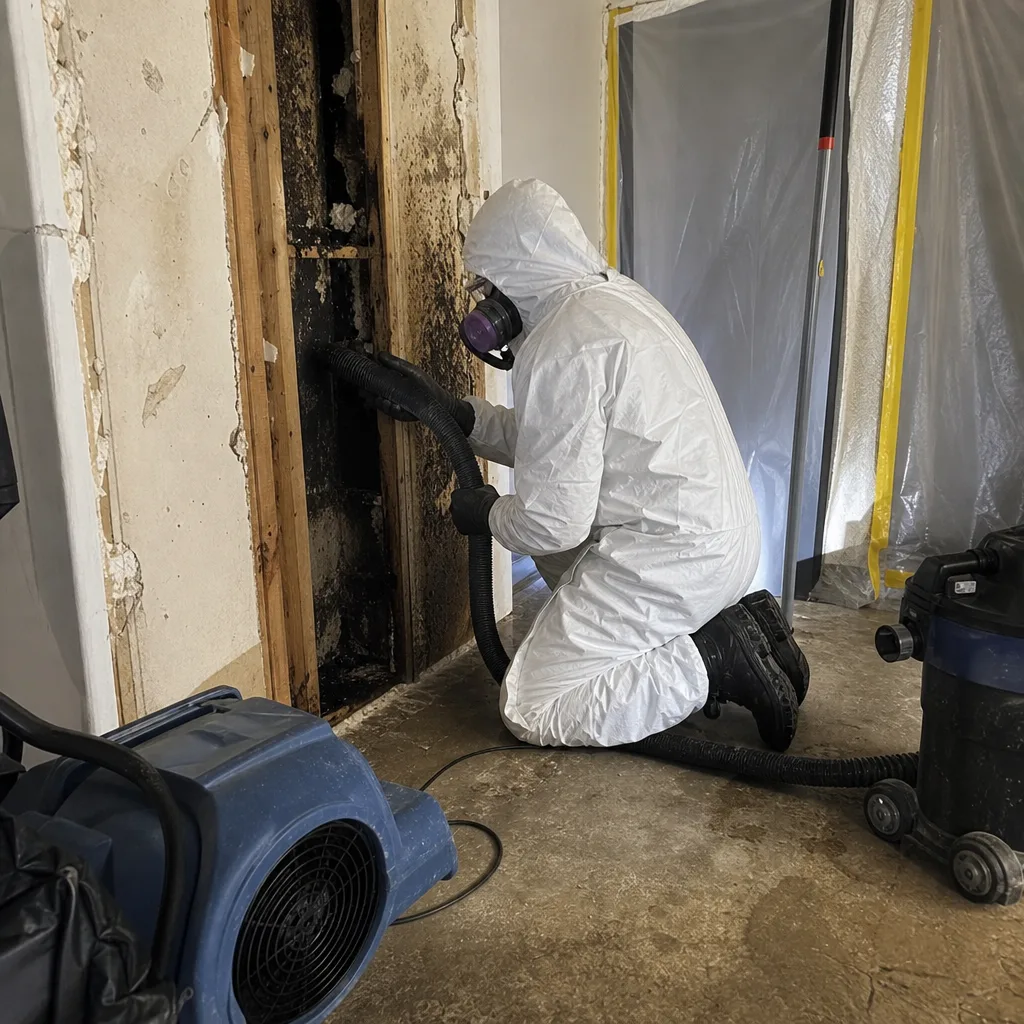
- Assuming “it dried on its own” after a visible spill. In Poway’s dry climate, surface moisture evaporates quickly while subsurface moisture remains trapped. We’ve removed hardwood flooring in Old Poway homes that read dry on top and 18 percent moisture content at the subfloor, six weeks after the homeowner mopped up a washing machine overflow.
- Using bleach on mold. Bleach kills surface growth but leaves viable hyphae in porous materials. The water in bleach solutions feeds deeper growth. Proper remediation requires removal of colonized materials and HEPA-contained cleaning, documented to IICRC S520.
- Ignoring seasonal foundation movement as “normal settling.” Poway’s expansive clay soils create predictable seasonal cycles, but progressive widening of cracks, or cracks that don’t close in dry seasons, indicate active structural issues that compromise waterproofing.
- Waiting for the insurance adjuster before documenting. Adjusters visit days or weeks after the event. Your immediate documentation establishes the baseline condition, prevents disputes about pre-existing damage, and supports faster claim resolution.
- Accepting verbal estimates or “we’ll figure it out as we go” pricing. This is how scope creep begins. Under The Haven Standard, Clause 1, a written price before work starts is non-negotiable. Any contractor who won’t commit in writing is signaling that their final invoice will exceed their initial number.
- Neglecting attic and crawl space inspection after winter storms. Poway’s winter rain events, though brief, drive water through compromised roof flashing and into wall cavities. Annual inspection with moisture meter readings in these spaces catches intrusion before it reaches living areas.
- Assuming new construction is immune. We’ve documented slab leaks in homes less than 5 years old, mold in homes with “mold-resistant” drywall, and electrical faults in homes with modern panels. Construction era doesn’t eliminate risk; it changes the failure modes.
When to Call a Professional
Call for professional assessment when any threshold in the reference table is exceeded, when you cannot identify or stop a water source, when mold is visible or odor is detectable, or when structural cracks are progressive. The cost of assessment is predictable; the cost of delay is not.
DryMark Restoration Poway offers free estimates in Poway. Every assessment includes moisture mapping, photo documentation, and a written scope with price before any work begins, per Haven Standard, Clause 1. Our live phone coverage is available 24 hours a day, 7 days a week with no voicemail on emergency lines. Call (858) 683-1768.
For water damage, mold, fire, or structural concerns, we provide a Free Second Opinion on any competitor’s written estimate, and every job is covered by our 365-Day Done Right Promise under The Haven Standard.
Frequently Asked Questions
DryMark Restoration Poway provides free estimates, including moisture mapping and photo documentation, with a written price before any work starts. Call (858) 683-1768 to schedule.
Most homeowners policies cover “sudden and accidental” damage but exclude long-term maintenance neglect. Your documentation of when you noticed the sign, what you measured, and when you called supports the “sudden” classification. Photo records with date stamps are particularly valuable. We coordinate directly with adjusters and provide the documented drying logs that turn restoration invoices into payable claims.
Our live phone coverage is available 24 hours a day, 7 days a week with no voicemail on emergency lines. For active water flow, sewage backup, or fire damage, we dispatch immediately. For assessment of warning signs that have stabilized, we typically schedule within 24 hours. Call (858) 683-1768.
For mold areas below 10 square feet with no HVAC involvement and no immune-compromised occupants, limited self-removal is possible with proper PPE and containment. For larger areas, hidden growth, or any fire or sewage contamination, professional remediation is necessary for health protection and insurance documentation. We offer free assessment to determine the appropriate scope.
We do. Our documentation, including photo records on every visit, daily drying logs, and written scopes, is formatted for direct adjuster submission. We coordinate scope approval and billing directly, with your authorization, so you’re not translating between trades and insurance language.
Active damage has an ongoing water source and requires immediate source control and extraction. Latent damage has a stopped source but wet materials that require professional drying to prevent mold and structural degradation. Historical damage is dry but structurally compromised, requiring repair or reconstruction rather than drying. Each requires different documentation, pricing, and insurance classification. We assess and categorize during our free estimate.
The Bottom Line
The warning signs that predict costly damage are numbers, not impressions. A $25 hygrometer and a basic moisture meter, used with the thresholds in this guide, give Poway homeowners the leading indicators that precede visible damage. Document what you measure, date what you photograph, and act when thresholds are exceeded. For additional guidance, explore our more guides & resources. The 72-hour window between moisture intrusion and mold colonization is real, but it’s only useful if you know what to measure and when.
We’ve restored over 12,000 homes since 2011, every one with a written price before work started and a documented record when the crew left. The documentation gap that costs homeowners their claims is the problem we built this company to solve.
Written by Alicia Brennan, Owner at DryMark Restoration Poway, serving Poway since 2011.