
Last updated September 23, 2026
Free visual inspection and a written scope of work before any mitigation begins - photos, moisture readings, and drying logs go in your claim file
The scope we write is the scope we bill. Anything new gets shown to you, in writing, before we touch it.
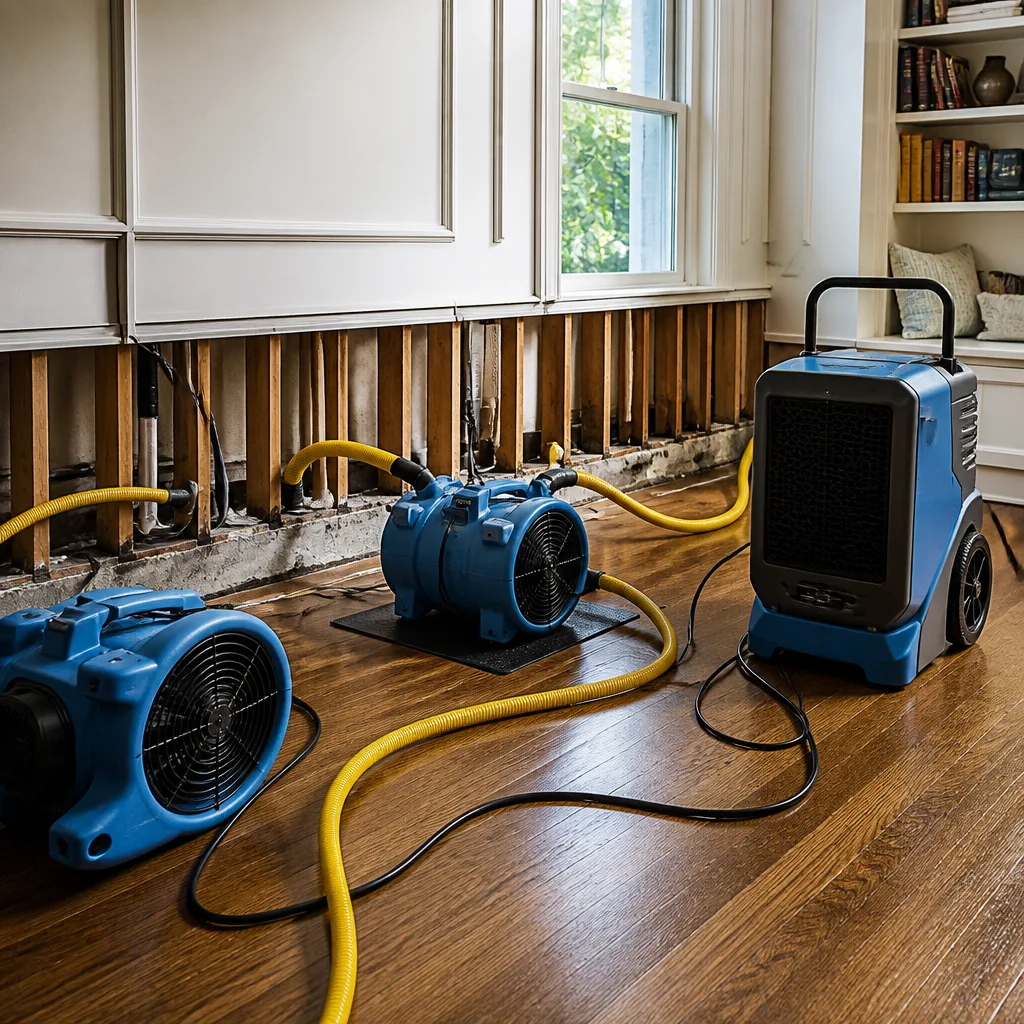
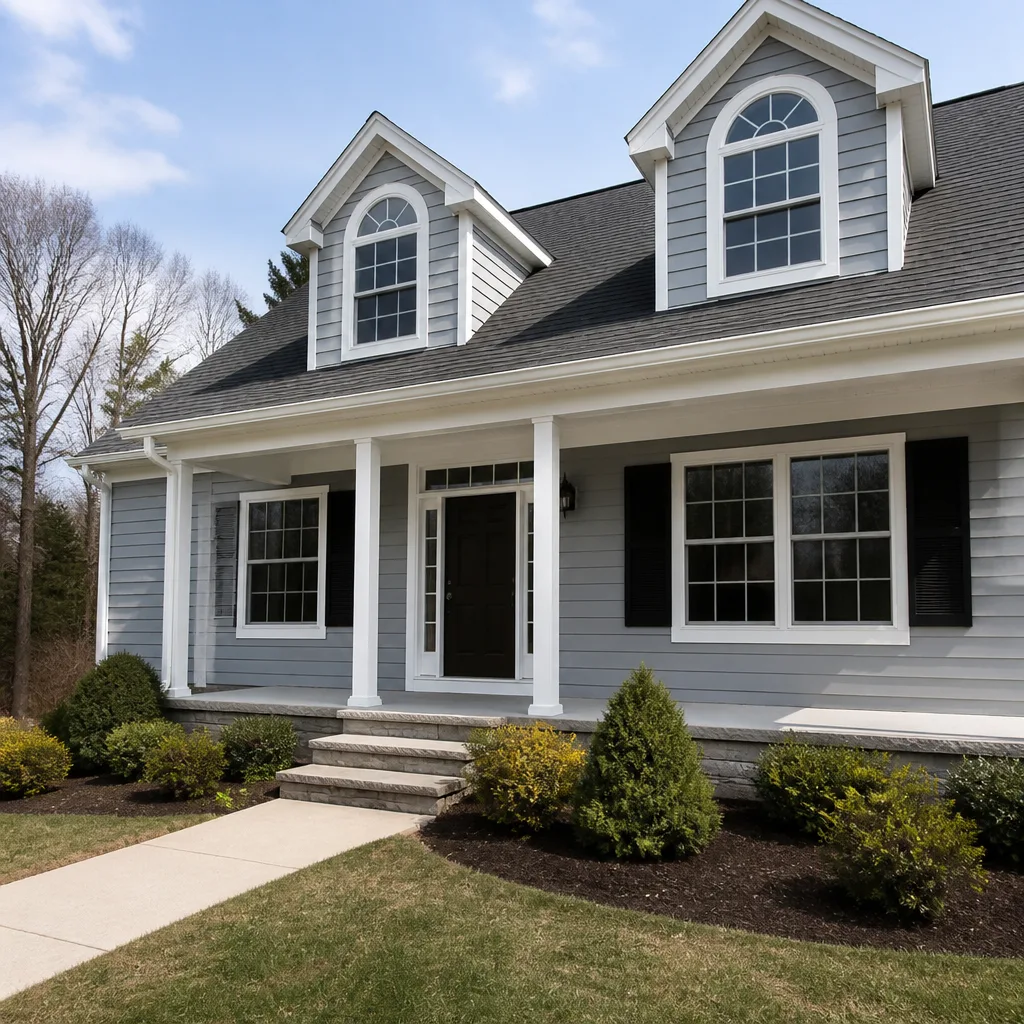
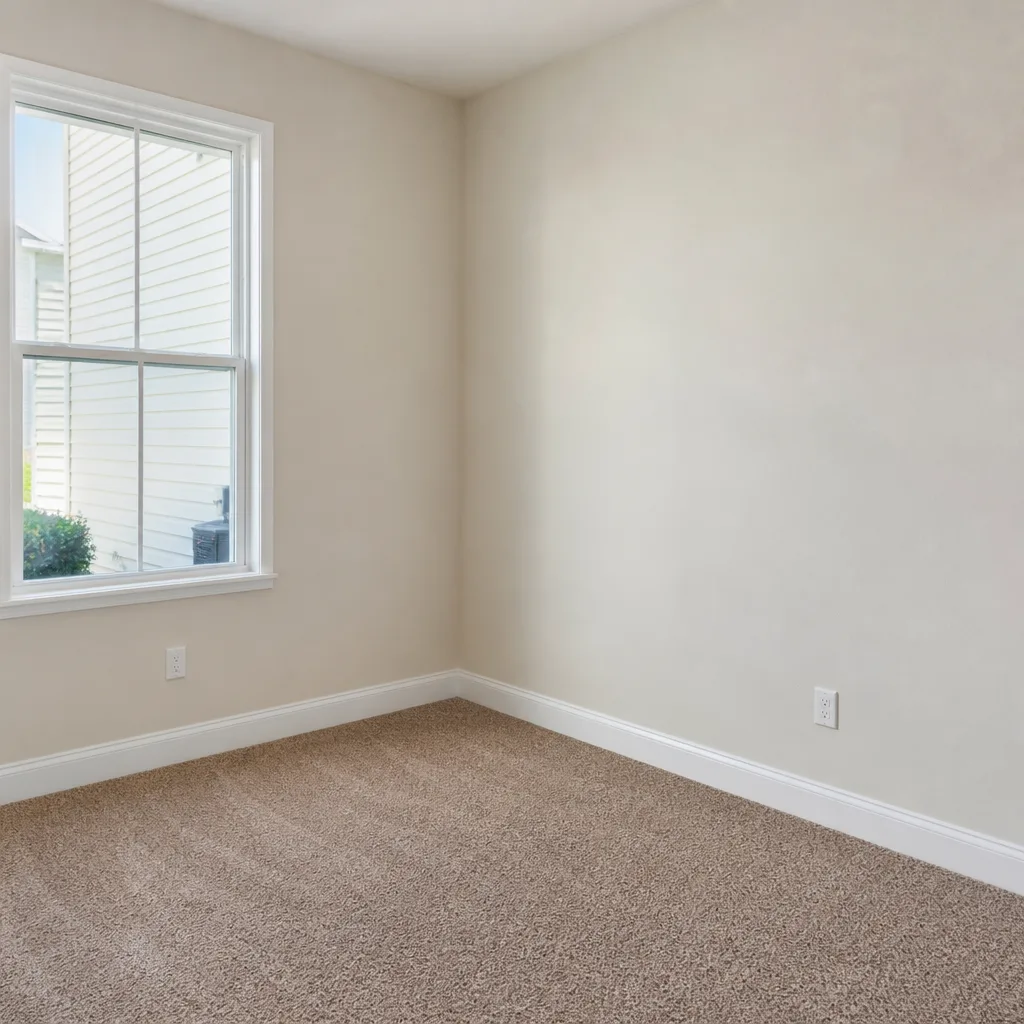

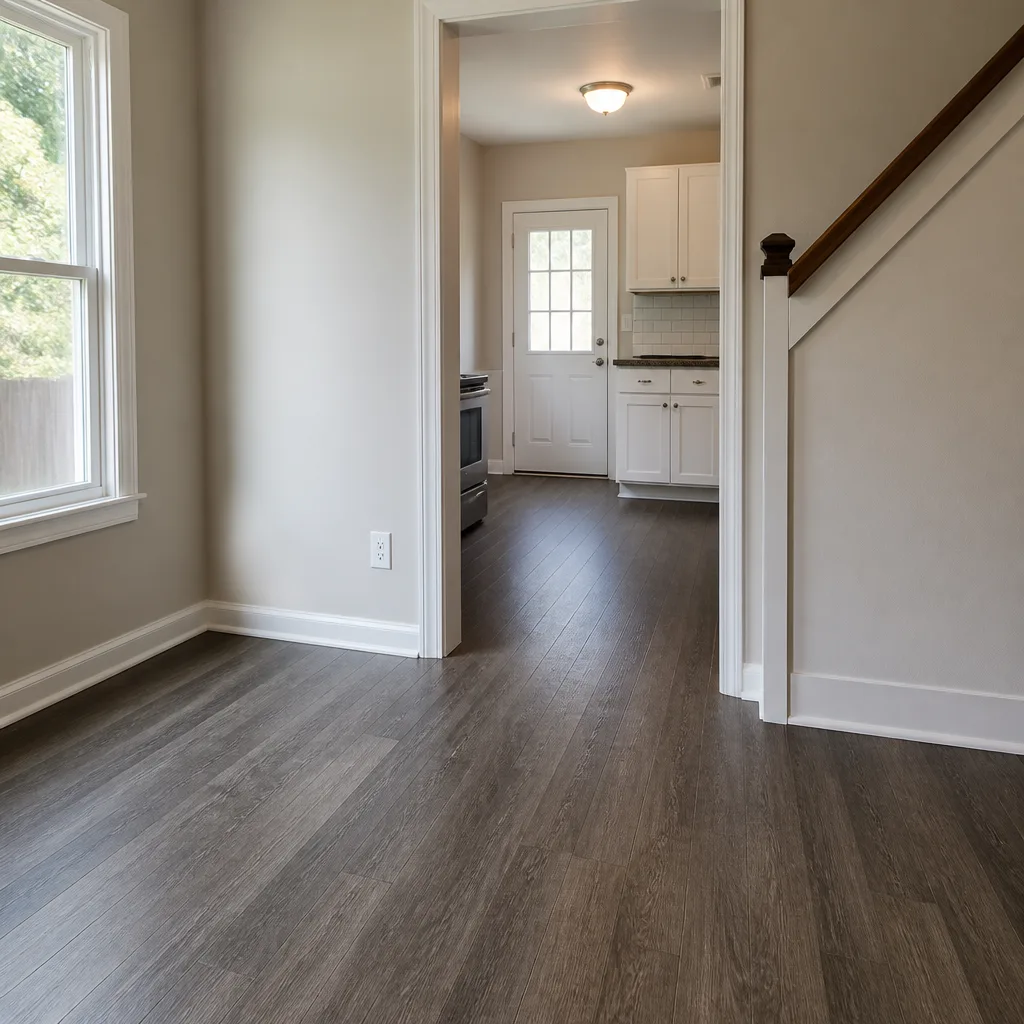

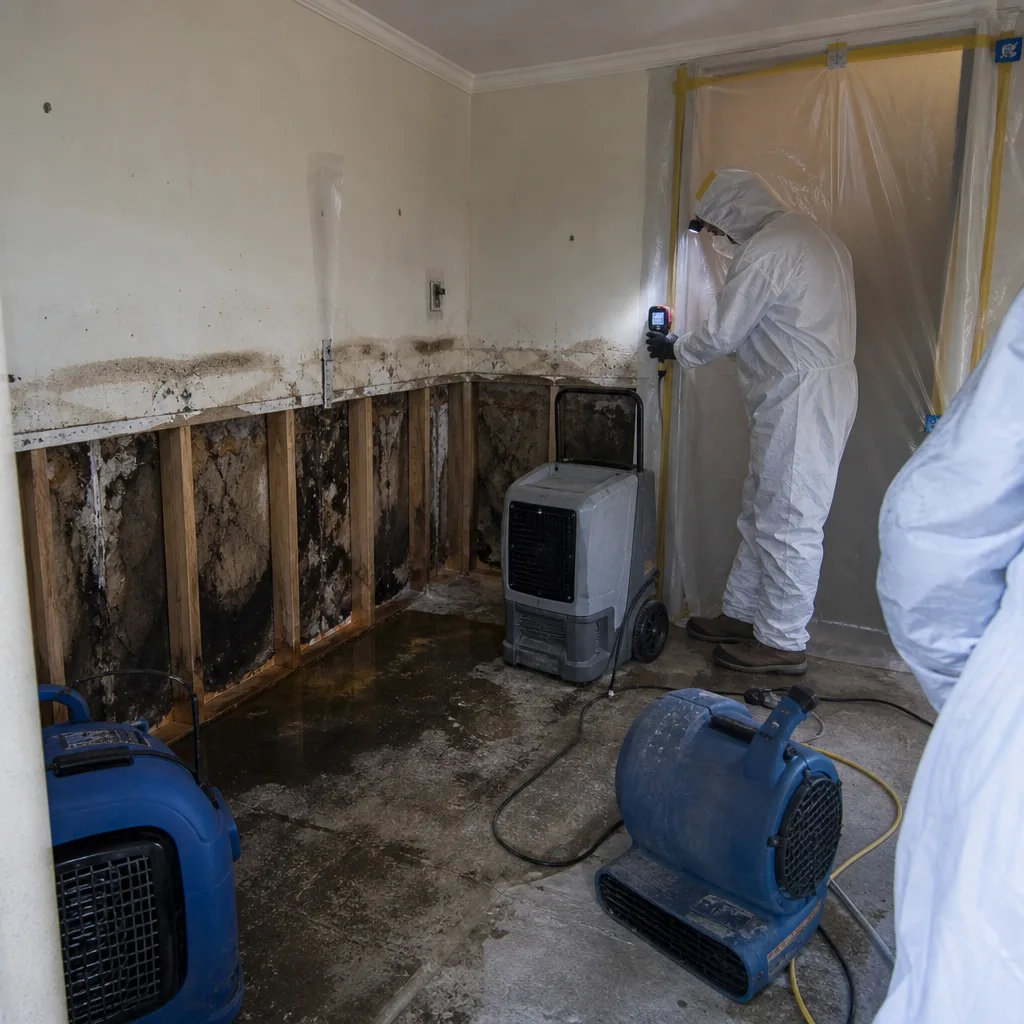 Before
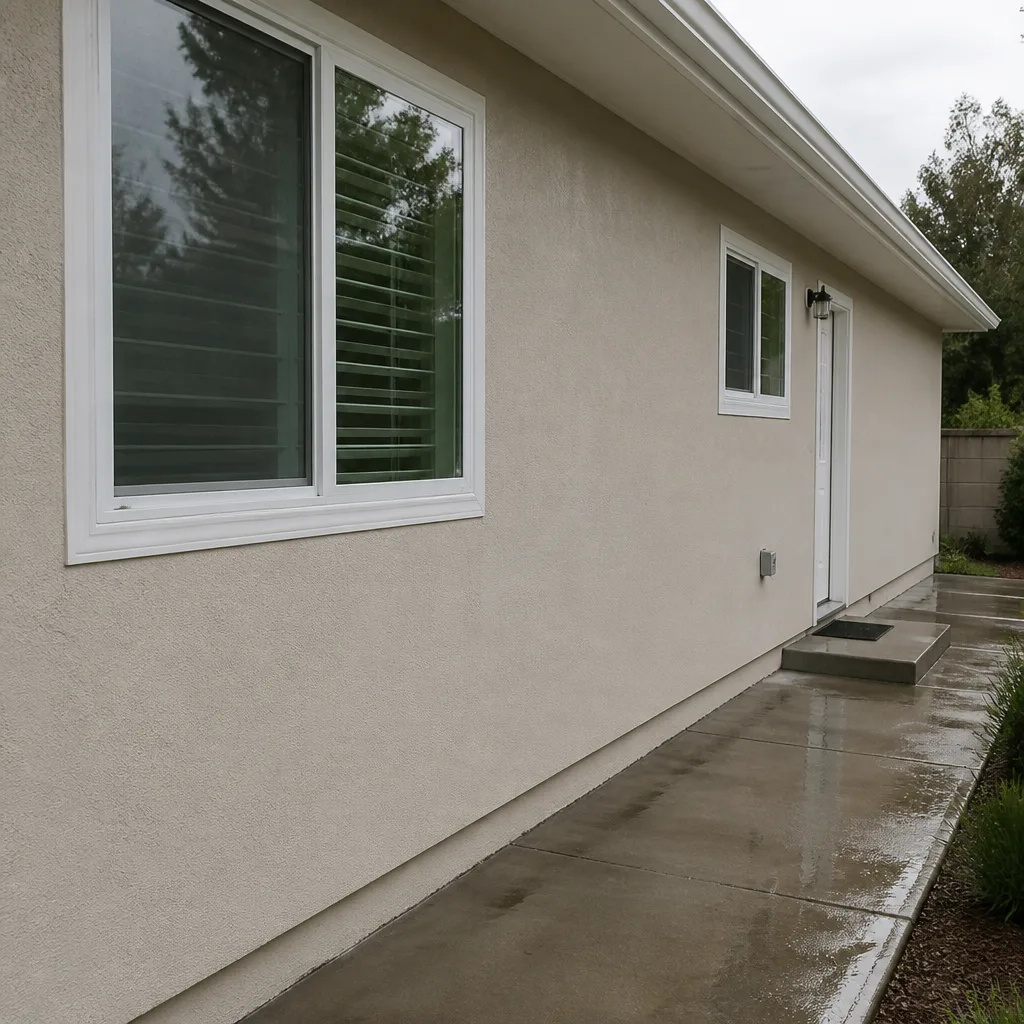 After
After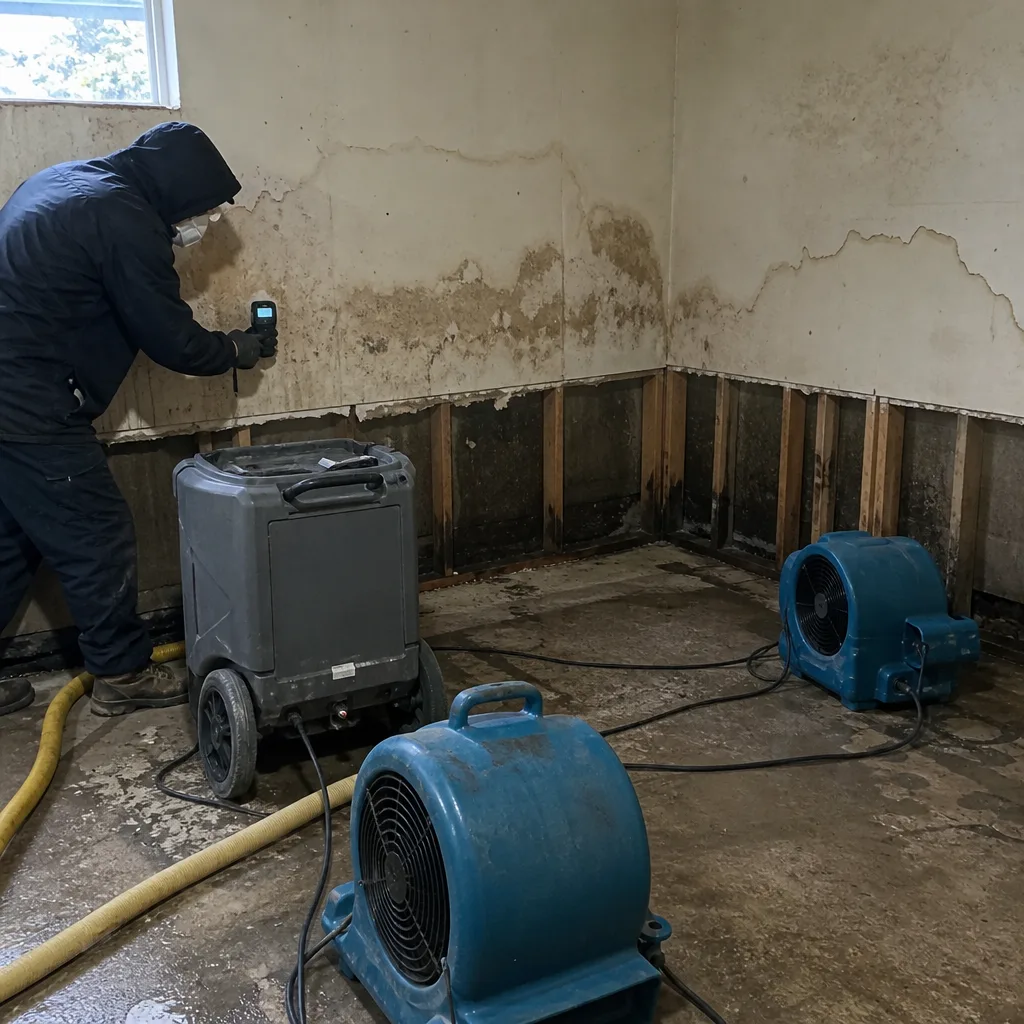 Before
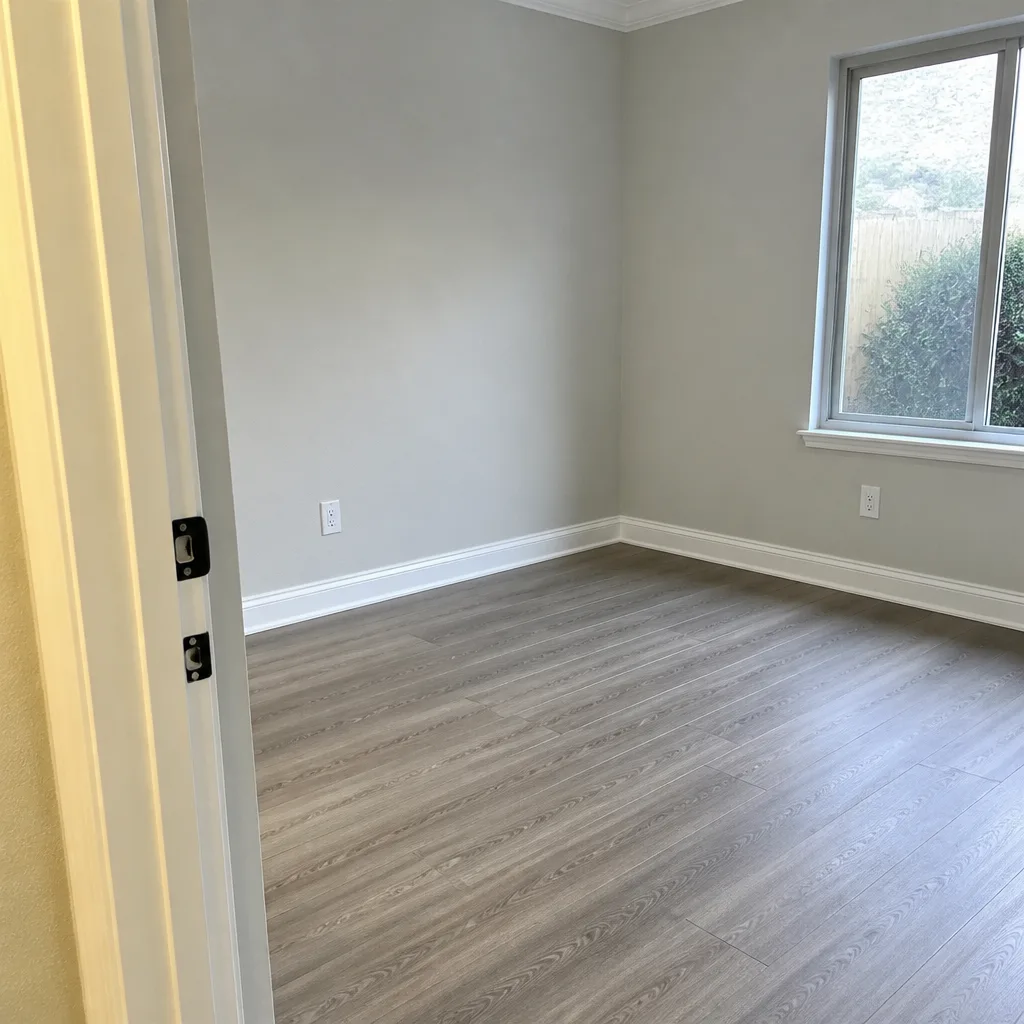 After
After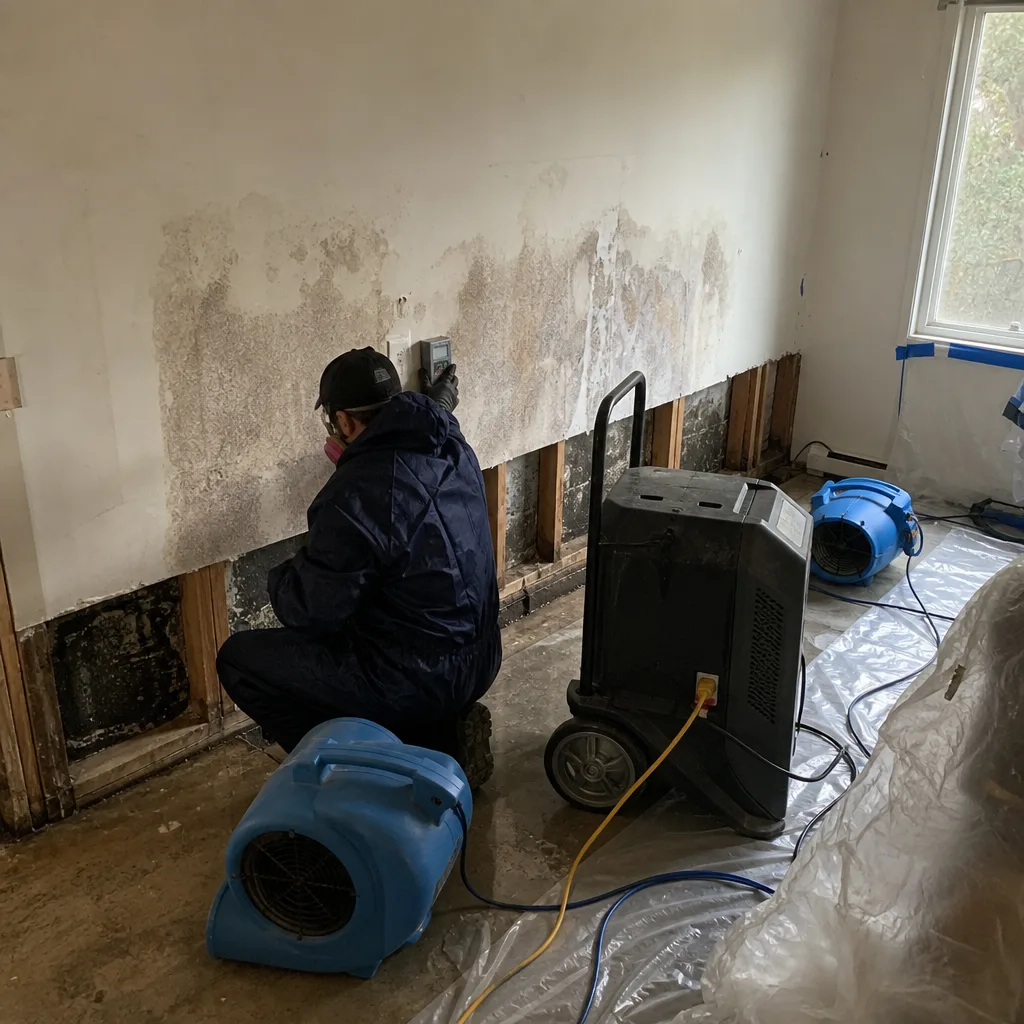 Before
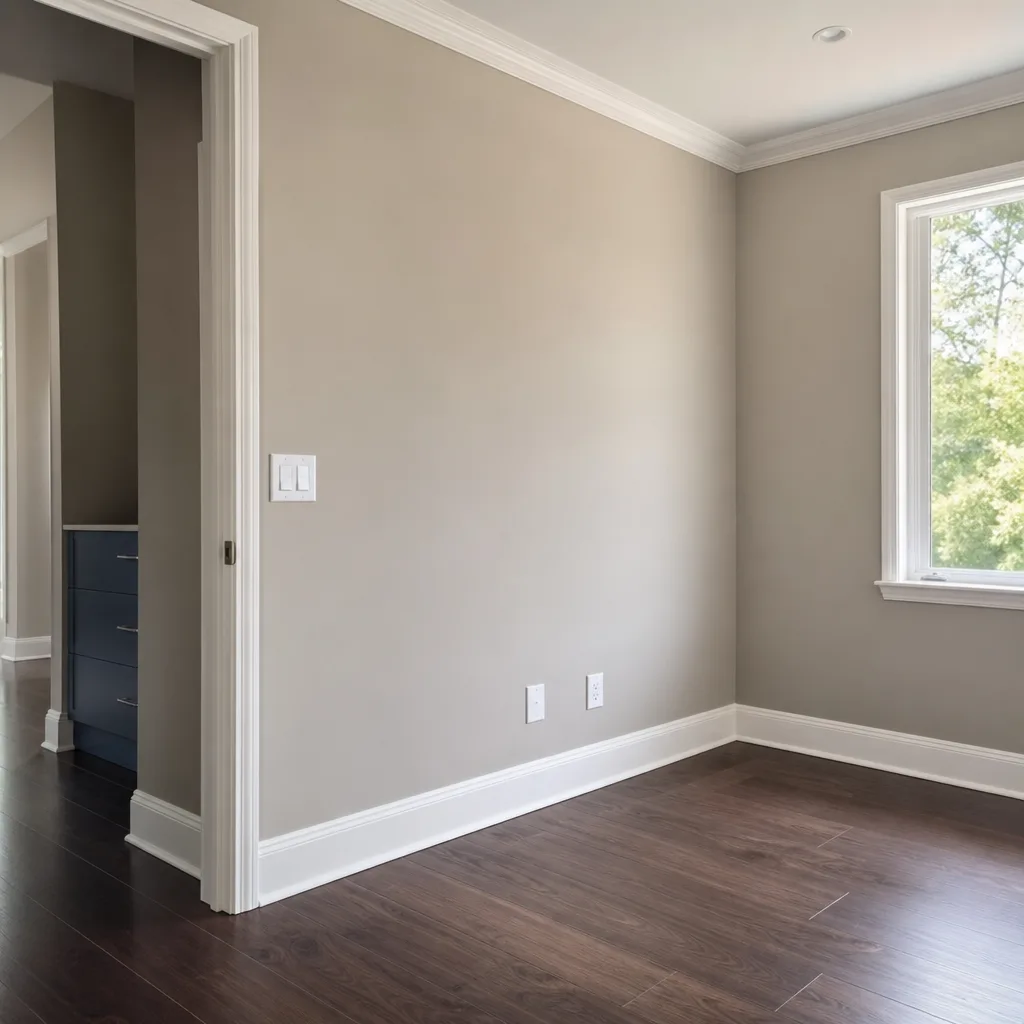 After
AfterDIY vs Professional Damage Restoration: The Poway Homeowner’s Decision Guide
Most water damage in Poway starts small: a dishwasher supply line, an AC condensate pan in a Rancho Bernardo ranch home, irrigation backflow through a foundation vent after winter rains. The homeowner who responds with a wet-dry vacuum, box fans, and a dehumidifier from Home Depot has not necessarily done it wrong - but they have almost certainly done it without the moisture readings, drying logs, and documented photo record an adjuster needs to accept the claim. That means they have paid out of pocket for a covered loss, and they have created a disclosure problem that will surface when they sell. This guide shows exactly which restoration work California allows homeowners to perform themselves, which requires licensed professionals, and where the documentation gap turns a successful DIY repair into a future liability. For additional guidance, see our article on How to Hire a Damage Restoration Contractor in Poway: A Step-by-Step Guide.
Quick Answer
Homeowners in Poway can safely handle Class 1 water damage - small areas of Category 1 clean water affecting only surface materials - with proper extraction and ventilation. Anything involving structural materials, Category 2 or 3 contamination, mold growth, fire damage, or sewage requires professional equipment and licensed technicians for both safety and insurance documentation. The hidden cost of DIY restoration is not the repair itself; it is the absence of a documented moisture log that insurers, future buyers, and California disclosure law will demand.
Table of Contents
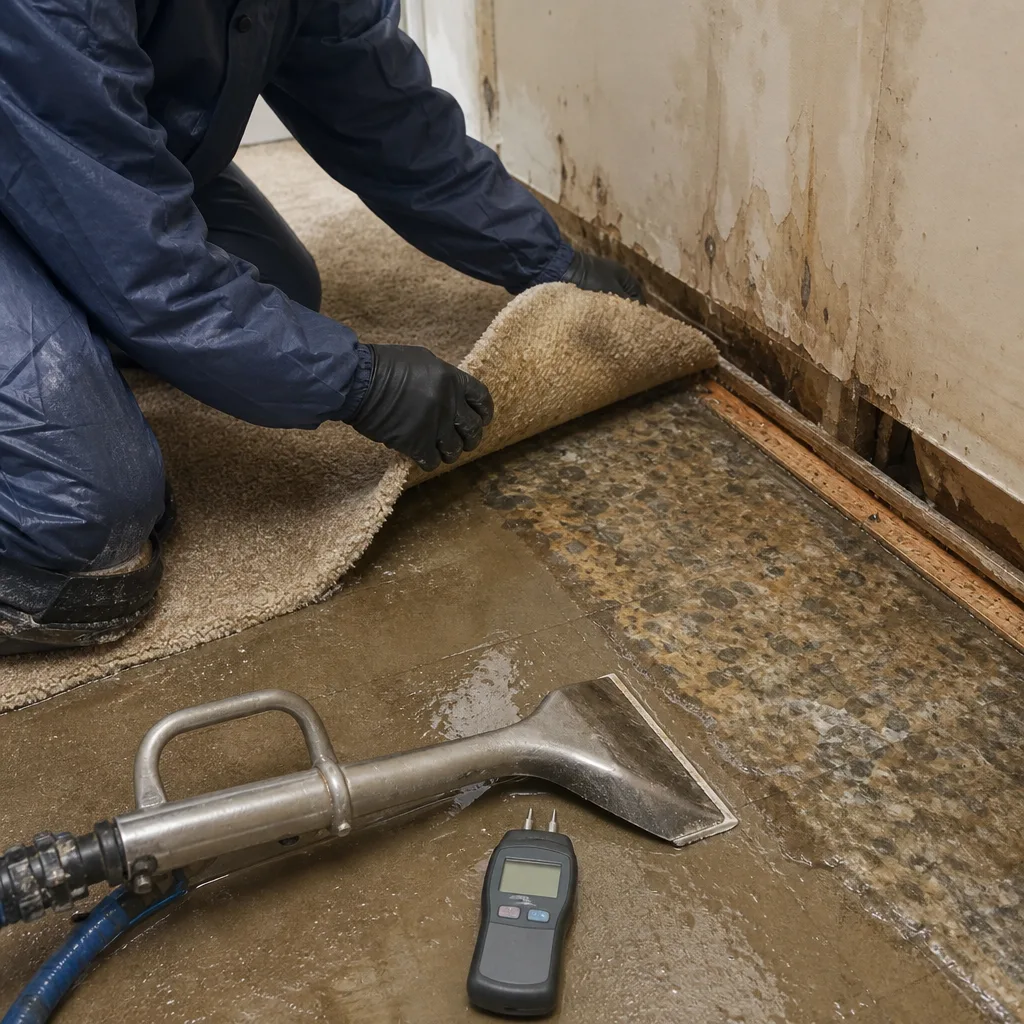
- California Licensing Rules: What Homeowners Can and Cannot Legally Do
- The Tiered Decision Framework: Class 1 vs Class 2+ Water Damage
- The Hidden Cost of Successful DIY: Documentation and Disclosure
- Equipment Rental vs. Professional Service: A Real Cost Comparison
- When Starting DIY Then Calling a Professional Makes Things Worse
- Poway-Specific Factors: Climate, Soil, and Building Stock
- Common Mistakes to Avoid
- When to Call a Professional
- Frequently Asked Questions
 Before
 After
AfterCalifornia Licensing Rules: What Homeowners Can and Cannot Legally Do
California’s Contractors State License Board (CSLB) draws a sharp line between work a homeowner performs on their own property and work performed for compensation by someone else. Understanding this distinction prevents both legal exposure and insurance complications.
Work Homeowners May Perform on Their Own Property
A homeowner in Poway may perform water extraction, surface drying, and removal of non-structural materials - drywall below 32 square feet, baseboards, carpet pad - without any license. They may rent equipment, purchase materials, and complete repairs that do not involve load-bearing structures, electrical systems, plumbing beyond a single fixture, or HVAC modification. This is the legal foundation for DIY restoration.
Work That Requires a Licensed Contractor
California Business and Professions Code Section 7048 requires a C-61/D-64 (Non-Specialized) or B-General Building contractor license for structural repairs, including:
- Removal or repair of wall framing, subfloors, or ceiling joists affected by water or mold
- Installation of new structural materials, including sheathing and insulation in exterior walls
- Any electrical work beyond resetting a breaker or replacing a receptacle
- Plumbing repairs beyond a single fixture shutoff or P-trap replacement
- HVAC duct removal, cleaning, or modification
The critical distinction: these rules apply to contractors you hire, not to your own labor. However, if your DIY work crosses into structural, electrical, or plumbing systems and you later need professional remediation, the contractor must treat the site as if they originated the work - and they will document any code violations or improper materials they find.
Where DIY Creates Licensing Problems for Future Contractors
We have arrived at Poway homes where the homeowner removed saturated drywall, discovered mold on the back side of the paper facing, and attempted remediation with bleach and a scraper. The visible mold was gone. The moisture trapped in the stud bay was not. When we opened the wall with a moisture meter, readings ranged from 18% to 34% wood moisture content - well above the 16% threshold where mold colonization resumes. Because the homeowner had already begun “remediation,” the insurer classified the subsequent professional work as “correction of improper prior work” rather than “covered water damage,” reducing the claim payment by 40%.
The lesson: California does not prohibit homeowners from attempting their own repairs. It does not protect them from the consequences of incomplete documentation.
The Tiered Decision Framework: Class 1 vs Class 2+ Water Damage
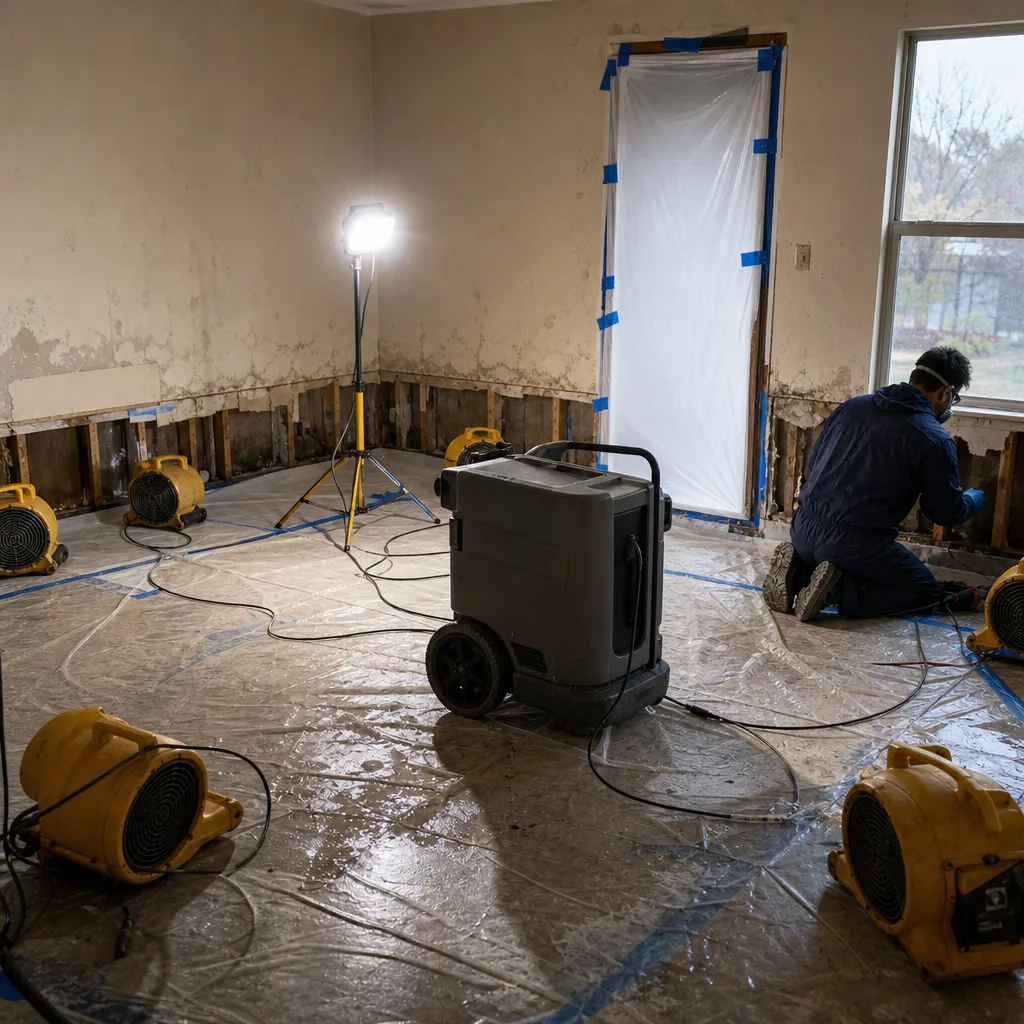
The Institute of Inspection, Cleaning and Restoration Certification (IICRC) S500 Standard defines four classes of water damage based on evaporation load and affected materials. These classifications determine whether DIY is viable or professionally reckless.
Class 1: Limited to Surface Materials
Class 1 water damage affects only part of a room with low-permeance materials - tile, vinyl, sealed concrete - and involves Category 1 clean water from a broken supply line or overflowing sink. The water has not migrated to carpet, pad, or wall base.
A Poway homeowner can manage Class 1 damage if they:
- Extract standing water immediately with a wet-dry vacuum rated for water pickup
- Remove and discard any wet paper, cardboard, or fabric within 24 hours
- Deploy air movement with axial fans positioned to create laminar airflow across wet surfaces
- Run a residential dehumidifier rated for the room’s cubic footage, emptying the reservoir or draining continuously
- Document the damage with dated photos before, during, and after drying
- Monitor with a pinless moisture meter, seeking readings below 16% on wood and below 0.5% on concrete by weight
Even in Class 1, documentation matters. Photograph the water source, the affected area, the equipment deployed, and the moisture readings. This record becomes your proof of prompt response if mold appears later or if the insurer questions whether the loss was properly mitigated.
Class 2: Significant Carpet and Pad, or Water Wicking into Walls
Class 2 damage involves an entire room of carpet and pad, or water that has wicked into baseboards and wall materials up to 24 inches. This is where DIY equipment fails. A residential dehumidifier removes 30-50 pints per day. A professional-grade LGR (low-grain refrigerant) dehumidifier from Phoenix or Dri-Eaz removes 130-180 pints per day under the same conditions. The difference is not convenience; it is whether the structure reaches dry standard before microbial growth begins.
Class 2 also requires controlled demolition: baseboard removal, carpet pad extraction, and sometimes drywall flood cuts at 12-18 inches. These tasks cross into the structural work that California contractors must perform if hired, and that homeowners perform at their own legal and financial risk.
Class 3: Water from Above, Saturating Ceilings, Walls, and Subfloor
Class 3 damage - a second-story supply line in a StoneRidge home, a roof leak during a Santa Ana wind event - saturates ceilings, walls, insulation, and subfloors simultaneously. The evaporation load exceeds any rental equipment capacity. The structural materials involved require licensed evaluation. The documentation burden for insurance is substantial. DIY is not viable.
Class 4: Low-Permeance or Deeply Bound Water
Class 4 damage affects materials with low permeance or deep water binding: hardwood flooring, plaster, concrete, crawlspaces with soil contact. Drying requires specialized equipment - Injectidry mat systems for hardwood, negative air pressure for crawlspaces, desiccant dehumidifiers for dense materials - and precise psychrometric monitoring. Psychrometrics, in plain terms, is the measurement of air temperature, relative humidity, and vapor pressure to determine how much moisture the air can still accept from wet materials. Without this data, you are guessing whether drying is complete.
The Hidden Cost of Successful DIY: Documentation and Disclosure
This is the section no competitor writes, because it contradicts the reassuring narrative that DIY saves money. We are documenting-first for a reason.
The Insurance Documentation Gap
When a homeowner files a water damage claim, the insurer does not ask whether the wall feels dry. The adjuster asks for:
- A moisture map showing initial readings, daily progress, and final dry standard attainment
- A photo record with timestamps, showing equipment placement and material conditions
- A written scope of work with line-item pricing, signed before work began
- Drying logs with psychrometric data: temperature, relative humidity, and specific humidity at each visit
The homeowner with box fans and a dehumidifier has none of this. They have a dry wall surface and a prayer that the insurer will take their word. In our experience serving Poway since 2011, adjusters do not take words. They take documents.
Haven Standard, Clause 1 requires a written price before any work starts. This is not a marketing preference; it is the documentation that transforms a restoration invoice into a payable claim. A homeowner cannot produce this for themselves. They can only produce it by hiring a company that documents to IICRC, RIA, and IFA standards.
California’s Mandatory Disclosure Trap
California Civil Code Section 1102 requires sellers to disclose material facts affecting property value. Water damage is explicitly listed. The disclosure form asks: “Have there been any water intrusions, flooding, or moisture problems?” The homeowner who answered their own water damage must disclose it. Without a professional remediation report confirming dry standard attainment and no mold growth, that disclosure reads as an unresolved problem to every buyer’s inspector.
We have inspected Poway homes where the seller’s disclosure noted “minor water damage, self-repaired.” The buyer’s inspector found water staining on the garage ceiling, no documentation of professional drying, and recommended a $2,800 mold assessment as a contingency. The sale stalled. The seller’s “successful” DIY repair from three years earlier became a $15,000 price reduction.
The Future Claim Denial
Insurers maintain loss history databases. A prior water damage claim, even a small one, flags the property for future underwriting. A prior water damage incident with no professional documentation flags it as a potential recurring problem. We have seen Poway homeowners denied coverage for a legitimate second loss because the first loss’s DIY repair “suggested inadequate maintenance.”
The hidden cost of DIY is not today’s repair. It is tomorrow’s denied claim, stalled sale, and undisclosed liability.
Equipment Rental vs. Professional Service: A Real Cost Comparison
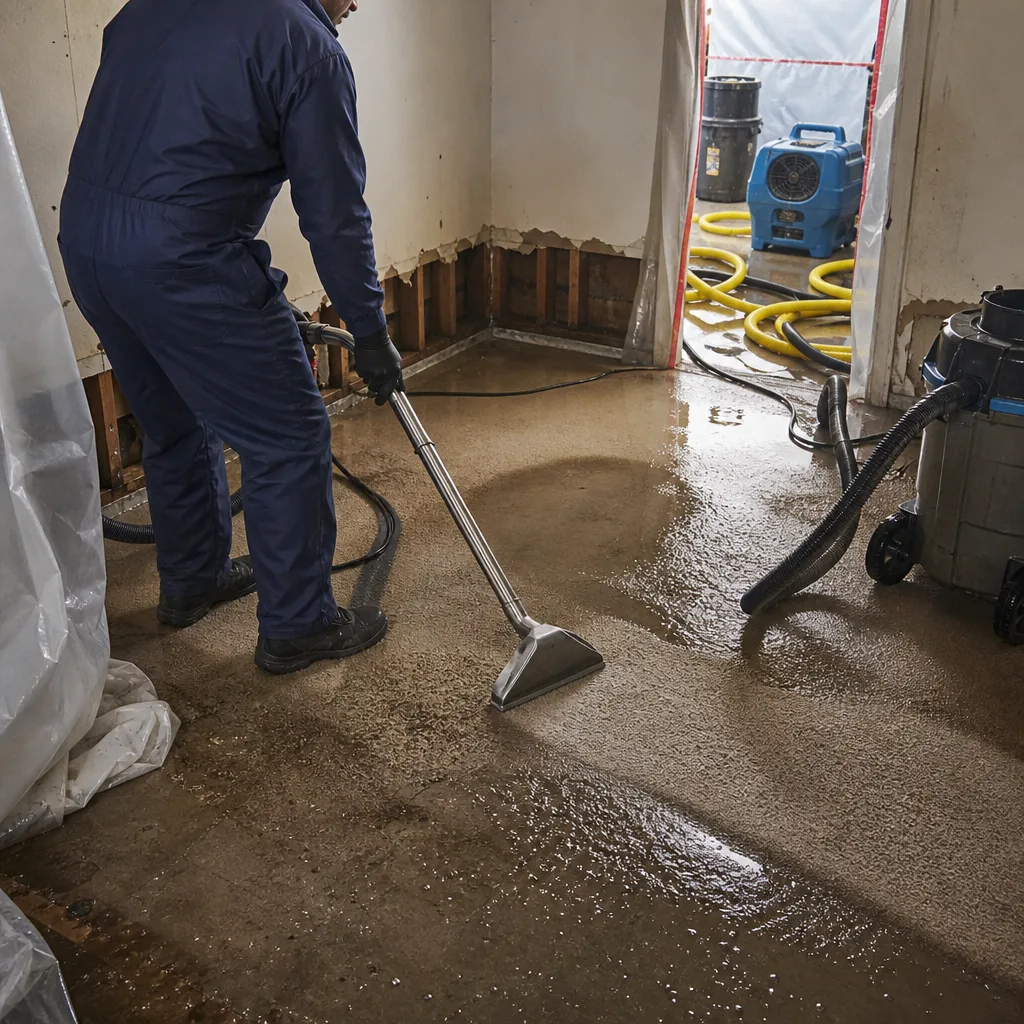
Homeowners considering DIY often price rental equipment against professional service. The comparison is valid only if both columns include the same deliverables.
Rental Equipment Costs (72-Hour Scenario, Class 2 Damage)
| Item | Rental Cost | What You Actually Receive |
|---|---|---|
| LGR dehumidifier (Phoenix 200 MAX or equivalent) | $180-$240 | Equipment only; no placement strategy, no monitoring |
| Air mover (B-Air Grizzly or equivalent), 4 units | $120-$160 | Equipment only; no airflow pattern design |
| Wet-dry vacuum, commercial grade | $45-$65 | Equipment only |
| Moisture meter, pinless | $35-$50 | Single reading; no interpretation |
| Personal protective equipment | $25-$40 | Basic respirator, gloves, goggles |
| Total Rental | $405-$555 | Equipment for 72 hours |
Professional Service Costs (Same Scenario, DryMark Restoration Poway)
| Deliverable | What You Receive |
|---|---|
| Emergency response and assessment | Documented moisture map, photo record, written scope |
| Extraction and controlled demolition | Baseboard removal, pad extraction, flood cuts as needed |
| Professional drying system | LGR dehumidifiers, axial air movers, Injectidry systems for wall cavities |
| Daily monitoring | Psychrometric readings, moisture logs, equipment adjustments |
| Documentation package | Complete photo record, drying logs, final moisture report |
| Insurance coordination | Direct adjuster communication, line-item invoice, claim support |
| Typical Range | $1,800-$3,400 for Class 2, depending on affected square footage |
The rental column saves $1,200-$2,800 in cash outlay. The professional column produces the documentation that converts a $3,400 restoration bill into a covered insurance claim with a $500-$1,000 deductible. The net cost to the homeowner with professional service and insurance coverage: often less than the rental equipment alone.
More critically, the professional column includes the moisture log that proves dry standard attainment. The rental column includes a dehumidifier that stops running when the timer expires, whether the wall is dry or not.
When Starting DIY Then Calling a Professional Makes Things Worse
There are three scenarios where partial DIY followed by professional intervention produces worse outcomes than either approach alone. We have documented each in Poway homes.
Scenario 1: Masked Moisture Behind Apparently Dry Surfaces
A homeowner in Sabre Springs extracted standing water from a slab leak, ran fans for 48 hours, and called us when the carpet still smelled musty. Surface readings with their borrowed meter showed 12% - acceptable. Our pin-type probe readings in the subfloor showed 22%. The homeowner’s fans had accelerated surface evaporation while trapping moisture in the slab. The result: we had to remove the newly dried carpet and pad to access the wet subfloor, doubling the restoration scope and cost. The insurer denied the additional cost as “unnecessary due to improper initial response.”
Scenario 2: Incomplete Extraction Accelerating Mold Growth
A homeowner in The Heritage extracted water from a toilet supply line break with a wet-dry vacuum, then rented a dehumidifier. They did not remove the pad or lift the carpet. Four days later, visible mold appeared on the carpet backing. Because the homeowner had begun “remediation,” the insurer classified our subsequent work as “mold remediation” rather than “water damage restoration,” applying a $10,000 mold sublimit that would not have applied to the original water loss.
Scenario 3: DIY Photos as Evidence of Delayed Professional Response
A homeowner in Green Valley photographed their DIY drying efforts extensively - fans, dehumidifier, wet carpet. When they called us on day five because the drywall was soft, they provided these photos to the insurer as evidence of “prompt response.” The adjuster used the same photos to establish that professional services were not sought for five days, triggering a “reasonable mitigation” clause reduction. The homeowner’s documentation of their own efforts became evidence against their claim.
The principle: in restoration, time is not neutral. Every hour of incomplete drying is microbial growth time, and every day without professional documentation is a day the insurer can characterize as delayed response.
Poway-Specific Factors: Climate, Soil, and Building Stock
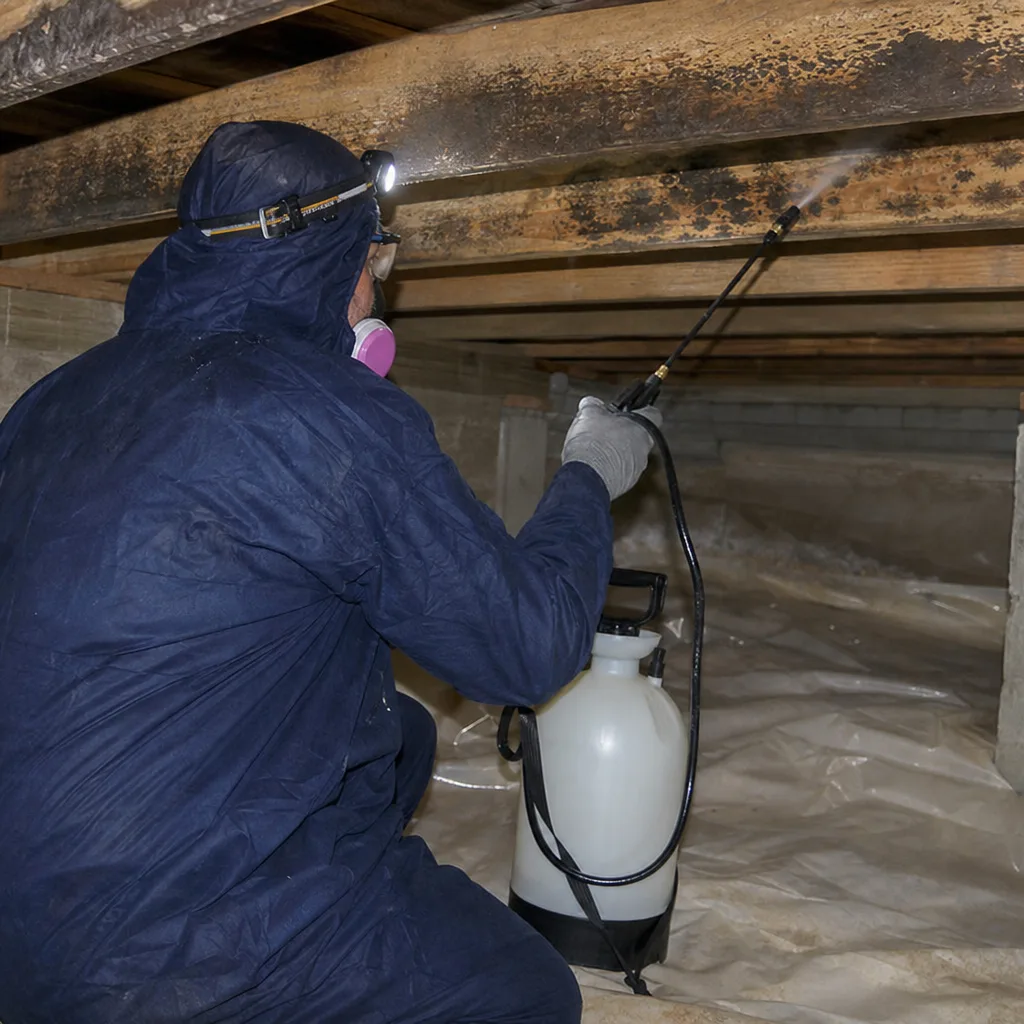
Poway’s geography and housing stock create specific restoration considerations that generic DIY guides ignore.
Climate and Seasonal Patterns
Poway’s Mediterranean climate brings concentrated winter rainfall, often 8-12 inches in January-March, followed by extended dry periods. The winter saturation-dry cycle stresses building envelopes: stucco cracks, roof flashing separates, and foundation vents become entry points for irrigation backflow. The homeowner who discovers water damage in April may be seeing the delayed result of January infiltration that has been colonizing mold for 60 days.
Santa Ana wind events, typically September through November, drive relative humidity below 15% and create extreme fire risk. Post-fire suppression water - Category 3, chemically contaminated - requires professional handling. The homeowner who attempts DIY cleanup of fire suppression residue is handling toxic ash and chemical suppressants without respiratory protection or disposal protocols.
Soil and Foundation Types
Poway’s varied topography includes expansive clay soils in valley areas and decomposed granite on hillsides. Expansive clay creates foundation movement that cracks slabs and allows sub-slab moisture migration. Decomposed granite drains rapidly but creates hydrostatic pressure against foundation walls during heavy rain. Both conditions produce water damage patterns - slab leaks, foundation seepage - that appear as interior problems but originate below grade. DIY surface drying does not address the source.
Building Age and Materials
Poway’s housing stock includes 1970s-1980s tract homes in Rancho Bernardo, 1990s-2000s builds in StoneRidge and The Heritage, and scattered older ranch properties. Older homes often have original galvanized steel supply lines with 40-50 years of corrosion. When these fail, the water volume is substantial and the damage often includes asbestos-containing drywall or lead-based paint if original materials remain. Disturbing these materials without licensed abatement violates California HSC Section 25915 and creates federal EPA liability.
Newer homes with engineered lumber (I-joists, LVL beams) present a different problem: these materials delaminate and lose structural capacity faster than solid sawn lumber when wet. A homeowner who delays professional assessment to attempt DIY drying may find that salvageable structural members have become replacement-required.
Common Mistakes to Avoid
- Using bleach on mold. Bleach kills surface mold but leaves viable hyphae in porous materials. The water in bleach solutions adds moisture. In Poway’s warm seasons, this accelerates regrowth within 72 hours. Proper remediation requires HEPA containment, negative air pressure, and removal of affected porous materials.
- Assuming dry surface means dry structure. A wall that feels dry to touch can hold 20%+ moisture content in the stud cavity. We regularly find elevated readings in Poway homes where homeowners ran fans for “long enough.” Long enough for touch is not long enough for structure.
- Discarding damaged materials before insurance documentation. The insurer needs to see what was removed to approve replacement. Photograph everything before disposal, or have a professional document first. We have seen legitimate claims reduced because the homeowner “cleaned up” before the adjuster visited.
- Running HVAC during active water damage. Forced air systems distribute moisture and mold spores throughout the house. Shut down the HVAC, seal vents with plastic, and call for professional evaluation before restarting.
- Ignoring Category 2 or 3 contamination. Dishwasher discharge, washing machine overflow, and any water that has contacted soil or sewage contains bacteria and organic matter. California OSHA regulations require specific PPE and disposal protocols. Homeowners lack training, equipment, and legal authorization for biohazard handling.
- Failing to address the source before drying. We have arrived at Poway homes where homeowners ran dehumidifiers for days against an active slab leak. The equipment ran, the electric bill grew, and the water continued. Stop the source first. If you cannot identify it, that is itself a signal to call a professional.
- Accepting a competitor’s verbal estimate without written scope. Haven Standard, Clause 1 exists because we have seen homeowners accept verbal “ballpark” figures that doubled once work began. A written price before work starts protects both parties. Our Free Second Opinion on any competitor’s written estimate exists for exactly this scenario.
When to Call a Professional
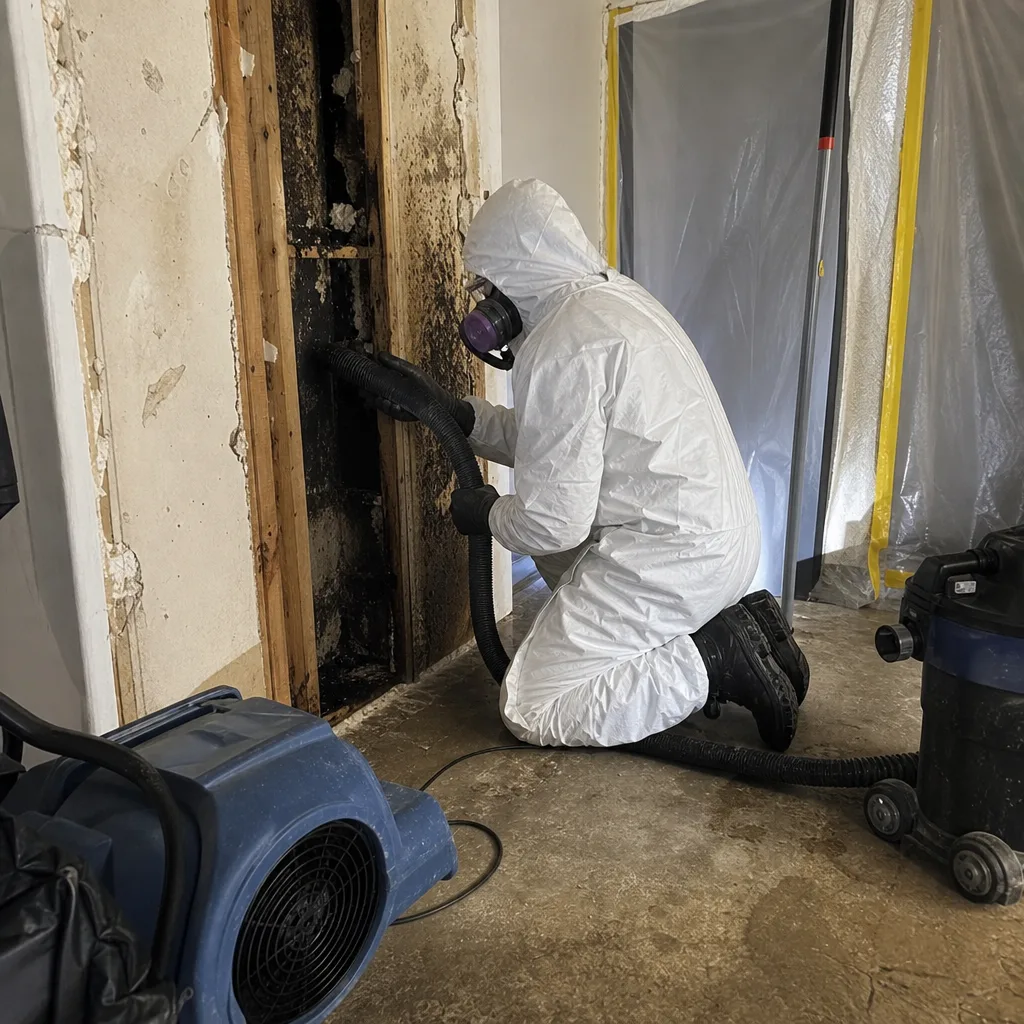
Call a professional when water has affected carpet or pad, wicked into walls, originated from a contaminated source, or remained unaddressed for more than 24 hours. Our Water Damage Restoration Maintenance Checklist for Poway Homeowners can help you assess your situation. Call when mold is visible or suspected, when fire or smoke damage has occurred, when sewage is present, or when structural materials are involved. Call when you need documentation for insurance, when you plan to sell the property, or when you cannot identify and stop the water source.
DryMark Restoration Poway offers free estimates in Poway. Our assessment includes a documented moisture map, a written scope with line-item pricing, and no obligation to proceed. Call (858) 683-1768 to schedule. Every estimate is delivered in writing before any work begins, per Haven Standard, Clause 1.
Frequently Asked Questions
Class 1 water damage typically ranges from $800-$1,500; Class 2 from $1,800-$3,400; Class 3 from $3,500-$7,000; and Class 4 or specialized drying from $5,000-$12,000 depending on affected square footage and material types. These ranges include extraction, equipment, monitoring, and documentation. Most homeowners with insurance pay only their deductible. Call (858) 683-1768 for a written estimate specific to your situation - estimates are free and delivered before any work begins.
Insurance covers sudden and accidental water damage, not the method of repair. However, insurers require documentation of proper mitigation to approve replacement costs. DIY repairs without moisture logs, drying records, and photo documentation frequently result in partial denials or claims that future buyers’ inspectors flag as unresolved. Professional restoration produces the documentation that converts repair costs into covered claims.
California allows homeowners to remove mold affecting less than 10 square feet on non-porous surfaces without licensed remediation. Larger areas, HVAC contamination, or mold resulting from Category 2 or 3 water damage require licensed mold remediation under California SB 655. More critically, visible mold often indicates hidden colonization. We have found extensive growth behind apparently minor surface patches in Poway’s older homes with original stucco and inadequate vapor barriers.
DryMark Restoration Poway maintains live phone coverage 24 hours a day, 7 days a week with no voicemail on emergency lines. Response time depends on current call volume and your location within our service area, but we prioritize active water losses where water is still moving. For emergency water damage, call (858) 683-1768 immediately - delays in professional response expand the restoration scope and can affect insurance coverage under “reasonable mitigation” clauses.
Cleaning addresses surface contamination; remediation addresses moisture and microbial growth in materials. If water has contacted porous materials - drywall, carpet pad, insulation, unfinished wood - cleaning is insufficient. The IICRC S500 standard requires removal of unsalvageable porous materials and documented drying of structural components. A professional assessment with moisture readings determines which category applies.
At DryMark Restoration Poway, we coordinate directly with your adjuster, providing the documented photo record, drying logs, and line-item written scope that adjusters require. This is standard service, not an upsell. Our documentation package - produced on every job to IICRC, RIA, and IFA standards - is designed specifically to turn restoration invoices into payable claims without dispute.
The Bottom Line
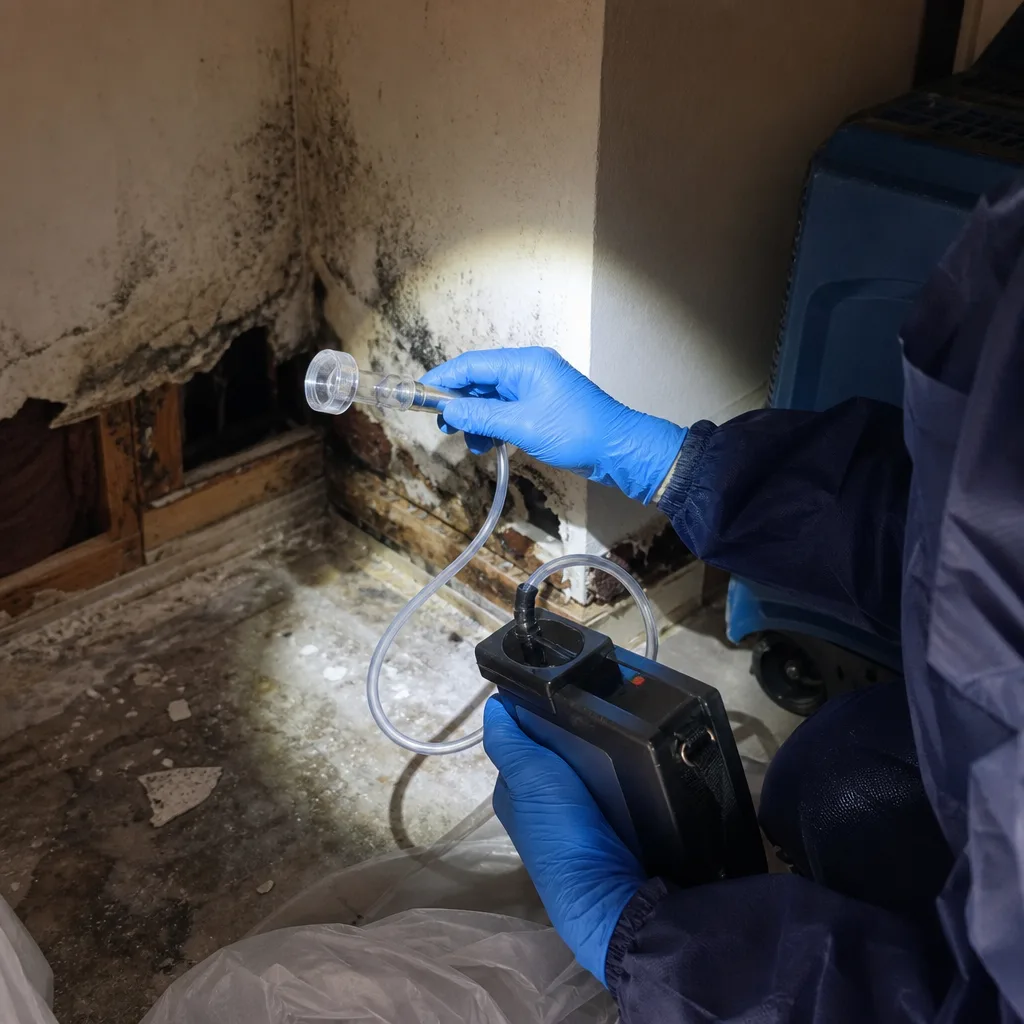
The DIY-versus-professional question in restoration is not about capability. It is about documentation, and whether your repair record will satisfy three audiences: your insurer today, your buyer’s inspector tomorrow, and California’s disclosure requirements indefinitely. Class 1 water damage, addressed promptly with proper equipment and self-documentation, is within a careful homeowner’s scope. Anything beyond that - structural materials, contamination, mold, fire, or sewage - requires professional equipment, licensed technicians, and the documented record that only a restoration company produces. The cost difference between rental equipment and professional service often disappears when insurance documentation converts a restoration bill into a covered claim. The cost of successful DIY without documentation persists for years in disclosure obligations, future claim complications, and undetected moisture damage.
Written by Alicia Brennan, Owner at DryMark Restoration Poway, serving Poway since 2011.