
Last updated September 23, 2026
Free visual inspection and a written scope of work before any mitigation begins - photos, moisture readings, and drying logs go in your claim file
The scope we write is the scope we bill. Anything new gets shown to you, in writing, before we touch it.
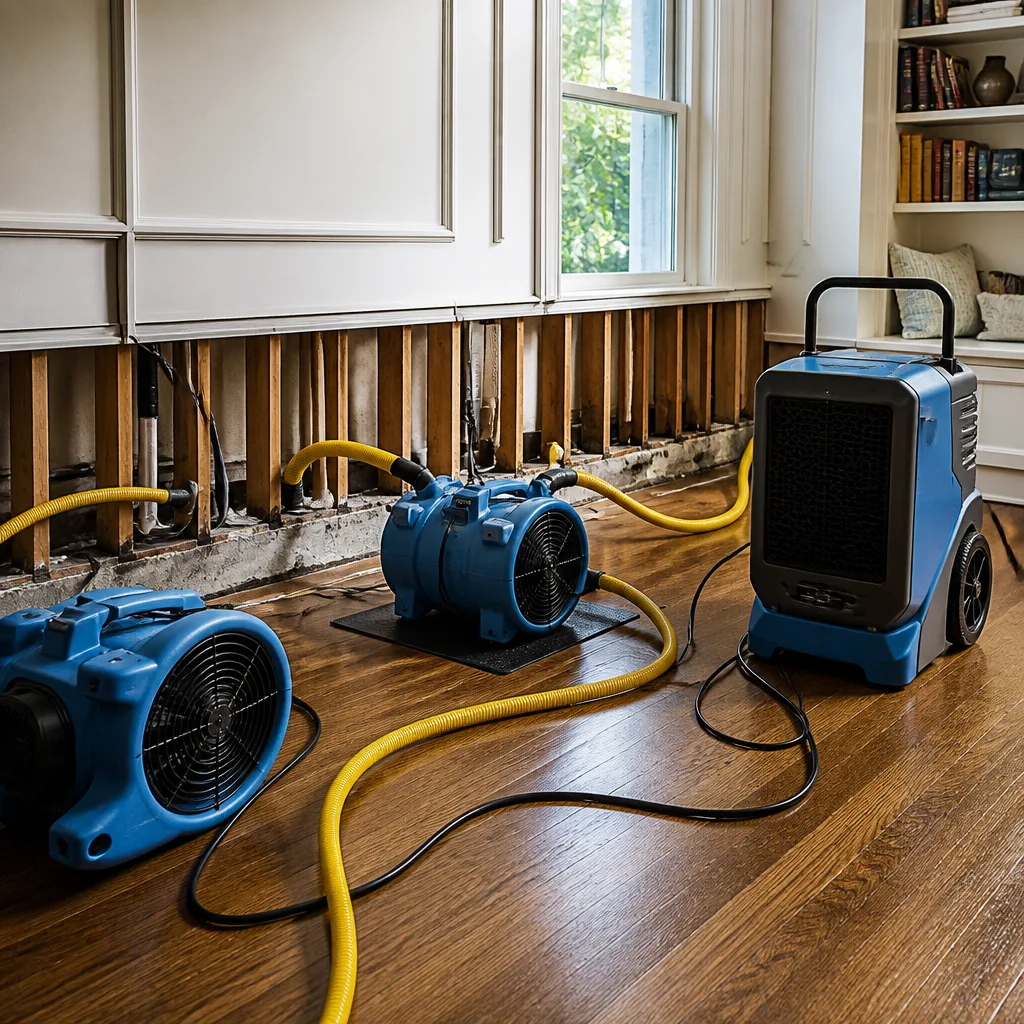
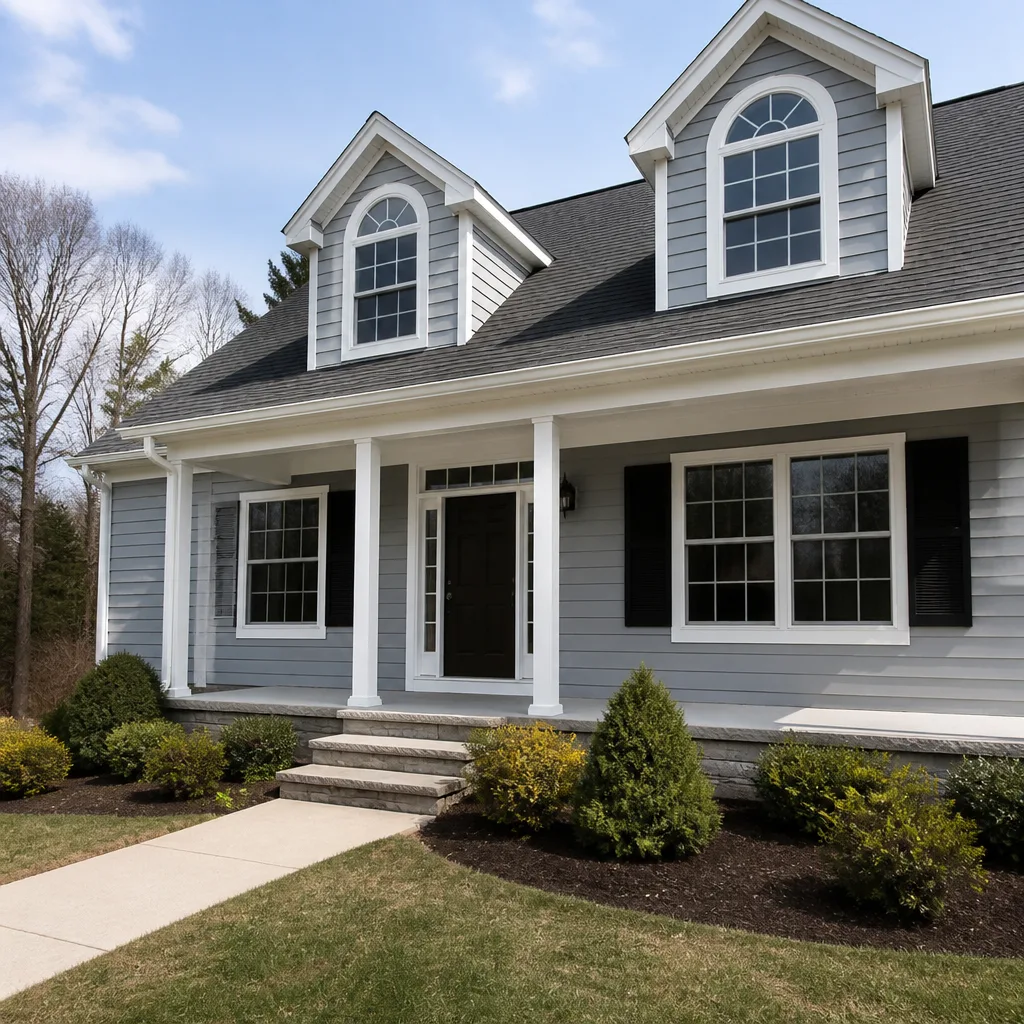
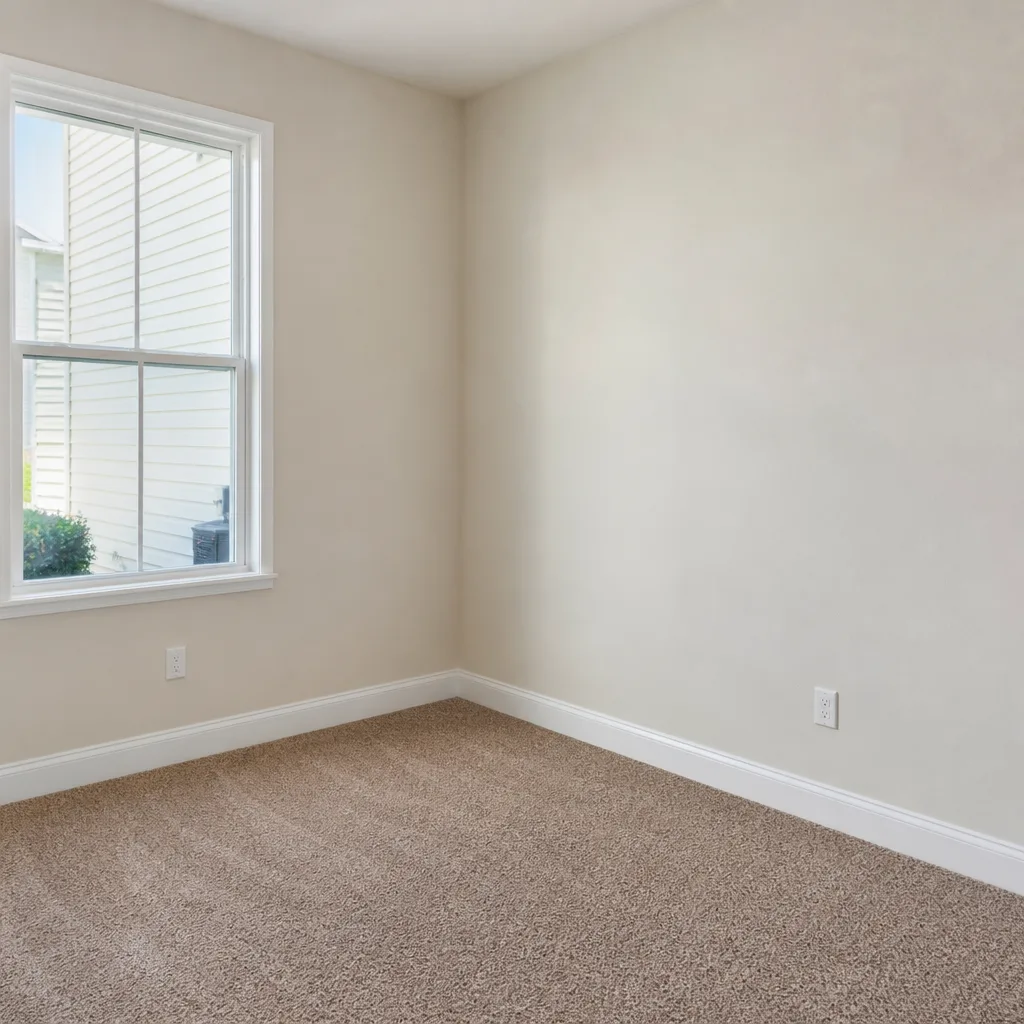

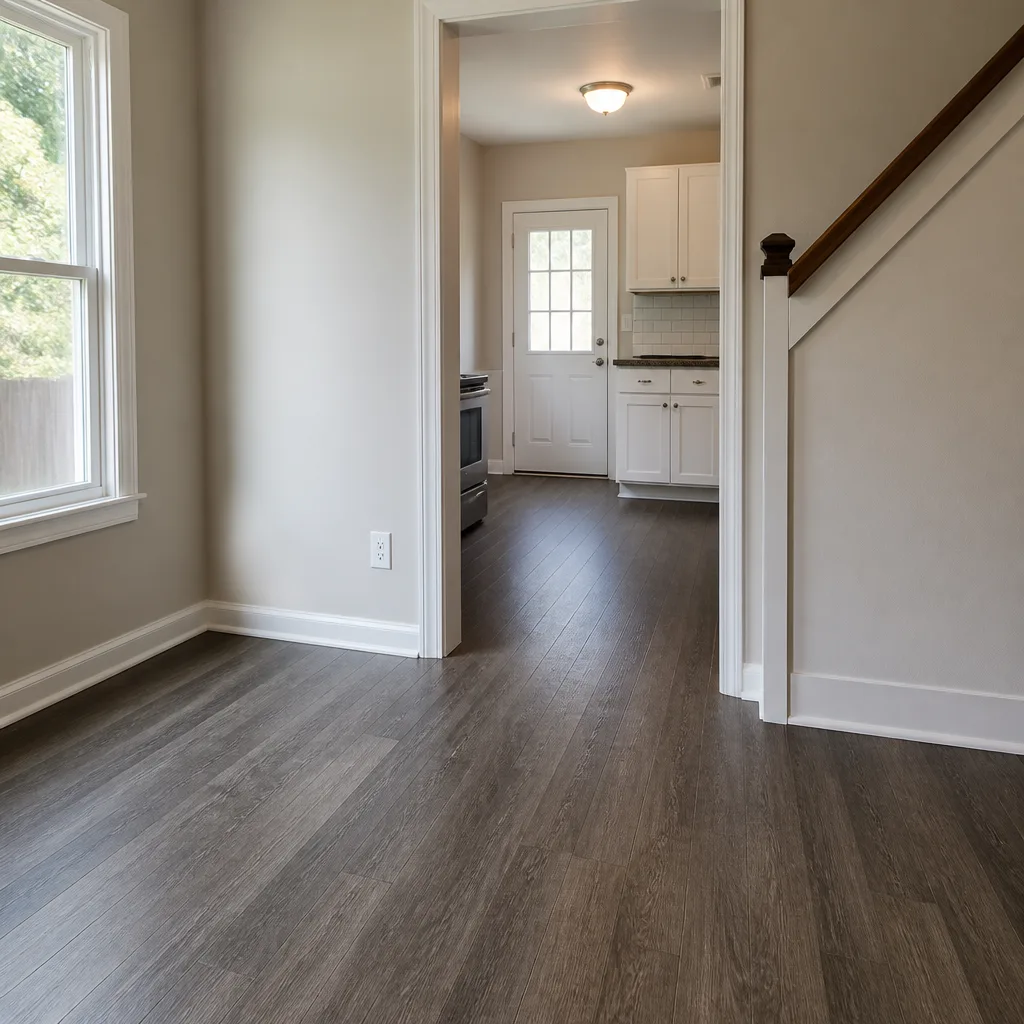

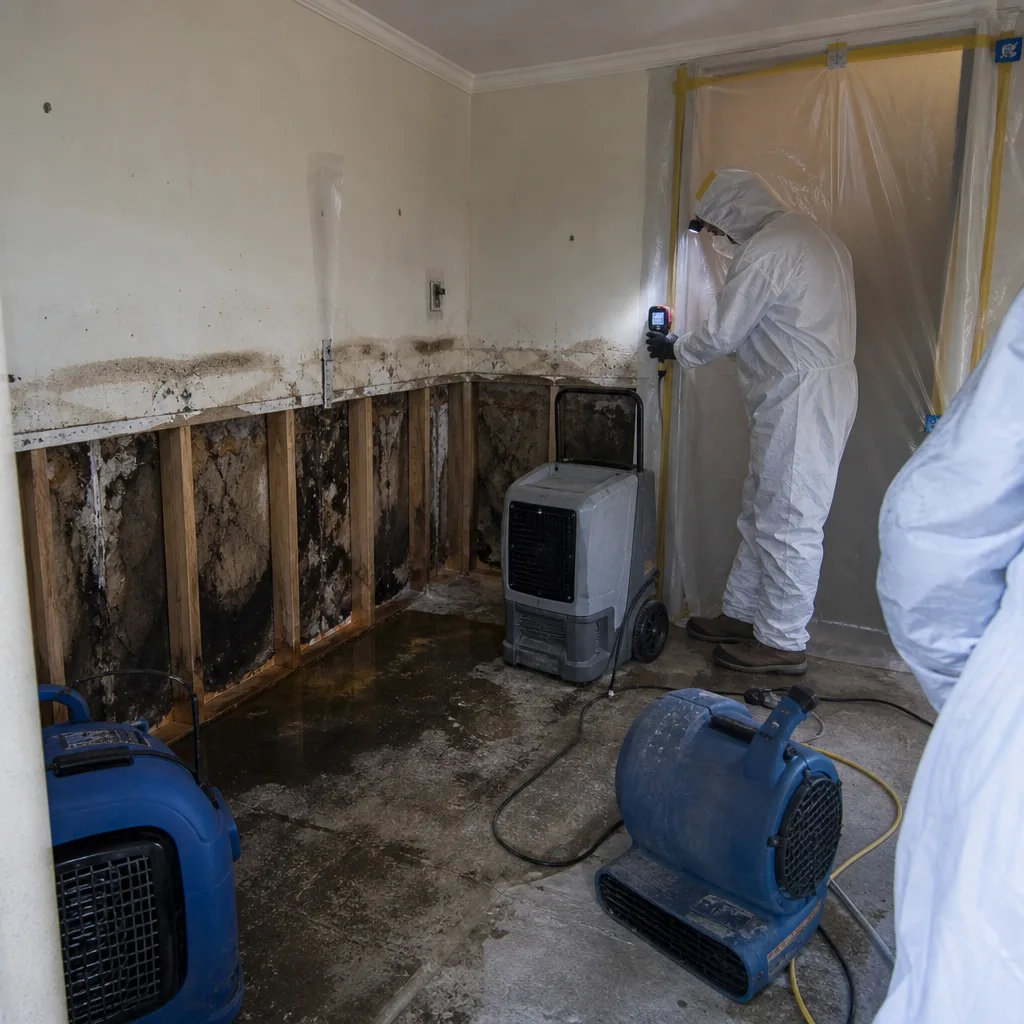 Before
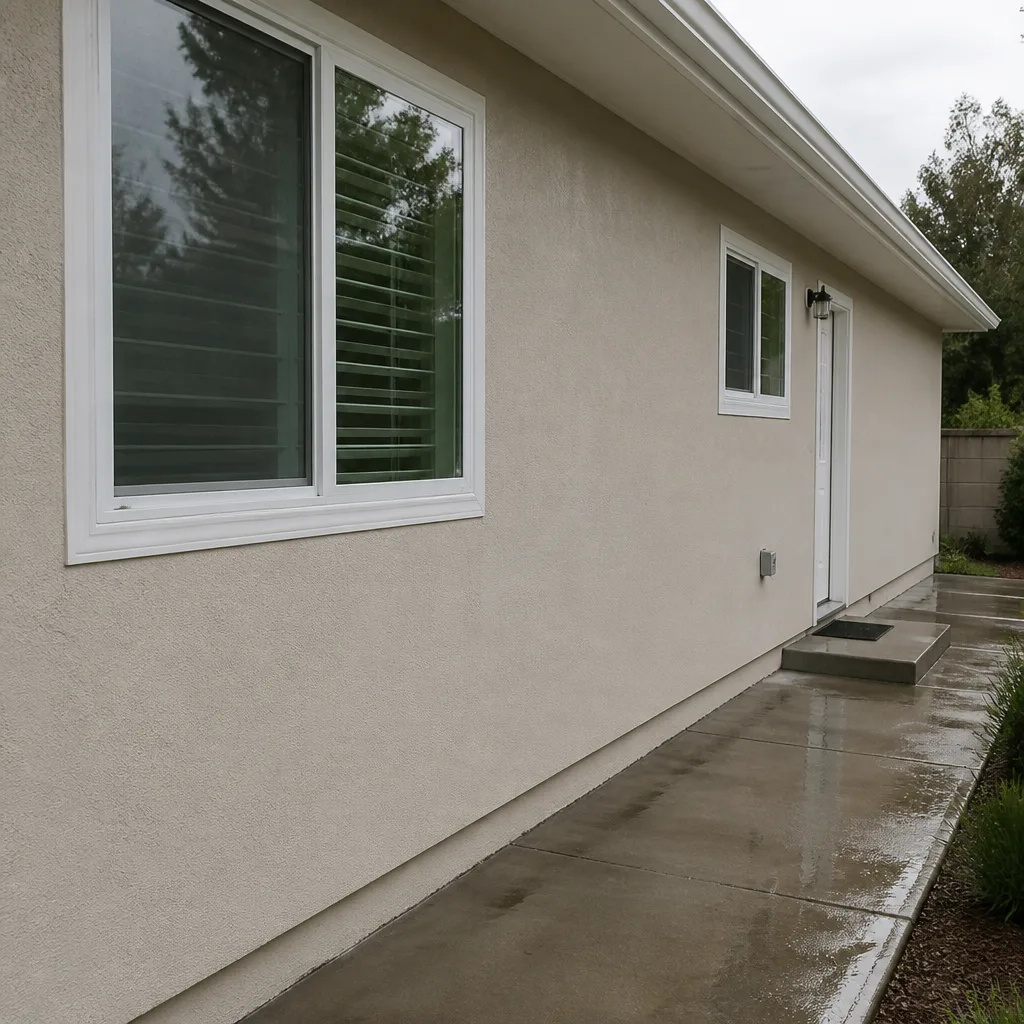 After
After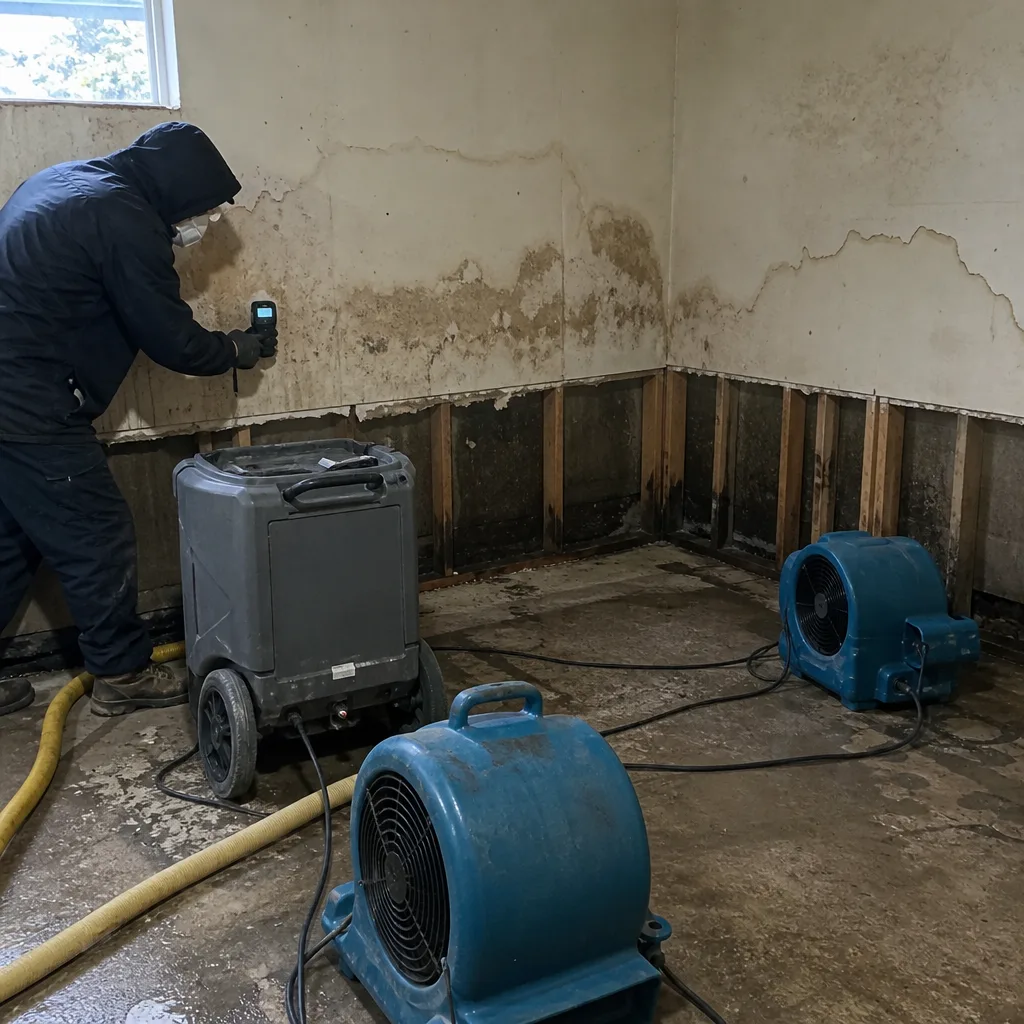 Before
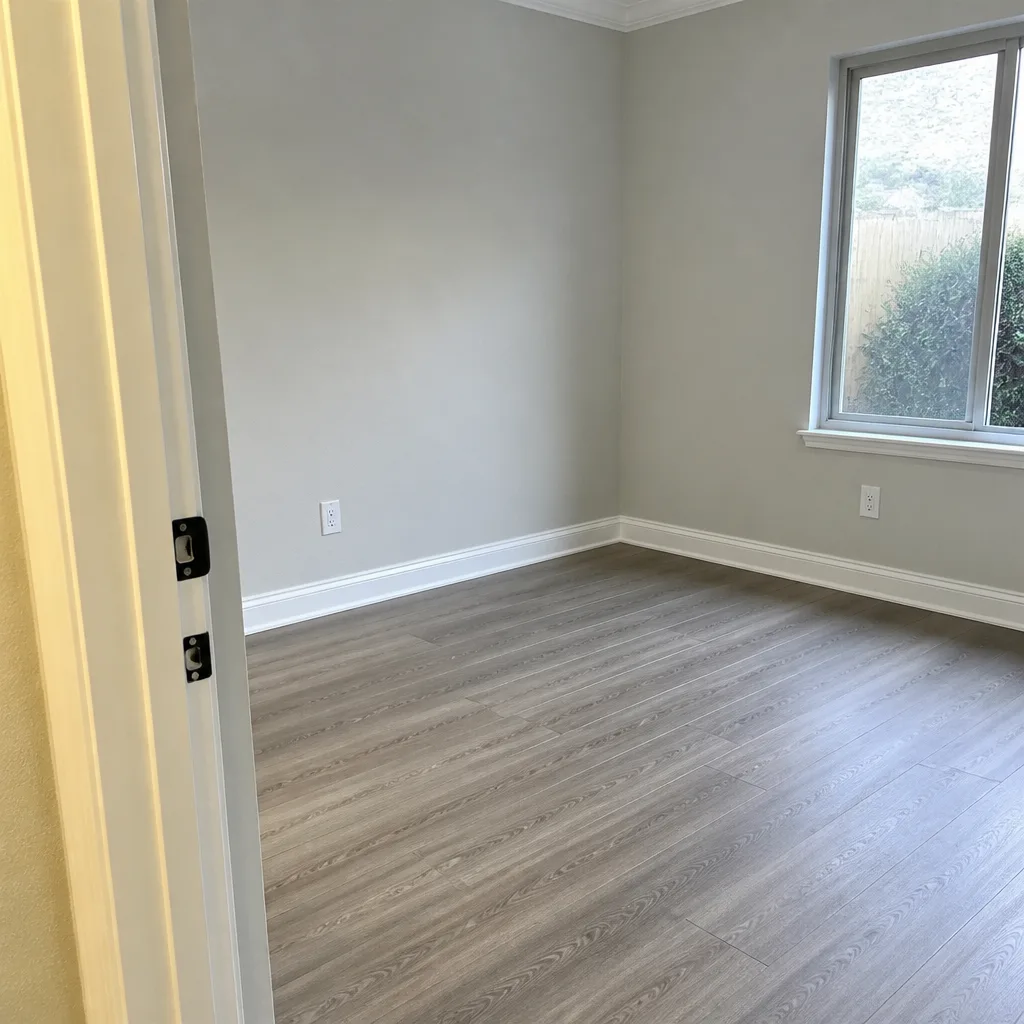 After
After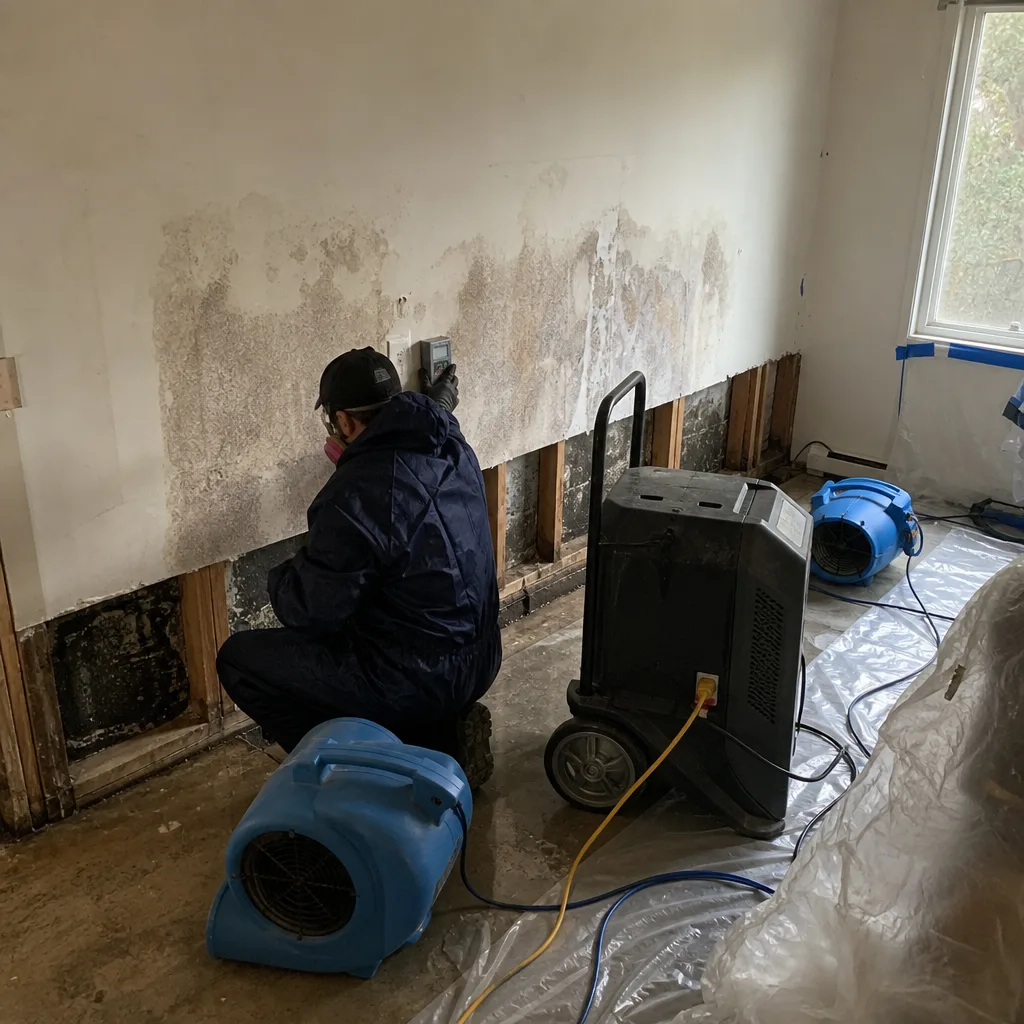 Before
 After
AfterHow to Hire a Damage Restoration Contractor in Poway: A Step-by-Step Guide
Sixty percent of homeowners who later dispute a restoration bill admit they signed the contractor’s authorization form before receiving a written scope of work. That single omission handed the contractor every advantage in the negotiation. In Poway, where the semi-arid climate can hide slow leaks behind stucco for months before visible damage appears, the pressure to act fast is real. But the decisions made in those first two hours - which contractor you invite inside, what you sign, what documentation you demand - determine whether your insurance claim gets paid in full or argued for months. This guide - alongside The Complete Guide to Damage Restoration in Poway - slows the process down just enough to ask the five questions that separate a contractor with a documentation system from one without.
Quick Answer
To hire a damage restoration contractor in Poway, verify their CSLB license and insurance through free state tools, demand a written scope with line-item pricing before signing anything, confirm they document every visit with photos and moisture readings, and never sign an assignment-of-benefits agreement. A legitimate contractor will produce this documentation without hesitation; one who resists has already told you what kind of job you’ll get.
Table of Contents
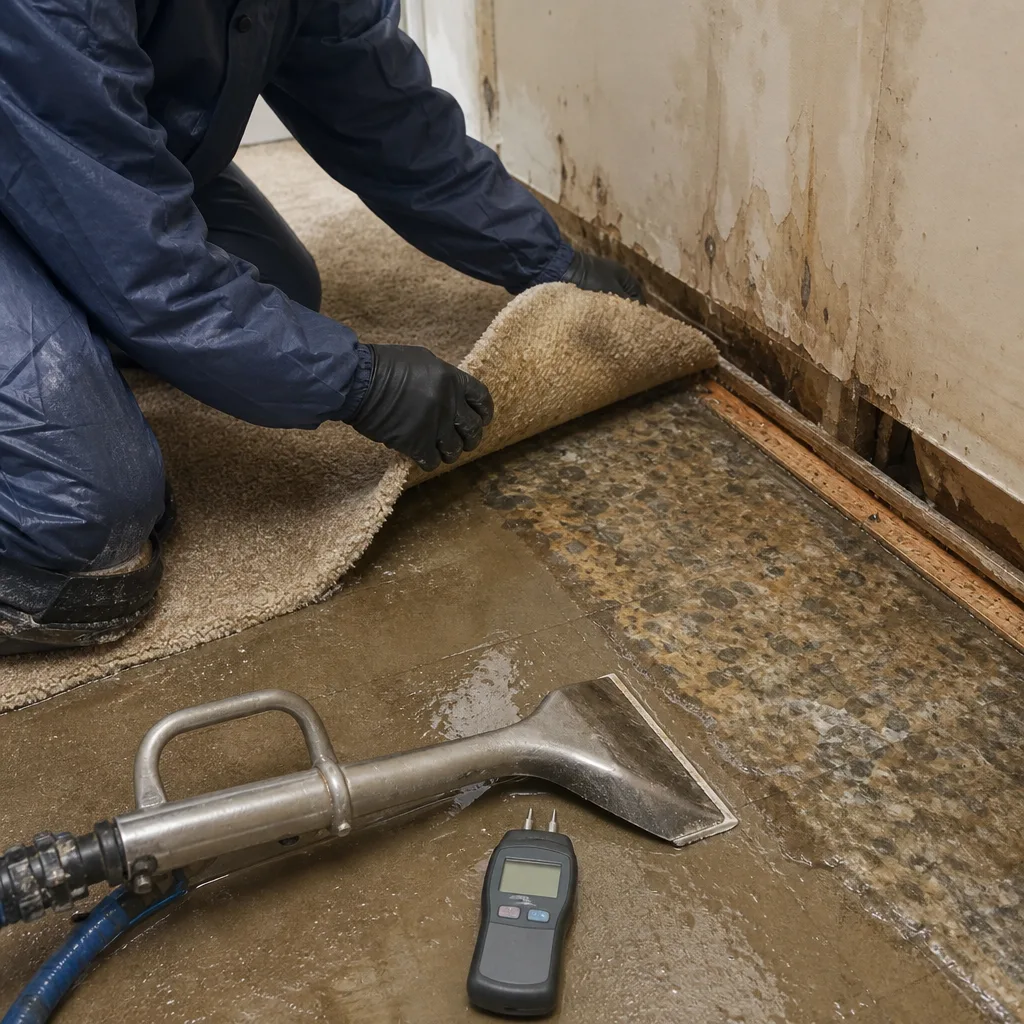
- How to Verify Licenses, Certifications, and Insurance in Under 10 Minutes
- What a Legitimate Written Scope of Work Actually Contains
- Five Questions to Ask Before Signing Any Authorization Form
- Direction-to-Pay vs. Assignment-of-Benefits: Know What You’re Signing
- What the First 24-Hour Visit Should Produce
- Poway-Specific Considerations: Climate, Codes, and Common Damage Patterns
- What Restoration Costs in Poway: Realistic Ranges
- Common Mistakes to Avoid
- When to Call a Professional
- Frequently Asked Questions
 Before
 After
AfterHow to Verify Licenses, Certifications, and Insurance in Under 10 Minutes
Every restoration contractor working in Poway must carry three credentials you can verify yourself, for free, without leaving your phone. The contractors who object to this verification are the ones most likely to produce the disputed invoices we see in claims files.
Step 1: Check the CSLB License
California requires a C-61/D-49 license for structural damage restoration, or a B-General Building contractor license for reconstruction work. Visit cslb.ca.gov and enter the license number the contractor provides. Confirm three things: the status reads “Active,” the classification includes the work you need, and the license holder matches the company name on the estimate. We’ve seen Poway homeowners discover mid-project that their “contractor” was operating under a suspended license borrowed from another entity.
Step 2: Verify IICRC Certification
The Institute of Inspection, Cleaning and Restoration Certification sets the industry standard for water damage, fire restoration, and mold remediation. IICRC-certified technicians have completed specific coursework and passed exams in their specialties. Ask for the technician’s IICRC registration number, then verify it at iicrc.org. A company that employs certified technicians will provide these numbers without hesitation. The IICRC S500 Standard for water damage and S520 Standard for mold remediation are the documented protocols that separate professional work from guesswork.
Step 3: Confirm Active Insurance
Request a certificate of insurance directly from the contractor’s insurance broker, not from the contractor themselves. The certificate should show general liability coverage of at least $1 million per occurrence and workers’ compensation if the company has employees. Call the broker to confirm the policy is active and hasn’t lapsed. In California, an uninsured worker injured on your property can become your financial responsibility.
Step 4: Check for Complaints
The CSLB website lists disciplinary actions and pending complaints. The Better Business Bureau shows complaint patterns. A single complaint isn’t disqualifying, but a pattern of similar complaints - especially around billing disputes or incomplete documentation - is a signal to continue your search.
These four checks take under ten minutes. The contractors who deserve your business have nothing to hide from them.
What a Legitimate Written Scope of Work Actually Contains
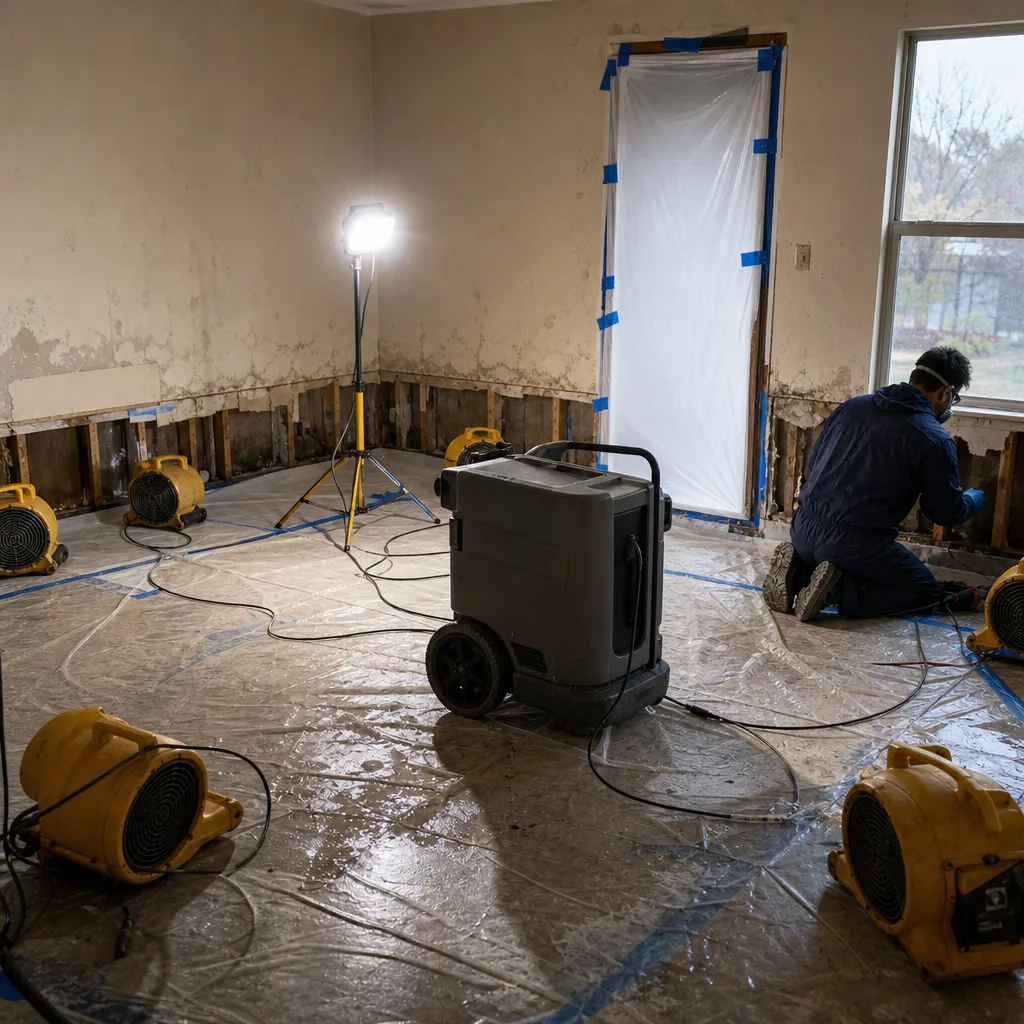
The written scope is the document that determines whether your insurer pays the invoice or sends it back for revision. At DryMark Restoration Poway, we treat this as Haven Standard, Clause 1: a written price delivered before any work starts, every time, with no exceptions. Here’s what that document must include.
Line-Item Breakdown
Each task appears as a separate line with a description, quantity, unit price, and extended total. “Remove wet drywall, 12′ x 8′ wall, living room” - not “demo and dry, various areas.” Vague language becomes the basis for supplemental invoices later.
Equipment Count and Type
The scope lists each piece of drying equipment by category: air movers (typically 1 per 50-70 square feet of affected area), dehumidifiers (calculated by cubic feet and class of water loss), and specialty equipment like Injectidry systems for cavity drying or B-Air units for specific material types. The equipment list should match what actually gets placed, and you should receive an equipment placement log showing serial numbers and locations.
Projected Drying Days
A professional scope estimates the drying timeline based on the water damage classification, as detailed in our Water Damage Restoration Maintenance Checklist for Poway Homeowners. Class 1 losses (minimal absorption) may dry in 2-3 days. Class 4 losses (deep saturation in materials like hardwood or plaster) can require 5-7 days or more with specialized equipment. The estimate should explain this classification and its basis.
Unit Pricing Reference
Many Poway restoration contractors use pricing databases like Xactimate, which bases unit costs on regional labor and material rates for San Diego County. The scope should identify the pricing source and version. This matters because outdated pricing databases can create gaps between the estimate and what insurers will approve.
Exclusions and Assumptions
A thorough scope states what it does not include: asbestos or lead testing, reconstruction beyond drying and cleaning, contents pack-out and storage, or temporary relocation expenses. These may be necessary, but they should appear as separate line items with their own prices, not buried in contingencies.
Payment Terms and Authorization Limits
The scope specifies the payment schedule, any deposit required, and whether the contractor accepts direct payment from insurance or requires payment from the homeowner with reimbursement to follow. It should also state a not-to-exceed limit or a change-order process for unforeseen conditions.
Never sign an authorization that references “time and materials” without a cap, “contractor’s usual rates,” or language that permits the contractor to “perform all work necessary” without further written approval. These phrases transfer all pricing control to the contractor and all risk to you.
Five Questions to Ask Before Signing Any Authorization Form
These questions reveal whether a contractor operates with documented systems or verbal improvisation. Ask them in sequence, and note which answers you receive in writing versus verbally.
- “Will you provide a written scope with line-item pricing before any equipment is placed or demolition begins?”
The only acceptable answer is yes, with the document delivered for your review and signature. If the response is “we need to start drying first and then write it up,” or “our estimator will put that together after the crew leaves,” you are signing a blank check. Haven Standard, Clause 1 exists precisely because this scenario damages homeowners regularly.
- “What documentation will I receive from each visit, and when?”
A contractor with real systems will answer immediately: daily moisture readings by room, a photo set with timestamps showing equipment placement and affected areas, and a drying log tracking psychrometric data - temperature, relative humidity, and specific humidity - to demonstrate progress. Ask to see a sample from a previous job (with identifying information redacted). A contractor who cannot produce this has no documentation system.
- “Do you use assignment-of-benefits agreements, and if so, what rights do I retain?”
Some California contractors present AOB agreements as standard paperwork. These documents transfer your insurance claim rights to the contractor, who then bills the insurer directly and controls the negotiation. In California, this can limit your ability to dispute charges or switch contractors mid-project. The answer you want: “We work with direction-to-pay forms that preserve your rights, or we bill you with documentation you submit to your insurer.” More on this distinction in the next section.
- “Who will be on-site, and what are their qualifications?”
The salesperson who sold the job is rarely the technician who performs it. Ask for the name, license number, and IICRC certification of the lead technician assigned to your project. Background-checked, uniformed technicians with verifiable credentials are the standard you should expect. At DryMark Restoration Poway, we provide this information before arrival because the person entering your home should never be a stranger.
- “What is your process if the drying takes longer than projected, or if hidden damage is found?”
The answer should involve written change orders with revised pricing, not verbal approvals or automatic continuation at “time and materials” rates. Hidden damage is common in Poway homes with stucco exteriors and tile roofing, where water migrates along wall cavities before visible evidence appears. A contractor with systems has a protocol for this; a contractor without systems improvises at your expense.
Document the answers you receive. A contractor who provides these responses in writing before you sign has demonstrated the organizational maturity that produces successful claims.
Direction-to-Pay vs. Assignment-of-Benefits: Know What You’re Signing
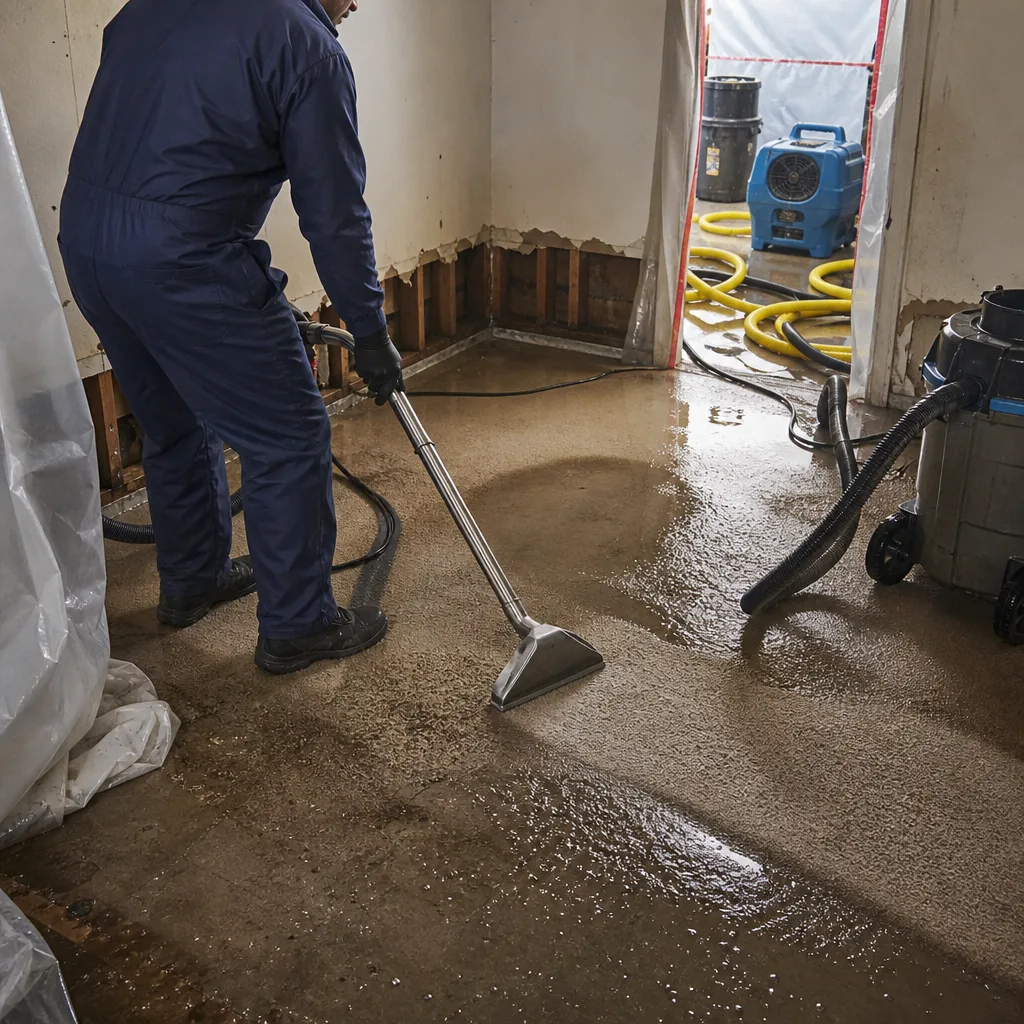
California homeowners regularly sign documents they do not understand, then discover too late that they’ve surrendered control of their insurance claim. The two most common documents - direction-to-pay and assignment-of-benefits - produce radically different outcomes.
Direction-to-Pay (DTP)
A DTP form authorizes your insurer to pay the contractor directly from your claim proceeds. You remain the claimant. You retain the right to review and dispute charges, to request supplemental payments for additional damage, and to switch contractors if the work proves unsatisfactory. The contractor receives payment only for work you have approved. This is the standard we follow at DryMark Restoration Poway home because it preserves the homeowner’s position in the claim.
Assignment-of-Benefits (AOB)
An AOB transfers your insurance policy rights to the contractor. The contractor now controls the claim, negotiates with the adjuster, and can sue the insurer in their own name. You lose standing to dispute the contractor’s charges or to seek additional payments for related damage the contractor overlooked. In California, AOB agreements in property insurance have been restricted following abuse in the water mitigation industry, but they still circulate in modified forms.
Why This Matters in Poway
Poway’s housing stock includes many homes built during the 1970s and 1980s construction boom, with original plumbing now at failure age. Water damage claims here often reveal secondary issues: mold in wall cavities, compromised subfloors, electrical corrosion. A contractor holding an AOB has limited incentive to document these additional damages, because each supplement complicates their direct billing. A homeowner retaining claim control can demand thorough documentation and pursue full recovery.
How to Tell Which Document You’re Signing
Read the authorization form carefully. Language like “I hereby assign all my rights, title, and interest under my insurance policy” indicates an AOB. Language like “I direct my insurer to pay [contractor name] directly from my claim settlement” indicates a DTP. If the document contains both, or language you cannot clearly categorize, do not sign without legal review.
The contractor who pressures you to sign immediately, who presents the document as “standard” or “required by your insurer,” or who cannot explain the difference between these forms, has already demonstrated whose interests they prioritize.
What the First 24-Hour Visit Should Produce
The initial visit from a restoration contractor is not primarily about starting equipment. It is about creating the documentation foundation that determines whether your claim succeeds. Here’s what a professional first visit produces, and how to ask for it.
Moisture Map with Room-by-Room Readings
The technician should enter with a calibrated moisture meter and non-invasive scanning equipment, then record readings for every affected room and adjacent spaces. The map shows:
- Specific moisture content percentages for wood framing (typically 15% or lower is considered dry)
- Relative readings for drywall and plaster
- Adjacent room readings to establish the water migration boundary
- Outdoor ambient readings for comparison
These readings should be recorded on a grid or floor plan, not as scattered notes. Ask to see the map before equipment is placed. A technician who cannot produce it is working without a documented baseline.
Written Equipment Placement Log
Each piece of equipment placed should appear on a log showing: equipment type and model, serial number, room location, and the date and time of placement. This log prevents disputes about how long equipment ran and whether the charges match the actual deployment. Professional-grade drying systems from Dri-Eaz, Phoenix, XPOWER, B-Air, and Injectidry each have distinct applications, and the log should reflect appropriate selection for your specific materials and moisture class.
Photo Set with Timestamps
The technician should photograph: the overall affected area, close-ups of visible damage, moisture meter readings in situ, equipment placement, and any pre-existing conditions that could be confused with new damage. These photos should have embedded timestamps, not camera roll screenshots. At DryMark Restoration Poway, we provide this photo record as a standard deliverable on every visit, included with the daily drying log.
Psychrometric Data and Drying Plan
The technician should record initial temperature, relative humidity, and specific humidity, then explain the target conditions for effective drying. Vapor pressure differential - the difference in moisture concentration between wet materials and the surrounding air - drives the drying process. A technician who cannot explain this in plain language, or who places equipment without calculating dehumidification capacity, is guessing rather than engineering the dry.
How to Ask for These Deliverables
Before the technician begins work, state: “I’ll need the moisture map, equipment log, and photo set from this visit before you leave, and I’ll need daily updates with new readings.” A contractor with systems will confirm this without hesitation. A contractor without systems will deflect, delay, or suggest these are “extra” services. They are not extra. They are the minimum documentation required for a payable claim.
Poway-Specific Considerations: Climate, Codes, and Common Damage Patterns
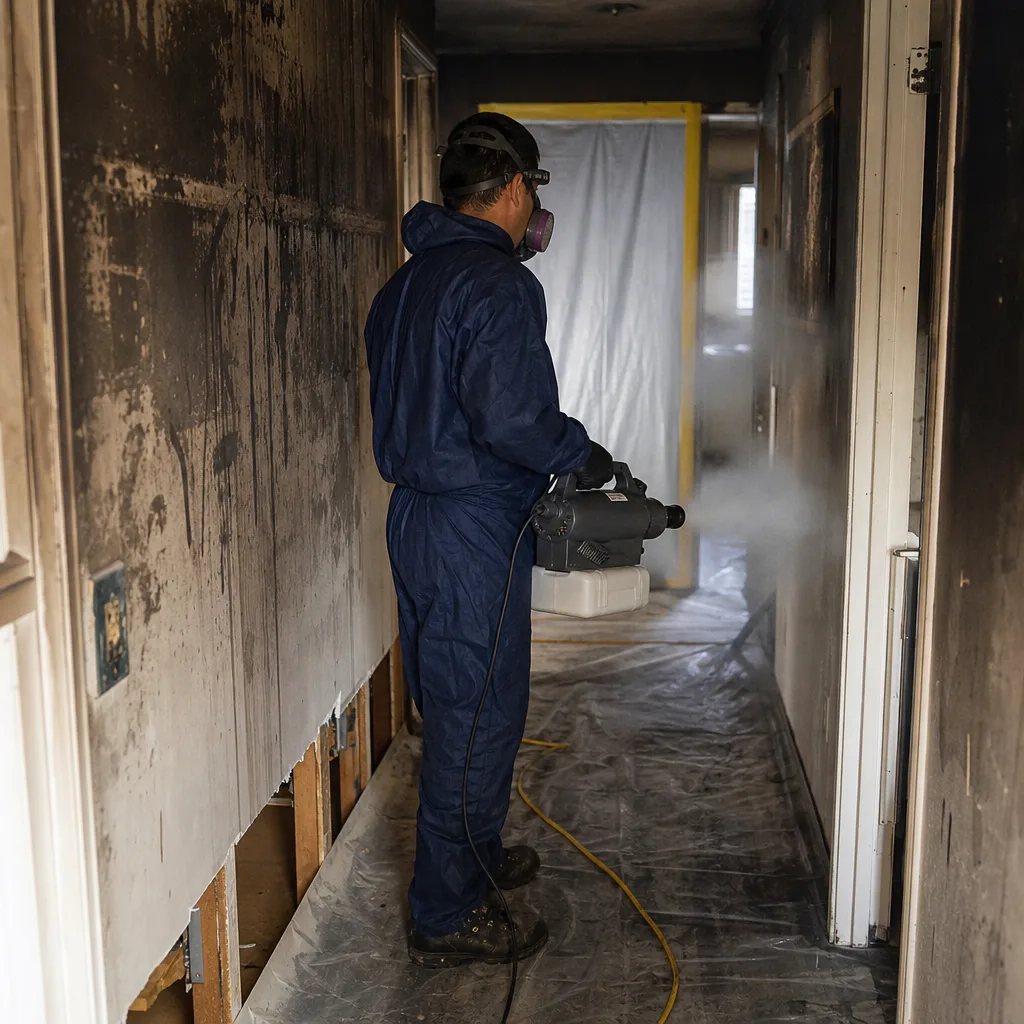
Poway’s geography and climate create restoration challenges that contractors from coastal San Diego may not anticipate. Understanding these local factors - explored further in our Seasonal Damage Restoration Care for Poway: Year-Round Homeowner’s Guide - helps you evaluate whether a contractor has actual experience in this market.
Semi-Arid Climate and Hidden Moisture
Poway averages only 13 inches of annual rainfall, concentrated in brief winter storms. Homeowners often assume dry climate means rapid natural drying. The opposite can be true: low ambient humidity slows evaporation from deep within materials, and the intense summer heat can drive moisture into cooler wall cavities where it condenses against air-conditioned surfaces. We’ve documented cases in Old Poway and the Blue Sky Ranch area where a summer water loss developed secondary mold because the contractor assumed surface dryness equaled structural dryness.
Stucco and Tile Roofing: The Migration Problem
The dominant construction style in Poway - stucco exterior, tile or composite shingle roofing, slab or raised foundation - creates specific water migration paths. Stucco’s permeability allows moisture to wick horizontally along wall cavities far from the original leak point. Tile roofing, while durable, channels water through multiple underlayment layers that can fail at penetration points. A contractor unfamiliar with these assemblies may miss the full extent of damage, leading to incomplete drying and future mold claims.
Local Permit and Code Requirements
The City of Poway requires permits for structural repairs exceeding specific thresholds, including electrical and plumbing work triggered by water damage. A contractor performing reconstruction without proper permits creates liability for the homeowner and potential claim denial if the insurer discovers unpermitted work. Verify that your contractor understands Poway’s permit requirements and includes permit costs in the written scope when applicable.
Neighborhood-Specific Patterns
In the newer developments north of Twin Peaks Road, we’ve seen repeated issues with PEX plumbing fittings and tankless water heater installations. In the mature neighborhoods south of Poway Road, original galvanized supply lines and cast-iron drains are at end of service life. A contractor who can name these patterns - who knows that Bridlewood homes often have specific slab leak characteristics, or that the Maderas community has particular drainage considerations - has been working in Poway long enough to have learned them. For more guides & resources on protecting your home, explore our blog.
Wildfire and Smoke Exposure
Poway’s wildland-urban interface means smoke damage claims from regional fires, even when flames never reached the property. Fire & Smoke Damage Restoration in Poway requires understanding of particulate infiltration through HVAC systems and the documentation standards that insurers apply to these claims. Not every water damage contractor has this expertise.
What Restoration Costs in Poway: Realistic Ranges
Restoration pricing varies with the damage classification, affected square footage, and required documentation, but Poway homeowners should understand realistic ranges before receiving estimates. These figures reflect San Diego County market rates for professional work documented to IICRC standards.
Water Damage Mitigation
| Service | Typical Range | Factors Affecting Price |
|---|---|---|
| Initial inspection and moisture mapping | $150 – $350 | Size of property, number of affected rooms, after-hours emergency response |
| Water extraction (per affected area) | $300 – $600 | Standing water depth, contaminated vs. clean water, basement or crawlspace access |
| Structural drying (per day, equipment rental) | $75 – $150 per air mover; $200 – $400 per dehumidifier | Equipment type (standard vs. LGR dehumidifier), specialty systems like Injectidry for cavity drying |
| Typical 3-5 day drying project, 1,500 sq ft home | $2,800 – $5,500 | Class of water loss, material types, accessibility for equipment |
| Mold testing and protocol development | $400 – $800 | Number of samples, lab turnaround time, protocol complexity |
Mold Remediation
| Service | Typical Range | Factors Affecting Price |
|---|---|---|
| Small contained area (under 10 sq ft) | $500 – $1,200 | Accessibility, containment requirements, post-remediation verification |
| Moderate area (10-100 sq ft) | $1,500 – $4,500 | Wall cavity involvement, HVAC contamination, necessary demolition |
| Extensive area (over 100 sq ft or whole-room) | $5,000 – $15,000+ | Structural repairs, specialized remediation protocols, third-party clearance testing |
Fire and Smoke Damage
| Service | Typical Range | Factors Affecting Price |
|---|---|---|
| Light smoke damage, cleaning and deodorization | $2,000 – $5,000 | Square footage, content cleaning requirements, ozone or thermal fogging needs |
| Moderate damage with structural cleaning | $5,000 – $15,000 | HVAC duct cleaning, insulation replacement, partial reconstruction |
| Major damage with reconstruction | $15,000 – $50,000+ | Scope of rebuild, code upgrades, temporary relocation costs |
These ranges are starting points for informed discussion, not quotes. The written price you receive before work begins - Haven Standard, Clause 1 - should fall within these bands for comparable scope, or explain clearly why the specific conditions warrant departure.
Be wary of estimates substantially below these ranges, which may indicate undocumented labor, uninsured workers, or equipment that will be “upgraded” with change orders. Be equally wary of estimates far above without detailed justification.
Common Mistakes to Avoid
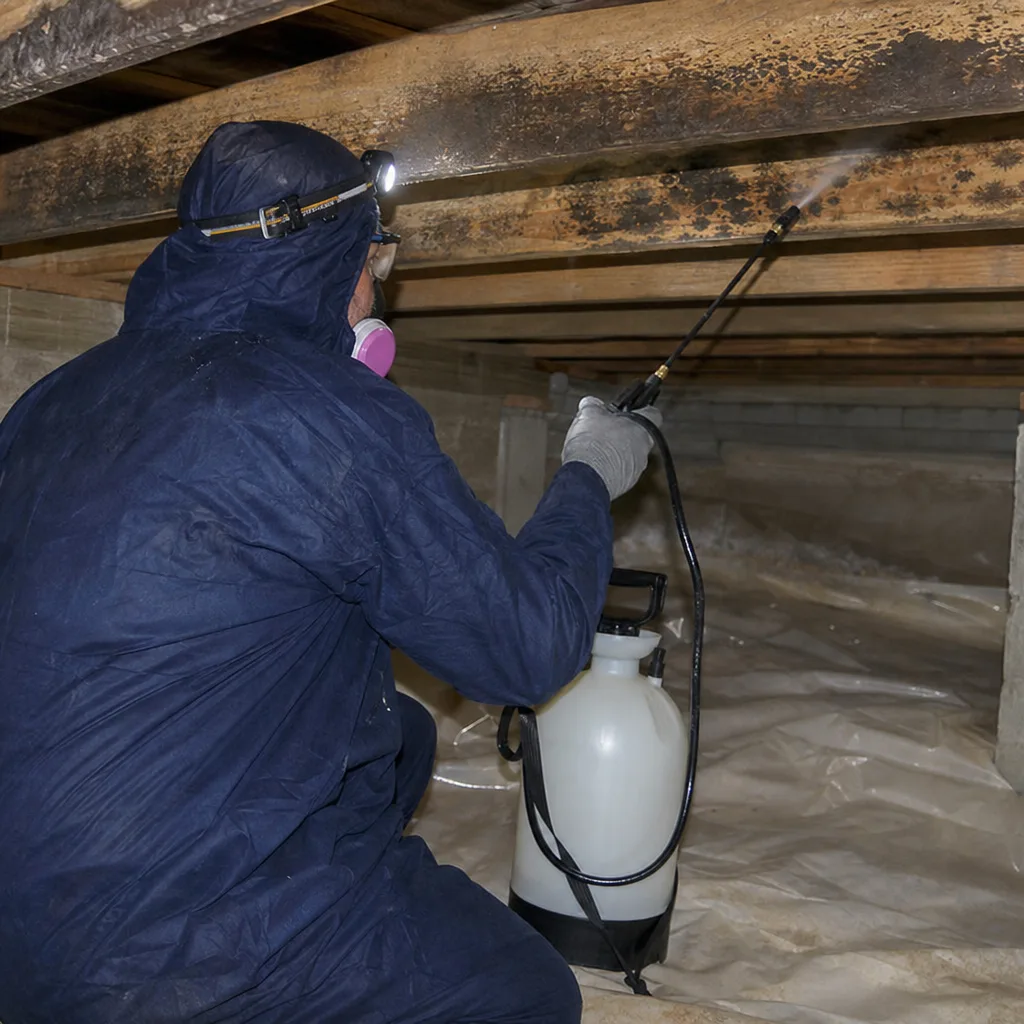
- Signing authorization before receiving a written scope. This is the single most expensive mistake homeowners make. The authorization grants access to your property and often includes broad work approval language. Without a written scope attached, you have no documented basis to dispute charges later.
- Accepting “we’ll bill your insurance” as a pricing strategy. This phrase means nothing. Your insurance policy has coverage limits, deductibles, and exclusions. The contractor’s invoice may exceed what your policy pays, leaving you responsible for the difference. A written scope with your out-of-pocket estimate prevents this surprise.
- Neglecting to verify that the on-site technician matches the quoted credentials. Some companies send different technicians than promised, or use day-labor without the certifications the salesperson described. Ask for identification and verify the name against what you were told.
- Failing to document pre-existing conditions. Before any work begins, photograph your property’s current state, especially areas adjacent to the damage. This protects you if the contractor damages undamaged areas and disputes responsibility.
- Ignoring the difference between mitigation and reconstruction. Mitigation - drying, cleaning, demolition - is typically urgent and billed at time-sensitive rates. Reconstruction is scheduled work with competitive bidding. Some contractors blur this distinction to lock you into their reconstruction pricing. Demand separate scopes for each phase.
- Not requesting daily documentation during drying. Psychrometric data and moisture readings prove the drying progressed appropriately. Without them, an insurer may question whether equipment ran unnecessarily long. Daily documentation is your protection, not the contractor’s burden.
- Hiring based on arrival speed alone. In Poway’s spread-out geography, the contractor who arrives fastest may be the one who happened to be nearby, not the one best qualified. Thirty minutes of additional research into credentials and documentation practices prevents months of claim disputes.
When to Call a Professional
Some damage scenarios require immediate professional response; others allow brief evaluation. Call a restoration contractor immediately if: water has saturated structural materials (drywall, subfloor, framing); sewage or gray water is involved; electrical systems may be compromised; mold is visible or suspected in an area exceeding 10 square feet; or fire damage has affected structural elements or HVAC systems.
For minor, clean water spills confined to surface materials with no structural penetration, rapid homeowner response with extraction and ventilation may suffice. But when in doubt, professional moisture mapping prevents the far greater cost of undetected damage.
DryMark Restoration Poway offers free estimates in Poway - call (858) 683-1768. We provide a written scope before any work begins, documented photo records on every visit, and a Free Second Opinion on any competitor’s written estimate. Our live phone coverage means you’ll speak with a person, not a voicemail system, whenever you call.
Frequently Asked Questions
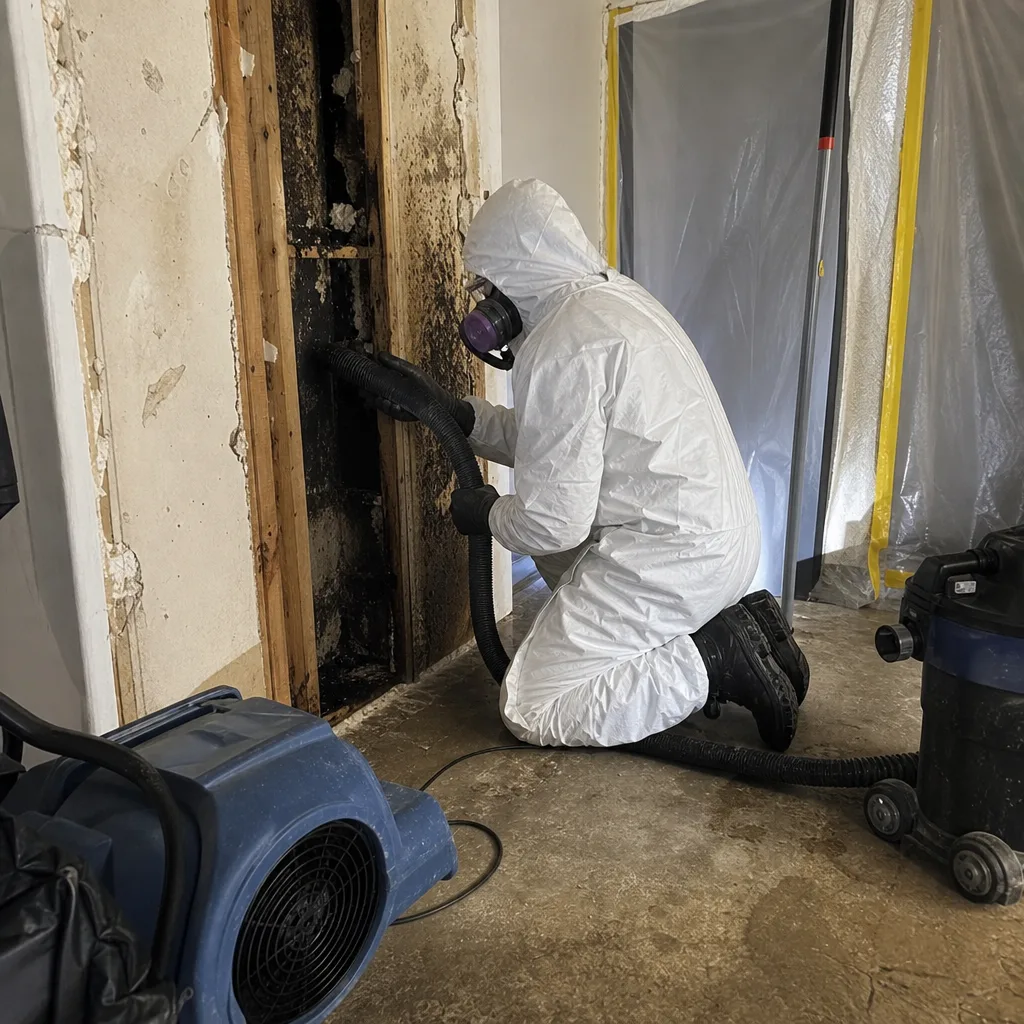
Verify their license at cslb.ca.gov using the license number they provide. An active CSLB license with appropriate classification is required for structural restoration work in California. The license status, classification, and company name must all match what the contractor presents. This verification takes under two minutes and prevents the most common fraud scenario in restoration contracting.
Coverage depends on your policy terms, the water source, and whether damage resulted from sudden accidental discharge or gradual leakage. Most policies cover sudden events like burst pipes; fewer cover long-term leaks or maintenance failures. A contractor who documents thoroughly - with moisture maps, daily readings, and photo records - produces the evidence your adjuster needs to approve covered charges. Call (858) 683-1768 for an exact quote - estimates are free, and we can review your policy documentation with you.
A direction-to-pay authorizes your insurer to pay the contractor from your claim proceeds while you retain all claim rights. An assignment-of-benefits transfers your policy rights to the contractor, who then controls the claim negotiation. In California, direction-to-pay preserves your ability to dispute charges and seek supplemental payments. Never sign an assignment-of-benefits without understanding that you are surrendering control of your claim.
Emergency response times vary by contractor location and current workload. Poway’s position inland from coastal San Diego means contractors based in Clairemont or Kearny Mesa may face 30-45 minute transit times during peak traffic. Ask for realistic arrival estimates, not marketing promises. For active water losses, speed matters; for completed damage awaiting assessment, a slightly longer wait for a thoroughly documented estimate prevents greater delays later. DryMark Restoration Poway maintains live phone coverage 24 hours a day, 7 days a week with no voicemail on emergency lines.
Visible mold exceeding 10 square feet, mold in HVAC systems, or mold resulting from water damage affecting structural materials requires professional remediation under IICRC S520 protocols. DIY cleaning of extensive mold can spread spores and worsen contamination. More critically, insurers often require documented professional remediation with post-clearance testing before closing related claims. Mold Remediation in Poway follows these standards to produce claimable documentation.
A legitimate written estimate includes: line-item tasks with quantities and unit prices; equipment type, count, and placement locations; projected drying or remediation timeline; pricing source and version; payment terms and authorization limits; and explicit exclusions. It should not include “time and materials” language without caps, “all necessary work” authorizations, or references to verbal agreements. Haven Standard, Clause 1 requires this documentation before any work begins - it’s the standard we apply to every job at DryMark Restoration Poway.
The Bottom Line
Hiring a restoration contractor in Poway is not about finding the fastest responder or the lowest estimate. It is about finding a contractor whose documentation systems will produce a claim your insurer pays without dispute. The five questions in this guide, the verification steps for licenses and insurance, and the specific deliverables you should demand on the first visit - these separate contractors who manage claims from contractors who create them. Slow down enough to get the written scope, the photo record, and the daily documentation before anyone starts work. The two hours you spend on verification prevent the two months you might otherwise spend arguing an invoice.
Written by Alicia Brennan, Owner at DryMark Restoration Poway, serving Poway since 2011.