
Last updated September 23, 2026
Free visual inspection and a written scope of work before any mitigation begins - photos, moisture readings, and drying logs go in your claim file
The scope we write is the scope we bill. Anything new gets shown to you, in writing, before we touch it.
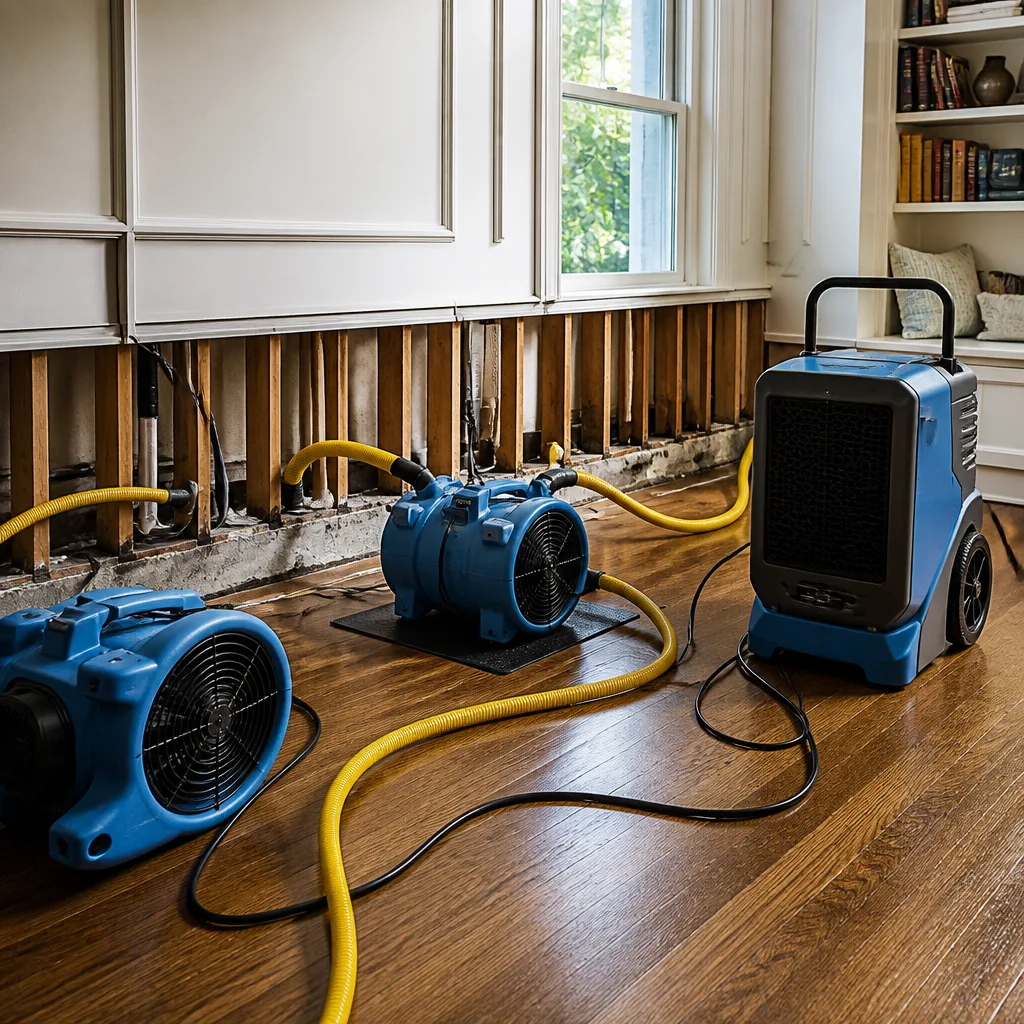
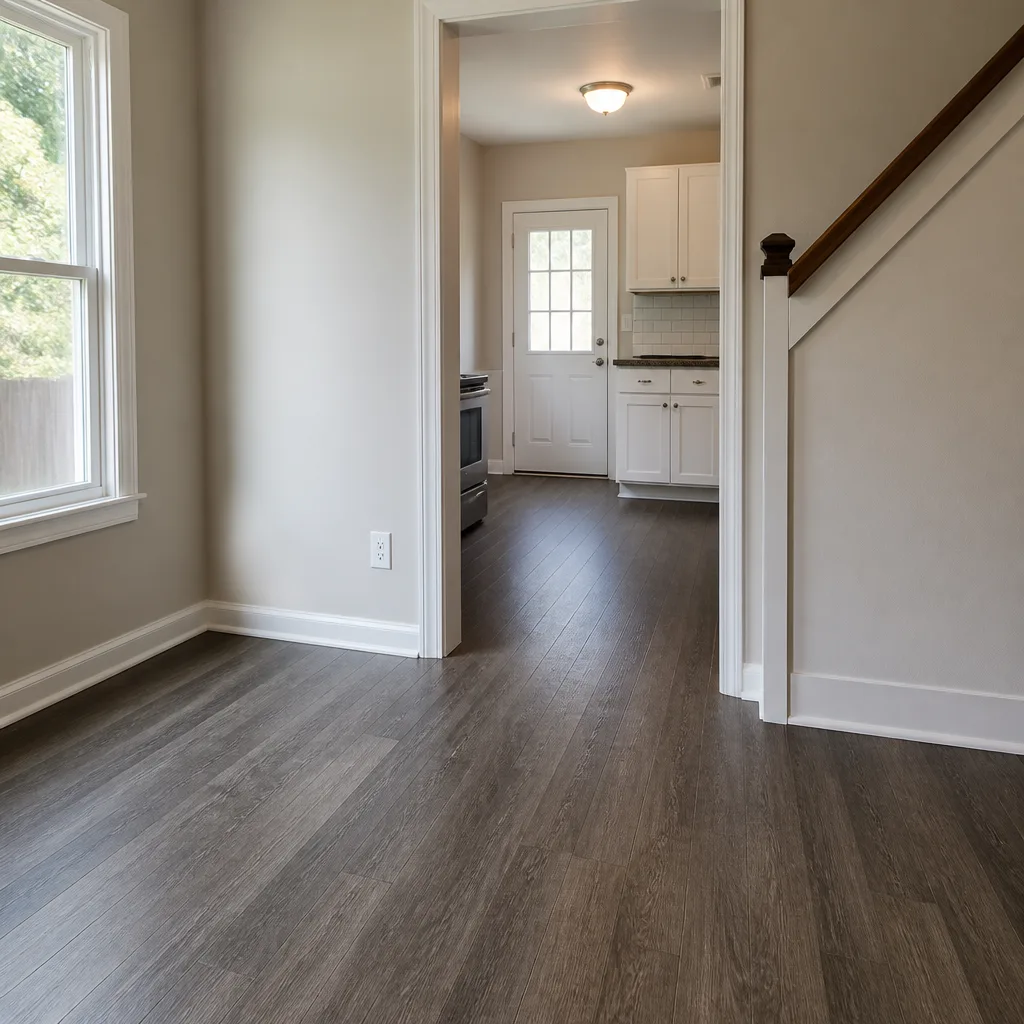

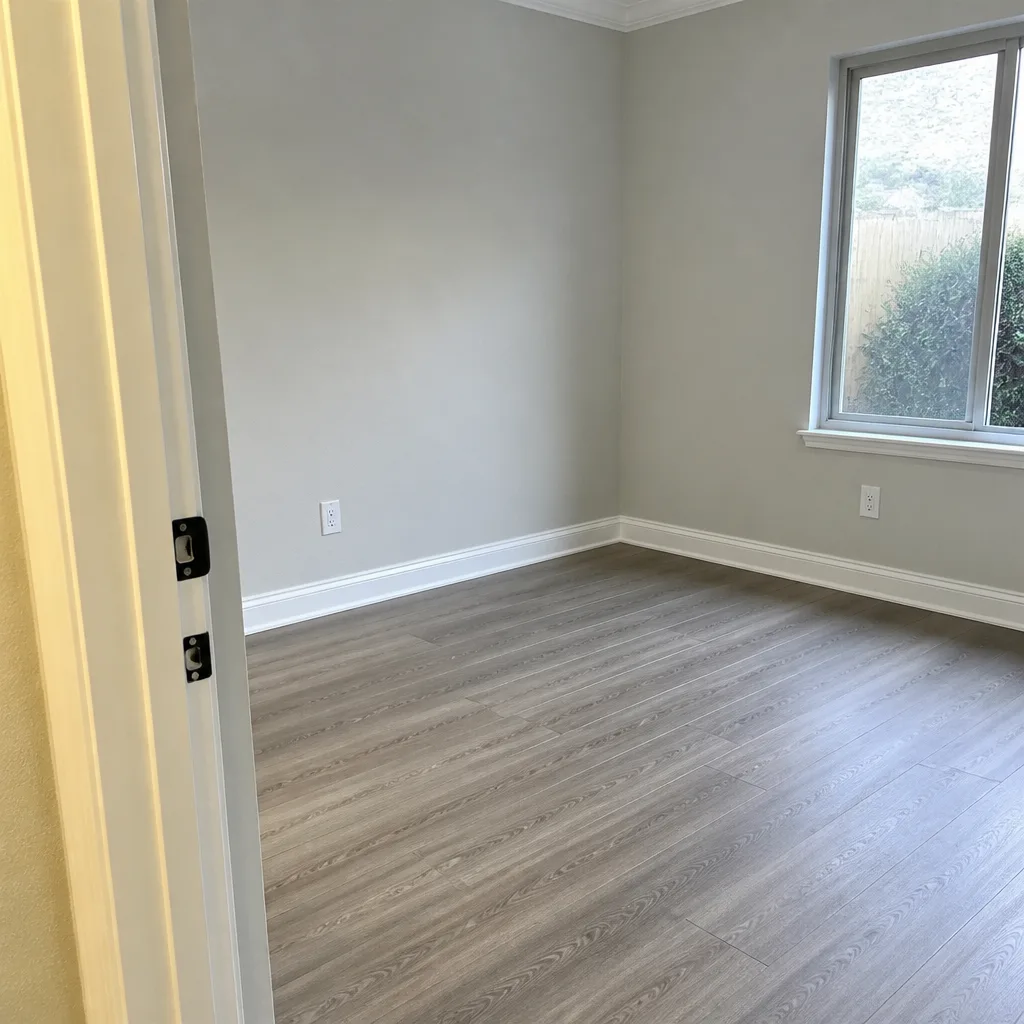
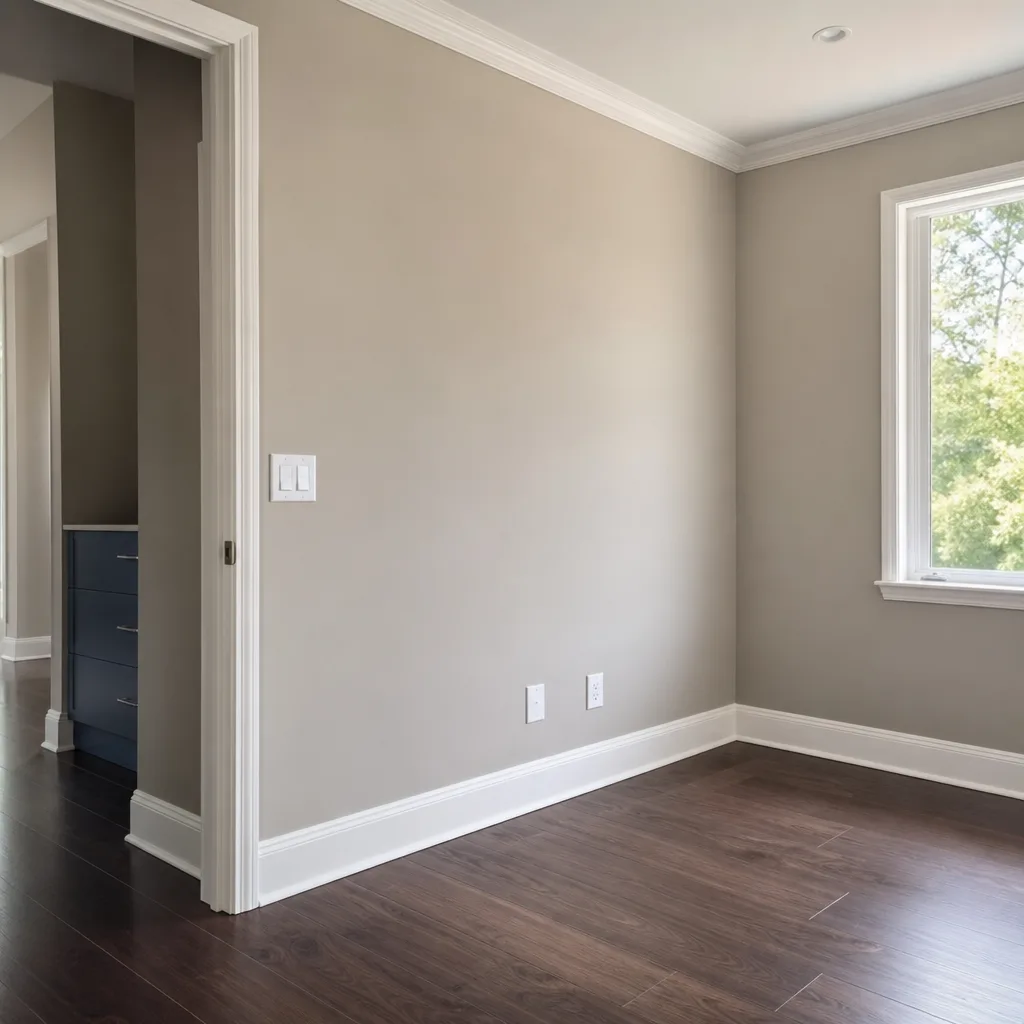
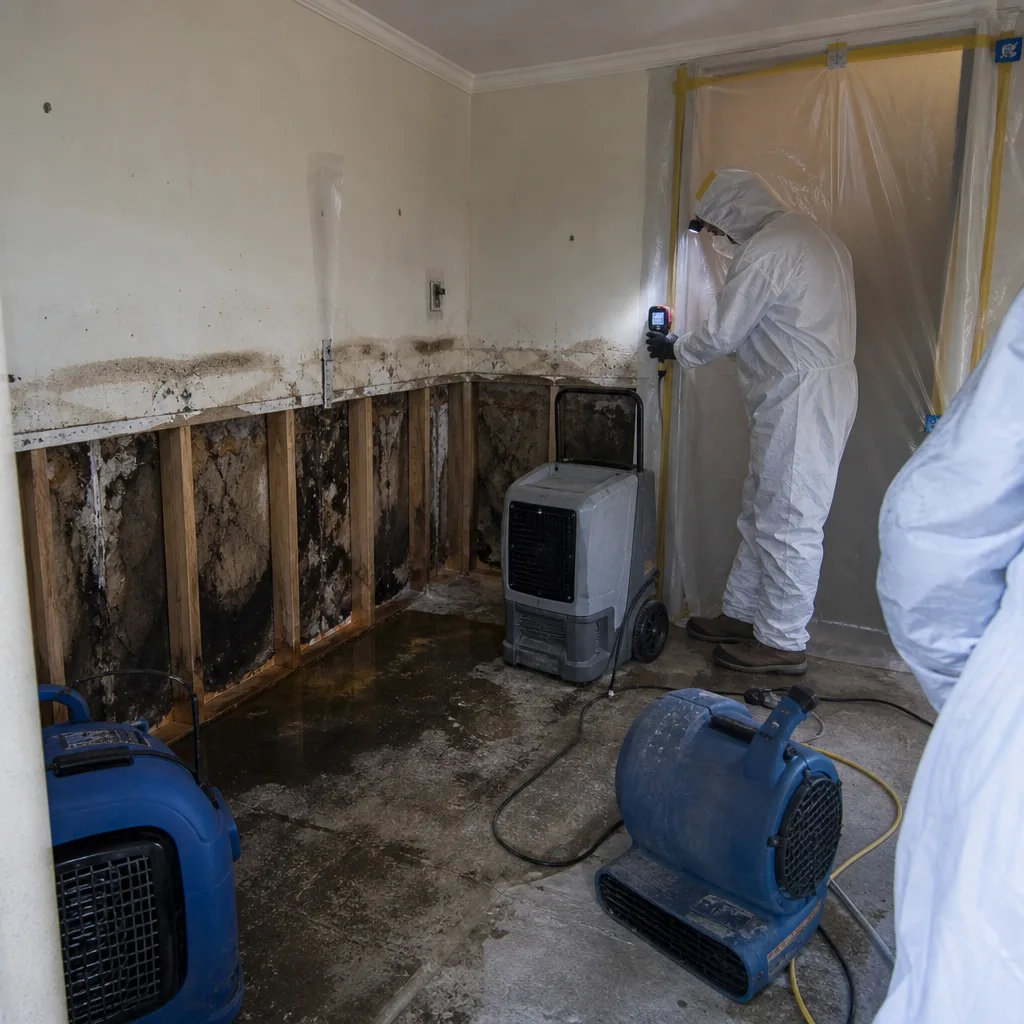 Before
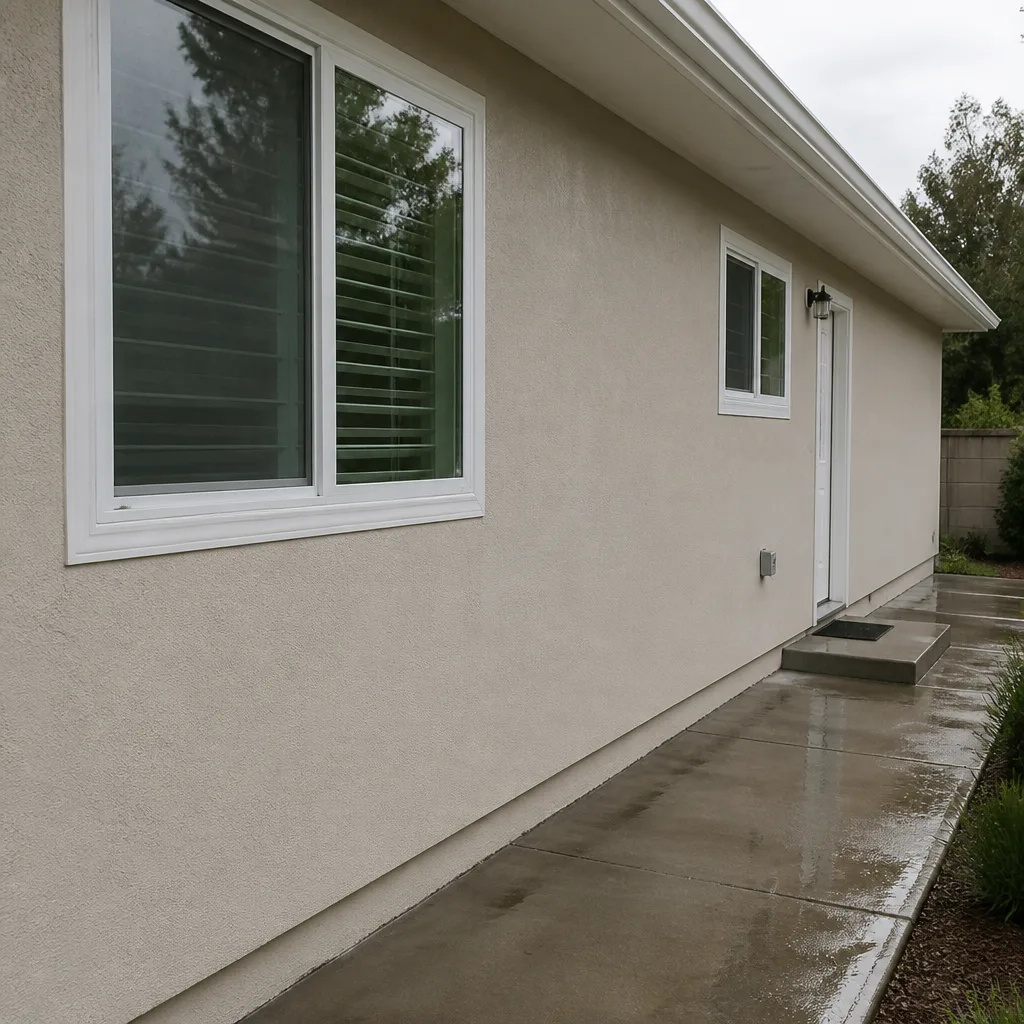 After
After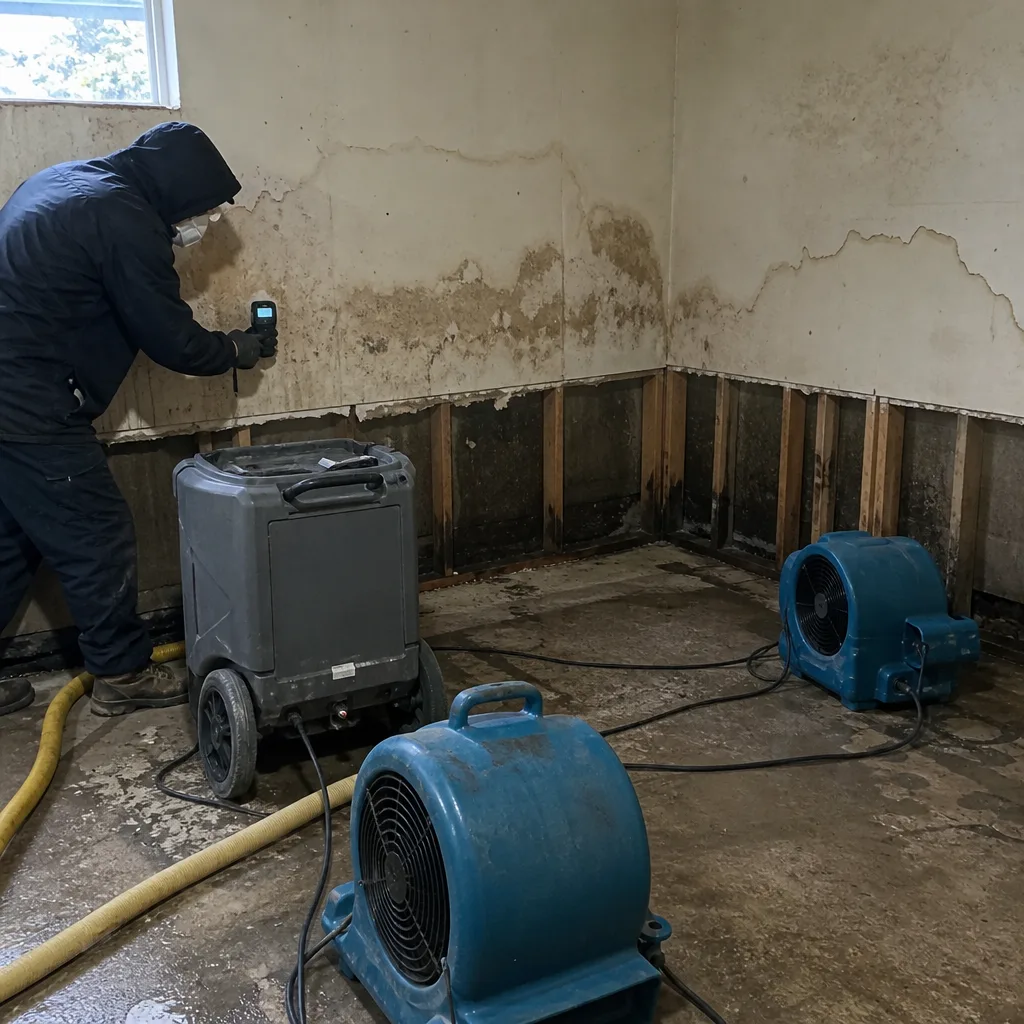 Before
 After
After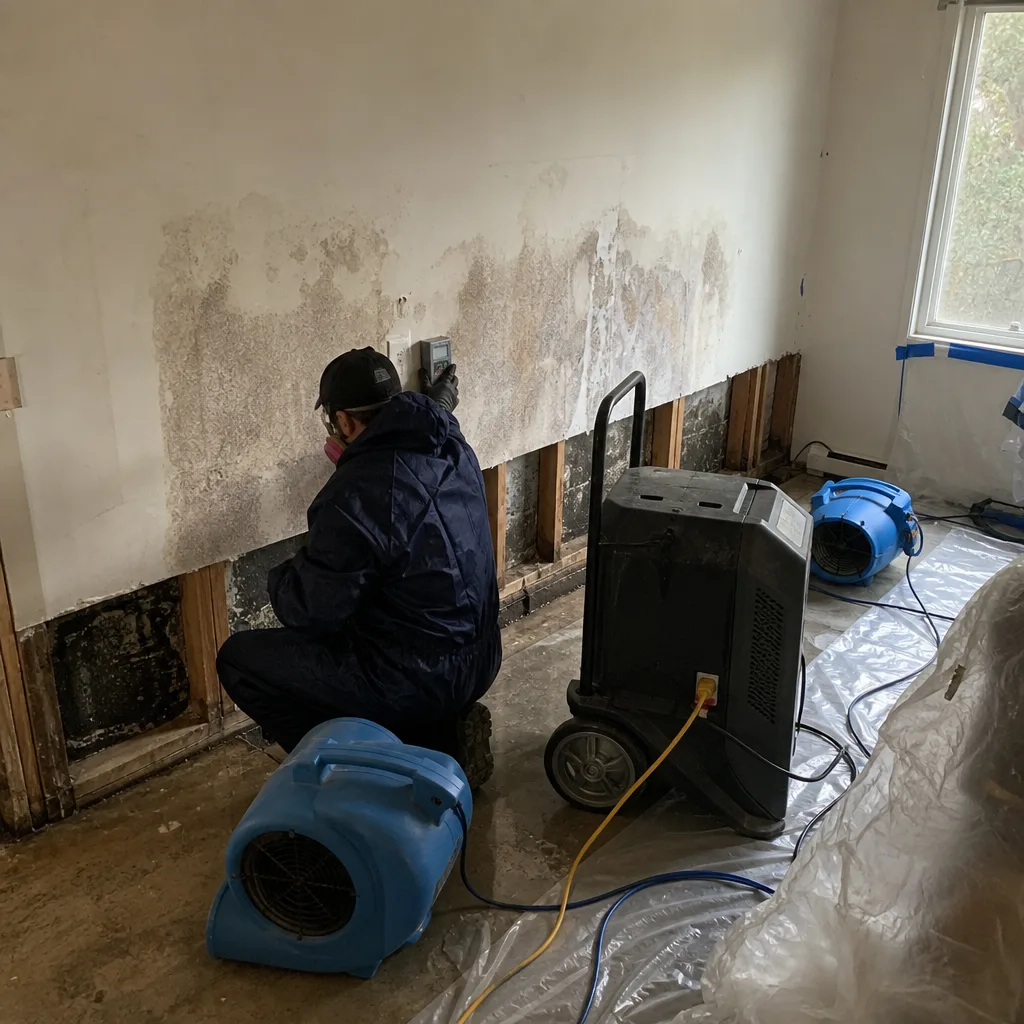 Before
 After
AfterDamage Restoration Cost Breakdown: The Poway Homeowner’s Reference for 2026
Xactimate, the pricing engine that powers most restoration invoices in California, publishes its regional unit prices where anyone can find them. Most Poway homeowners have never looked. Most contractors would rather they didn’t. In 2026, the gap between what restoration work costs and what insurers pay has less to do with how bad the damage was and more to do with how the estimate was built, documented, and defended. This guide-along with our more guides & resources-shows you how to read the line items before you sign, what the numbers actually mean in the Poway market, and why some invoices get paid in full while others get cut by 30 percent or more.
Quick Answer
Water damage restoration in Poway typically runs $3,500 to $8,500 for a standard single-family mitigation, with reconstruction adding $4,000 to $15,000 depending on finish materials. Mold remediation averages $15 to $30 per square foot of contained area, while fire and smoke restoration starts around $8,000 and scales with structural involvement. The single biggest factor in final cost is not the damage itself, but whether the contractor bills by time-and-materials, Xactimate line items, or a fixed written scope agreed before work begins.
Table of Contents
- How Xactimate Pricing Actually Works in Poway
- Water Damage Restoration Costs: Line by Line
- Mold Remediation Costs per Square Foot
- Fire & Smoke Damage Restoration Costs
- The Three Pricing Models Explained
- Mitigation vs. Reconstruction: Why They Bill Differently
- Five Line Items San Diego Adjusters Cut Most Often
- How Documentation Defends Your Invoice
 Before
 After
AfterHow Xactimate Pricing Actually Works in Poway
Xactimate is not a contractor’s guess. It is a database of unit prices compiled from actual vendor invoices, material supplier feeds, and labor rate surveys across defined geographic regions. Poway falls within Xactimate’s San Diego County pricing zone, which means the software applies the same regional unit costs to a job in Sabre Springs as it does to one in Rancho Bernardo, adjusted only by specific material selections and job conditions.
Here’s what most homeowners miss: Xactimate prices are public. You can access them through Xactware’s online price list or by requesting the line-item detail from any contractor who uses the platform. The issue is not secrecy. The issue is that contractors and adjusters often apply different line items to the same wall, or disagree on whether a surface is “affected” versus “suspect,” or dispute how many equipment days are justified by the psychrometric data.
In Poway, we see this most often with two conditions. First, the semi-arid climate means initial humidity readings can deceive homeowners into thinking a space is dry when vapor pressure differentials show moisture still migrating through wall cavities. Second, the prevalence of stucco exteriors and tile roofing in neighborhoods like Old Poway and The Greens creates specific drying challenges that require Injectidry hardwood floor drying mats or positive-pressure wall cavity systems, line items that adjusters unfamiliar with local construction may flag as excessive.
Key Xactimate line codes every Poway homeowner should recognize:
- WTR WATX – Water extraction, per square foot: typically $0.55-$0.85 in San Diego County
- WTR DHM – Dehumidifier, large, per day: typically $85-$125 per day
- WTR AFD – Air mover, per day: typically $25-$35 per day
- RFG DRY – Drying of structural cavity, per square foot: typically $2.50-$4.00
- CLN MOLD – Mold remediation, per square foot of contained area: typically $15-$28
- DEM DRYW – Drywall removal, per square foot: typically $1.80-$2.80
- RFG DRYW – Drywall installation, per square foot: typically $2.20-$3.50
These are not DryMark Restoration Poway prices. These are Xactimate’s published regional averages for 2026, and any contractor billing within this framework should be able to show you exactly where each code appears on your estimate.
Water Damage Restoration Costs: Line by Line
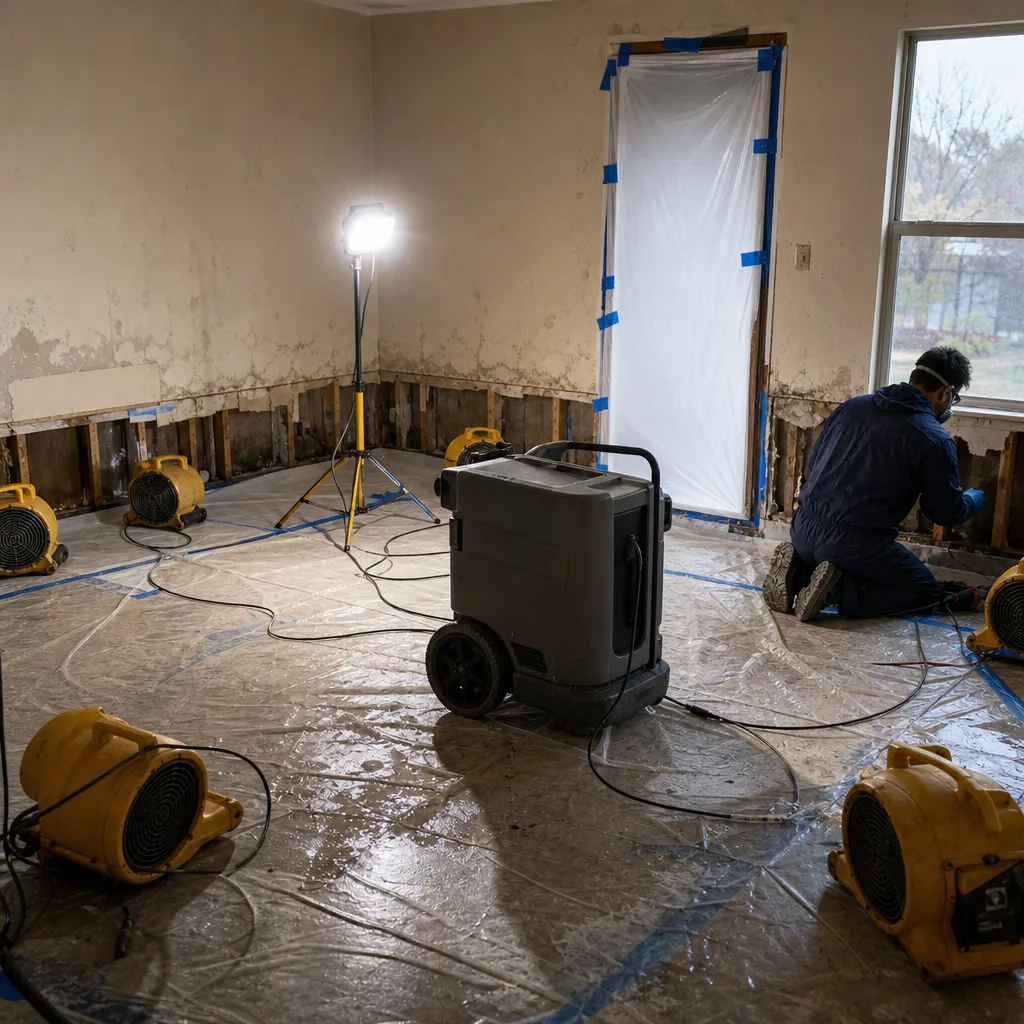
A standard water damage mitigation in Poway, meaning extraction through dry standard per IICRC S500, breaks into measurable components. The total depends on category of water (clean, gray, or black), affected square footage, and how many building systems are involved. Here is what the line items actually look like for a typical 1,500 square foot home with a Category 1 supply line leak affecting two rooms and a hallway.
| Line Item | Xactimate Code | Unit | Typical Range (Poway 2026) |
|---|---|---|---|
| Water extraction | WTR WATX | per sq ft | $0.55 – $0.85 |
| Dehumidifier, large (Phoenix 200 MAX or Dri-Eaz LGR 7000XLi) | WTR DHM | per day | $85 – $125 |
| Air mover (XPOWER P-230AT or B-Air Grizzly) | WTR AFD | per day | $25 – $35 |
| Injectidry floor mat system | WTR FMD | per day | $45 – $65 |
| Wall cavity drying (positive pressure) | RFG DRY | per sq ft | $2.50 – $4.00 |
| Antimicrobial application | WTR APP | per sq ft | $0.35 – $0.55 |
| Daily moisture monitoring and log | WTR MON | per visit | $125 – $185 |
| Content manipulation (furniture moving) | WTR MOV | per hour | $65 – $95 |
| Drywall removal, 1/2 inch | DEM DRYW | per sq ft | $1.80 – $2.80 |
| Insulation removal, batt | DEM INS | per sq ft | $1.20 – $1.90 |
For that typical 1,500 square foot home with two affected rooms, expect 3 to 5 equipment days, 1 to 2 days of extraction and setup, and daily monitoring visits until dry standard is reached. The mitigation alone, before any reconstruction, typically falls between $3,500 and $6,200 in the Poway market.
Category 2 or 3 water changes the math. Gray water from a dishwasher discharge or washing machine overflow requires antimicrobial treatment of all affected surfaces and often removal of porous materials that clean water might have dried in place. Category 3, or black water from sewage intrusion or groundwater flooding, triggers full removal of carpet, pad, and lower drywall, plus HEPA air scrubbing and more extensive containment. In Poway’s older neighborhoods near the creek corridors, we see Category 3 events during winter storm sequences when drainage systems are overwhelmed. These jobs routinely start at $7,000 for mitigation alone.
Water Damage Restoration in Poway requires specific documentation to support every equipment day billed. Without it, adjusters apply standard drying curves and cut days they deem excessive.
Mold Remediation Costs per Square Foot
Mold remediation pricing in Poway follows a different structure than water mitigation because the work is governed by IICRC S520 and California’s Mold Disclosure requirements, not by drying standards. The cost driver is not time to dry standard but rather the extent of containment required, the accessibility of affected areas, and whether HVAC systems are involved.
For contained areas under 10 square feet, some contractors perform remediation without full containment, though we document even these small jobs with photo records per The Haven Standard. For areas between 10 and 100 square feet, expect single-layer containment with negative air pressure. Over 100 square feet triggers full containment, dual air scrubbers, and often third-party post-remediation verification.
Typical Poway mold remediation line items:
- Containment setup, single layer: $450-$750 per contained zone
- Negative air machine (NAM), HEPA: $185-$275 per day
- Air scrubber, HEPA (XPOWER X-3700 or equivalent): $65-$95 per day
- Removal of mold-affected drywall: $2.80-$4.50 per square foot (includes bagging and HEPA vacuuming)
- Antimicrobial treatment, structural: $0.85-$1.40 per square foot
- Encapsulant application (sealing remaining framing): $1.20-$1.80 per square foot
- Post-remediation air sampling: $350-$550 per set of samples
A typical Poway bathroom with mold behind the tub surround, roughly 60 square feet of contained remediation area, runs $2,800 to $4,500 including containment, removal, treatment, and post-verification. Attic mold, common in Poway homes with inadequate ventilation in the Twin Peaks and Highland Ranch areas, scales with accessibility and sheathing involvement. A 1,200 square foot attic with sheathing remediation typically ranges from $8,500 to $14,000.
The line item most frequently challenged on mold jobs is post-remediation verification. Some insurers treat it as the homeowner’s responsibility; others require it for clearance. We include it in every written scope so there is no ambiguity about who pays if the adjuster demands it.
Mold Remediation in Poway must include written containment diagrams and moisture source identification to satisfy both IICRC S520 and most insurance review protocols.
Fire & Smoke Damage Restoration Costs
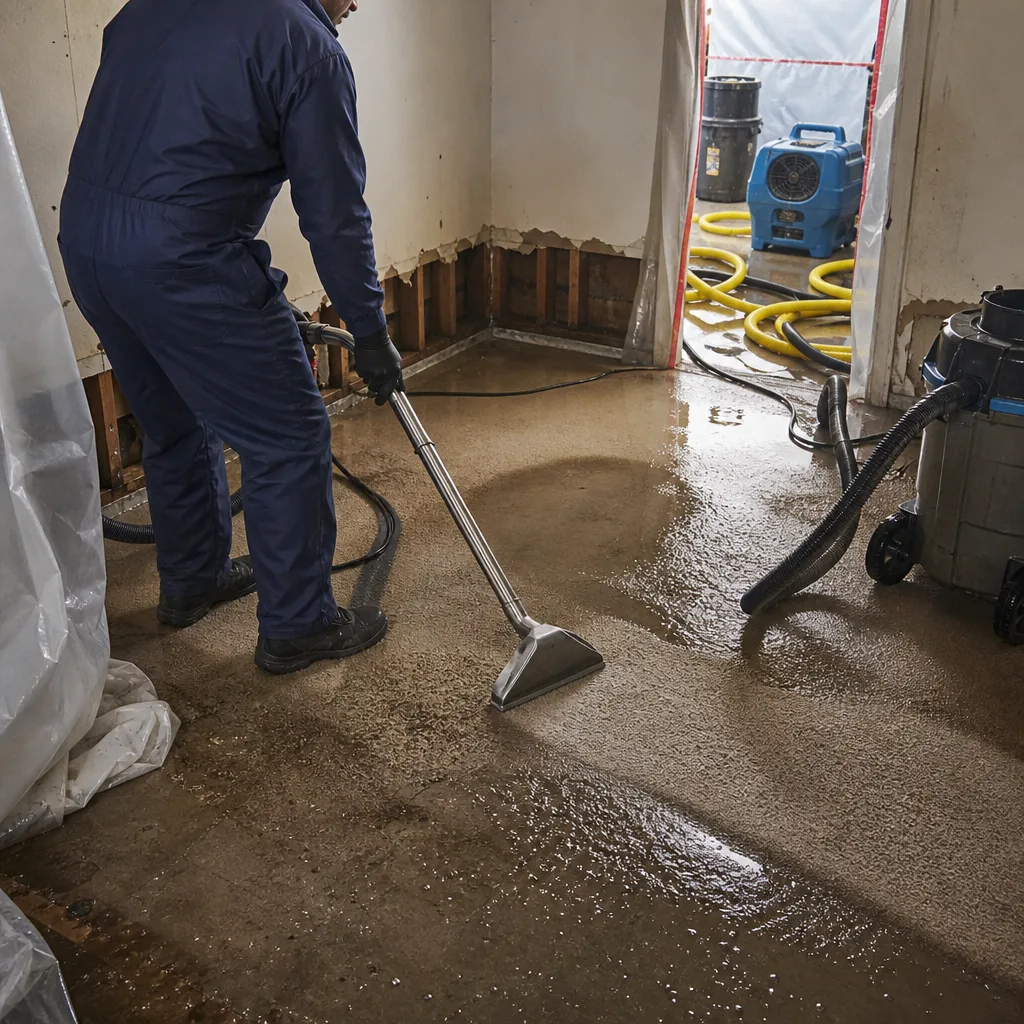
Fire restoration has the widest cost variance of any restoration discipline because the damage spectrum runs from light smoke odor in a single room to full structural reconstruction. In Poway, where wildfire exposure is a documented risk in the foothill zones near Mount Woodson and Blue Sky Ecological Reserve, we see both ends of this range regularly.
Light smoke damage, meaning odor and soot with no structural heat damage, typically involves:
- HEPA air scrubbing and negative pressure: $1,200-$2,400 for initial setup and 3-5 days
- Thermal fogging or hydroxyl treatment: $850-$1,400 per treated zone
- Soot removal from hard surfaces: $1.80-$3.20 per square foot
- Content cleaning, on-site: $65-$125 per hour
- Ozone treatment (for persistent odor): $450-$750 per application
Moderate fire damage with some structural involvement, requiring removal of charred materials and reconstruction of wall or ceiling systems, typically starts at $15,000 and climbs based on finish materials. A kitchen fire in a home in The Grove or The Heritage, where cabinets are custom and countertops are quartz or granite, can exceed $50,000 when reconstruction is complete.
Heavy fire damage with structural compromise triggers full reconstruction pricing, which is scoped and scheduled like a remodel, not dispatched like an emergency mitigation. In these cases, the mitigation phase (securing the structure, water removal from fire suppression, initial debris removal) is billed separately from the rebuild, often by different trades and always with separate written scopes.
The documentation standard for fire restoration is particularly important because insurers apply two different adjusters: one for contents, one for structure. Our photo record is organized by room and by category (structural, contents, mechanical) so each adjuster can review only their relevant images without sorting through hundreds of irrelevant files.
Fire & Smoke Damage Restoration in Poway requires this dual-track documentation approach to avoid the delays that occur when adjusters dispute which images support which line items.
The Three Pricing Models Explained
Every restoration contractor in Poway uses one of three pricing structures, though many shift between them depending on the job type or the insurer involved. Understanding which model your estimate follows is the first step to predicting whether your final bill will match your initial quote.
1. Time-and-Materials
The contractor bills actual labor hours at a stated rate, plus equipment rental days, plus materials at cost plus markup. This is common on small jobs, out-of-pocket jobs without insurance, and jobs where the full scope cannot be determined until demolition begins. The risk to the homeowner is open-ended cost. The contractor has no incentive to work efficiently, and the final bill can exceed initial projections by 40 percent or more. We do not use this model at DryMark Restoration Poway except on rare reconstruction phases where structural conditions are genuinely unknown until walls are opened.
2. Xactimate-Based Estimating
The contractor builds the estimate using Xactimate line items and regional unit prices, then bills actual quantities applied. This is the industry standard for insurance work because adjusters use the same software and the same price list. The advantage is transparency: every line item has a published regional average that both parties can verify. The disadvantage is that Xactimate quantities are estimates, and if actual conditions require more equipment days or more material than initially scoped, the contractor submits a supplement that delays payment and often triggers adjuster re-inspection.
3. Fixed-Scope Written Estimate
The contractor inspects, documents, and provides a complete written scope with a single price before any work begins. This is Haven Standard, Clause 1. The price includes all labor, equipment, materials, and documentation required to complete the specified work. If conditions change, a written change order is required before additional work proceeds. This model produces the fewest post-job disputes because the homeowner knows the maximum cost before signing, the insurer knows the maximum exposure before approving, and the contractor is incentivized to estimate accurately and work efficiently.
In our experience across 12,000 homes since 2011, fixed-scope estimates with written documentation have a post-job dispute rate under 3 percent. Time-and-materials jobs without written caps dispute at nearly 25 percent. Xactimate-based jobs fall in between, with most disputes centered on supplement timing and quantity verification.
For insurance claims in Poway, we typically provide a fixed-scope estimate built on Xactimate line items, giving the homeowner the transparency of published pricing with the certainty of a written maximum. This hybrid approach satisfies both Haven Standard documentation requirements and most adjuster review protocols.
Mitigation vs. Reconstruction: Why They Bill Differently
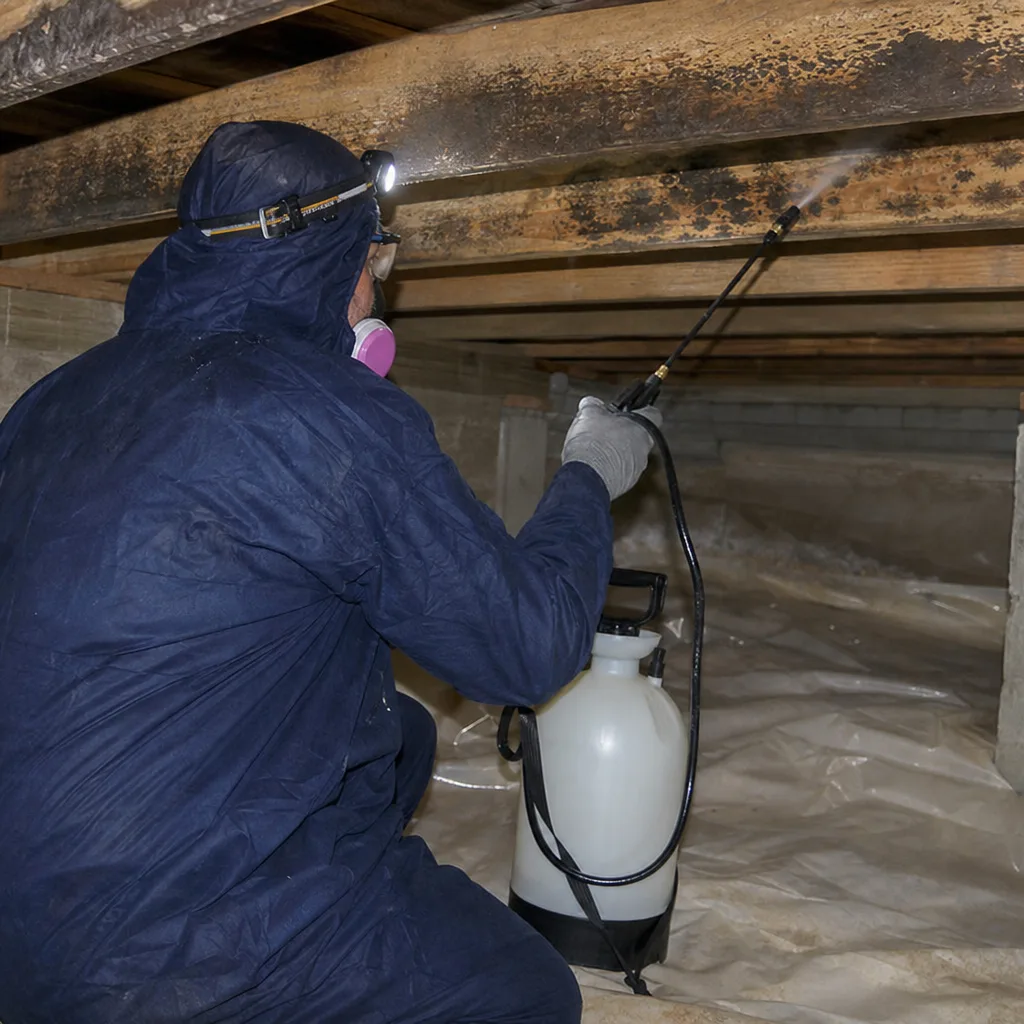
This distinction causes more confusion than any other element of restoration billing. Mitigation is emergency stabilization: stopping ongoing damage, extracting water, drying structure, removing mold, cleaning smoke residue. Reconstruction is rebuilding: installing new drywall, painting, replacing flooring, reinstalling cabinets. They require different skills, different crews, different insurance treatment, and different documentation standards.
Insurance policies typically cover mitigation under “Additional Living Expenses” or “Dwelling Coverage” with relatively straightforward documentation requirements. Reconstruction falls under the same coverage but is subject to depreciation, matching disputes, and code upgrade negotiations. In California, many policies include Ordinance or Law coverage for code-required upgrades during reconstruction, but this coverage does not apply to mitigation; see Damage Restoration Permits, Codes & Inspections in CA: What You Need to Know for specifics.
The billing separation matters for three reasons:
- Adjuster assignment: Some insurers use different adjusters for mitigation and reconstruction, meaning your mitigation invoice may be approved while your reconstruction estimate sits in a separate queue.
- Overhead and profit: Most insurers apply 10 percent overhead and 10 percent profit to reconstruction scopes but dispute O&P on mitigation-only jobs, arguing that mitigation is “service work” not “construction.” Contractors who bill mitigation and reconstruction on the same invoice without clear separation often see O&P cut from the entire bill.
- Documentation standard: Mitigation requires daily drying logs, moisture readings, and equipment photographs to justify every day billed. Reconstruction requires progress photos, permit documentation, and material invoices. Combining these into one undifferentiated photo folder invites adjuster rejection of both.
In Poway, we see this most often when homeowners hire a mitigation-only contractor who then refers reconstruction to a separate builder. The mitigation contractor’s documentation often does not transfer, and the reconstruction contractor must document conditions they did not observe, creating gaps that adjusters exploit to reduce payment. Our approach is to handle both phases under one documentation system, with clear phase separation in the file, so the evidentiary chain is unbroken from initial loss to final walkthrough.
Five Line Items San Diego Adjusters Cut Most Often
After reviewing thousands of restoration invoices and adjuster responses across San Diego County, we have identified the five line items most frequently reduced or denied. Knowing them in advance allows homeowners to ask the right questions before work begins and to verify that their contractor’s documentation will support the billed amounts.
1. Excessive Equipment Days
The adjuster compares billed equipment days against Xactimate’s standard drying curves, which assume Category 1 water, standard construction, and adequate ventilation. If your contractor bills 6 dehumidifier days for a job that Xactimate estimates at 3, the adjuster will cut the difference unless the contractor provides daily moisture logs showing the structure had not reached dry standard. In Poway’s stucco-and-tile construction, drying often takes longer than Xactimate defaults because moisture is trapped in wall cavities with limited evaporation paths. Without documentation, the contractor loses the dispute.
2. Overlapping Labor Hours
When two technicians are on site simultaneously, some contractors bill both at full hourly rates for the entire visit. Adjusters scrutinize whether both were actively performing billable tasks or whether one was in transit, on break, or performing non-billable setup. Our daily logs name each technician and specify their tasks in 15-minute increments, a granularity that most adjusters accept without challenge.
3. Non-IICRC-Standard Drying Protocols
If a contractor uses equipment or methods not recognized in IICRC S500, the adjuster may reject the associated charges as experimental or unnecessary. This includes some proprietary “accelerated drying” systems and chemical treatments not listed in Xactimate. We document all equipment to IICRC, RIA, and IFA standards, using only manufacturer-listed systems from Dri-Eaz, Phoenix, XPOWER, B-Air, and Injectidry that appear in standard price databases.
4. Undocumented Haul-Away Fees
Debris removal is billable, but adjusters require weight tickets, dump receipts, or photographic evidence of the material removed. A line item reading “haul-away” with no supporting documentation is routinely cut. Our photo record includes images of debris before removal, the loaded vehicle, and the disposal receipt.
5. Overhead and Profit on Mitigation-Only Scopes
As noted above, O&P is standard on reconstruction but disputed on mitigation. Contractors who combine mitigation and reconstruction on one scope without clear phase separation often lose O&P on both. We separate phases in our written estimates and document each independently, preserving O&P where it applies and avoiding disputes where it does not.
How Documentation Defends Your Invoice
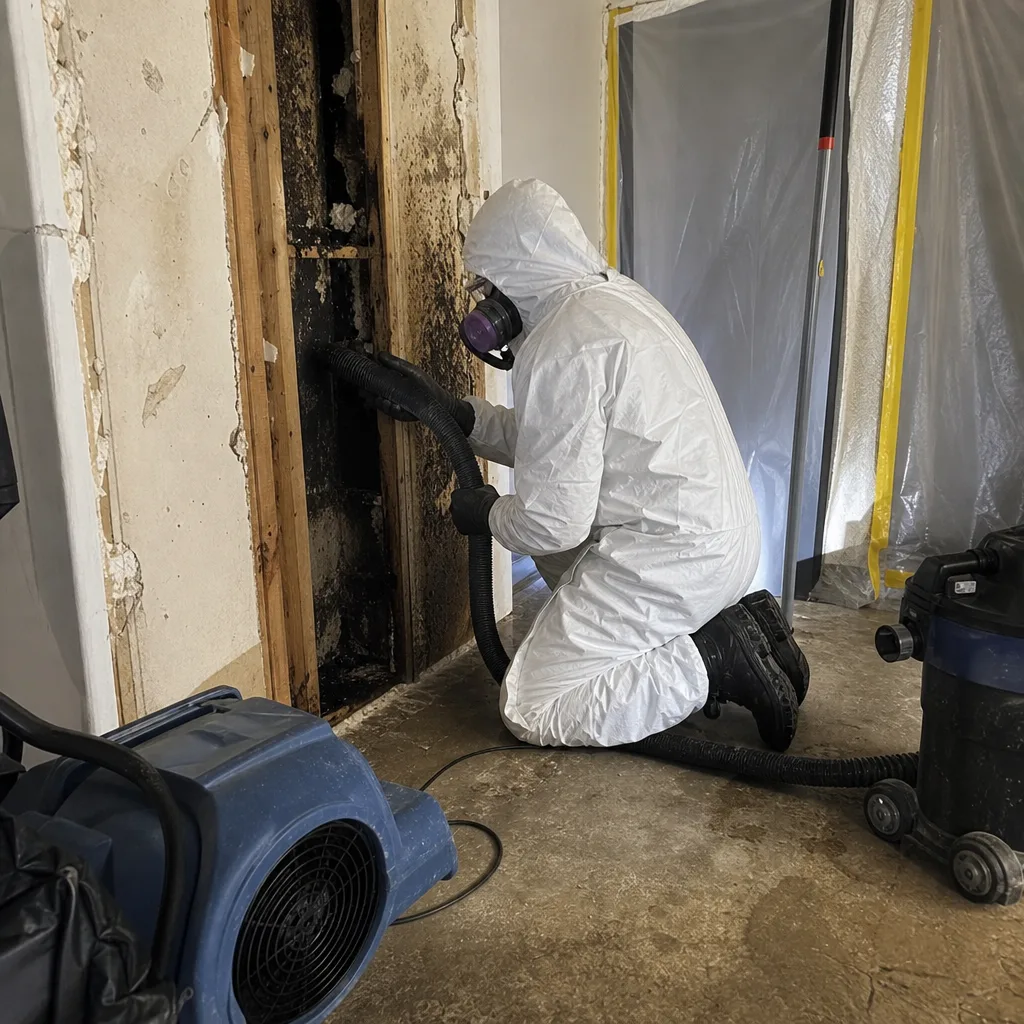
The single most common reason a restoration bill gets reduced by an adjuster is not that the work was unnecessary, but that the contractor cannot prove when, where, and for how long each piece of equipment ran. A daily drying log with moisture readings is the evidentiary foundation that turns a disputed invoice into a payable claim.
Here’s what proper documentation includes:
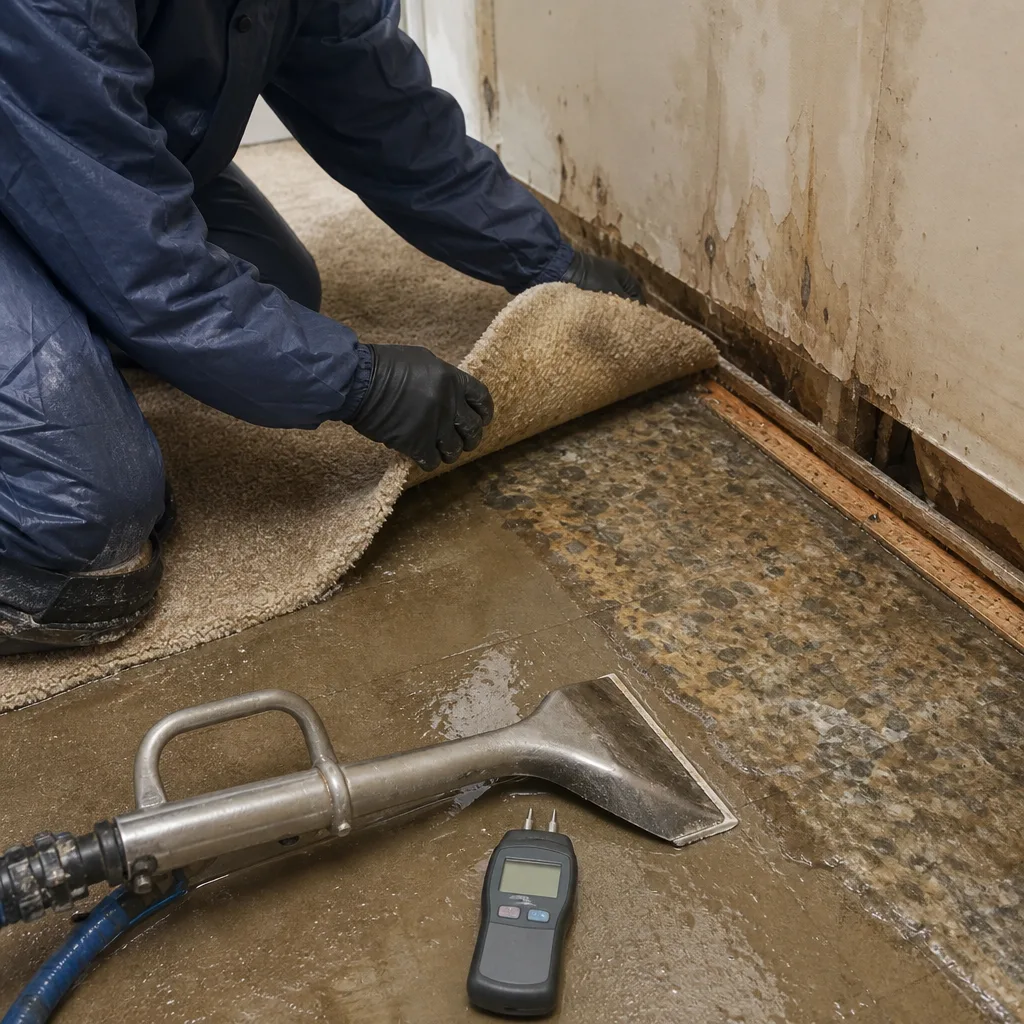
- Initial moisture mapping: A diagram showing every affected room with moisture readings at multiple points, taken with a calibrated penetrating or non-penetrating meter, recorded in the log with date, time, and technician name.
- Equipment placement diagram: A floor plan showing the location of each dehumidifier, air mover, and specialty drying unit, with serial numbers or asset tags that match the invoice line items.
- Daily psychrometric readings: Temperature, relative humidity, and specific humidity recorded at the same points each day, showing the trend toward dry standard. Psychrometric data, for homeowners unfamiliar with the term, is simply the measurement of how much moisture the air holds and how readily it can absorb more from wet materials.
- Moisture content readings of affected materials: Wood framing, drywall, and subfloor readings taken daily until they reach the dry standard established by IICRC for that material and region. In Poway, dry standard for structural wood is typically 10-12 percent moisture content, lower than coastal San Diego because of our lower ambient humidity.
- Photographs with timestamps: Wide shots showing equipment placement, close-ups of moisture meter displays, and detail shots of any material removal or condition changes.
- Technician sign-off: Each daily log is signed by the technician who took the readings, with their license number and the time of the visit.
This documentation does more than satisfy adjusters. It creates a record that protects the homeowner if mold appears six months later, if a neighbor claims water migrated to their property, or if the insurer’s initial adjuster is replaced and the new adjuster requests verification. We provide this documentation as a standard deliverable on every job, not as an upsell, because Haven Standard, Clause 3 requires that every customer receive the evidence their claim depends on.
The vapor pressure differential, another term that appears in our logs, measures the force that drives moisture from wet materials into the drier air. When we record this value daily, we are documenting why the equipment configuration is justified and why fewer or different units would not achieve dry standard in the same timeframe. Adjusters who understand this measurement rarely challenge equipment days. Those who don’t are educated by the documentation rather than argued with by the contractor.
Common Mistakes to Avoid
- Accepting a verbal estimate or “ballpark” figure. Haven Standard, Clause 1 exists because verbal estimates become disputed invoices. Every restoration job in Poway should start with a written price before work begins, with no exceptions.
- Signing an open-ended authorization. Some contractors ask homeowners to sign a “work authorization” with no price ceiling, promising to bill “according to industry standards.” This removes your ability to predict or control cost.
- Allowing mitigation and reconstruction to be documented separately without coordination. The contractor who dries your walls may not photograph the conditions that the reconstruction contractor needs to justify replacement rather than repair. One documentation system, from loss to completion, preserves the evidentiary chain.
- Ignoring the moisture source. In Poway’s canyon-adjacent neighborhoods, we see repeated water damage because the initial contractor dried the structure but did not identify the groundwater intrusion or irrigation overspray that caused it. The drying log should include a moisture source assessment, not just drying data.
- Assuming insurance will cover everything. Deductibles, depreciation, code upgrade limits, and policy exclusions all affect final payment. A written scope with line-item pricing allows you to verify coverage before work begins rather than discovering gaps after.
- Not requesting the Xactimate estimate file. Most contractors will provide a PDF summary. Fewer will provide the actual .ESX file that you or your adjuster can open in Xactimate to verify every line item, quantity, and unit price. Request it.
- Waiting to document. Photograph everything before the contractor arrives, during the work, and after completion. Your photos are your backup if the contractor’s documentation is lost, disputed, or incomplete.
When to Call a Professional
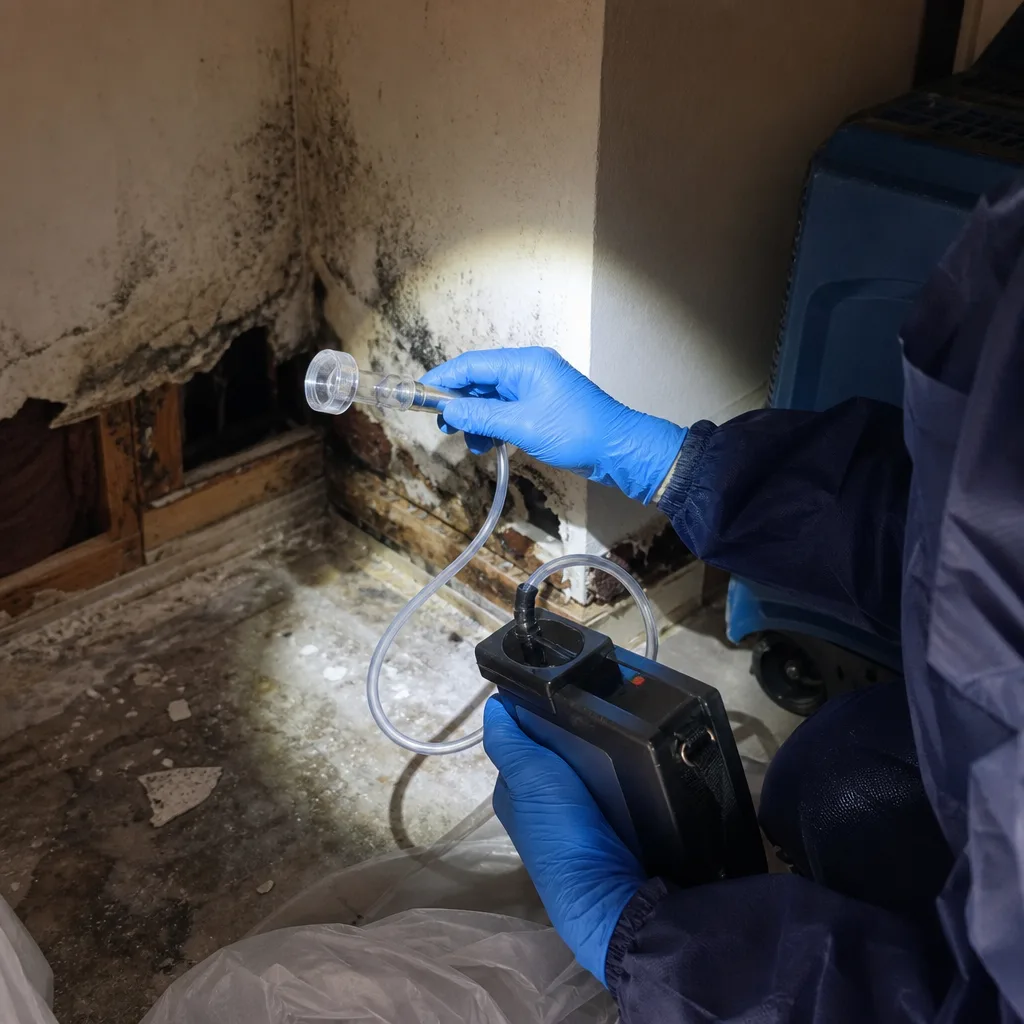
Call a restoration professional when water has affected more than a single small area that you can dry with household fans within 24 hours, when mold is visible or suspected in an area larger than 10 square feet, when fire or smoke has affected multiple rooms or the HVAC system, or when sewage or other Category 3 water has entered the structure. These conditions require containment, specialized equipment, and documentation that homeowners cannot provide themselves, as detailed in our DIY vs Professional Damage Restoration: The Poway Homeowner’s Decision Guide.
In Poway, where winter storm patterns can produce sudden flooding in the creek corridors and summer Santa Ana winds can drive wildfire smoke deep into hillside homes, the threshold for professional involvement is often lower than homeowners assume. Water that appears contained may have migrated into wall cavities or under flooring, and smoke odor that seems minor may have bonded to porous surfaces that require professional treatment-early indicators covered in our Damage Restoration Warning Signs: A Poway Homeowner’s Reference Guide.
DryMark Restoration Poway offers free estimates in Poway and across San Diego County. Every estimate includes a written scope with line-item pricing, a documentation plan, and a clear explanation of what your insurance is likely to cover based on the visible damage. Call (858) 683-1768 to schedule an inspection, or bring a competitor’s written estimate for our Free Second Opinion review at no charge.
Frequently Asked Questions
Water damage mitigation for a typical Poway single-family home ranges from $3,500 to $8,500, with reconstruction adding $4,000 to $15,000 depending on materials and finish quality. Category 1 clean water at the lower end of affected square footage falls near $3,500; Category 3 sewage intrusion with extensive material removal exceeds $8,500 for mitigation alone. Call (858) 683-1768 for a written estimate specific to your property - estimates are free and include line-item pricing.
Most homeowners policies cover sudden and accidental water damage, fire, and storm damage, subject to your deductible and policy limits. Coverage disputes typically arise not from whether the damage is covered, but whether the billed amounts are reasonable and documented. A written scope with Xactimate line items, daily drying logs, and photo documentation produces the highest approval rate. We coordinate directly with adjusters and provide the documentation they need to approve payment without repeated requests.
For emergency water and sewage mitigation, DryMark Restoration Poway provides live phone coverage 24 hours a day, 7 days a week with no voicemail on emergency lines. Dispatch time depends on current call volume and your location within Poway, but crews are typically en route within the hour for active water intrusion. Reconstruction work is scheduled, not dispatched, and is scoped with a written price before any date is set.
Visible mold on a hard surface in an area under 10 square feet can sometimes be addressed by the homeowner with proper PPE and an antimicrobial cleaner. However, mold in wall cavities, on porous materials like drywall or carpet, or in areas with ongoing moisture issues requires professional containment and removal per IICRC S520. In Poway, we regularly find hidden mold behind tile surrounds and under vinyl flooring where homeowners attempted surface cleaning. The cost of proper remediation increases when amateur cleaning disturbs spores and spreads contamination. Call (858) 683-1768 for an assessment if you are uncertain about the extent.
Mitigation estimates cover emergency stabilization: extraction, drying, mold removal, smoke cleaning. Reconstruction estimates cover rebuilding: drywall, flooring, paint, cabinets, fixtures. They require different documentation, different adjuster review standards, and often different trade skills. We provide separate written scopes for each phase so you can track approval and payment independently, and so your documentation supports both claims without confusion.
Differences usually stem from three sources: pricing model (time-and-materials vs. Xactimate vs. fixed-scope), scope definition (what each contractor considers “affected” and what they plan to remove versus dry in place), and documentation standard (whether equipment days are justified by logs or estimated by formula). The lowest estimate is not always the most accurate; it may simply assume less damage, fewer equipment days, or no documentation. We provide Free Second Opinions on any competitor’s written estimate to help homeowners understand these differences before they choose.
The Haven Standard is the operating framework that DryMark Restoration Poway has used since 2011, created by former claims adjuster Alicia Brennan to close the documentation gap that costs homeowners their insurance claims. It includes Clause 1 (written price before work begins), Clause 2 (background-checked, licensed technicians), Clause 3 (documented photo record on every visit), and the 365-Day Done Right Promise. For homeowners, it means predictable pricing, verifiable work, and a warranty that is signed and dated, not verbal and forgotten.
The Bottom Line
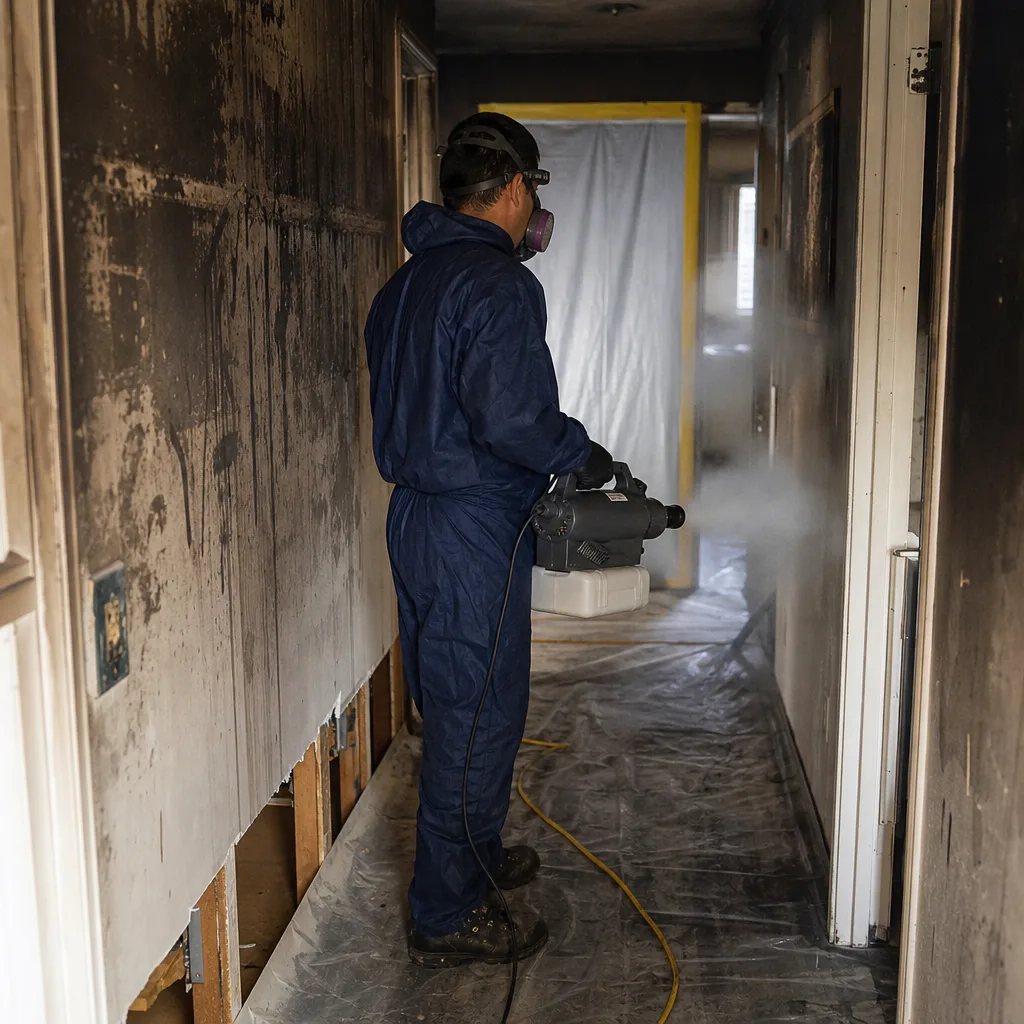
Restoration costs in Poway are not mysteries. They are built from published unit prices, measurable quantities, and documentation standards that any homeowner can learn to read. The difference between an invoice that gets paid and one that gets cut comes down to three things: a written price agreed before work begins, daily documentation that justifies every line item, and a contractor who will sit with you and explain the estimate rather than ask you to trust it. At DryMark Restoration Poway, we have operated under The Haven Standard since 2011 because we have seen what happens when documentation fails: the homeowner pays the gap, or the work goes unfinished, or both. That is a choice you should make with your eyes open, not discover after the fact.
Written by Alicia Brennan, Owner at DryMark Restoration Poway, serving Poway since 2011.