
Last updated September 23, 2026
Free visual inspection and a written scope of work before any mitigation begins - photos, moisture readings, and drying logs go in your claim file
The scope we write is the scope we bill. Anything new gets shown to you, in writing, before we touch it.
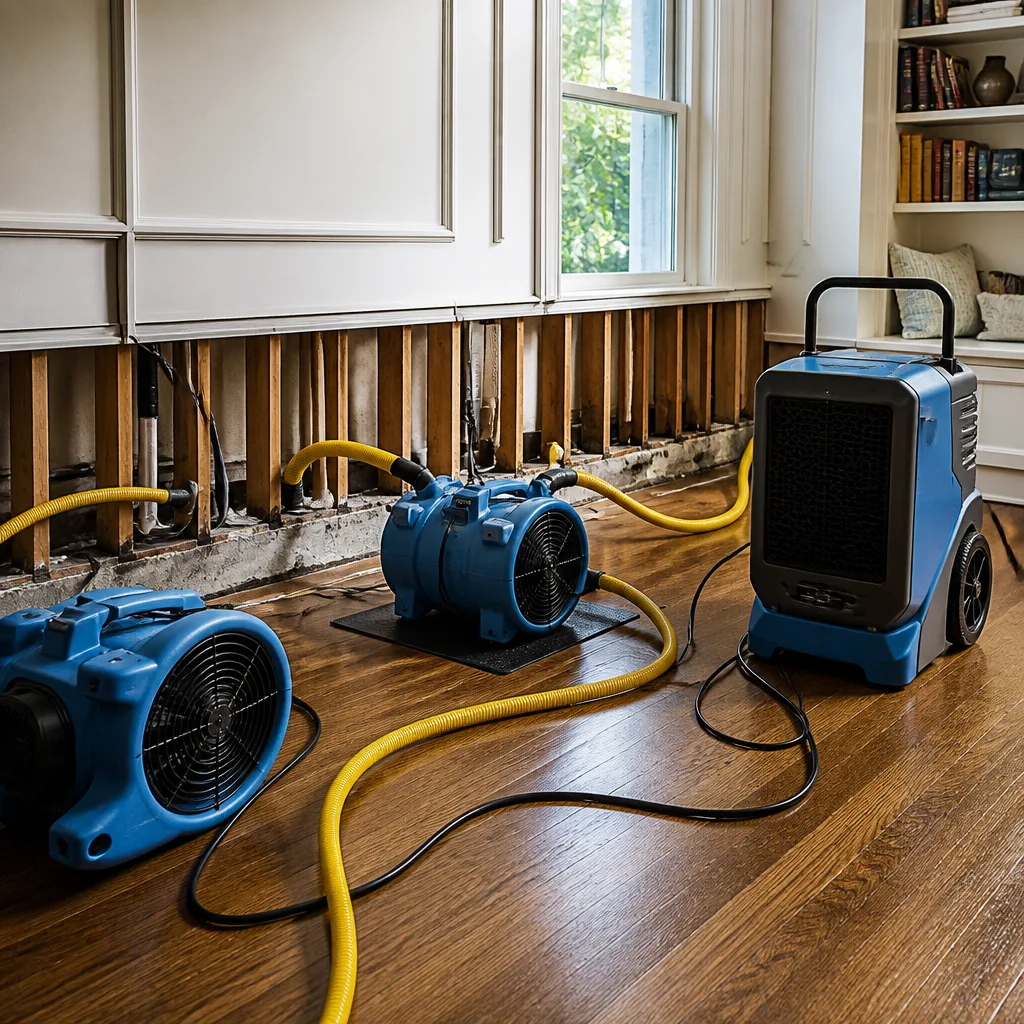

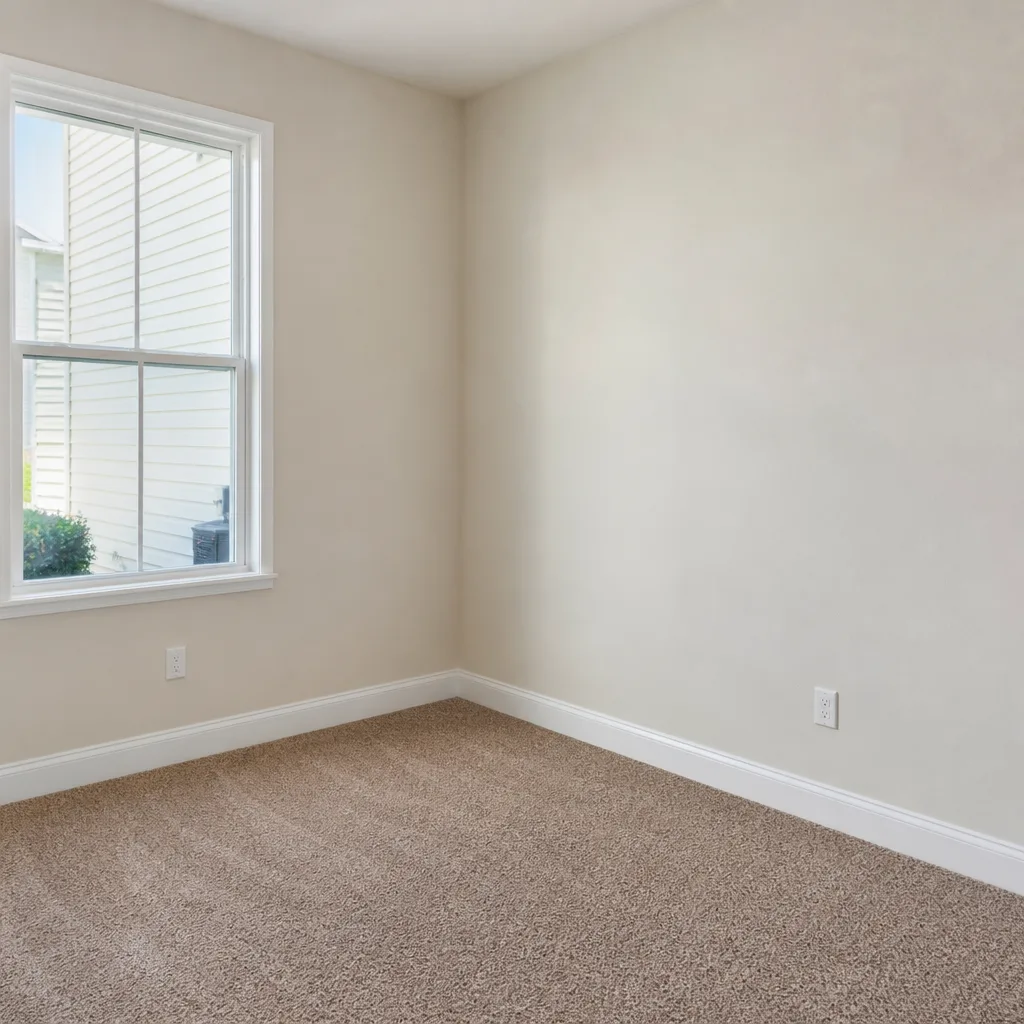



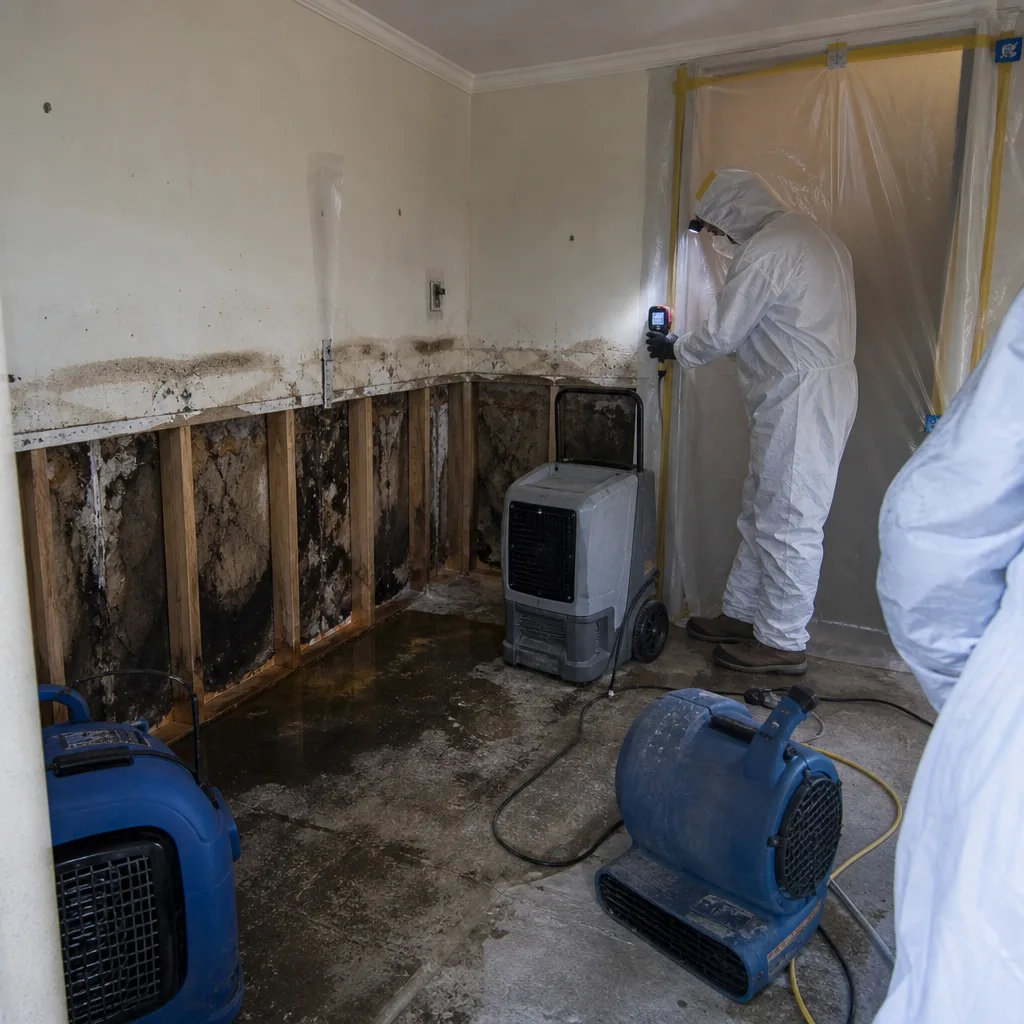 Before
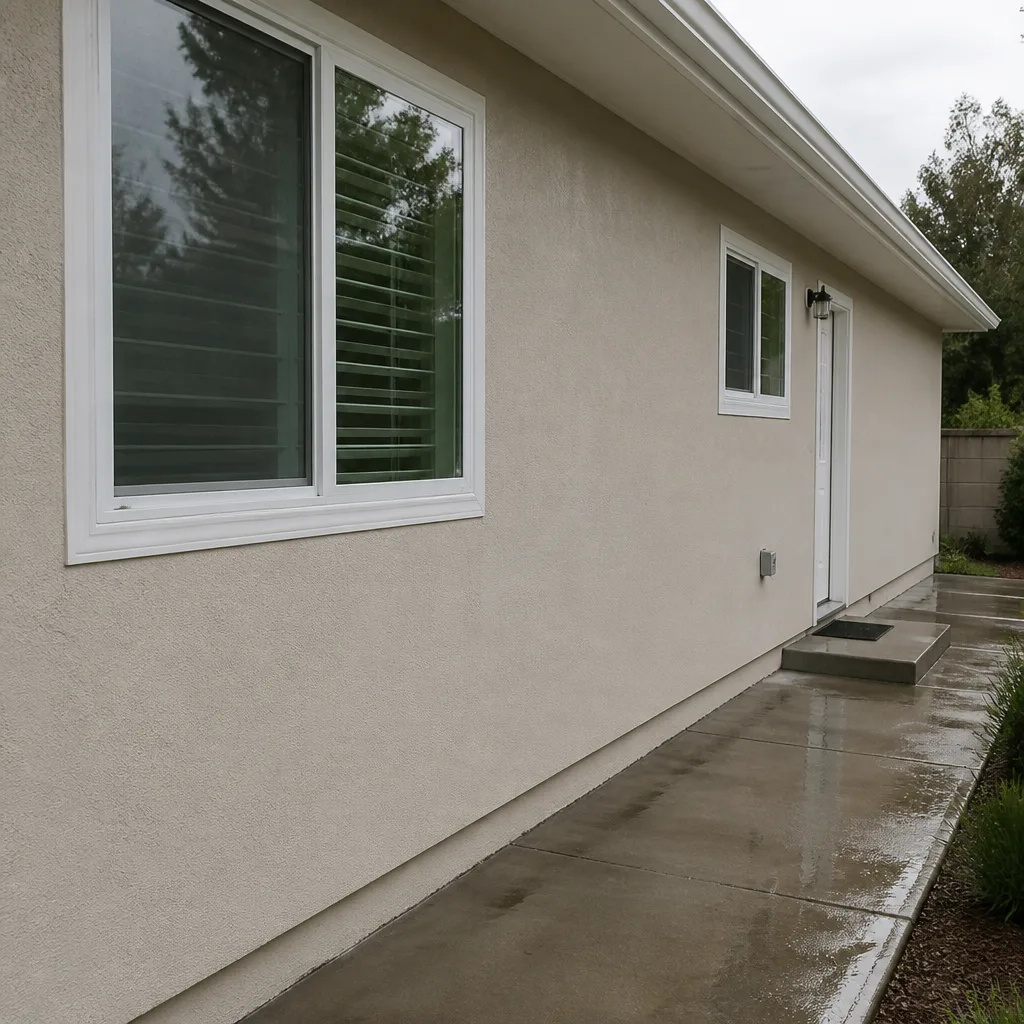 After
After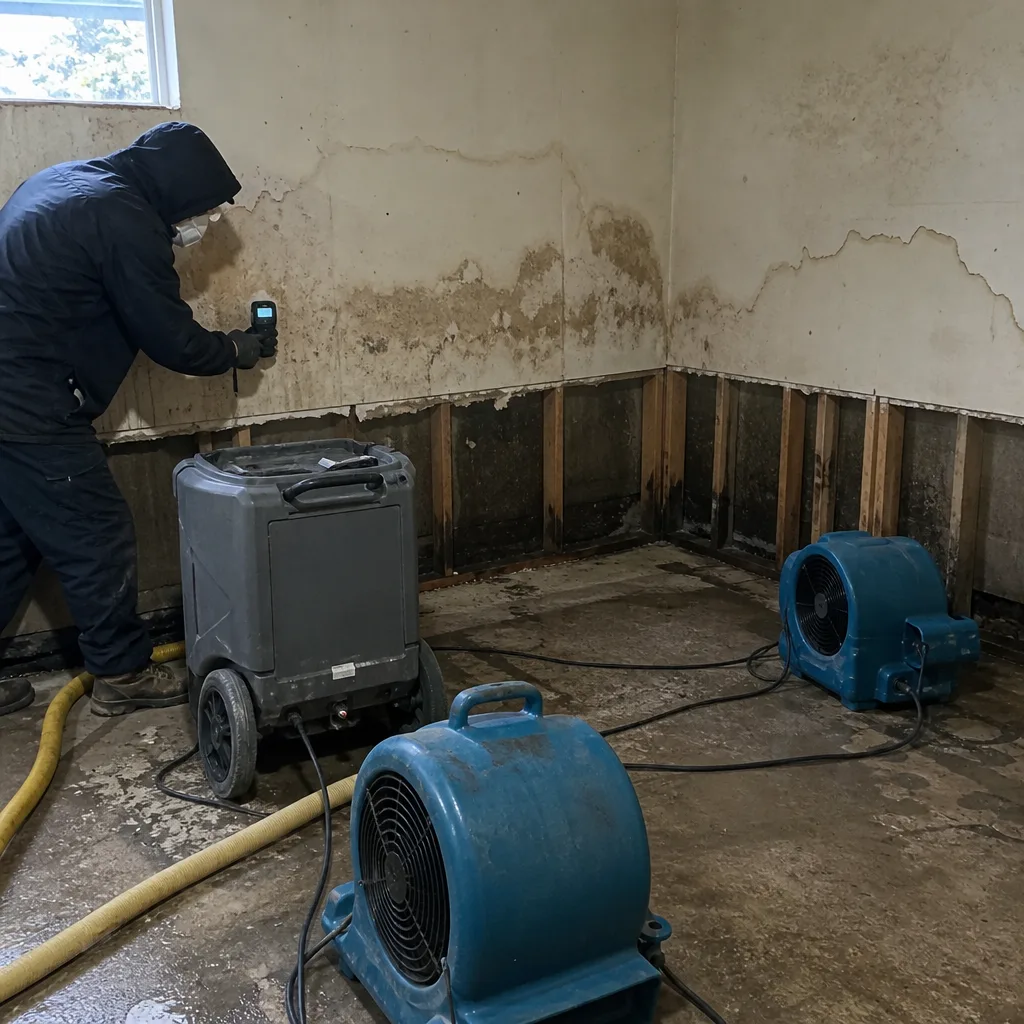 Before
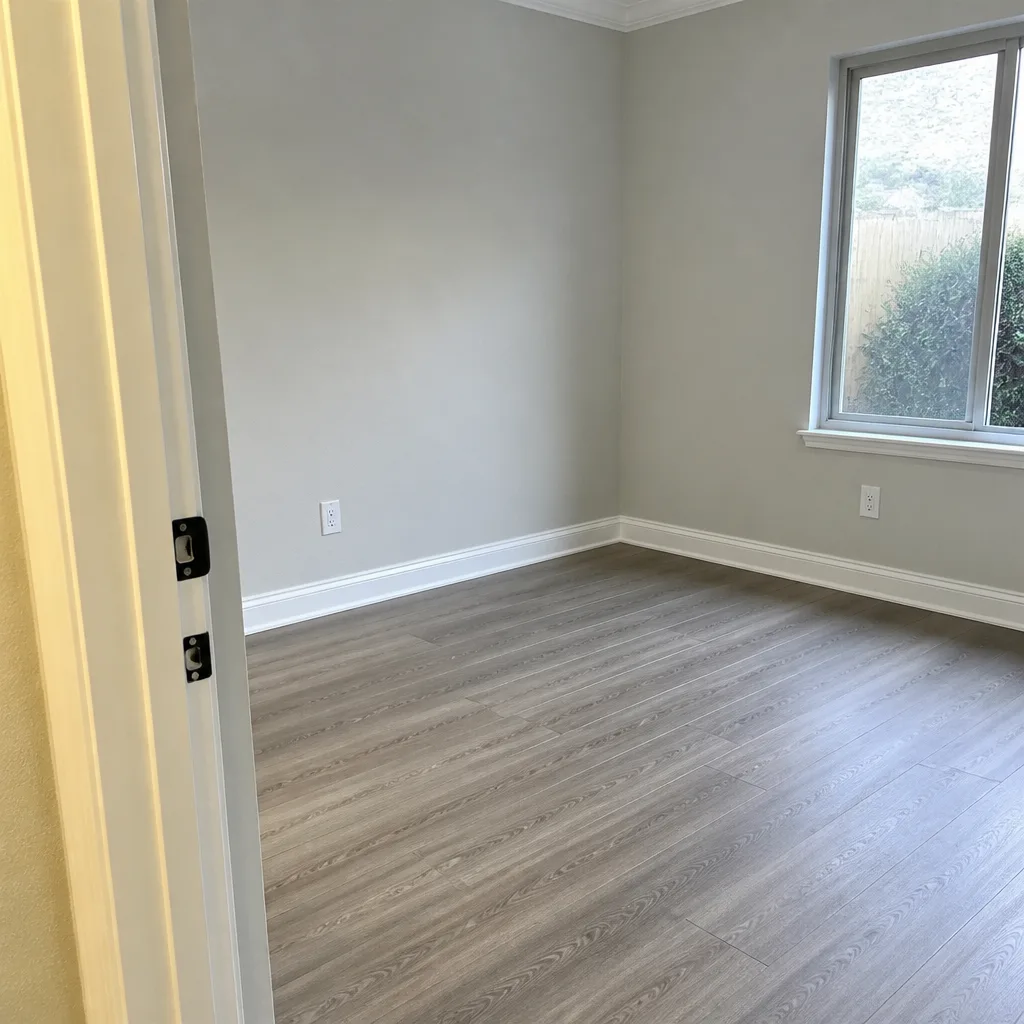 After
After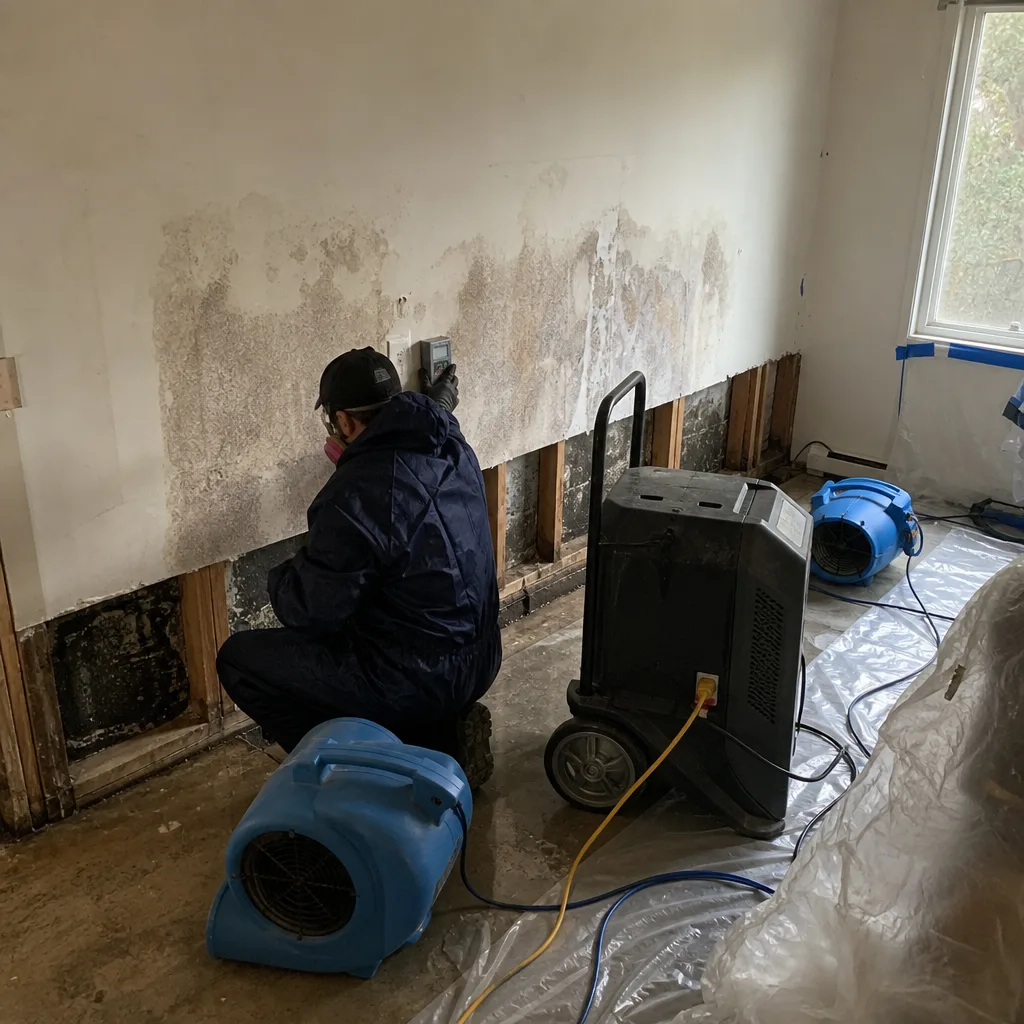 Before
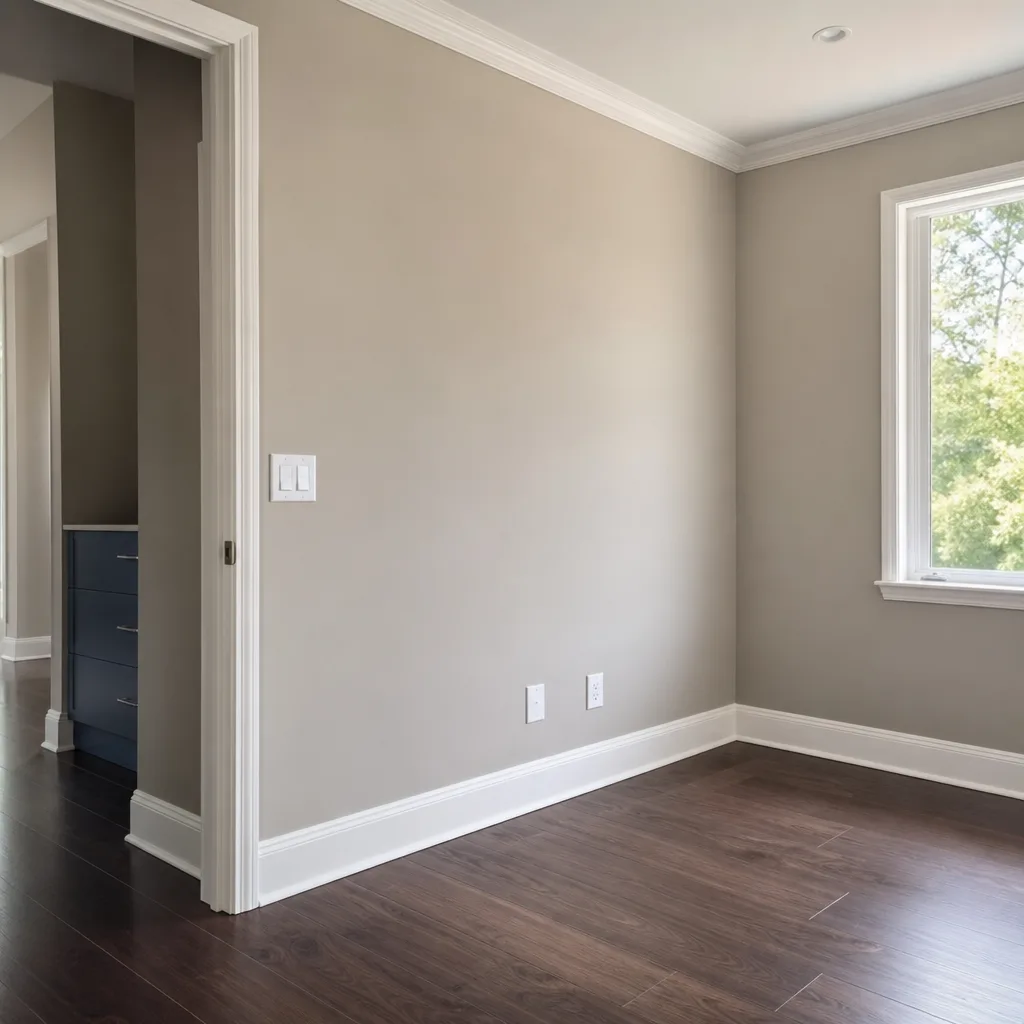 After
AfterWater Damage Restoration Maintenance Checklist for Poway Homeowners
A water heater shows visible corrosion at its base for an average of 11 months before it fails - yet it appears on fewer than one in five homeowner inspection checklists. In Poway’s hard-water zones, that window shrinks. The chloride-heavy municipal water supply here accelerates galvanic corrosion in supply lines, and the combination of slab foundations with inconsistent vapor barriers plus Santa Ana wind-stressed roof penetrations creates failure points that generic checklists miss entirely. This guide gives Poway homeowners a room-by-room maintenance protocol built around actual moisture thresholds, pressure readings, and observable conditions - not vague “inspect annually” instructions that leave you guessing whether today is the day to call Water Damage Restoration services.
Quick Answer
A water damage prevention checklist for Poway homeowners should include quarterly moisture readings of wood framing (target: below 16% MC), annual inspection of three high-risk appliances (water heater, refrigerator ice maker, washing machine), and a post-rain 48-hour walk-through after every storm. Document everything in a maintenance log - insurers review these during claim disputes, and a recorded history of preventive action strengthens your position significantly. See our Damage Restoration Cost Breakdown: The Poway Homeowner’s Reference for 2026 for what claims typically cost without this documentation.
Table of Contents
- Understanding Poway’s Unique Water Damage Risks
- Moisture Thresholds That Actually Matter
- Room-by-Room Maintenance Checklist
- The Three Appliances Causing Most Interior Losses
- Post-Rain 48-Hour Walk-Through Protocol
- Building Your Maintenance Log for Insurance
- Common Mistakes to Avoid
- When to Call a Professional
- Frequently Asked Questions
 Before
 After
AfterUnderstanding Poway’s Unique Water Damage Risks
Poway sits at the intersection of several conditions that amplify water damage risk in ways that inland or coastal California cities do not. The municipal water supply draws from sources with elevated chloride content - not enough to violate standards, but enough to accelerate corrosion in copper and galvanized supply lines by 15-30% compared to low-chloride regions. We’ve replaced supply lines in Poway’s Old Coach Estates and Bridlewood neighborhoods where the exterior corrosion was visible but the interior pitting had already progressed to failure threshold.
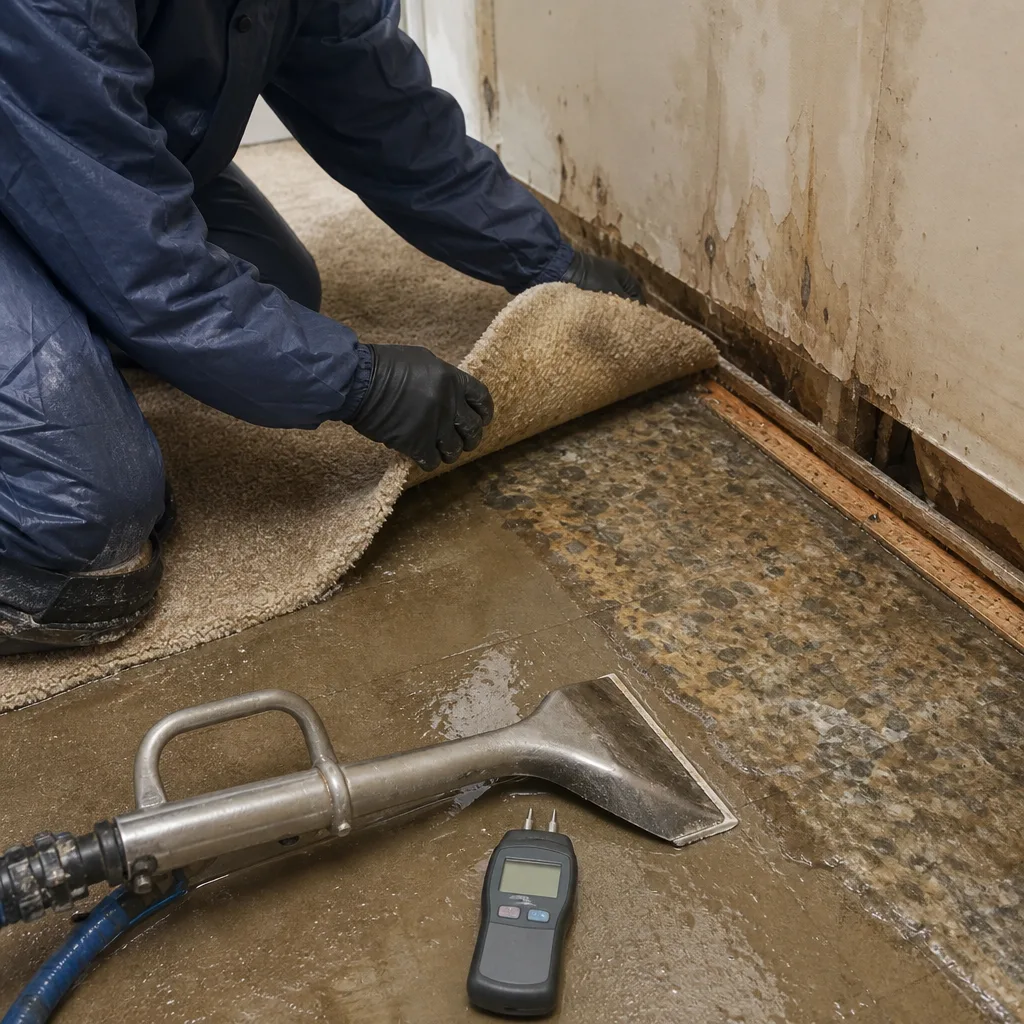
The city’s slab foundation prevalence creates a second vulnerability. Many Poway homes built between 1975 and 1995 were constructed with polyethylene vapor barriers that have degraded or were improperly sealed at penetrations. Without a functioning barrier, soil moisture migrates upward through capillary action - a process called rising damp - producing slab-edge moisture readings that read “normal” on a surface meter but reveal elevated sub-slab humidity on a thermo-hygrometer probe. The water damage restoration in Poway calls we respond to most frequently involve this hidden migration pattern, where flooring fails before the homeowner detects any surface water.
Santa Ana wind events compound roof vulnerabilities unique to this inland valley position. Sustained 40-60 mph winds from the northeast create uplift pressure at ridge vents, pipe jacks, and chimney saddles that standard installation practices don’t always address. In our documentation from the 2020 and 2024 wind seasons, we recorded lifted shingles and compromised flashing at rates higher than surrounding communities with less directional wind exposure.
Finally, Poway’s rainfall pattern - concentrated in brief, intense winter storms with long dry intervals - means homeowners develop inspection complacency. Gutters that function adequately in a light drizzle overflow when a December storm drops 1.5 inches in six hours, and the resulting concentrated discharge against foundation walls produces basement and crawl space flooding that could have been prevented with proper downspout management.
Moisture Thresholds That Actually Matter
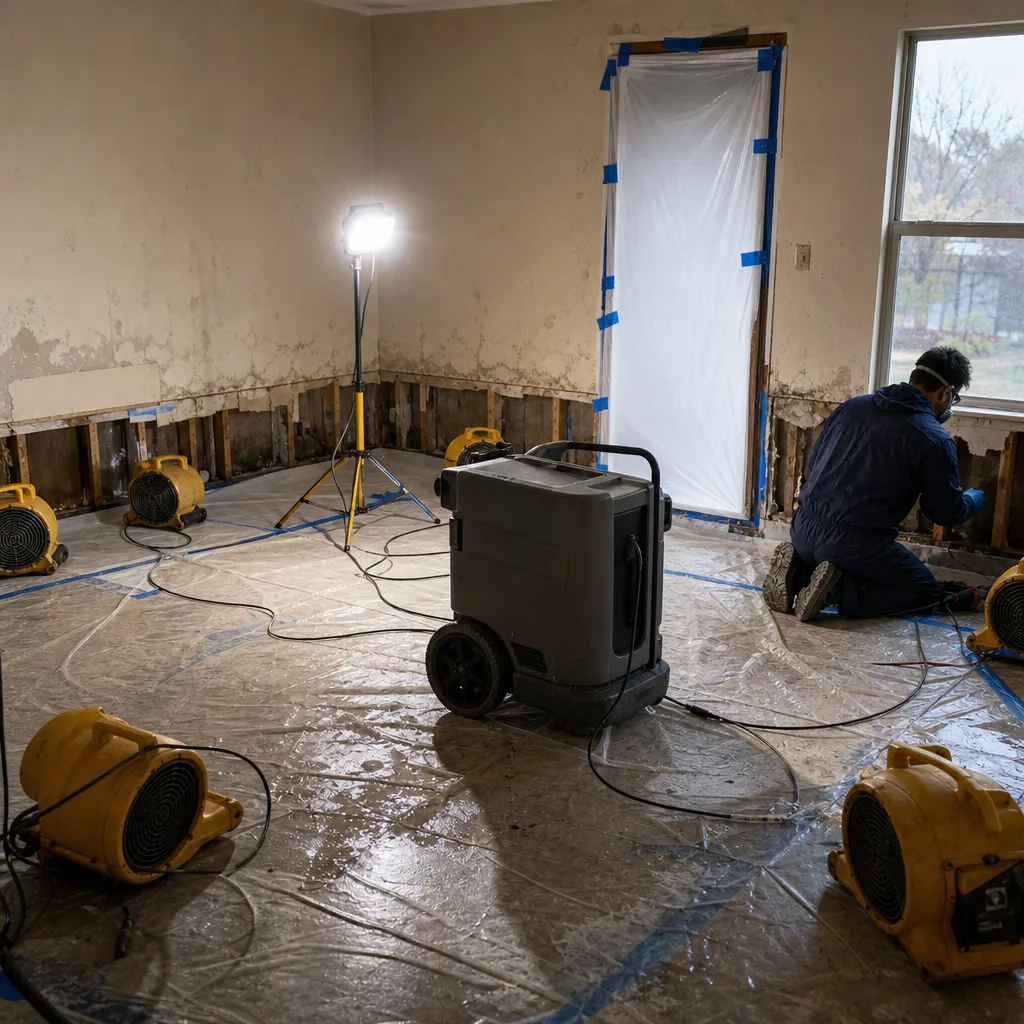
Generic advice says “check for moisture.” This section specifies what that means in measurable terms, using the same standards we document on every DryMark Restoration Poway home job to IICRC and RIA protocols.
Wood Framing and Structural Lumber
Target range: 9-14% moisture content (MC). At 16% MC, wood enters the risk zone for fungal growth. At 20% MC, active decay organisms can establish. We use pin-type moisture meters with species correction settings - Douglas fir and hemlock-framed homes common in Poway’s 1970s-1990s construction read differently than newer SPF (spruce-pine-fir) framing. A reading of 15% on Douglas fir may read 18% on SPF at identical ambient conditions.
Drywall and Gypsum Board
Target range: below 0.5% above ambient equilibrium. More practically: a drywall surface reading within 2% of a known dry reference point in the same structure. We establish reference readings on interior partition walls away from plumbing and exterior envelopes. In Poway’s climate, equilibrium moisture content for drywall typically stabilizes at 8-10% MC. A reading of 12% or higher on an interior wall warrants investigation.
Subfloor Materials
Target range: 12% MC maximum for plywood, 13% MC for OSB. Subfloors are particularly vulnerable in Poway’s slab-on-grade construction because they sit at the thermal and moisture boundary between conditioned space and ground contact. We use deep-probe meters with 2-inch pins for subfloor assessment - surface readings miss the moisture gradient that develops between top and bottom plies.
Concrete Slabs
Target: relative humidity below 75% at 40% slab depth per ASTM F2170. This requires in-situ probes, not surface meters. Surface concrete can read “dry” at 12% MC while the interior mass holds sufficient moisture to compromise flooring adhesives. We document slab RH on every job involving flooring replacement after water damage.
| Material | Target Range | Action Threshold | Measurement Method |
|---|---|---|---|
| Wood framing (Douglas fir) | 9-14% MC | 16% MC | Pin meter, species correction |
| Wood framing (SPF) | 9-14% MC | 16% MC | Pin meter, species correction |
| Drywall | 8-10% MC (ambient) | 12% MC or 2% above reference | Pinless or pin meter |
| Plywood subfloor | Below 12% MC | 14% MC | Deep-probe 2″ pin meter |
| OSB subfloor | Below 13% MC | 15% MC | Deep-probe 2″ pin meter |
| Concrete slab | RH below 75% | RH 80% or above | In-situ probe, ASTM F2170 |
These numbers belong in your maintenance log. When you record a reading at or near threshold, note the date, location, and ambient conditions. A single elevated reading may reflect temporary conditions; a trend across multiple readings indicates a developing problem that warrants professional assessment.
Room-by-Room Maintenance Checklist
Kitchen
The kitchen concentrates more water risk points than any other room. Begin under the sink: remove contents monthly and inspect the cabinet floor with a flashlight held at a low angle. Look for staining, delamination of the cabinet base, or salt deposits from evaporated leaks - white or greenish crystalline residue that indicates slow, chronic moisture. Check the P-trap and supply line connections with a dry hand; any moisture on your fingertips warrants further investigation.
Document the refrigerator ice maker supply line installation date. Braided stainless steel lines fail at connection points after 5-7 years in hard water conditions; copper lines last longer but are vulnerable to work-hardening at bends. If you cannot identify the line age, replace it and record the date.
Run the dishwasher through a cycle with the kickplate removed (most units have a simple snap or screw attachment). Observe the fill and drain hoses for seepage at clamps. The float switch area should be free of debris that could cause overflow.
Bathrooms
Inspect caulk lines at tub and shower enclosures quarterly. In Poway’s hard water, mineral deposits degrade silicone and latex caulk from the surface inward, creating capillary paths that draw water behind walls. A properly sealed joint sheds water; a compromised joint wicks it into the wall cavity.
Check toilet flange integrity by observing for movement when seated. Any rocking indicates wax ring compromise - a common source of subfloor damage that remains hidden until the flooring fails. The flange should be secured to the subfloor with stainless steel screws; brass or standard steel corrodes in this environment.
Exhaust fans should move air at the rated CFM. Test with a tissue held to the grille - it should adhere firmly when the fan operates. In Poway’s climate, inadequate ventilation during winter heating season creates condensation on cooler exterior walls, particularly in north-facing bathrooms.
Laundry Room
The washing machine hose is the highest-pressure residential water connection in most homes, operating at 40-80 PSI. Inspect braided steel hoses annually for corrosion at the coupling, kinking, or abrasion against the wall. Replace every 5 years regardless of appearance - internal reinforcement degradation isn’t visible.
The drain standpipe should extend 18-30 inches above the trap weir to prevent siphoning. Verify the air gap or proper standpipe height; improper drainage setup causes overflow during high-volume discharge cycles common in modern high-efficiency machines.
Water Heater Location
Inspect the tank base monthly with a flashlight at low angle. Look for:
- Rust staining or flaking at the base ring
- Moisture on the concrete or pan beneath
- Corrosion on the temperature-pressure relief valve discharge pipe
- Mineral buildup on the anode rod access port (indicates active corrosion inside)
In Poway’s chloride-influenced water, anode rods sacrifice faster than manufacturer estimates. Check every 2 years; replacement every 3-4 years is typical here versus 5-7 in lower-chloride regions.
Garage and Exterior Walls
Inspect where the slab meets the stem wall for efflorescence - white powdery deposits indicating moisture migration through concrete. This is particularly relevant in Poway’s older slab construction with degraded vapor barriers. Use a moisture meter on the baseplate of any framed walls; readings above 16% MC indicate capillary moisture that requires vapor barrier remediation.
Attic and Roof Assembly
Access the attic seasonally, particularly after Santa Ana wind events. Inspect:
- Pipe jack boots for cracking or displacement - the flexible rubber degrades in attic heat and UV exposure through vent openings
- Chimney saddle flashing for separation or lifted sealant
- Ridge vent integrity - wind uplift can dislodge the vent material from the peak
- Insulation condition - compressed or stained insulation indicates past or active leaks
Measure roof sheathing moisture with a pinless meter. Target below 15% MC; readings above 18% indicate active leakage or inadequate ventilation.
The Three Appliances Causing Most Interior Losses
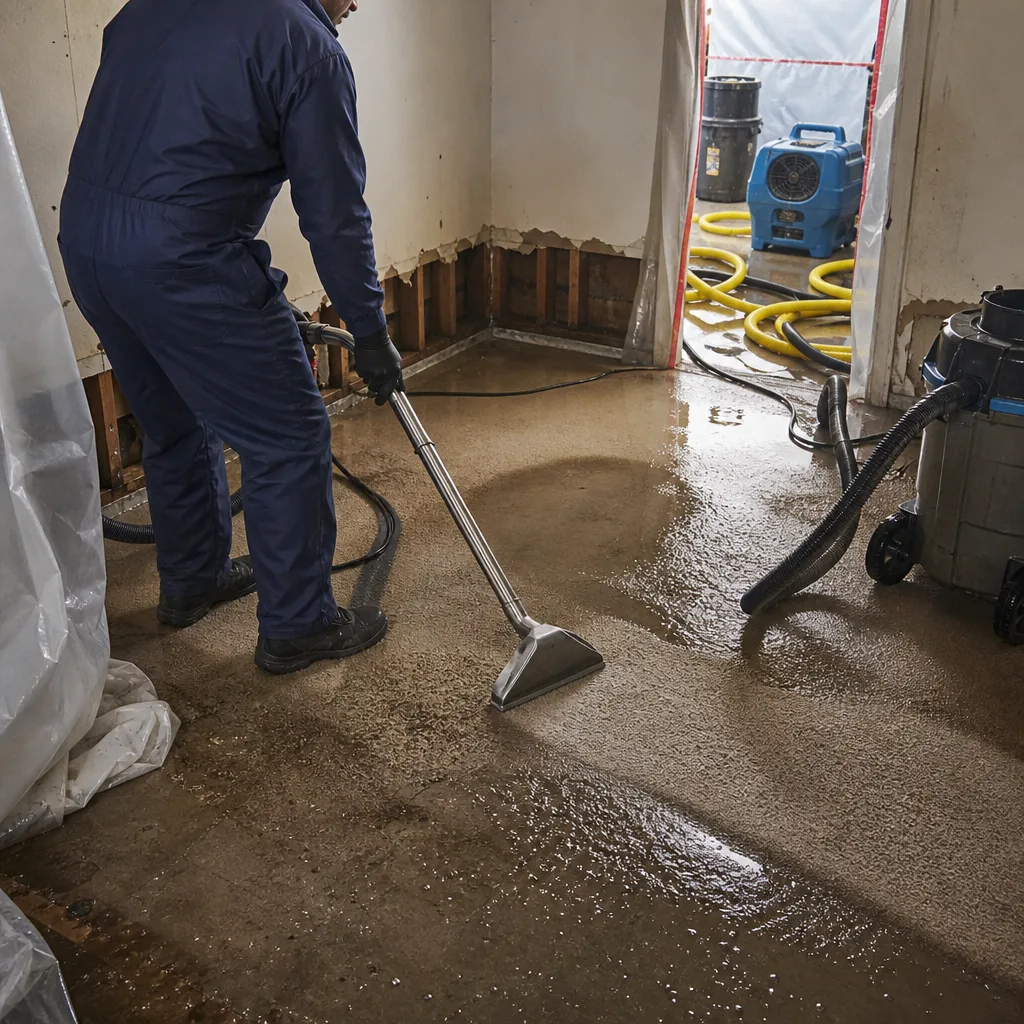
Our documentation from 12,000+ restored homes since 2011 identifies three appliances responsible for the majority of avoidable interior water damage, as detailed in The Complete Guide to Damage Restoration in Poway. Each has a specific inspection protocol that takes under 10 minutes.
Water Heater (Tank and Tankless)
Exact inspection point: The base ring where the tank meets the stand or floor. Corrosion here precedes failure by an average of 11 months, but the progression accelerates in hard water. In Poway’s water chemistry, look specifically for:
- Red-brown rust flaking at the rolled edge of the tank base
- Greenish copper corrosion on nearby pipes (galvanic indicator)
- Wet concrete that darkens when dry - indicating recent seepage
Document the installation date. Tanks over 10 years old in this water chemistry should be considered for proactive replacement regardless of visible condition. Tankless units require annual descaling - scale buildup increases pressure drop and can trigger relief valve discharge.
Refrigerator Ice Maker Supply Line
Exact inspection point: The compression fitting where the supply line meets the refrigerator saddle valve or dedicated stop. This connection experiences thermal cycling - the line flexes slightly with each ice harvest cycle - causing work-hardening at the fitting.
Close the shutoff valve and disconnect the line annually. Inspect the ferrule and compression sleeve for deformation or corrosion. Replace the line if:
- The braided covering shows fraying or discoloration
- The nut threads show galling or stripping
- You cannot identify the installation date
We document ice maker line failures as the leading cause of “away from home” catastrophic losses - the leak continues for days while occupants travel.
Washing Machine Supply Hoses
Exact inspection point: The crimped coupling where the braided stainless jacket meets the rubber hose and threaded fitting. This is the failure point in 80% of hose ruptures, not the body of the hose.
Replace hoses every 5 years with date-stamped units. When installing, leave a service loop - tension at the connection accelerates fatigue. Verify the shutoff valves operate freely; seized valves prevent emergency isolation.
Consider a single-lever shutoff or automatic water shutoff valve with floor sensors. The sensor cost is recovered in prevented deductible alone on the first avoided incident.
Post-Rain 48-Hour Walk-Through Protocol
Poway averages 15.5 inches of annual rainfall, concentrated in December through March with occasional tropical moisture intrusions in August and September. The intensity pattern matters more than the total - brief, high-rate storms overwhelm drainage systems that function adequately in lighter conditions.
Execute this protocol within 48 hours of any storm producing 0.5 inches or more in a 24-hour period:
- Exterior perimeter: Walk the foundation with attention to downspout discharge points. Water should exit 6 feet from the foundation via intact extensions or splash blocks. Note any pooling, soil erosion, or foundation staining. Photograph conditions for your maintenance log.
- Gutter overflow indicators: Check for debris lines on exterior walls below gutter level - these mark where water cascaded over the edge. Inspect fascia boards for soft spots or paint failure using a screwdriver tip pressed gently; compromised wood yields under light pressure.
- Attic access: Enter with a flashlight and inspect the ridge line, valleys, and penetrations. Wet insulation compresses and darkens; fresh leaks show as damp spots on sheathing or rafters. Mark locations with chalk for professional assessment if any moisture is detected.
- Interior ceiling scan: Systematically inspect each ceiling with lights on and blinds closed to maximize contrast. Water stains appear as yellow-brown discoloration with defined edges in early stages; advanced leaks show blistering or sagging. Pay particular attention to ceiling locations beneath roof valleys and chimney penetrations - the most common leak origins in wind-stressed assemblies.
- Window and door perimeters: Check for water staining at the bottom corners of window frames and door thresholds. Driving rain during Santa Ana events enters at weatherstrip gaps and tracks down the rough opening, emerging at the sill.
- Garage and utility areas: Inspect slab perimeter for moisture or efflorescence. Check water heater and laundry areas for any change from baseline condition.
- Documentation: Record date, storm total (from your rain gauge or nearest CIMIS station), findings, and any moisture meter readings. This log becomes evidence of diligent maintenance if a claim arises.
The 48-hour window matters because many leaks self-evidence only during active or very recent water intrusion. Once materials dry, the trail becomes harder to read without professional moisture detection equipment.
Building Your Maintenance Log for Insurance
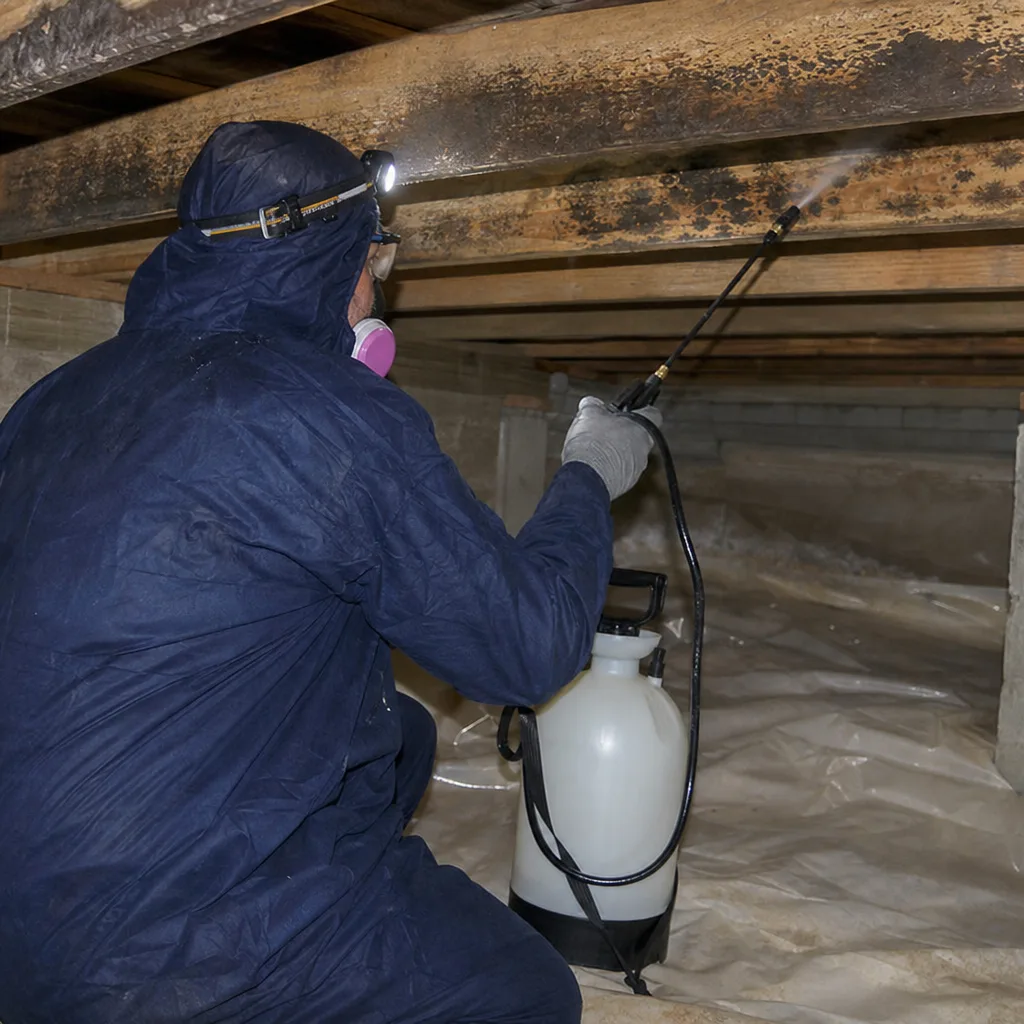
Insurance claim disputes frequently turn on whether the homeowner took reasonable preventive measures. A documented maintenance history shifts the burden - the insurer must demonstrate that neglect contributed to the loss, rather than the homeowner proving they acted reasonably.
Your log should contain:
- Dated inspection records: Quarterly for high-risk appliances, annual for structural elements, post-storm within 48 hours
- Moisture meter readings: Location, material, reading, meter type, and ambient conditions
- Photographs: Time-stamped images of conditions found, with scale reference where relevant
- Service records: Professional inspections, repairs, replacements with contractor names and invoice references
- Weather documentation: Storm dates, rainfall totals, and any observed effects
Format the log as a single running document or spreadsheet, not scattered notes. Store digitally with cloud backup and maintain a printed copy in your emergency file. The mold remediation in Poway cases we handle most frequently involve disputes where the insurer alleges long-term moisture exposure; a maintenance log with quarterly readings showing normal levels until a specific event provides clear rebuttal evidence.
When professional intervention is required, request documentation to IICRC and RIA standards - the daily drying logs, psychrometric data, and photo records that we produce on every job. These become appendices to your maintenance history, creating a complete chain of evidence from prevention through response. Explore more guides & resources on building your documentation system.
Common Mistakes to Avoid
- Inspecting only during daylight hours with normal lighting. Water stains and active leaks are most visible with raking light - a flashlight held at a low angle across the surface. Many homeowners miss early-stage ceiling stains because overhead lighting flattens contrast.
- Trusting surface moisture readings on concrete or tile. These materials can read “dry” at the surface while substantial moisture exists at depth. Use the appropriate measurement method for each material, and understand that a surface meter on concrete tells you almost nothing about slab moisture conditions.
- Ignoring the water heater until it fails. The 11-month average warning period is real, but only if you’re looking. In Poway’s water chemistry, external corrosion progresses faster than national averages. Monthly inspection with a low-angle flashlight takes 90 seconds.
- Assuming new construction is exempt. We’ve documented water damage in homes less than two years old in Poway’s newer developments, typically from improper flashing at roof-wall intersections or failed shower pan liners. The “new home honeymoon” is not a warranty against water damage.
- Failing to document “negative” inspections. An inspection that finds no problems is still valuable evidence. Log the date, scope, and “no findings” result. A record of quarterly inspections with no issues until a specific event strengthens your position in any dispute.
- Using the same moisture meter without verification. Pin meters require calibration; pinless meters require reference standards. Verify your meter against a known dry sample annually, or note in your log that readings are comparative (same meter, same settings) rather than absolute.
- Neglecting the 48-hour post-storm window. By the time visible mold appears or flooring buckles, the damage trajectory is established and more expensive to remediate. The walk-through protocol catches problems when they’re still drying problems, not reconstruction problems.
When to Call a Professional
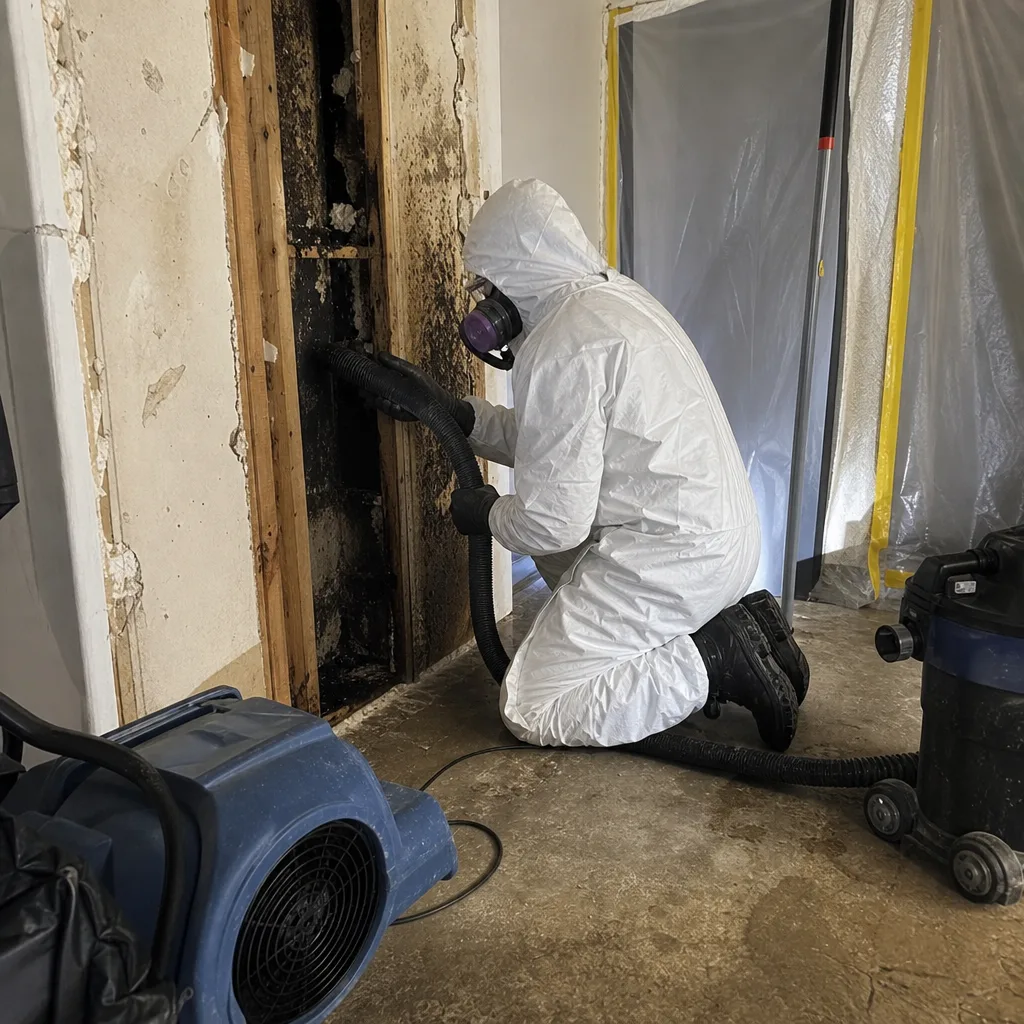
Call for professional assessment when moisture readings exceed action thresholds, when you observe active leakage you cannot source, or when any material shows visible mold growth - which in California requires licensed remediation per Health and Safety Code. The fire & smoke damage restoration in Poway and water damage work we perform always begins with documented moisture mapping; attempting to dry concealed cavities without proper equipment traps moisture and compounds damage.
DryMark Restoration Poway offers free estimates in Poway - call (858) 683-1768. Every assessment includes written findings, photo documentation, and a scope with price before any work begins, per Haven Standard, Clause 1.
Frequently Asked Questions
Most reputable restoration companies in Poway provide initial moisture mapping at no charge as part of an estimate. At DryMark Restoration Poway, moisture detection and written findings are included in our free assessment. Call (858) 683-1768 to schedule - estimates are free.
Coverage depends on whether the damage was “sudden and accidental” versus resulting from long-term neglect. A maintenance log with documented inspections strengthens your position significantly. Insurers review maintenance history during claim investigation; a recorded quarterly inspection protocol demonstrates due diligence. Call (858) 683-1768 if you’re facing a coverage dispute - we provide documentation that supports claim validity.
DryMark Restoration Poway maintains live phone coverage 24 hours a day, 7 days a week with no voicemail on emergency lines. Response time depends on current storm demand, but we dispatch documented, background-checked technicians with professional-grade drying systems from Phoenix, XPOWER, and B-Air. For active water intrusion, call (858) 683-1768 immediately - speed of extraction directly affects salvageability of materials and total restoration cost.
Surface water you can see represents a fraction of total moisture in a water damage event. Water migrates horizontally along baseplates, vertically through wall cavities via capillary action, and into subfloors through gaps and penetrations. Professional drying equipment - including Injectidry cavity drying systems and dehumidification calculated to the specific psychrometric conditions - removes concealed moisture that household fans cannot address. Without documented drying to IICRC standards, you risk structural damage and mold growth that appears months later. For any water affecting walls, flooring, or structural elements, professional assessment is warranted.
At DryMark Restoration Poway, we coordinate directly with your adjuster, providing the photo-documented assessments, daily drying logs, and written scopes that satisfy claim documentation requirements. Our process was built by a former claims adjuster specifically to close the documentation gap that delays or denies claims. We do not ask you to mediate between us and your insurer.
No single reading is definitive without context - material type, ambient conditions, and comparison to known dry references all matter. However, readings at or above these thresholds warrant professional assessment: 16% MC for wood framing, 12% MC for drywall (or 2% above your established reference), 14% MC for plywood subfloor, and 75% relative humidity at 40% slab depth. Trend matters as much as absolute value - a reading rising over multiple inspections indicates an active moisture source even if currently below threshold.
The Bottom Line
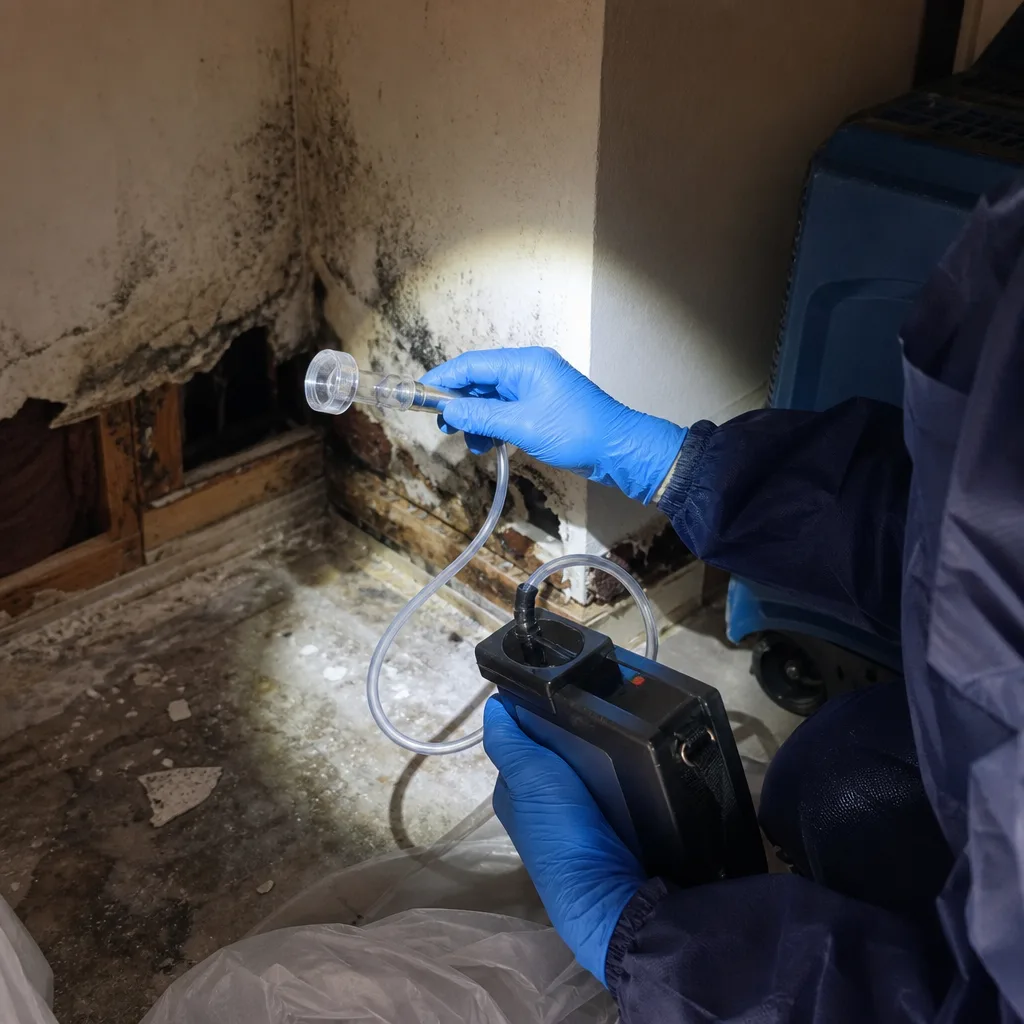
A water damage prevention checklist earns its place when it specifies the measurement that triggers action, not just the item to inspect. For Poway homeowners, that means moisture content percentages for each material, inspection points on three high-risk appliances, and a post-storm protocol timed to local rainfall patterns. Document everything - the log you maintain today becomes the evidence that protects your claim tomorrow. The chloride-influenced water, slab foundation vulnerabilities, and Santa Ana wind exposure here create conditions that generic checklists miss. Use this guide as your working protocol, and update your log quarterly.
Written by Alicia Brennan, Owner at DryMark Restoration Poway, serving Poway since 2011.