

Free visual inspection and a written scope of work before any mitigation begins - photos, moisture readings, and drying logs go in your claim file
The scope we write is the scope we bill. Anything new gets shown to you, in writing, before we touch it.
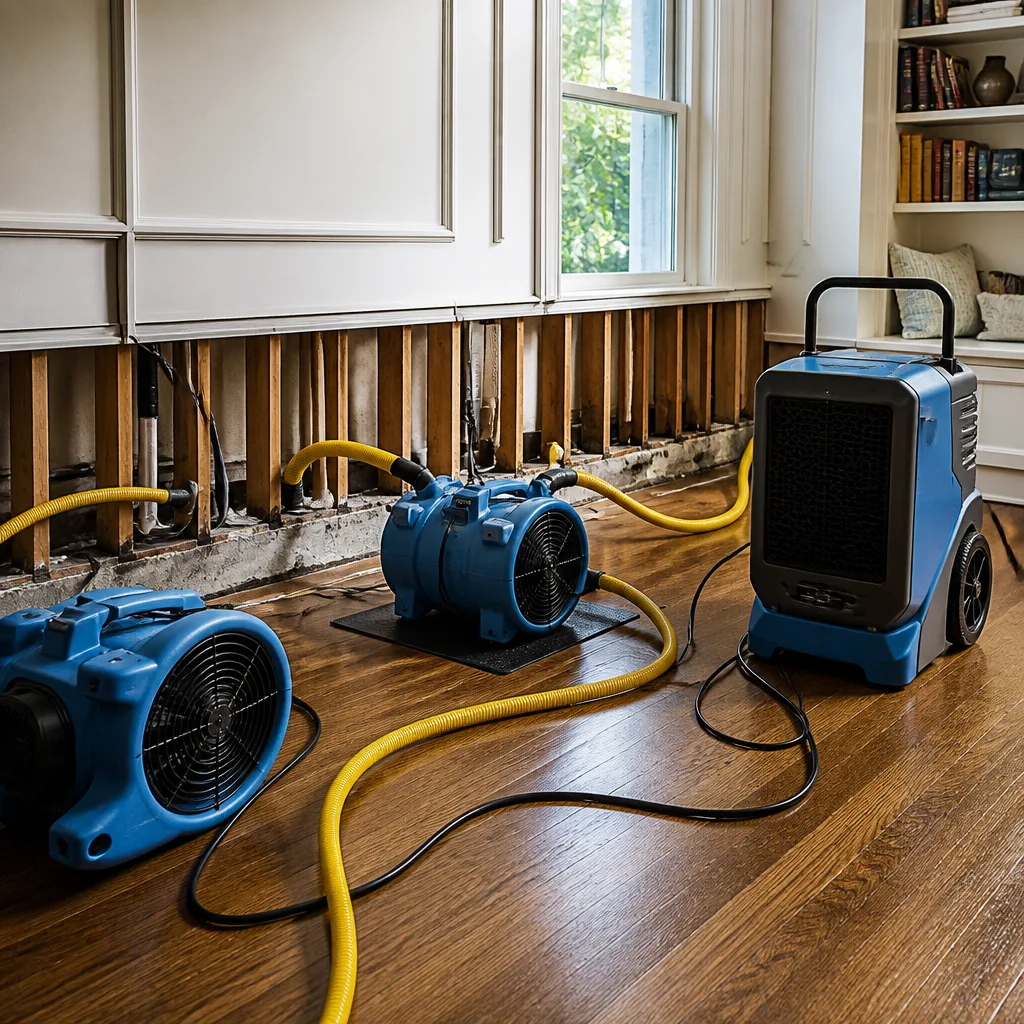
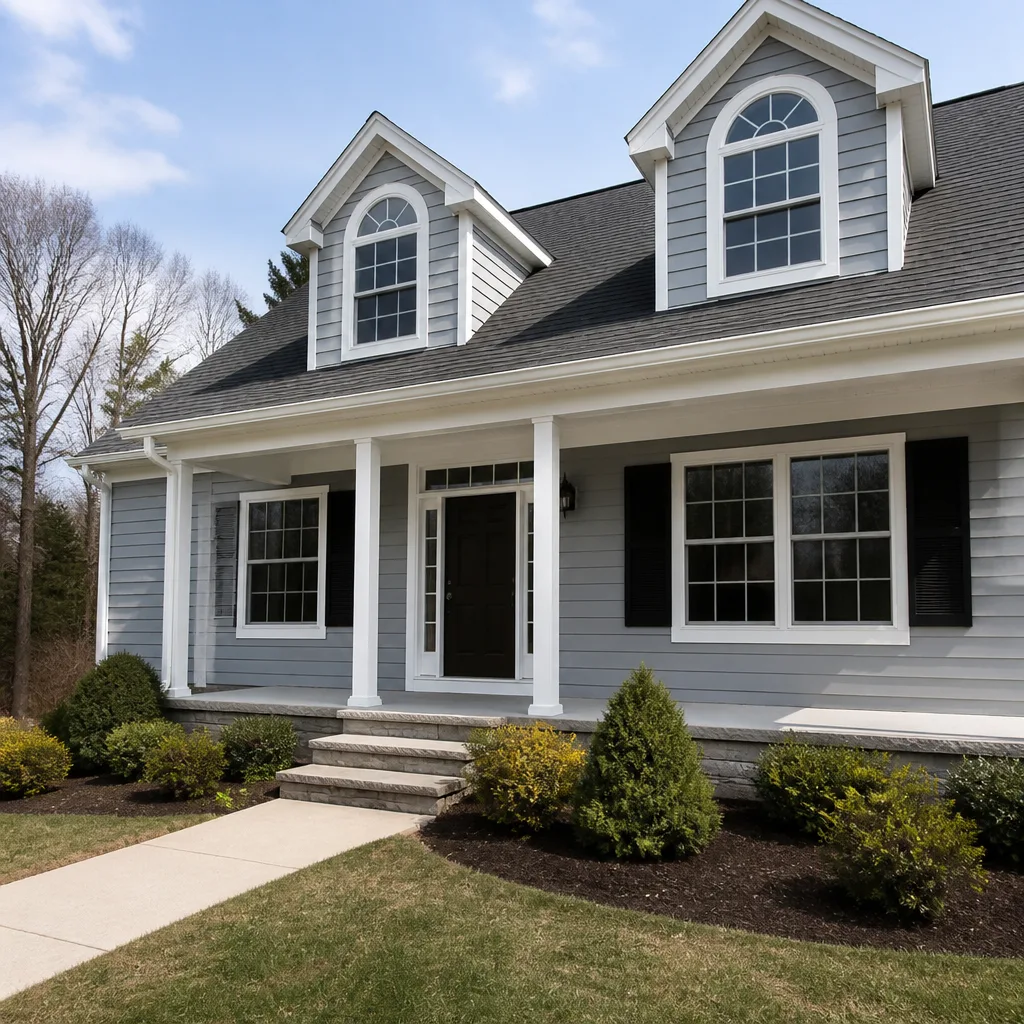
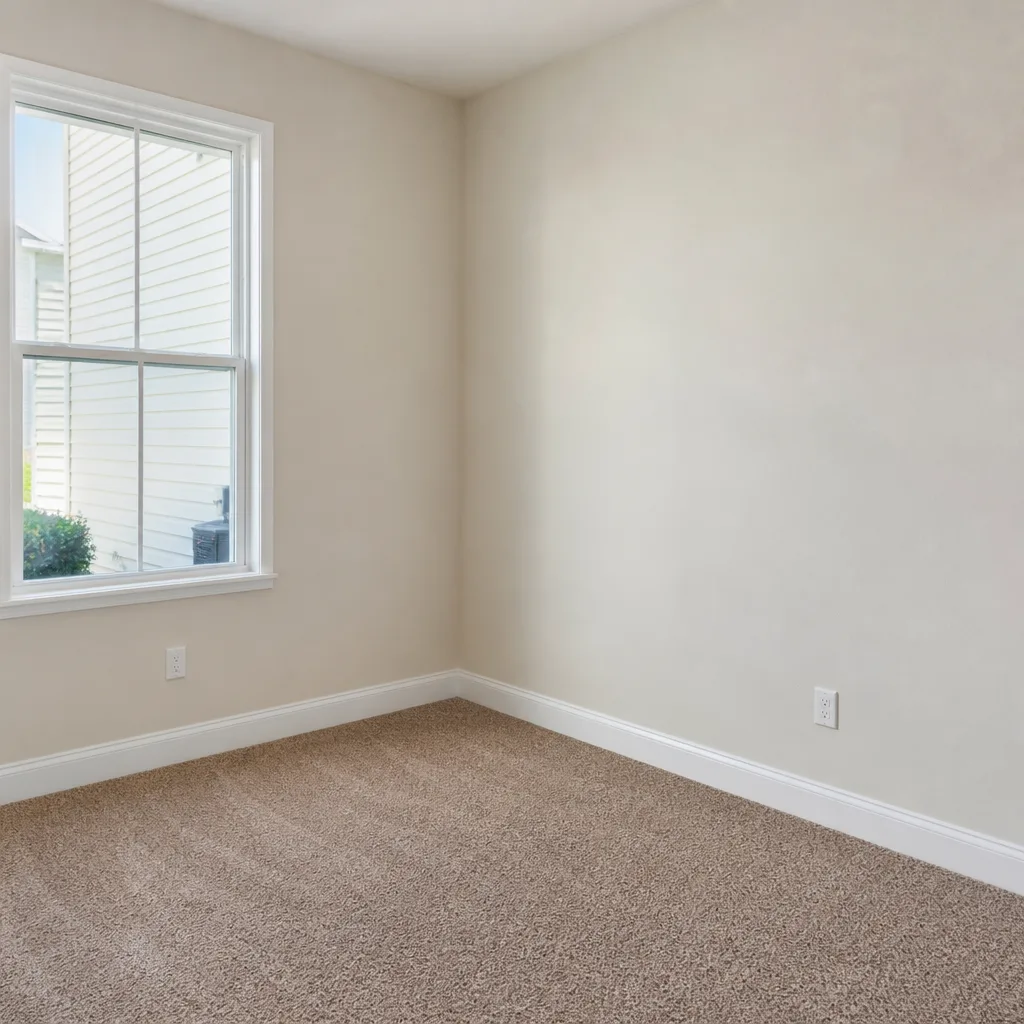
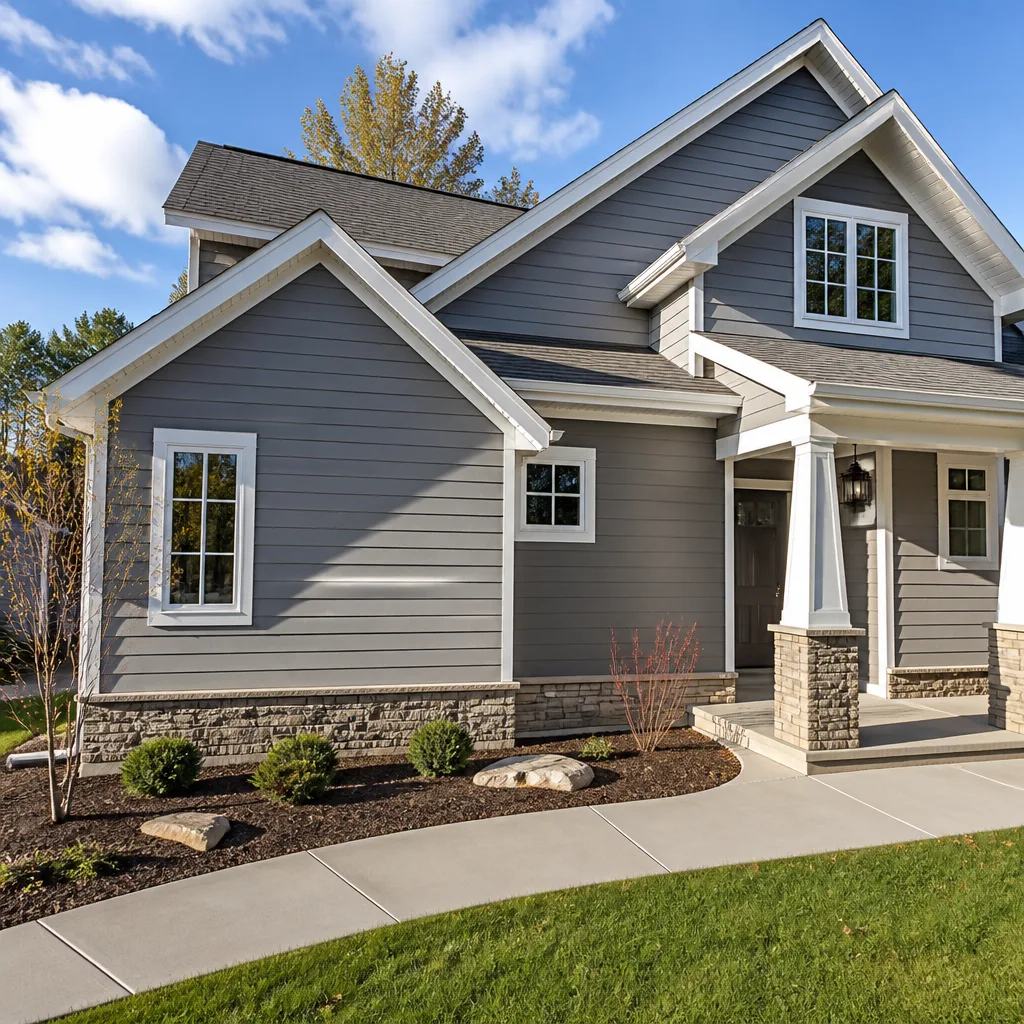
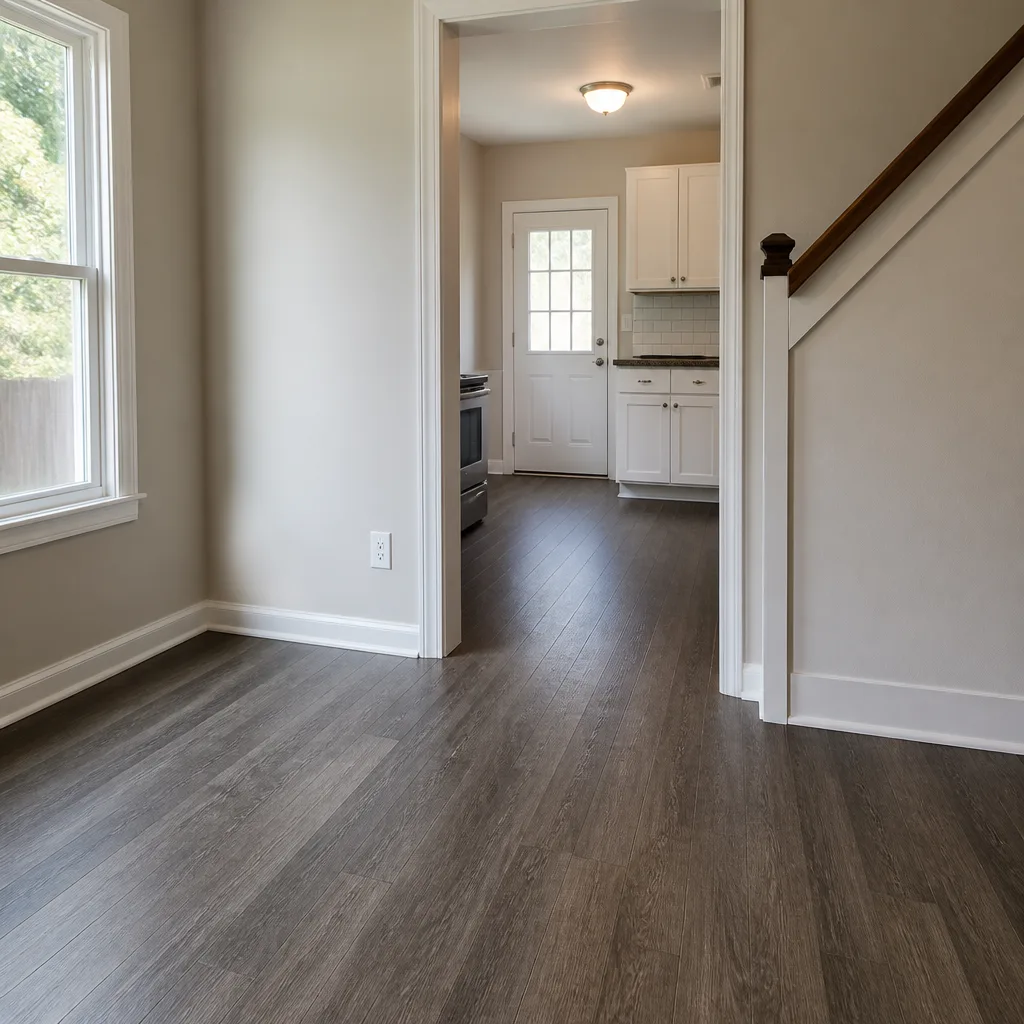
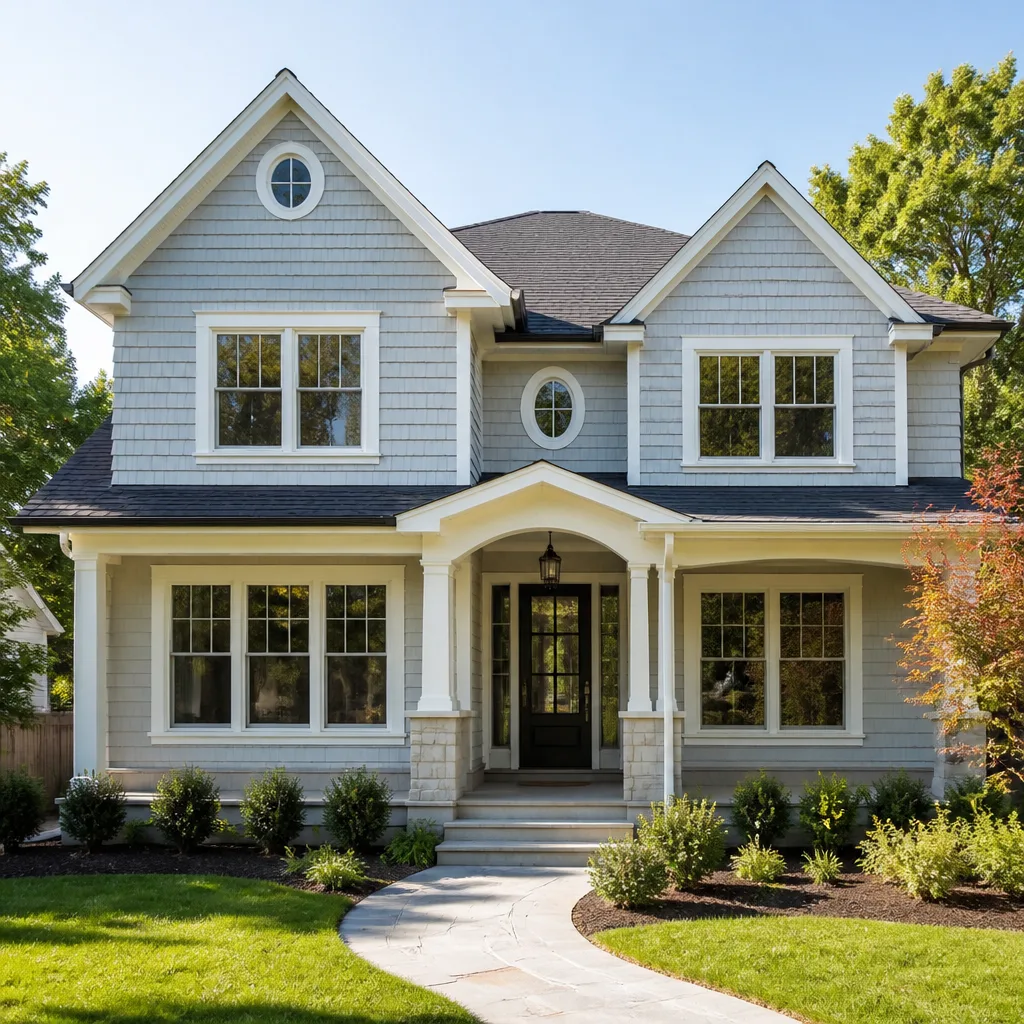
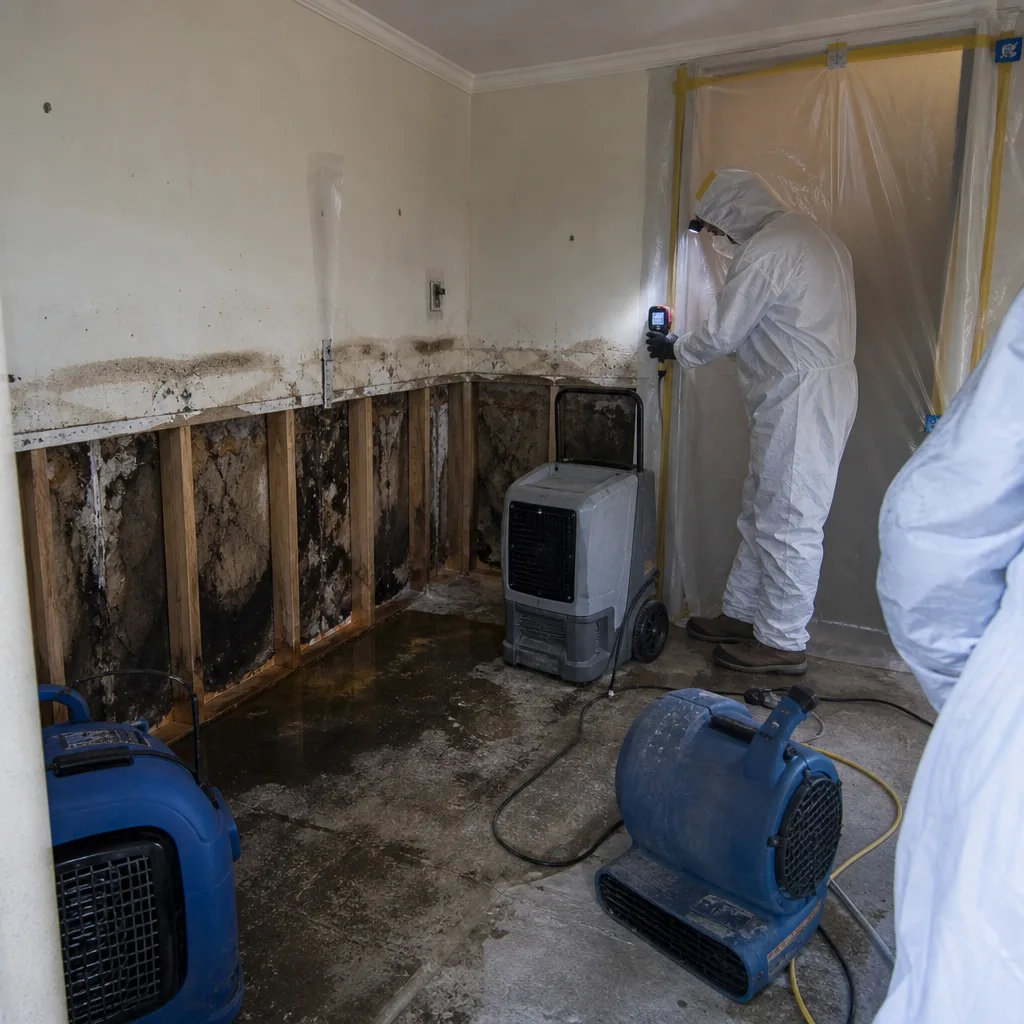 Before
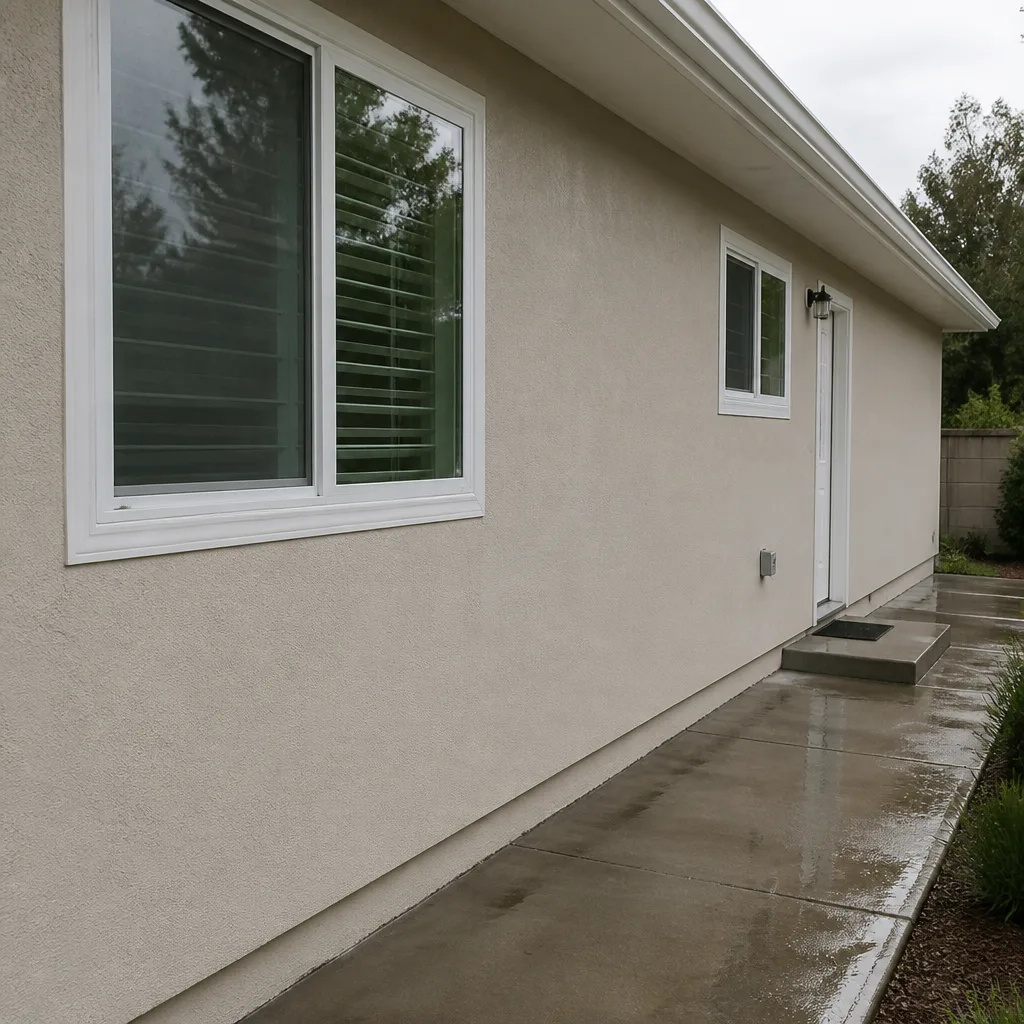 After
After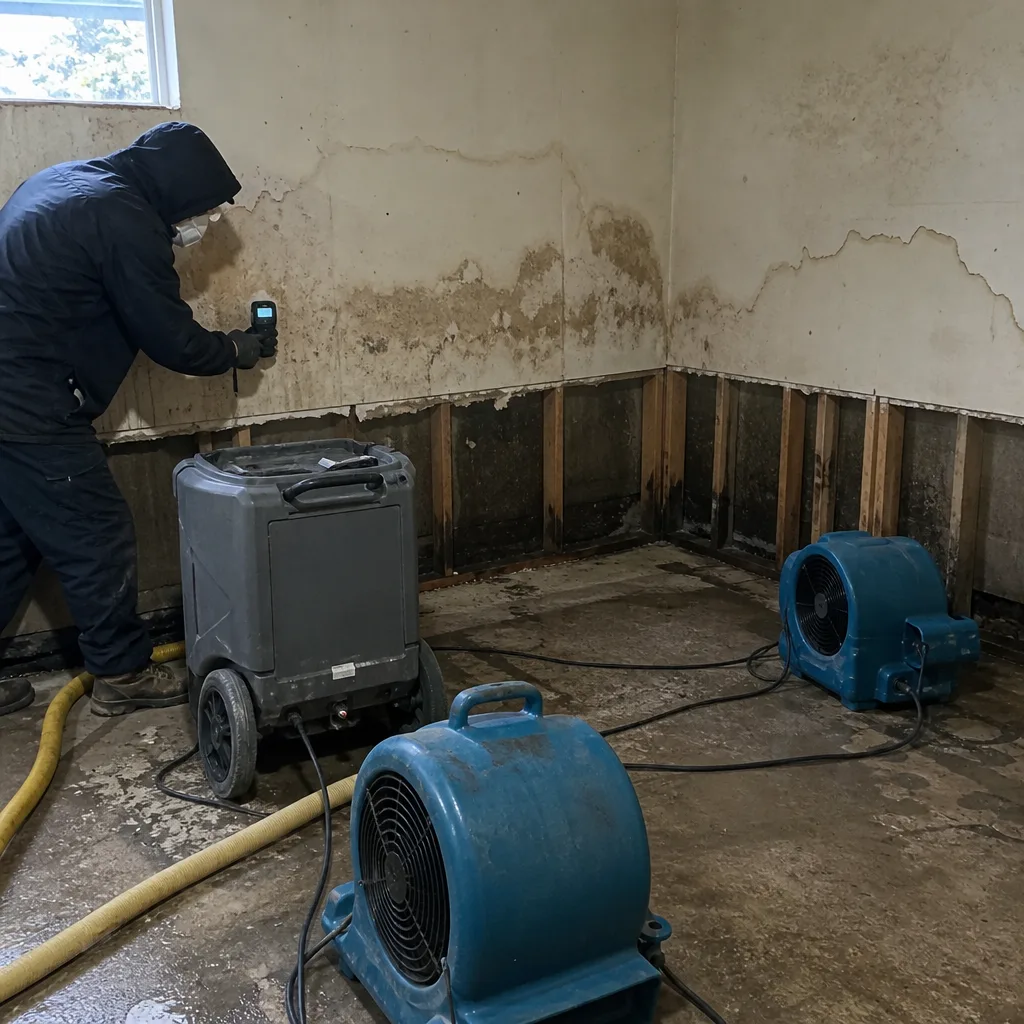 Before
 After
After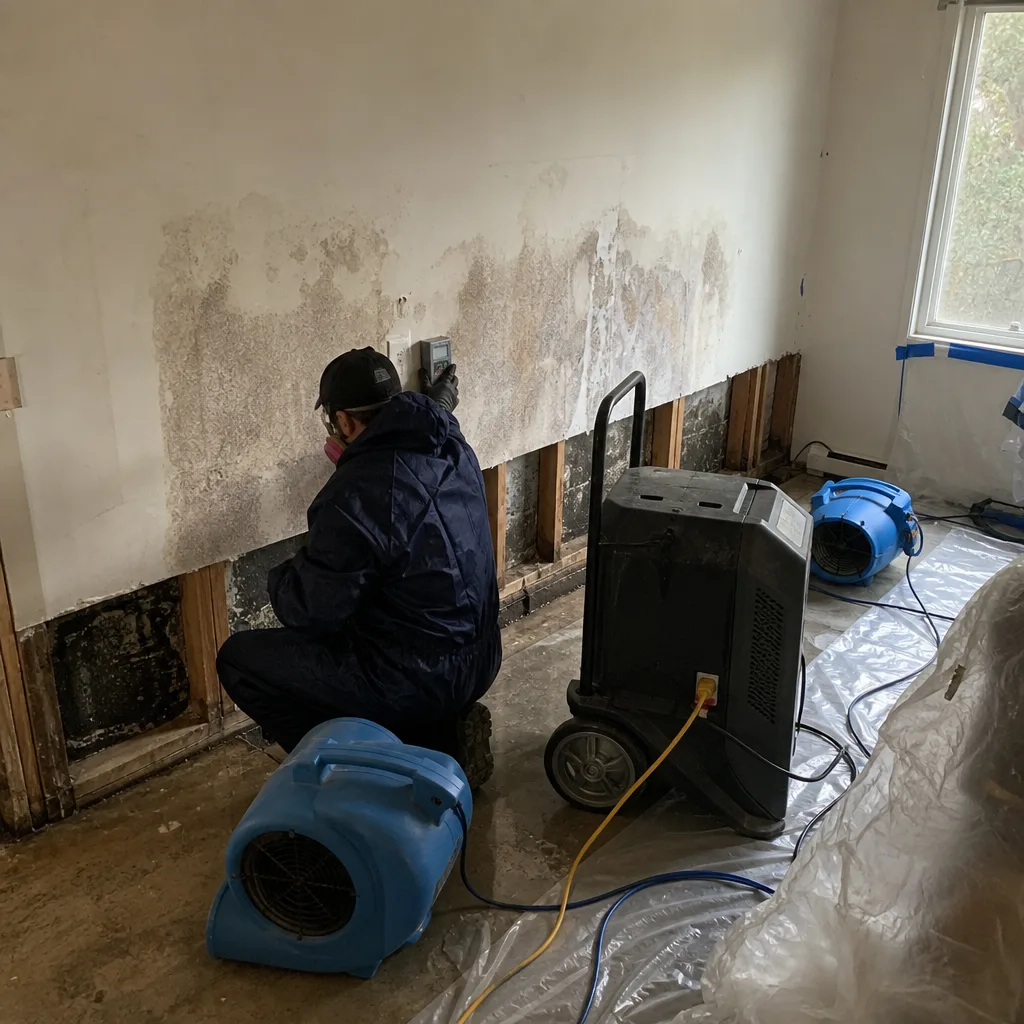 Before
 After
After24/7 Emergency Water Damage Restoration in Winter Gardens
Water damage restoration in Winter Gardens typically costs $2,800-$7,500 for a standard residential dry-out, with emergency extraction starting at $1,200-$2,400. Most Winter Gardens homes we see need structural drying within the first 4-6 hours to prevent secondary mold growth, especially in the older ranch stock with crawl spaces that hold moisture. Call (858) 683-1768 now and a live person will answer, 24 hours a day. No voicemail trees. No next-business-day callbacks while water is still wicking into drywall and subfloors.
Our crews dispatch from the San Diego office and are routed into Winter Gardens within 45 minutes. We bring moisture meters, thermal imaging, and extraction equipment on the first truck. The first hour matters because Category 1 clean water becomes Category 2 in 24-48 hours once it contacts organic building materials, and Winter Gardens’s warm inland valley temperatures accelerate that timeline. We start with a free visual inspection, document what we find with photos, and deliver a written price before any work begins. Haven Standard, Clause 1.
Understanding Water Damage Restoration Severity in Winter Gardens Properties
Water damage falls into three categories that determine what can be dried in place and what must be removed. Category 1 is clean water from a supply line or overflowing sink. Category 2 is gray water with chemical or biological contamination, think dishwasher discharge or the muddy runoff that comes off Winter Gardens’s hydrophobic post-fire slopes. Category 3 is black water: sewage, ground flooding, or any water carrying pathogens.
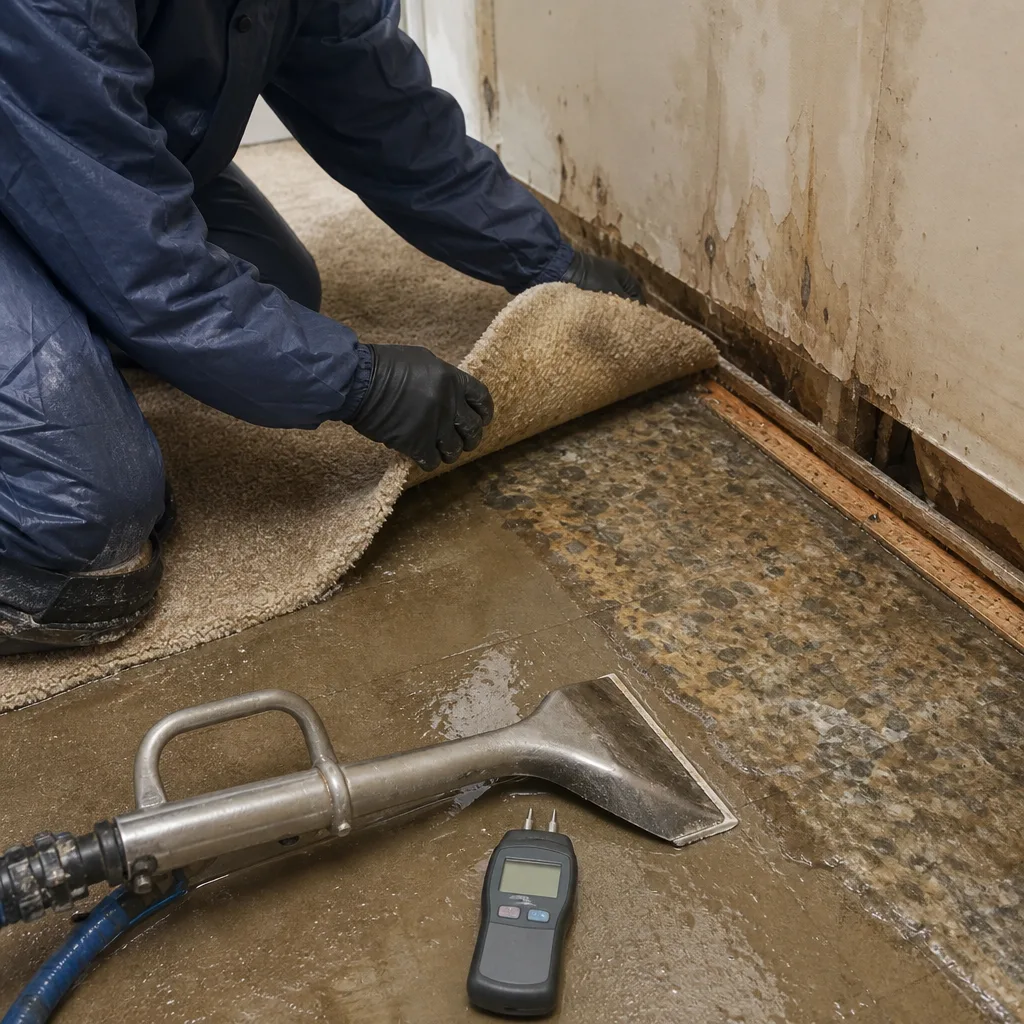
Moisture mapping is where we find what you cannot see. In Winter Gardens’s 1950s-1980s wood-frame ranches, we regularly find water traveling along the bottom plate, wicking up wall cavities, and pooling in crawl spaces with inconsistent vapor retarders. Thermal imaging locates temperature differentials that indicate moisture behind drywall. Hygrometers measure relative humidity and vapor pressure differential, the force that drives moisture from wet materials into the air. Psychrometric data, the relationship between temperature, humidity, and air movement, tells us how many air movers and dehumidifiers a room needs and for how long.
The mixed-age housing stock here complicates scoping. Homes rebuilt after the 2003 Cedar Fire often have modern moisture barriers and attic ventilation. Original ranches from the 1960s may have none of these. We assess each room by construction era, not by assumption.
Why Winter Gardens Property Owners Choose DryMark Restoration Poway
- 45-minute response commitment to Winter Gardens from dispatch, with crews carrying extraction and drying equipment on every truck.
- 24/7 live answer by a real person, never an automated system or voicemail tree, because water does not wait for business hours.
- IICRC-certified crews holding WRT (Water Damage Restoration Technician) and AMRT (Applied Microbial Remediation Technician) certifications, with license numbers verified before arrival.
- Free visual inspection with documented moisture readings and thermal imaging, delivered before any work is proposed.
- Direct insurance billing with photo-documented estimates that adjusters recognize and pay without dispute.
- One team from extraction through reconstruction, no handoffs to unknown subcontractors, with the same crew leader on every visit.
 Before
 After
AfterOur Water Damage Restoration Process
1. Inspection & Assessment
We arrive with moisture meters, thermal imaging cameras, and hygrometers to map the full extent of water migration. In Winter Gardens’s older ranches, we pay special attention to crawl spaces, sub-slab conditions, and wall cavities where vapor retarders are missing or degraded. Every reading is logged and photographed.
2. Extraction & Stabilization
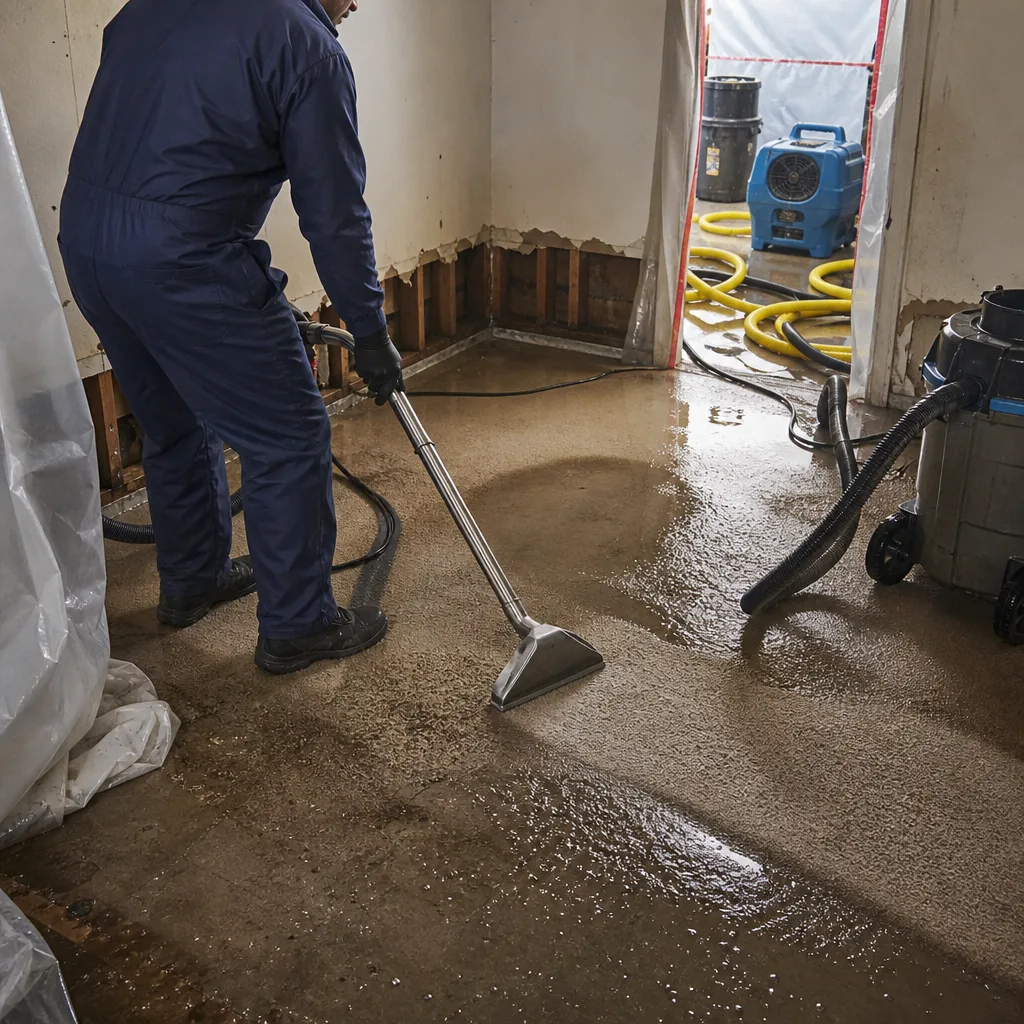
Standing water is removed with truck-mounted extraction systems and portable units for tight access. We deploy weighted extraction tools on carpet to pull water from pad and subfloor. The goal is to remove as much liquid water as possible before drying begins, which shortens dry time and reduces equipment costs.
3. Drying & Dehumidification
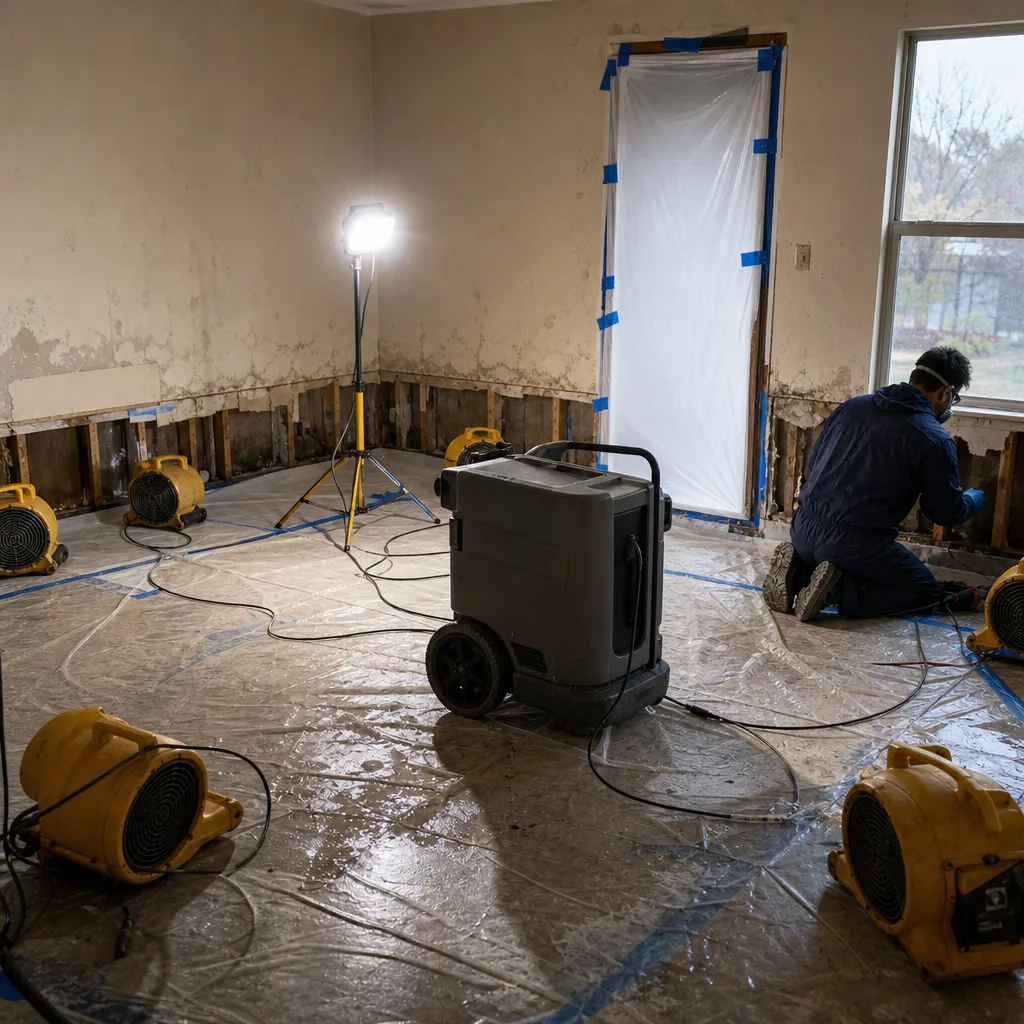
We size the drying system using psychrometric calculations, not guesswork. Equipment includes Dri-Eaz and Phoenix LGR dehumidifiers, B-Air air movers positioned for optimal airflow patterns, and Injectidry systems for wall cavity and hardwood drying. Daily moisture logs track progress to IICRC standards.
4. Cleaning & Sanitization
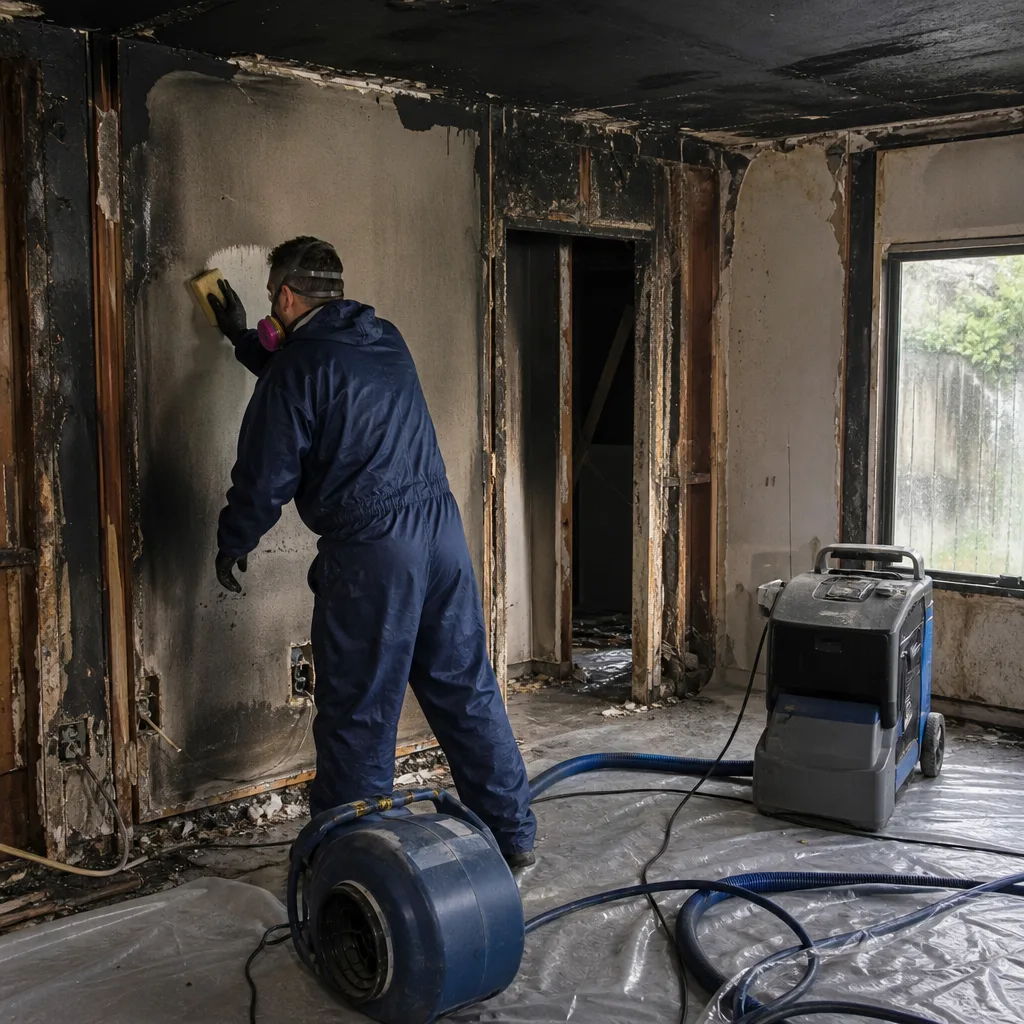
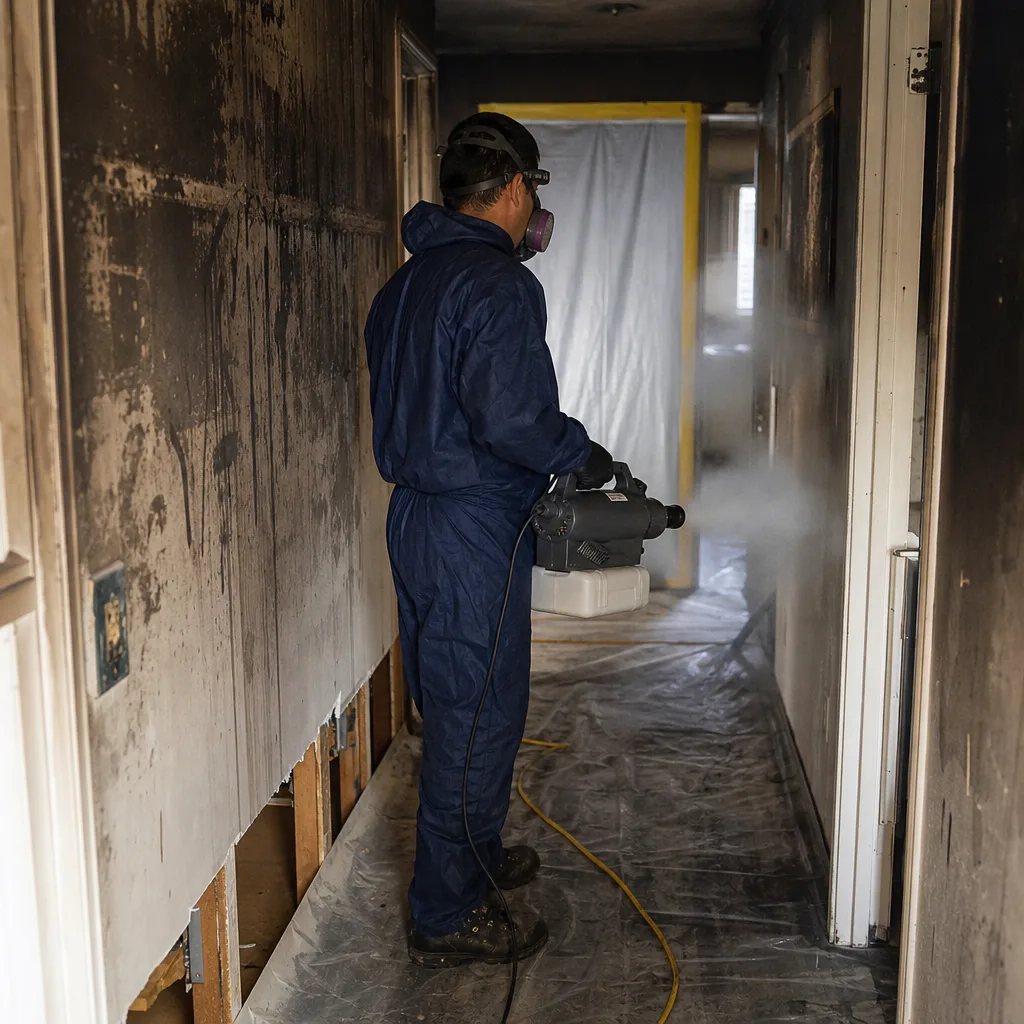
Category 2 and 3 water requires antimicrobial treatment of affected surfaces. We apply EPA-registered disinfectants to framing, subfloors, and salvageable materials. HEPA air scrubbers run during this phase to capture airborne particulates, including the fine ash and smoke residue that Winter Gardens’s Santa Ana events drive deep into building cavities.
5. Post-Fire Runoff Assessment
For Winter Gardens homes on brush-adjacent lots, we evaluate whether hydrophobic soil runoff will re-wet the structure. This includes grading assessment, foundation sealing recommendations, and moisture monitoring protocols. Single dry-outs without runoff management fail here; we document why and what prevents recurrence.
6. Repairs & Restoration
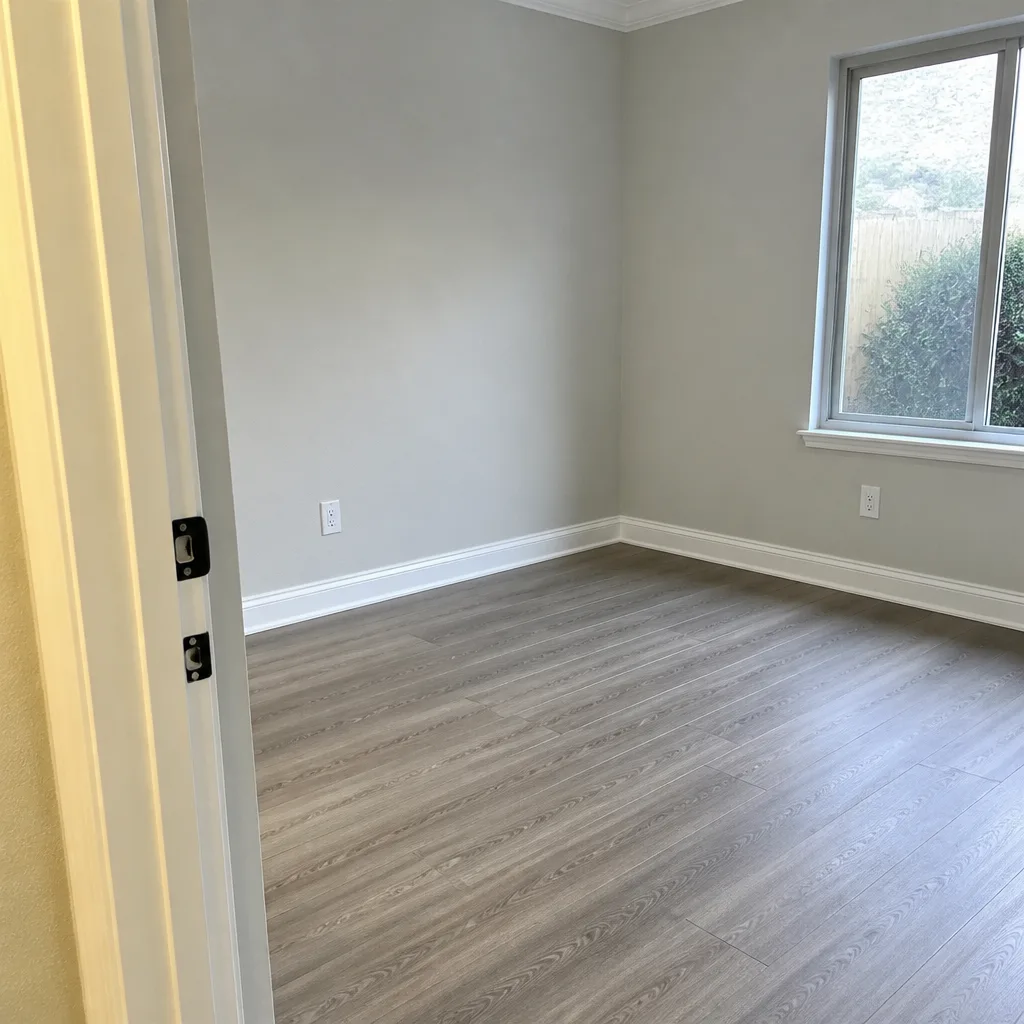
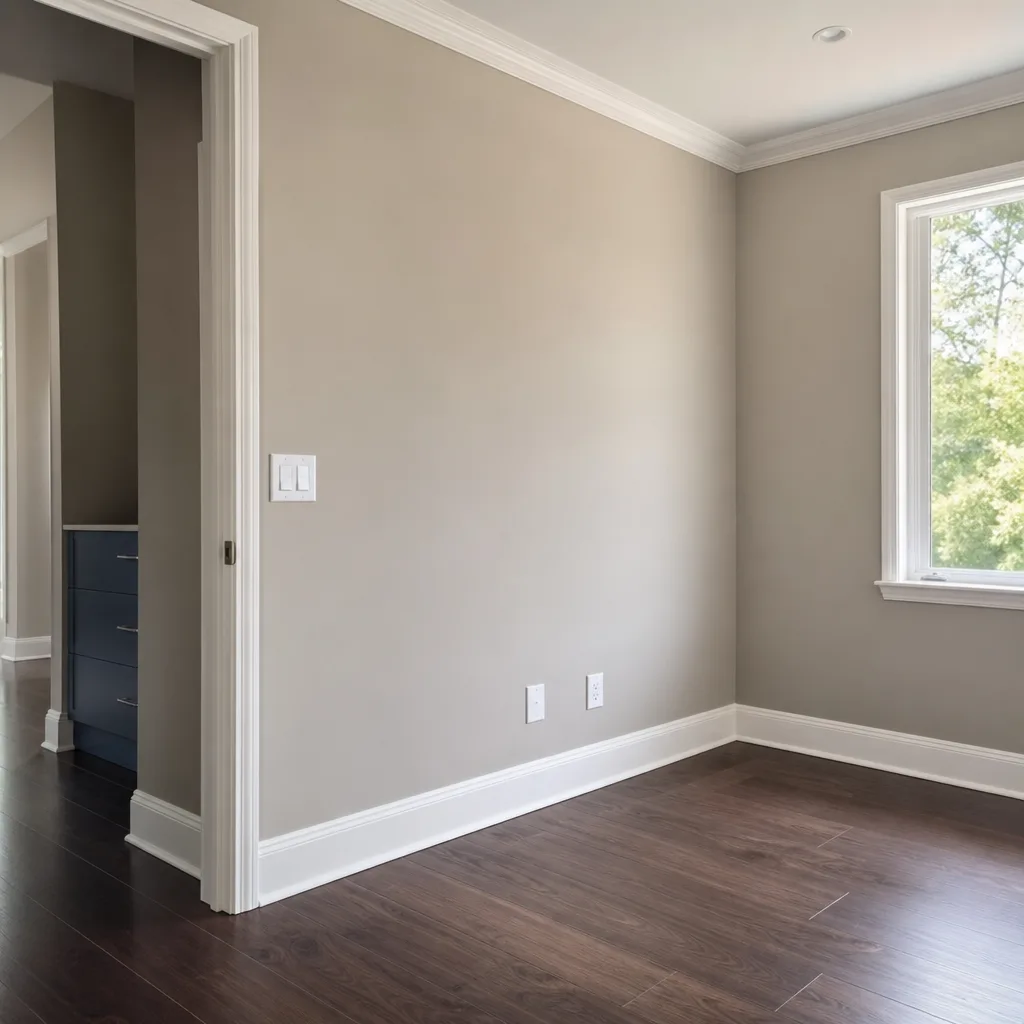
Once moisture readings confirm the structure is dry to IICRC standards, we repair or replace damaged materials. Drywall, insulation, flooring, and trim are restored to pre-loss condition. A final photo record documents completion, and the 365-Day Done Right Promise is activated under The Haven Standard.
Need Emergency Water Damage Restoration in Winter Gardens Now?
Crews minutes away, answering live 24 hours a day. The sooner we start, the less it costs.
Working With Your Insurance Company
Documentation starts on arrival, not when the adjuster asks for it. We photograph every room, record moisture readings at multiple points, and maintain daily drying logs that show temperature, relative humidity, and vapor pressure differential. These logs, combined with our line-item scope of work, produce estimates that carriers recognize and pay.
We coordinate directly with your adjuster. That means we answer their questions, provide additional documentation on request, and do not release the file until the claim is resolved. Our estimates follow industry-standard formats that eliminate back-and-forth. For Winter Gardens homeowners dealing with the complexity of a reopened water claim tied to a closed fire file, this documentation discipline is what gets the claim approved.
What We Provide Your Insurer
- Thorough documentation of the loss
- Photos of all damage, room by room
- Moisture readings and drying logs
- A detailed, line-item scope of work
- Direct coordination with your carrier
Built for Winter Gardens’s Loss Calendar
Winter Gardens’s water damage calendar is driven by two forces no coastal San Diego community faces in combination. Santa Ana wind events, peaking October through January, drive rapid fire spread and force ash and smoke particulates deep into HVAC systems and wall cavities. Then winter rainfall, concentrated December through March, hits fire-denuded and hydrophobic hillsides that cannot absorb water. The result is flash runoff that channels mud and debris against foundations and into crawl spaces.
We see the pattern repeat: fire damage files close in spring, homeowners believe the risk has passed, and 12-18 months later the moisture calls begin. The baked soils on eastern slopes remain hydrophobic for years. Each rain event sheets water toward foundations rather than soaking in. Spring brings the first wave of these delayed claims. Summer dries surface moisture but leaves sub-slab saturation. Fall Santa Ana winds restart the cycle. Restoration planning here must account for recurrence, not just the current loss.
Water Damage Restoration Across Winter Gardens’s Neighborhoods
The eastern brush-adjacent lots, backing up to the Cleveland National Forest interface, present the most complex cases. Homes on Winter Gardens Road and along the slopes above Wildcat Canyon see repeated runoff from hydrophobic soils. Our moisture mapping typically finds sub-slab saturation extending 20-30 feet from the foundation, with mold in lower wall cavities that were never opened after the initial water intrusion.
The central valley floor, where older ranches cluster near the intersection of Winter Gardens Road and Ashwood Street, has different problems. Flat grading and aging clay sewer lines mean sewage backups and Category 3 intrusions are more common. The 1960s-1970s stock here often has original galvanized supply lines past their service life. A burst pipe in these homes can dump hundreds of gallons before the main is shut off.
Properties near the Old Barona Road corridor, rebuilt after 2003, have modern construction but sit in the same runoff paths. We find that newer moisture barriers actually trap water when exterior grading fails, creating hidden reservoirs that standard drying misses. Tertiary drying, the final phase where we chase bound moisture in dense materials, runs longer here.
The western edge, closer to the Poway and Santee service boundaries, sees more supply-line failures from aging infrastructure and the pressure fluctuations that come with mixed-age development. Each zone gets a different scoping protocol. We do not apply a single template to all of Winter Gardens.
Specialized Water Damage Restoration Services We Offer in Winter Gardens
Emergency Water Extraction
Standing water is removed within hours, not days. Our truck-mounted systems extract from carpet, pad, and hard surfaces. For Winter Gardens’s ranches with sunken living rooms or step-down family rooms common in 1970s builds, we deploy portable extraction units that access where truck mounts cannot reach. Emergency extraction in Winter Gardens runs $1,200-$2,400 for most residential calls.
Structural Drying & Dehumidification
We calculate drying equipment loads using psychrometric data, not rules of thumb. A typical Winter Gardens ranch home of 1,400-1,800 square feet requires 4-6 air movers and 2-3 dehumidifiers for 3-5 days. Cost range: $2,800-$5,200. Homes with crawl space moisture or sub-slab saturation need Injectidry systems and extended drying, pushing the upper end. Daily moisture logs prove progress to your insurer.
Flood Cleanup
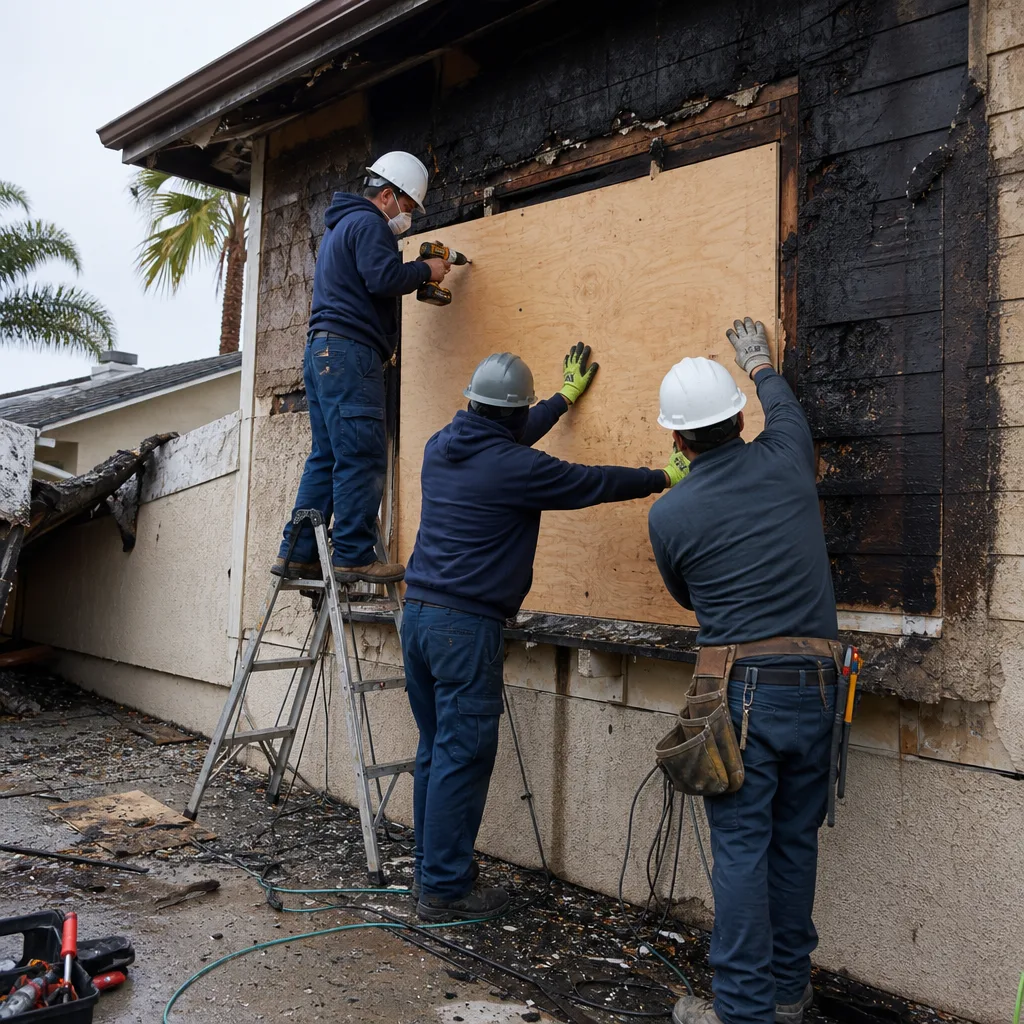
Flood events in Winter Gardens carry Category 2 or 3 classification due to mud, ash, and organic debris from burned slopes. These cannot be dried in place. We remove contaminated materials, apply antimicrobial treatment, and document the source as fire-related runoff for insurance purposes. Flood cleanup with contamination runs $4,500-$8,500 depending on affected square footage.
Burst Pipe Restoration
Winter Gardens’s inland valley sees hard freezes less frequently than higher elevations, but when they occur, the damage is concentrated in attic or exterior wall plumbing that was never winterized. We extract, dry, and coordinate with licensed plumbers for repair. Burst pipe jobs typically fall in the $2,400-$5,800 range.
Basement Water Removal
True basements are rare in Winter Gardens’s ranch stock, but converted crawl spaces and sunken additions function similarly. Low-clearance extraction equipment and submersible pumps remove water, followed by cavity drying and vapor barrier installation where missing. These runs average $3,200-$6,400.
What happens when you call
- 1
A real person answersNo phone trees - you reach a local pro.
- 2
You get an upfront price rangeHonest numbers before anyone is dispatched.
- 3
A background-checked tech heads outLicensed & insured, dispatched right away.
- 4
You approve before work beginsNothing starts until you say go.
Water Damage Restoration Costs in Winter Gardens, CA
| Service | Typical Range |
|---|---|
| Emergency water extraction | $1,200 - $2,400 |
| Structural drying (standard ranch) | $2,800 - $5,200 |
| Structural drying with crawl space/sub-slab | $4,200 - $7,500 |
| Flood cleanup (Category 2/3 contamination) | $4,500 - $8,500 |
| Burst pipe restoration | $2,400 - $5,800 |
| Basement/crawl space water removal | $3,200 - $6,400 |
What moves the price: affected square footage, water category, accessibility for equipment, and whether sub-slab or cavity drying is required. Winter Gardens’s post-fire hydrophobic soil runoff often drives costs toward the higher end because moisture migrates further than visible water suggests. Insurance typically covers sudden and accidental water damage, including the delayed manifestation from fire-related soil changes, when documentation ties the loss to the original event. Out-of-pocket costs apply to maintenance-related issues, gradual leaks, and deductibles.
We deliver a written price before work starts, every time. Haven Standard, Clause 1. Bring a competitor’s written estimate and we will review it free.
We Also Serve Cities Near Winter Gardens
Our crews route regularly to Water Damage Restoration in Winter Gardens and surrounding communities: Poway, where canyon-adjacent homes face similar wildfire-water cycles; Eucalyptus Hills, with its own post-fire soil challenges; Ramona, at higher elevation with harder freeze risk; and Santee, where the San Diego River floodplain creates different water intrusion patterns. Each gets the same documentation-first protocol, adjusted for local conditions.
Serving Winter Gardens, CA - Our Local Coverage Area
We’re based in the Winter Gardens area and know this community well. Use the map below to see our service coverage - if you’re nearby, we can almost certainly help.
Winter Gardens Water Damage Restoration Questions, Answered
Why did mold show up in our Winter Gardens home a year after the fire when we never saw standing water?
The hydrophobic soils left by the 2003 Cedar Fire and subsequent burns cannot absorb rainfall, so water sheets off slopes and saturates foundations and crawl spaces for 12-18 months after the visible fire damage is gone. Moisture readings in wall cavities and sub-slab areas often exceed 20% wood moisture content, the threshold for mold growth, with no standing water ever present. We map this hidden migration with thermal imaging and moisture meters, then document the fire-soil connection for your insurer. Call (858) 683-1768 for a free inspection.
Does the age of Winter Gardens’s housing stock change how you dry a water-damaged home?
Yes. Original 1950s-1970s ranches often lack vapor retarders, have unsealed crawl spaces, and use building materials that hold moisture differently than post-2003 rebuilds. We adjust equipment placement, drying duration, and moisture target thresholds by construction era, not by a single standard. A 1965 ranch with redwood framing and no ground cover needs a different protocol than a 2005 rebuild with modern moisture barriers. Our daily logs reflect these differences.
Is the muddy water that ran against our foundation after the fire just dirty water, or does it change what you can save?
Muddy runoff from burned, hydrophobic slopes is Category 2 gray water at minimum, and Category 3 black water if it contains sewage, animal waste, or significant organic decomposition. It cannot be dried in place. Porous materials that absorb it, drywall, insulation, carpet pad, must be removed. Hard surfaces can be cleaned and disinfected. We classify the water on arrival and document the source, which affects both the restoration scope and your insurance coverage. Call (858) 683-1768 and we will assess it.
My home survived the Cedar Fire but I’m now getting water in the crawl space every winter - is that a restoration job or a grading job?
It is both, and the sequence matters. We start with moisture mapping and structural drying to stop active damage and prevent mold. Then we document the hydrophobic soil runoff path and recommend grading, drainage, or foundation sealing improvements. Our scope covers the restoration; we coordinate with landscape or foundation contractors for the permanent fix. The key is not drying once and hoping, but drying with a plan for why the water keeps coming.
How does the restoration scope for a Winter Gardens fire-adjacent home differ from a normal water damage call?
Fire-adjacent homes need sub-slab and cavity moisture mapping as standard, not optional, because hydrophobic soil runoff produces hidden saturation that surface drying misses. We also test for ash and smoke particulate intrusion into HVAC and wall cavities, which combines with moisture to accelerate corrosion and mold. The documentation must tie water damage to the prior fire event for insurance purposes. Finally, we plan for recurrence, the runoff pattern does not stop after one rain season.
How fast can you actually get to Winter Gardens?
We commit to 45 minutes from dispatch, with crews carrying extraction and drying equipment on every truck. Our San Diego office routes directly into Winter Gardens via CA-67 and Winter Gardens Road. Live answer 24 hours a day means no delay in getting a crew assigned. Call (858) 683-1768 and we will confirm current arrival time.
Will insurance cover water damage from post-fire soil runoff?
Often yes, if documentation ties the water intrusion to the original fire event that created the hydrophobic soil condition. The challenge is that fire files close before water damage manifests. Our moisture logs, soil assessment, and photo documentation are designed to reopen or extend the claim with evidence adjusters can act on. We coordinate directly with your carrier. Every case differs; we review your policy and loss history as part of our free inspection.
Can we stay in the home during drying?
For Category 1 water damage in limited areas, usually yes, with equipment noise and some temperature fluctuation as the trade-off. For Category 2 or 3, or when extensive demolition is required, temporary relocation is safer and often required by your insurer. We assess livability on arrival and document our recommendation. In Winter Gardens’s smaller ranches, even localized water damage can affect the whole HVAC zone, so we are direct about when staying is not advisable.
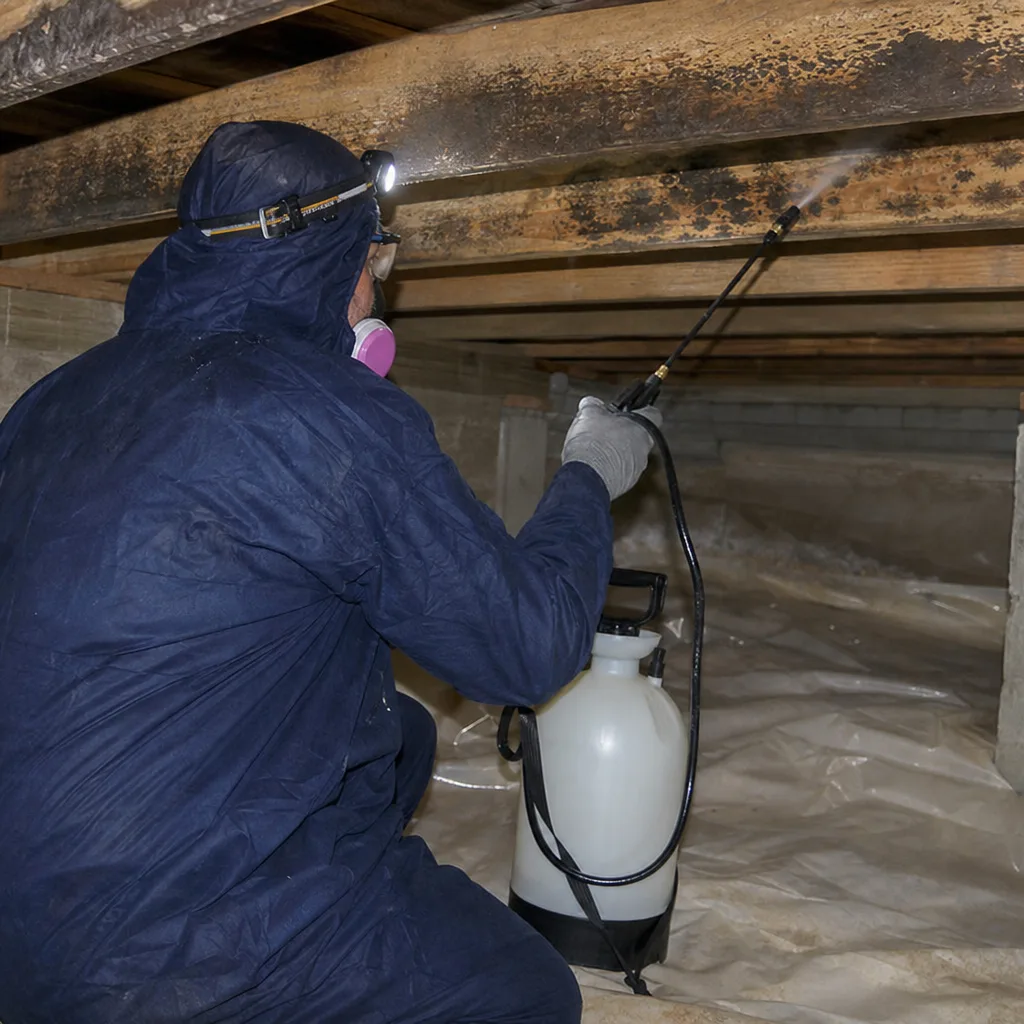
We were called to a 1960s ranch home on the brush-adjacent eastern edge of Winter Gardens where the homeowner had fought off the Cedar Fire and thought they were in the clear. Eighteen months later, our moisture mapping showed saturated sub-slab and crawl space framing from repeated runoff off the baked hydrophobic slope, with visible mold on the lower wall cavities that no one had scoped. We set containment, ran structural drying with Dri-Eaz and Phoenix dehumidification and air movers, applied antimicrobial treatment to the affected framing, and documented every moisture reading in drying logs so the reopened water-damage claim could be tied back to the post-fire soil behavior.
That is the work our Water Damage Restoration team does in Winter Gardens: not just drying what is wet, but documenting why it got wet and proving it to the party paying the bill. Alicia Brennan built this company in 2011 after seeing how many homeowners lost claims to incomplete documentation. The Haven Standard exists so that does not happen to you.
Call (858) 683-1768 for a free visual inspection and written estimate. Crews are standing by live, 24 hours a day.
Written by Alicia Brennan, Owner at Back to Dry Restoration, serving Winter Gardens since 2011.
Water Damage Restoration in Nearby Areas