
Last updated September 23, 2026
Free visual inspection and a written scope of work before any mitigation begins - photos, moisture readings, and drying logs go in your claim file
The scope we write is the scope we bill. Anything new gets shown to you, in writing, before we touch it.
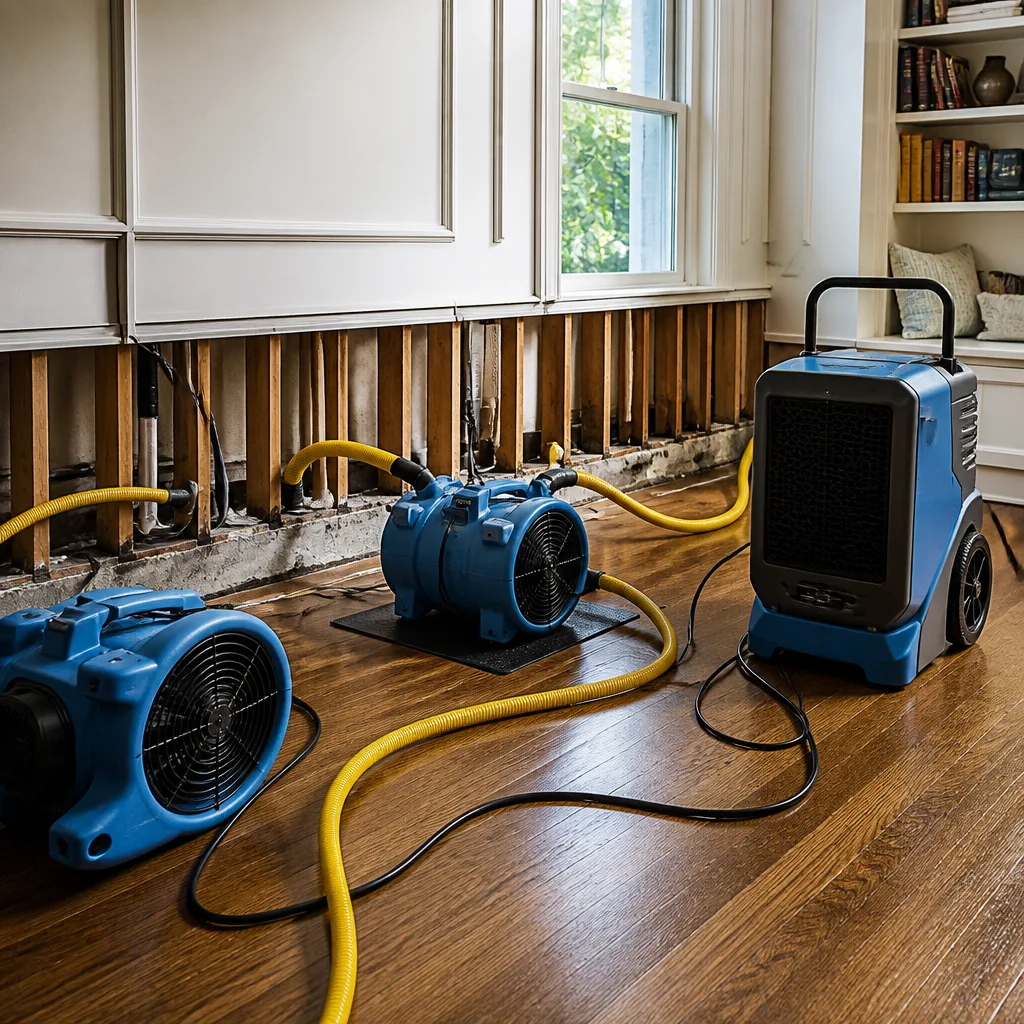





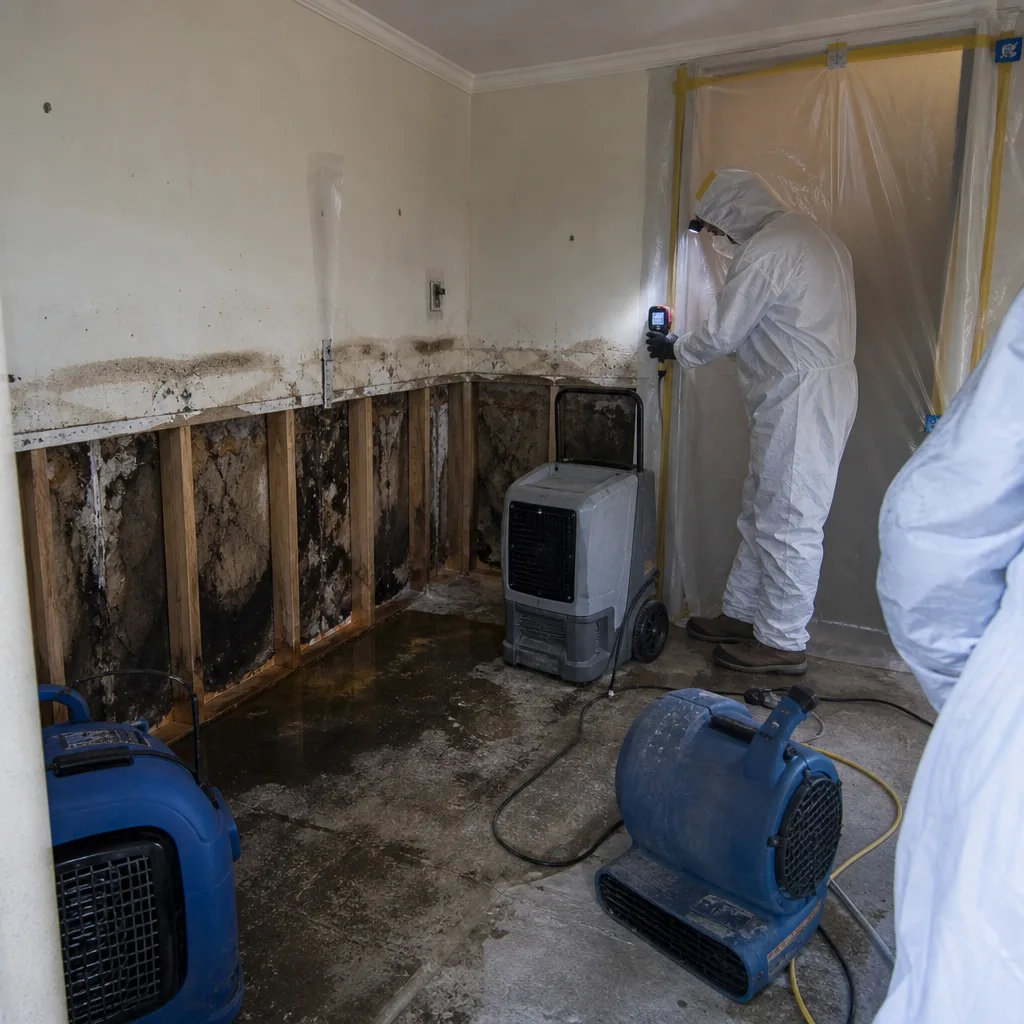 Before
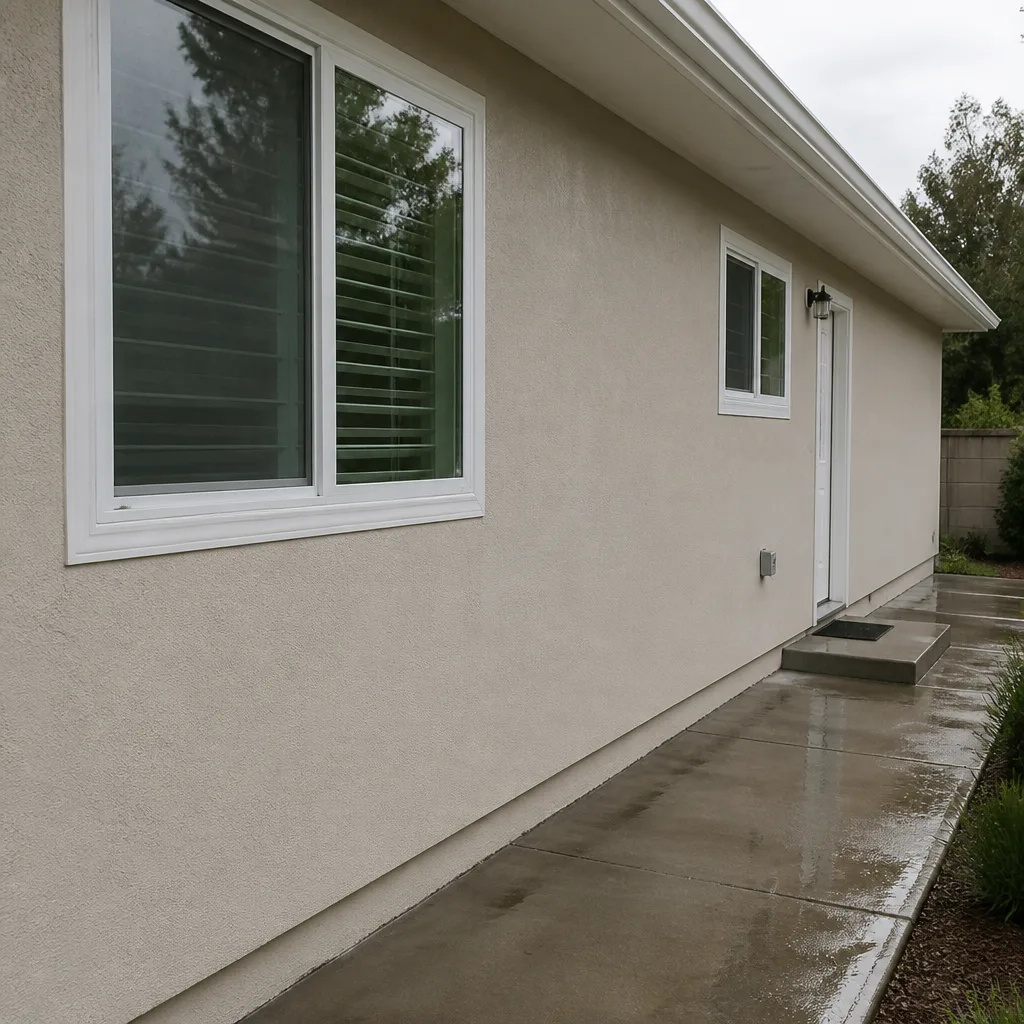 After
After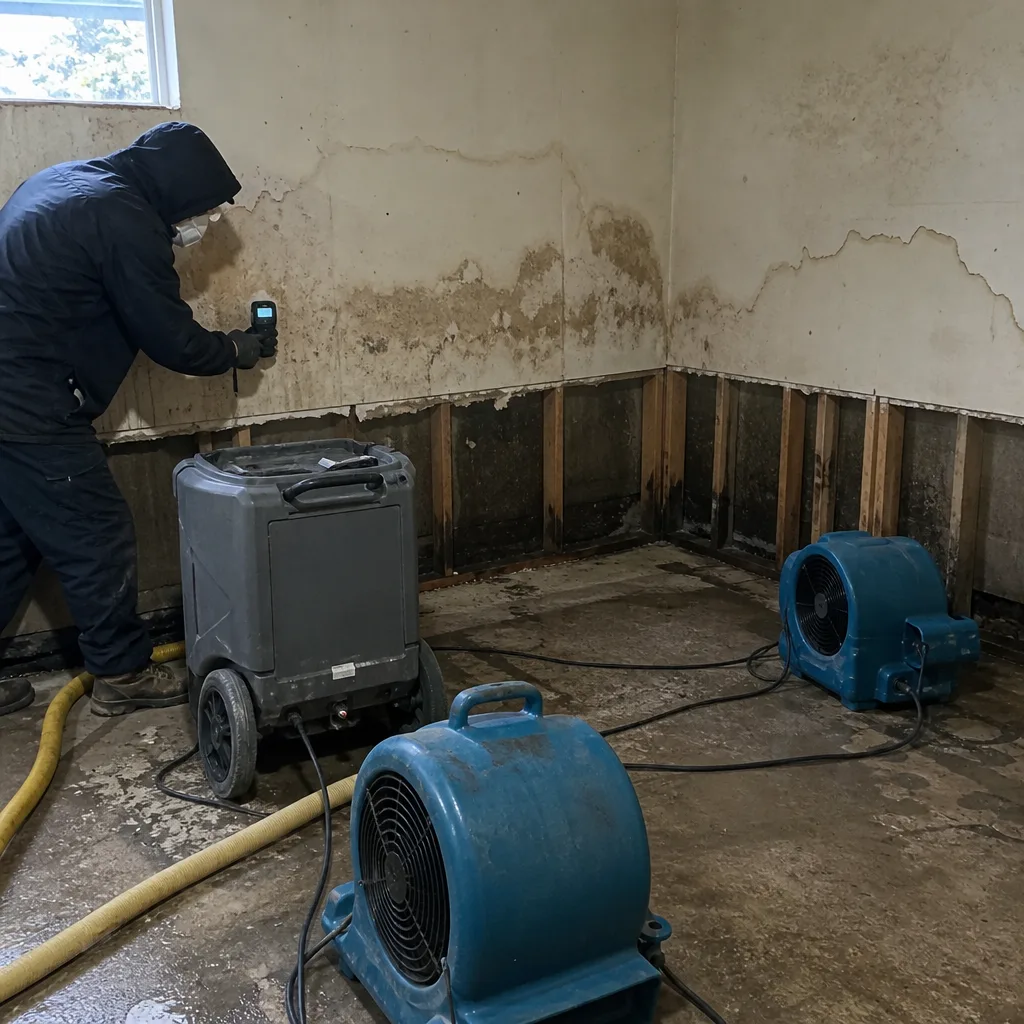 Before
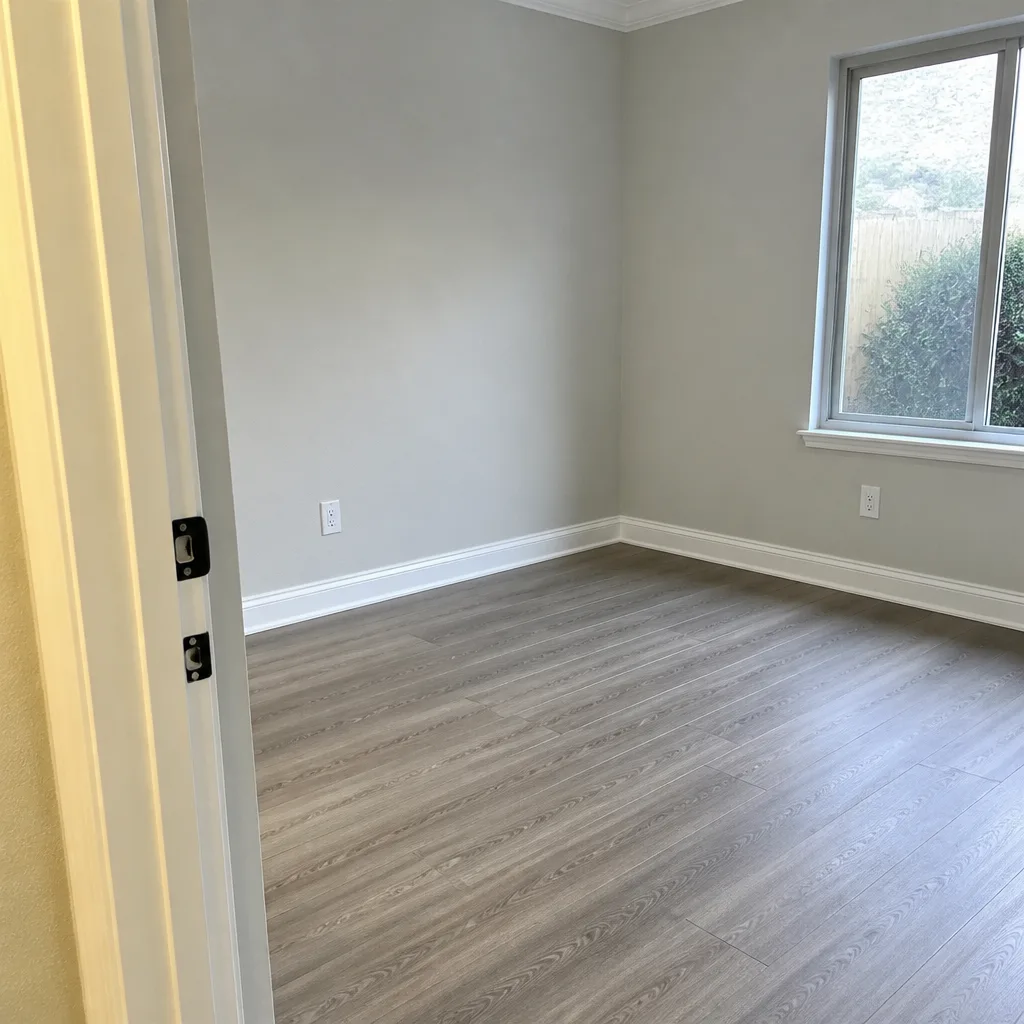 After
After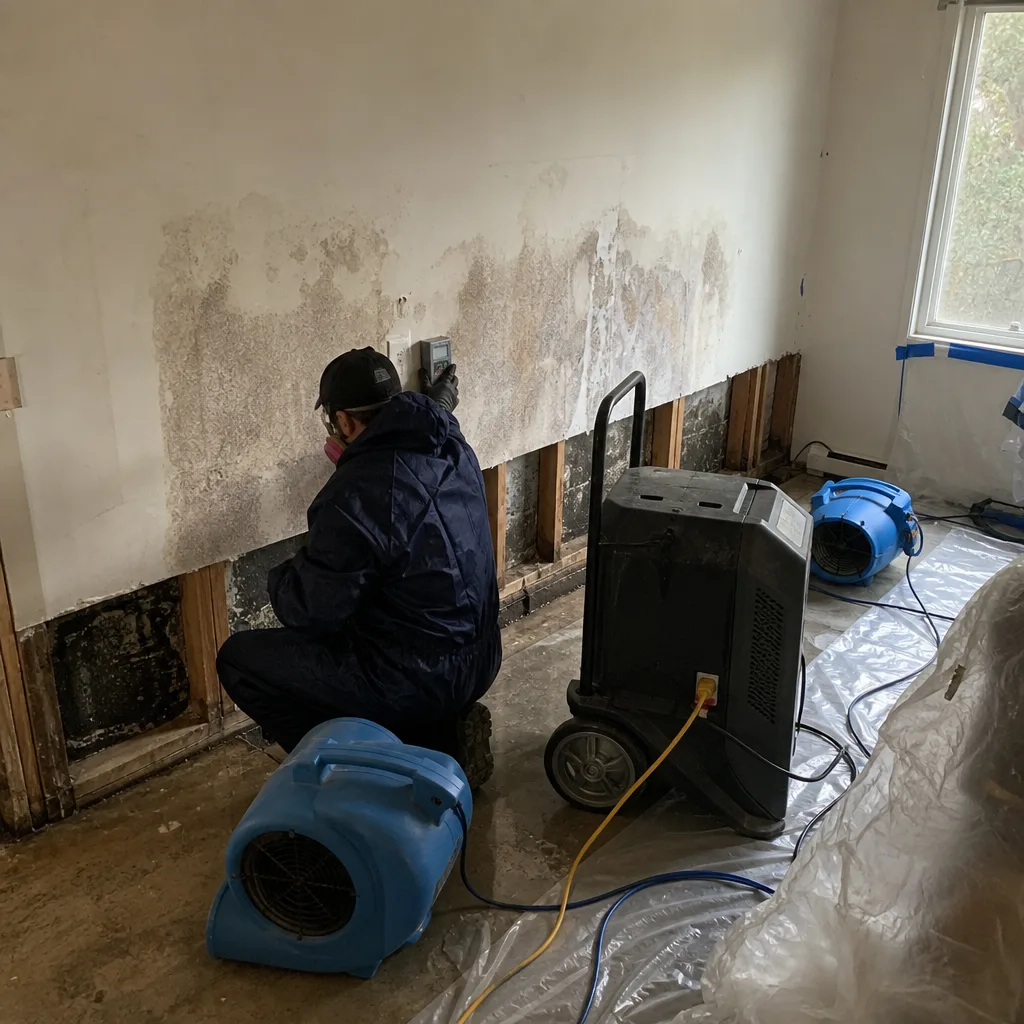 Before
 After
AfterSeasonal Damage Restoration Care for Poway: Year-Round Homeowner’s Guide
Poway averages only 14 inches of rain per year, but more than 60 percent of that total falls in a ten-week window. Most residential water intrusion here happens not because Poway is wet, but because its soil and drainage systems spend nine months forgetting how to handle water. In this guide, we’ll build your maintenance calendar around Poway’s actual two-season risk rhythm: dry-heat stress from June through October, and compressed wet-season saturation from November through March. For a broader overview, see our The Complete Guide to Damage Restoration in Poway. You’ll get month-by-month tasks, the documentation worth keeping for insurance claims, and the three post-wind checks that take under 30 minutes but prevent most storm-prep oversights we see in inland San Diego County.
Quick Answer
Seasonal damage restoration care in Poway means preparing for two distinct risk periods: dry-heat stress from June through October that cracks foundations and degrades plumbing, and concentrated rainfall from November through March that overwhelms drainage systems and exploits those cracks. A proper maintenance calendar includes pre-rain drainage clearance in October, post-Santa Ana roof inspections in September through November, and heat-stress plumbing checks in July through August. Download our full Water Damage Restoration Maintenance Checklist for Poway Homeowners for a printable version. Document every task with dated photos and receipts; this record becomes evidence if you ever file an insurance claim for water, mold, or structural damage.
Table of Contents
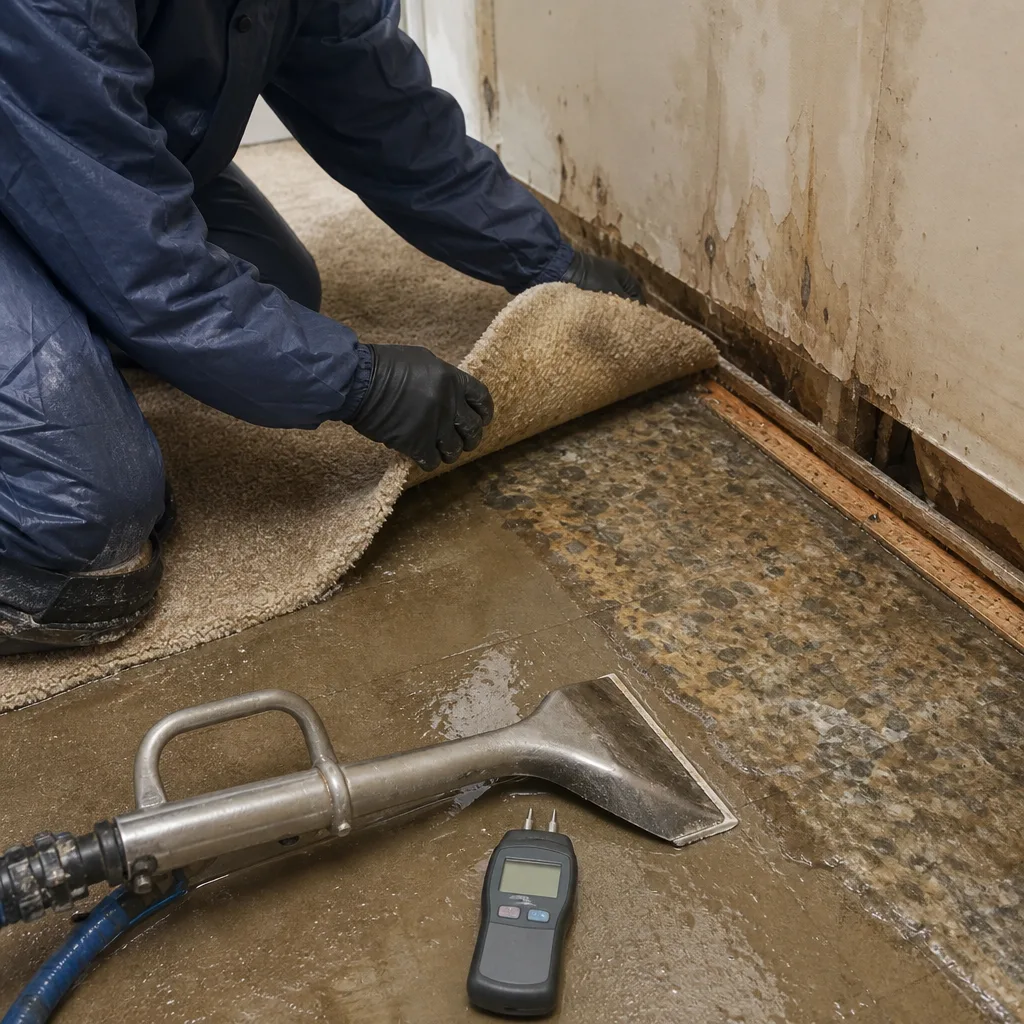
- Poway’s Two-Season Risk Rhythm: Why the Standard Four-Season Guide Fails Here
- June Through October: The Dry-Heat Stress Period
- September Through November: Santa Ana Wind Season
- October: Pre-Rain Drainage and Exterior Prep
- November Through March: Compressed Wet Season
- The Wildfire-Damage-to-Water-Damage Pipeline
- Documentation That Pays: What to Keep and Why
- Your Month-by-Month Action Calendar
 Before
 After
AfterPoway’s Two-Season Risk Rhythm: Why the Standard Four-Season Guide Fails Here
Most seasonal home maintenance guides assume a four-season climate with gradual transitions. Poway doesn’t work that way. Our inland San Diego location, roughly 20 miles northeast of the coast, creates a Mediterranean climate with extreme compression: nine months of near-drought followed by intense, brief saturation.
This matters for damage restoration because materials and structures adapt to dominant conditions. Wood framing in Poway homes dries and shrinks through summer, opening joints and creating gaps. Clay-loam soil, common in the DryMark Restoration Poway home service area, contracts during dry months, pulling away from foundations and creating settlement cracks. When the first major winter storm arrives, water finds those openings immediately.
We’ve documented this pattern across thousands of Water Damage Restoration in Poway jobs since 2011. The typical call in December or January isn’t from a home with chronic leaks; it’s from a homeowner who discovers water intrusion that started precisely when the soil rehydrated and expanded, closing gaps that had been open for months and trapping water inside wall cavities.
The two-season framework also changes how you prioritize maintenance tasks. In a four-season climate, you’d spread exterior checks across spring and fall. In Poway, everything exterior must be verified before November, because once the rains begin, you’re in reactive mode. Similarly, plumbing stress from thermal expansion in July and August creates failure points that won’t manifest until pressure changes with temperature drops in October and November.
Understanding this rhythm means you can front-load prevention and build documentation during calm periods, rather than scrambling during weather events when every contractor’s schedule compresses. Visit our more guides & resources for additional prevention strategies.
June Through October: The Dry-Heat Stress Period
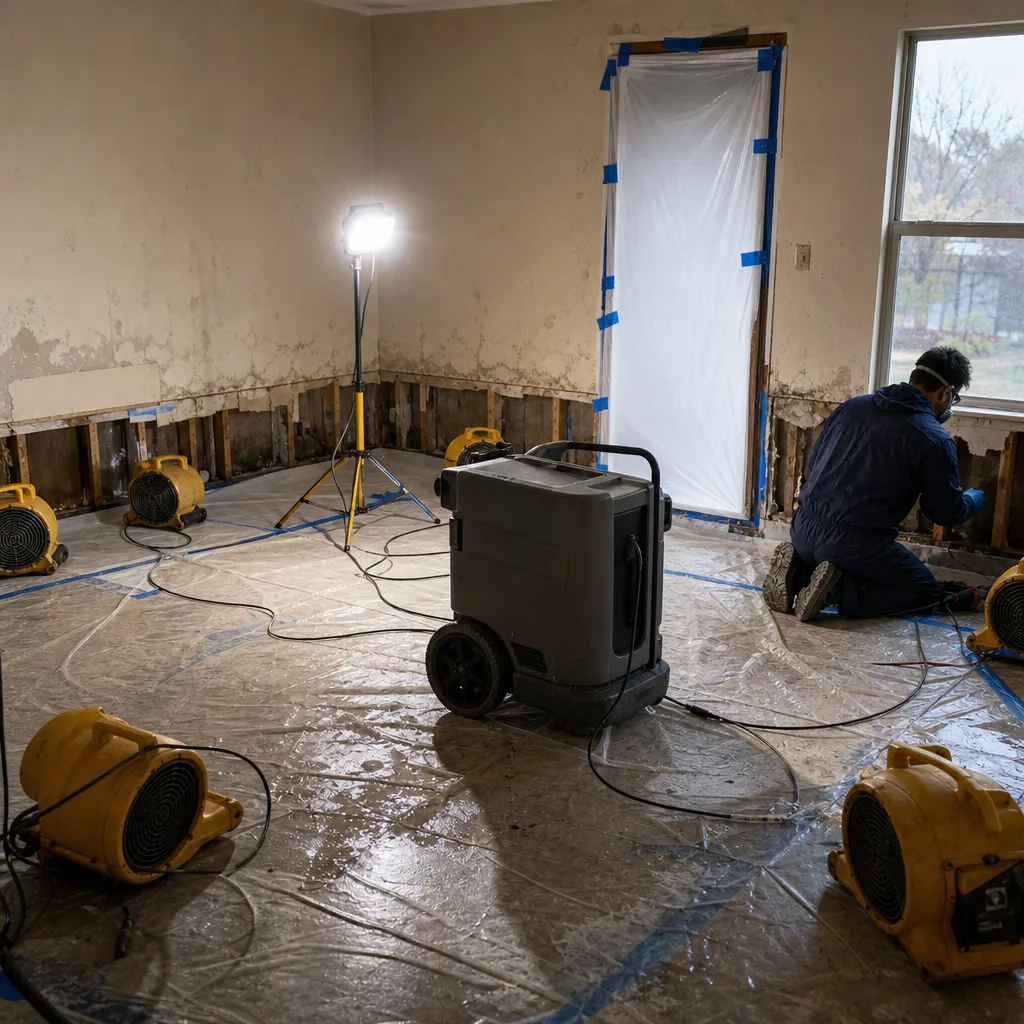
Poway’s summer temperatures regularly exceed 90°F from July through September, with attic spaces reaching 140°F or higher. This thermal load creates specific damage risks that most homeowners underestimate because the symptoms appear months later.
Plumbing System Stress
CPVC and PEX piping, common in Poway homes built between 1985 and 2010, expands and contracts with temperature swings. In summer, hot water lines running through attics experience repeated thermal cycling. By August, we’ve seen compression fittings loosen and develop micro-leaks that release only a few ounces of water daily, enough to raise humidity in wall cavities but not enough to produce visible staining.
The critical inspection window is July through August. We recommend a licensed plumber perform pressure testing on supply lines, particularly in homes with original plumbing over 15 years old. A static pressure test at 100 PSI for 15 minutes, documented with a photo of the gauge reading, creates a baseline. If pressure drops more than 5 PSI, there’s a leak path somewhere in the system.
Foundation and Soil Movement
Poway’s clay-loam soil shrinks dramatically when dry. In the Rancho Bernardo and Sabre Springs areas, we’ve measured foundation settlement of 1/4 inch or more during severe drought years. This movement opens cracks in stucco, separates window frames from walls, and creates gaps at slab edges where termiticide barriers degrade.
The practical task: walk your home’s exterior in early September, before Santa Ana winds begin, and photograph every crack with a ruler in frame for scale. Mark the crack ends with pencil. Check again in November after the first significant rain. If a crack has lengthened or widened, you have active movement that requires structural evaluation. This photo record becomes evidence if water intrusion develops later.
HVAC Condensate and Attic Moisture
Air conditioning systems in Poway run heavily from July through October. Condensate drain lines can clog with algae and dust, causing overflow into attic insulation. By September, we’ve removed saturated insulation with moisture readings above 60% wood moisture equivalent from attics where homeowners never noticed the problem because the heat dried the visible surfaces daily.
Monthly task: verify your condensate line flows freely. Pour a quart of water into the pan and confirm it exits at the exterior termination. Photo the flow. If your system uses a condensate pump, test the float switch by lifting it manually. A failed pump in August can deposit 20+ gallons daily into your attic space.
Key Takeaways for Dry-Heat Period
- Pressure-test plumbing in July-August; document gauge readings
- Photograph and measure exterior cracks in September; re-check after first rain
- Test condensate drainage monthly; verify pump float switches
- Schedule these tasks before Santa Ana season begins
September Through November: Santa Ana Wind Season
The Santa Ana winds arrive unpredictably between September and November, with sustained speeds of 25-40 mph and gusts exceeding 60 mph in Poway’s exposed terrain. These are dry, compressive winds that damage roofing and create immediate fire risk, but their restoration impact extends into the wet season through compromised building envelopes.
After every Santa Ana event, we receive calls from homeowners who discovered roof damage only when the first rain arrived weeks later. The wind lifted or shifted roofing materials, but the dry conditions meant no immediate interior symptoms. Water intrusion became apparent only with sustained rainfall.
The Three Post-Santa Ana Checks (Under 30 Minutes)
These three checks account for the majority of storm-prep oversights we document in inland San Diego communities:
- Roof flashing at penetrations: From the ground with binoculars, or from a ladder at the eave line if you’re comfortable, inspect the metal flashing around vents, chimneys, and skylights. Look for lifted edges, gaps where sealant has separated, or flashing that has pulled away from the vertical surface. Santa Ana winds create uplift pressure that peels flashing back from the deck. In Poway’s 4S Ranch and Old Coach neighborhoods, we’ve found that south-facing slopes take the brunt of easterly Santa Ana winds.
- Ridge cap and hip shingles: The ridge line is the highest wind-pressure zone on any roof. Check for missing, cracked, or displaced ridge cap shingles. These are often foam-adhered in addition to nails, and the adhesive fails before the nails pull. A gap at the ridge creates a direct water injection point during wind-driven rain.
- Attic ventilation screens: Turbine vents, ridge vents with external baffles, and gable-end louvers all use screening to exclude embers and pests. Santa Ana winds damage this screening or create gaps in the vent housing. Check from inside the attic with a flashlight: daylight visible around vent penetrations indicates a breach that admits both water and fire risk. In Poway’s wildland-urban interface zones, this is also a critical fire-hardening item.
Document each check with dated photos. If you find damage, photograph before any temporary repair. These images establish pre-existing condition if an insurance claim becomes necessary.
Fire Risk and Immediate Preparation
Santa Ana conditions coincide with peak fire season. If you live in Poway’s eastern areas near Blue Sky Ecological Reserve or the Poway Grade, maintain defensible space clearance before September. Post-fire, burned vegetation creates a separate water damage risk we’ll address in the next section.
October: Pre-Rain Drainage and Exterior Prep
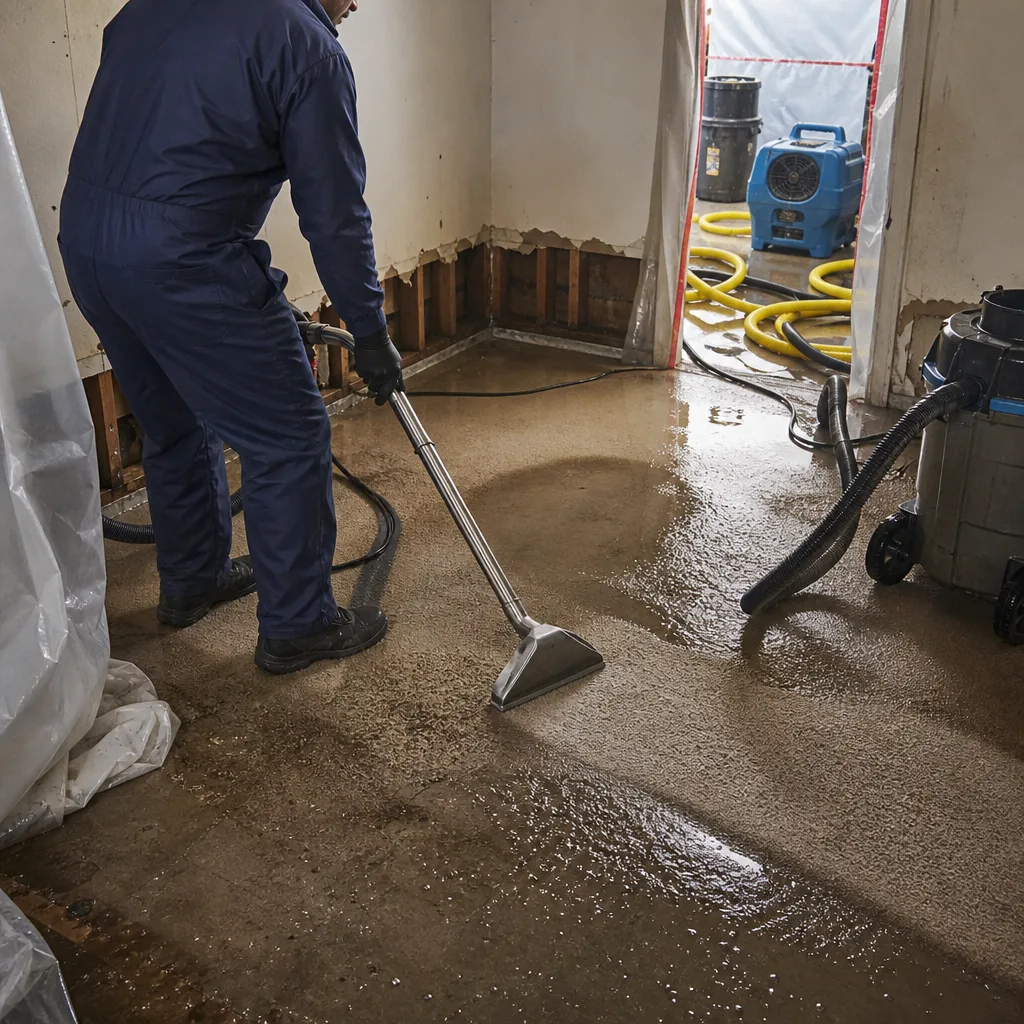
October is Poway’s narrowest maintenance window: after Santa Ana risk but before reliable rainfall. Everything exterior must be verified this month.
Gutter and Downspout Function
Poway’s sparse tree cover means gutters fill with granules from asphalt shingles, dust, and occasional oak leaf fall rather than heavy debris. This fine material packs into downspout elbows and creates blockages that overflow during intense rain events. Our Water Damage Restoration in Poway crews regularly find water damage at foundation lines directly below clogged downspouts.
Task: flush every downspout with a garden hose at full pressure. Water should exit freely at the termination. If flow is restricted, disassemble the elbow and clear the obstruction. Check that downspouts extend at least 6 feet from foundation or connect to underground drainage. In Poway’s hilly terrain, many homes have downspouts that daylight on slopes; verify these outlets remain clear of erosion deposits.
Keep your gutter cleaning receipt and photo the clear downspout flow. This documentation proves maintenance if a claim arises from overflow.
Grading and Surface Drainage
After months of dry shrinkage, soil may have settled away from foundation perimeters, creating negative grade that directs water toward the structure. Walk the perimeter in October and verify soil slopes away at minimum 6 inches in the first 10 feet. Fill settled areas with compactable soil, not loose mulch that will wash away.
Check window wells, particularly for basement or walk-out lower levels. Poway’s clay-loam becomes impermeable when saturated, and window wells without proper drainage become cisterns. Verify gravel depth, drain function, and that the well cover is intact.
Irrigation System Winterization
Even in Poway’s mild climate, irrigation systems should be drained and valve boxes inspected in October. Broken sprinkler heads create soil saturation zones near foundations. Timer malfunctions that run systems during rain events waste water and create hydrostatic pressure against basement and slab edges.
November Through March: Compressed Wet Season
Poway’s rainfall concentrates dramatically. January alone averages 2.8 inches, and multi-inch storms arrive with atmospheric river events that overwhelm systems designed for drizzle. This is when prevention documentation gets tested and when rapid response matters most.
Post-Storm Interior Checks
After every significant storm (0.5 inches or more in 24 hours), perform a targeted interior inspection within 48 hours:
- Check ceiling surfaces at all roof penetrations and along ridgelines with a flashlight at an angle; early water staining appears as slight texture change before color change
- Smell-test closets and cabinets on exterior walls; trapped moisture produces a distinct earthy odor before visible mold growth
- Monitor baseboards on lower levels for swelling or separation from wall surfaces
- Check garage and utility areas where slab meets foundation walls; these are common entry points when hydrostatic pressure builds
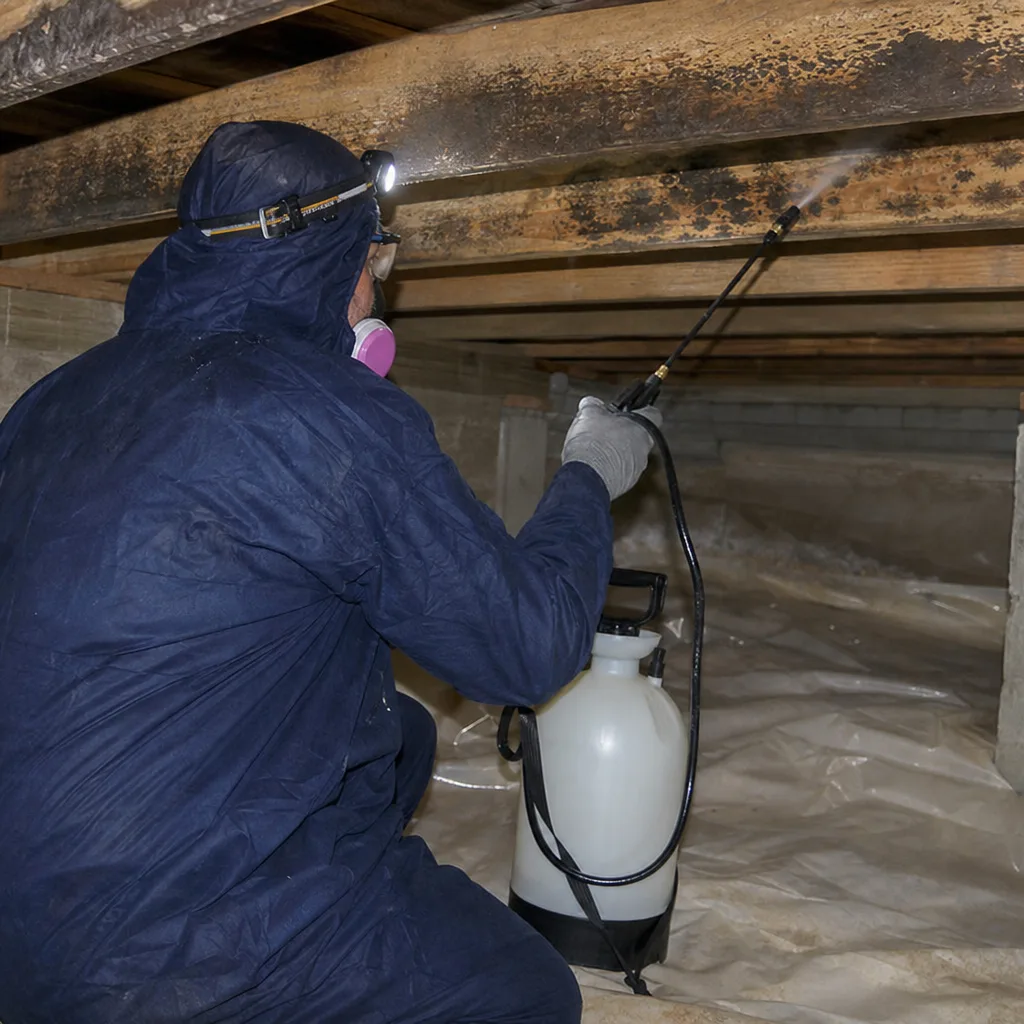
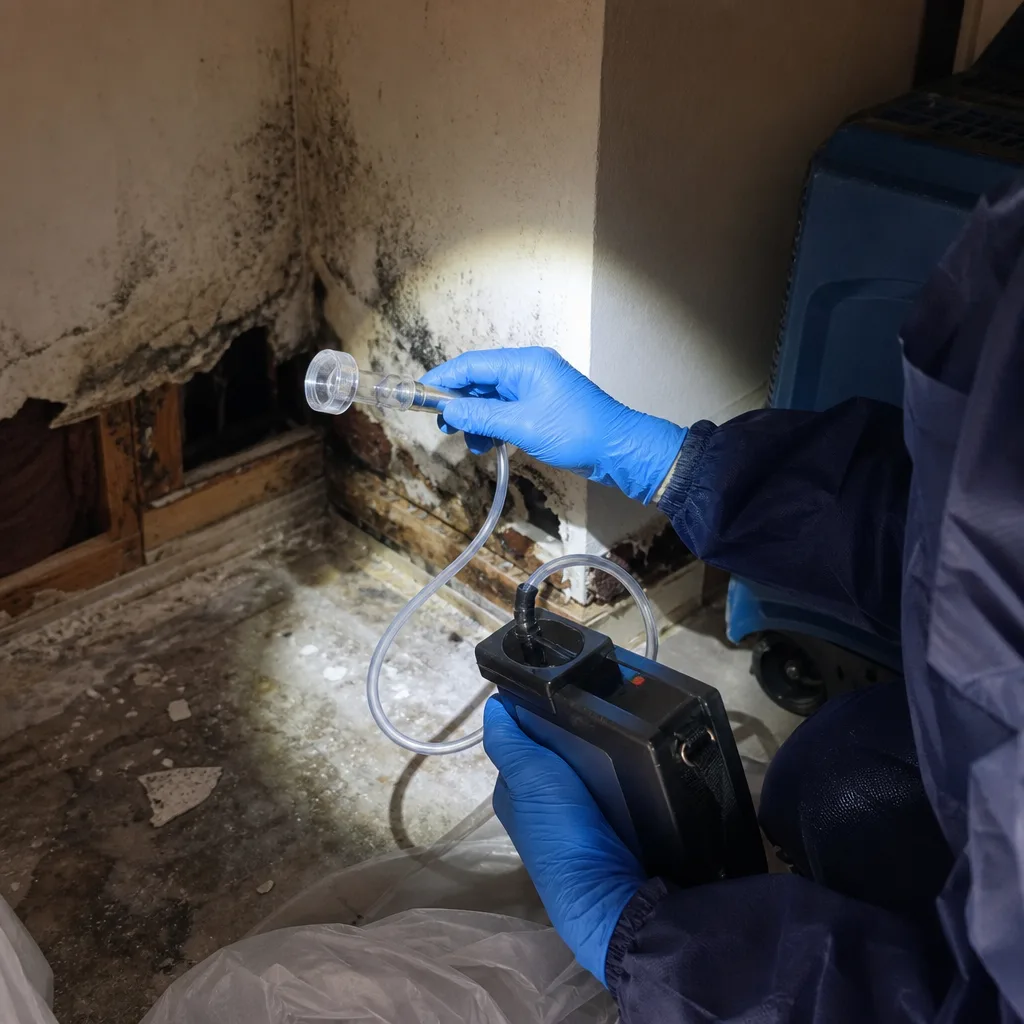
If you find any indicator, document with photo and call for professional moisture assessment. Mold Remediation in Poway becomes necessary when moisture remains above 16% wood moisture equivalent for more than 48 hours. Our crews use thermo-hygrometers and non-invasive moisture meters to map affected areas without destructive inspection.
Foundation Movement Re-Check
Remember those cracks you photographed and marked in September? Check them again after the first significant rain series. Clay-loam expansion as it rehydrates can close cracks, but it can also create new stress patterns. If previously stable cracks have lengthened, or if doors that closed properly in October now stick, you have active seasonal movement requiring structural evaluation.
Attic and Crawl Space Ventilation
Wet season humidity in Poway can reach 80%+ during storm sequences. Attics and crawl spaces need adequate ventilation to prevent condensation on cool surfaces. Verify that vents are unobstructed by insulation or storage items. In crawl spaces, check vapor barrier integrity; tears or displacement allow soil moisture to evaporate into the structure.
When Water Intrusion Occurs
If you discover active water intrusion, speed of documentation and response determines both damage extent and claim outcome. Our process at DryMark Restoration Poway: a written scope and price before any work begins (Haven Standard, Clause 1), photo documentation on every visit, and daily moisture logs using equipment from Phoenix and XPOWER drying systems tracked to IICRC standards. This documentation package is designed for direct adjuster submission.
The Wildfire-Damage-to-Water-Damage Pipeline
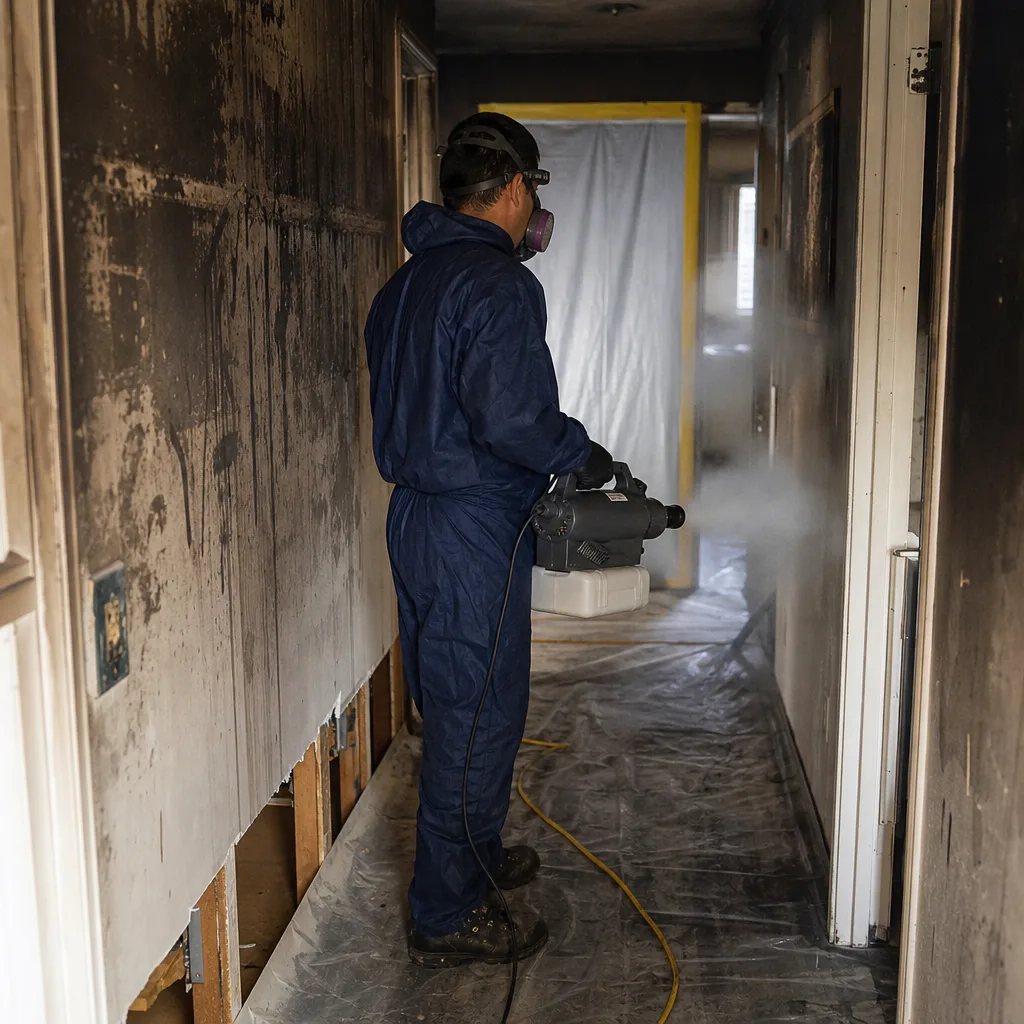
Poway’s eastern brush zones, including areas near Lake Poway and the Cleveland National Forest boundary, have experienced significant wildfire events. The 2007 Witch Creek Fire burned extensively in eastern Poway, and smaller brush fires occur regularly in dry years. Burn scars create a distinct damage restoration pathway that most homeowners and many contractors miss entirely.
When vegetation burns, the waxy cuticle that allows leaves to shed water is destroyed. Ash and char form a hydrophobic layer on soil surfaces. In subsequent wet seasons, rainfall that previously infiltrated gradually now runs off at velocity, carrying ash, sediment, and debris. This increased runoff volume and speed overwhelms residential drainage systems designed for pre-fire hydrology.
We’ve documented this repeatedly in Poway’s fire-affected areas. A home that never experienced drainage problems before fire may see foundation flooding, overwhelmed French drains, and sediment deposition in window wells during the first wet season after burn. The damage mechanism is hydrologic, not structural, but the restoration response must address both water damage and the altered drainage environment.
If your property is in or near a burn scar zone, your October prep should include:
- Professional assessment of drainage capacity with post-fire hydrology assumptions
- Sediment traps or improved filtration at drain inlets
- Enhanced gutter protection; ash particles are finer than typical debris and penetrate standard screens
- Documentation of pre-wet-season drainage function with video of flow rates
Insurance claims for post-fire water damage often face coverage disputes about causation. Documentation that distinguishes fire-altered hydrology from maintenance failure is essential. We provide this documentation as standard practice, including georeferenced photo records and written hydrologic observations.
Documentation That Pays: What to Keep and Why
The single largest gap we see in homeowner insurance claims is inadequate documentation of maintenance and pre-loss condition. Adjusters are trained to look for evidence that damage resulted from long-term neglect rather than sudden, accidental causes. Your maintenance record is your rebuttal.
Documents Worth Keeping Permanently
- Gutter cleaning receipts with date and service description: Proves drainage maintenance; keep 5 years minimum
- Roof inspection reports with photos: Establish roof condition and maintenance; critical for wind and water claims
- Plumber pressure-test records with gauge readings: Demonstrate plumbing system integrity at a specific date
- Foundation crack monitoring photos with dates and measurements: Distinguish pre-existing settlement from new damage
- HVAC maintenance records including condensate line cleaning: Rebut claims of neglected moisture source
- Landscaping/irrigation service records: Show proper drainage management and slope maintenance
How We Document Restoration Work
At DryMark Restoration Poway, every job produces four standard documents: a written scope and price signed before work begins (Haven Standard, Clause 1), a photo record from every site visit with timestamps, daily drying logs with psychrometric data (temperature, relative humidity, vapor pressure differential, and grain depression), and a signed 365-Day Done Right Promise under The Haven Standard. This package goes directly to your adjuster as claim support.
Psychrometric data, for those unfamiliar: it’s the measurement of how much moisture air can hold at a given temperature, and how effectively our drying equipment is changing that capacity. We track it because adjusters understand it, and because it proves our drying process met professional standards rather than guesswork.
If you have a competitor’s estimate for restoration work, we offer a Free Second Opinion review at no charge. We’ve found that estimates lacking itemized drying equipment, daily monitoring commitments, or written moisture targets often result in incomplete drying and secondary damage.
Your Month-by-Month Action Calendar
| Month | Primary Task | Documentation to Create |
|---|---|---|
| January | Post-storm interior inspection; check for delayed leaks from December storms | Photo any new stains or odors; note dates of storms preceding discovery |
| February | Mid-wet-season drainage check; verify gutters and downspouts handling ongoing rain | Video of downspout flow during active rain |
| March | Final wet-season inspection; assess any water intrusion before dry season begins | Complete moisture mapping if any suspicion of trapped water |
| April-May | Spring maintenance window; schedule deferred repairs identified during wet season | Contractor estimates and completion photos |
| June | Early heat check; verify attic ventilation before peak temperatures | Temperature readings at attic peak; photo ventilation paths |
| July-August | Plumbing pressure test; HVAC condensate verification | Plumber’s gauge reading photo; condensate flow video |
| September | Pre-Santa Ana exterior inspection; photograph and measure all cracks | Dated crack photos with ruler; marked crack endpoints |
| October | Pre-rain drainage clearance; gutter flush; grading verification; irrigation winterization | Receipts; downspout flow video; grade slope verification |
| November | First-rain response; execute post-storm checks within 48 hours | Interior inspection photos; any new damage documented before repair |
| December | Peak wet-season vigilance; monitor for storm sequence damage | Continuous documentation of any incidents |
Common Mistakes to Avoid
- Assuming Poway’s dry climate means water damage risk is low. The compression of rainfall into a short window means individual storms produce more damage per event than in wetter climates where systems stay practiced at handling water.
- Waiting for visible staining before investigating moisture. By the time drywall shows water staining, insulation and framing have been wet for days or weeks. Use smell and touch (cool spots on walls) as early indicators.
- Cleaning gutters without flushing downspouts. Clear gutters overflow from blocked downspouts just as readily as from full gutters. The elbow at the downspout top is the most common blockage point.
- Ignoring foundation cracks as merely cosmetic. In Poway’s expansive clay-loam, crack patterns indicate soil moisture cycles. Active cracks are water entry points and structural indicators, not aesthetic issues.
- Failing to document pre-existing conditions before repairs. Insurance adjusters photograph undamaged areas to establish baseline; homeowners should do the same for maintenance. A repair without “before” photos is a claim without evidence.
- Using unlicensed contractors for emergency response. California requires water damage restoration contractors to hold a C-61/D-49 license for sanitation systems or appropriate general building license. Unlicensed work voids many insurance policies and produces no documentation adjuster will accept.
- Accepting verbal estimates or scope changes. Haven Standard, Clause 1 exists because we’ve seen what happens when scope expands without written authorization: disputed invoices, incomplete work, and homeowners caught between contractor and insurer. Every change belongs in writing.
When to Call a Professional
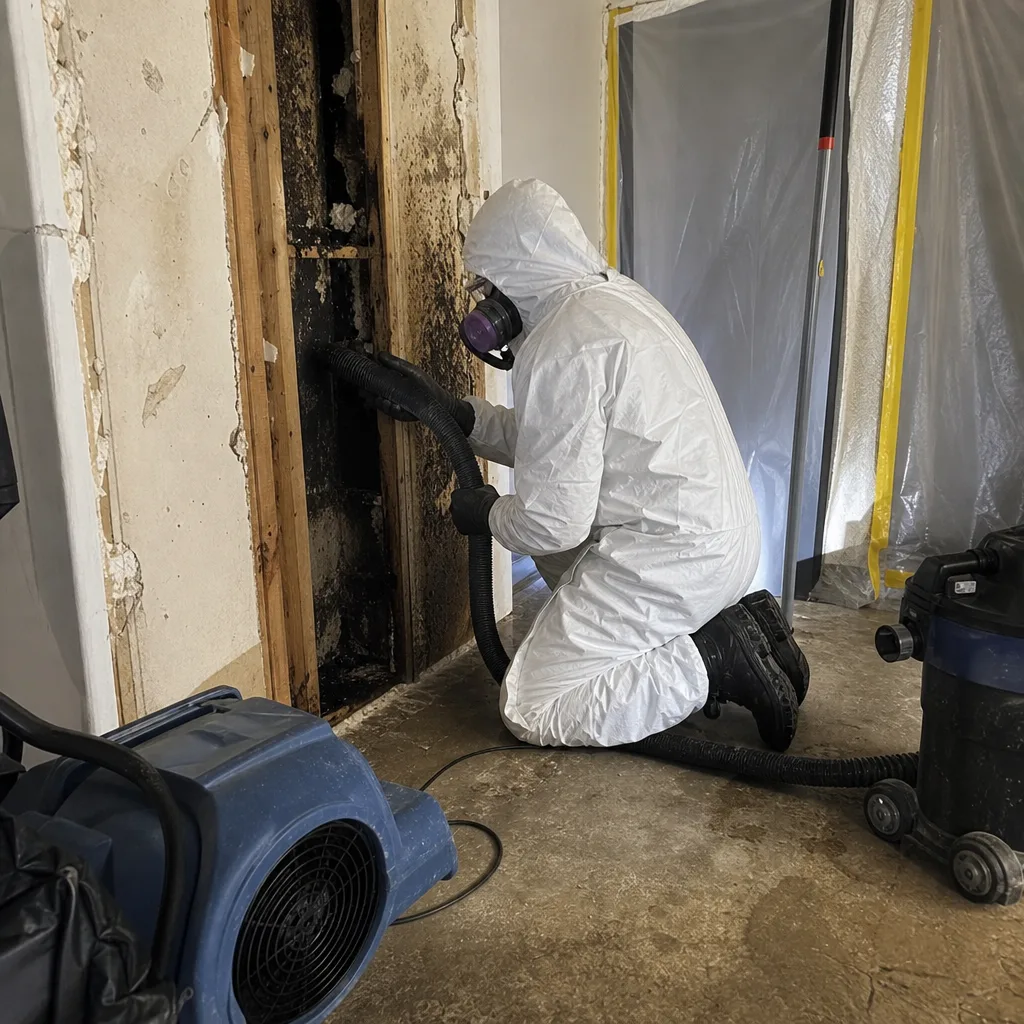
Call for professional assessment when you discover moisture readings above 16% on wood surfaces, visible mold growth of any size, water staining that reappears after cleaning, or foundation cracks that lengthen between your seasonal checks. These indicators suggest active problems that DIY approaches typically miss or worsen.
Call immediately for emergency response when you have standing water in living spaces, sewage backup, water contact with electrical systems, or structural damage from wind or falling trees. These situations carry safety risks and accelerate damage with every hour of delay.
DryMark Restoration Poway offers free estimates in Poway. A trained technician will document conditions with photo and moisture readings, provide a written scope and price before any work begins, and explain what documentation your insurer will need. Call (858) 683-1768 to schedule. For Fire & Smoke Damage Restoration in Poway or any emergency, live phone coverage is available 24 hours a day, 7 days a week with no voicemail on emergency lines.
Frequently Asked Questions
Professional seasonal inspections in Poway typically range from $150 for a focused plumbing pressure test to $400-$600 for a comprehensive exterior and drainage assessment with written documentation. See our Damage Restoration Cost Breakdown: The Poway Homeowner’s Reference for 2026 for detailed pricing scenarios. DIY prevention tasks, gutter cleaning and downspout flushing, run $100-$250 if hired out. The cost of documented prevention is typically 5-10% of average water damage restoration. DryMark Restoration Poway provides free estimates for any concern; call (858) 683-1768.
Insurance covers sudden and accidental water damage, not damage from long-term neglect. If an adjuster determines that failure to clear gutters, repair known roof damage, or address visible cracks contributed to the loss, they may deny or reduce the claim. Your maintenance documentation, receipts, and inspection photos are the evidence that distinguishes sudden damage from gradual deterioration. We review this documentation with every homeowner during our initial assessment.
For emergency water damage, DryMark Restoration Poway maintains live phone coverage 24 hours a day, 7 days a week with no voicemail on emergency lines. Dispatch response depends on current event volume and your location within our service area. For non-emergency assessments, we typically schedule within 24-48 hours. Reconstruction and non-urgent remediation are scoped, scheduled, and priced in writing like any remodel; we do not promise same-day service for work that requires material ordering and permit coordination.
Surface mold growth of less than 10 square feet on non-porous materials may be addressed with appropriate cleaning and moisture source elimination. Growth exceeding 10 square feet, any growth on porous materials like drywall or insulation, or any growth in HVAC systems requires professional remediation under IICRC S520 standards. We test moisture levels and air quality to determine the appropriate response, documented with a written scope before work begins. Call (858) 683-1768 for assessment.
Poway’s inland location features clay-loam soils with higher plasticity than coastal sandy soils. These clays expand significantly when wet and shrink when dry, creating more dramatic seasonal foundation movement. Coastal foundations typically settle gradually; Poway foundations cycle seasonally, opening and closing cracks predictably. This means crack monitoring is more informative here than in coastal areas, and drainage management more critical to stability.
At DryMark Restoration Poway, documentation for adjuster submission is standard on every job, never an upsell. You receive: a written scope and price before work begins (Haven Standard, Clause 1), georeferenced and timestamped photos from every visit, daily drying logs with psychrometric data from our Phoenix and XPOWER equipment tracked to IICRC standards, and a completed certificate of dryness with final moisture readings. We coordinate directly with adjusters when authorized, or provide the complete package to you for submission. The 365-Day Done Right Promise under The Haven Standard provides claimable warranty documentation as well.
The Bottom Line
Poway’s damage calendar runs on two seasons, not four. Dry-heat stress from June through October cracks foundations and degrades plumbing; compressed wet-season saturation from November through March exploits those weaknesses. Your prevention strategy front-loads inspection and documentation into September and October, then shifts to rapid response and monitoring through winter. The maintenance tasks are straightforward; the discipline is doing them when conditions are calm, not when storms compress every contractor’s schedule. Keep receipts, take dated photos, and verify every system before you need it. If damage occurs despite preparation, documented maintenance strengthens your claim and documented restoration work gets it paid.
Written by Alicia Brennan, Owner at DryMark Restoration Poway, serving Poway since 2011.