
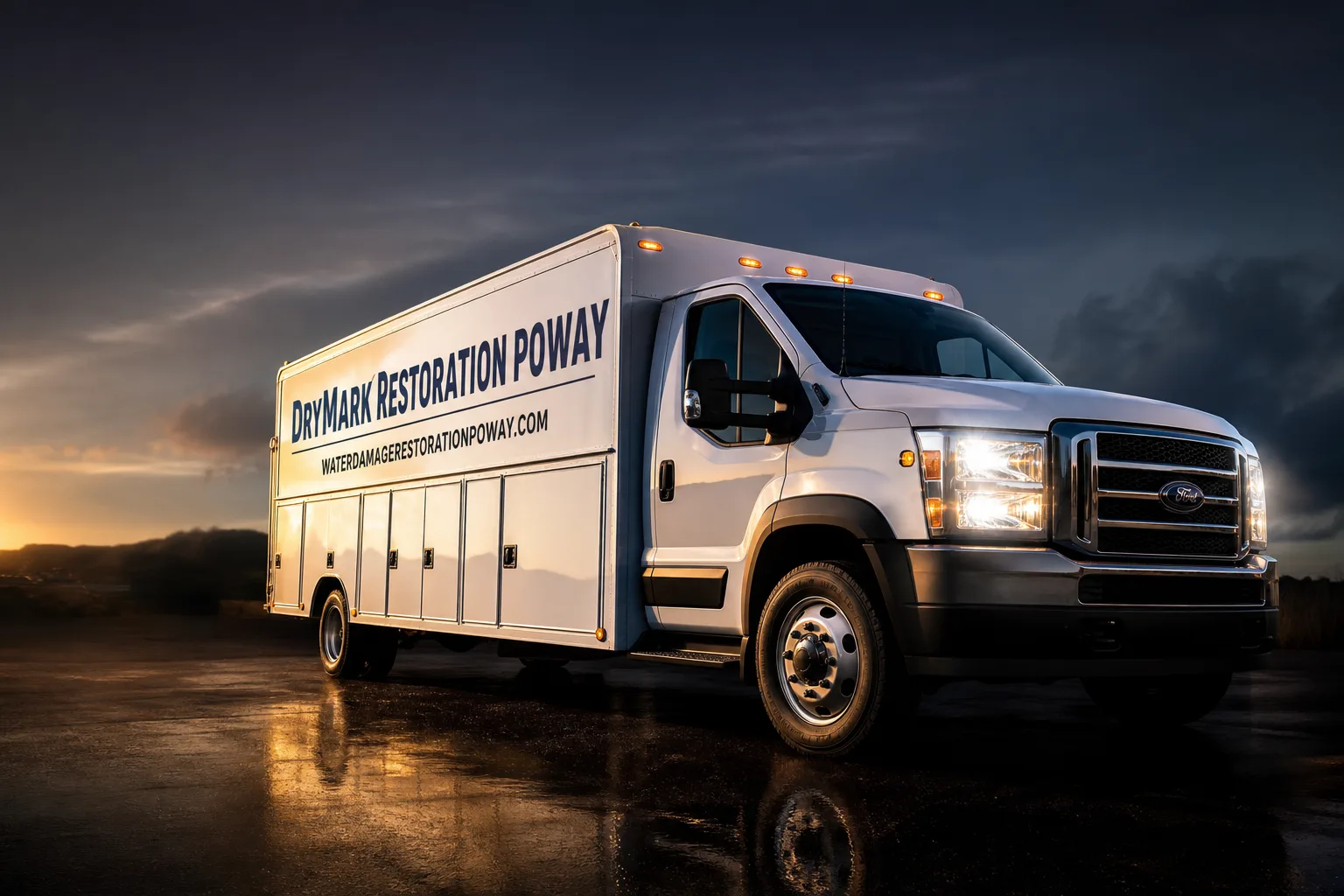
Free visual inspection and a written scope of work before any mitigation begins - photos, moisture readings, and drying logs go in your claim file
The scope we write is the scope we bill. Anything new gets shown to you, in writing, before we touch it.
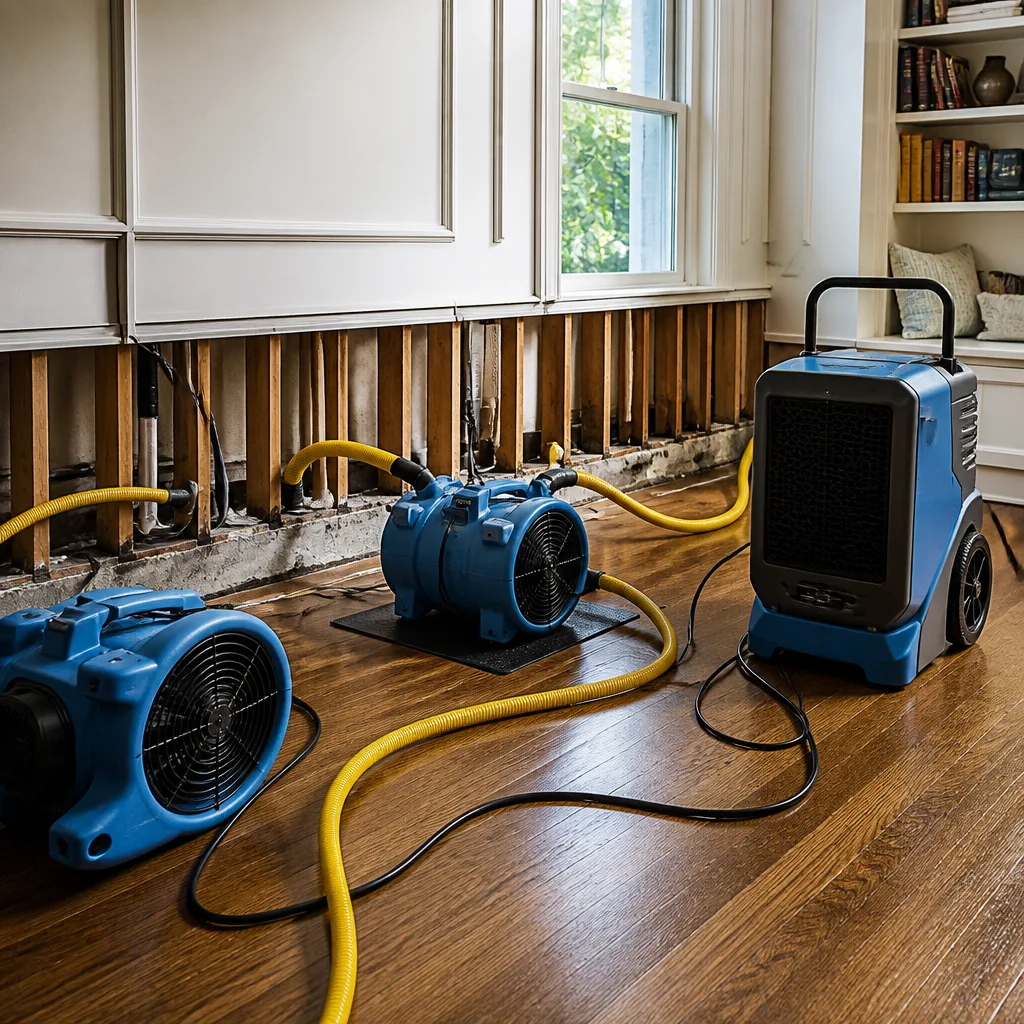
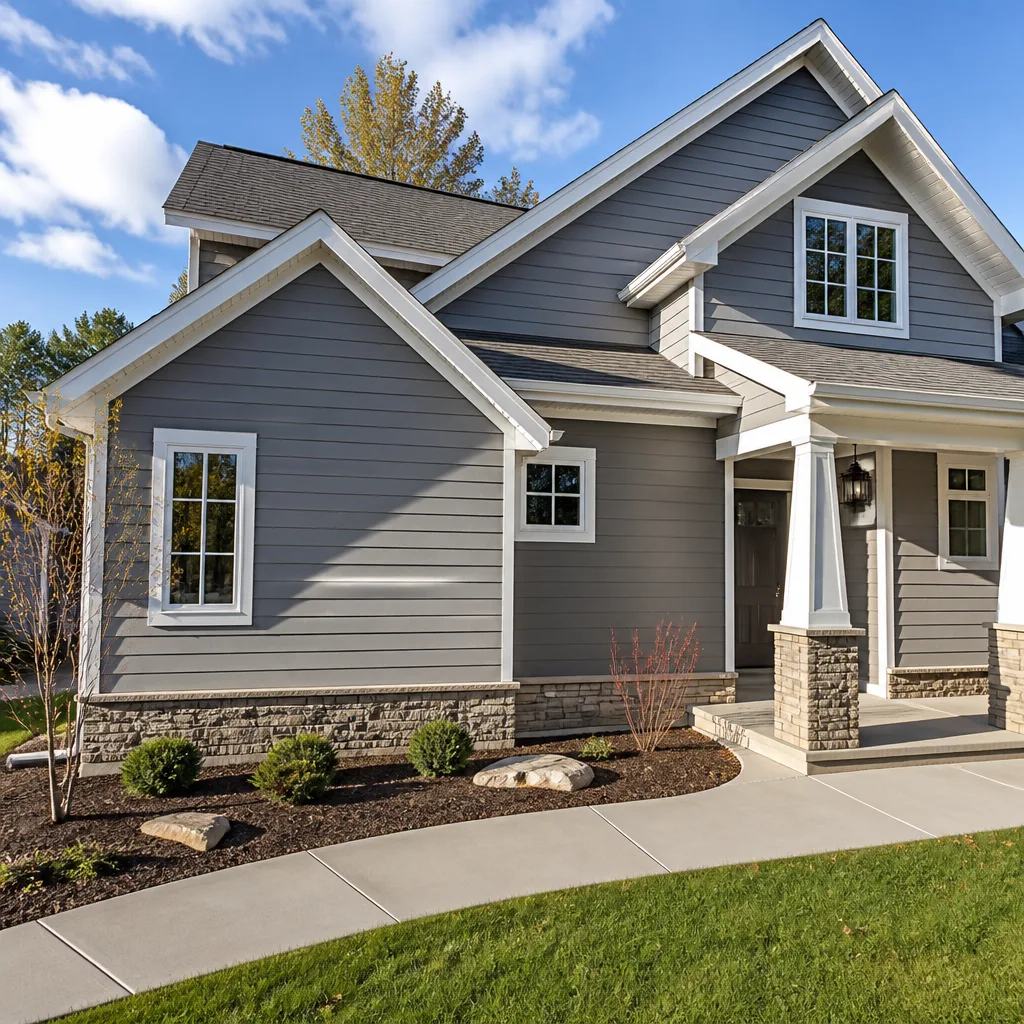
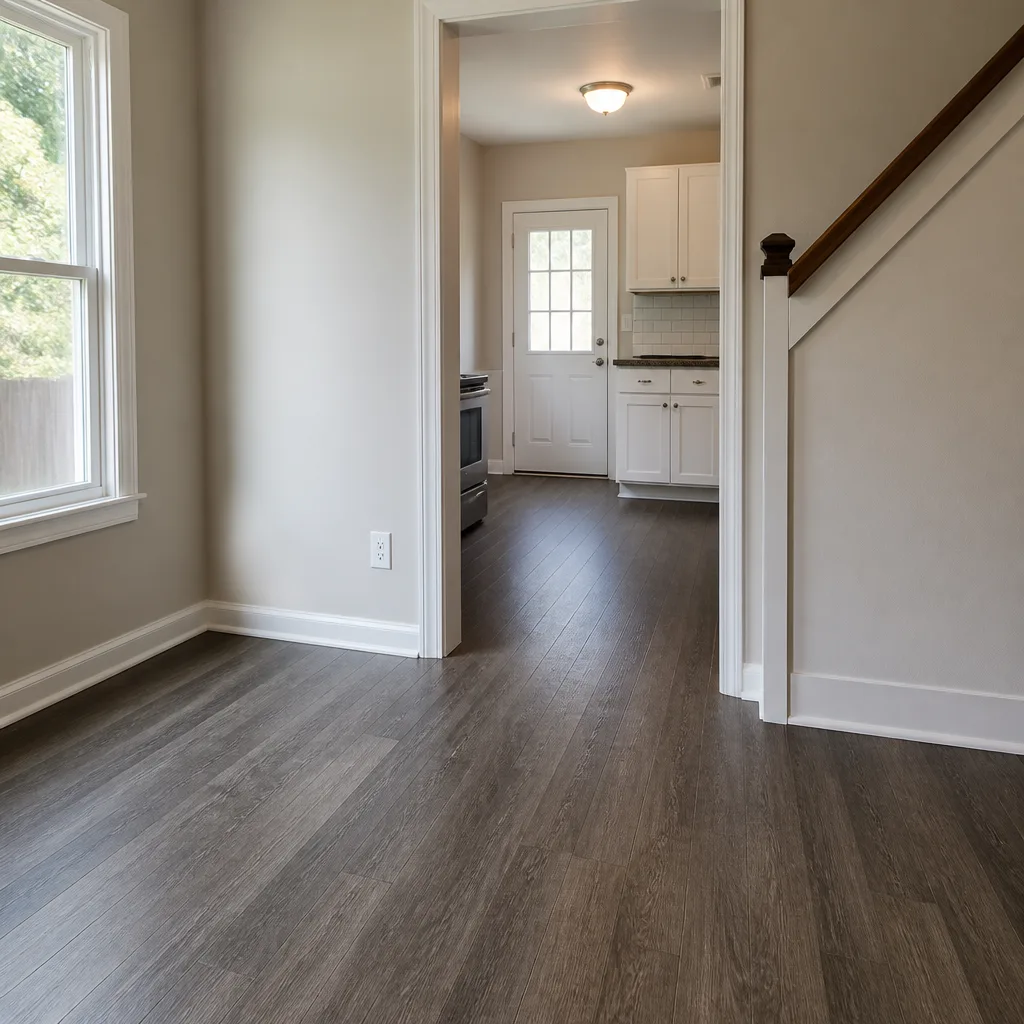

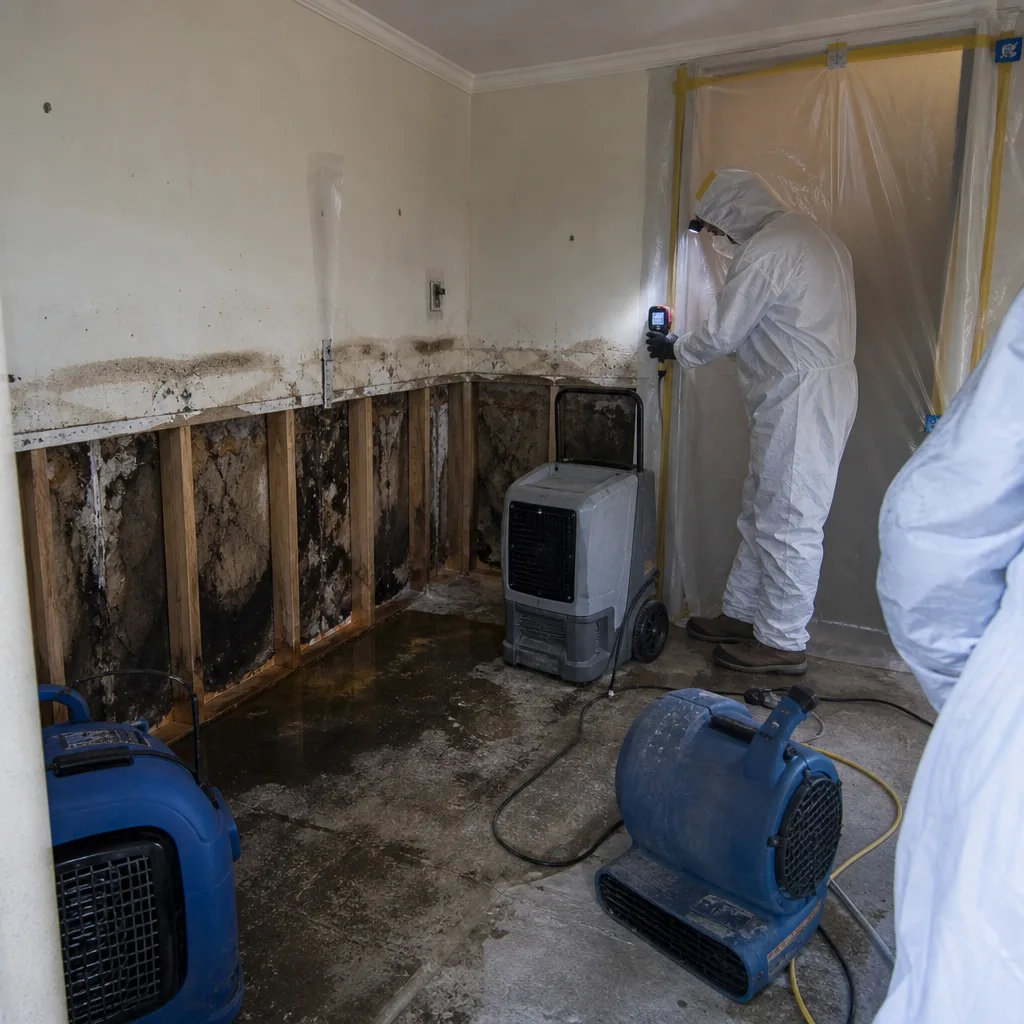 Before
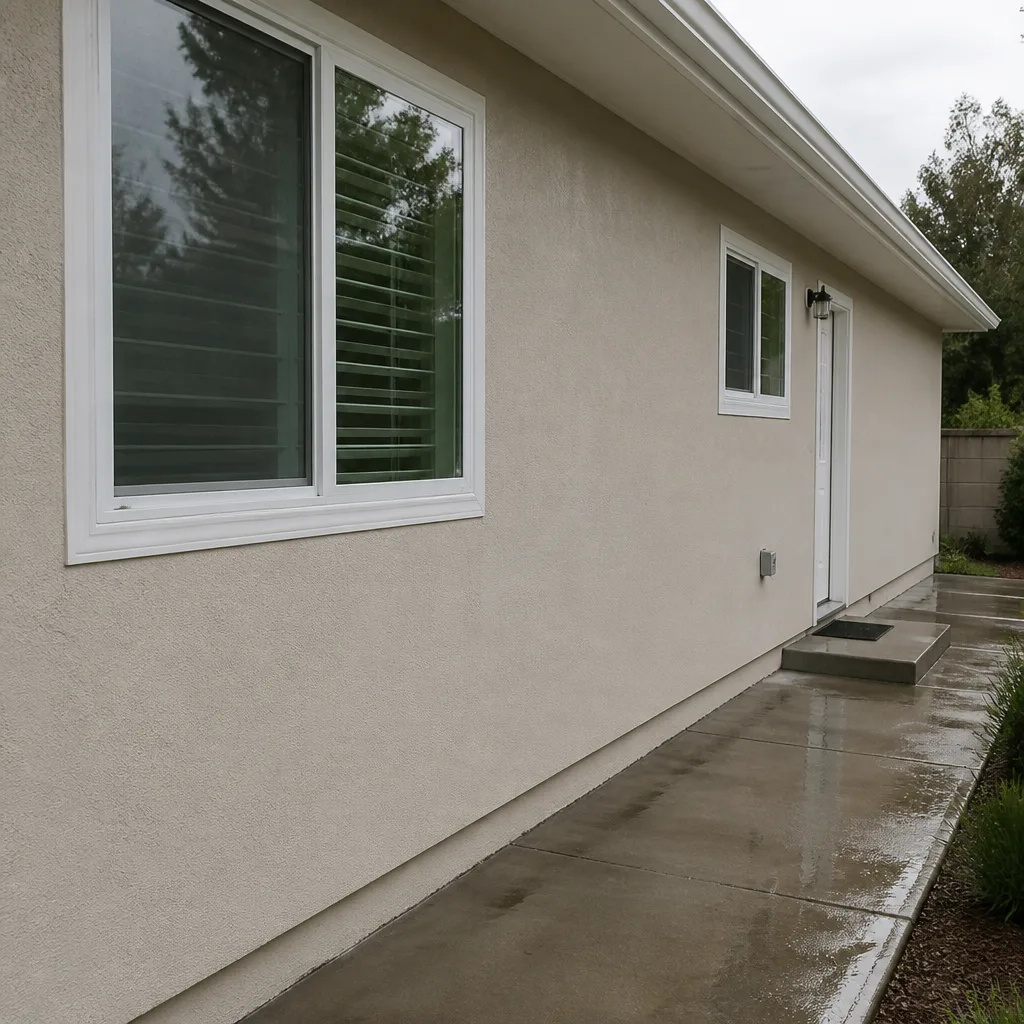 After
After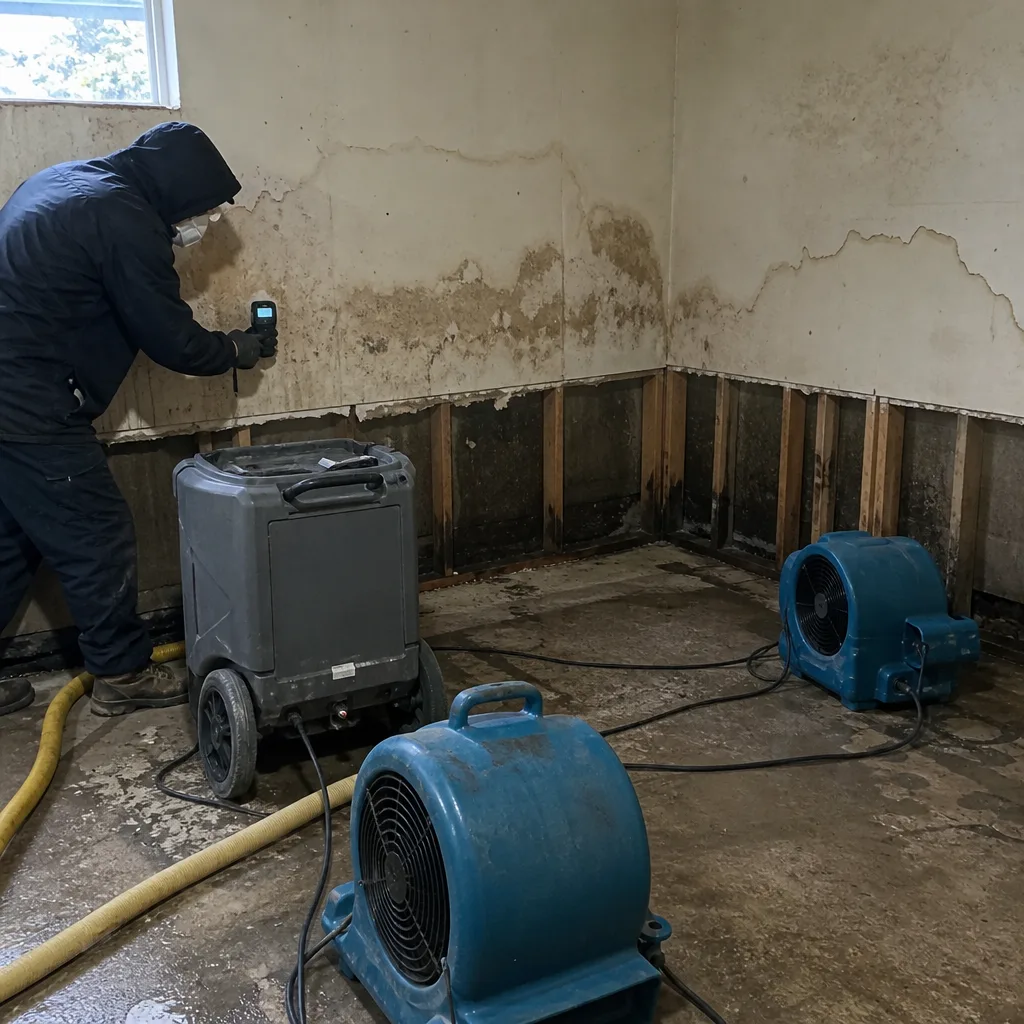 Before
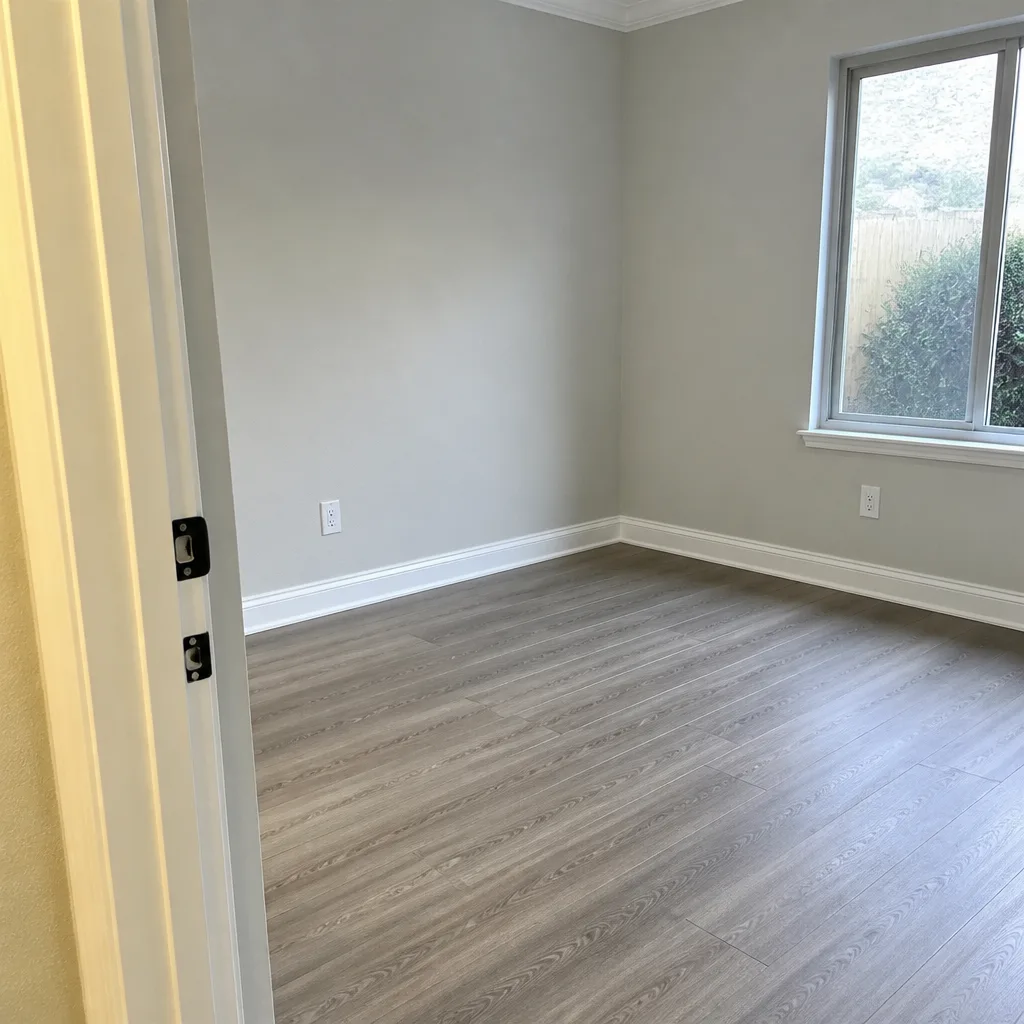 After
After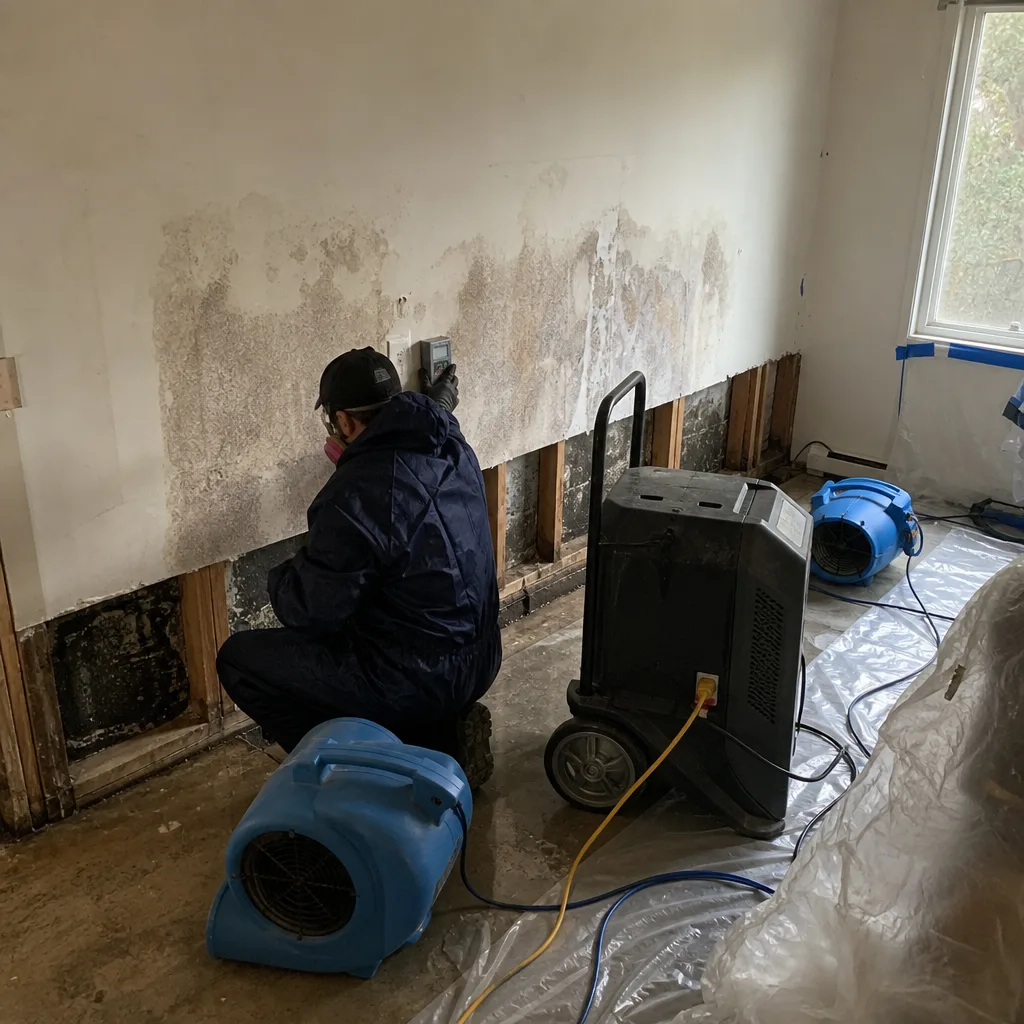 Before
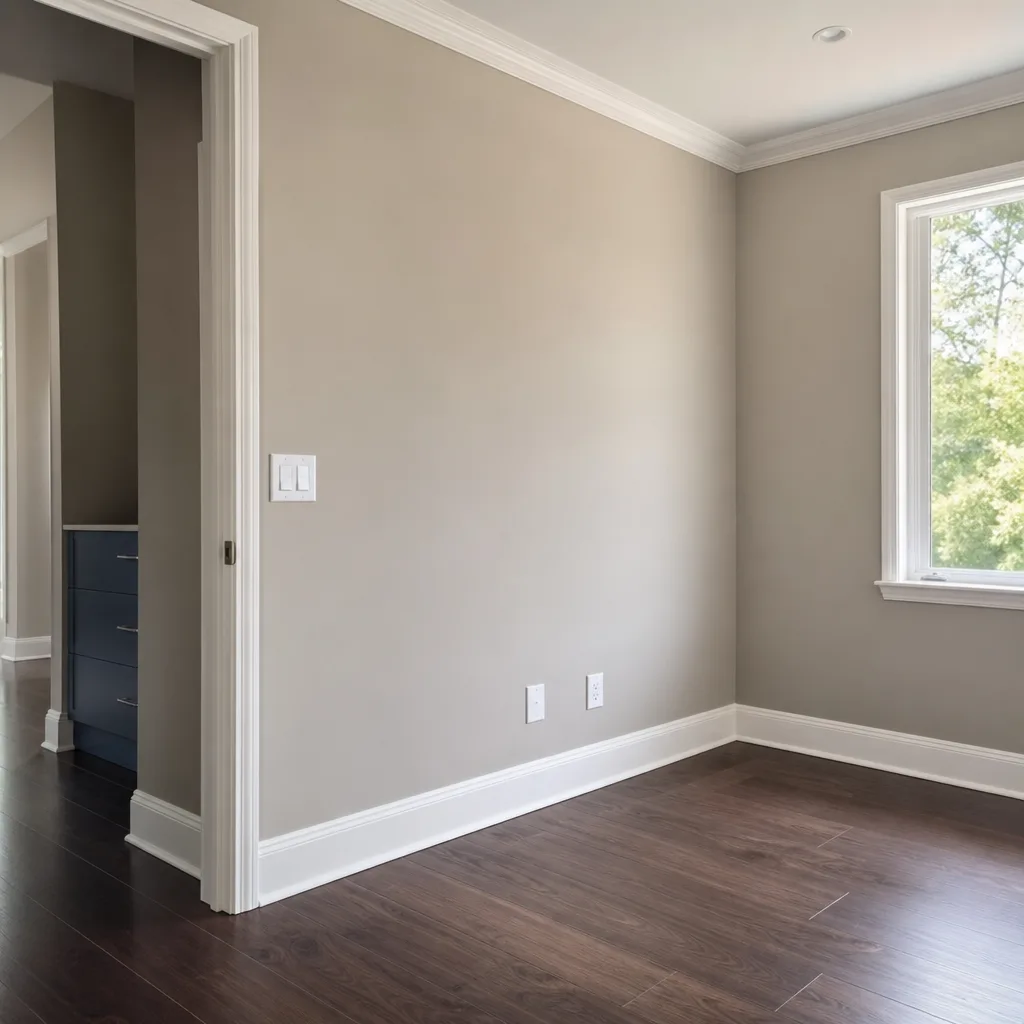 After
After24/7 Emergency Water Damage Restoration in San Diego
Water damage restoration in San Diego typically runs $2,800-$7,500 for a standard residential mitigation, with emergency extraction starting at $450-$950 and full structural drying adding $1,800-$4,200 depending on affected square footage and category of water. Most San Diego homeowners who call (858) 683-1768 reach a live person in under 30 seconds, and our crews are dispatched from the San Diego office within the hour for active leaks, flooding, or sewage backup. The first hour determines whether water migrates from a single room into wall cavities, subfloors, and HVAC systems; every minute of delay adds square footage to the drying scope and dollars to the final invoice. We answer live 24 hours a day, 7 days a week, because water does not wait for business hours and neither do we.
Understanding Water Damage Restoration Severity in San Diego Properties
Water damage in San Diego falls into three categories under IICRC S500 standards, and misidentifying the category is where claims get denied and homeowners get stuck with out-of-pocket rebuilds. Category 1 is clean water from a broken supply line or overflowing sink; left untreated beyond 24-48 hours, it degrades to Category 2. Category 2, or “gray water,” carries chemical or biological contaminants from dishwasher discharge, washing machine overflow, or compromised sump pumps. Category 3, “black water,” includes sewage backup, ground surface flooding, or any water that has passed through soil or the waste stream. San Diego’s 1950s-1980s stucco-over-wood-frame tract homes in Rancho Bernardo, Mira Mesa, and El Cajon are particularly vulnerable to category escalation because stucco conceals saturation behind the exterior skin, allowing Category 1 roof leaks to fester into Category 2 wall-cavity contamination before any visible staining appears.
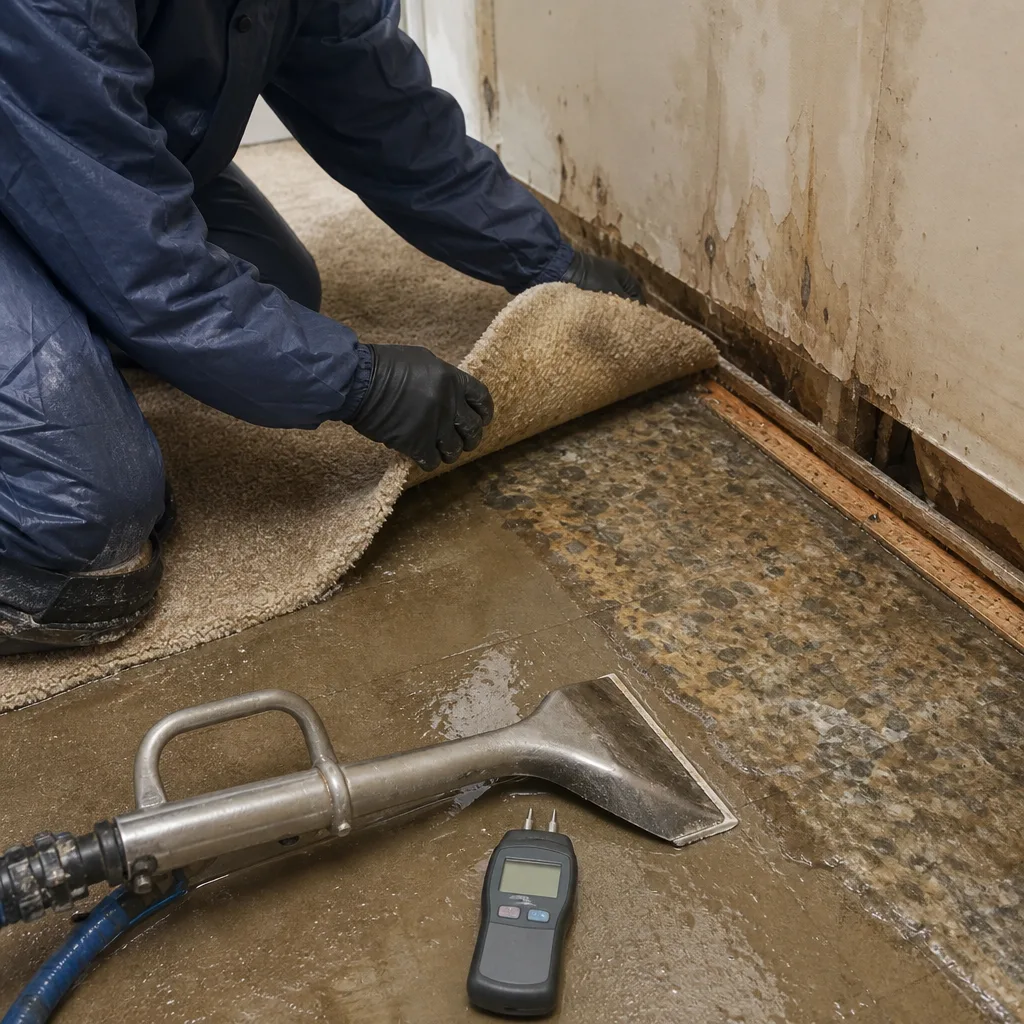
Moisture mapping with thermal imaging and pinless moisture meters lets us trace migration paths through these concealed assemblies. Psychrometric data, temperature, relative humidity, and vapor pressure differential, tells us how aggressively to set our drying environment. Tertiary drying targets the bound moisture in dense structural materials like subfloors and sill plates that primary air-movement alone cannot reach. In older 1920s-1940s Craftsman bungalows in North Park and South Park, we often find original redwood or Douglas fir framing that holds moisture differently than modern kiln-dried lumber, requiring adjusted drying protocols and longer monitoring periods.
Why San Diego Property Owners Choose DryMark Restoration Poway
- 45-minute response commitment to active water loss calls within San Diego city limits, measured from dispatch confirmation to crew arrival, not from the moment you hang up.
- 24/7 live answer by a real person, never an automated system or voicemail tree, because water at 2:00 a.m. deserves the same urgency as water at 2:00 p.m.
- IICRC-certified crews holding WRT (Water Damage Restoration Technician), ASD (Applied Structural Drying), and AMRT (Applied Microbial Remediation Technician) credentials, with license numbers verified and documented before any technician enters your home.
- Free visual inspection and moisture assessment with no obligation; we will tell you if the damage is within your capacity to handle without professional drying.
- Direct insurance billing and adjuster coordination from day one, with photo-documented scopes that match the estimating platforms carriers actually use.
- One team from extraction through reconstruction, eliminating the finger-pointing that occurs when one contractor dries and another rebuilds.
 Before
 After
AfterOur Water Damage Restoration Process
1. Inspection & Assessment
We arrive with thermal imaging cameras, pin and pinless moisture meters, and hygrometers to map the full extent of water migration. In San Diego’s stucco tract homes, we pay particular attention to wall cavities where exterior water intrusion travels horizontally along bottom plates before showing visible damage. You receive a written scope and price before any equipment is powered on, Haven Standard, Clause 1.
2. Water Extraction & Stabilization
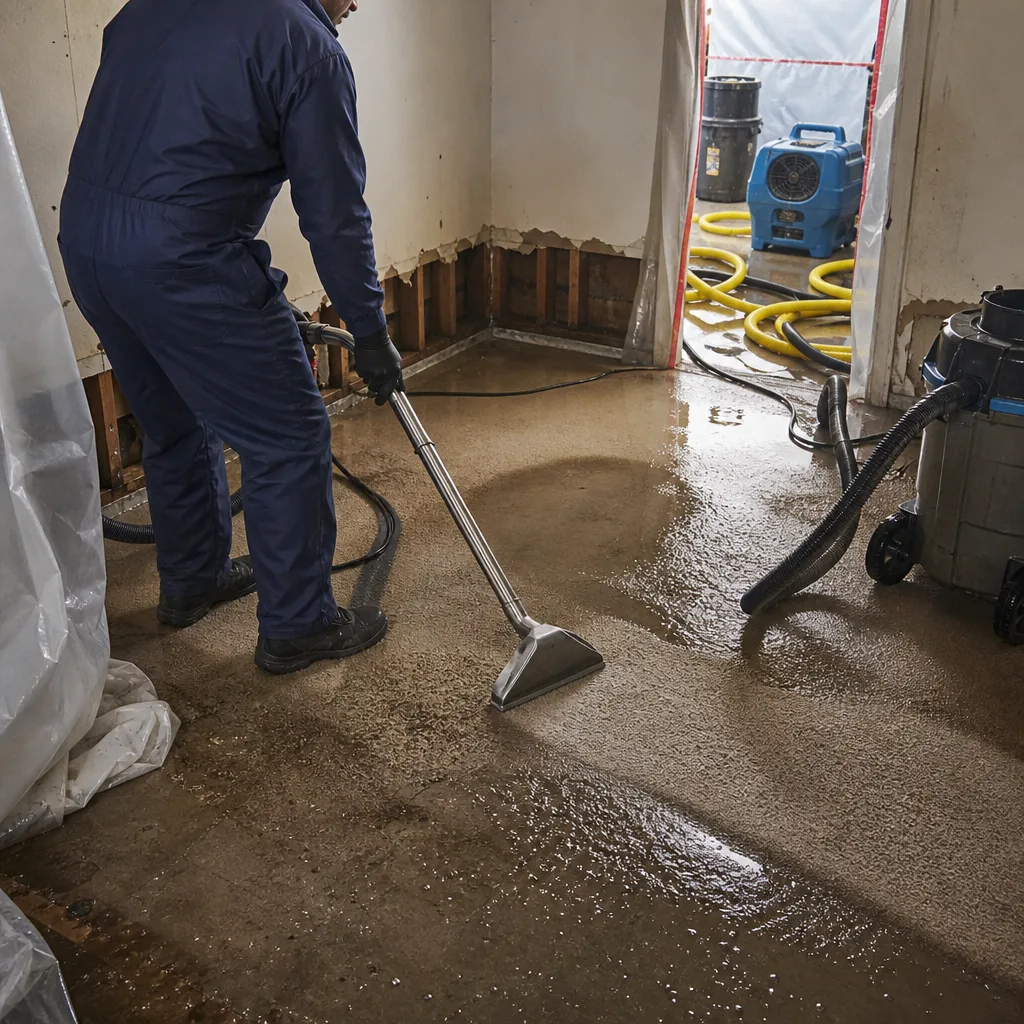
Standing water is removed with truck-mounted extraction systems and weighted extraction tools for saturated carpet and pad. For tile-roof leak scenarios common in Scripps Ranch and Rancho Bernardo, we seal active intrusion points with temporary weatherproofing to stop additional water entry before drying begins.
3. Structural Drying & Dehumidification
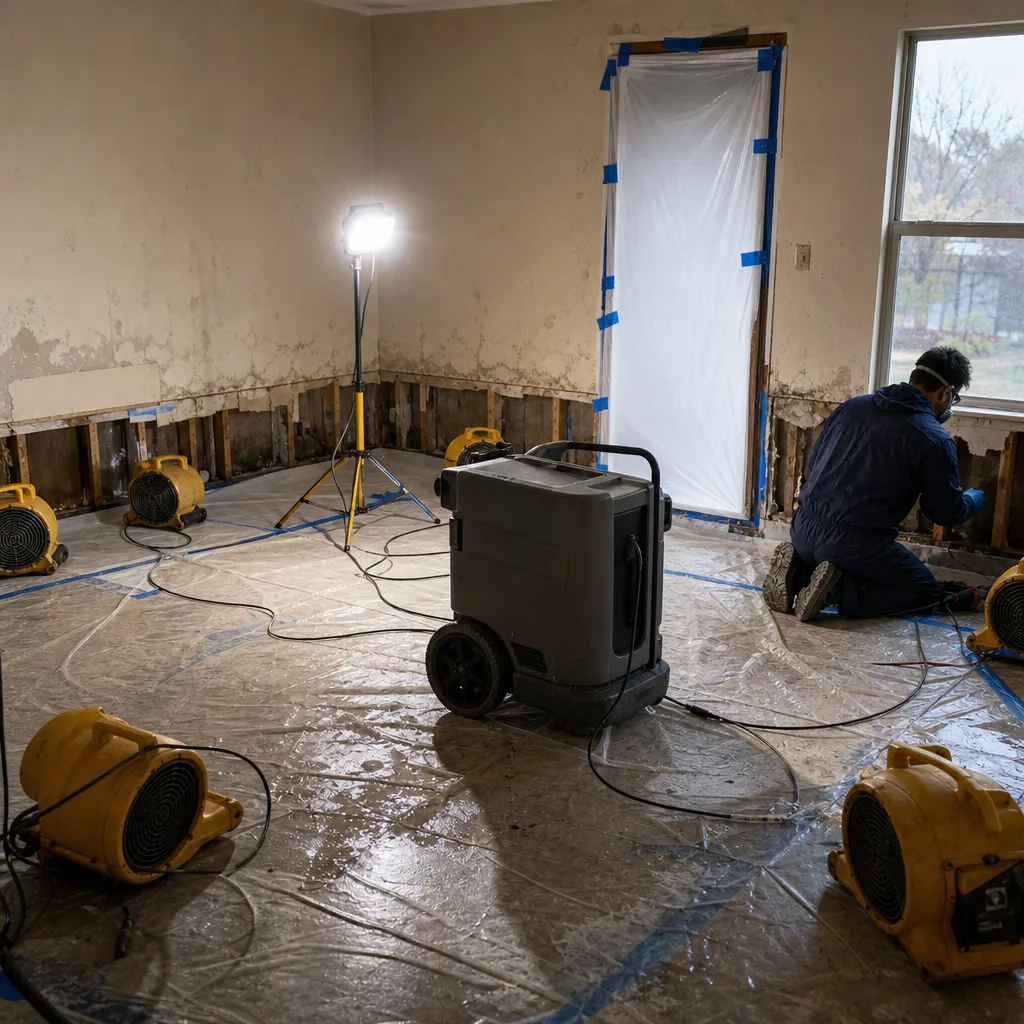
We deploy air movers, LGR dehumidifiers from Phoenix and Dri-Eaz, and targeted drying systems from Injectidry for wall cavities and hardwood flooring. Drying logs record moisture content readings, relative humidity, and temperature at each visit, producing the documentation your adjuster needs to approve the invoice without dispute.
4. Cleaning & Sanitization
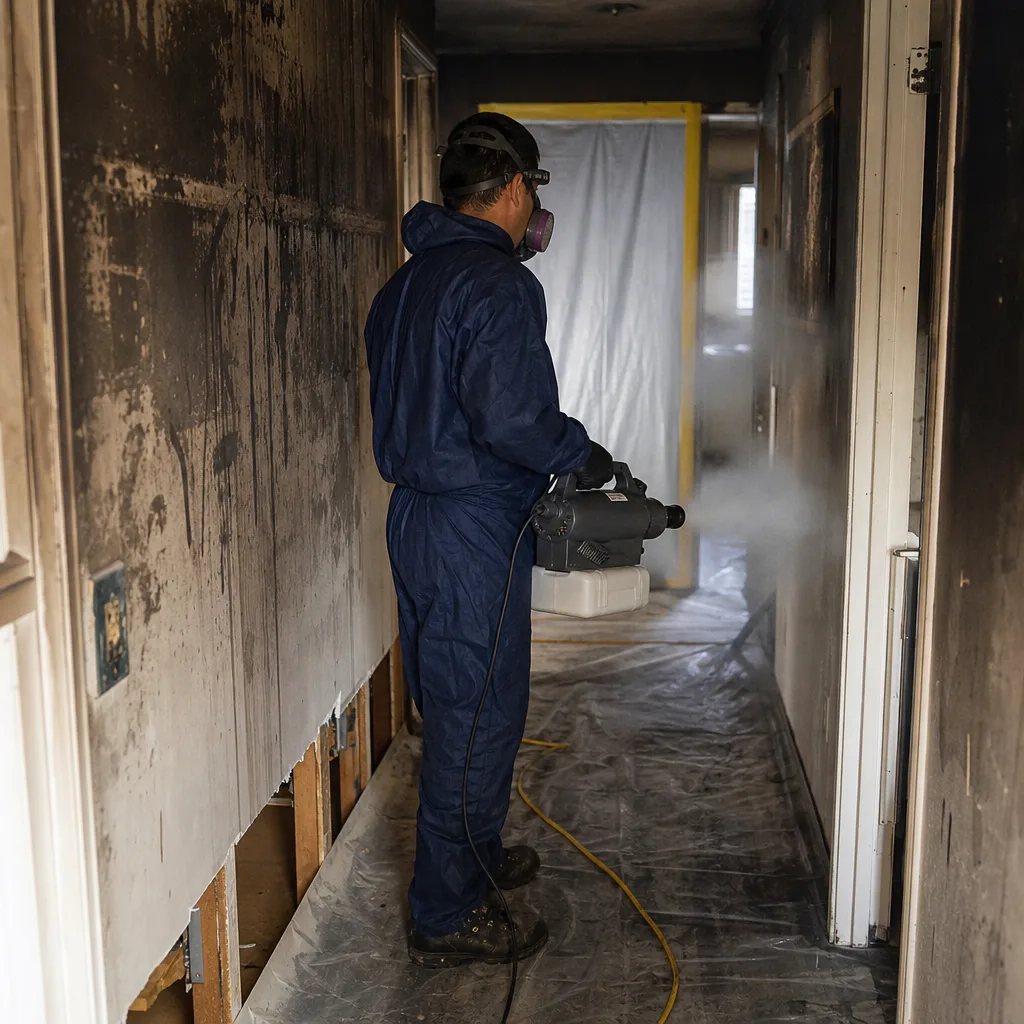
Category 2 and 3 losses receive antimicrobial treatment of affected surfaces, followed by HEPA air scrubbing to capture airborne particulates. In San Diego’s older homes with original plaster or lathe, we select cleaning agents that do not compromise historic material integrity.
5. Moisture Verification & Clearance Documentation
We do not declare a job dry by guesswork. Final moisture readings are compared to dry standard measurements from unaffected areas of the same structure, documented in writing, and delivered to you and your carrier. This is where sloppy contractors leave money on the table and homeowners get stuck with mold callbacks.
6. Repairs & Restoration
Our reconstruction team replaces removed materials to match pre-loss condition, from drywall and insulation to flooring and baseboard. Because one team handles the full sequence, your 365-Day Done Right Promise covers the entire job, not just the piece a subcontractor touched.
Need Emergency Water Damage Restoration in San Diego Now?
Crews minutes away, answering live 24 hours a day. The sooner we start, the less it costs.
Working With Your Insurance Company
Insurance claims for water damage fail at the documentation stage, not the damage stage. Back to Dry Restoration was founded in 2011 by a former claims adjuster who watched homeowners lose legitimate coverage because contractors handed in handwritten notes instead of itemized, photo-supported scopes. We do not let that happen on our jobs.
From the first hour, we photograph every room, every affected material, every moisture reading. Our estimates are built on industry-standard platforms that adjusters recognize and trust. We speak their language because Alicia Brennan built this company on the documentation gap that costs homeowners their claims. Direct adjuster coordination means your carrier receives complete files without you chasing paperwork during an already disruptive time.
What We Provide Your Insurer
- Thorough documentation of the loss
- Photos of all damage, room by room
- Moisture readings and drying logs
- A detailed, line-item scope of work
- Direct coordination with your carrier
Built for San Diego’s Loss Calendar
San Diego’s water damage calendar runs opposite most U.S. cities. Our 10-11 inches of annual rainfall concentrate almost entirely November through March, which means homes go 6-8 months without a drop, then face intense, short-duration saturation events. Atmospheric rivers in January 2024 overwhelmed stormwater infrastructure and produced simultaneous roof-leak and below-grade flooding in homes that had not been inspected for flashing, seal, or drainage integrity since the previous winter.
The city’s flat or low-pitch tile roofs, minimal gutter systems, and poor lot grading, all acceptable in a dry climate, become liabilities when rain arrives at rates the drainage was never designed to handle. Santa Ana wind events complicate this further: they drive smoke and soot across entire neighborhoods during wildfire season, then deliver the first post-fire rains that find every compromised roof penetration. In the hill communities east of I-15, denuded slopes trigger debris flows that can flood the same structure twice in a single loss cycle, once with fire damage and again with Category 3 water from hillside runoff.
Water Damage Restoration Across San Diego’s Neighborhoods
San Diego’s geography and housing stock create distinct loss patterns by neighborhood, and our crews route accordingly.
In Scripps Ranch and Rancho Bernardo, the 1950s-1980s stucco tract homes sit under low-pitch tile roofs with flashing that degrades in decade-long dry spells. When atmospheric rivers hit, we respond to multiple simultaneous roof-leak calls in the same subdivisions. The January 2024 event sent us to a home where an undetected tile-roof flashing gap had allowed Category 2 water to pool behind stucco on the north wall for days before visible staining appeared. We ran moisture mapping across the affected rooms, deployed air movers and a Phoenix dehumidification setup under containment, and documented drying logs for the adjuster before any pack-out was needed. The homeowner avoided a full rebuild once structural drying brought the wall cavity back to pre-loss condition.
Mira Mesa and Santee share similar stucco-over-frame construction but add the complication of slab-on-grade foundations with minimal perimeter drainage. Winter rain events back up against exterior walls, and we frequently find moisture migration through slab edges into carpet pad and baseplate regions that homeowners assume are “just damp from humidity.”
North Park, South Park, and Hillcrest present older Craftsman and California bungalow stock with original galvanized supply lines, clay sewer laterals, and uninsulated crawl spaces. Burst pipe restoration here often involves coordinating with the City’s Public Works Department for sewer lateral responsibility determinations, a delay that inexperienced contractors do not anticipate.
West of I-15, in communities from Pacific Beach to Ocean Beach, salt air corrosion of flashing and fasteners accelerates roof failure, while aging sewer infrastructure in the coastal plain produces Category 3 backups during storm surge and high-tide events that overwhelm the Point Loma wastewater system.
Specialized Water Damage Restoration Services We Offer in San Diego
Emergency Water Extraction
Active standing water is extracted within hours of your call, using truck-mounted systems capable of removing thousands of gallons. In San Diego’s post-atmospheric-river surge periods, our extraction capacity scales to handle multiple simultaneous losses across the metro without delaying response to any single property. Call (858) 683-1768 for immediate dispatch.
Structural Drying & Dehumidification
We deploy LGR dehumidifiers, axial and centrifugal air movers, and Injectidry cavity drying systems to establish and maintain the psychrometric conditions that release bound moisture from structural materials. Daily drying logs track progress and justify the equipment-days your carrier will be asked to cover.
Flood Cleanup
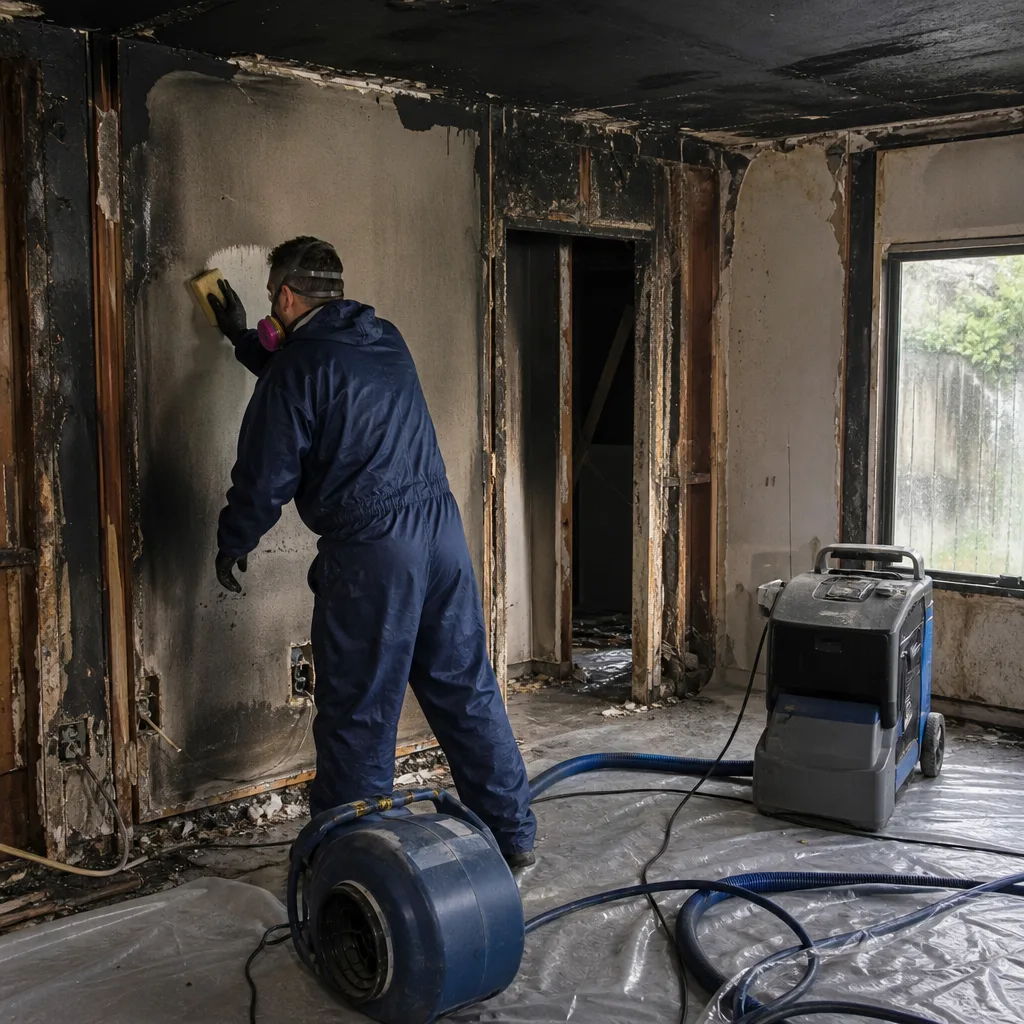
San Diego’s flash flooding, whether from overwhelmed stormwater systems or post-fire debris flows, delivers Category 3 water that requires full PPE, containment, and antimicrobial protocols. We do not shortcut flood cleanup into a simple extraction job; the category determines the scope, and the scope is documented in writing before work begins.
Burst Pipe Restoration
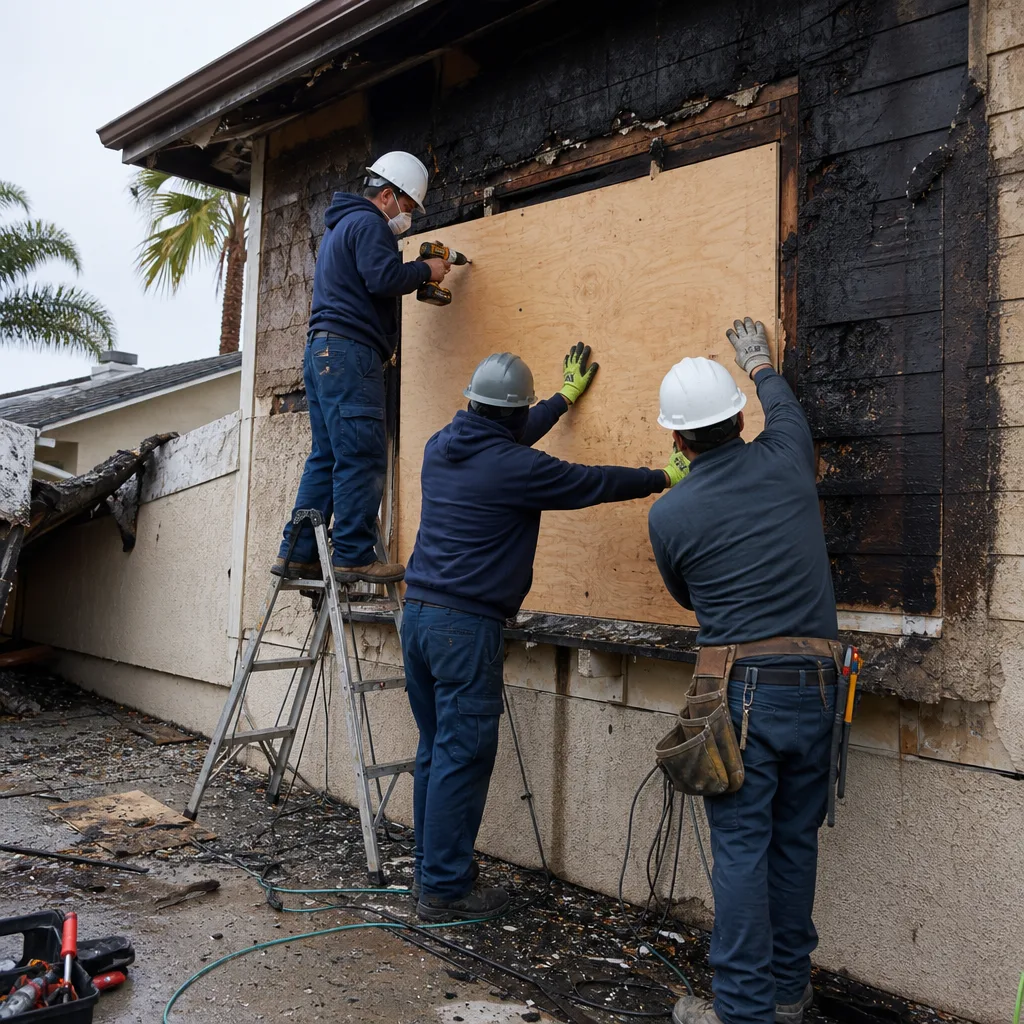
Galvanized supply lines in pre-1970s San Diego housing stock fail catastrophically when corrosion finally breaches the pipe wall. We extract, dry, and document the water loss while coordinating with your plumber for line replacement, then restore finishes to match pre-loss condition.
Basement Water Removal
True basements are rare in San Diego, but below-grade living spaces in hillside homes from La Jolla to Del Mar face hydrostatic pressure and inadequate foundation waterproofing. Submersible pumps, extraction, and targeted drying of these confined spaces require specialized ventilation planning.
Ceiling & Roof Leak Water Damage
Our most frequent San Diego call during winter rain events. Tile roof flashing, degraded underlayment, and salt-corroded fasteners all produce ceiling stains that indicate far more extensive cavity saturation than the visible damage suggests. We trace the full migration path before any drywall is removed, so your repair scope is complete the first time.
What happens when you call
- 1
A real person answersNo phone trees - you reach a local pro.
- 2
You get an upfront price rangeHonest numbers before anyone is dispatched.
- 3
A background-checked tech heads outLicensed & insured, dispatched right away.
- 4
You approve before work beginsNothing starts until you say go.
Water Damage Restoration Costs in San Diego, CA
| Service Component | Typical San Diego Range |
|---|---|
| Emergency water extraction (up to 1,000 sq ft affected) | $450 - $950 |
| Structural drying & dehumidification (3-5 day standard) | $1,800 - $4,200 |
| Category 1 mitigation (clean water, limited migration) | $2,800 - $4,500 |
| Category 2 mitigation (gray water, moderate contamination) | $4,200 - $6,800 |
| Category 3 mitigation (black water, full containment) | $6,500 - $12,000+ |
| Ceiling/roof leak drying with cavity access | $2,200 - $5,500 |
| Full reconstruction after mitigation | $8,000 - $35,000+ |
What moves the price: affected square footage, category of water, number of stories, accessibility for equipment, and whether asbestos or lead-containing materials require abatement before demolition. San Diego’s older housing stock in North Park and South Park frequently triggers abatement requirements that newer construction avoids. Insurance typically covers sudden and accidental water damage from burst pipes or weather intrusion; gradual leaks and maintenance-related failures are usually excluded. We review your policy language with you and provide the documentation that supports covered loss arguments. Every estimate is free, written, and delivered before work starts, Haven Standard, Clause 1. Call (858) 683-1768 for your exact scope.
We Also Serve Cities Near San Diego
Our San Diego office dispatches crews throughout the immediate metro, including Water Damage Restoration in San Diego and neighboring communities. We regularly respond to water losses in Lemon Grove, Bonita, La Mesa, and Spring Valley, where similar stucco construction and aging infrastructure produce comparable seasonal loss patterns. Same documentation standards, same written-price guarantee, same live-answer dispatch.
Serving San Diego, CA - Our Local Coverage Area
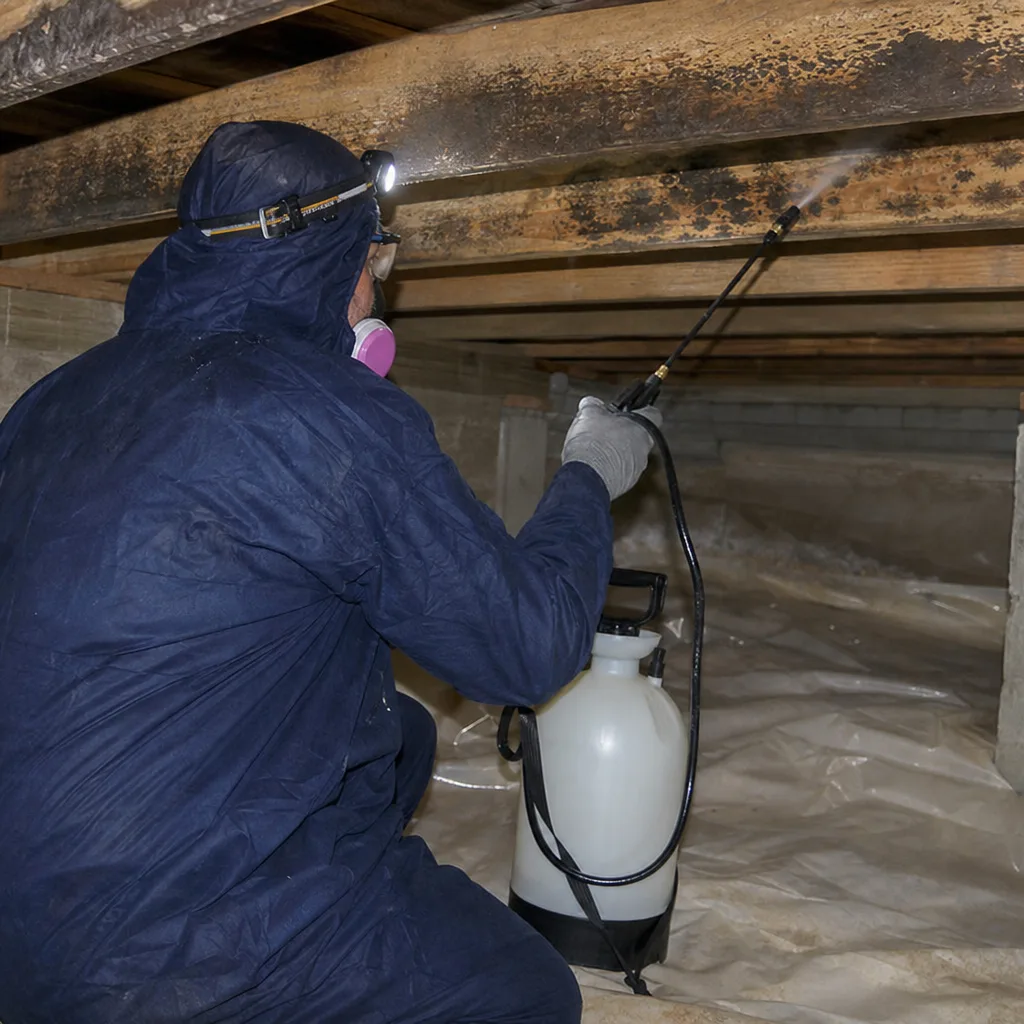
We’re based in the San Diego area and know this community well. Use the map below to see our service coverage - if you’re nearby, we can almost certainly help.
San Diego Water Damage Restoration Questions, Answered
How fast can your crews get to my home in San Diego?
We commit to 45 minutes from dispatch confirmation to arrival for active water loss calls within San Diego city limits. During major atmospheric river events, when call volume spikes across the metro, we prioritize standing water and Category 3 losses and communicate realistic ETAs for every caller. The live person who answers at (858) 683-1768 has real-time crew location data and will give you an honest arrival window, not a scripted promise.
Will my insurance cover water damage restoration in San Diego?
Most San Diego homeowners policies cover sudden and accidental water damage from burst pipes, weather intrusion through storm-damaged roofs, or appliance failures. Gradual leaks, maintenance neglect, and flooding from outside the structure typically require separate flood coverage. We document every loss to distinguish covered perils from excluded causes, then coordinate directly with your adjuster. Bring any competitor’s written estimate and we will provide a Free Second Opinion at no charge.
Do I need full remediation or just water extraction?
Extraction alone handles standing water; remediation addresses what water leaves behind: saturated structural materials, elevated humidity, and microbial growth risk. In San Diego’s stucco homes, water behind exterior walls rarely dries without mechanical intervention, and “just extraction” jobs become mold remediation jobs 30-60 days later. Our moisture mapping tells you which category your loss falls into before you commit to scope.
How much does water damage restoration cost compared to nearby areas?
San Diego pricing runs comparable to Orange County and slightly above inland Riverside or San Bernardino markets, primarily due to higher labor costs and stricter municipal permitting for reconstruction work. The bigger variable is response speed: a fast extraction and dry-out prevents the reconstruction phase entirely, which is where costs multiply. Our written estimates are free and specific to your property.
How long does structural drying take in San Diego’s climate?
Standard residential drying takes 3-5 days in San Diego’s mild winter conditions, though low outdoor humidity can actually accelerate evaporation if equipment is properly sized and placed. Dense materials like hardwood, plaster, or tile-over-concrete may require 7-10 days. We verify dryness with moisture meter readings against dry-standard baselines, not by calendar date. Daily drying logs document progress for your adjuster.
Can my family stay in the home during water damage restoration?
For Category 1 losses limited to one or two rooms, often yes, with containment barriers and air scrubbers maintaining livable conditions in unaffected areas. Category 2 and 3 losses, or any loss affecting HVAC systems, typically require temporary relocation for health and safety. We tell you honestly which category applies before equipment is deployed, not after you have already committed to staying.
What certifications do your San Diego technicians hold?
Our technicians hold IICRC WRT (Water Damage Restoration Technician), ASD (Applied Structural Drying), and AMRT (Applied Microbial Remediation Technician) credentials, with license numbers verified and documented before any technician enters your home. All work is documented to IICRC, RIA, and IFA standards, producing the daily moisture logs and photo records that turn restoration invoices into payable insurance claims.
What should I do in the first 30 minutes after discovering water damage?
Stop the water source if you can do so safely at a shutoff valve; do not enter standing water if electrical outlets or panels are submerged. Call (858) 683-1768 for live dispatch. Remove small valuables and documents from the affected area if accessible without wading. Do not run vacuum cleaners or other electrical equipment in wet areas. Our crew will assess whether power needs to be secured before extraction begins.
Why does San Diego see so much water damage during a single atmospheric river after months of dry weather?
San Diego’s decade-long dry stretches normalize deferred roof maintenance, degraded flashing, and clogged drainage on homes never built for robust water shedding. When an atmospheric river arrives, every compromised system fails simultaneously across thousands of properties that have not been tested by rain in 6-8 months. The January 2024 event produced exactly this pattern: stucco tract homes in Scripps Ranch and Rancho Bernardo with dry exteriors suddenly revealed extensive cavity saturation from single-point roof failures. Call (858) 683-1768 for moisture mapping if your home weathered recent rain.
What does wind-rated or impact-rated door reinforcement have to do with water damage restoration in San Diego?
San Diego’s Santa Ana wind events drive wildfire smoke across neighborhoods and create pressure differentials that force water through compromised building envelopes during subsequent rain. A wind-rated door assembly with proper weatherstripping and sill pan flashing prevents wind-driven rain intrusion that standard doors cannot resist. In post-fire recovery zones, we frequently find that homes with impact-rated entry systems sustained less water damage during the first post-fire rain than neighboring properties with original doors. Reinforcement is prevention; restoration is the cost of its absence.
How do you tell whether storm water in a San Diego home is Category 1, 2, or 3?
Category 1 comes from a clean source inside the structure: burst supply line, overflowing sink, failed water heater. Category 2 carries contamination from appliance discharge or water that has contacted building materials with accumulated soils. Category 3 has entered from outside the structure or passed through the waste stream: sewage backup, ground surface flooding, or hillside debris flow. In San Diego, post-fire debris flows east of I-15 are unequivocally Category 3, as is any water backing up through storm drains during atmospheric river events. We test and document the category on arrival; your scope and safety protocol depend on this determination.
Why does mold become a concern so quickly after a roof leak in San Diego?
San Diego’s mild temperatures year-round mean mold colonization begins in 48-72 hours, not the week-long window colder climates allow. Stucco’s porosity and the wood-frame cavities it conceals provide ideal organic substrate and trapped moisture for Aspergillus, Penicillium, and Stachybotrys species. Because stucco hides the problem until visible growth appears on interior drywall, homeowners often discover mold only after the leak has been active for weeks. Moisture mapping at the first sign of staining prevents this escalation. Call (858) 683-1768 for assessment.
Can a fire-damaged home in San Diego county face water damage from the same event?
Yes, and this is one of San Diego’s distinctive loss patterns. Santa Ana wind-driven fires denude hillsides and compromise roof assemblies; the first post-fire rain, sometimes weeks later, produces debris flows and flash flooding that damage the same structure a second time. We have scoped jobs in Rancho Bernardo and Poway where a fire claim was still open when water damage from hillside runoff required a separate, coordinated mitigation scope. One team handling both sequences prevents the documentation gaps that occur when fire and water contractors do not communicate.
Water damage in San Diego does not resolve itself, and the documentation you receive in the first 24 hours determines whether your claim is paid or disputed six months later. Our Water Damage Restoration team delivers written prices before work starts, photo records on every visit, and daily drying logs that adjusters recognize. The 365-Day Done Right Promise, backed by The Haven Standard, covers every job we touch. If it is not done right, we make it right. That is not a marketing line; it is a signed guarantee.
Call (858) 683-1768 now. A live person answers 24 hours a day, and your free inspection and written estimate carry no obligation.
Written by Alicia Brennan, Owner at Back to Dry Restoration, serving San Diego since 2011.
Water Damage Restoration in Nearby Areas