Free visual inspection and a written scope of work before any mitigation begins - photos, moisture readings, and drying logs go in your claim file
The scope we write is the scope we bill. Anything new gets shown to you, in writing, before we touch it.
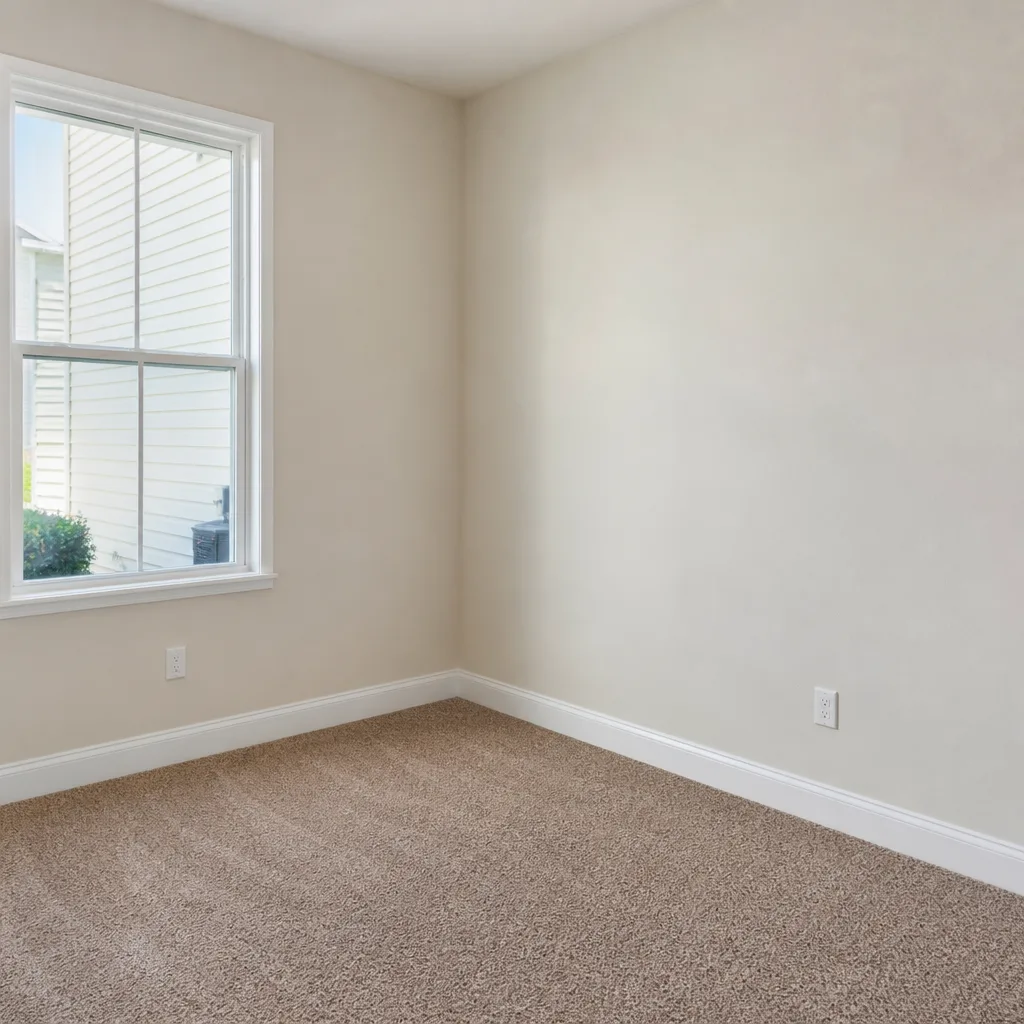
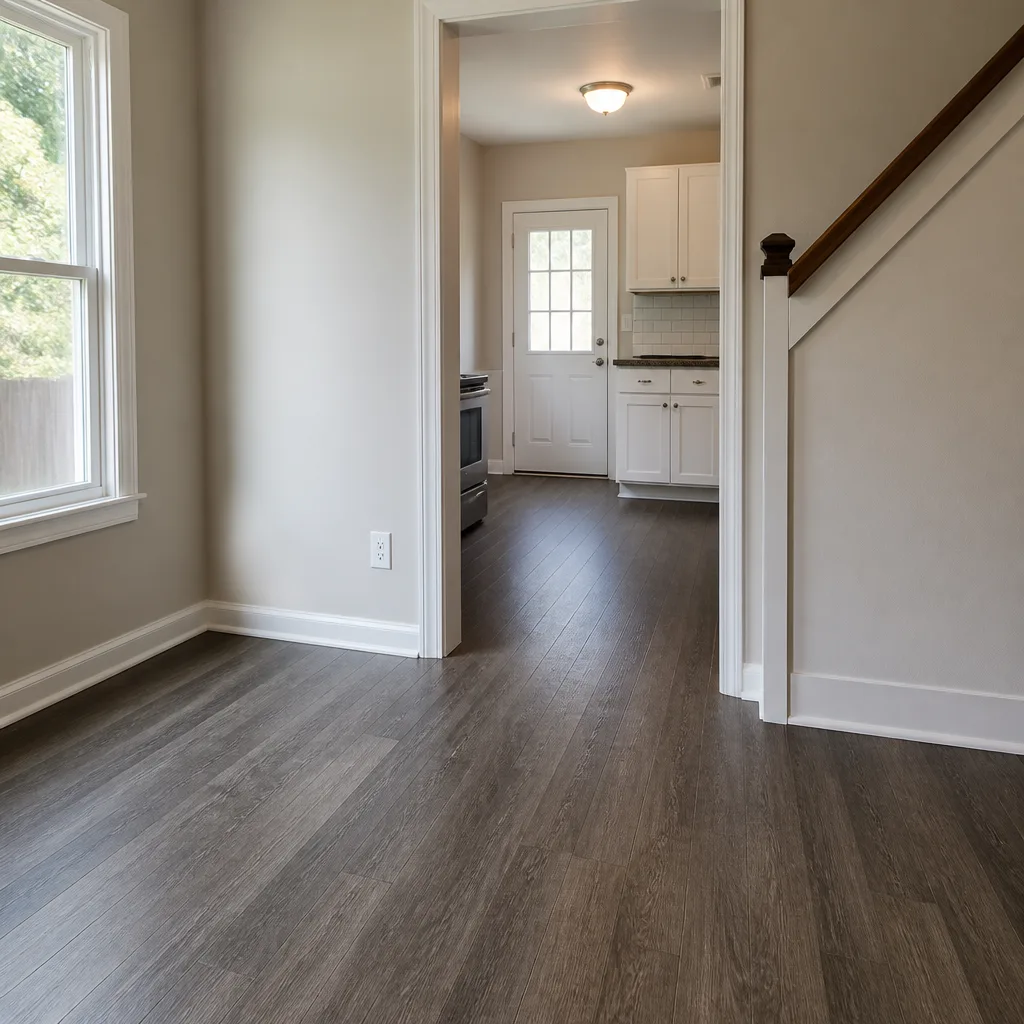

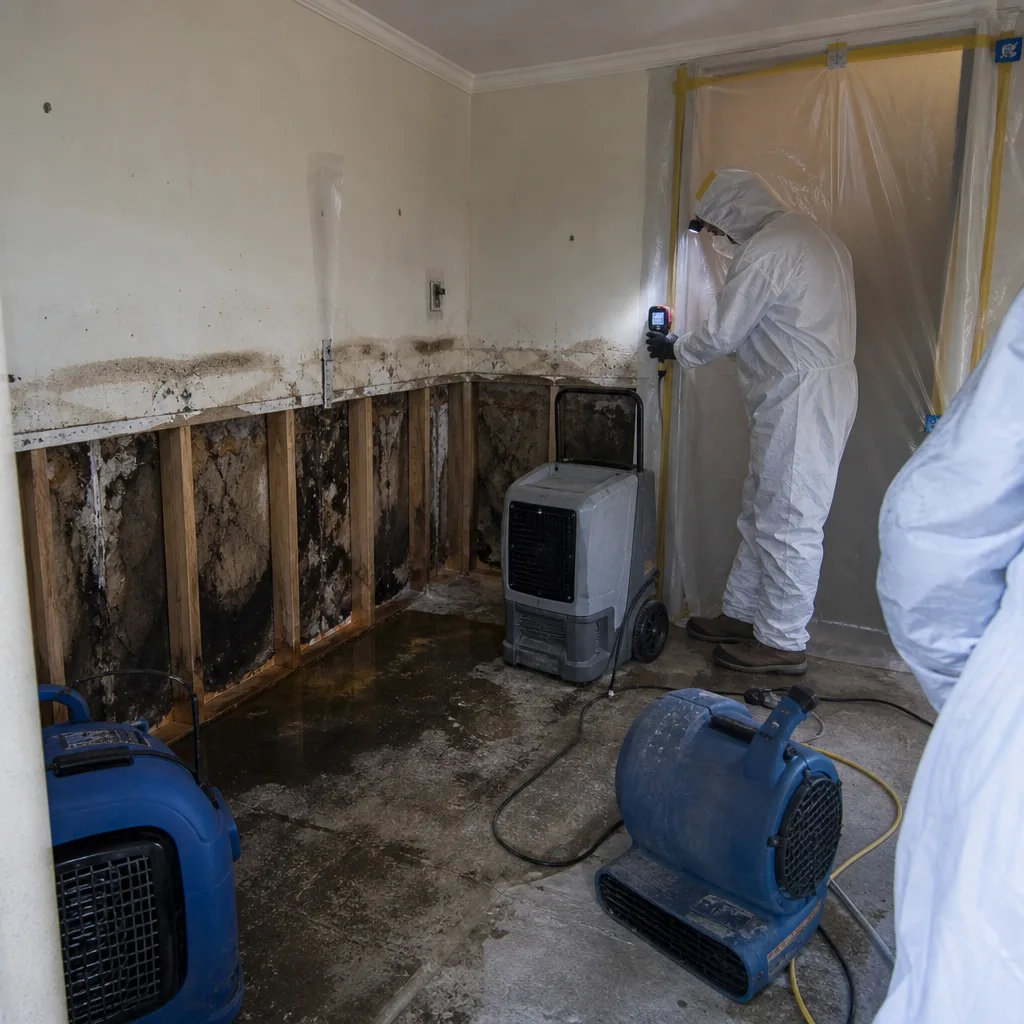 Before
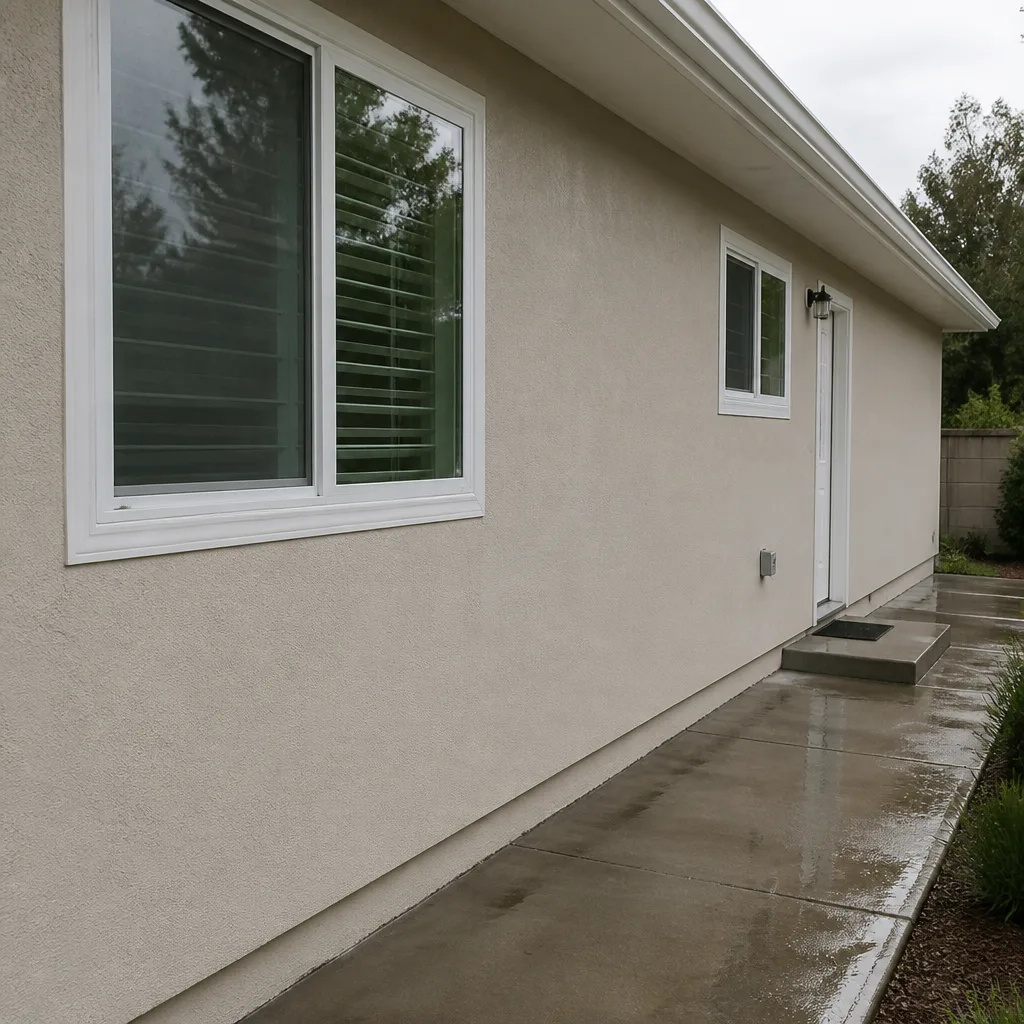 After
After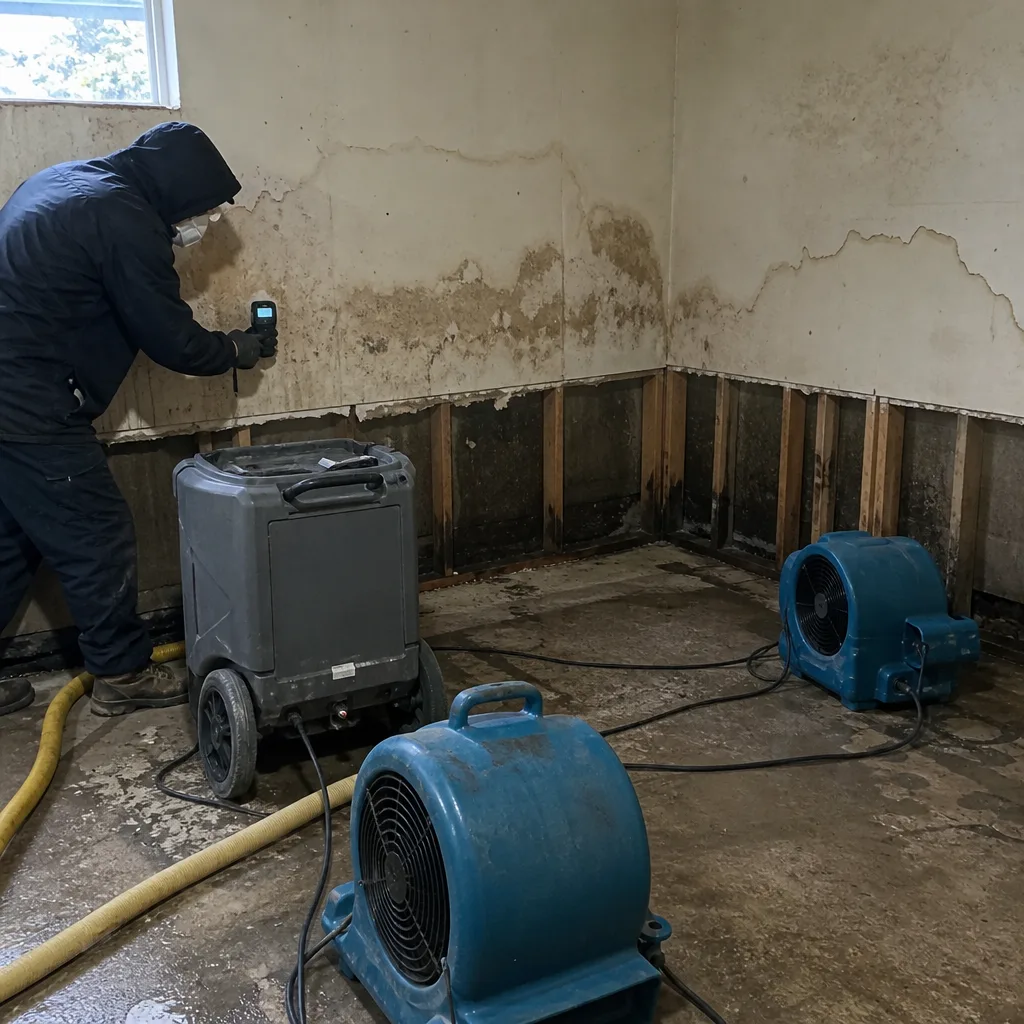 Before
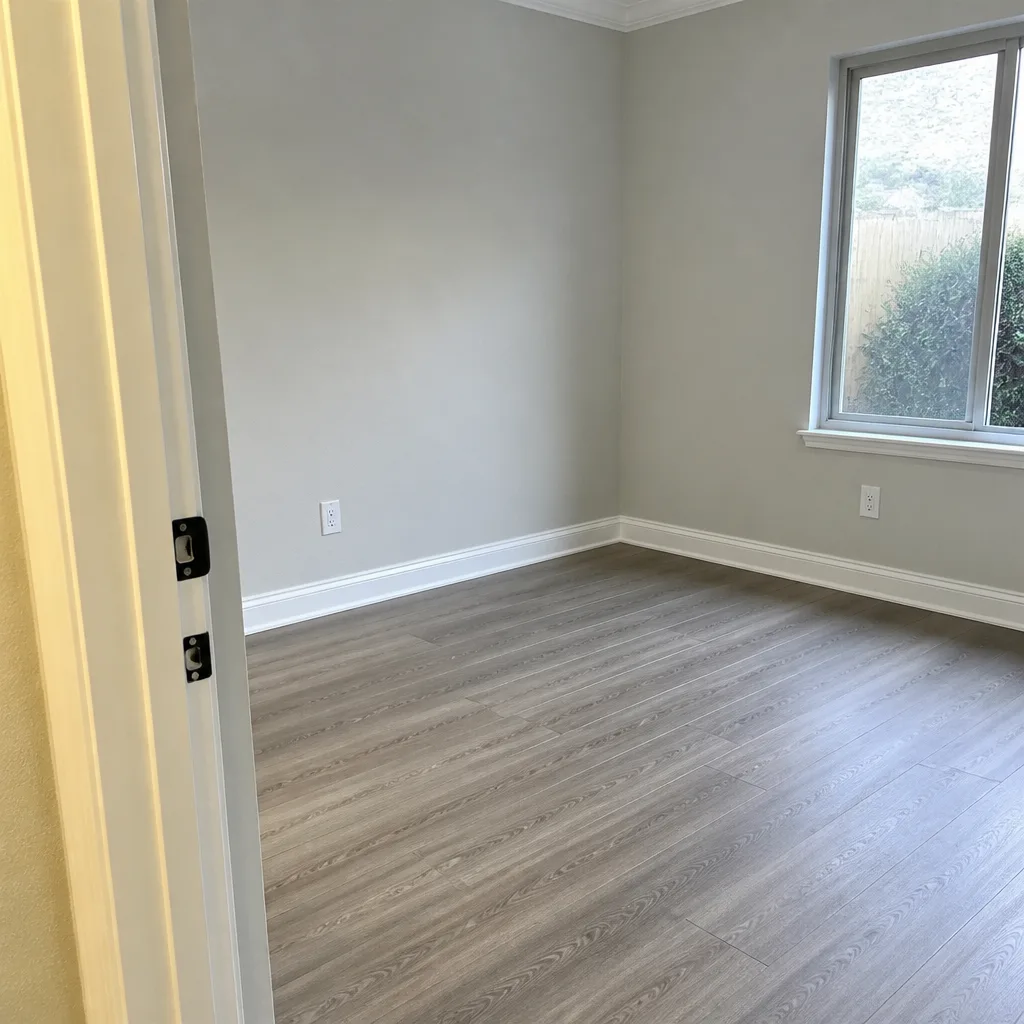 After
After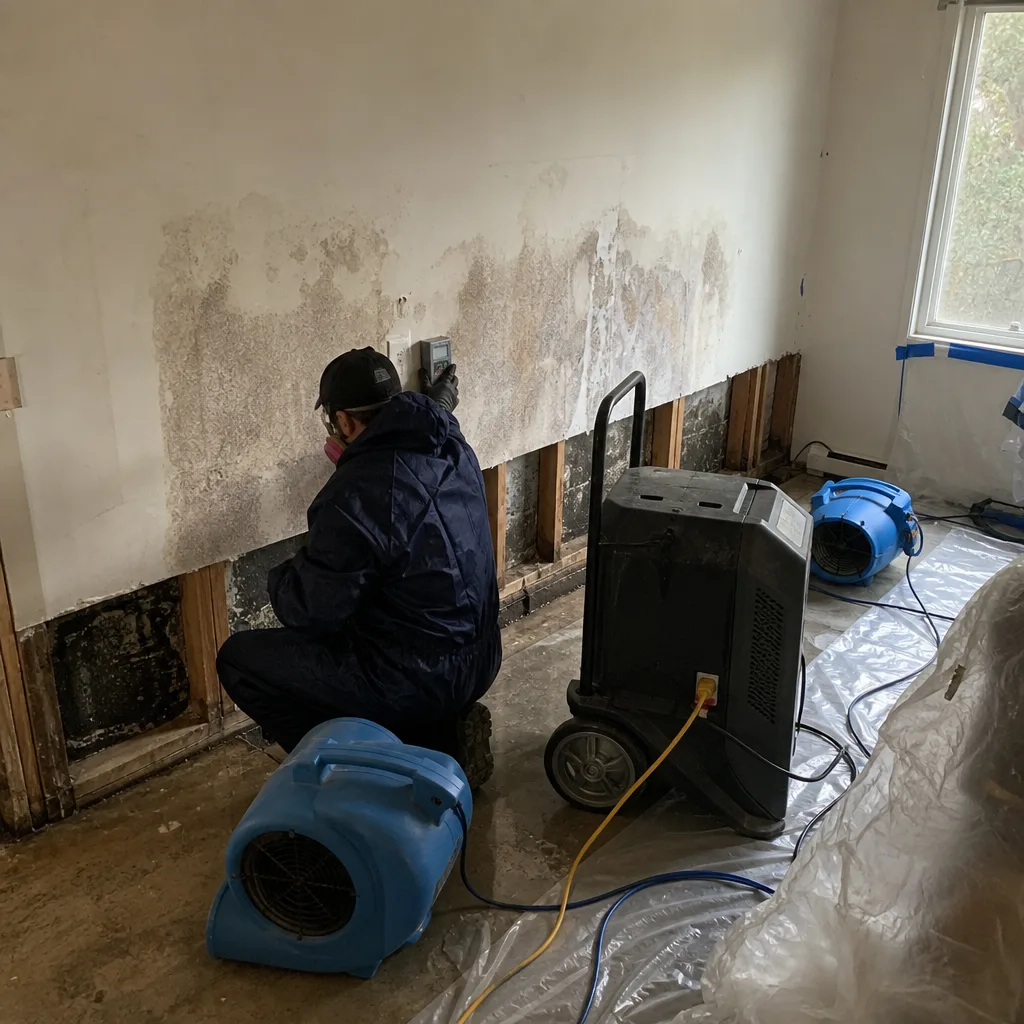 Before
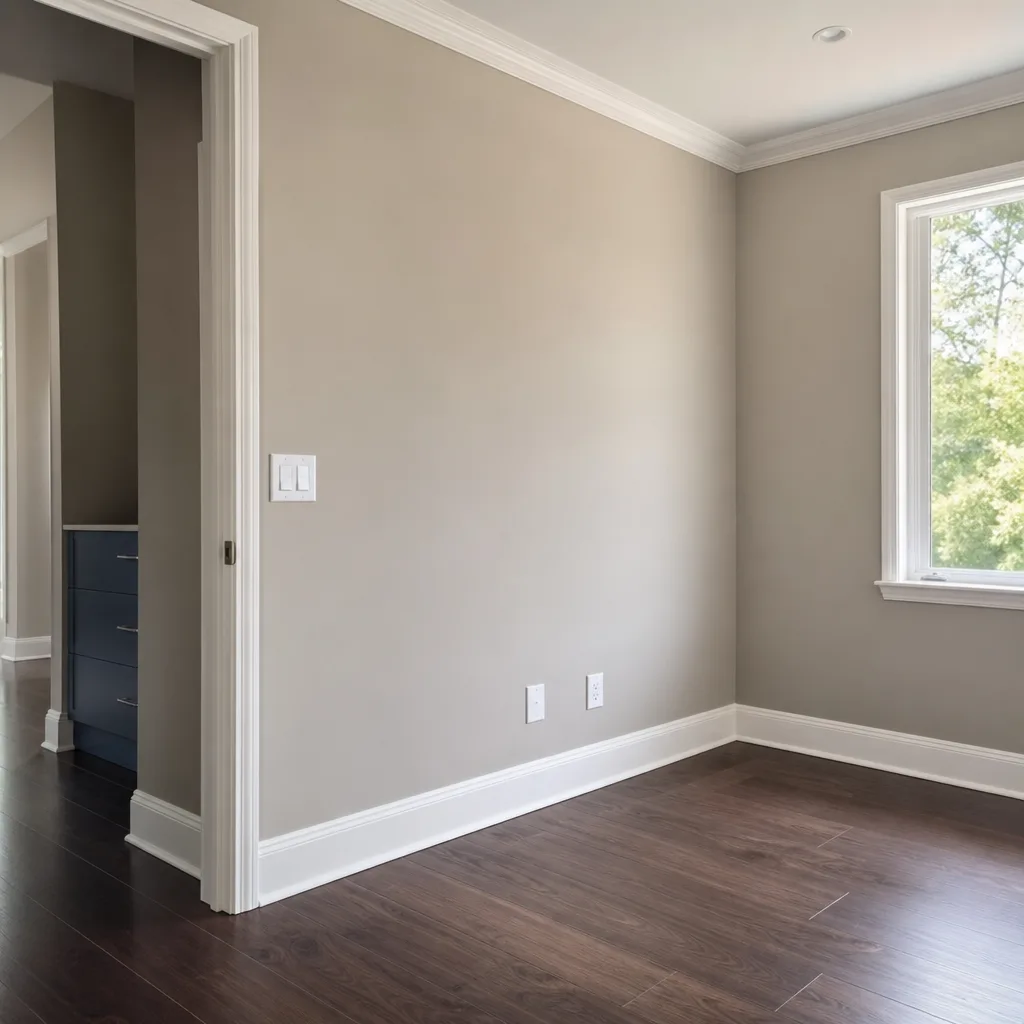 After
After24/7 Emergency Fire & Smoke Damage Restoration in San Diego
Fire and smoke damage restoration in San Diego typically costs $4,200-$18,500 depending on fire severity, square footage affected, and whether structural repairs are needed. Most emergency board-ups and stabilization begin within 45 minutes of your call, and our crews are dispatched from our San Diego office to homes across the metro. Call (858) 683-1768 now - a live person answers, 24 hours a day, no voicemail.
The first hour after a fire determines how far smoke and soot migrate through your HVAC system, attic, and wall cavities. Santa Ana winds can push ember intrusion deep into a structure even when the main fire never touches the building. We arrive with containment materials, HEPA filtration, and moisture detection equipment to stop both the smoke spread and the water damage left by firefighting efforts.
Understanding Fire & Smoke Damage Restoration Severity in San Diego Properties
Fire damage in San Diego breaks into three severity bands that dictate scope, timeline, and cost. Light smoke damage - typically from kitchen fires or distant wildfire smoke intrusion - affects surface finishes and HVAC ductwork with dry soot (carbon particulate, <0.5 microns). Moderate damage involves protein residues from grease fires or wet smoke from slow-burning synthetic materials; this requires alkaline-based cleaning agents and often partial pack-out of contents. Severe structural damage means charred framing, compromised load-bearing elements, and widespread water saturation from suppression - common in the stucco-over-wood-frame tract homes built from the 1950s through 1980s that dominate Rancho Bernardo, Mira Mesa, and El Cajon.
San Diego’s housing stock complicates every assessment. Those stucco shells hide charred sheathing and pre-existing moisture intrusion that firefighting water pushes deeper into wall cavities. In older Craftsman bungalows in North Park or South Park, balloon framing creates vertical channels that smoke travels for three floors before settling. Our IICRC-FSRT technicians map smoke migration with thermal imaging and document every surface classification - dry soot, wet smoke, or protein residue - before writing the scope.
Why San Diego Property Owners Choose DryMark Restoration Poway
- 45-minute response commitment to San Diego addresses, with crews staged for the east-county corridor where Santa Ana wind-driven fires move fastest.
- 24/7 live answer - a real person, never an automated system or callback queue, because fire damage doesn’t wait for business hours.
- IICRC-certified crews holding Fire and Smoke Restoration Technician (FSRT), Water Damage Restoration Technician (WRT), and Applied Microbial Remediation Technician (AMRT) certifications.
- Free visual inspection with a written price before any work begins, every time, with no exceptions - Haven Standard, Clause 1.
- Direct insurance billing with photo-documented assessments and daily drying logs that turn restoration invoices into payable claims.
- One team from board-up to reconstruction - no handoffs between mitigation and rebuild contractors that delay permit closure.
 Before
 After
AfterOur Fire & Smoke Damage Restoration Process
1. Inspection & Assessment
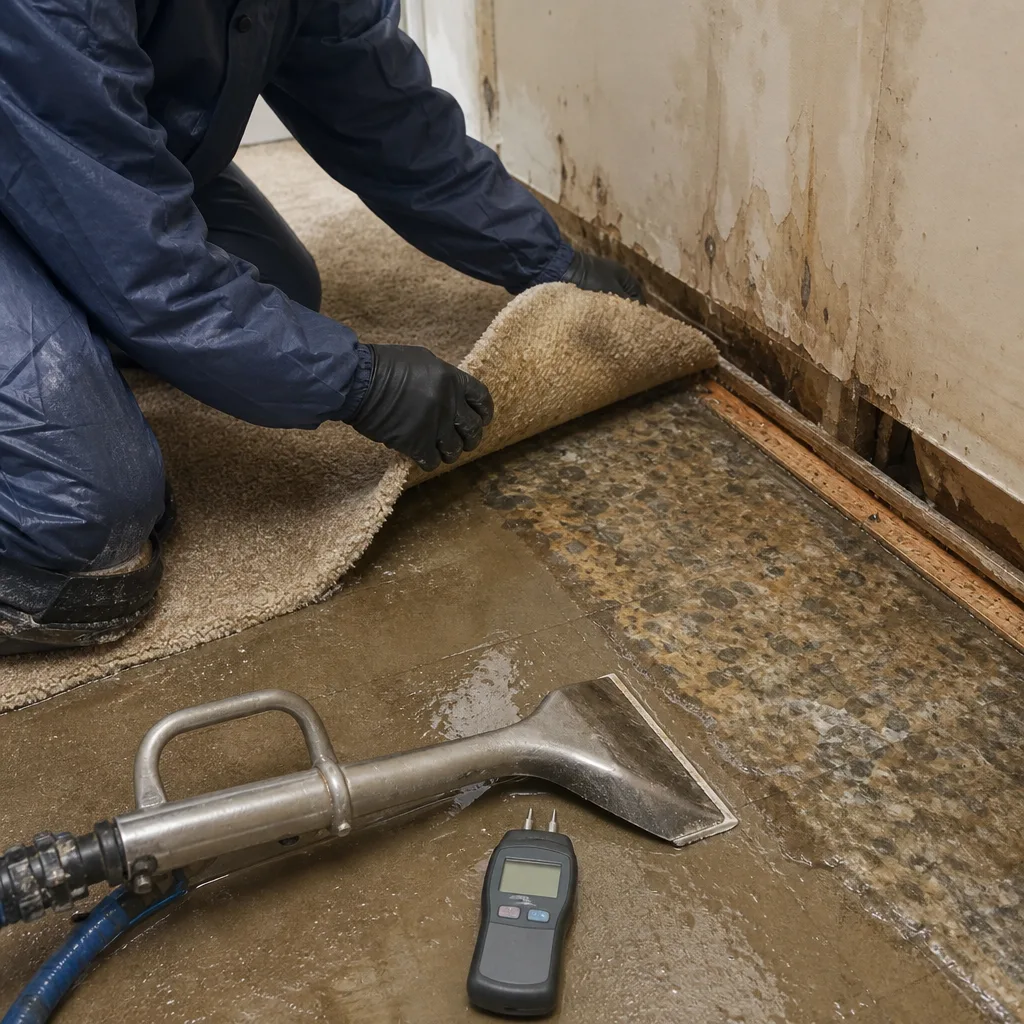
We arrive with thermal imaging cameras, moisture meters, and hygrometers to map smoke migration and water saturation. Every surface is classified by soot type, and we photograph each room before touching anything. The written scope and price follow within hours, not days.
2. Emergency Board-Up & Tarping
Broken windows, compromised garage doors, and damaged roofing get immediate weather protection. In San Diego’s east-county hill communities, this also means ember-resistant sealing until wind-rated replacements are specified.
3. Water Extraction & Structural Drying
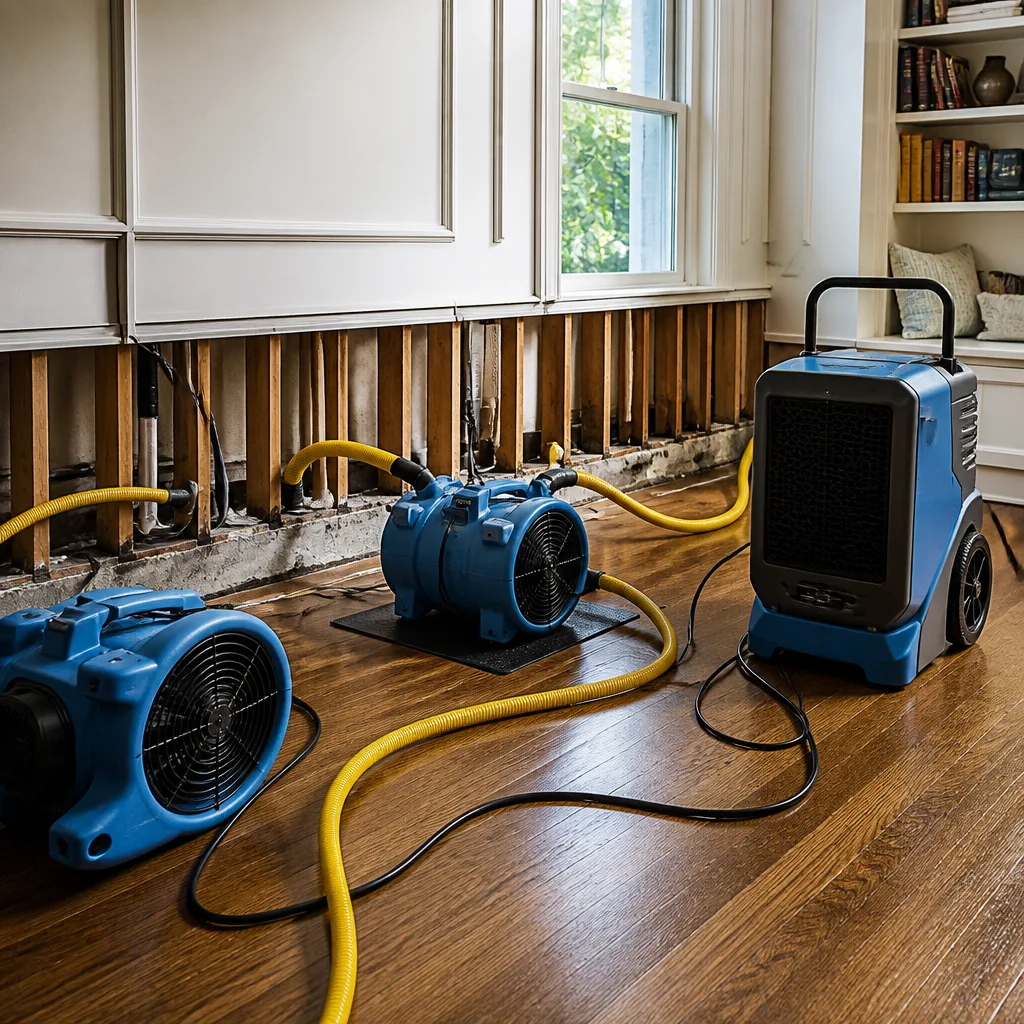
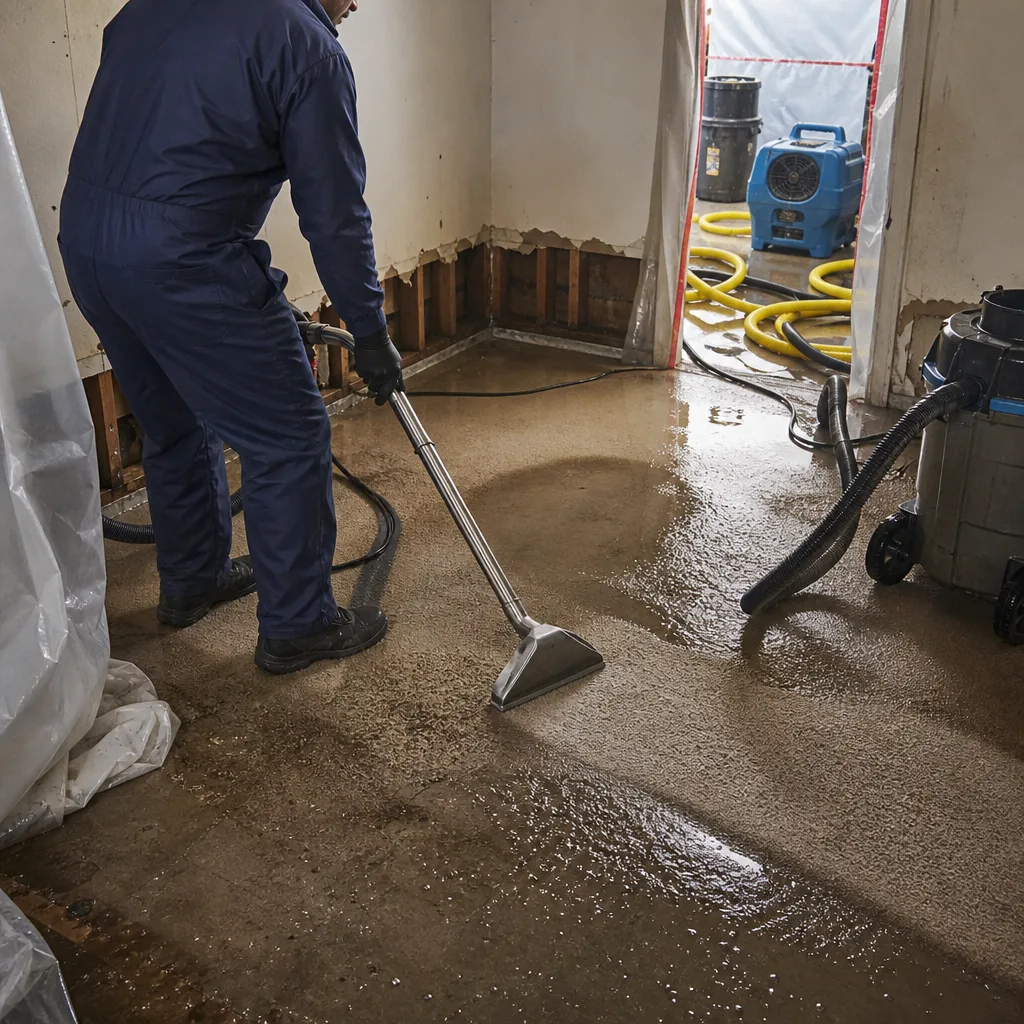
Firefighting water often saturates stucco and wood framing that was already moisture-compromised. We deploy Phoenix dehumidifiers, Dri-Eaz air movers, and Injectidry cavity drying systems with daily moisture logs documenting vapor pressure differential - the measurable force that drives evaporation.
4. Smoke & Soot Removal
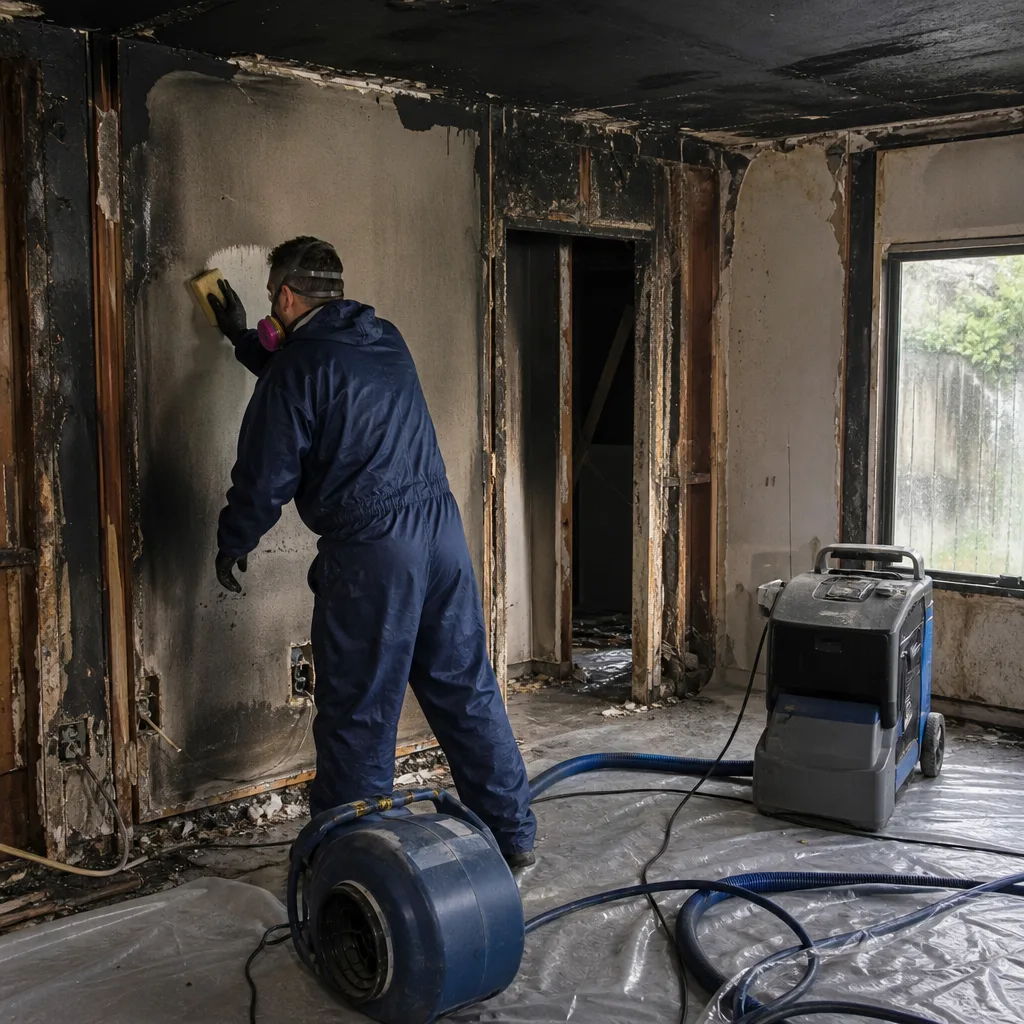
Dry soot gets HEPA vacuuming; wet smoke and protein residues require chemical sponges and alkaline cleaners. HVAC systems receive mechanical brushing and negative-air HEPA scrubbing to prevent recontamination.
5. Odor Removal & Deodorization
Thermal fogging and ozone treatment neutralize odor compounds at the molecular level. In San Diego’s tight stucco tract homes, we often need to treat attic spaces and crawl areas where smoke settled during Santa Ana pressure changes.
6. Structural Fire Repair & Rebuild
Charred framing is sistered or replaced; compromised stucco is stripped, sheathing repaired, and new fire-resistant assemblies installed per local code. Every repair is photo-documented and covered by our 365-Day Done Right Promise under The Haven Standard.
Need Emergency Fire & Smoke Damage Restoration in San Diego Now?
Crews minutes away, answering live 24 hours a day. The sooner we start, the less it costs.
Working With Your Insurance Company
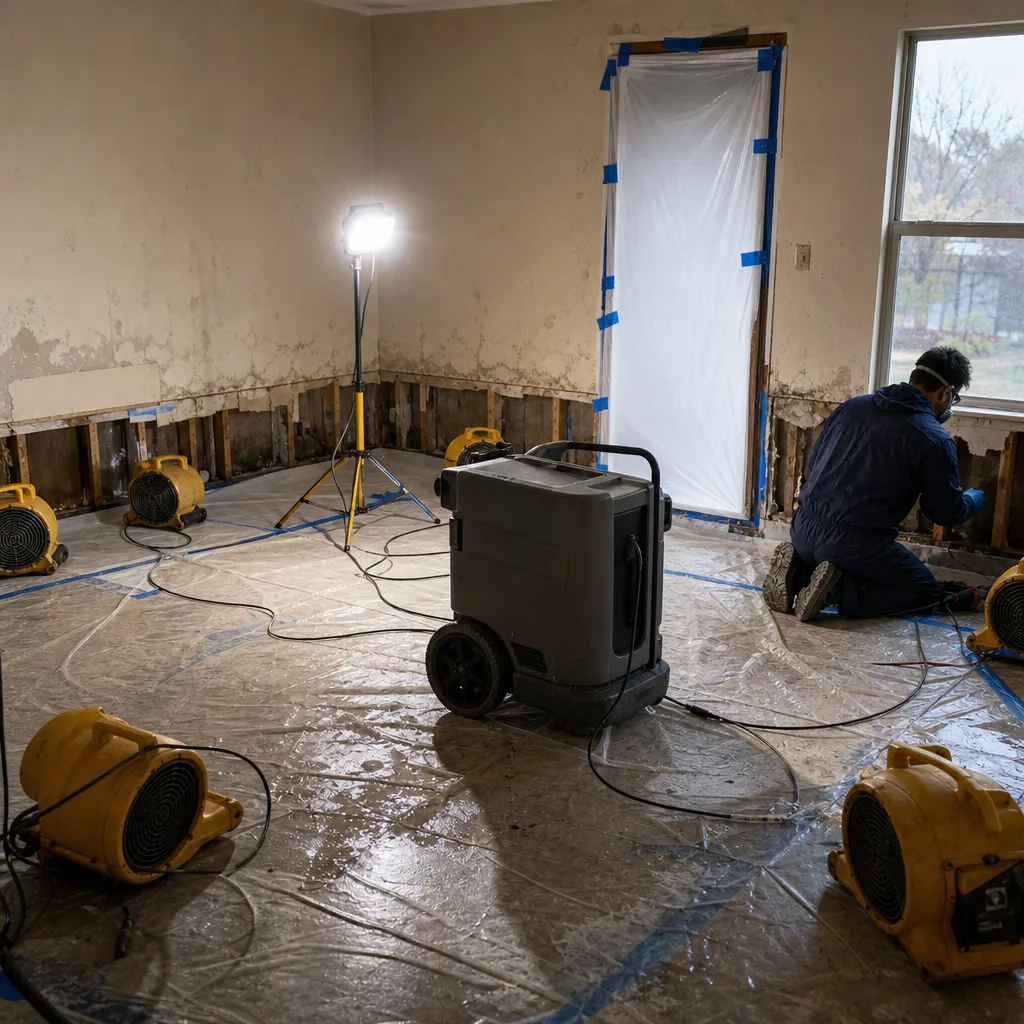
Insurance claims for fire damage fail most often on documentation gaps - the adjuster can’t see what was there before, can’t verify smoke reached the attic, can’t justify the water damage line item that wasn’t on the original fire report. We close those gaps from hour one. Our techs photograph every room before touching contents, record moisture readings on every visit, and produce daily drying logs that satisfy IICRC, RIA, and IFA documentation standards.
We write industry-standard estimates and communicate directly with your adjuster, not through you as a relay. Alicia Brennan built this company in 2011 after seeing how many homeowners lost legitimate claims to sloppy documentation, and our Fire & Smoke Damage Restoration team still operates on that principle.
What We Provide Your Insurer
- Thorough documentation of the loss
- Photos of all damage, room by room
- Moisture readings and drying logs
- A detailed, line-item scope of work
- Direct coordination with your carrier
Built for San Diego’s Loss Calendar
San Diego’s fire season runs October through April, when Santa Ana winds descend through east-county canyons at 60-80 mph with humidity below 10%. The Cedar Fire in October 2003 and Witch Fire in October 2007 both burned during these conditions, and meteorological data shows the same wind corridors activate reliably. This isn’t random risk - it’s a predictable loss calendar that shapes how we prepare and respond.
January atmospheric rivers bring the secondary wave: post-fire rain on denuded hillsides in Scripps Ranch, Rancho Bernardo, and Poway triggers debris flows and flash flooding that hit structures already weakened by fire. We’ve scoped jobs where the fire claim closed in November and water damage reopened in January - same property, separate deductibles, no coordination between adjusters. Our San Diego crews are trained to flag this pattern during initial assessment and document both loss potentials for the carrier.
Summer brings its own pattern: kitchen and electrical fires spike when inland temperatures push inland communities past 95°F and aging air conditioning systems overload circuits in 1970s tract homes.
Fire & Smoke Damage Restoration Across San Diego’s Neighborhoods
In Rancho Bernardo, we see repeated wildfire exposure from the Witch Fire burn scar. Homes here often need wind-rated garage door upgrades as part of structural fire repair - the original 1970s wood-frame doors fail under ember assault, and current code requires WUI (Wildland-Urban Interface) compliant assemblies. Our crews carry these specifications and coordinate permit submission with the city.
Scripps Ranch sits in the same wind corridor with steeper terrain and tighter canyon drainage. Post-fire rain events here produce faster debris flows than in flatter areas, and we regularly return to fire-damaged properties weeks later for water mitigation when winter storms hit denuded slopes.
Mira Mesa and Santee represent the 1950s-1980s stucco tract stock at scale. These homes have minimal attic ventilation, so smoke that enters through eave vents or failed door gaskets lingers in insulation and sheathing for months without professional treatment. Our thermal imaging locates these reservoirs before they become odor complaints.
In North Park and South Park, the 1920s-1940s Craftsman bungalows have balloon framing and original knob-and-tube wiring. Electrical fires are more common here, and the framing style means smoke travels vertically through wall cavities from basement to attic before lateral spread begins. Restoration requires compartmentalized containment and room-by-room air scrubbing with HEPA-negative air machines.
Specialized Fire & Smoke Damage Restoration Services We Offer in San Diego
Fire Damage Cleanup
We remove charred materials, classify salvageable contents, and document every decision with photographs for your insurer. In San Diego’s stucco tract homes, this often reveals pre-existing moisture damage behind cladding that must be addressed before rebuild.
Smoke & Soot Removal
Dry, wet, and protein soot each require distinct cleaning chemistry and mechanical action. We match the method to the residue, then verify removal with surface pH testing - not visual inspection alone.
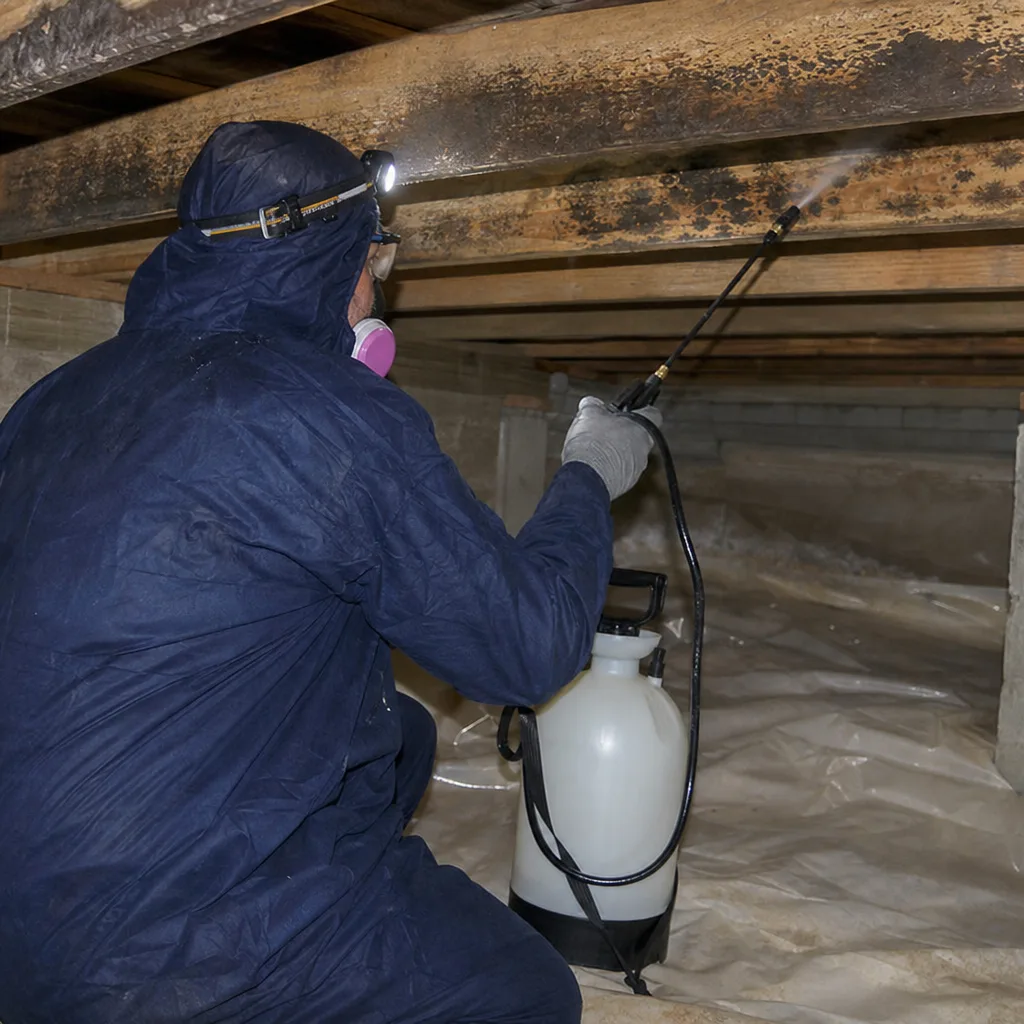
Odor Removal & Deodorization
Thermal fogging penetrates porous materials where smoke compounds adsorb; ozone treatment oxidizes odor molecules in unoccupied spaces. Ventilation alone won’t remove smoke odor from San Diego’s tight stucco construction.
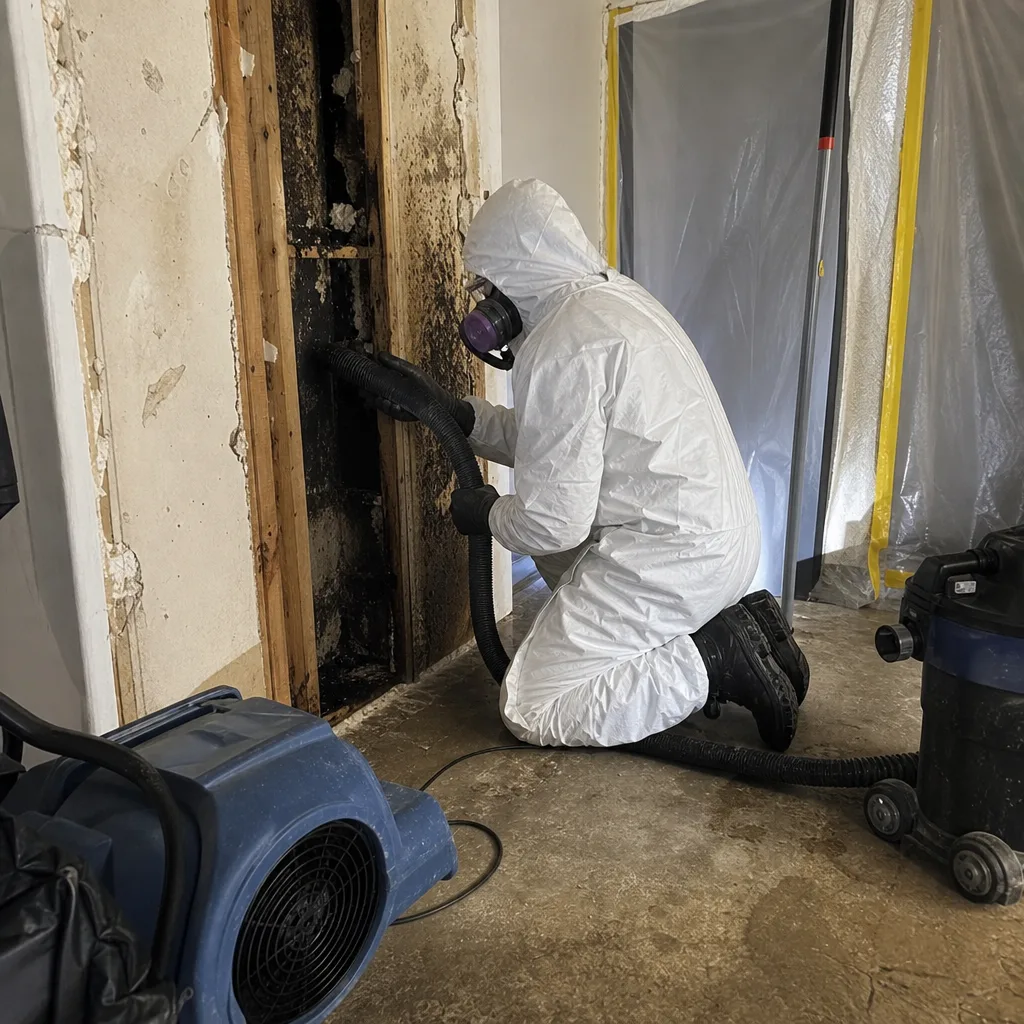
Contents Cleaning & Pack-Out
Salvageable items are inventoried, photographed, and transported to our cleaning facility for ultrasonic, dry-cleaning, or deodorization treatment. Non-salvageable items are documented for replacement-cost claims.
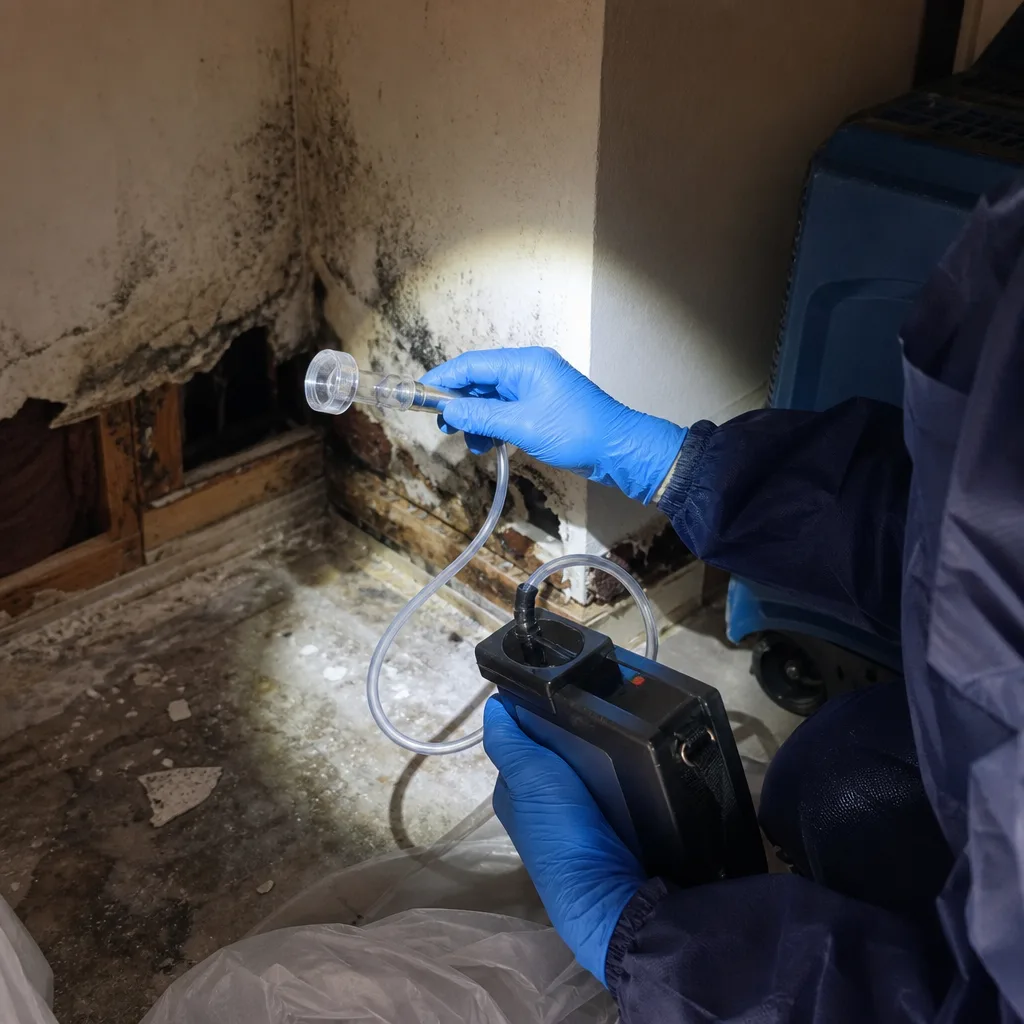
Emergency Board-Up & Tarping
Immediate weather and security protection for compromised structures. In San Diego’s fire zones, we also install temporary ember-resistant sealing until permanent wind-rated door and window replacements are installed.
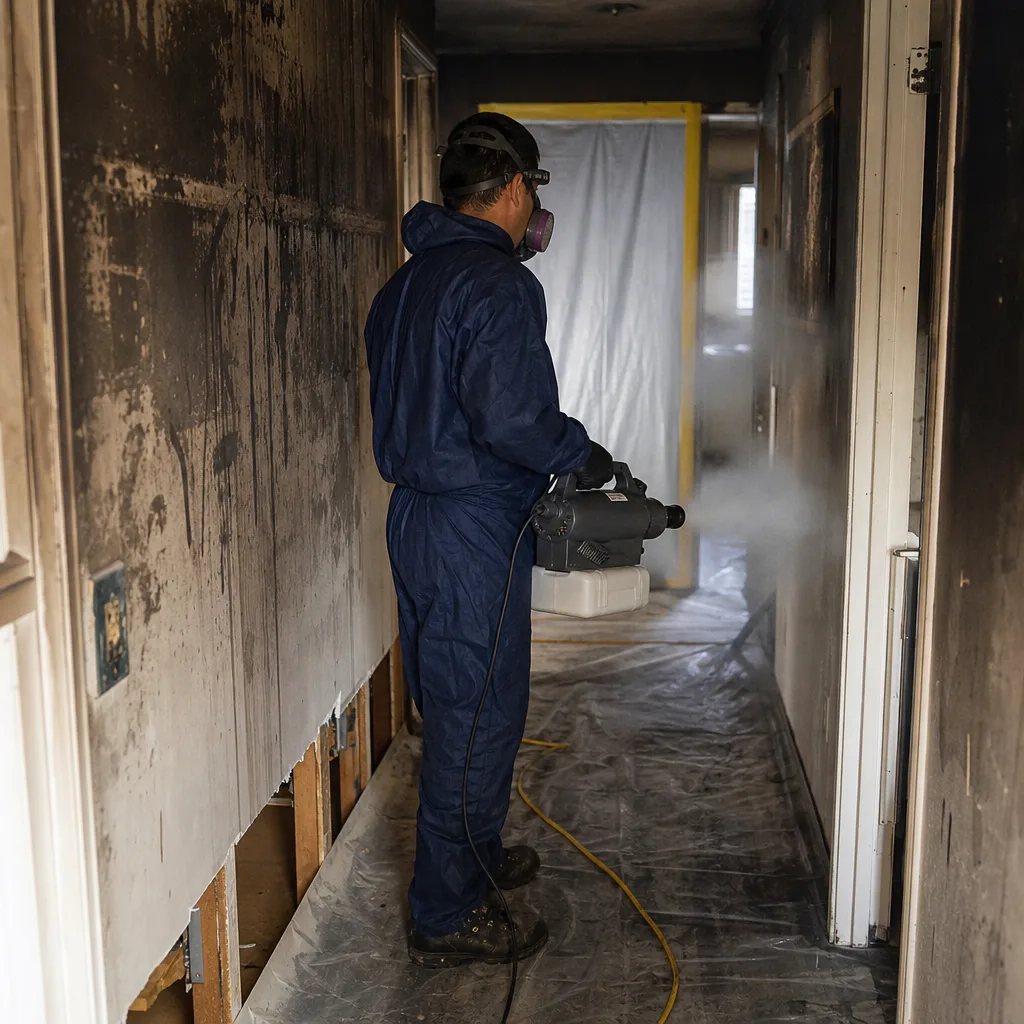
What happens when you call
- 1
A real person answersNo phone trees - you reach a local pro.
- 2
You get an upfront price rangeHonest numbers before anyone is dispatched.
- 3
A background-checked tech heads outLicensed & insured, dispatched right away.
- 4
You approve before work beginsNothing starts until you say go.
Fire & Smoke Damage Restoration Costs in San Diego, CA
San Diego’s market runs higher than national averages due to WUI code requirements, labor rates, and the frequency of combined fire-water losses. Here are typical ranges we see on written scopes:
| Service | Typical Range in San Diego |
|---|---|
| Emergency board-up & tarping | $850 - $2,400 |
| Smoke & soot removal (light, per room) | $1,200 - $2,800 |
| Smoke & soot removal (heavy/structural) | $3,500 - $8,500 |
| Odor removal & deodorization (whole house) | $2,000 - $5,500 |
| Contents pack-out & cleaning | $1,800 - $6,000 |
| Structural fire repair (permit-required) | $8,500 - $35,000+ |
| Wind-rated garage door replacement (WUI-compliant) | $2,800 - $6,500 |
What moves the price: square footage affected, soot type (wet smoke requires more labor than dry), whether firefighting water requires full structural drying, and whether WUI code upgrades are triggered. Most homeowner policies cover direct fire and smoke damage; coverage for code-upgrade costs varies by endorsement. We provide a free visual inspection and written price before any work begins - Haven Standard, Clause 1 - and offer a Free Second Opinion on any competitor’s written estimate.
We Also Serve Cities Near San Diego
Our crews respond throughout the metro from our San Diego office, including Lemon Grove, Bonita, La Mesa, and Spring Valley. Each community shares San Diego’s fire risk profile but has distinct building ages and code histories that shape our assessment approach.
Serving San Diego, CA - Our Local Coverage Area
We’re based in the San Diego area and know this community well. Use the map below to see our service coverage - if you’re nearby, we can almost certainly help.
San Diego Fire & Smoke Damage Restoration Questions, Answered
After a wildfire like the Cedar or Witch Fire, why does my San Diego home need wind-rated door inspection even if the fire didn’t reach it?
Santa Ana winds can drive embers through failed door gaskets and gaps in non-wind-rated garage doors, introducing smoke and soot into attic spaces and HVAC systems while the main fire burns miles away. We inspect door assemblies for ember intrusion paths and document findings for your insurer. Call (858) 683-1768 for a free inspection.
Can post-fire rain in Rancho Bernardo or Poway cause a second insurance claim on the same property?
Yes. Denuded hillsides after wildfire lose water-absorption capacity, so January atmospheric river events can produce debris flows and flash flooding that damage structures weeks after the fire claim closes. We document both loss potentials during initial assessment to prevent coverage gaps. Call (858) 683-1768 if your property is in a post-fire burn area.
How do you prevent mold after firefighting water soaks into stucco or wood framing in San Diego?
We deploy moisture meters and thermal imaging to locate water trapped behind stucco sheathing, then use Injectidry cavity drying systems and Phoenix dehumidifiers to achieve IICRC drying standards with daily moisture logs. San Diego’s dry climate helps, but stucco conceals wet framing that can grow mold in 24-48 hours without targeted drying. Call (858) 683-1768 for immediate assessment.
Does smoke odor removal in San Diego require containment, or can we just ventilate?
Ventilation alone fails in San Diego’s tight stucco construction because smoke compounds adsorb into porous materials and re-emit when temperatures rise. We establish containment with negative-air HEPA scrubbers, then apply thermal fogging or ozone treatment depending on the odor source and occupancy status. Call (858) 683-1768 for a scope and price.
What equipment do you use for fire and smoke damage restoration in San Diego’s inland communities?
We deploy Dri-Eaz and Phoenix dehumidifiers, XPOWER and B-Air air movers, Injectidry cavity drying systems, and HEPA-negative air machines from B-Air for containment and air scrubbing. All equipment selection is documented to IICRC standards with daily drying logs. Call (858) 683-1768 for equipment specifications on your job.
How fast can DryMark Restoration Poway actually get to my San Diego home after a fire?
We commit to 45-minute response for San Diego addresses, with live phone coverage 24 hours a day, 7 days a week. Crews are staged for the east-county corridor where Santa Ana wind-driven fires spread fastest. Call (858) 683-1768 - a real person answers.
Will my insurance cover the full cost of fire and smoke damage restoration?
Most homeowner policies cover direct fire and smoke damage, including contents cleaning, structural repair, and odor removal. Coverage for code upgrades (like WUI-compliant door replacements) and additional living expenses depends on your specific endorsements. We document everything for direct adjuster coordination and provide a written scope before work begins. Call (858) 683-1768 for a free inspection and estimate review.
Do I need full fire damage restoration, or can I just clean the visible soot myself?
Visible soot is often the smallest part of the loss. Smoke migrates through HVAC systems, attic spaces, and wall cavities in ways that surface cleaning won’t reach, and improper cleaning can set stains permanently. We assess migration patterns with thermal imaging and write a scope that addresses hidden damage. Call (858) 683-1768 for a free visual inspection - estimates are free.
After the 2007 Witch Fire, we responded to a home in Rancho Bernardo where the wind-driven ember intrusion had failed the original 1970s wood-frame garage door; smoke and soot had been pulled through the gap into the attic. Our techs set up containment, performed smoke & soot removal on the structural framing and HVAC, and used Dri-Eaz air movers and Phoenix dehumidifiers to dry the water used during firefighting - all documented with moisture readings and drying logs for the scope of work.
San Diego’s fire risk is driven by Santa Ana winds funneling through east-county canyons - the 2003 Cedar Fire destroyed ~2,200 homes and the 2007 Witch Fire burned Rancho Bernardo neighborhoods - so wind-rated garage and entry doors, not just defensible space, are often the first structural failure point during a fire weather event. This is the structural detail generic restoration pages miss, and it’s why our assessments include door assembly inspection even when flames never reached the property.
Written by Alicia Brennan, Owner at Back to Dry Restoration, serving San Diego since 2011.
Fire & Smoke Damage Restoration in Nearby Areas