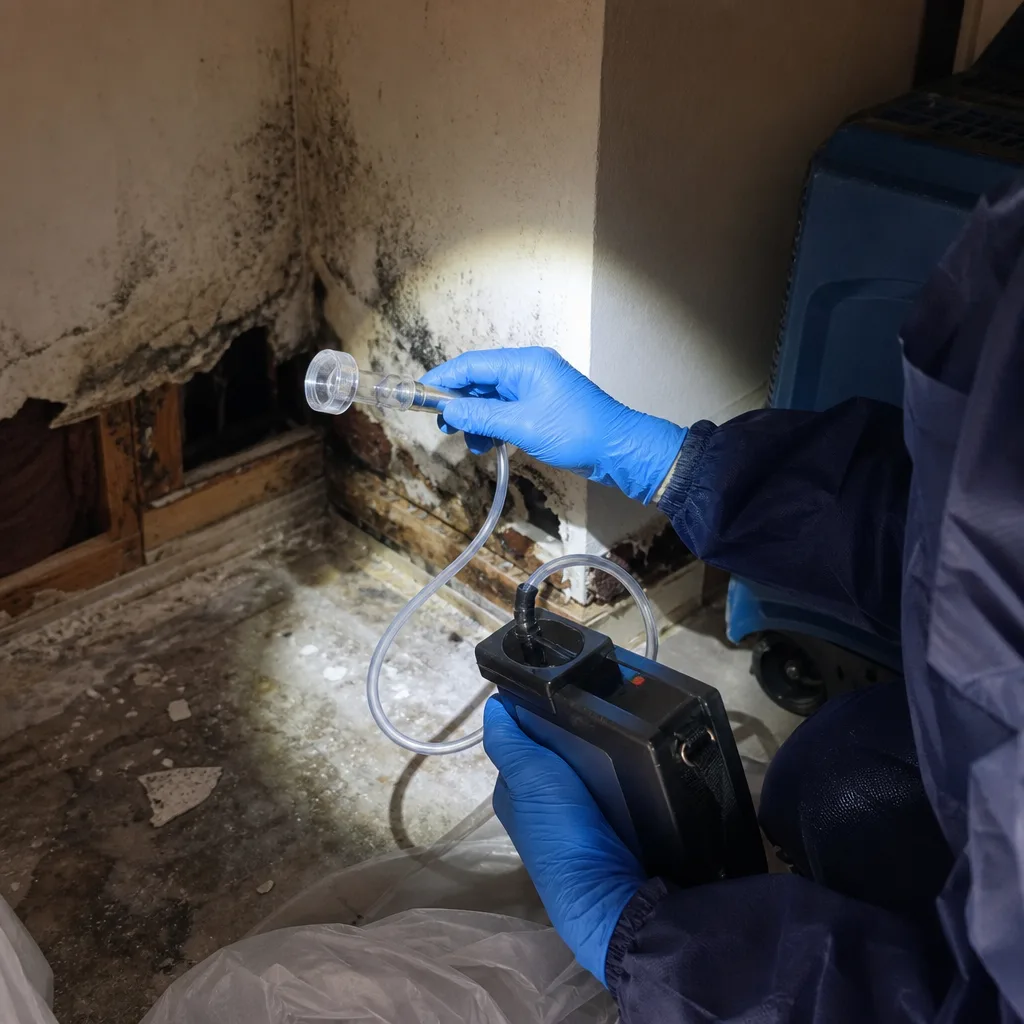
Free visual inspection and a written scope of work before any mitigation begins - photos, moisture readings, and drying logs go in your claim file
The scope we write is the scope we bill. Anything new gets shown to you, in writing, before we touch it.

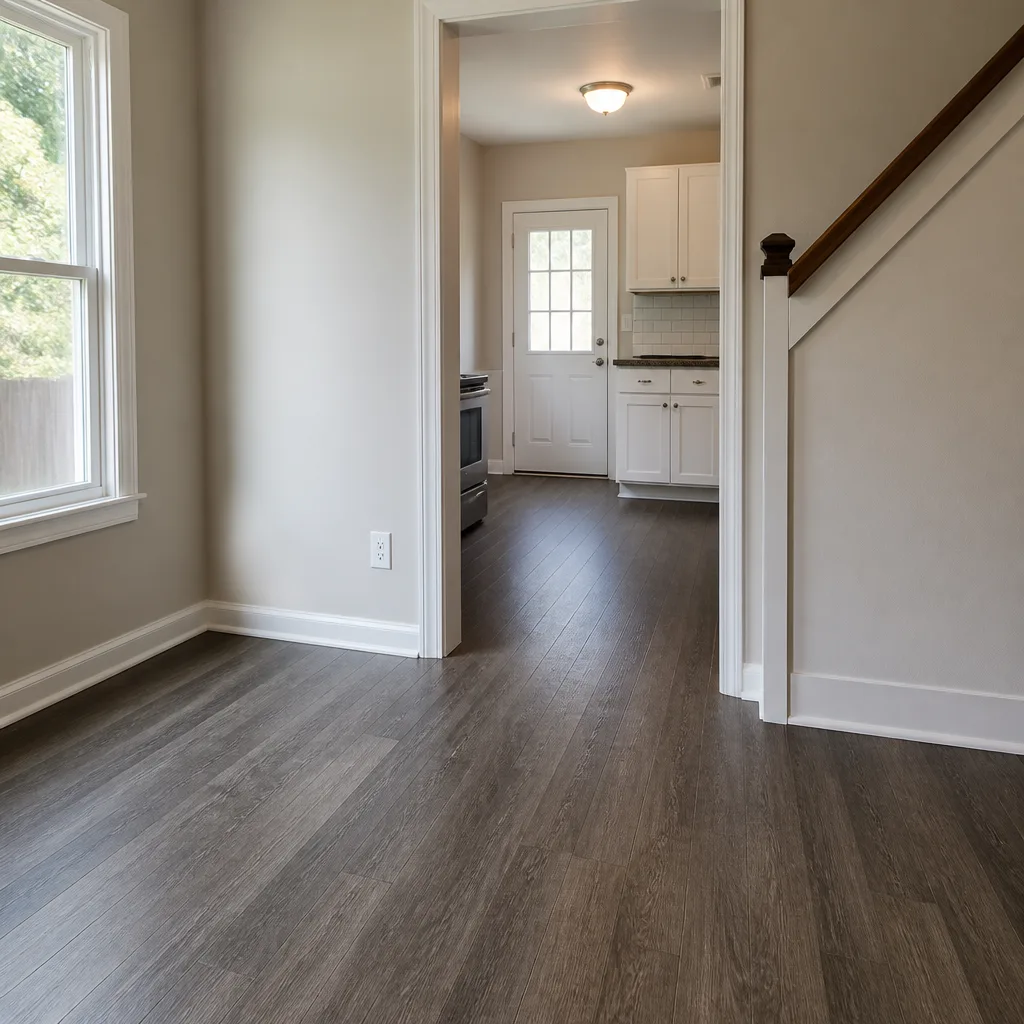

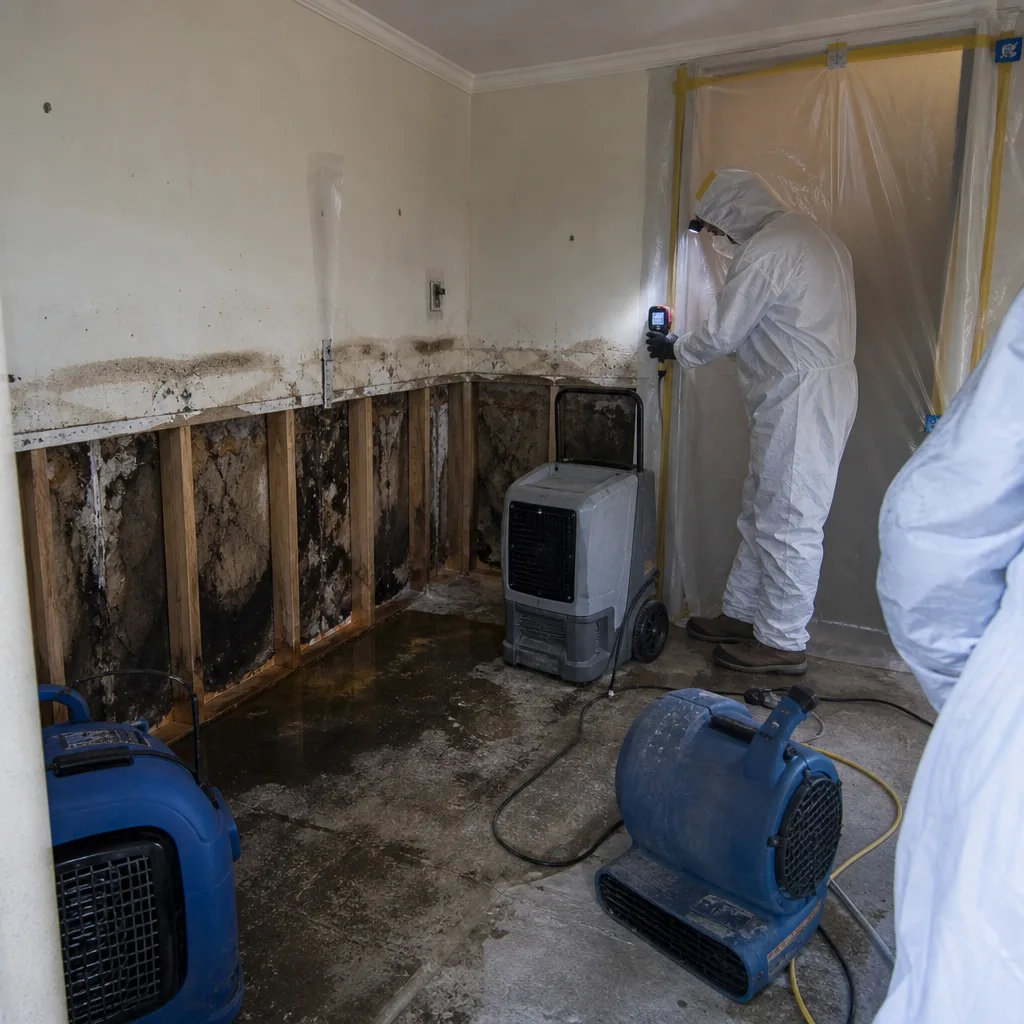 Before
 After
After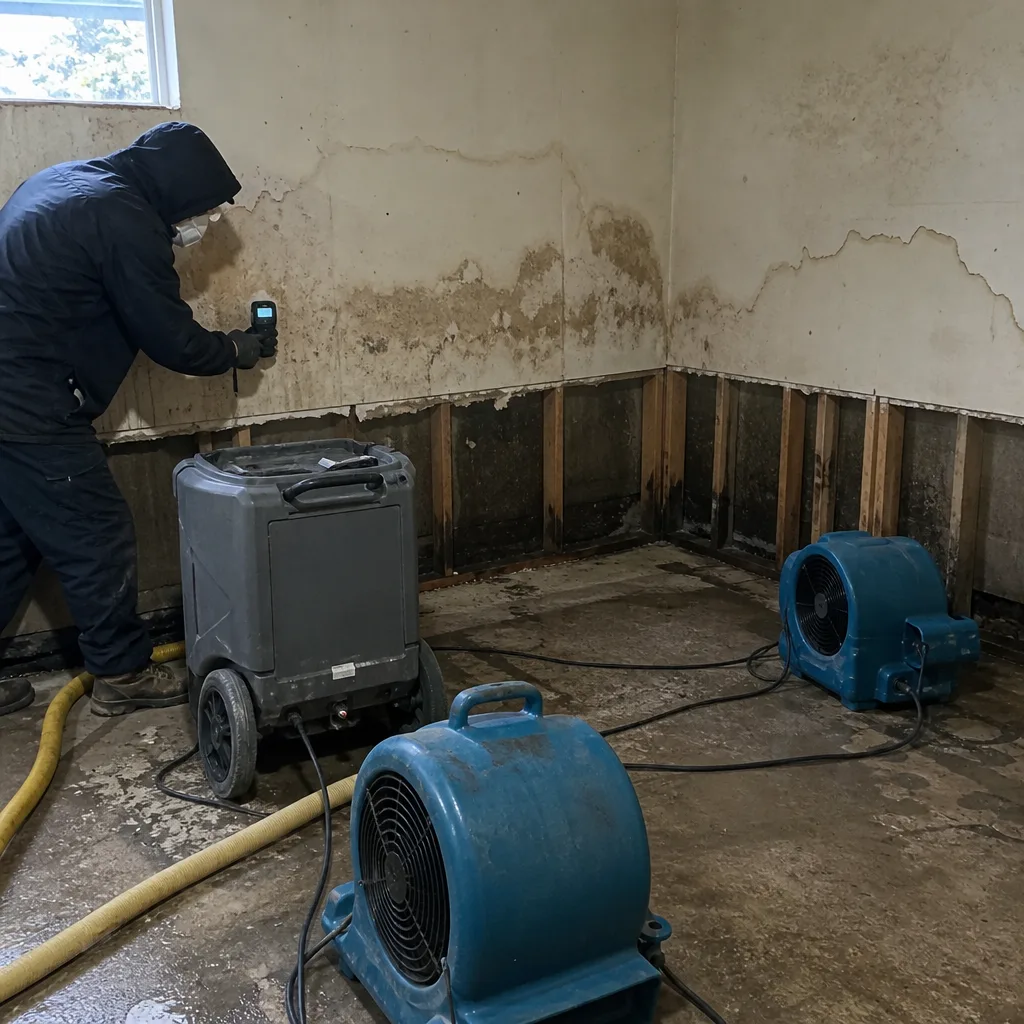 Before
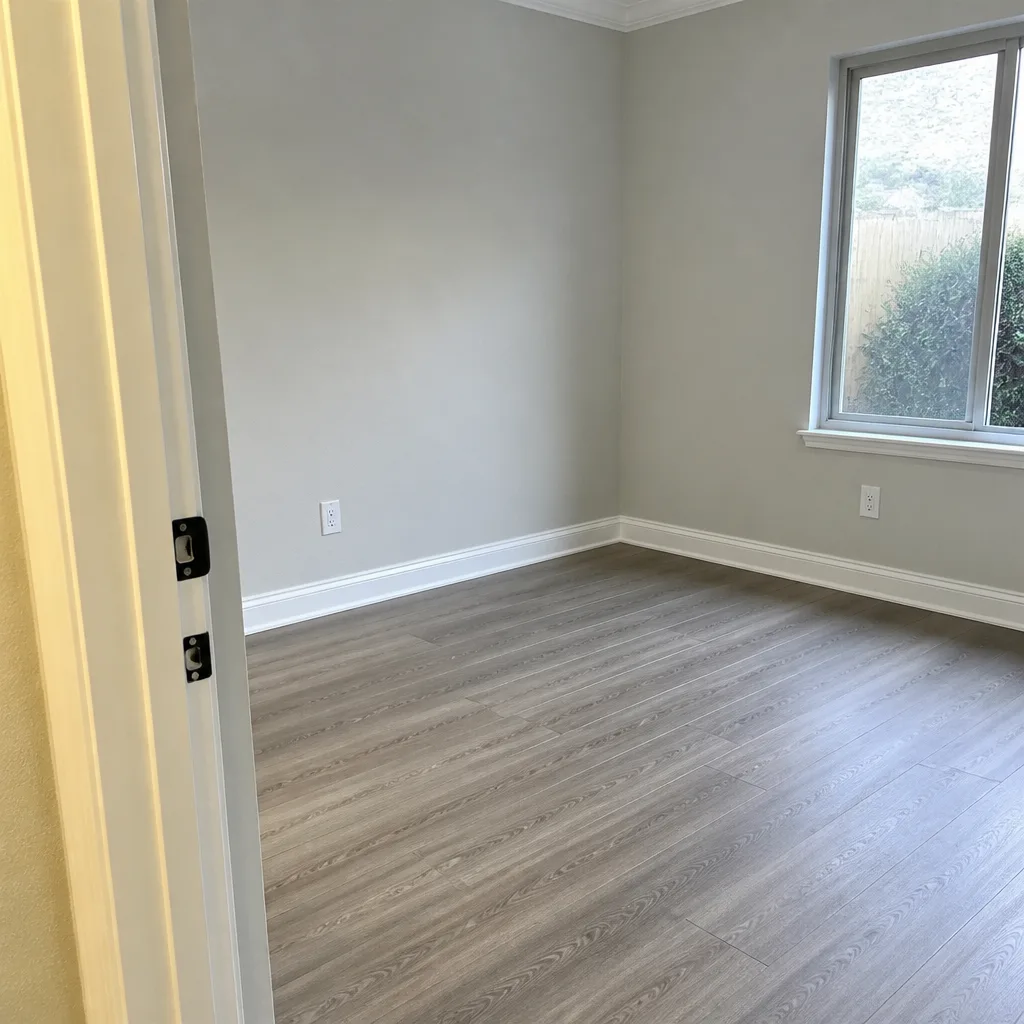 After
After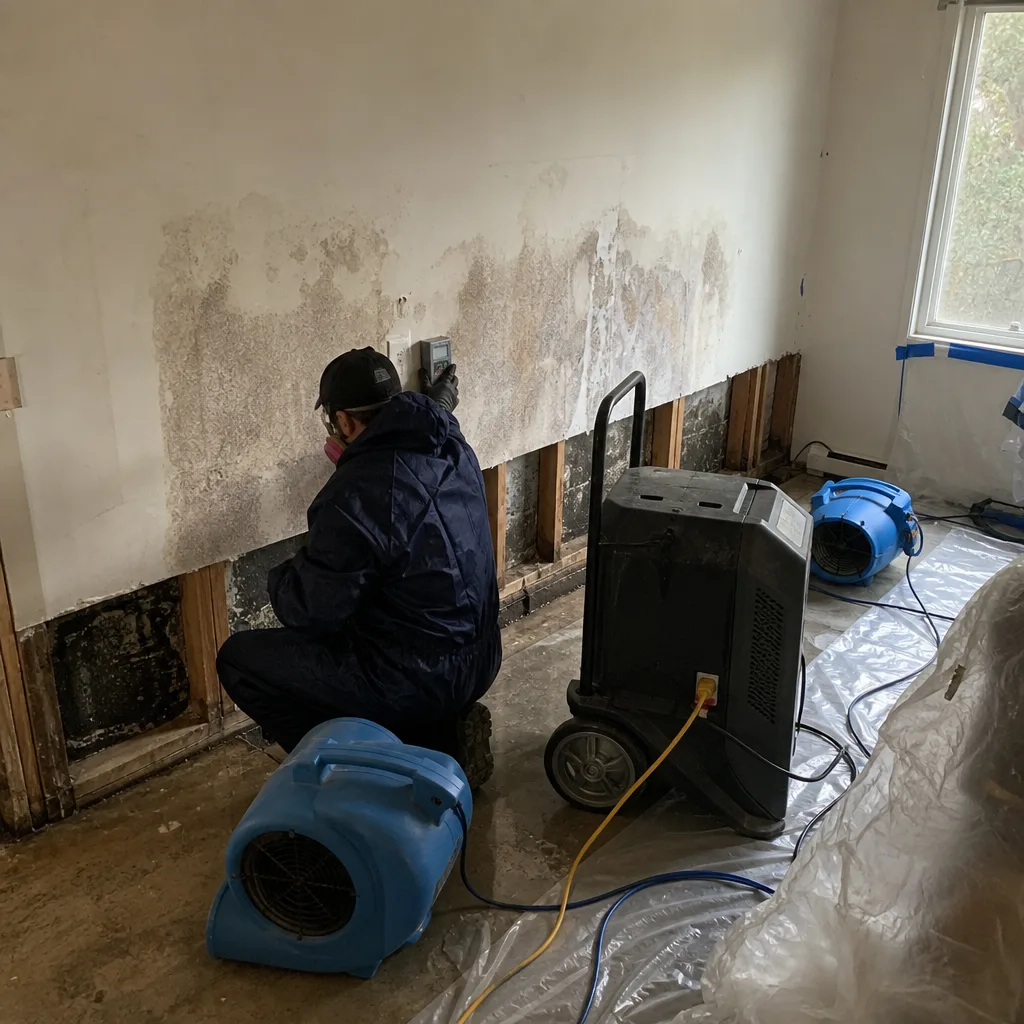 Before
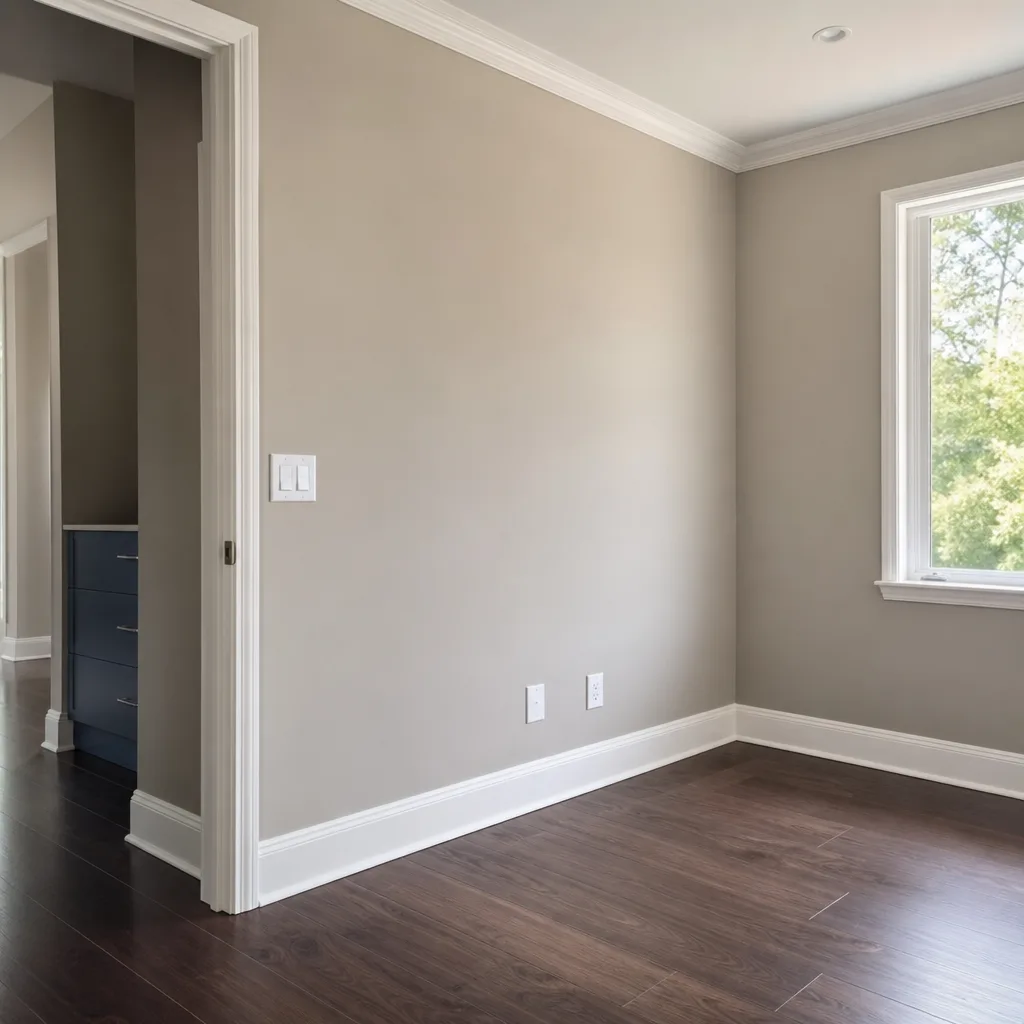 After
After24/7 Emergency Mold Remediation in San Diego
Call (858) 683-1768 and a live person answers, 24 hours a day. No voicemail trees, no next-business-day callbacks while spores are still spreading. Our crews dispatch throughout San Diego from our local metro office, and we offer a free visual inspection to assess whether you’re looking at surface growth or a colony inside the wall cavity.
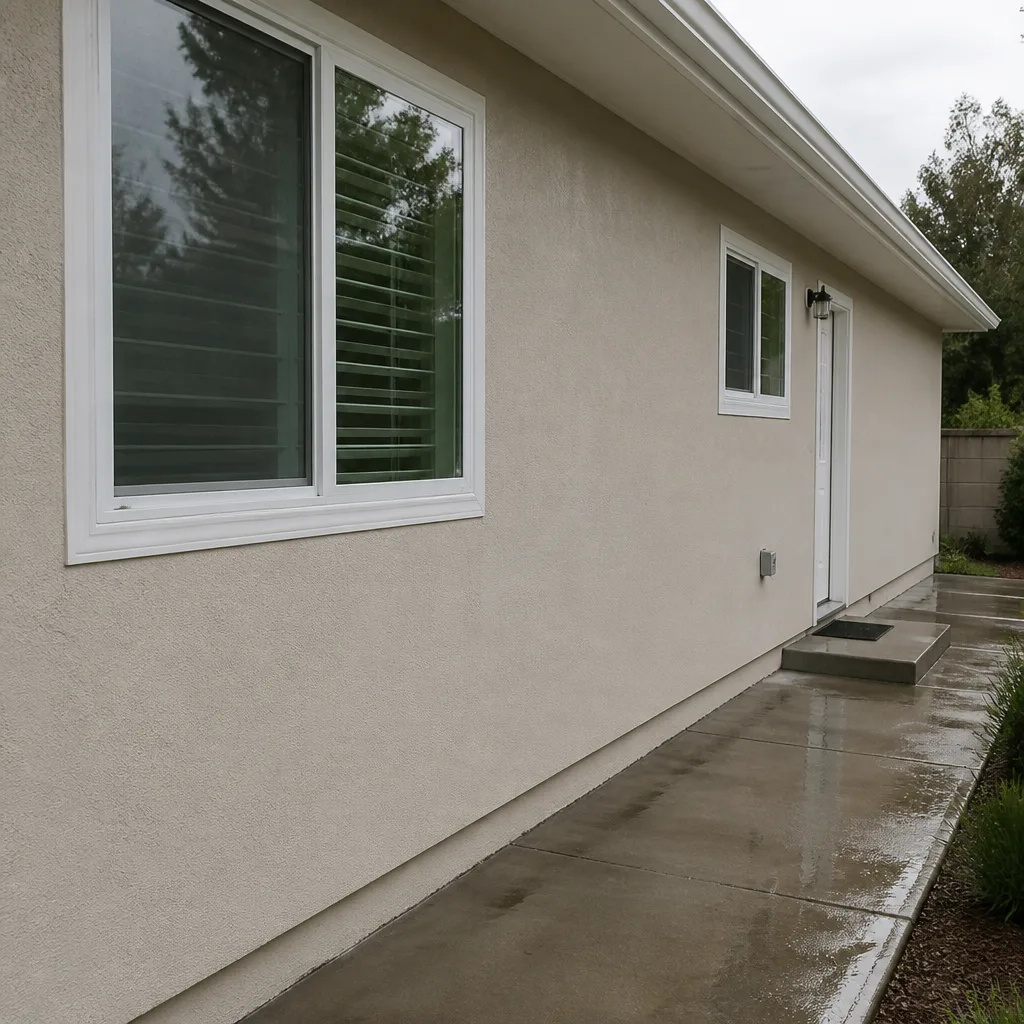
The first hour matters because mold doesn’t wait for business hours. In San Diego’s stucco-over-wood-frame housing stock, a leak can travel laterally inside the wall for weeks before it shows as a water spot. By the time you see discoloration, the colony may already be established. We arrive with moisture meters, thermal imaging, and HEPA containment equipment to stop migration before it reaches your HVAC system.
Understanding Mold Remediation Severity in San Diego Properties
Mold remediation severity is measured by affected square footage, the class of water that fed the colony, and whether spores have migrated into the HVAC or occupied spaces. Category 1 water, a clean supply line leak, carries lower contamination risk than Category 2 gray water or Category 3 black water, but any moisture source left above 60 percent relative humidity for 48-72 hours can trigger growth. In San Diego, the complicating factor is our dry-season complacency: homes go 6-8 months without rain, so maintenance on seals, flashing, and drainage gets deferred. When atmospheric river events arrive, water enters structures that haven’t been tested for integrity in half a year.
Our crews classify San Diego jobs by containment zone size. A contained crawl space or single wall cavity is a limited remediation. Once spores enter the duct system or multiple rooms show elevated airborne counts, the scope escalates to whole-structure air scrubbing and negative air pressure containment. The 1950s-1980s stucco tract homes in Mira Mesa and El Cajon are particularly vulnerable to hidden escalation because stucco conceals the damage until interior finishes fail. Older 1920s-1940s Craftsman bungalows in North Park and South Park present the opposite problem: their balloon framing and lath-and-plaster construction allow rapid vertical migration once a roof or plumbing leak starts.
Why San Diego Property Owners Choose DryMark Restoration Poway
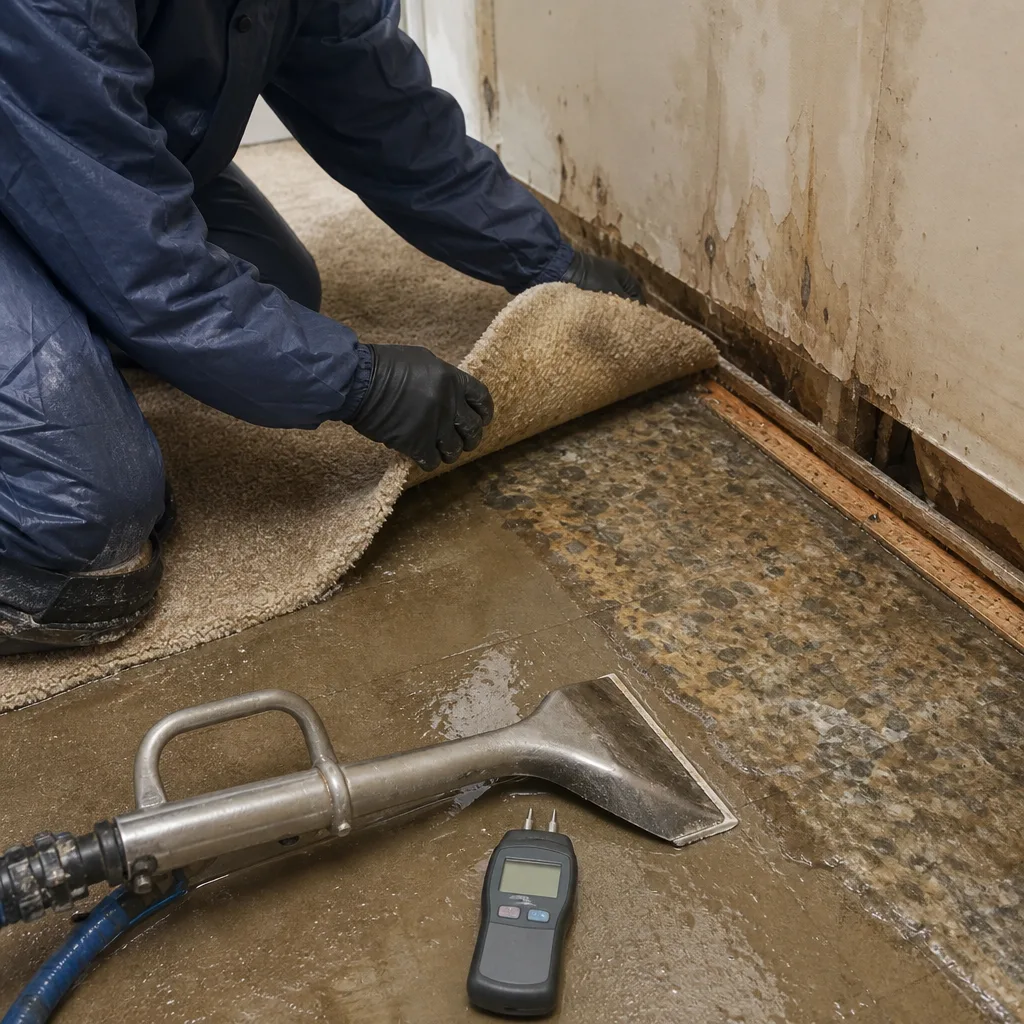
- 45-minute response commitment to San Diego metro addresses during emergency hours, because containment can’t wait for spores to settle.
- 24/7 live answer - a real person, never an automated system, picks up every call to our emergency line.
- IICRC-certified crews holding AMRT (Applied Microbial Remediation Technician) and WRT (Water Damage Restoration Technician) certifications, with license numbers provided on request.
- Free visual inspection to determine whether you’re facing surface growth or structural colonization requiring containment.
- Direct insurance billing with photo-documented scopes that adjusters recognize and pay without dispute.
- One team from inspection to reconstruction - no handoffs between remediation and rebuild contractors that delay your certificate of occupancy.
 Before
 After
AfterOur Mold Remediation Process
1. Inspection & Assessment
We start with moisture mapping using thermal imaging and pin-type moisture meters to locate the water source feeding the colony. In San Diego stucco homes, we pay particular attention to flashing failures and stucco cracks that wick moisture into wall cavities during rain events. Air sampling and surface testing determine species and airborne spore counts.
2. Containment & Air Filtration
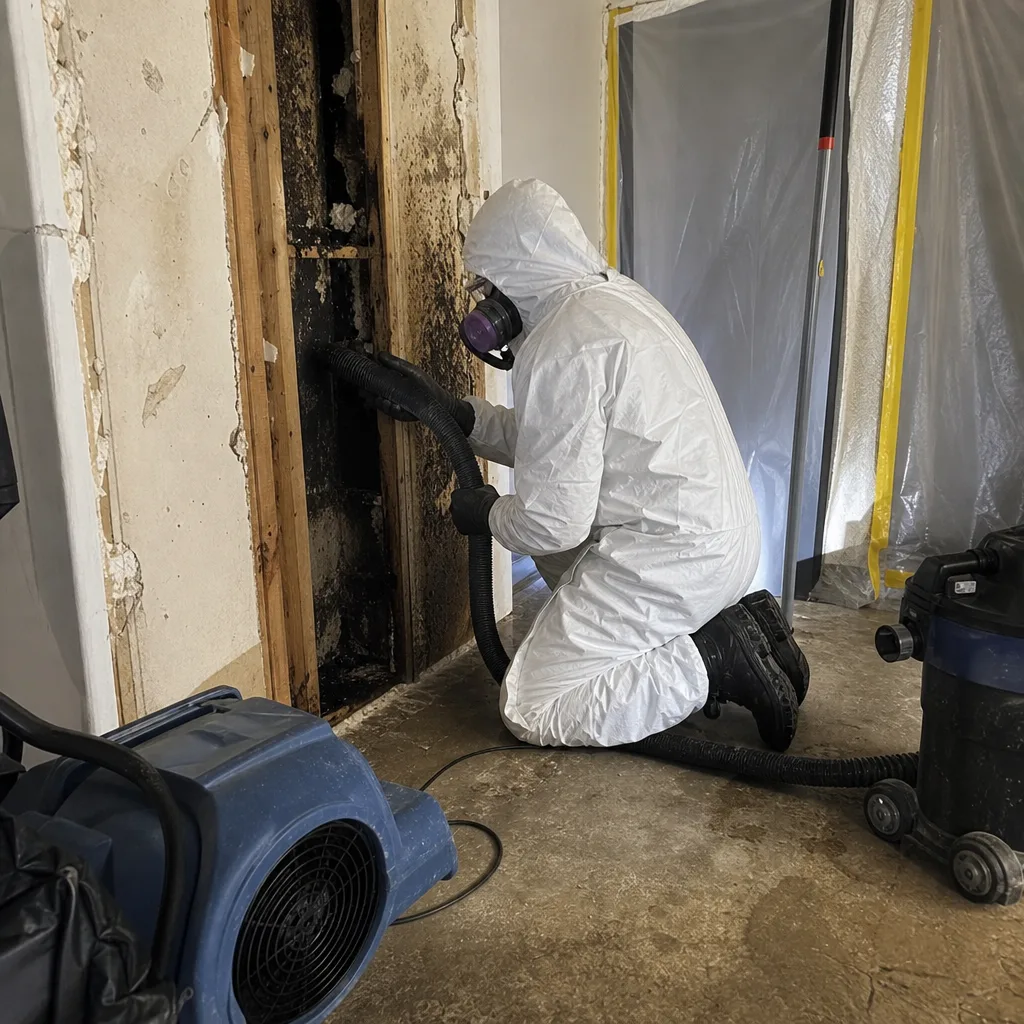
We establish polyethylene containment barriers and run negative air pressure with HEPA scrubbers to prevent spore migration. If the HVAC system is compromised, we seal ducts and deploy portable air filtration. This step is non-negotiable; unrestricted airflow during remediation converts a localized problem into a whole-house air quality event.
3. Structural Drying
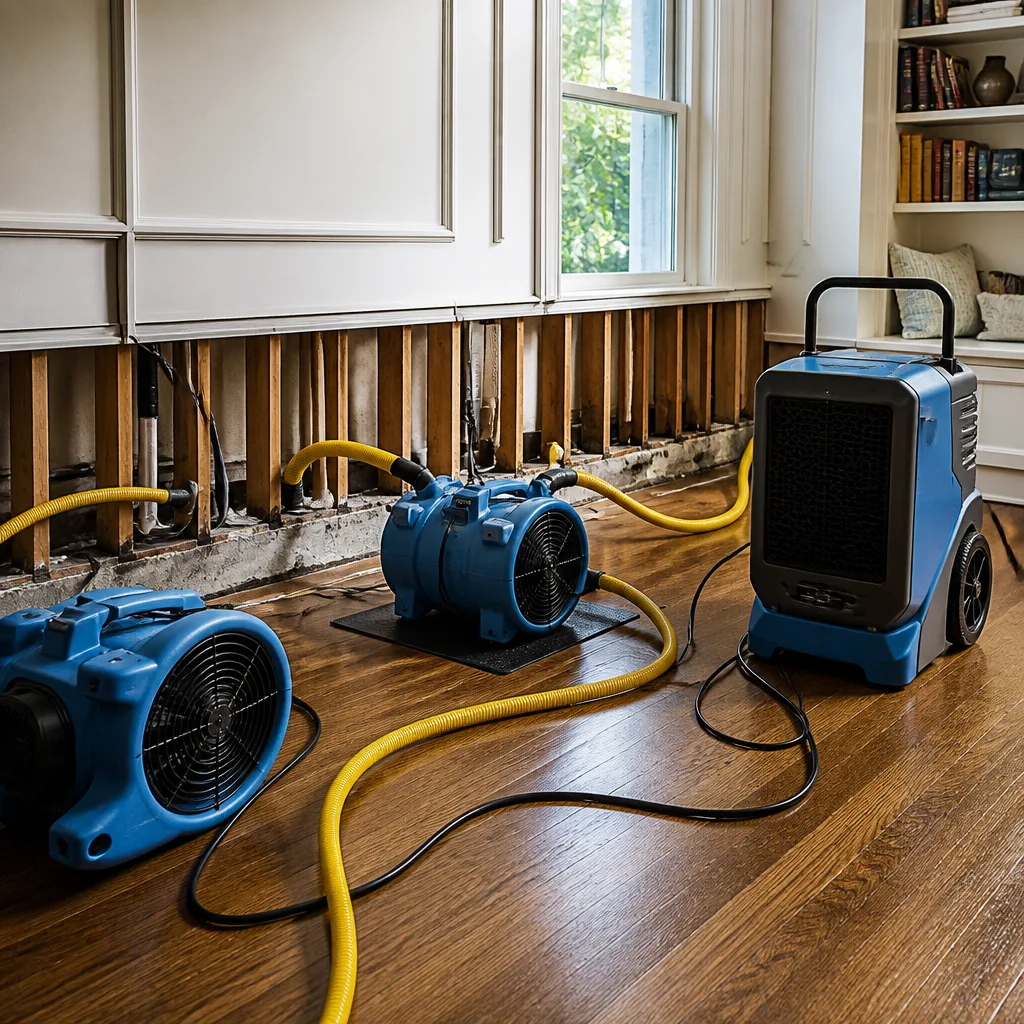
We deploy Injectidry panel drying systems, low-grain refrigerant dehumidifiers, and air movers to bring affected framing to dry standard, documented with daily moisture readings. San Diego’s ambient humidity can make a wall feel dry to the touch; we rely on psychrometric data, not the calendar, to determine when the cavity has actually reached equilibrium.
4. Cleaning & Sanitization
HEPA vacuuming and antimicrobial treatment of affected studs, subfloors, and structural members. Porous materials that cannot be cleaned to clearance standards, such as saturated drywall or insulation, are removed and documented for insurance. We treat, we don’t just cover.
5. Air Quality Restoration
Post-remediation air sampling verifies that airborne spore counts have returned to background levels. We run continuous HEPA filtration during this phase and provide third-party clearance documentation where required by your insurer or property manager. This is the step that separates remediation from cosmetic cleanup.
6. Repairs & Moisture Control
We rebuild with moisture-resistant materials where code allows and install humidity control solutions, including dehumidification systems and improved ventilation, to prevent recurrence. Every job closes with a written scope, photo record, and our 365-Day Done Right Promise under The Haven Standard.
Need Emergency Mold Remediation in San Diego Now?
Crews minutes away, answering live 24 hours a day. The sooner we start, the less it costs.
Working With Your Insurance Company
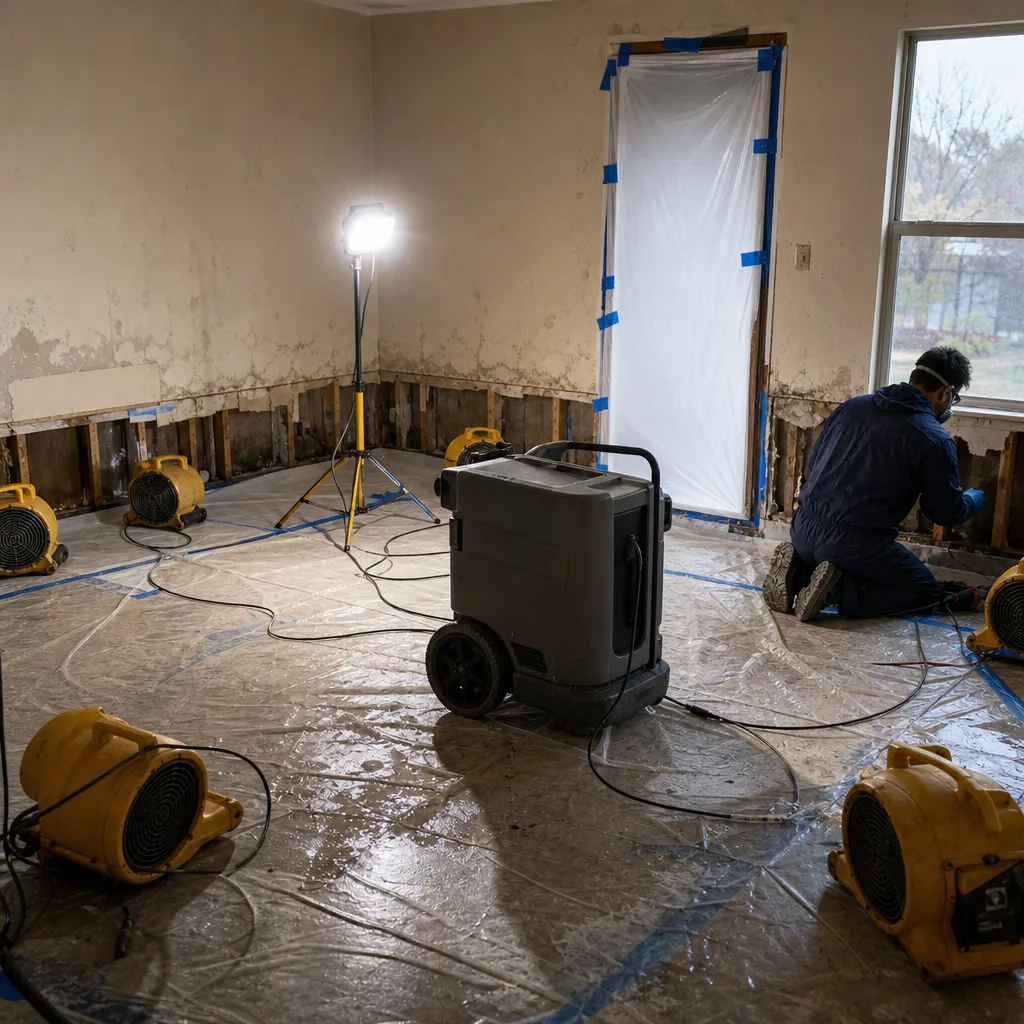
Insurance claims for mold damage live or die on documentation. We know this because our founder, Alicia Brennan, built Back to Dry Restoration in 2011 after working as a claims adjuster and watching homeowners lose coverage for gaps in the file. From the first hour on your San Diego property, we photograph every affected surface, log moisture readings by room, and maintain daily drying records that meet IICRC, RIA, and IFA standards. Your adjuster receives a line-item scope written in industry-standard estimating format, not a narrative description that requires interpretation.
We communicate directly with your carrier, not through you as a relay. This matters because mold claims often involve questions of causation, was the water event sudden and accidental, or the result of long-term maintenance neglect, that determine coverage limits. Our documentation answers those questions with dated photos and moisture logs before the adjuster has to ask.
What We Provide Your Insurer
- Thorough documentation of the loss
- Photos of all damage, room by room
- Moisture readings and drying logs
- A detailed, line-item scope of work
- Direct coordination with your carrier
Built for San Diego’s Loss Calendar
San Diego’s mold calendar runs opposite to most of the country. Our dry season, April through October, is when the damage accumulates invisibly. Seals harden, flashing cracks, and stucco hairlines open under thermal stress. No rain tests these failures, so they go unrepaired. Then November through March delivers our entire annual rainfall in concentrated atmospheric river events, and the water finds every path of least resistance.
January 2024 was a textbook case: a series of atmospheric rivers overwhelmed San Diego’s stormwater system and produced widespread intrusion in homes that hadn’t seen water in eight months. The calls peaked three to four weeks after the rain stopped, when wall cavities that had been moisture-loaded since December finally showed visible growth. Summer brings a secondary pattern: coastal marine layer moisture penetrates poorly ventilated crawl spaces in older homes, particularly in the pre-war bungalows of Hillcrest and North Park, where foundation vents were designed for a different climate.
Mold Remediation Across San Diego’s Neighborhoods
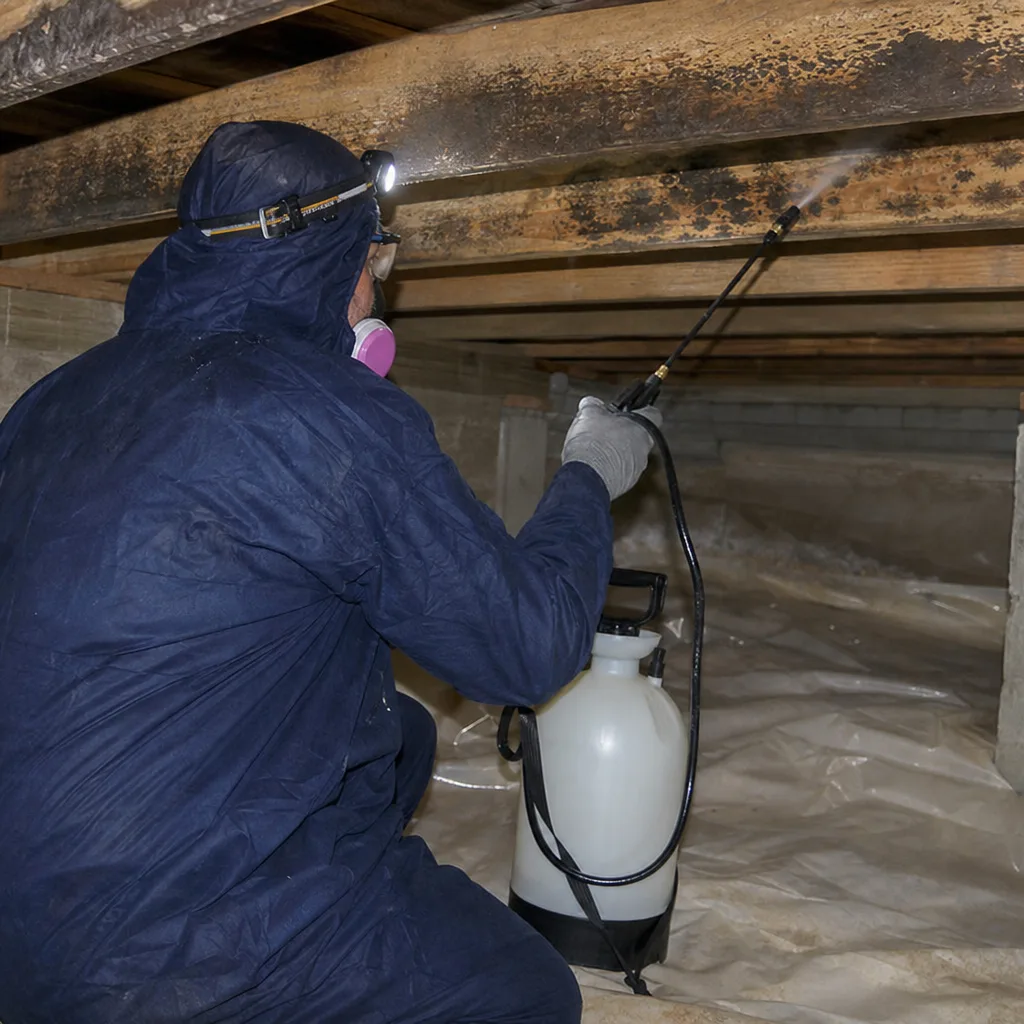
In Rancho Bernardo and Scripps Ranch, we work almost exclusively in 1970s-1980s stucco tract homes where flashing failures behind the exterior envelope produce the classic delayed-discovery mold event. The Pomerado Road corridor is particularly prone; we’ve traced musty odors to wall cavities that had been wicking moisture for multiple dry seasons before the first interior stain appeared. Our Mold Remediation team carries Injectidry panel drying equipment specifically for these stucco-cavity recoveries.
Mira Mesa and El Cajon share the same vintage housing stock with an added factor: many of these homes sit on slabs with original or near-original plumbing. Slab leaks produce subfloor moisture that wicks into base plates and wall bottoms, and the first sign is often baseboard warping or a persistent musty smell in a closet. We use thermal imaging to locate the plumbing break before we cut into finishes, minimizing reconstruction scope.
North Park and South Park present the Craftsman bungalow challenge: balloon framing, lath-and-plaster, and decades of layered renovations that conceal old leaks. These homes require more invasive inspection because the wall cavities are continuous from basement to attic. We frequently find that a current mold event is actually the recurrence of a previous leak that was never fully dried, just covered with new drywall.
In the hill communities above I-15, the wildfire-mold sequence is real. After the 2003 Cedar Fire and 2007 Witch Fire, we performed remediation on homes that had survived the flames but took water damage from post-fire debris flows and flash flooding. The fire claim was open; the mold claim came six weeks later when saturated framing inside supposedly dry walls began to colonize. Our crews in San Diego are trained to scope both loss types on a single job.
Specialized Mold Remediation Services We Offer in San Diego
Mold Inspection & Testing
We don’t guess. Our San Diego inspections combine moisture mapping, thermal imaging, and air/surface sampling to locate the colony and identify the species. In stucco homes, we pay particular attention to the transition zones where roof lines meet walls, the most common failure point in our local housing stock. Testing determines whether you’re looking at a cosmetic cleanup or a containment-level remediation.
Mold Removal
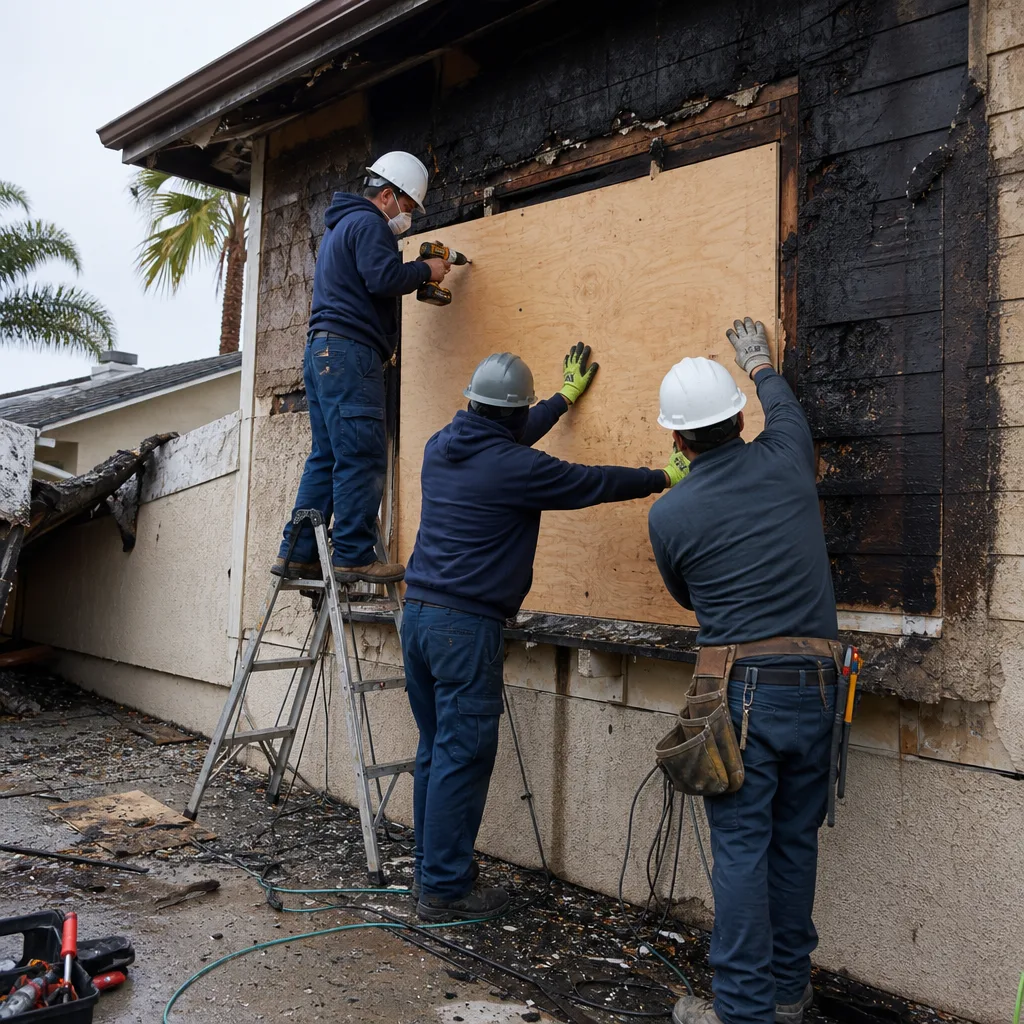
Removal is the physical extraction of colonized materials, drywall, insulation, carpet pad, and in severe cases, structural members that cannot be cleaned to clearance. In San Diego’s climate, we see a lot of “partial” removals by previous contractors who stopped at the visible stain while leaving the moisture source intact. We remove to dry standard, not to what looks acceptable.
Black Mold Remediation
Stachybotrys chartarum and other toxigenic species require enhanced containment and PPE protocols. We establish full negative air pressure, use respirators and protective suits, and dispose of contaminated materials as regulated waste. If black mold is suspected in your San Diego home, do not disturb the area; agitation releases spores and converts a localized problem into an airborne hazard.
Air Quality Restoration
After remediation, we run continuous HEPA filtration and post-remediation air sampling to verify that spore counts have returned to background levels. This service is particularly critical in San Diego’s tighter, more energy-efficient homes where natural air exchange is limited. We provide third-party clearance documentation for property managers, insurers, and sensitive occupants.
Crawl Space Treatment
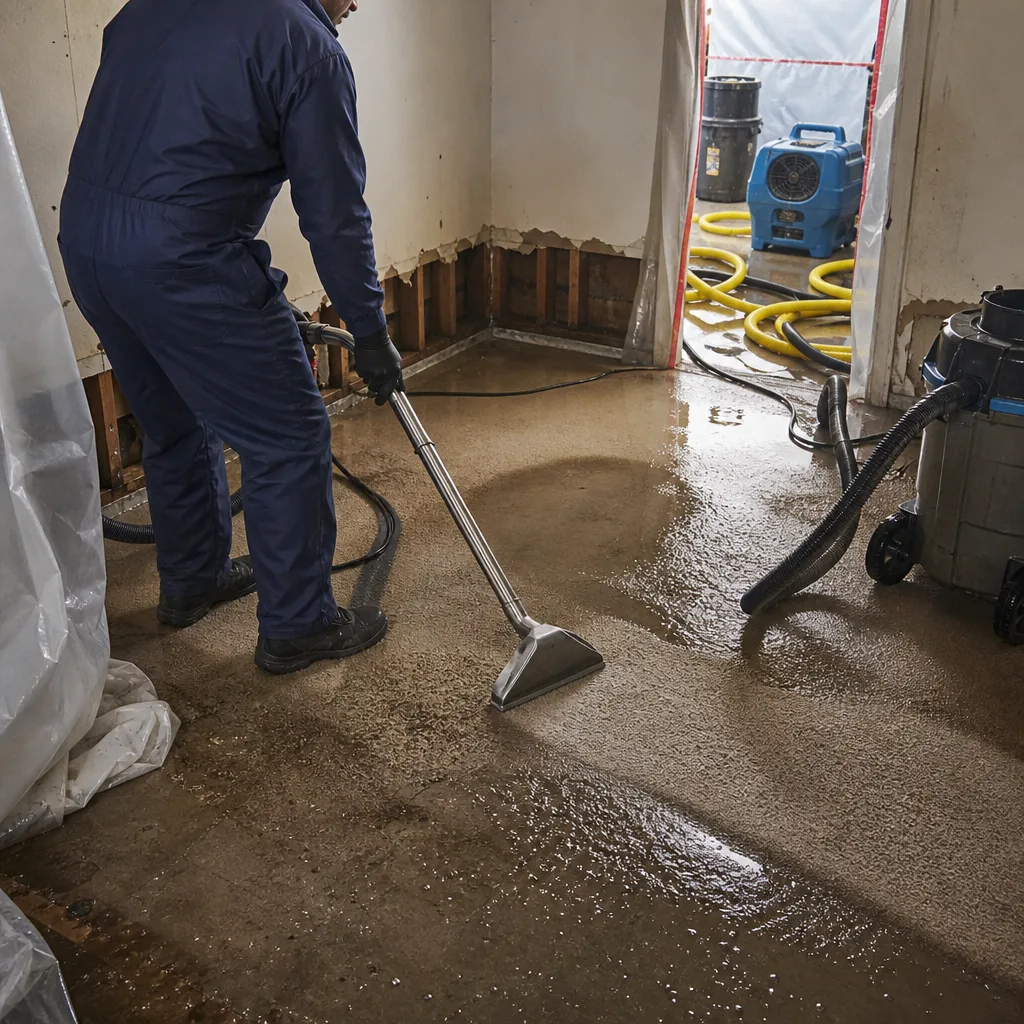
San Diego’s coastal and near-coastal homes, particularly in older neighborhoods, suffer from crawl space moisture accumulation driven by marine layer humidity and poor ventilation. We install vapor barriers, dehumidification systems, and improved ventilation to bring crawl spaces into dry standard and prevent subfloor mold recurrence.
What happens when you call
- 1
A real person answersNo phone trees - you reach a local pro.
- 2
You get an upfront price rangeHonest numbers before anyone is dispatched.
- 3
A background-checked tech heads outLicensed & insured, dispatched right away.
- 4
You approve before work beginsNothing starts until you say go.
Mold Remediation Costs in San Diego, CA
A typical limited mold remediation in San Diego, contained crawl space or single wall cavity, runs $1,800-$3,500. Moderate remediation involving multiple rooms, HVAC contamination, or significant material removal ranges $3,500-$7,500. Whole-structure remediation with extensive reconstruction can exceed $10,000-$15,000. These ranges reflect San Diego’s labor market and the prevalence of stucco-over-frame construction that requires more invasive access than simpler wall systems.
What moves the price: square footage of containment, species requiring enhanced PPE, extent of material removal, and whether the moisture source requires plumbing or roofing repair. Insurance coverage varies by policy; sudden and accidental water events are typically covered, while long-term maintenance neglect is not. Our free visual inspection produces a written scope with firm pricing before any work begins, Haven Standard, Clause 1. We also offer a Free Second Opinion on any competitor’s written estimate.
We Also Serve Cities Near San Diego
Our crews respond throughout the San Diego metro, including Lemon Grove, Bonita, La Mesa, and Spring Valley. Each of these communities shares San Diego’s stucco construction heritage and seasonal rain pattern, and we’ve performed remediation in all four for the same failure modes: deferred maintenance exposed by concentrated winter rain.
Serving San Diego, CA - Our Local Coverage Area
We’re based in the San Diego area and know this community well. Use the map below to see our service coverage - if you’re nearby, we can almost certainly help.
San Diego Mold Remediation Questions, Answered
A wet spot showed up in our El Cajon stucco home after the last rain - how fast does mold actually start?
Mold can begin colonizing within 48-72 hours of a moisture event, but in San Diego’s dry-season-loaded wall cavities, the clock may have started weeks before you saw the stain. The visible spot is often the last symptom, not the first. Call (858) 683-1768 for a free visual inspection and moisture mapping to determine the true age and extent of the colony.
Do older Craftsman bungalows in North Park or South Park get mold treatments differently than newer tract homes?
Yes. Balloon-framed Craftsman construction has continuous wall cavities from foundation to attic, so a single plumbing leak can migrate vertically through multiple floors. Lath-and-plaster is more moisture-retentive than drywall, extending drying times. We use more invasive inspection protocols and longer drying cycles in these homes, documented with daily moisture logs until framing reaches dry standard.
The hills above Scripps Ranch and Poway burned in past fires - can a fire claim also become a mold claim?
It happens regularly. Post-fire suppression water and subsequent rain on denuded hillsides can saturate framing that was already compromised by heat or smoke. We’ve scoped jobs where the fire claim was still open when mold appeared in walls that had been “dried” by contractors without moisture documentation. Our crews are trained to handle both loss types with separate documentation tracks for each carrier.
My home inspector in Rancho Bernardo checked for water damage and found none - can mold still be hiding behind the stucco?
Absolutely. Standard home inspections are visual and non-invasive; they don’t remove stucco or use moisture mapping. We’ve found active colonies in Rancho Bernardo homes that passed inspection weeks earlier because the moisture was trapped in the wall cavity with no interior finish damage yet. A musty odor, unexplained allergy symptoms, or a history of even minor flashing repair should trigger a focused mold inspection.
After our remediation is complete, how do we know the moisture is actually gone?
We provide documented moisture readings, not assurances. Our drying logs show daily psychrometric data, relative humidity, and wood moisture content by location, with the final readings compared to dry standard benchmarks. Post-remediation air sampling confirms spore counts have returned to background. You receive this documentation as a standard deliverable, not an upsell. Haven Standard, Clause 1 applies: the written scope defines success before work starts.
Will my insurance cover mold remediation in San Diego?
Coverage depends on causation. Sudden and accidental water events, burst pipes, appliance failures, storm intrusion through damaged roofs, are typically covered. Long-term leaks, maintenance neglect, or repeated drainage failures usually are not. Our documentation from the first hour is designed to establish causation for your adjuster. We bill carriers directly and coordinate on scope. Call (858) 683-1768 to discuss your specific policy and loss circumstances.
Can we stay in the home during mold remediation?
For limited, contained remediations, often yes. Once containment extends beyond a single room or if toxigenic species are involved, we recommend temporary relocation during active work. We make this determination during inspection and include it in your written scope. Your safety and the integrity of the containment zone are the deciding factors, not convenience.
What certifications do your San Diego mold technicians hold?
Our crews hold IICRC AMRT (Applied Microbial Remediation Technician) and WRT (Water Damage Restoration Technician) certifications at minimum. Lead technicians add FSRT (Fire and Smoke Restoration Technician) for jobs involving post-fire water damage. All work is documented to IICRC, RIA, and IFA standards. License numbers and certification details are provided on request. Call (858) 683-1768 to verify credentials before scheduling.
Written by Alicia Brennan, Owner at Back to Dry Restoration, serving San Diego since 2011.
Mold Remediation in Nearby Areas