

Free visual inspection and a written scope of work before any mitigation begins - photos, moisture readings, and drying logs go in your claim file
The scope we write is the scope we bill. Anything new gets shown to you, in writing, before we touch it.
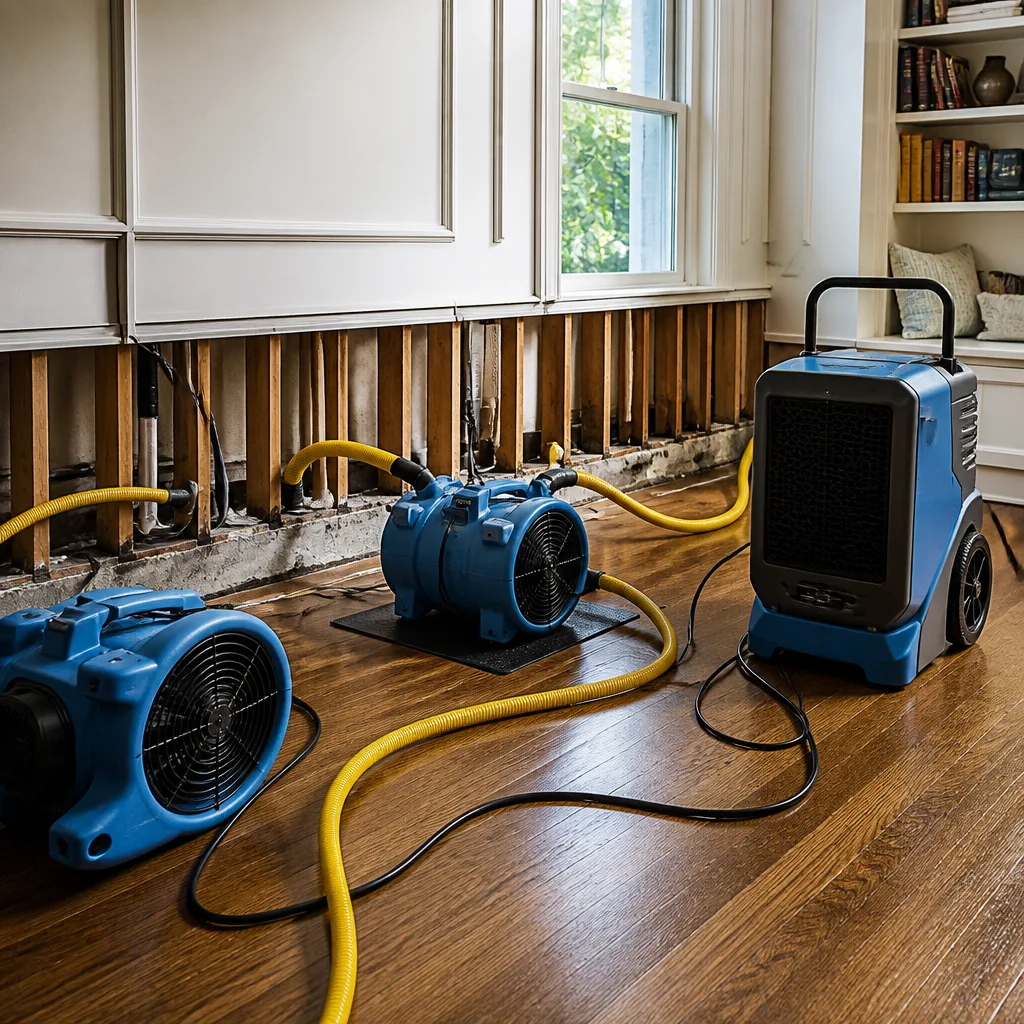
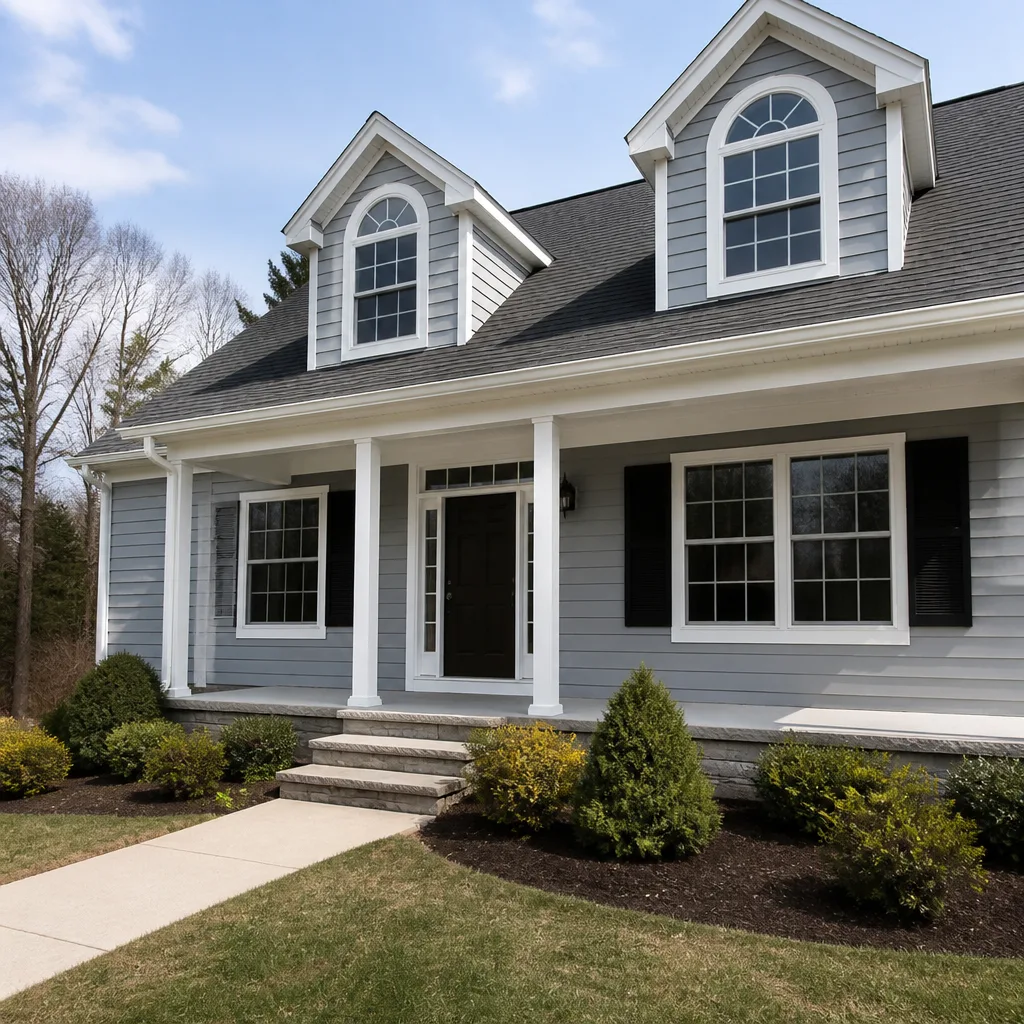
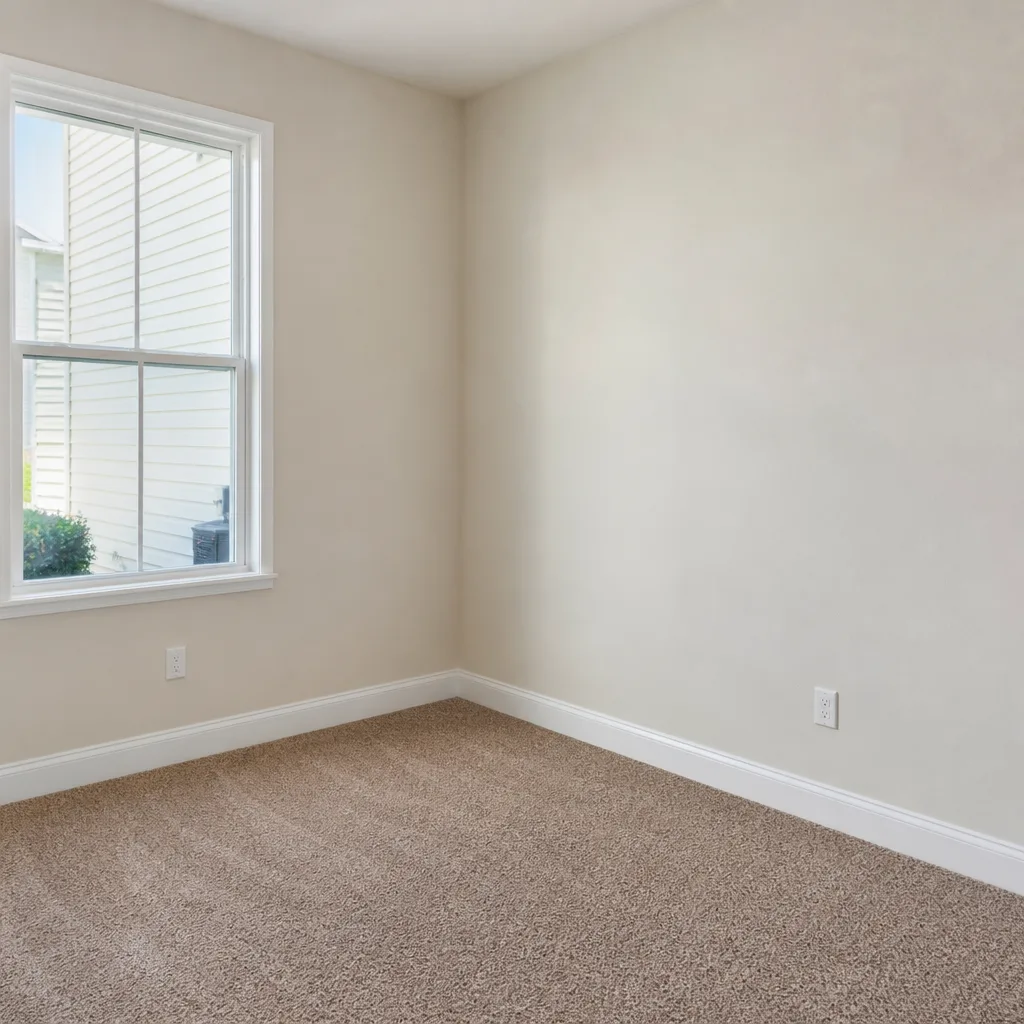
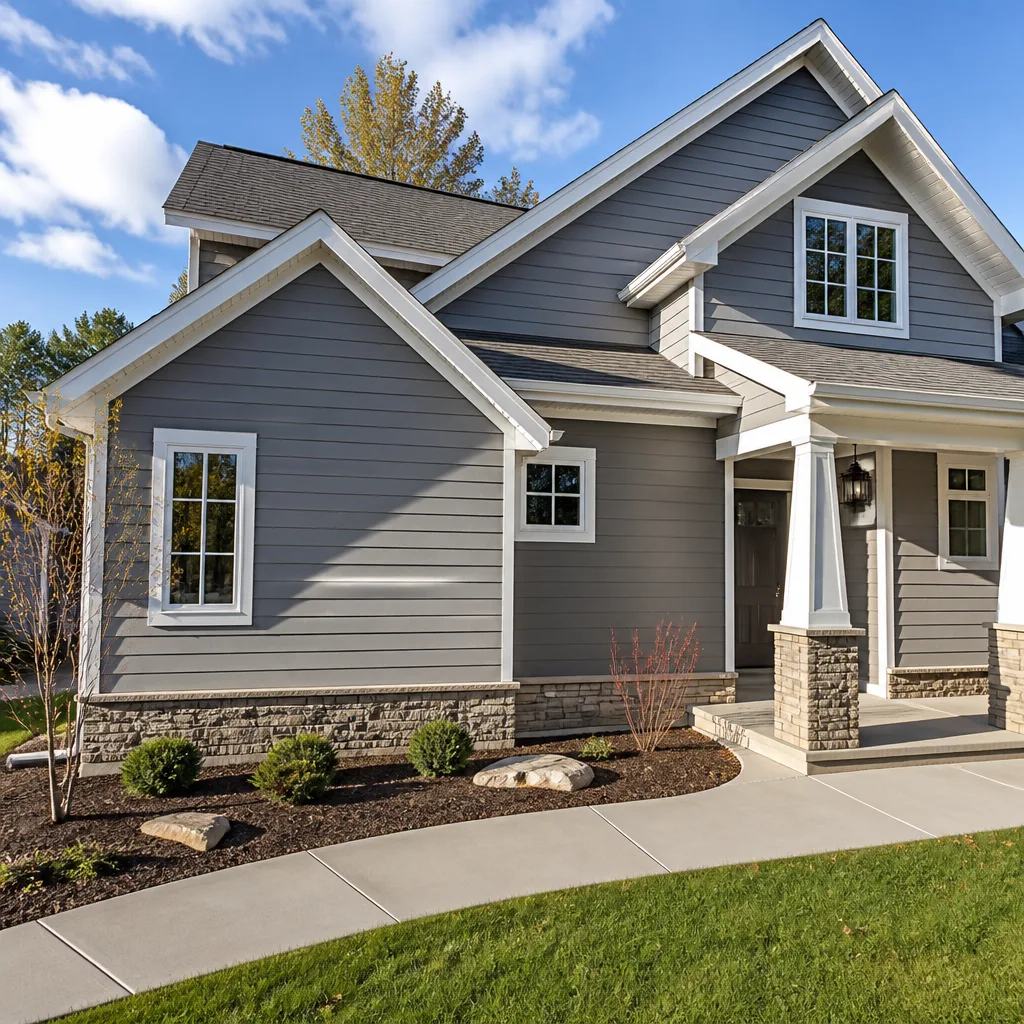
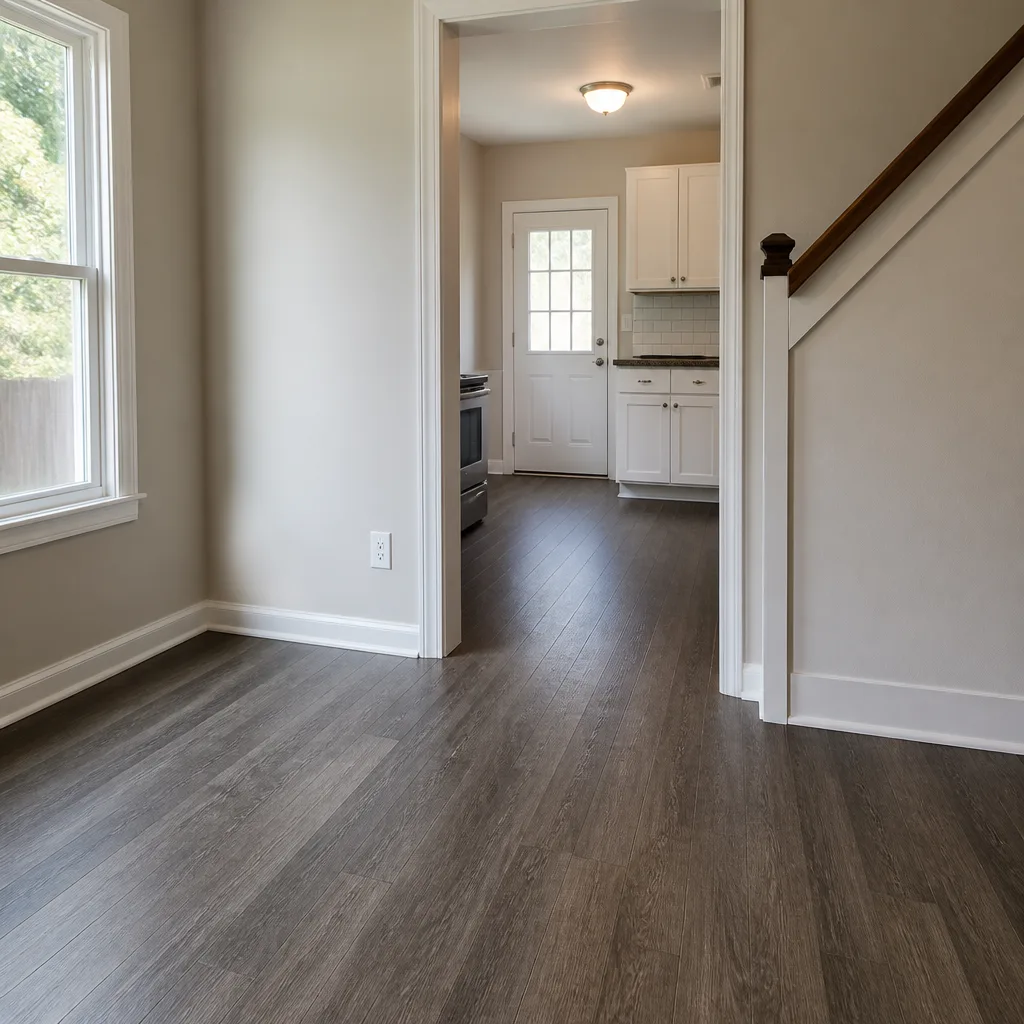

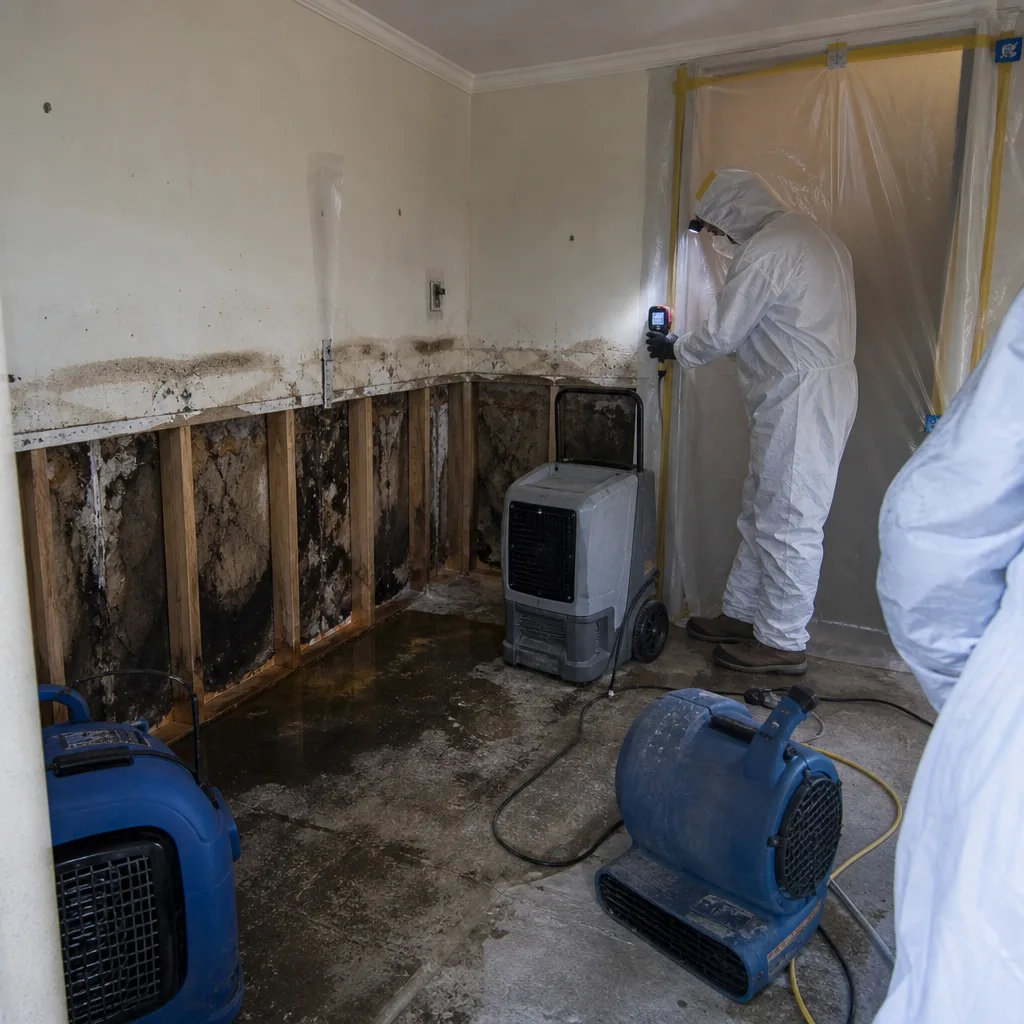 Before
 After
After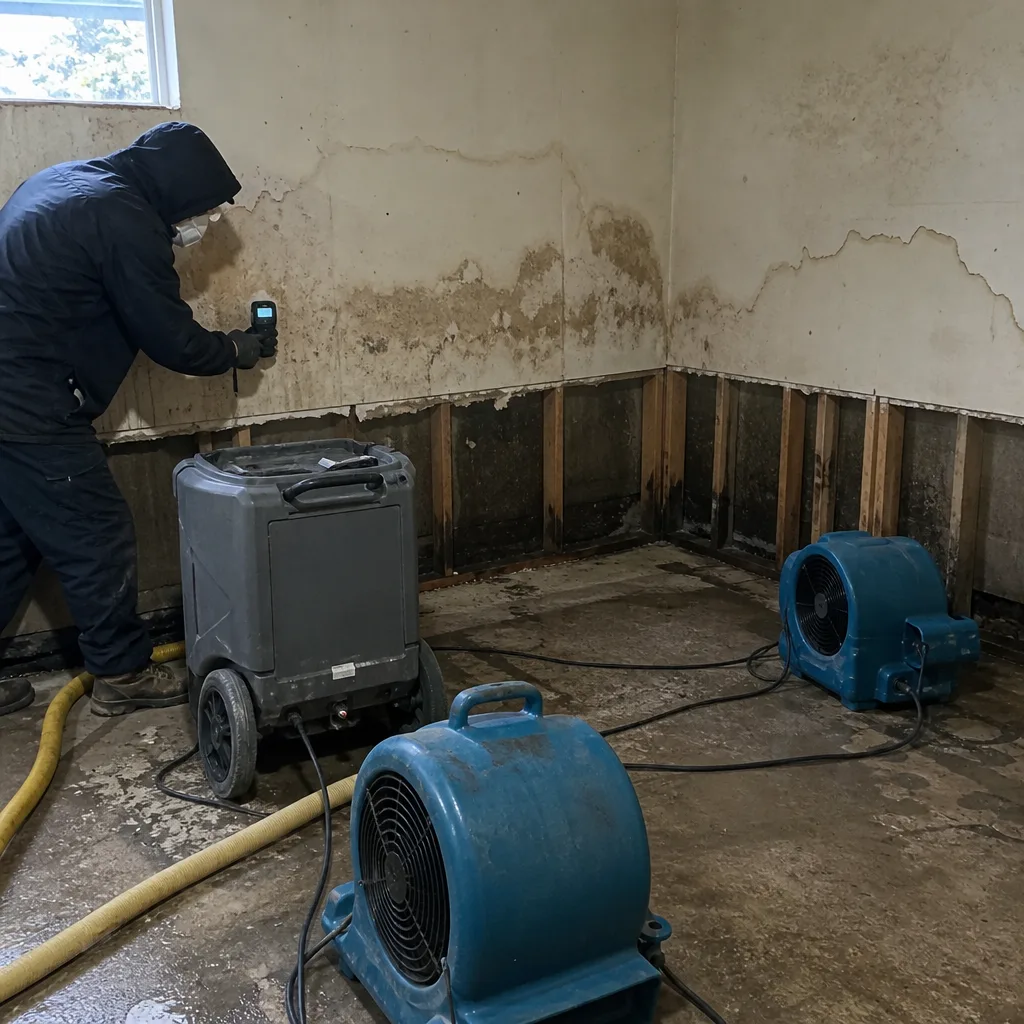 Before
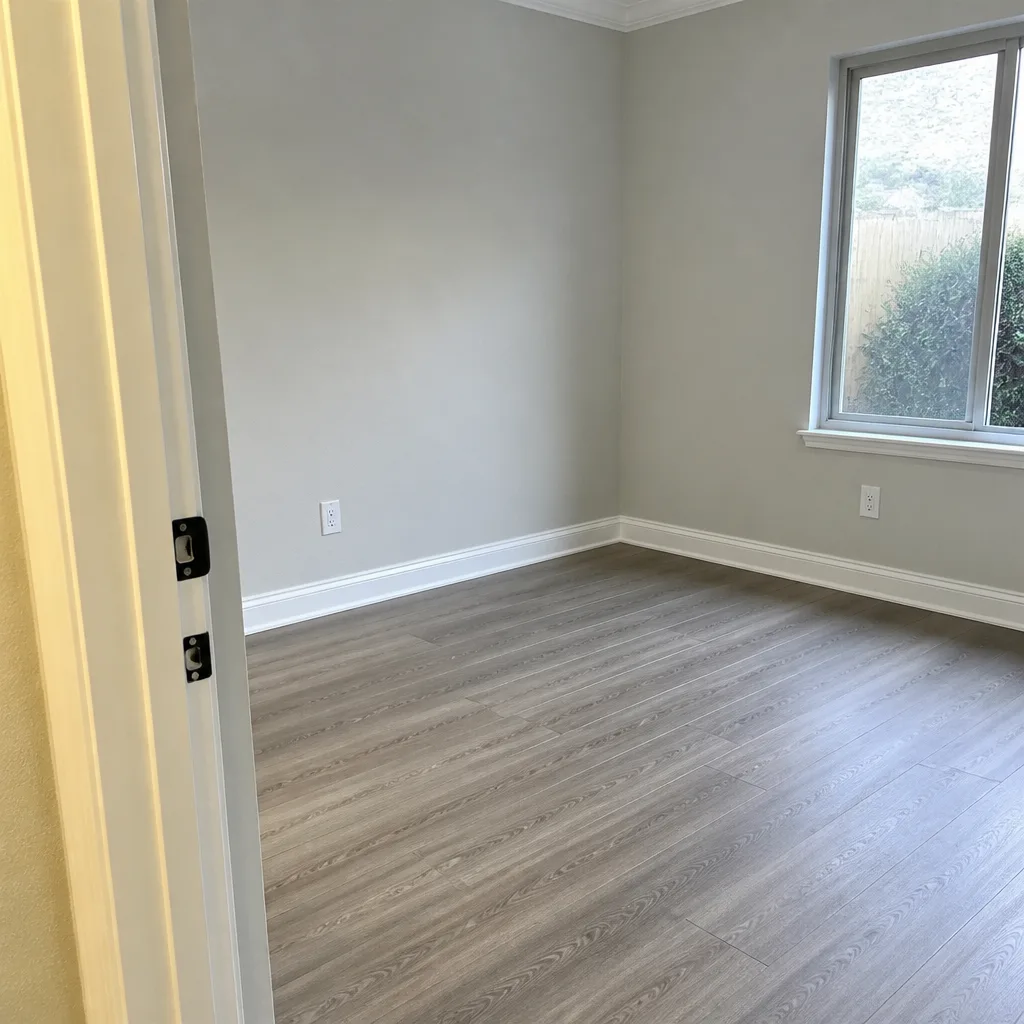 After
After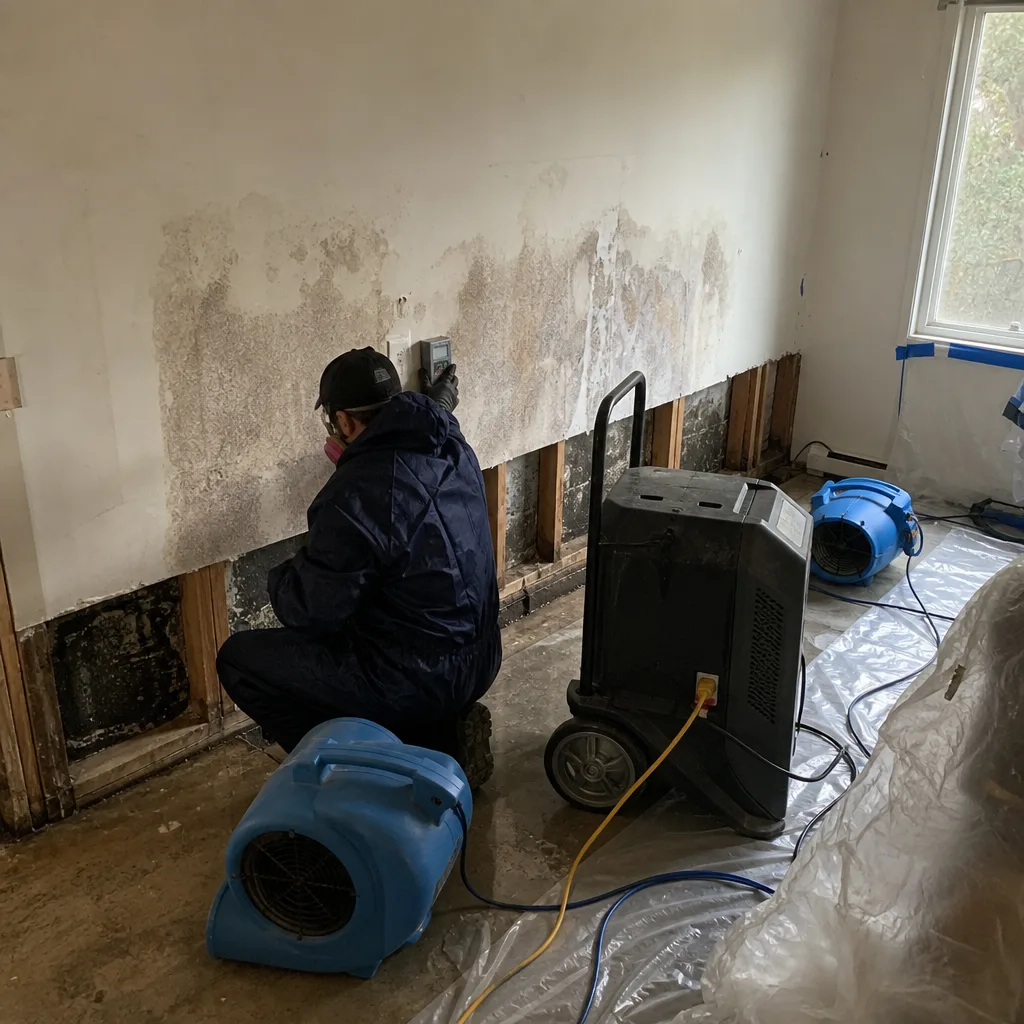 Before
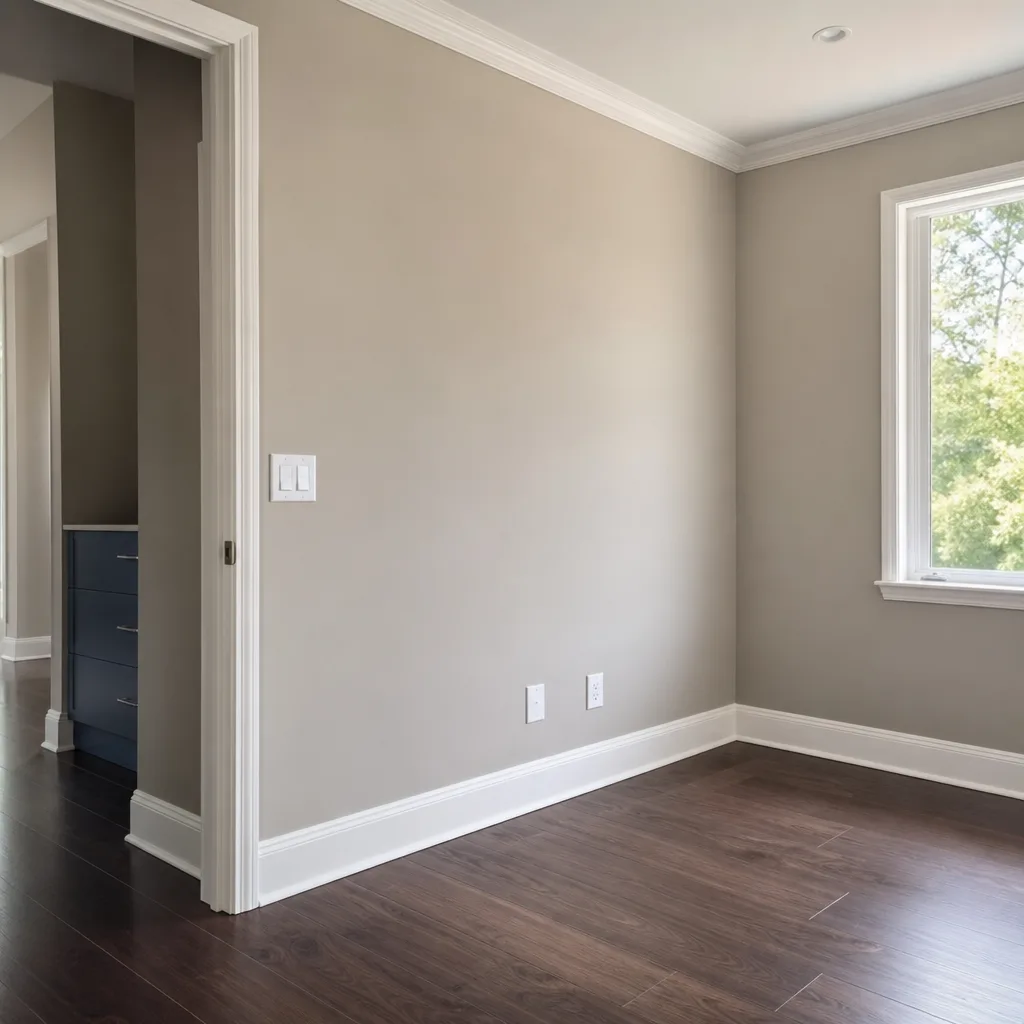 After
After24/7 Emergency Mold Remediation in Spring Valley
Mold remediation in Spring Valley typically costs $1,800-$4,500 for contained residential jobs and is usually completed in 3-7 business days after the initial assessment. Call (858) 683-1768 and a live person will answer, 24 hours a day, 7 days a week - no voicemail, no callback queues. Our crews dispatch from the San Diego metro office and are typically on-site in Spring Valley within 45 minutes of your call. The first hour matters because mold colonies double in active growth every 24-48 hours under favorable moisture conditions, and every hour of delay means more square footage of drywall, framing, and insulation that must come out rather than dry in place.
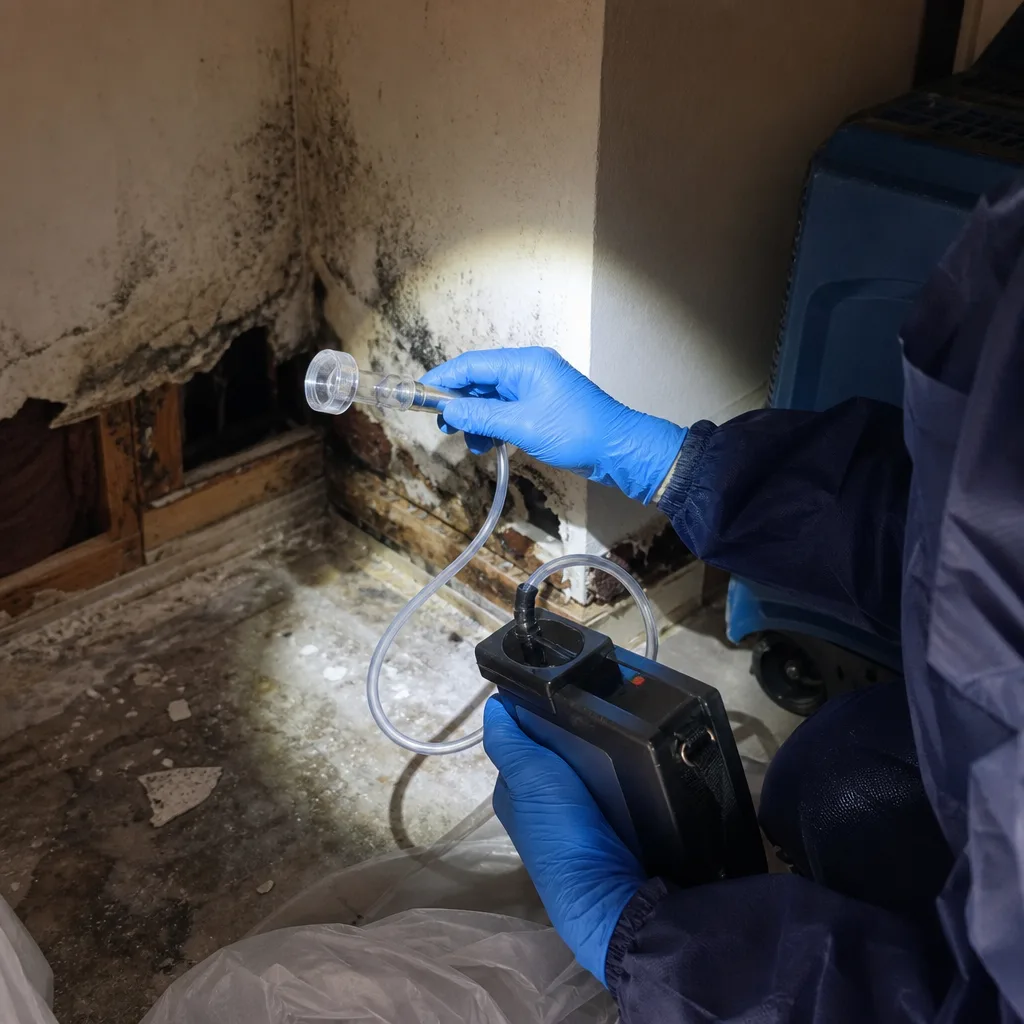
We start every Spring Valley mold call with a free visual inspection. A technician arrives with a moisture meter, thermal imaging camera, and hygrometer to map where the water is coming from and how far the colony has traveled. You get a written price before any work begins - Haven Standard, Clause 1 - and a photo-documented record of every visit.
Understanding Mold Remediation Severity in Spring Valley Properties
Mold damage in Spring Valley falls into three severity tiers that dictate containment strategy, equipment loadout, and whether your family can remain in the home during work.
Level 1: Limited growth - under 10 square feet of visible colony, typically behind a single bathroom vanity or in a small closet corner. We set local containment with polyethylene sheeting and a HEPA air scrubber running negative pressure. Drying targets a specific humidity: we aim for 30-50% relative humidity using psychrometric data - that is, the relationship between air temperature, moisture content, and vapor pressure - to force the remaining moisture out of materials rather than just the air.
Level 2: Moderate colonization - 10-100 square feet, often spanning multiple rooms in Spring Valley’s slab-on-grade ranches where a single leak migrates laterally. Full containment, multiple air scrubbers, and antimicrobial treatment of framing members. This is where our Mold Remediation team most often encounters the asbestos complication: original 1960s floor tile or popcorn ceiling disturbed during containment setup triggers mandatory abatement protocols.
Level 3: Heavy colonization - over 100 square feet, or HVAC system involvement. Full-scale isolation, duct sealing, possible temporary relocation, and clearance testing by a third-party hygienist before we release containment.
Spring Valley’s housing stock intensifies every level. The 1950s-1970s ranch homes with slab foundations lack basements or crawl spaces that might otherwise absorb and reveal moisture; water sits in wall cavities until mold blooms are extensive. The post-Cedar Fire rebuilds from 2003-2006 are now hitting the age where original waterproofing fails, producing the hidden leaks we map with thermal imaging.
Why Spring Valley Property Owners Choose DryMark Restoration Poway
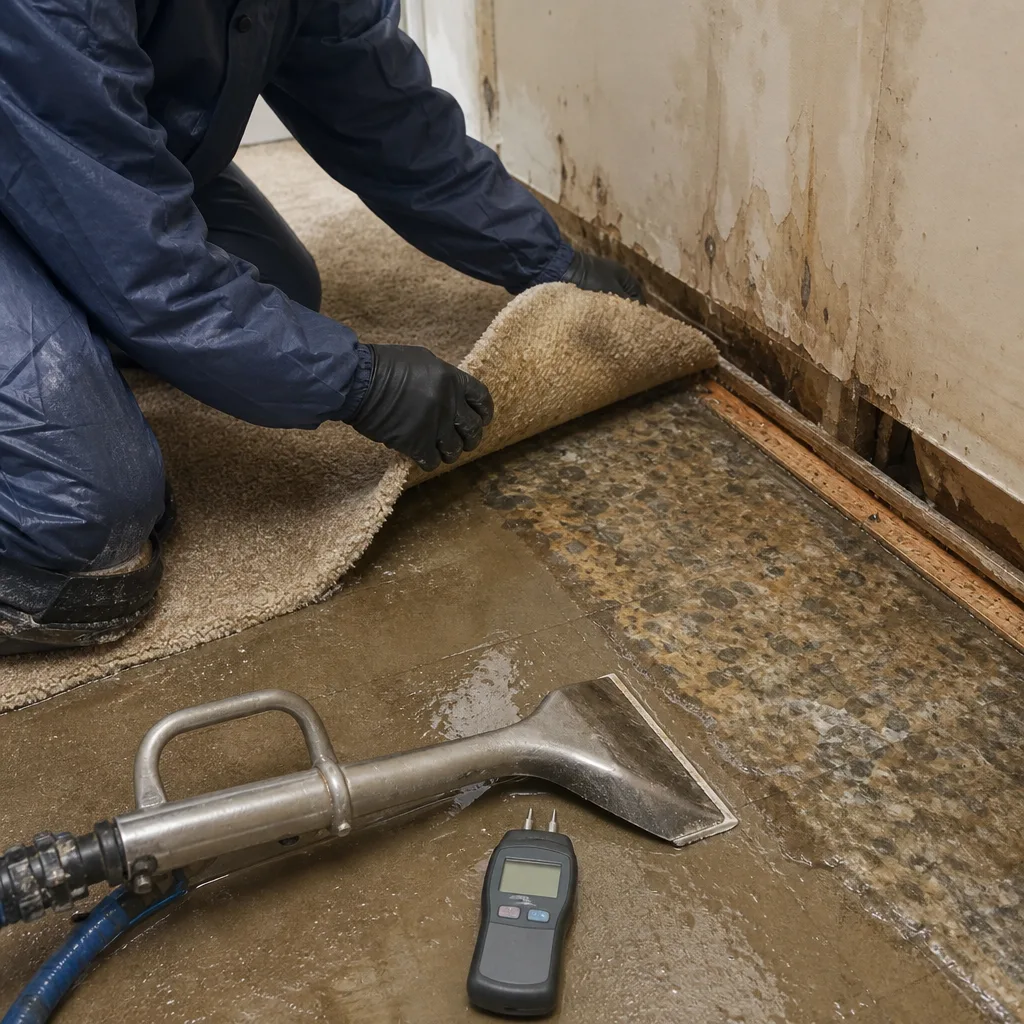
- 45-minute response commitment to Spring Valley addresses - our San Diego metro office dispatches crews directly into the Casa de Oro, Spring Valley Lake, and La Presa corridors without routing through distant hubs.
- 24/7 live answer by a real person, never an automated system - emergency mold calls at 2:00 AM reach someone who can dispatch, not a voicemail tree promising a callback.
- IICRC-certified crews holding WRT (Water Damage Restoration Technician), AMRT (Applied Microbial Remediation Technician), and FSRT (Fire & Smoke Restoration Technician) credentials - the specific codes that matter for mold work in a community with Spring Valley’s fire-and-water loss history.
- Free visual inspection with moisture mapping, thermal imaging, and documented photo record - included as standard, never an upsell.
- Direct insurance billing with adjuster coordination from day one - we produce the drying logs, room-by-room moisture readings, and line-item scopes that turn restoration invoices into payable claims.
- One team from microbial assessment through reconstruction - no handoffs between remediation contractors and rebuild crews that lose continuity on your Santee DPLU permit.
 Before
 After
AfterOur Mold Remediation Process
1. Inspection & Assessment
We arrive with a thermal imaging camera, pinless and pin-type moisture meters, and a hygrometer to map the moisture perimeter. In Spring Valley’s slab ranches, we pay particular attention to perimeter walls where slab leaks migrate - moisture readings above 16% in drywall or 20% in wood framing indicate active colonization risk. Every reading is logged with a timestamp and photo.
2. Containment & Air Quality Control
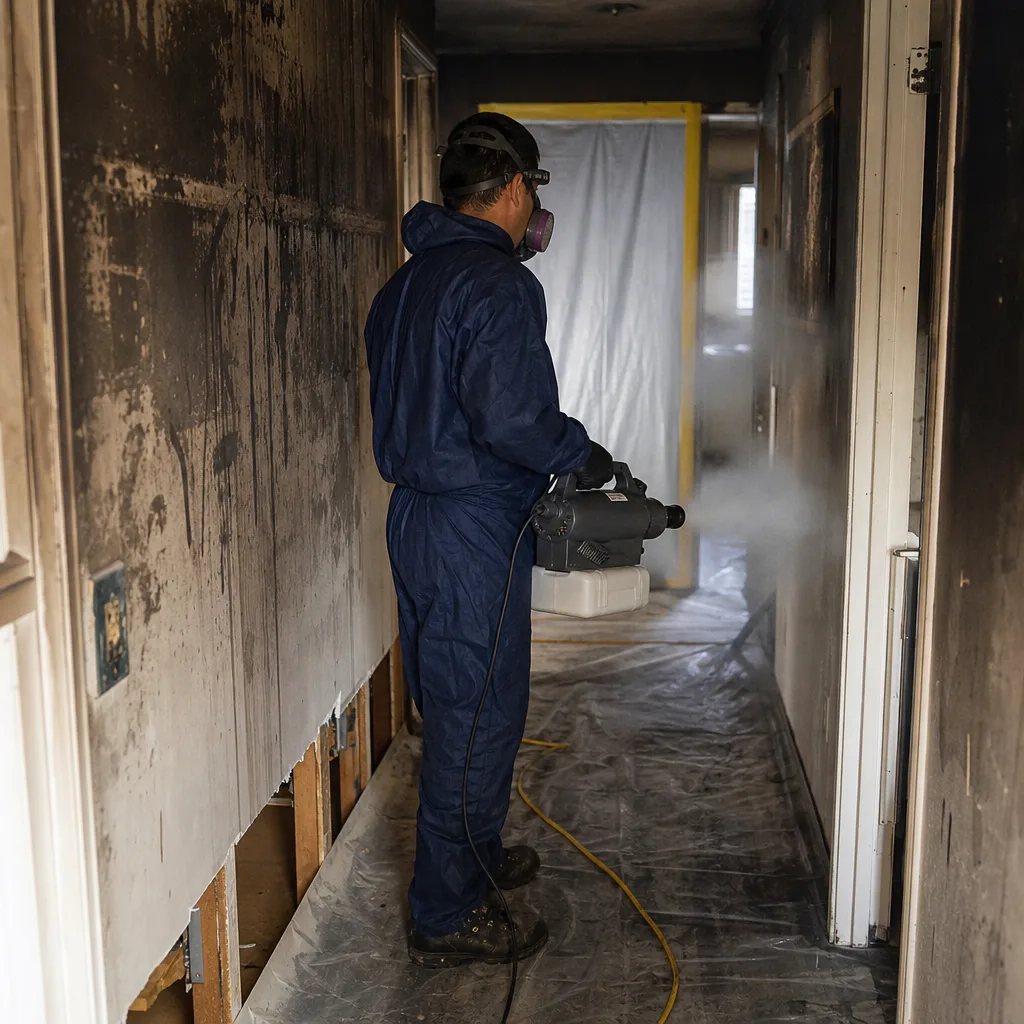
We seal the work zone with 6-mil polyethylene sheeting and establish negative pressure using HEPA air scrubbers - typically Phoenix or Dri-Eaz units rated at 500+ CFM. This prevents spore migration to unaffected areas. On Spring Valley jobs, we test for asbestos in popcorn ceilings and floor tile before cutting any material; if present, abatement is scoped into the county permit before removal begins.
3. Structural Drying & Dehumidification
We deploy Dri-Eaz Revolution LGR dehumidifiers and Phoenix 200 HT dehumidifiers to pull moisture from structural materials, not just the air. Air movers from XPOWER and B-Air create controlled airflow across wet surfaces. Daily moisture logs track progress toward IICRC drying standards: 12% or below for wood framing, 4% or below for drywall.
4. Mold Removal & Antimicrobial Treatment
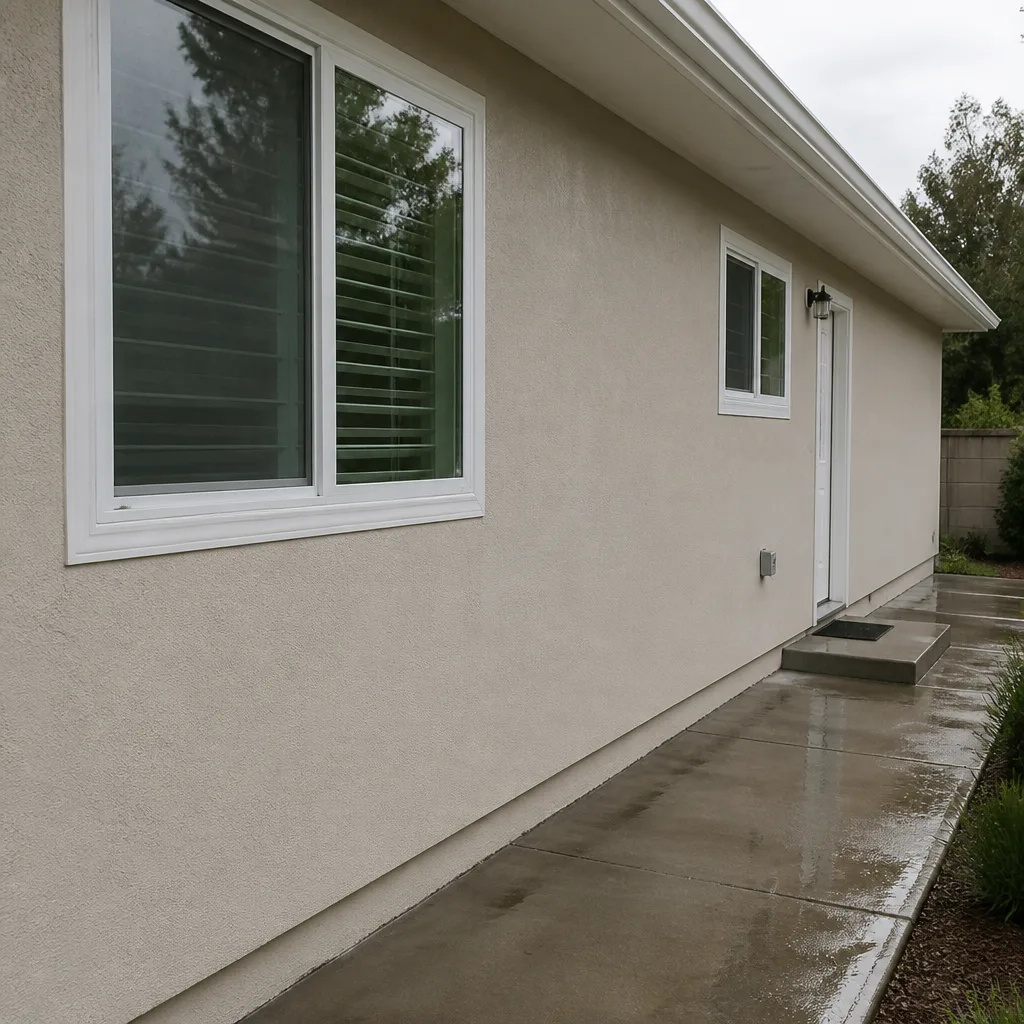
Affected porous materials - drywall, insulation, carpet pad - are removed and bagged for proper disposal. Non-porous surfaces are HEPA-vacuumed and treated with EPA-registered antimicrobial. We use Injectidry systems for wall-cavity drying when exterior stucco makes conventional access difficult, common in Spring Valley’s original tract construction.
5. Air Quality Restoration & Clearance Testing
After removal and treatment, we run HEPA scrubbers for a minimum 24-hour purge cycle. Third-party clearance testing measures airborne spore counts against outdoor baseline levels. We do not release containment until the hygienist’s report confirms acceptable air quality - a documentation step that protects your health and your insurance claim.
6. Repairs, Reconstruction & County Sign-Off
Our rebuild crew replaces removed materials to pre-loss condition. Because Spring Valley is unincorporated, all permit closures and re-inspections route through San Diego County’s Department of Planning & Development Services in Santee - not a local city hall. We handle the county-specific paperwork, schedule the re-inspection, and do not consider the job complete until the permit is finaled.
Need Emergency Mold Remediation in Spring Valley Now?
Crews minutes away, answering live 24 hours a day. The sooner we start, the less it costs.
Working With Your Insurance Company
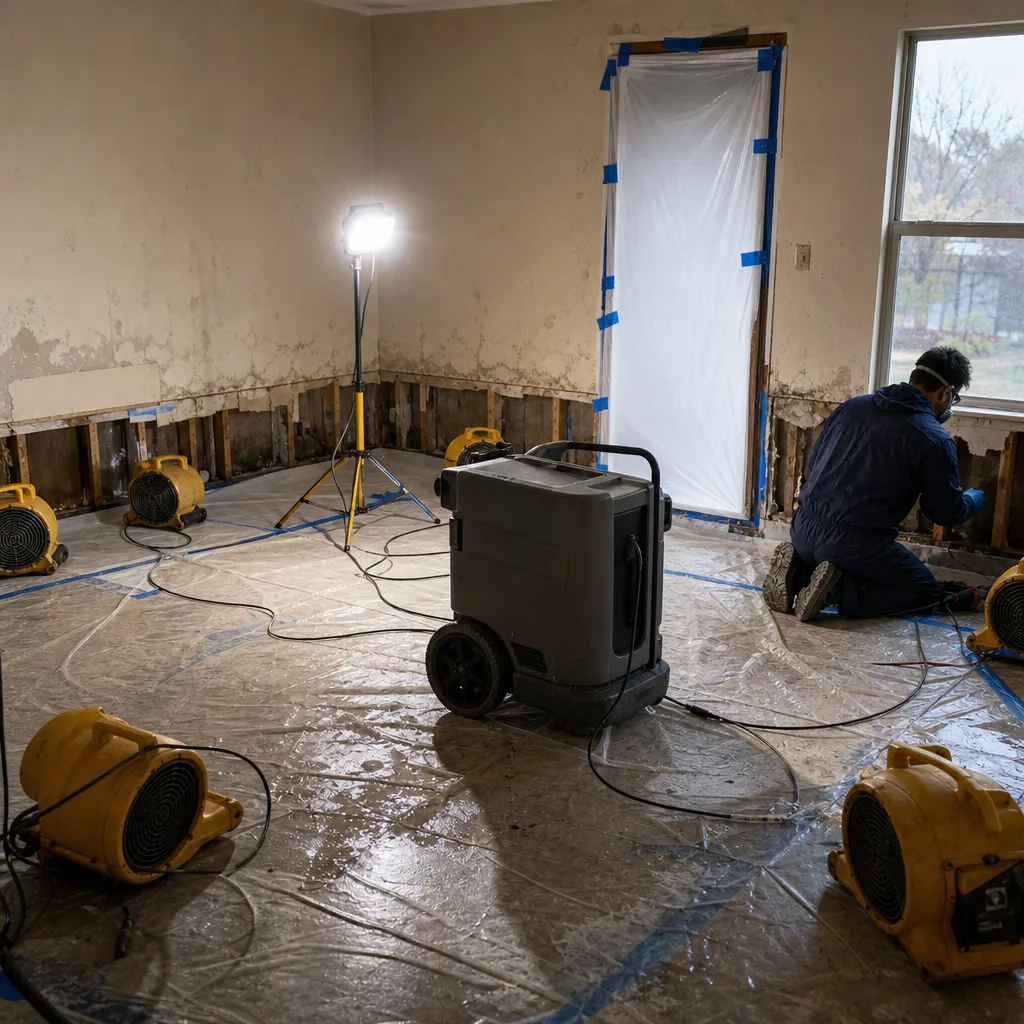
Mold claims fail when documentation fails. We know this because Alicia Brennan founded Back to Dry Restoration in 2011 after years as a claims adjuster watching homeowners lose coverage over missing moisture logs and undated photos. Every Spring Valley job we handle begins with photo documentation in the first hour and continues with daily records.
We write industry-standard estimates using Xactimate or equivalent platforms that adjusters recognize immediately. Your written scope arrives before work starts - Haven Standard, Clause 1 - with no additions once the crew is inside. We coordinate directly with your carrier, attend adjuster meetings on request, and produce the tertiary drying documentation (that is, the third-phase verification that materials have reached equilibrium moisture content) that proves the job was done to completion.
What We Provide Your Insurer
- Thorough documentation of the loss
- Photos of all damage, room by room
- Moisture readings and drying logs
- A detailed, line-item scope of work
- Direct coordination with your carrier
Built for Spring Valley’s Loss Calendar
Spring Valley’s inland valley geography creates a moisture whipsaw that shapes our mold calendar. October through December, prolonged Santa Ana wind events desiccate building materials and vegetation to extreme fire susceptibility - but they also dry out minor leaks that homeowners miss. By January, Pacific storms funnel through the Sweetwater River watershed and hit roofs already stressed by thermal cycling. Flash flooding and roof failures introduce Category 2 or 3 water into wall cavities.
The mold calls peak in February through April. Homeowners discover colonies that started in October’s first leak, dried superficially during Santa Ana season, then reactivated when winter storms added new moisture. The 2003-2006 post-Cedar Fire rebuilds are now at the age where original waterproofing membranes fail, producing the slab leaks and flashing failures we map with thermal imaging. Meanwhile, the 1950s-1970s ranch stock faces a different failure mode: original galvanized plumbing, now 50-70 years old, pinholes behind stucco and floods wall cavities before anyone sees water.
Mold Remediation Across Spring Valley’s Neighborhoods
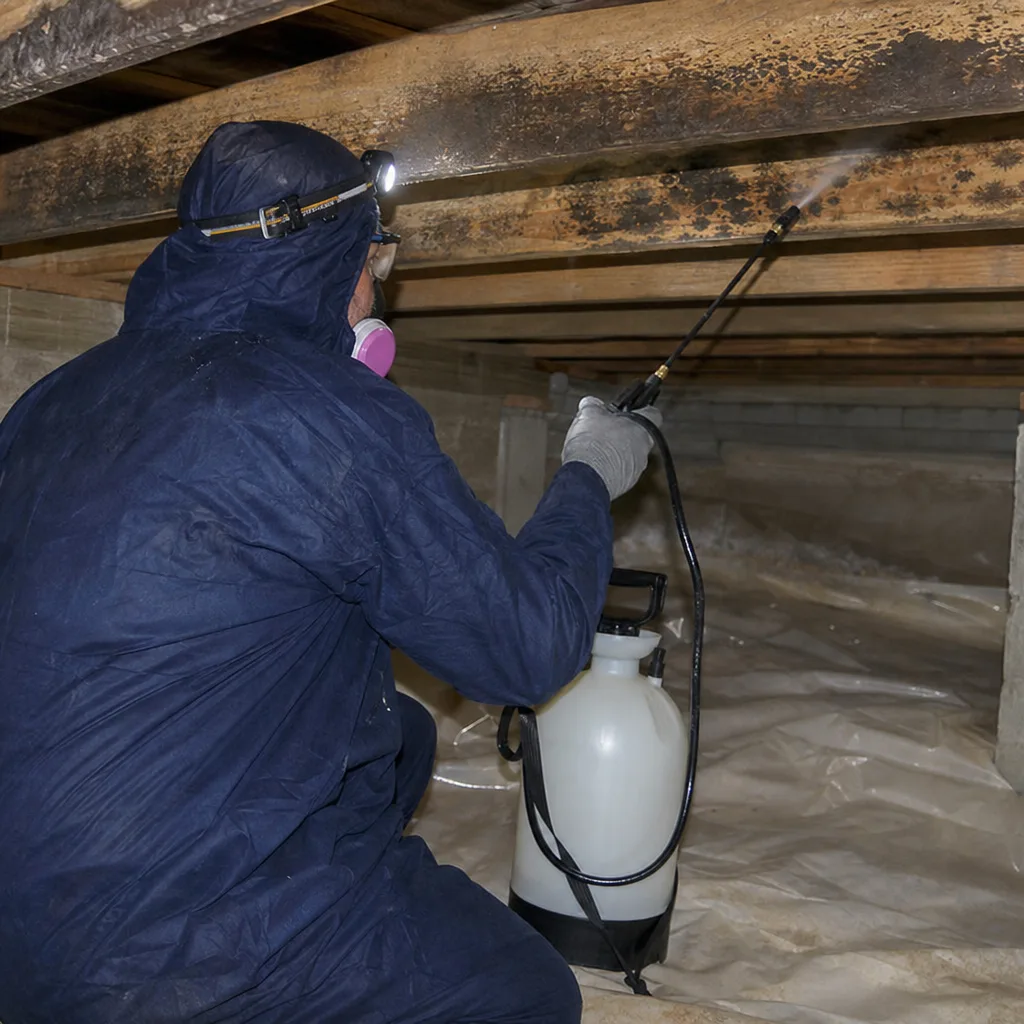
In Casa de Oro, the 1960s ranch homes on tight alley-loaded lots present access challenges that shape our staging. We park on the street, run containment hose through side gates, and use compact HEPA scrubbers that fit through 30-inch passages. The slab foundations here mean moisture migrates horizontally - a leak in the hall bath often reaches two bedrooms before visible signs appear.
Spring Valley Lake properties face a different pattern. The lake-adjacent microclimate holds higher ambient humidity, and homes with walkout basements or below-grade rooms experience vapor pressure differentials that drive moisture through slab edges. We monitor these jobs longer, running dehumidification for extra days to ensure the concrete moisture content drops below the 75% relative humidity threshold that supports mold growth.
La Presa and the Jamacha corridor include the post-2003 rebuilds, now hitting critical maintenance age. We see repeated waterproofing failures around second-story decks and sliding door thresholds - water that enters as Category 1 clean water degrades to Category 2 gray water within 48 hours of contact with framing, changing both the remediation protocol and the insurance coverage calculus.
Along Bancroft Drive and the older commercial-residential mixed corridors, townhome and duplex units share common walls that complicate containment. We coordinate with neighboring units, often installing dual air scrubbers to protect adjacent properties while maintaining negative pressure in the affected space.
Specialized Mold Remediation Services We Offer in Spring Valley
Mold Inspection & Testing
Our inspections combine visual assessment, moisture mapping, and air sampling where indicated. In Spring Valley’s unincorporated status, we also flag permit triggers early - if asbestos testing is required for county DPLU compliance, we build that into the initial scope rather than discovering it mid-job.
Mold Removal
Contained removal of affected materials with HEPA-controlled demolition, proper bagging, and disposal tracking. On Spring Valley’s tight lots, we use compact debris staging and scheduled haul-off to minimize street presence.
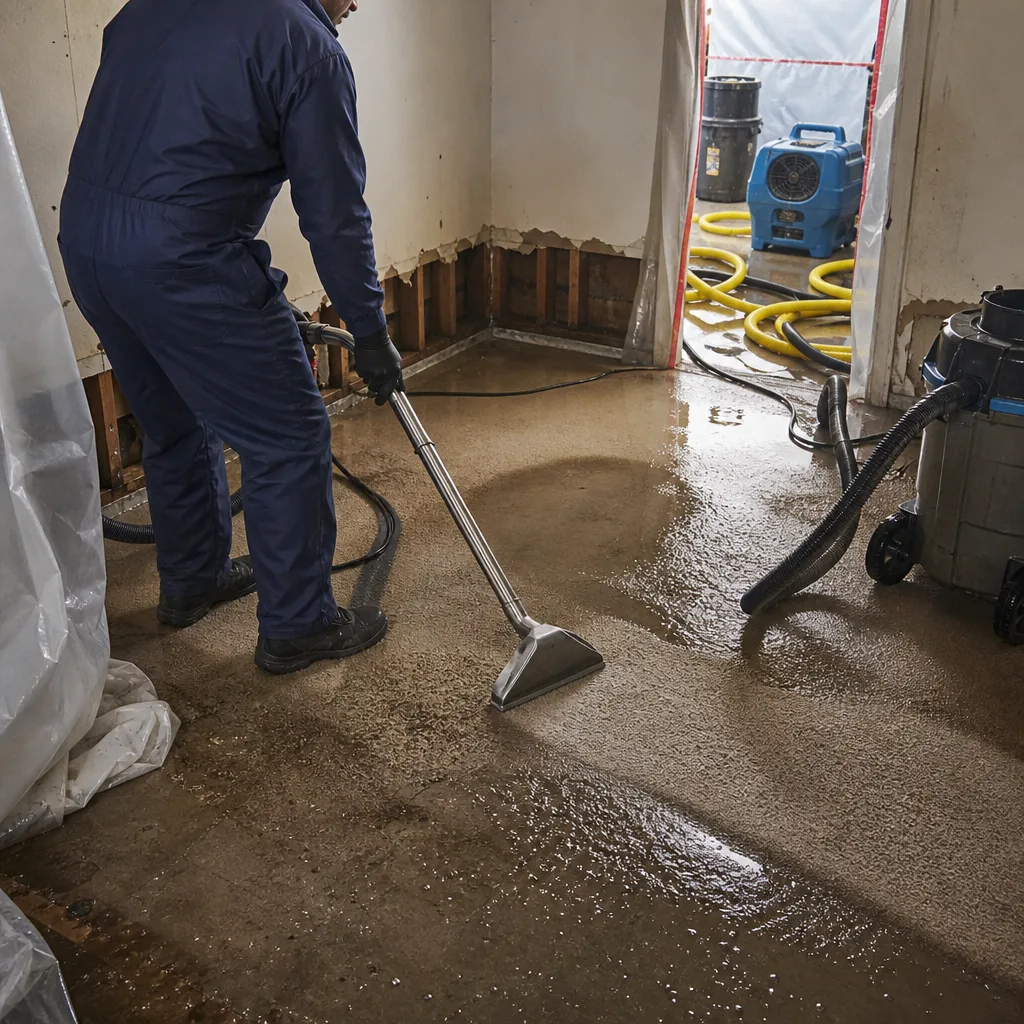
Black Mold Remediation
Stachybotrys and other toxigenic species require enhanced PPE, extended air scrubbing, and stricter clearance thresholds. We treat these jobs with the same documentation rigor we apply to fire and biohazard work - every step photo-logged, every reading recorded.
Air Quality Restoration
Post-remediation HEPA filtration and third-party clearance testing to confirm airborne spore counts at or below outdoor baseline. This documentation is what your insurer needs to close the claim and what the county may request for permit finalization.
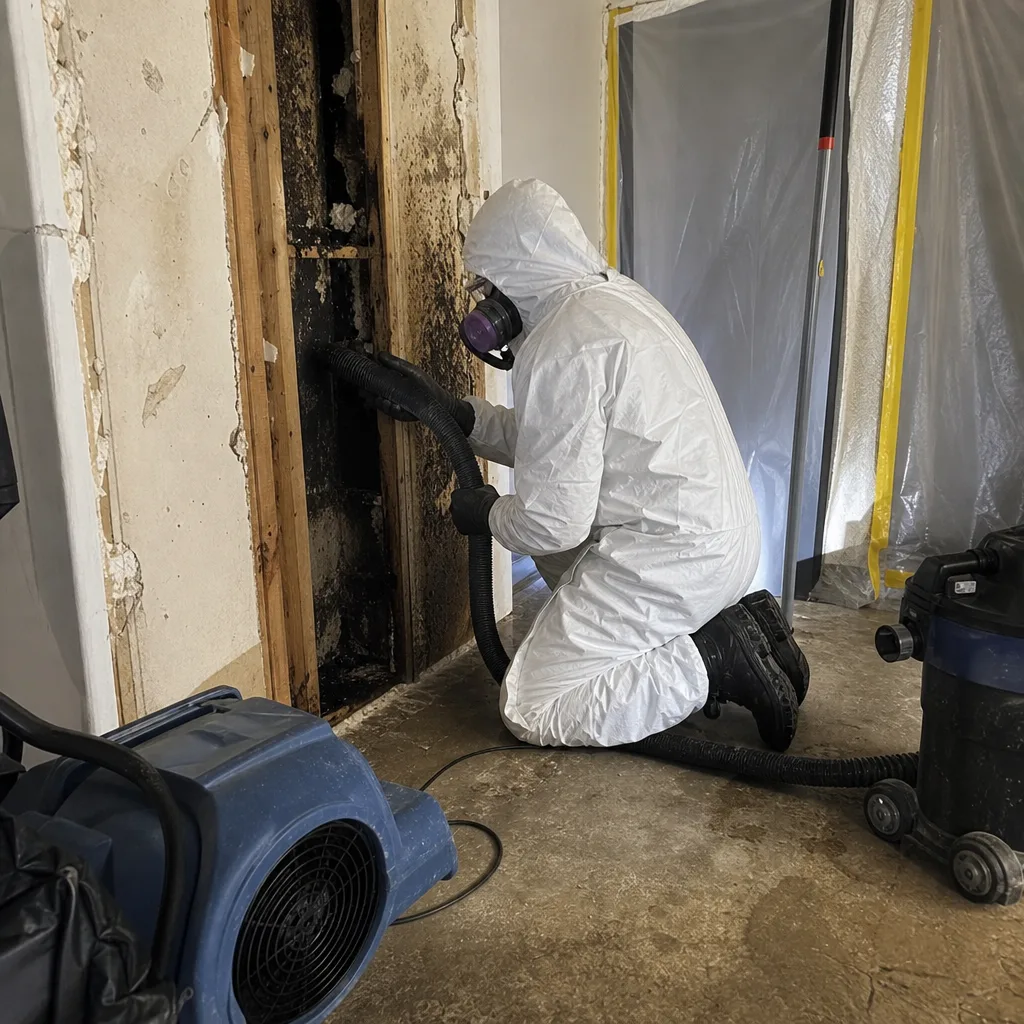
Crawl Space Treatment
Spring Valley’s slab ranches rarely have full crawl spaces, but partial perimeter access and raised-addition crawl areas require vapor barrier installation, dehumidification, and wood treatment. We use B-Air and Phoenix equipment sized to these confined volumes.
Moisture & Humidity Control
The critical finish to every Spring Valley job. We install permanent dehumidification where ambient conditions warrant, seal slab edges against vapor intrusion, and provide written moisture maintenance protocols. Without this step, the same Santa Ana-to-storm cycle that caused the first colony will cause the second.
What happens when you call
- 1
A real person answersNo phone trees - you reach a local pro.
- 2
You get an upfront price rangeHonest numbers before anyone is dispatched.
- 3
A background-checked tech heads outLicensed & insured, dispatched right away.
- 4
You approve before work beginsNothing starts until you say go.
Mold Remediation Costs in Spring Valley, CA
A typical contained mold remediation in Spring Valley - limited growth, single room, no asbestos complication - runs $1,800-$3,200. Moderate colonization spanning multiple rooms with full containment and air scrubbing runs $3,500-$6,500. Heavy colonization with HVAC involvement, structural repairs, or mandatory asbestos abatement can reach $7,500-$15,000.
What moves the price: square footage of affected material, whether asbestos or lead testing is triggered by the age of the home, the extent of structural repairs after removal, and whether third-party clearance testing is required by your insurer or the county. Jobs requiring county DPLU permitting in Santee add permit fees and re-inspection scheduling time, but not hidden costs - every line item appears in your written scope before work begins.
Insurance coverage for mold varies by policy and cause of loss. Sudden water damage that leads to mold is typically covered; long-term maintenance neglect is not. We review your policy language, document the proximate cause, and coordinate with your adjuster. Call (858) 683-1768 for a free inspection and written estimate - no charge to assess, no obligation to proceed.
We Also Serve Cities Near Spring Valley
Our crews respond throughout the eastern San Diego County corridor from the same metro dispatch. We handle mold remediation in Spring Valley and neighboring communities regularly: La Mesa with its older hillside homes and drainage challenges, Lemon Grove and its mix of historic and mid-century stock, El Cajon with its broader wildland-urban interface exposure, and Bonita with its higher humidity and estate-property mold patterns. The same county permit protocols apply across unincorporated pockets in all these areas.
Serving Spring Valley, CA - Our Local Coverage Area
We’re based in the Spring Valley area and know this community well. Use the map below to see our service coverage - if you’re nearby, we can almost certainly help.
Spring Valley Mold Remediation Questions, Answered
Do I need a county permit for mold remediation in Spring Valley?
Yes. Because Spring Valley is unincorporated San Diego County, all mold remediation permits and re-inspections route through the County’s Department of Planning & Development Services in Santee, not a local city hall. We handle the county-specific paperwork, schedule the re-inspection, and do not consider the job complete until the permit is finaled. Call (858) 683-1768 and we will confirm whether your specific scope triggers permitting.
How fast can mold grow after a slab leak in a Spring Valley ranch home?
Active mold colonization begins 24-48 hours after materials stay above 16% moisture content. In Spring Valley’s slab ranches, a slab leak can saturate drywall and baseboards while remaining hidden for days or weeks. We have documented cases where a 1960s Casa de Oro ranch showed 28-32% moisture readings in drywall with visible colonies spreading behind baseboards within 72 hours of the leak’s onset. Call (858) 683-1768 for immediate moisture mapping.
Why does Spring Valley mold work sometimes trigger asbestos abatement?
The 1950s-1970s ranch homes that dominate Spring Valley’s housing stock commonly contain asbestos floor tile, popcorn ceiling texture, or duct insulation. The moment our containment setup or mold removal disturbs these materials, county regulations mandate abatement by a licensed contractor before remediation can continue. We test for asbestos before cutting any material and scope abatement into the permit if present. Call (858) 683-1768 for an inspection that flags this risk upfront.
Can you reach mold behind a tight alley-loaded or townhome in Spring Valley?
Yes. We work regularly on Spring Valley’s alley-loaded lots and townhome units with limited access. Compact HEPA scrubbers fit through 30-inch gates, Injectidry systems dry wall cavities without extensive demolition, and we stage equipment on the street or in designated common areas. The Casa de Oro field job we reference in our process section is a direct example. Call (858) 683-1768 to discuss access for your specific property.
What moisture control stops mold from coming back after a Spring Valley rebuild?
Permanent control requires three elements: dehumidification maintaining 30-50% relative humidity, vapor barriers or slab-edge sealing against ground moisture, and ventilation that addresses Spring Valley’s specific climate cycle - dry Santa Ana periods followed by intense winter storms. We provide written maintenance protocols after every job and can install permanent dehumidification equipment where ambient conditions warrant. Call (858) 683-1768 for a moisture control assessment.
Will my insurance cover mold remediation in Spring Valley?
Coverage depends on the proximate cause. Sudden water damage - a burst pipe, roof failure from a storm, or appliance leak - that leads to mold is typically covered under standard homeowners policies. Long-term maintenance neglect, slow leaks, or pre-existing moisture issues are generally excluded. We document the cause from the first hour, write the scope to industry standards, and coordinate directly with your adjuster. Call (858) 683-1768 and we will review your situation.
How long does mold remediation take in Spring Valley?
Contained single-room jobs typically complete in 3-5 business days. Moderate colonization with full containment runs 5-7 business days. Heavy colonization with structural repairs, asbestos abatement, or county DPLU re-inspection scheduling can extend to 10-14 business days. We provide a written timeline with your scope before work begins - Haven Standard, Clause 1 - and update you daily. Call (858) 683-1768 for a specific estimate.
Can my family stay in the home during mold remediation?
For Level 1 limited growth under 10 square feet, often yes. For Level 2 and above, or any toxigenic species, we recommend temporary relocation during active remediation and until clearance testing confirms safe air quality. We coordinate this recommendation with your insurer when displacement coverage applies. Call (858) 683-1768 and we will assess your specific situation.
Every job we take in Spring Valley carries the 365-Day Done Right Promise under The Haven Standard: if it’s not done right, we make it right. Not a marketing line - a signed guarantee. Alicia Brennan built this company in 2011 on the documentation gap that costs homeowners their claims, and we have applied that standard to 12,000+ homes since. Bring a competitor’s written estimate and we will review it at no charge.
Written by Alicia Brennan, Owner at Back to Dry Restoration, serving Spring Valley since 2011.
Mold Remediation in Nearby Areas