

Free visual inspection and a written scope of work before any mitigation begins - photos, moisture readings, and drying logs go in your claim file
The scope we write is the scope we bill. Anything new gets shown to you, in writing, before we touch it.
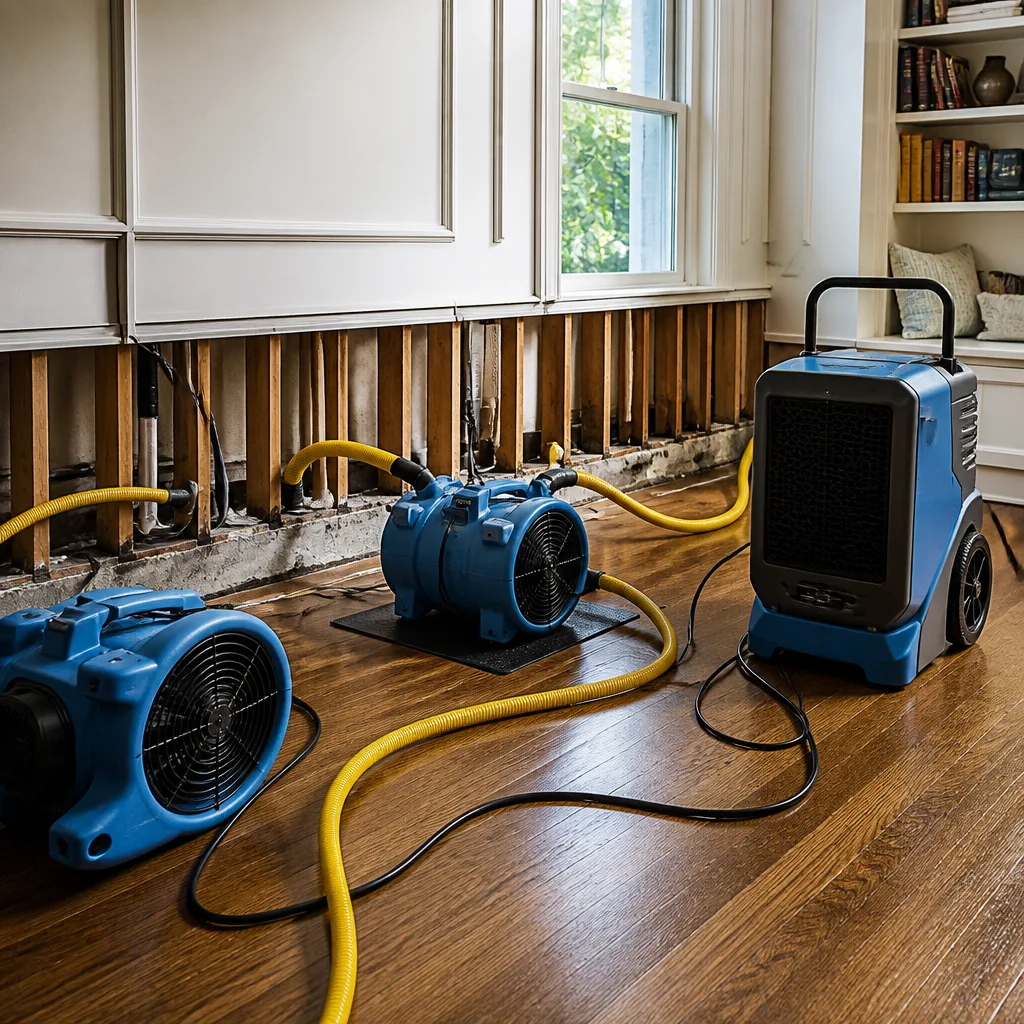
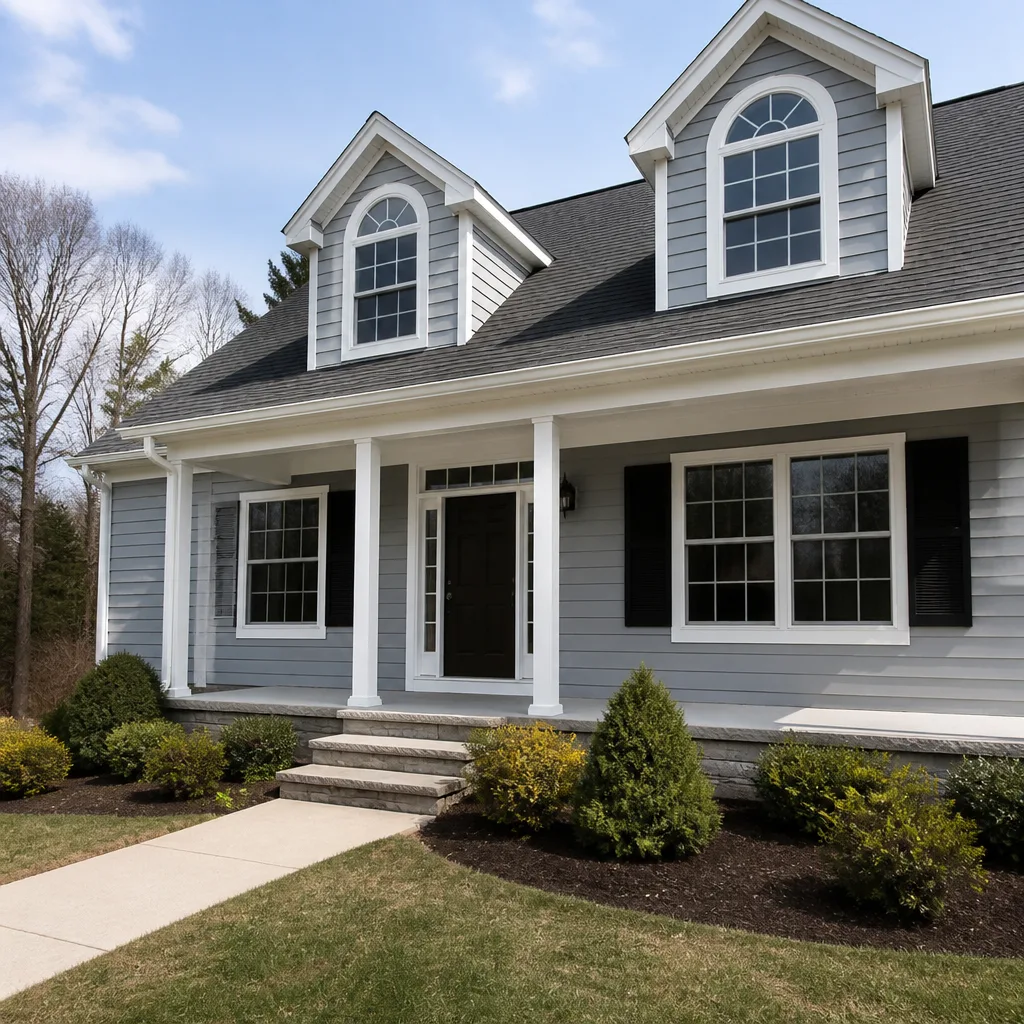
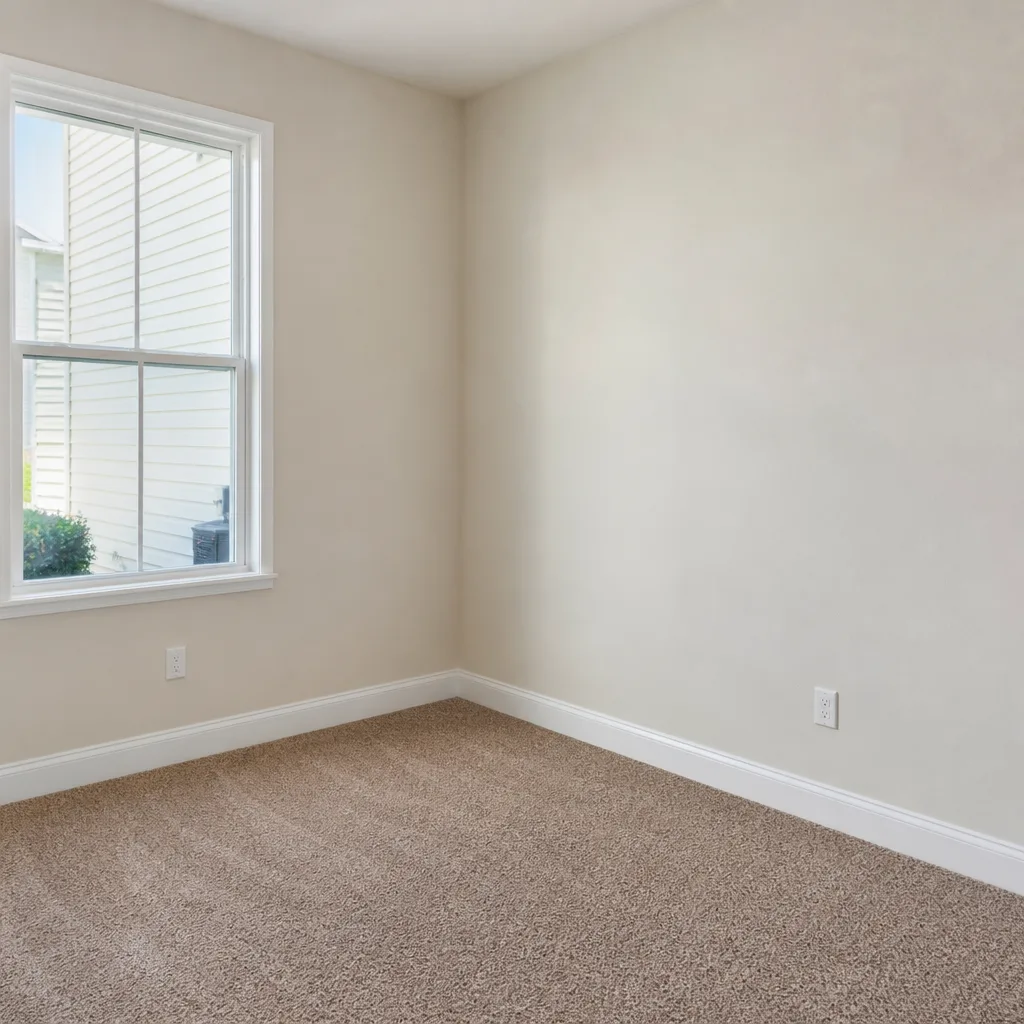

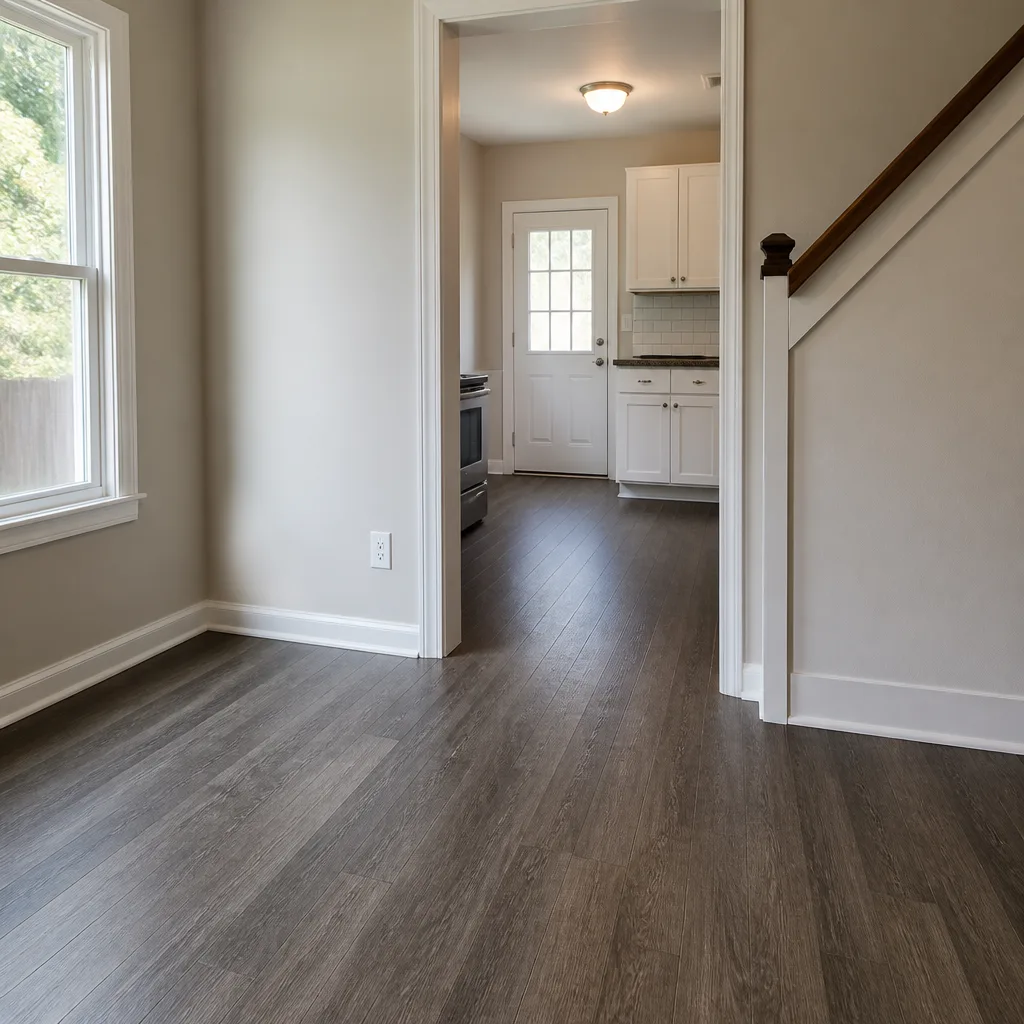

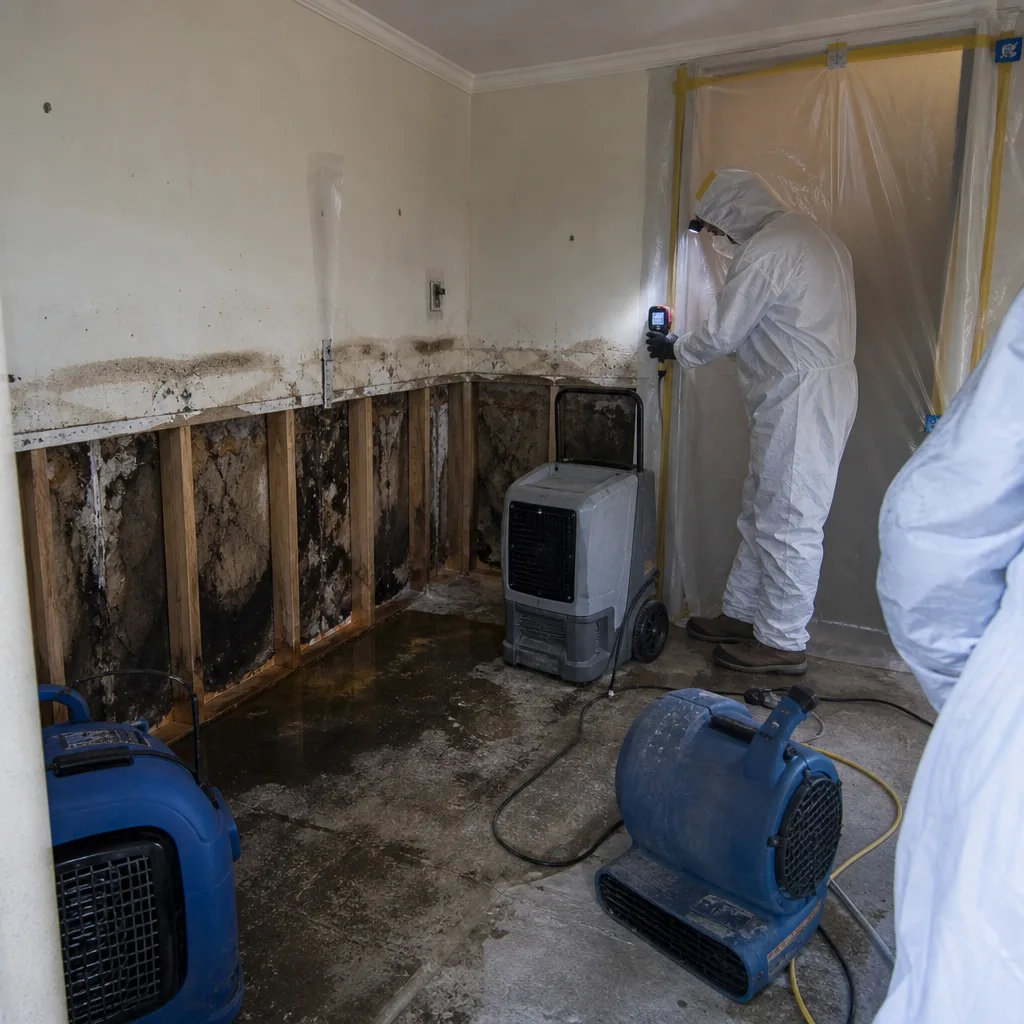 Before
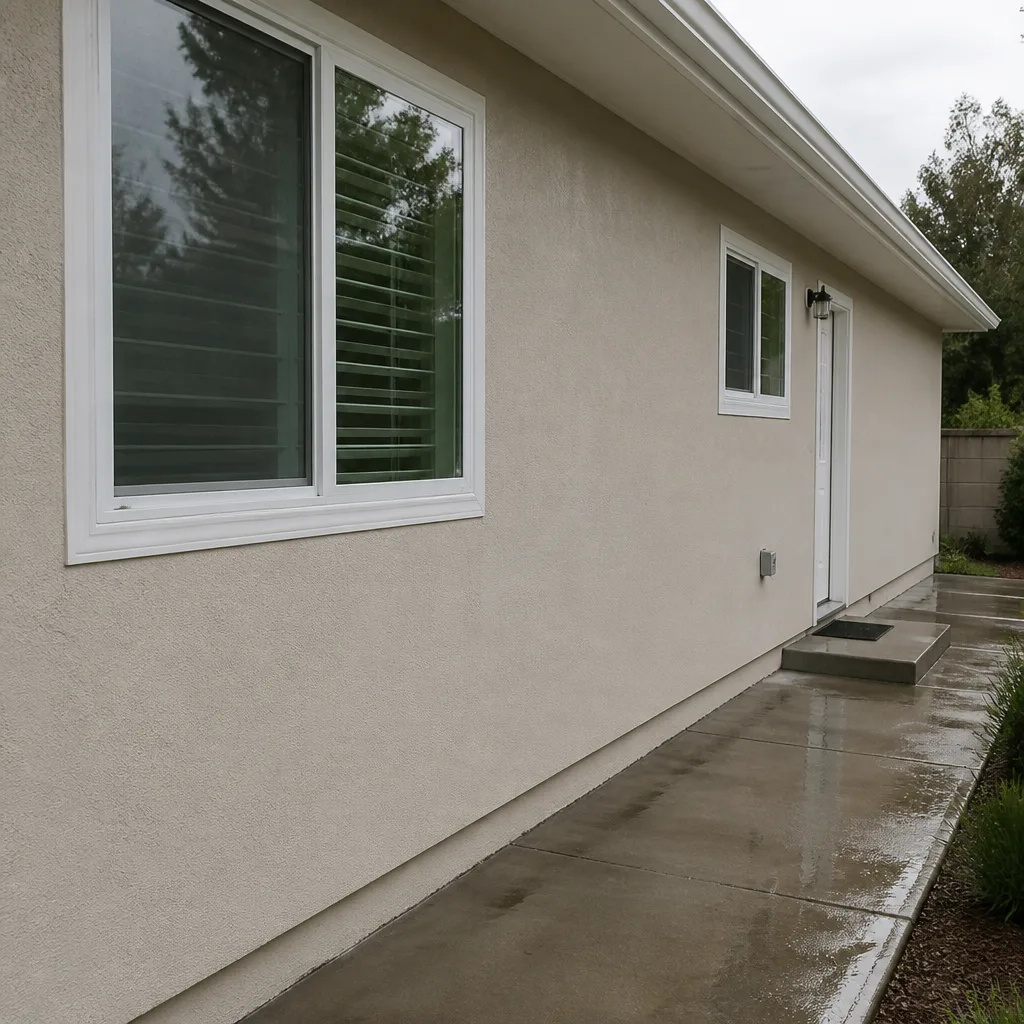 After
After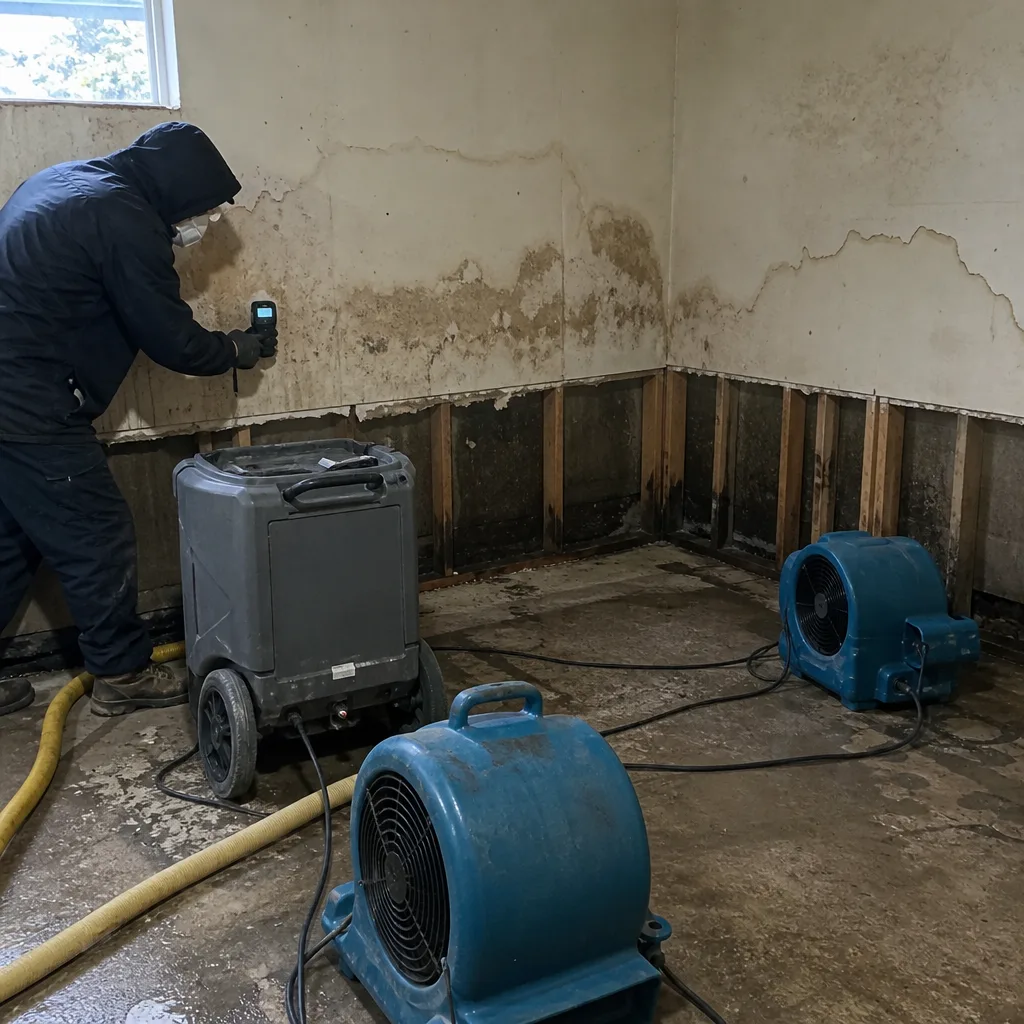 Before
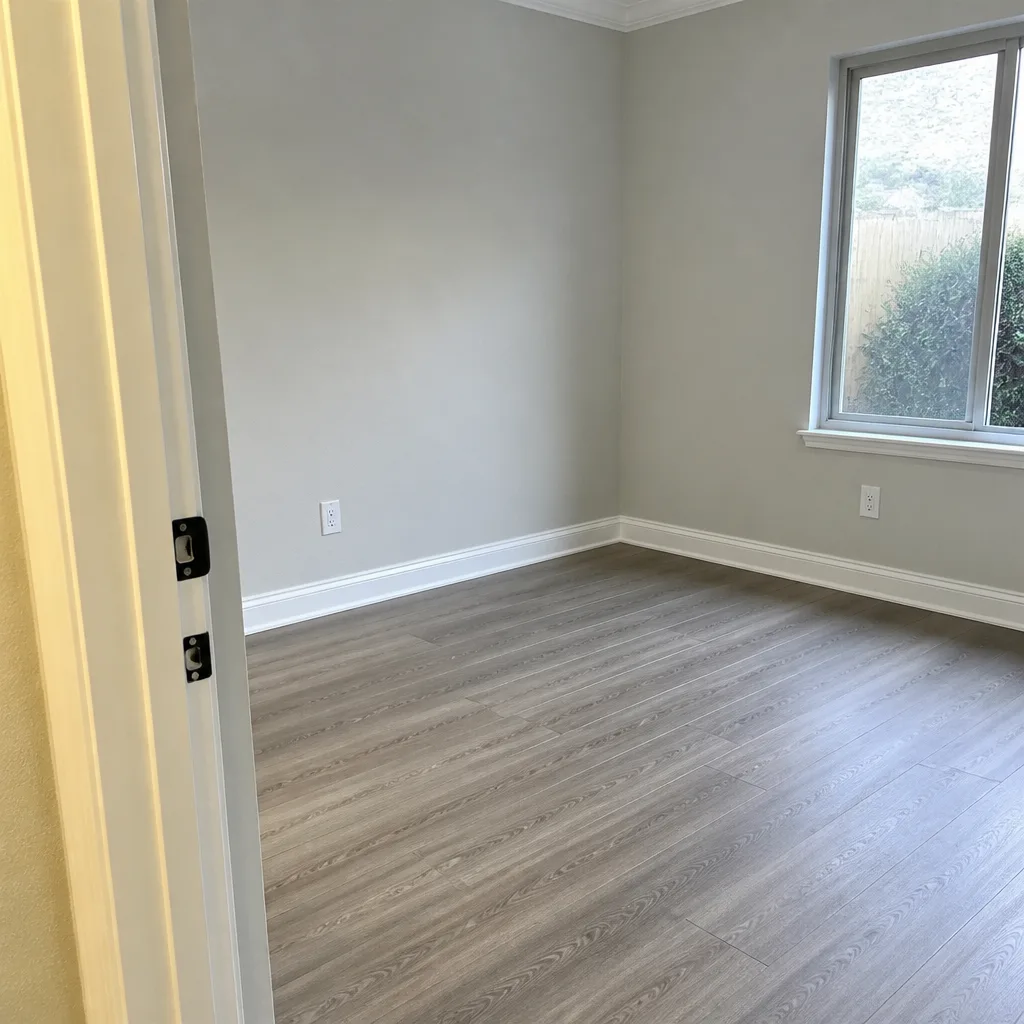 After
After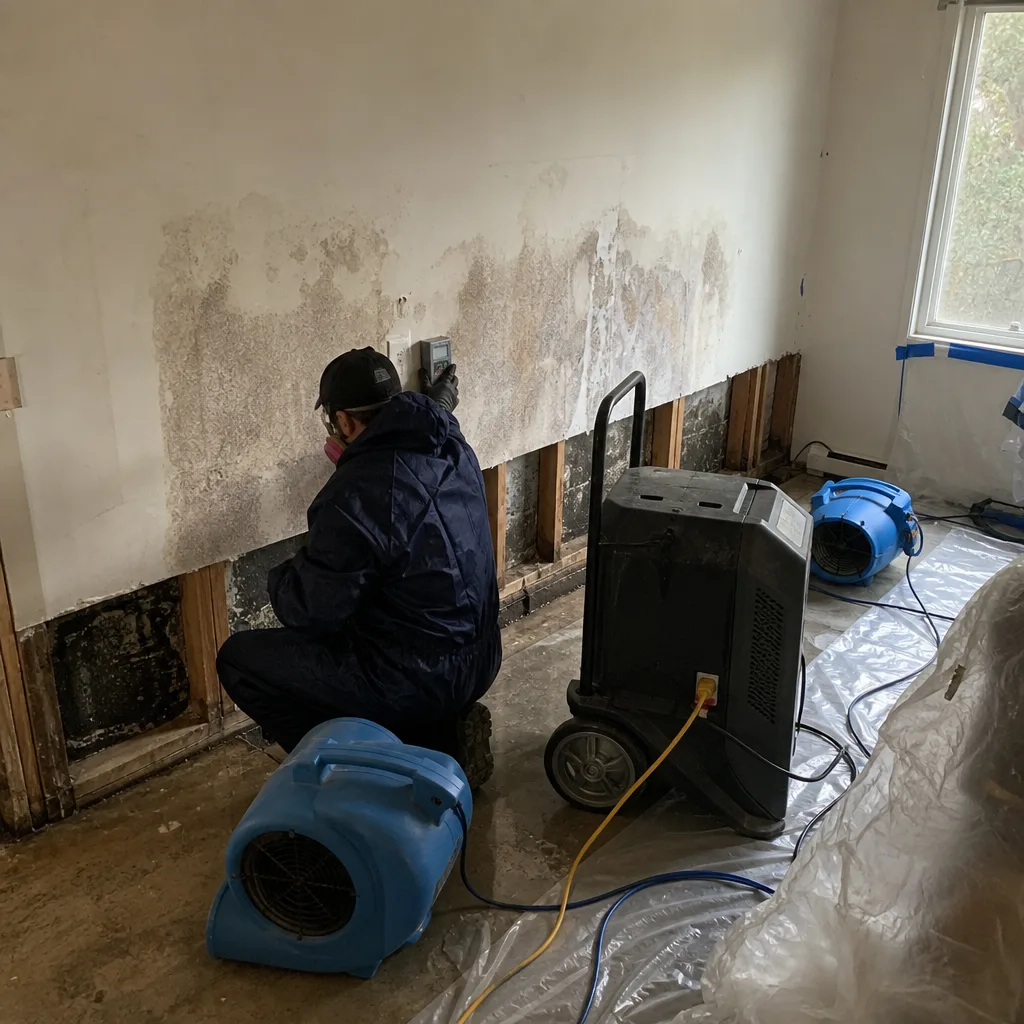 Before
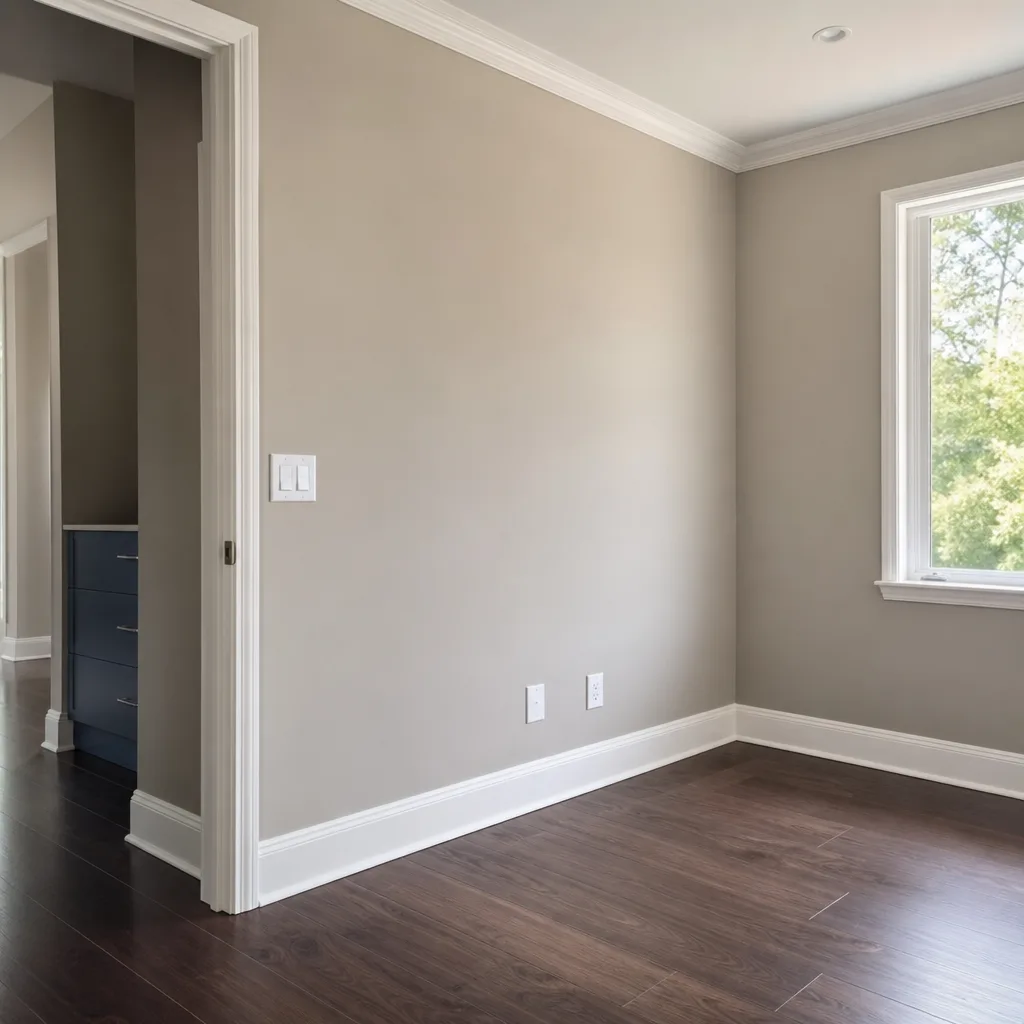 After
After24/7 Emergency Fire & Smoke Damage Restoration in San Marcos
Fire and smoke damage in San Marcos demands immediate response, even when the flames never touched your walls. Call (858) 683-1768 now and a live person will answer, 24 hours a day, with crews dispatched to your San Marcos property within minutes, not hours. We provide a free visual inspection on arrival, document every room with photos before anything moves, and deliver a written price before work begins - Haven Standard, Clause 1. The first hour after a fire or after firefighting water enters your structure determines whether smoke odor becomes a permanent fixture and whether Category 2 or 3 water under your flooring triggers secondary mold growth within 24 to 48 hours.
Understanding Fire & Smoke Damage Restoration Severity in San Marcos Properties
Fire damage restoration in San Marcos follows a severity scale that maps directly to what we find on inspection, not what neighbors can see from the street. Dry smoke residue - the powdery, fast-burning byproduct of high-heat fires - sits on surfaces and requires HEPA vacuuming and dry-cleaning sponges. Wet smoke residue, from slow-burning, low-oxygen fires, is sticky, smeary, and penetrates porous stucco and drywall aggressively. Protein residue, nearly invisible but pungent, comes from kitchen fires and etches painted surfaces and cabinetry.
Smoke migration follows pressure differentials and HVAC pathways, not logic. In San Marcos’s wood-framed, stucco-clad homes built from the mid-1980s through the 2000s, smoke travels through wall cavities, attic spaces, and ductwork, emerging in rooms far from the fire source. Tertiary damage - odor compounds adsorbed into plastics, textiles, and insulation - requires thermal fogging or ozone treatment after source removal. Homes near Lake San Marcos and the historic downtown core, with 1970s-era tile roofing and aging stucco bearing hairline cracks, present additional vapor pressure differential challenges: smoke and moisture penetrate cracks that owners rarely notice until we map them with thermal imaging.
Why San Marcos Property Owners Choose DryMark Restoration Poway
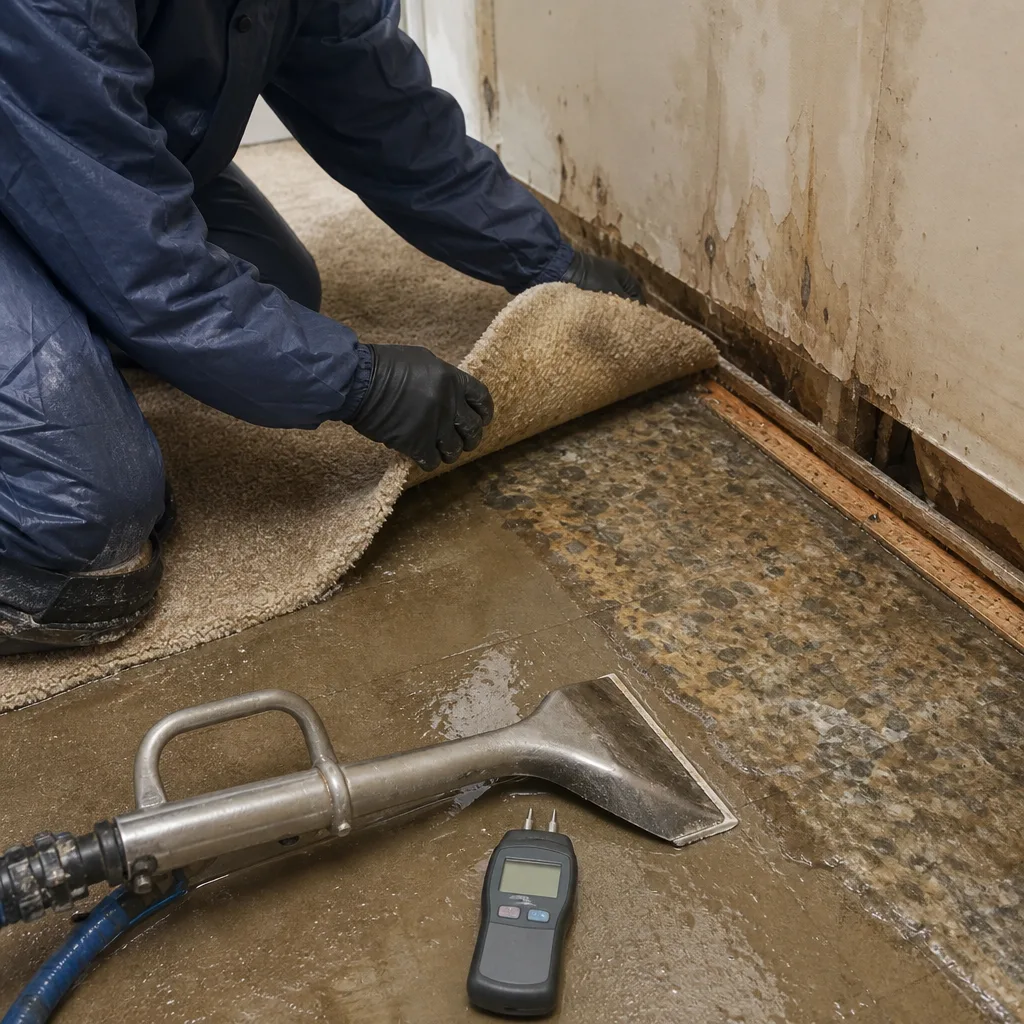
- 45-minute response commitment to San Marcos neighborhoods, with dispatch coordinated from our San Diego office and crews already positioned in North County.
- 24/7 live answer - a real person, never an automated system or voicemail tree, on every call at (858) 683-1768.
- IICRC-certified crews holding FSRT (Fire and Smoke Restoration Technician) and WRT (Water Damage Restoration Technician) credentials, with license numbers verified before arrival.
- Free visual inspection with photo documentation before any equipment is placed or any price is discussed.
- Direct insurance billing and adjuster coordination - we produce the drying logs, moisture readings, and line-item scopes that turn restoration invoices into payable claims.
- One team from emergency board-up through reconstruction, so no handoff gaps between mitigation and rebuild scopes.
 Before
 After
AfterOur Fire & Smoke Damage Restoration Process
1. Inspection & Assessment
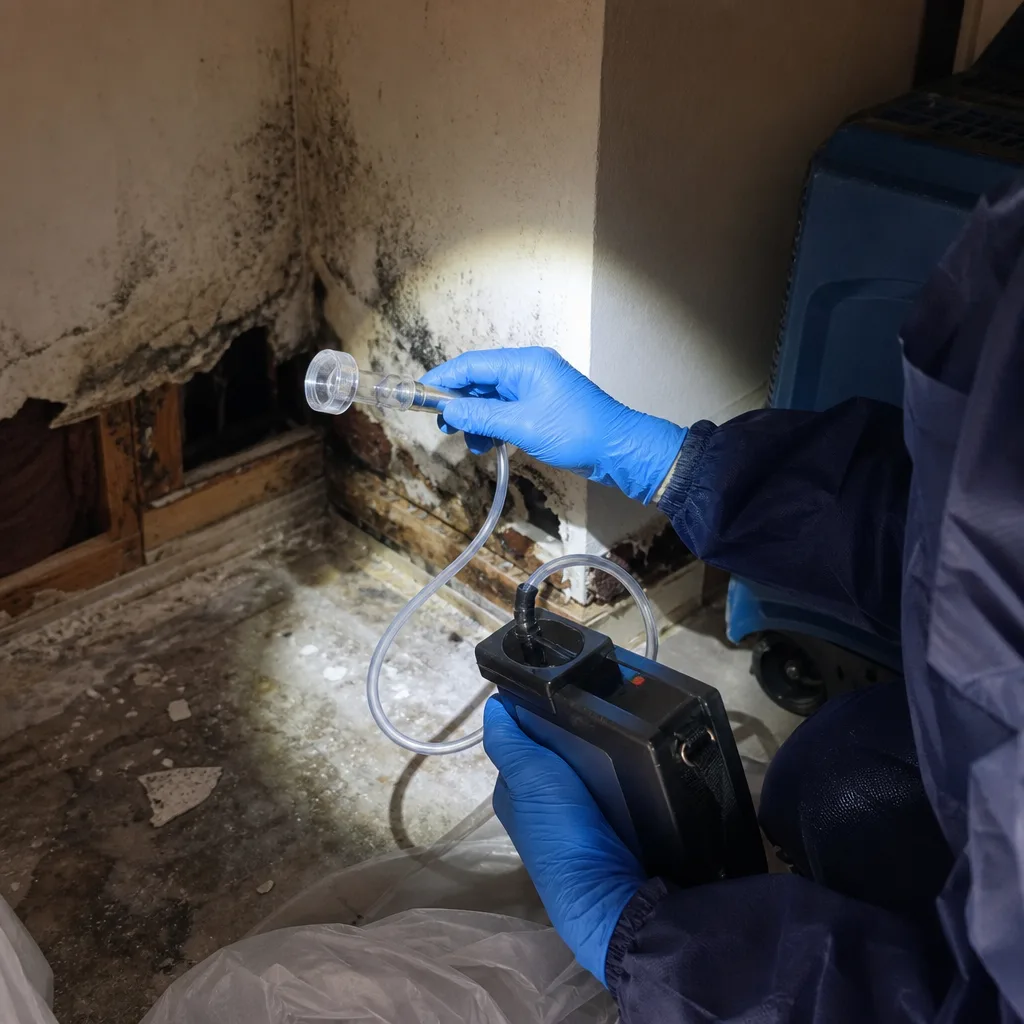
We arrive with thermal imaging cameras, moisture meters, and hygrometers to map smoke migration and water intrusion invisible to the eye. In San Marcos’s hillside-graded developments, we specifically check slab perimeters and garage floors for firefighting water runoff. Every finding is photographed and logged before any equipment enters your home.
2. Emergency Board-Up & Stabilization
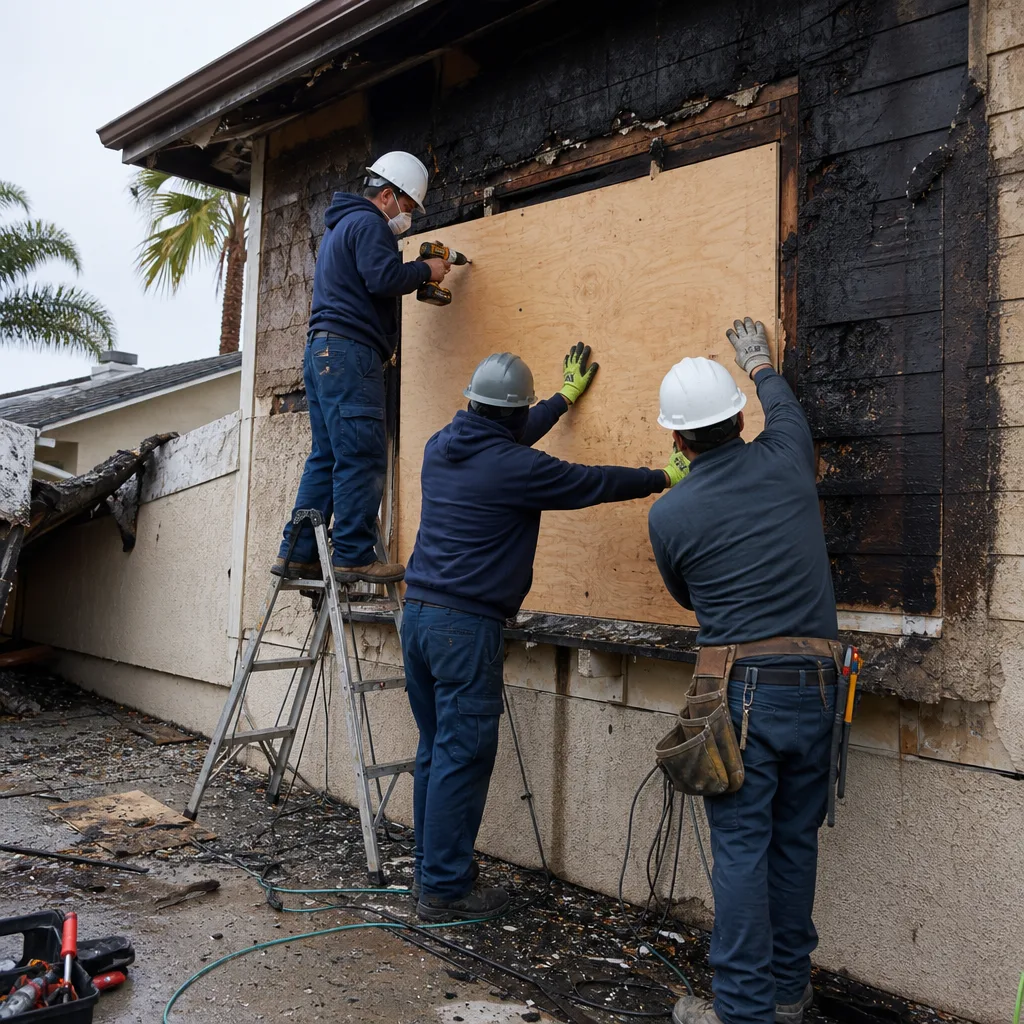
Broken windows, compromised roofing, and damaged doors are secured with temporary barriers to prevent weather intrusion and unauthorized access. For townhomes with alley-load access in San Marcos’s denser tracts, we stage containment to protect adjacent units from cross-contamination.
3. Water Extraction & Structural Drying
Firefighting water is Category 2 or 3 until proven otherwise. We extract standing water, deploy Injectidry cavity-drying systems and Dri-Eaz dehumidifiers, and log daily moisture readings to IICRC standards. Hillside runoff toward San Marcos slab foundations receives targeted attention with air movers and dehumidification.
4. Smoke & Soot Removal
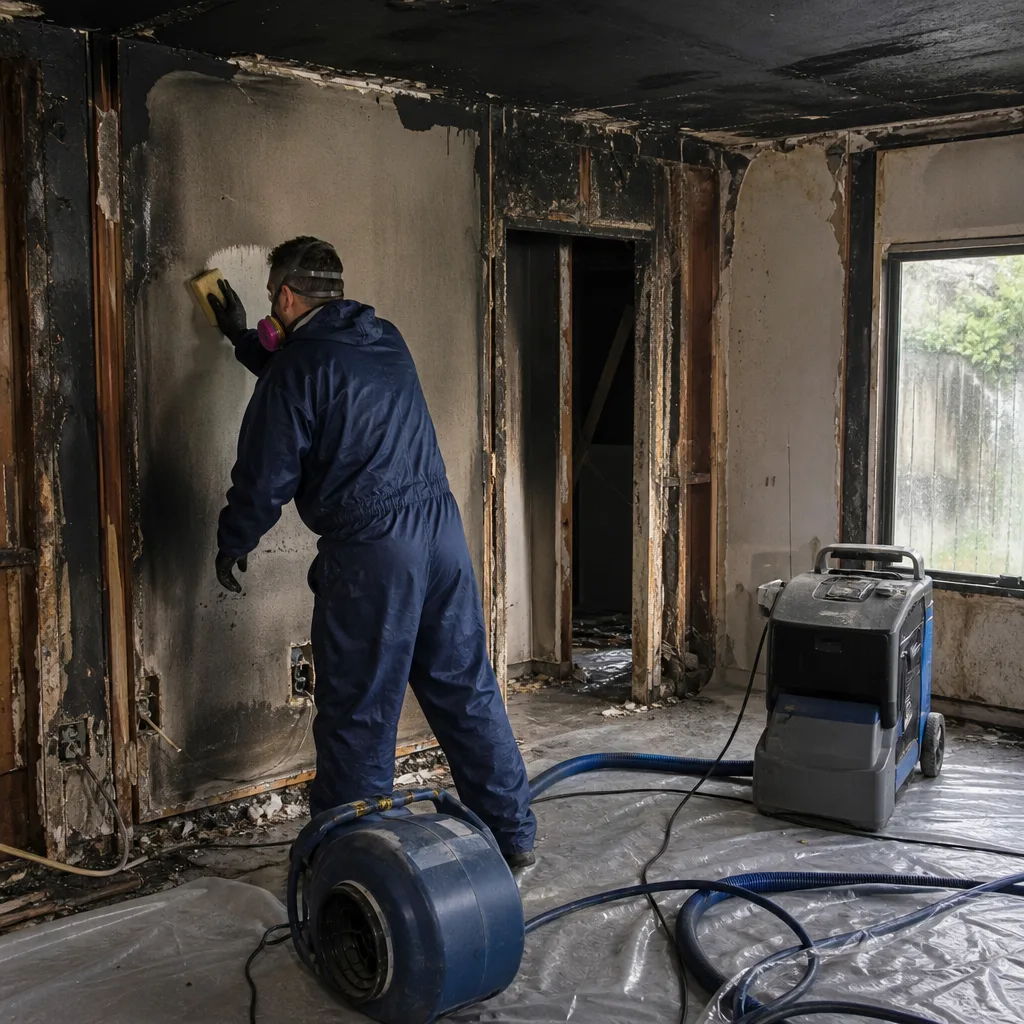
HEPA vacuums, dry-cleaning sponges, and alkaline-based cleaners remove residue by surface type - dry, wet, or protein. Stucco exteriors with no scorch marks still require inspection; we have found smoke-saturated attic insulation in San Marcos homes that looked untouched from the curb.
5. Odor Removal & Deodorization
Thermal fogging, ozone treatment, and hydroxyl generators neutralize odor compounds at the molecular level. When HVAC ductwork is contaminated, we recommend full duct cleaning or replacement, documented with before-and-after photo evidence for your insurer.
6. Repairs & Restoration
Drywall, insulation, flooring, and finishes are restored to pre-loss condition. Our written scope specifies each material by trade name and square footage. The 365-Day Done Right Promise under The Haven Standard applies to all reconstruction work.
Need Emergency Fire & Smoke Damage Restoration in San Marcos Now?
Crews minutes away, answering live 24 hours a day. The sooner we start, the less it costs.
Working With Your Insurance Company
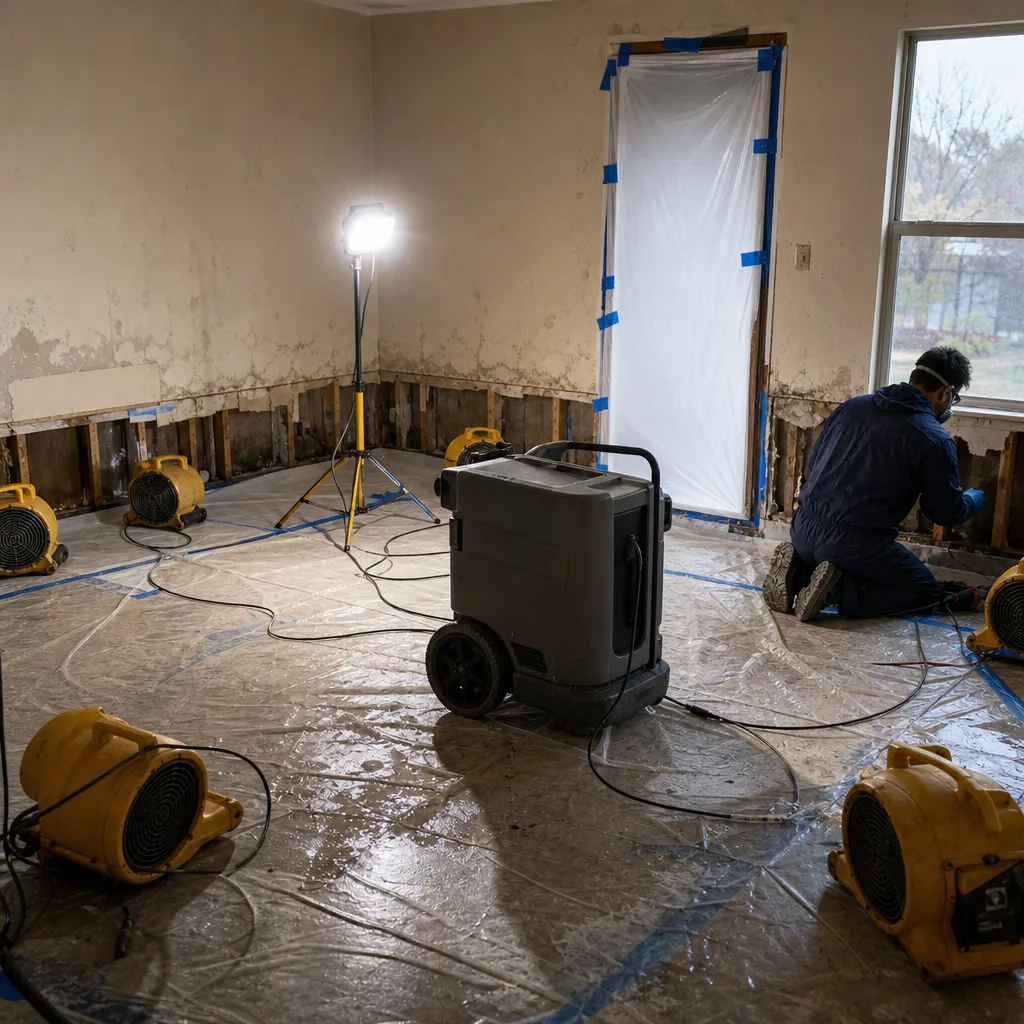
Insurance claims for fire and smoke damage fail when documentation is incomplete or delayed. We begin building your claim file from the first hour on site, photographing every affected surface, recording moisture readings, and producing a line-item scope that matches industry-standard estimating platforms. Our Fire & Smoke Damage Restoration team speaks directly with your adjuster, submits documentation through carrier portals, and defends the scope if questions arise. You receive copies of every photo, every drying log, and every revision.
What We Provide Your Insurer
- Thorough documentation of the loss, including fire source area and all secondary damage zones
- Photos of all damage, room by room, with timestamps and technician notes
- Moisture readings and daily drying logs to IICRC and RIA standards
- A detailed, line-item scope of work with material specifications and quantities
- Direct coordination with your carrier’s adjuster and claim number
Built for San Marcos’s Loss Calendar
San Marcos’s fire restoration calendar runs on two overlapping rhythms: Santa Ana wind season from September through January, and El Niño precipitation cycles that concentrate in winter months. The Santa Anas drive ember-cast wildfire exposure across the Wildland-Urban Interface, sending smoke and ash into homes near Twin Oaks Valley, Discovery Hills, and the corridor along San Marcos Boulevard. These fires rarely burn structures directly but saturate attic insulation and HVAC systems with acidic smoke residue.
Then the rains arrive. The same hillside grading that accelerates fire spread toward residential tracts channels intense runoff toward slab foundations and garages. Firefighting water already present combines with storm drainage, creating Category 2 and 3 water conditions under flooring while homeowners focus on smoke odor. We routinely respond to San Marcos properties in January and February where a November brush fire initiated the claim and January rains expanded the scope. Our crews carry FSRT and WRT certifications precisely because these dual-loss scenarios are standard here, not exceptional.
Fire & Smoke Damage Restoration Across San Marcos’s Neighborhoods
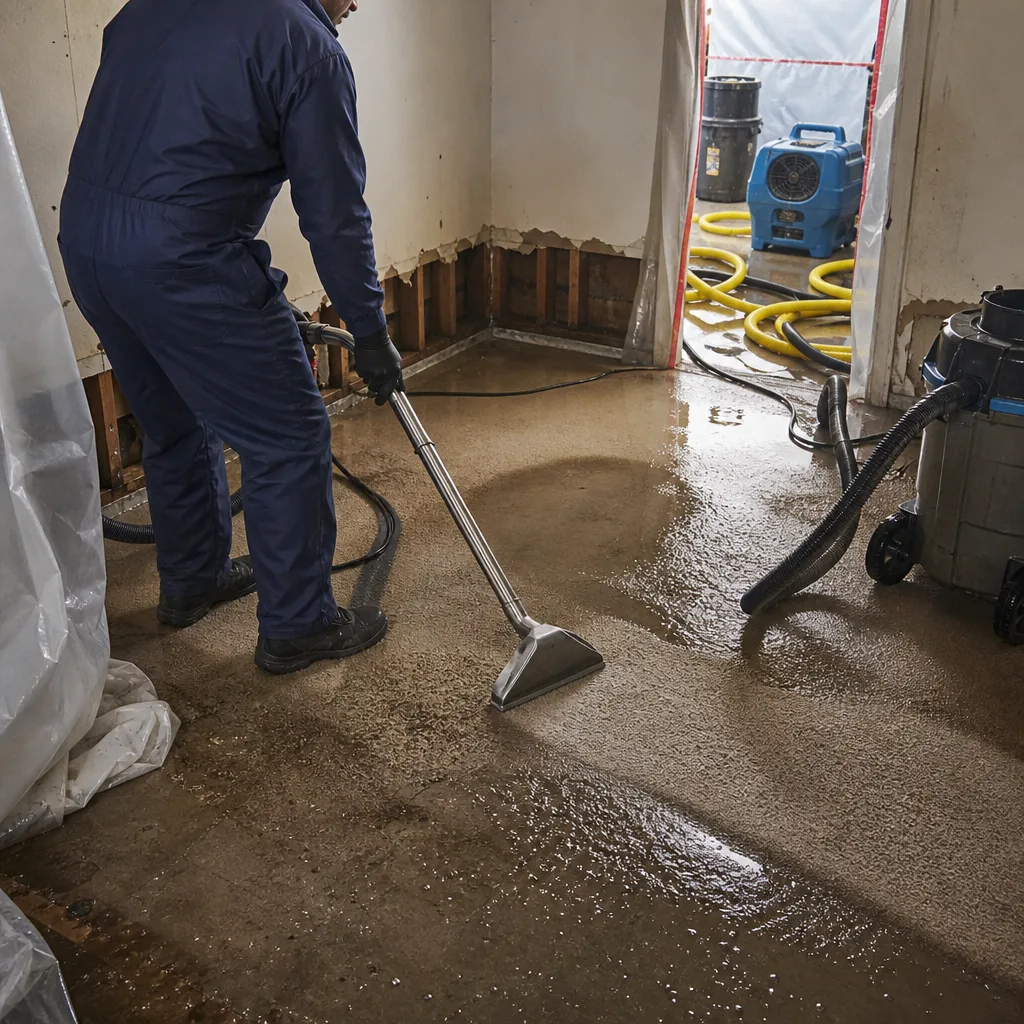
San Marcos’s geography creates distinct restoration profiles by neighborhood, and we route crews accordingly.
Twin Oaks Valley and canyon-adjacent tracts present our most complex smoke jobs. After a fall brush fire in this area, we responded to a stucco-clad home with no visible exterior scorch marks but a persistent odor complaint. Moisture mapping and thermal imaging showed smoke-saturated attic insulation and soot-contaminated ductwork that had gone undetected for weeks. We performed a full pack-out, removed and replaced the insulation, set containment with air movers and dehumidification for structural drying, and logged moisture readings to restore pre-loss condition. This is not a hypothetical. It is why we inspect every attic and every duct run in canyon-adjacent San Marcos homes, regardless of curb appearance.
Discovery Hills and the hillside developments along Rancho Santa Fe Road combine fire exposure with drainage failure. Graded pads direct water toward garages and slab perimeters. We have extracted firefighting runoff from these properties that sat undetected for days because the homeowner assumed the standing water was “just from the rain.”
Townhome clusters near San Marcos Boulevard and the commercial corridor introduce access constraints. Alley-load parking, tight turns, and shared walls mean containment must be precise. A hasty setup leaks soot into adjacent units, converting a single-unit claim into a multi-unit loss. Our crews measure door clearances and staging space before placing equipment.
Older homes near Lake San Marcos and the historic downtown core carry 1970s-era tile roofing and aging stucco with hairline cracking. Smoke and moisture penetrate these cracks readily. We inspect roof decking and wall cavities with borescopes where exterior damage appears minimal.
Specialized Fire & Smoke Damage Restoration Services We Offer in San Marcos
Fire Damage Cleanup
Structural cleaning after fire requires residue identification before chemical selection. We test surfaces in inconspicuous areas, classify residue type, and match cleaning agents to substrate - alkaline cleaners for protein residue on painted surfaces, solvent-based products for synthetic smoke on hard finishes. Every product and concentration is noted in the job file for insurer review.
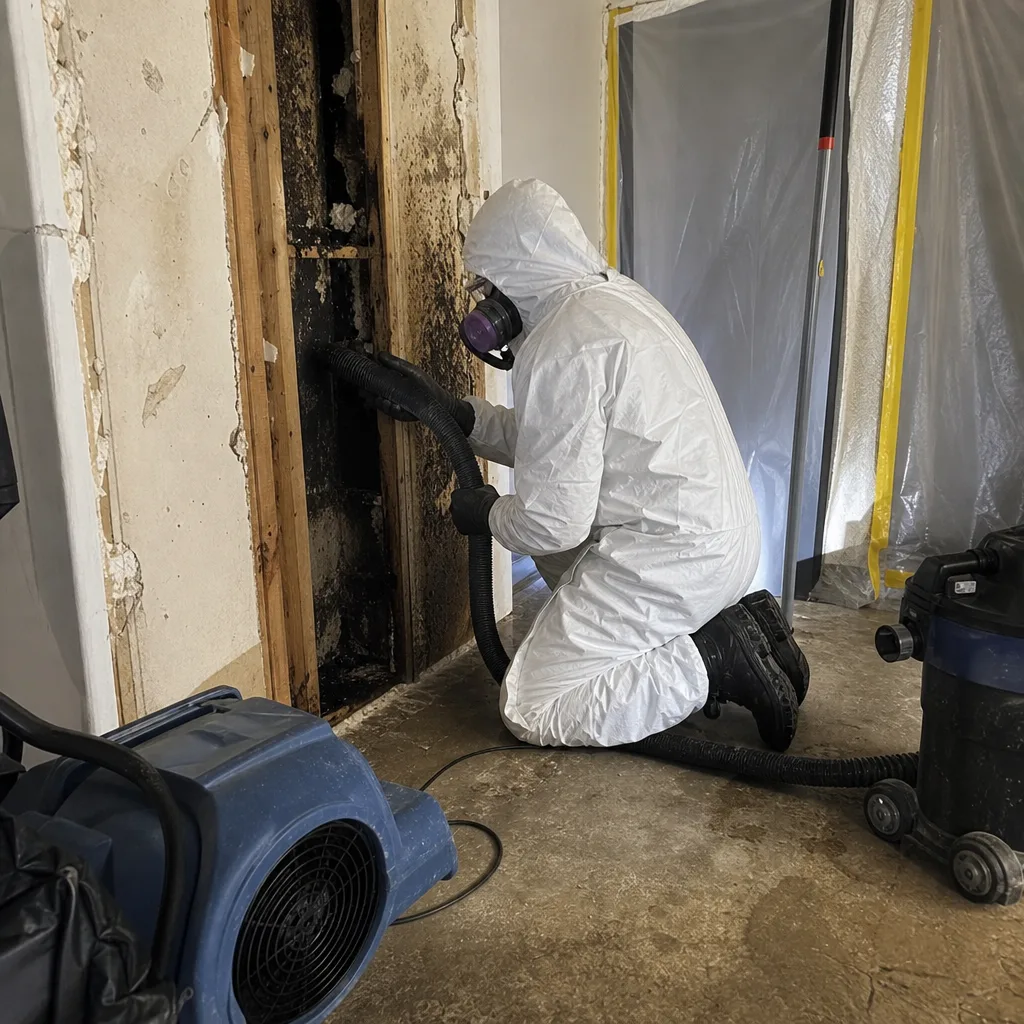
Smoke & Soot Removal
San Marcos’s stucco exteriors and wood-framed interiors demand differentiated approaches. Stucco receives HEPA vacuuming and chemical sponging; interior drywall and framing may require soda blasting or dry-ice blasting for heavy char. We document residue depth with photo scales, measuring in millimeters, so adjusters can verify the scope.
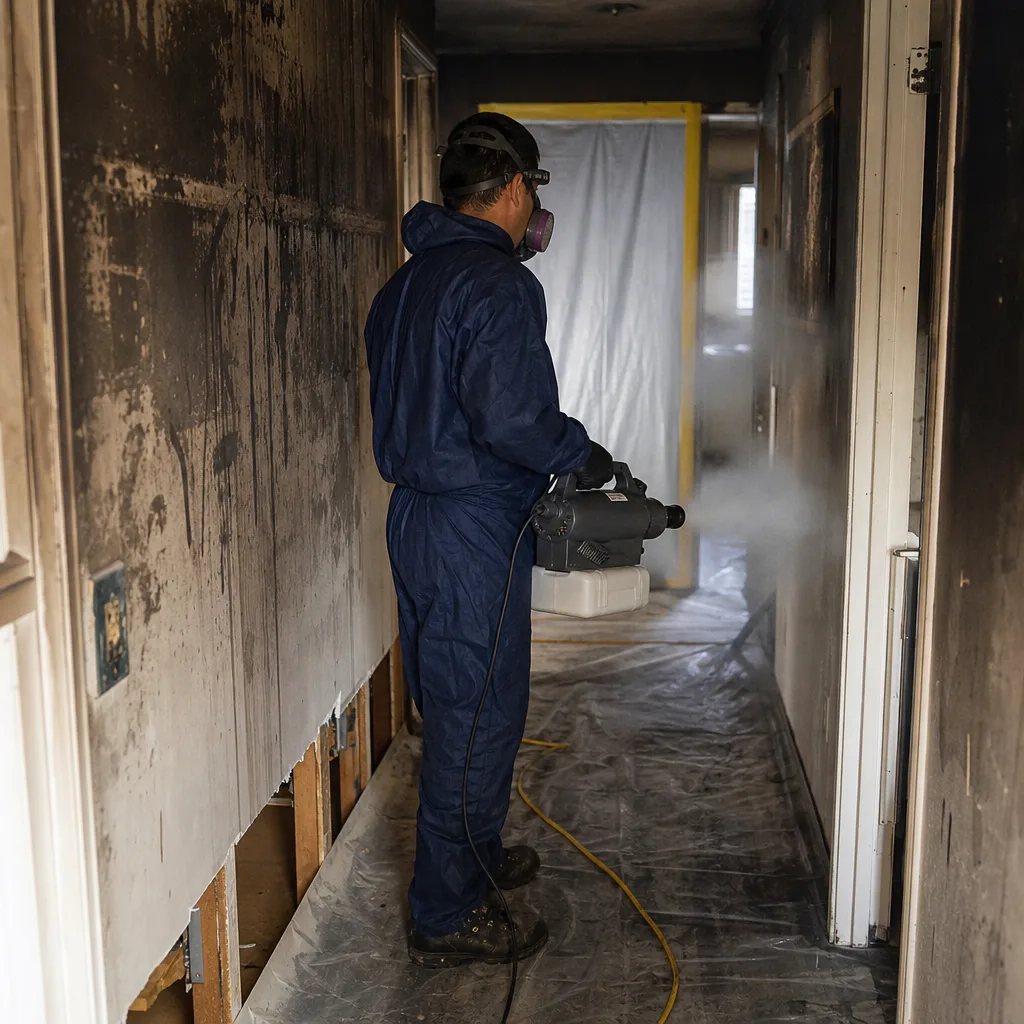
Odor Removal & Deodorization
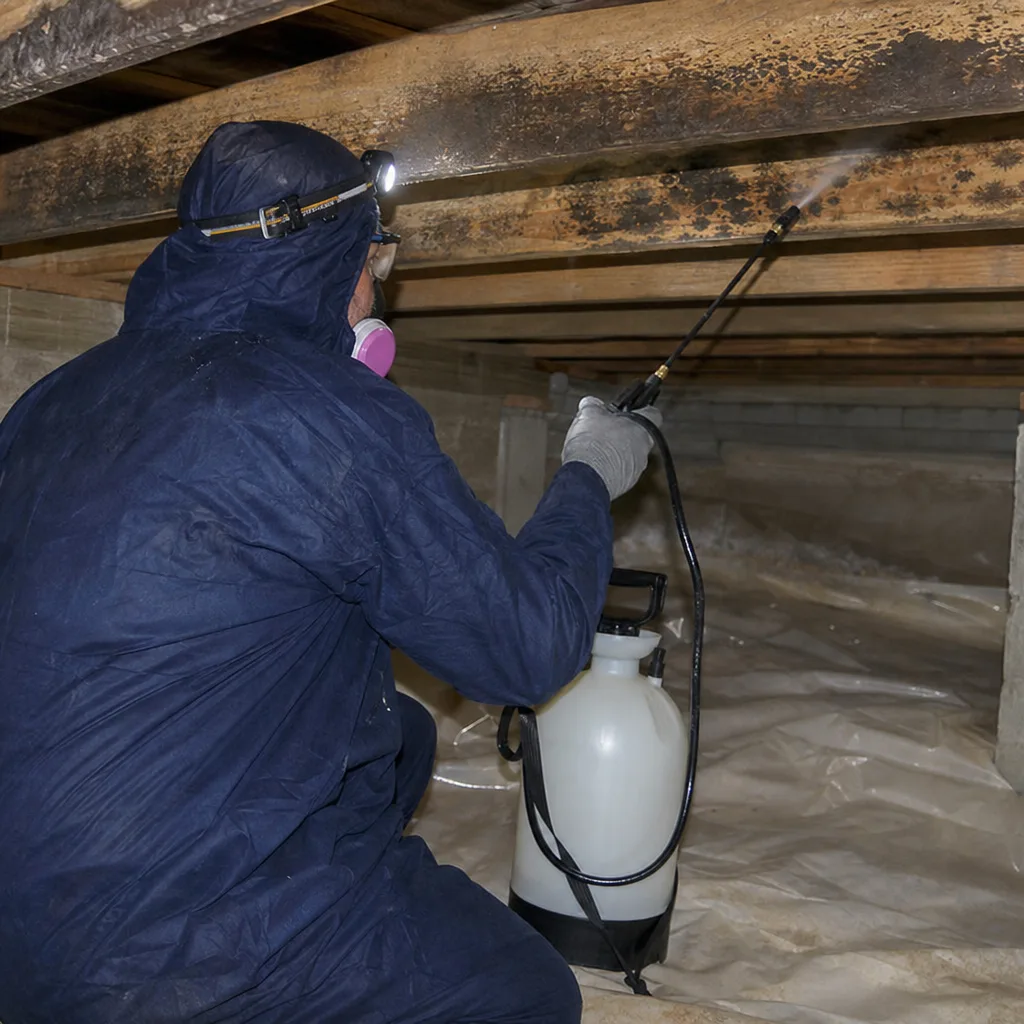
Smoke odor compounds adsorb into porous materials - not absorb, adsorb, meaning they bond to surfaces at the molecular level. Thermal fogging recreates the heat that opened material pores during the fire, allowing deodorizing agents to penetrate equally. Ozone treatment follows for unoccupied spaces. Hydroxyl generators run safely with occupants present. We select by occupancy status, odor source location, and material sensitivity.
Contents Cleaning & Pack-Out
San Marcos homes with 1970s tile roofs and aging stucco frequently require full pack-out because smoke has penetrated cabinet interiors, closet contents, and stored items. We inventory every item with photo documentation, clean textiles offsite with ultrasonic or dry-cleaning methods, and store contents in climate-controlled facilities until reconstruction completes.
Emergency Board-Up & Tarping
Broken windows, compromised roof decking, and damaged doors are secured with plywood and weather-resistant tarps within hours of our arrival. For hillside homes in San Marcos where wind exposure continues after the fire passes, proper tarping prevents water intrusion that would compound the loss. We photograph every board-up for the claim file.
What happens when you call
- 1
A real person answersNo phone trees - you reach a local pro.
- 2
You get an upfront price rangeHonest numbers before anyone is dispatched.
- 3
A background-checked tech heads outLicensed & insured, dispatched right away.
- 4
You approve before work beginsNothing starts until you say go.
Fire & Smoke Damage Restoration Costs in San Marcos, CA
Fire and smoke damage restoration pricing in San Marcos reflects the specific scope, not generic square-footage rates. Based on our work across North County, typical ranges are:
| Service | Typical Range in San Marcos |
|---|---|
| Emergency board-up and tarping | $800 - $2,400 |
| Smoke and soot removal (per affected room) | $1,200 - $3,500 |
| HVAC duct cleaning or replacement | $2,000 - $6,500 |
| Attic insulation removal and replacement | $3,500 - $8,000 |
| Contents pack-out and cleaning | $1,500 - $5,000 |
| Structural drying (post-firefighting water) | $2,500 - $7,500 |
| Odor removal and deodorization | $1,000 - $3,000 |
What moves the price: the number of rooms affected by smoke migration, whether attic insulation and ductwork require replacement, the presence of Category 2 or 3 water from firefighting runoff, and whether contents require offsite cleaning. Insurance typically covers direct fire and smoke damage plus water used in suppression; our documentation package supports this coverage determination. Haven Standard, Clause 1: your written price arrives before any work begins, with no scope-creep additions once our crew is inside. We also provide a Free Second Opinion on any competitor’s written estimate.
We Also Serve Cities Near San Marcos
Our crews respond throughout North County from our San Diego coordination office. We regularly perform Fire & Smoke Damage Restoration in San Marcos and neighboring communities including Vista, Escondido, Carlsbad, and Encinitas. Each city’s building stock, fire risk profile, and drainage patterns inform how we scope work - coastal Carlsbad faces different smoke migration patterns than inland San Marcos, and we adjust accordingly.
Serving San Marcos, CA - Our Local Coverage Area
We’re based in the San Marcos area and know this community well. Use the map below to see our service coverage - if you’re nearby, we can almost certainly help.
San Marcos Fire & Smoke Damage Restoration Questions, Answered
A brush fire burned a few ridges over from our San Marcos home and we see no scorch marks - do we still need smoke and soot removal?
Yes. We have documented dozens of San Marcos homes, particularly in canyon-adjacent tracts near Twin Oaks Valley, where stucco showed zero exterior scorching but thermal imaging revealed smoke-saturated attic insulation and soot-contaminated HVAC ductwork. The odor may not surface for weeks. Call (858) 683-1768 for a free inspection with thermal imaging - estimates are free.
Firefighting water ran down our graded hillside pad into the garage - is that a separate restoration scope?
It is part of the same claim but requires separate technical handling. Hillside grading in San Marcos routinely channels firefighting water and storm runoff toward slab foundations and garages, creating Category 2 or 3 water conditions. We scope water extraction, structural drying, and potential mold prevention alongside smoke remediation. Call (858) 683-1768 - we document both damage types for your adjuster in one file.
How do tight townhome doors and alley-load parking affect your fire and smoke response in San Marcos?
They require pre-planned containment and staging. We measure door clearances and available parking before arriving, bring appropriately sized equipment, and seal shared-wall penetrations before beginning any abrasive cleaning or thermal fogging. This prevents soot migration into adjacent units. Call (858) 683-1768 to discuss your specific access constraints - estimates are free.
How fast do you need to start after firefighting water soaks drywall in our San Marcos home?
Within 24 hours, and preferably the same day. Wet drywall in San Marcos’s climate can host mold growth within 24 to 48 hours, especially when firefighting water carries ash and chemical suppressants that feed microbial activity. Our crews carry WRT certification and deploy Dri-Eaz and Phoenix dehumidification systems immediately. Call (858) 683-1768 now - live answer, 24 hours a day.
Do you handle contents and pack-out for San Marcos homes with 1970s tile roofs and aging stucco?
Yes, and these homes frequently require it. Aging stucco with hairline cracks and original tile roofing allows smoke penetration into attic spaces and wall cavities, contaminating stored items, closet contents, and cabinet interiors. We inventory, photograph, pack, clean offsite, and store contents until reconstruction completes. Call (858) 683-1768 for a written scope - Haven Standard, Clause 1.
Will insurance cover smoke damage when the fire never touched my house?
Typically yes, under “smoke damage” provisions in standard homeowner policies. The key is documenting that smoke residue entered and caused physical damage to structure or contents - not merely odor. We provide the photo documentation, moisture readings, and line-item scope that insurers require to approve these claims. Call (858) 683-1768 and we will review your policy language with your adjuster.
How long does full fire and smoke restoration take in San Marcos?
Light smoke damage with no water intrusion: 3 to 5 days. Moderate smoke with attic insulation and duct replacement: 2 to 3 weeks. Complex dual-loss scenarios with firefighting water, structural drying, and reconstruction: 4 to 8 weeks. We provide a written timeline with the scope, updated daily. Call (858) 683-1768 for an exact estimate on your property.
Can we stay in our home during smoke damage restoration?
Sometimes, during light cleaning and surface deodorization. Never during thermal fogging, ozone treatment, or when HVAC ductwork is being replaced. We specify occupancy status in the written scope before work begins. For families in San Marcos’s denser townhome developments, we coordinate temporary relocation documentation for insurer reimbursement when required. Call (858) 683-1768 to discuss your situation.
Fire and smoke damage in San Marcos hides where untrained eyes do not look. The stucco looks clean. The attic is saturated. The ducts are contaminated. And the hillside runoff is pooling under flooring while you wait. We find what others miss, document everything we find, and fix what we document - with a written price first, a photo record throughout, and a 365-Day Done Right Promise under The Haven Standard when we finish. Call (858) 683-1768 now. A live person answers. Estimates are free. The scope is written before any work begins.
Written by Alicia Brennan, Owner at Back to Dry Restoration, serving San Marcos since 2011.