
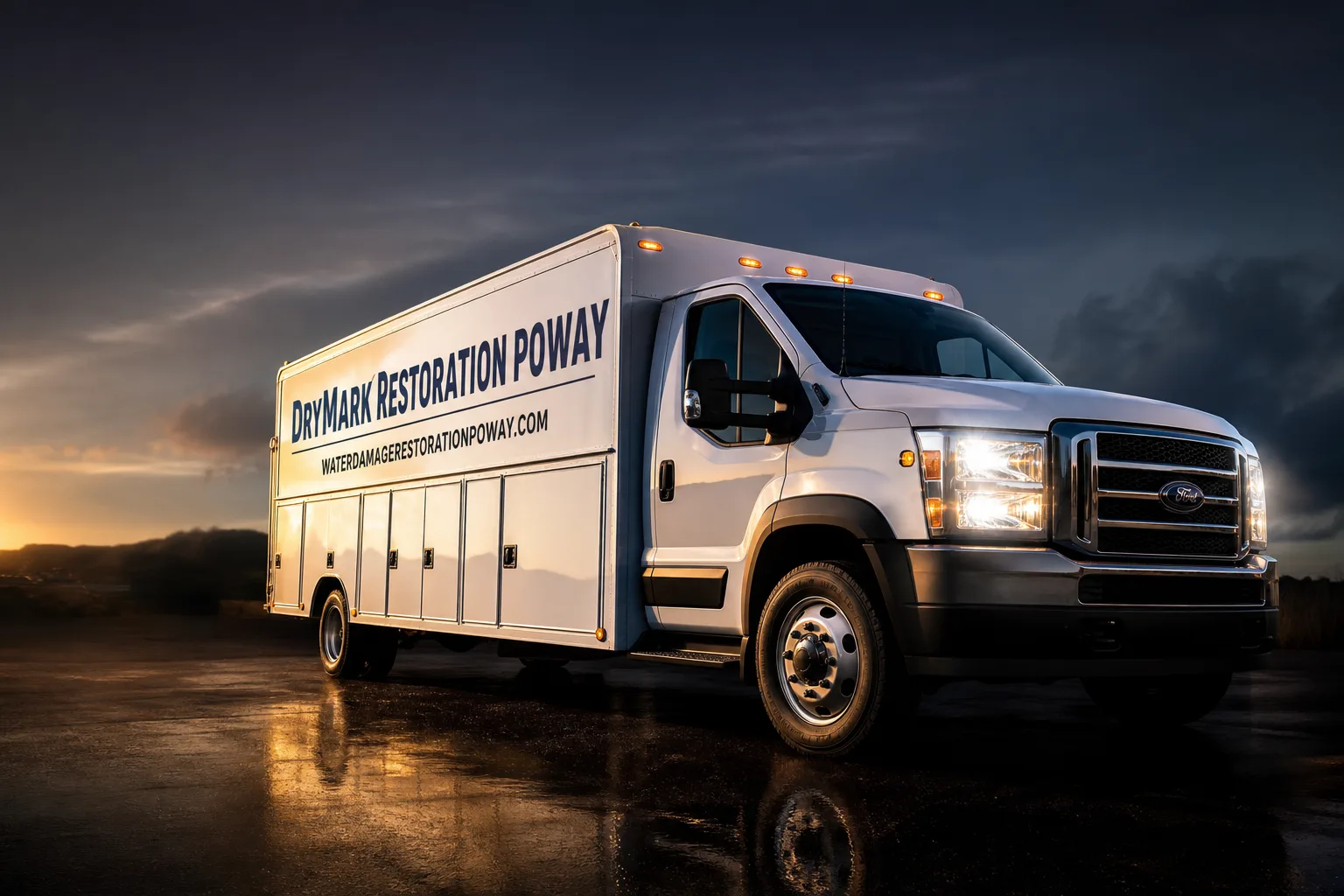
Free visual inspection and a written scope of work before any mitigation begins - photos, moisture readings, and drying logs go in your claim file
The scope we write is the scope we bill. Anything new gets shown to you, in writing, before we touch it.
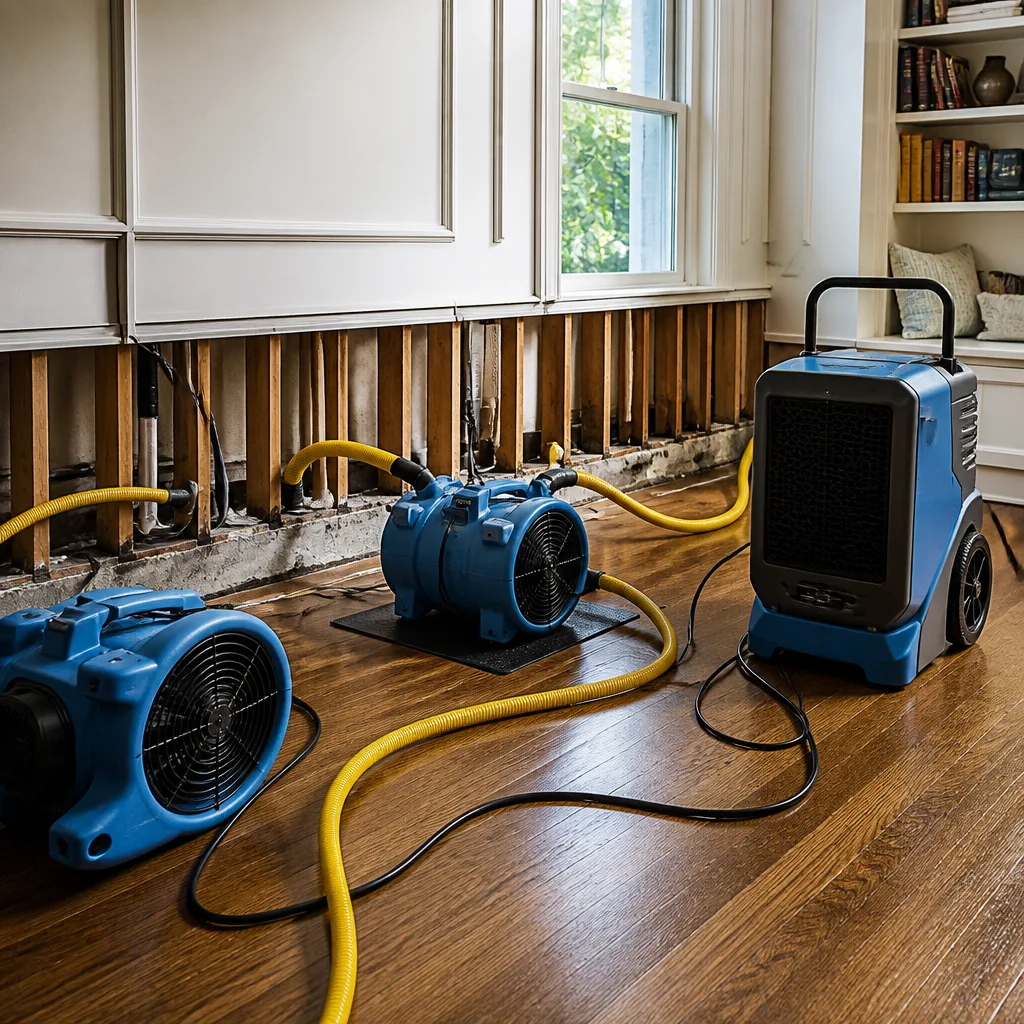
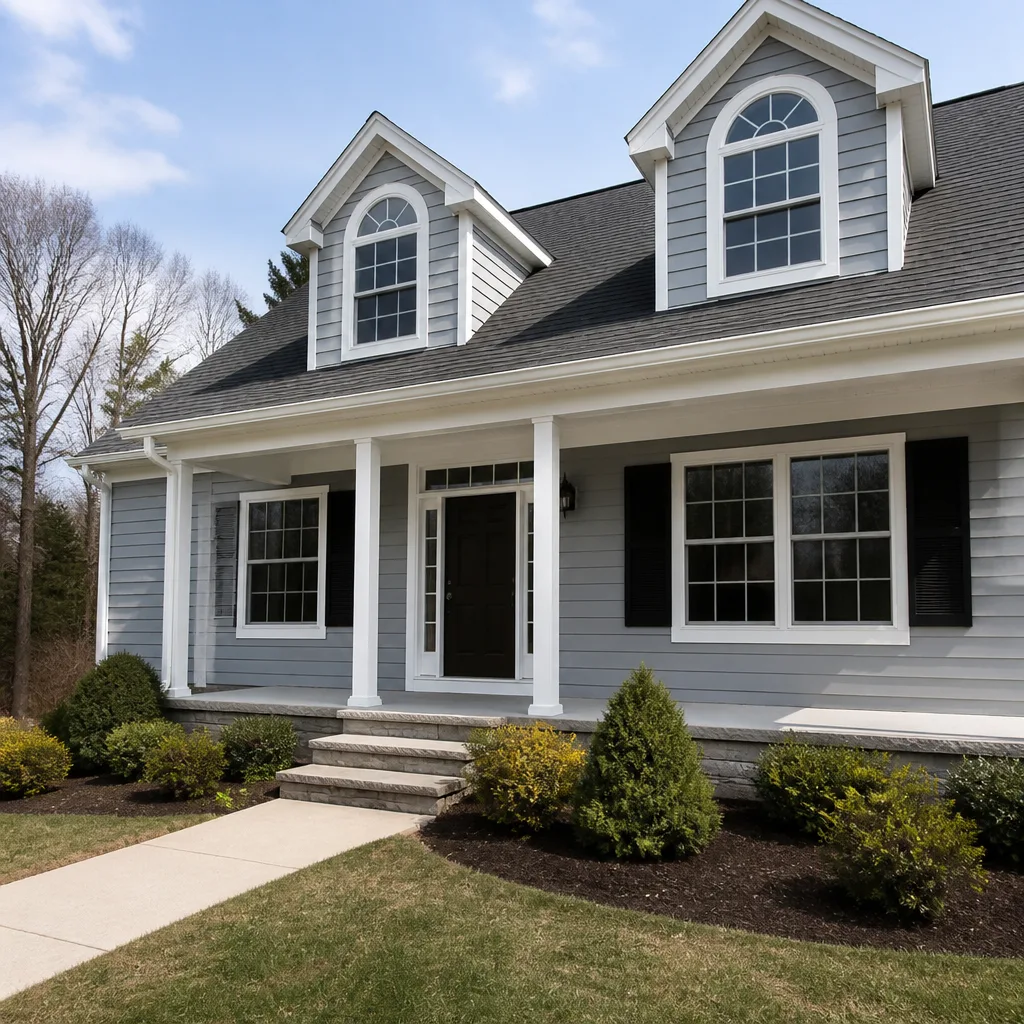
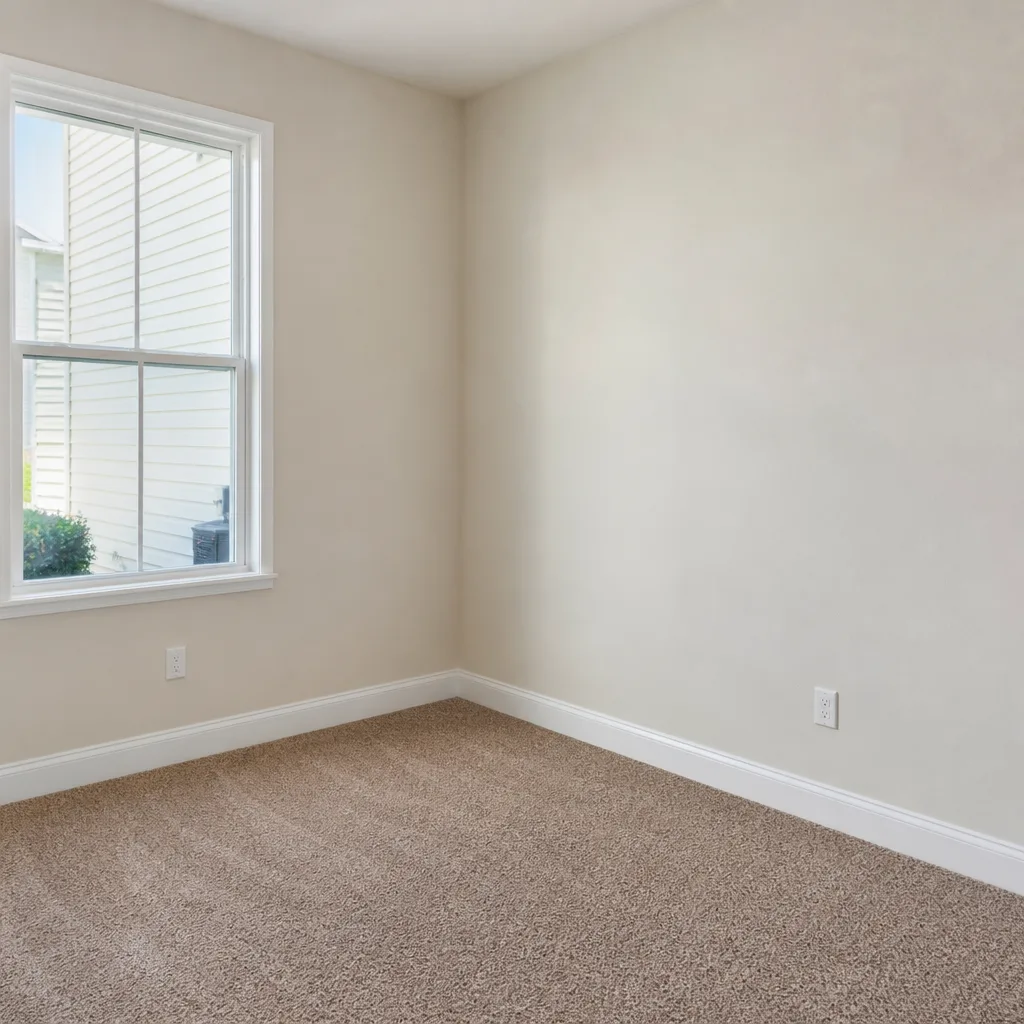
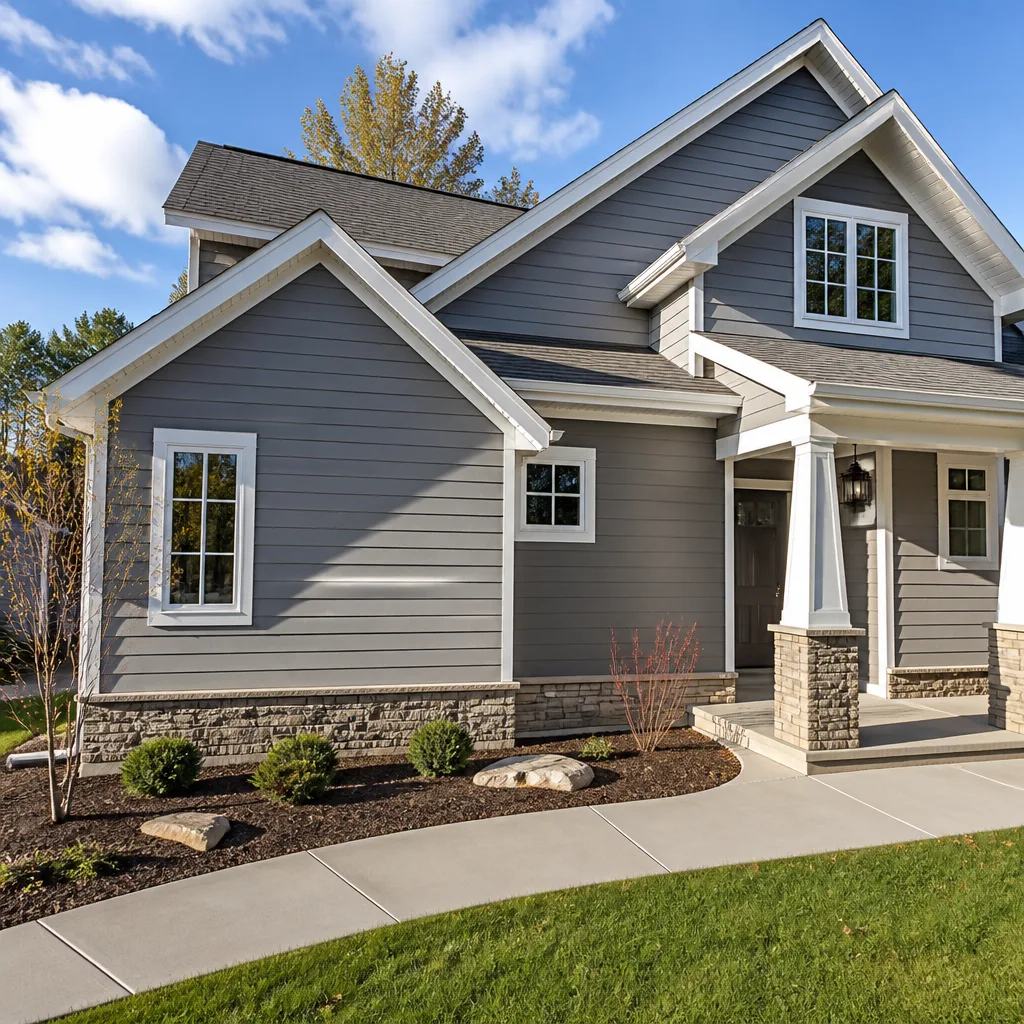
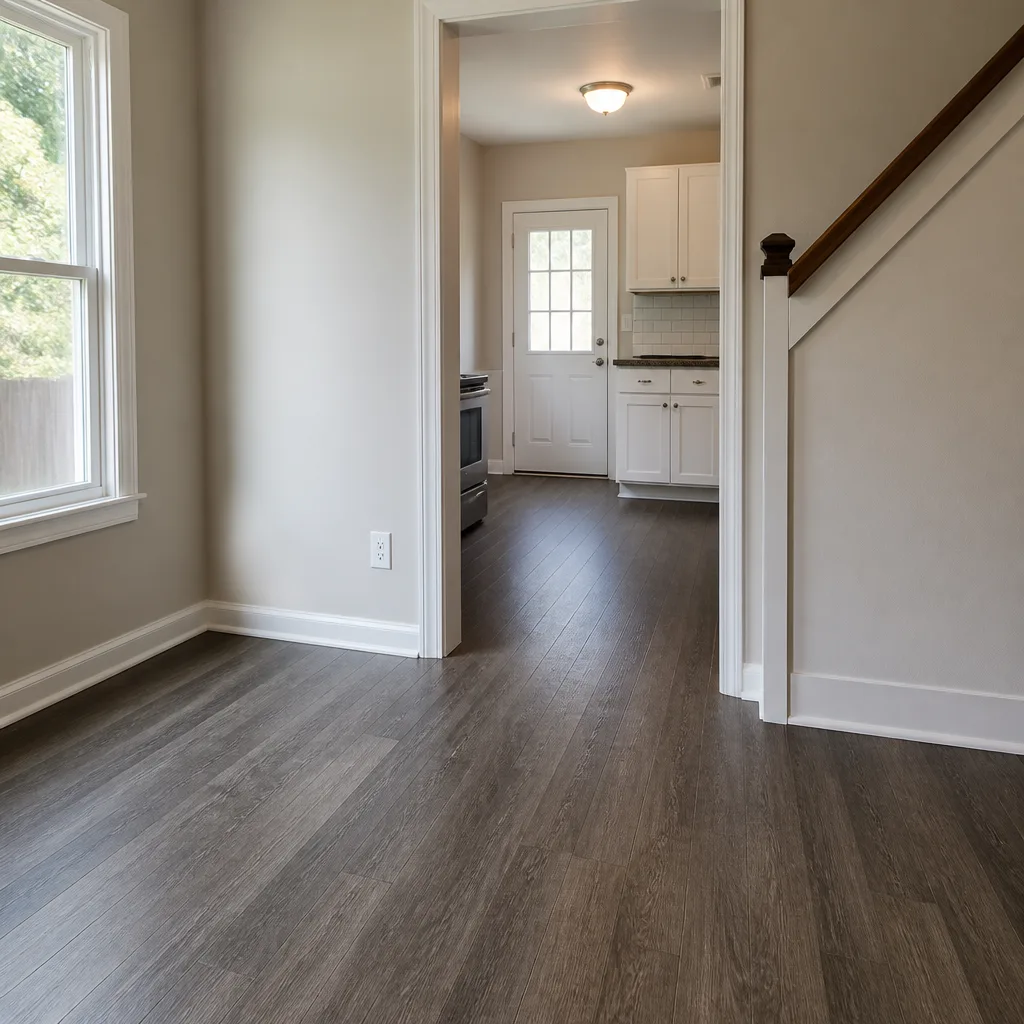
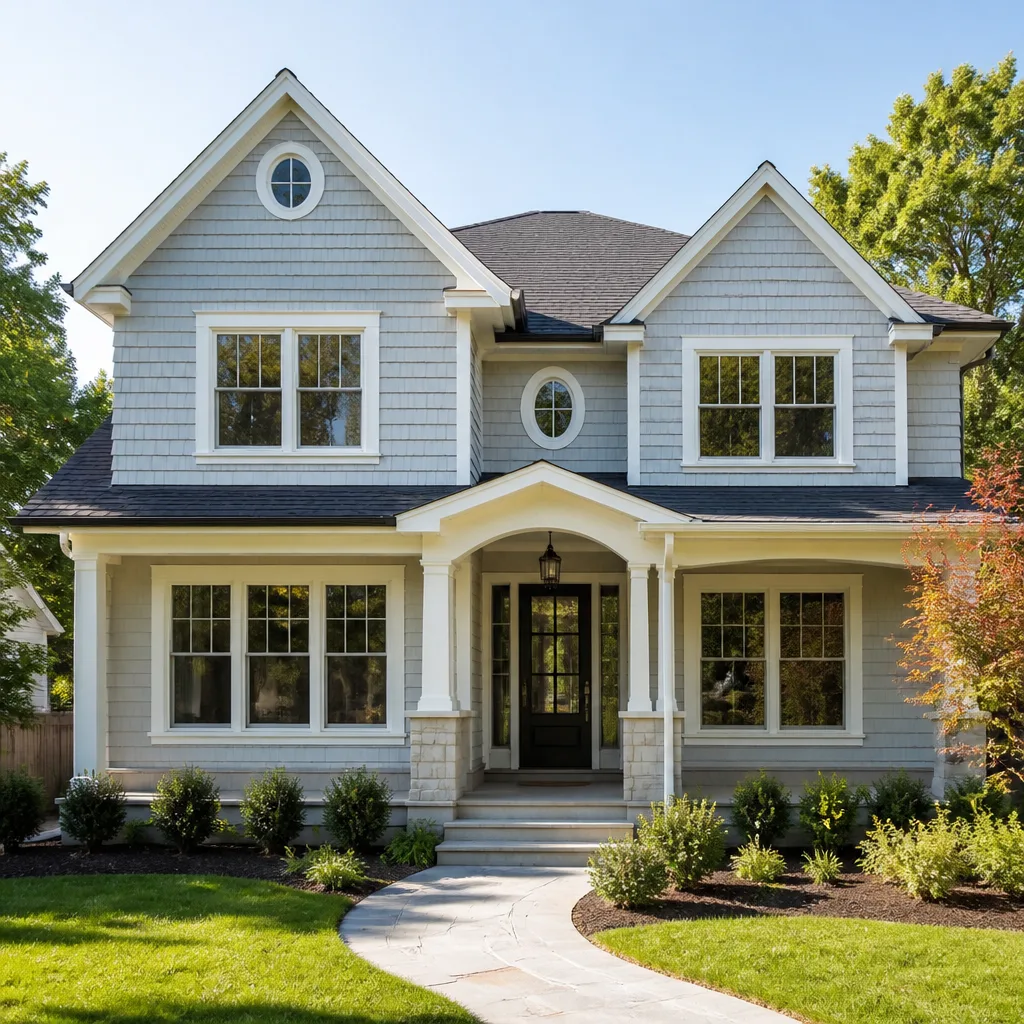
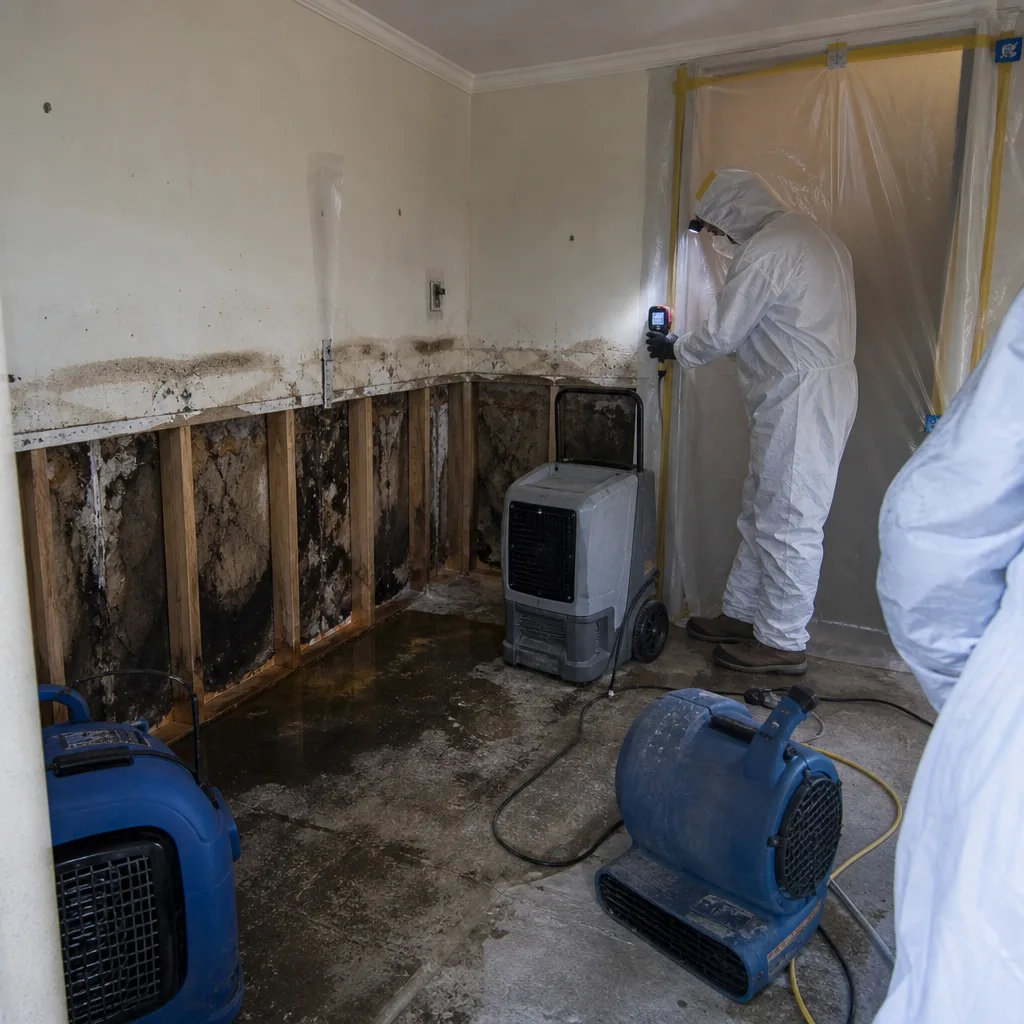 Before
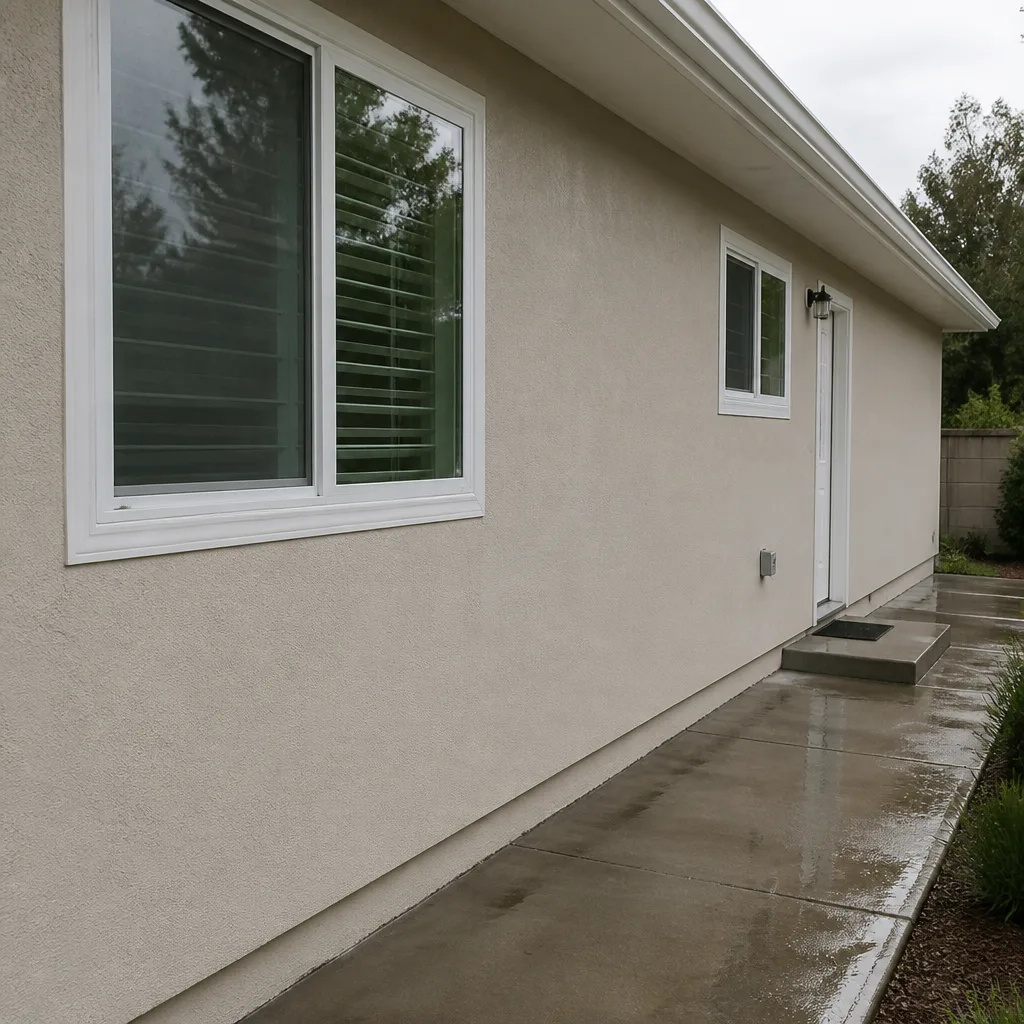 After
After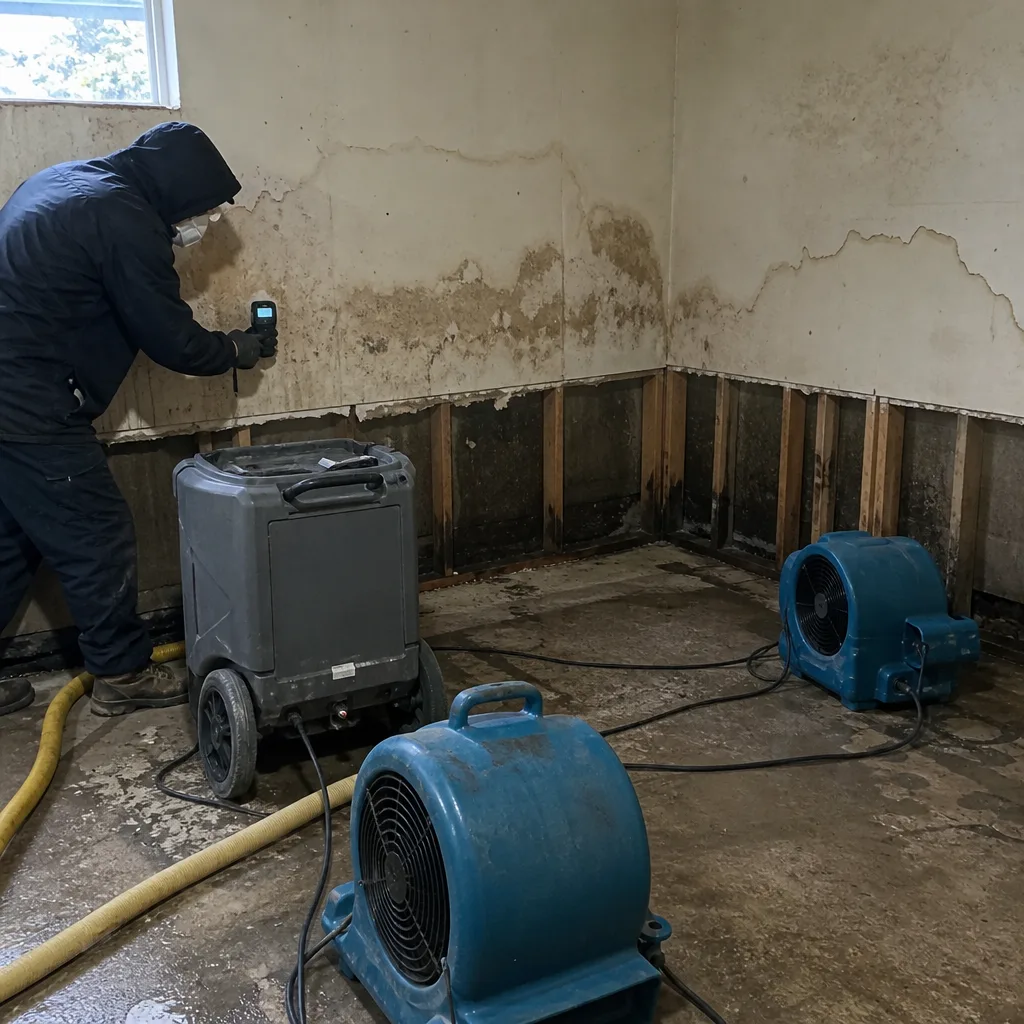 Before
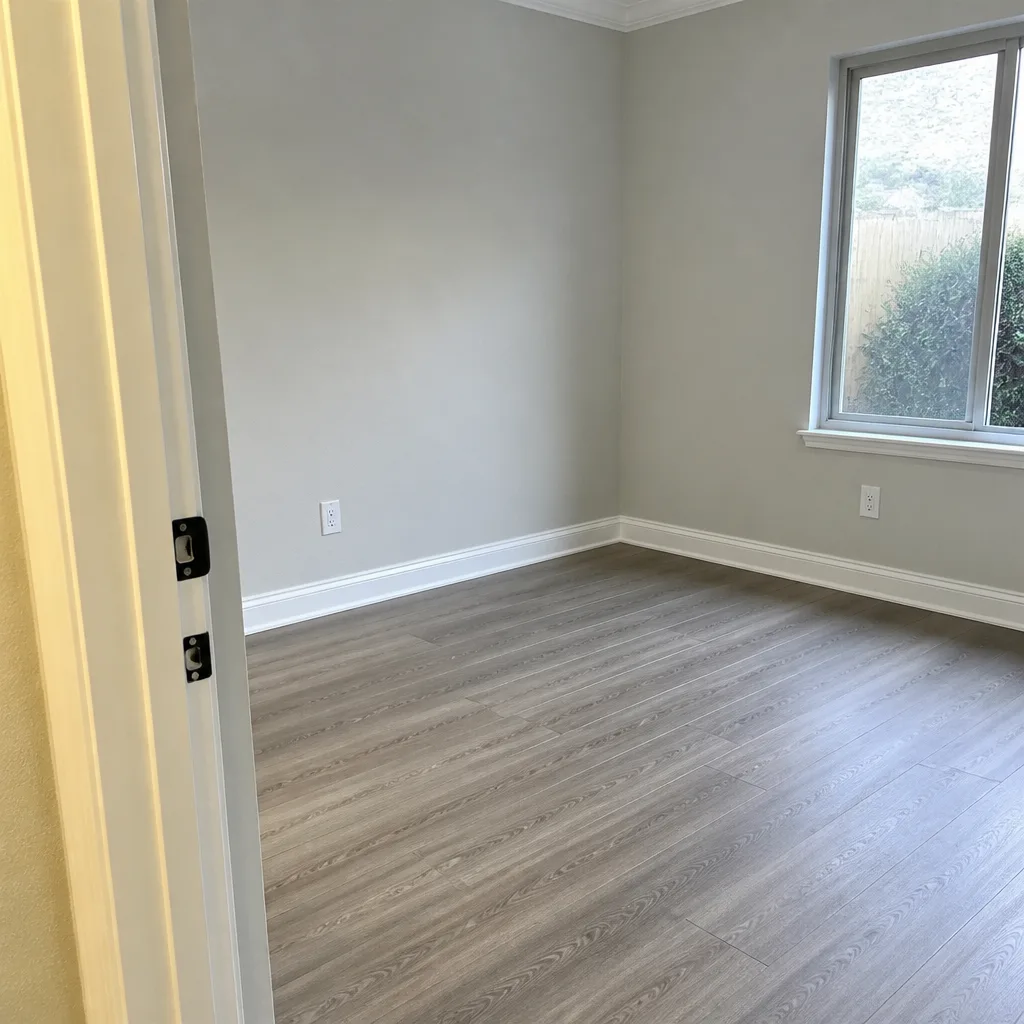 After
After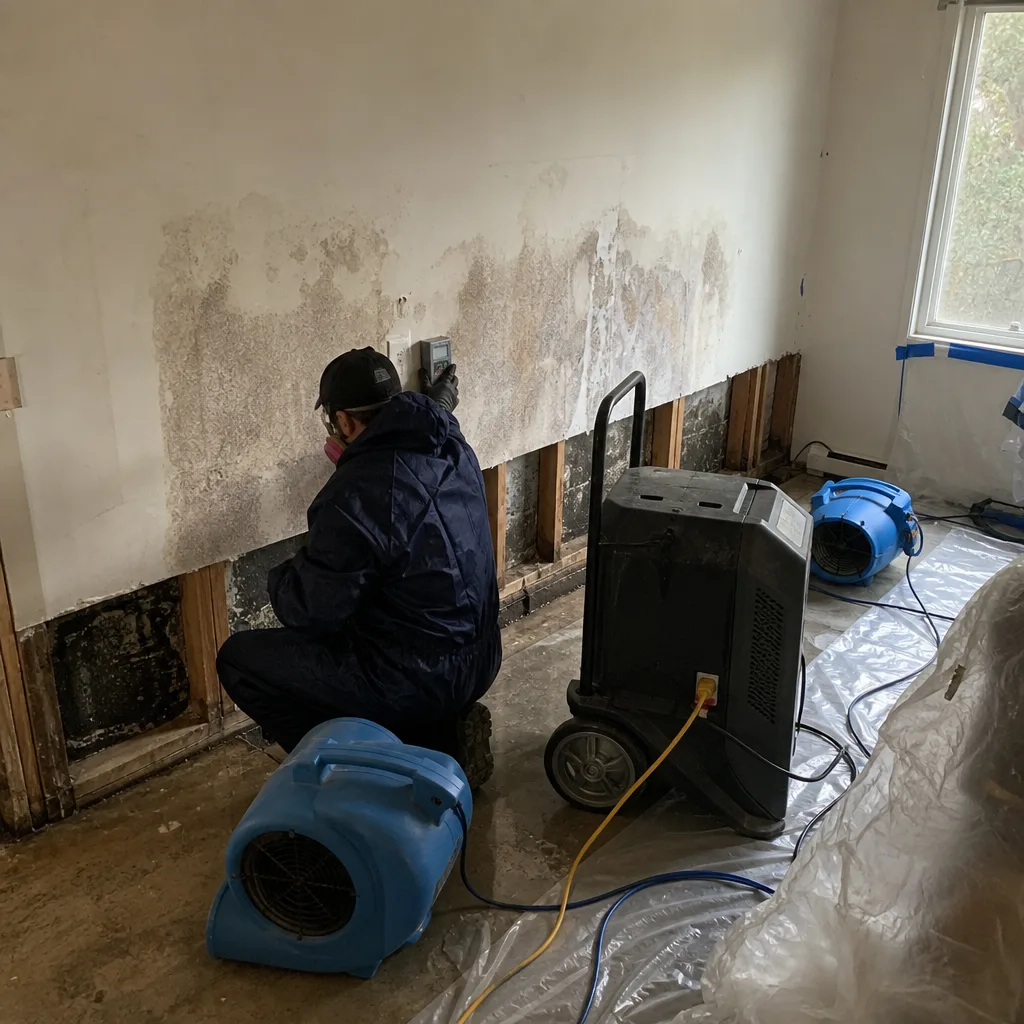 Before
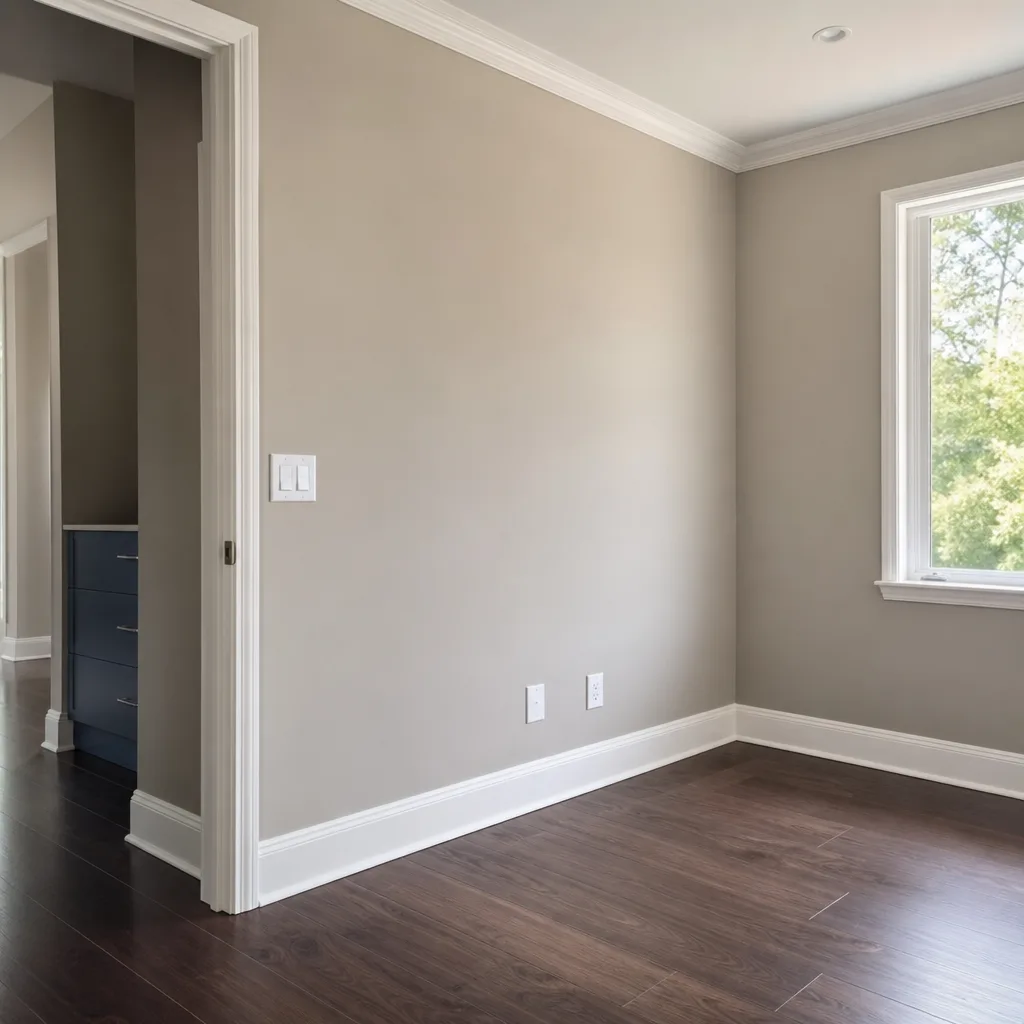 After
After24/7 Emergency Water Damage Restoration in Bonita
Water damage restoration in Bonita typically costs $2,800-$7,500 for a standard residential loss, with emergency extraction and stabilization running $1,200-$2,400 for most single-family homes. Crews dispatched from our San Diego office serve Bonita properties with a 45-minute response commitment, and a live person answers every call at (858) 683-1768 - no voicemail, no callback queues while water is still moving. The first hour determines whether you’re looking at extraction and drying or full gut-and-rebuild: standing water wicks upward through drywall at a rate of one inch per hour, and Bonita’s valley-floor humidity accelerates secondary damage faster than mesa-top communities nearby. We arrive with thermal imaging, moisture meters, and extraction equipment to stop the spread before it reaches your insulation and framing.
Understanding Water Damage Restoration Severity in Bonita Properties
Water damage in Bonita falls into three categories defined by IICRC standards, and the distinction matters for both health outcomes and insurance coverage. Category 1 water - clean supply line breaks, ice maker failures, or overflowing sinks - degrades to Category 2 within 24-48 hours of contact with building materials. Category 2, or gray water, carries chemical or biological contaminants from dishwasher discharge, washing machine overflow, or sump pump failures. Category 3, black water, includes sewage backup, groundwater intrusion, and any water that has passed through soil or building cavities.
Bonita’s housing stock complicates every category. The ranch-style homes built from the late 1950s through the 1980s commonly contain asbestos in popcorn ceilings, floor tile mastics, and HVAC duct insulation. When water saturates these materials, standard demolition stops until abatement protocols are completed. We’ve handled losses on Bonita Longhorn Road and along the Sweetwater corridor where Category 1 kitchen supply line failures became Category 2 losses within 36 hours because the humid valley microclimate prevented natural evaporation, then required asbestos abatement before structural drying could begin. Moisture mapping with penetrating and non-penetrating meters, plus thermal imaging to identify trapped water behind lathe-and-plaster or early drywall systems, is standard on every Bonita job we take.
Why Bonita Property Owners Choose DryMark Restoration Poway
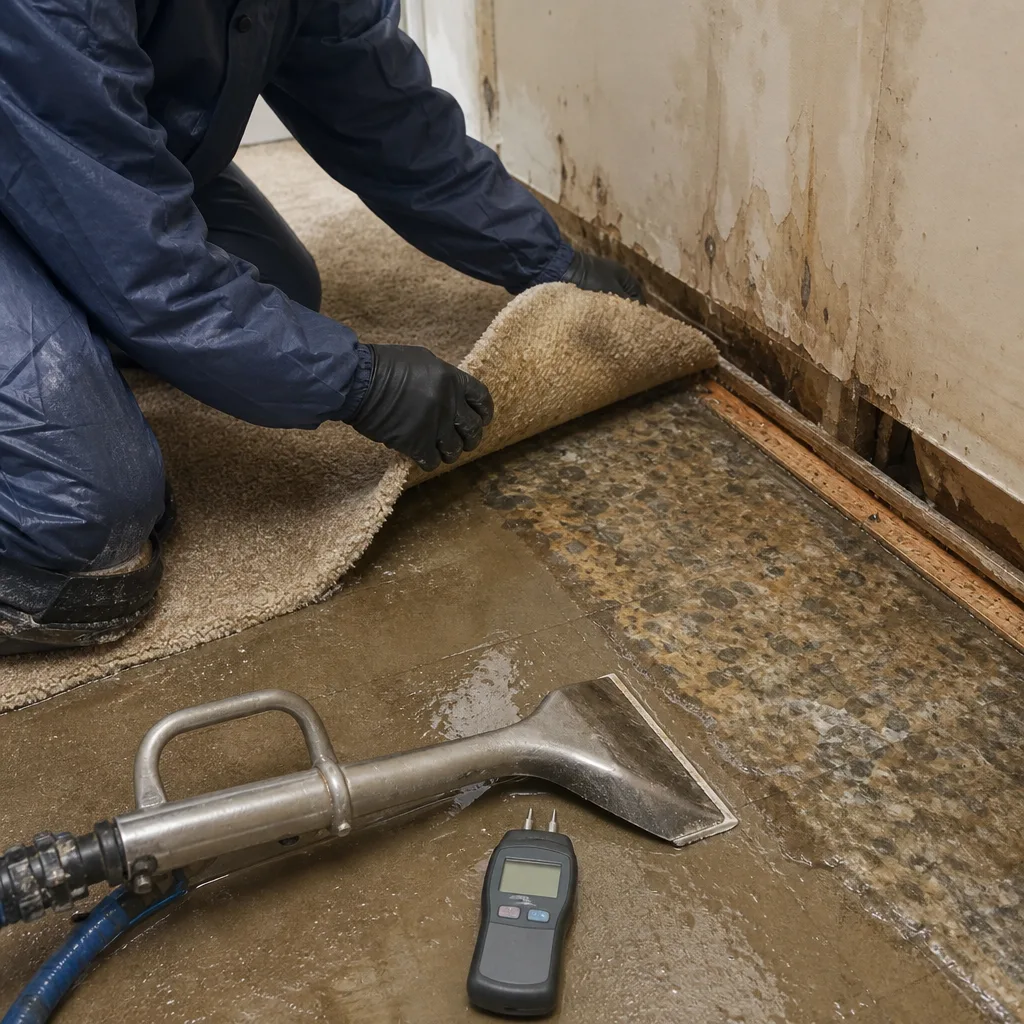
- 45-minute response commitment to Bonita properties - our San Diego-based crews know the valley routes and arrive with extraction gear already staged.
- 24/7 live answer by a real person, never an automated system; your call rings to our dispatch floor, not a voicemail tree.
- IICRC-certified crews holding WRT (Water Damage Restoration Technician), ASD (Applied Structural Drying), and AMRT (Applied Microbial Remediation Technician) credentials - license numbers provided on request.
- Free visual inspection and moisture assessment; we document what we find before quoting any work.
- Direct insurance billing with photo-documented estimates, daily drying logs, and adjuster coordination handled by our in-house claims team.
- One team from extraction to reconstruction - no handoffs between contractors, no gaps in documentation, no disputed invoices.
 Before
 After
AfterOur Water Damage Restoration Process
1. Inspection & Assessment
We moisture-map every affected room with thermal imaging, penetrating meters, and non-penetrating sensors. In Bonita’s older ranch homes, we specifically check for asbestos-containing materials that would trigger abatement before demolition. You receive a written scope and firm price before any work begins - Haven Standard, Clause 1.
2. Extraction & Stabilization
Truck-mounted and portable extraction units remove standing water from carpets, hard surfaces, and subfloors. For slab-on-grade homes near the Sweetwater River corridor, we extract from both surface and perimeter trenching where hydrostatic pressure has built.
3. Drying & Dehumidification
We deploy Dri-Eaz and Phoenix low-grain refrigerant dehumidifiers, B-Air axial air movers, and Injectidry mat systems for hardwood and slab drying. Psychrometric data - temperature, relative humidity, and vapor pressure differential - is logged twice daily to prove drying progress to your insurer.
4. Cleaning & Sanitization
Category 2 and 3 losses receive antimicrobial treatment with EPA-registered products. HEPA air scrubbers run during all demolition and cleaning phases to protect occupants and document air quality for insurance review.
5. Asbestos & Material Abatement
When pre-1980s Bonita homes test positive for asbestos in water-saturated materials, we coordinate certified abatement under containment with negative air pressure before structural drying proceeds. This step is non-negotiable and documented to RIA standards.
6. Repairs & Restoration
Our reconstruction team returns affected areas to pre-loss condition with matching materials, documented through photo records at every phase. The 365-Day Done Right Promise covers all work under The Haven Standard.
Need Emergency Water Damage Restoration in Bonita Now?
Crews minutes away, answering live 24 hours a day. The sooner we start, the less it costs.
Working With Your Insurance Company
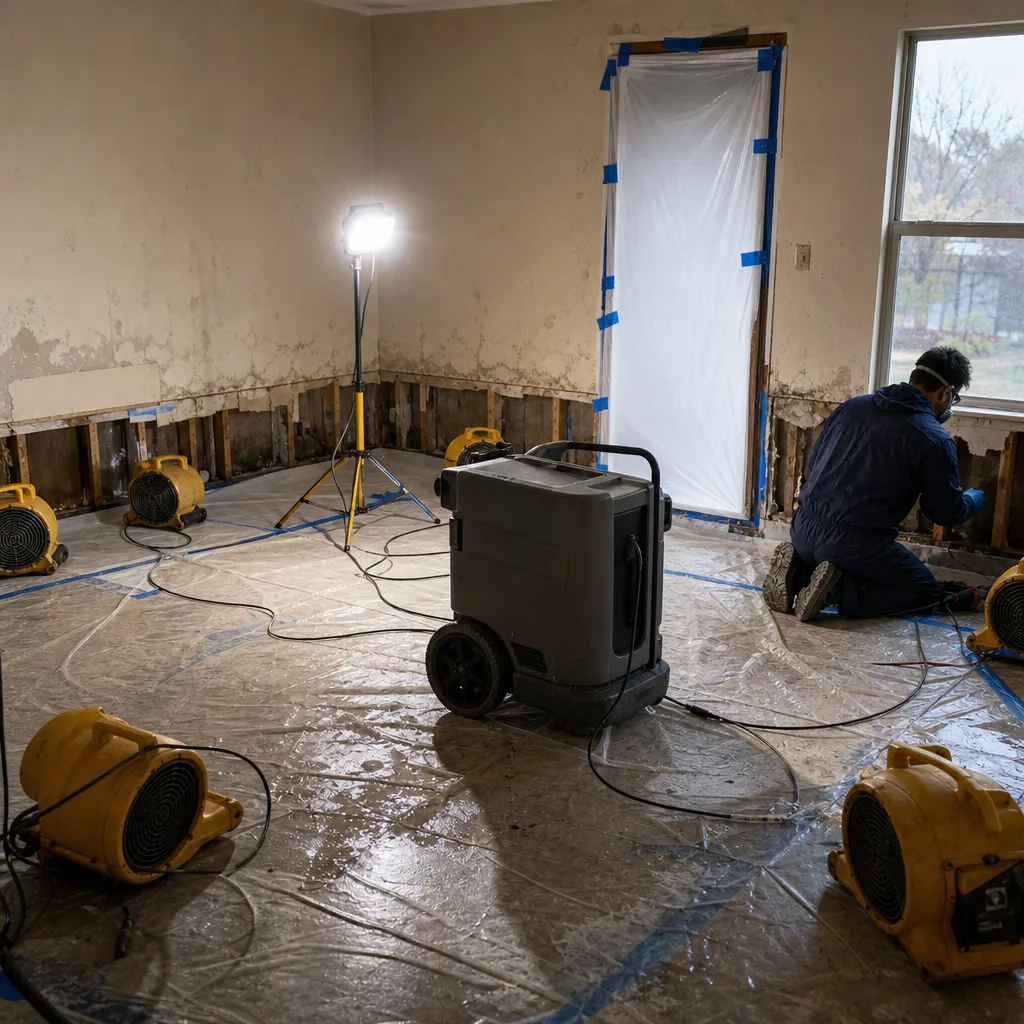
Insurance claims succeed or fail on documentation. We learned this from our founder’s years as a claims adjuster, and we built every process around the gap that denies homeowners their coverage. From the first hour on your Bonita property, we photograph all visible damage, record moisture readings by room and material, and maintain daily drying logs that track specific humidity, temperature, and grain depression measurements. Your adjuster receives a line-item scope written to industry-standard estimating platforms, with direct communication from our in-house claims team rather than a subcontractor you’ve never met.
The photo record is standard on every visit, never an upsell. If your carrier disputes scope or timeline, we have the data to defend it. We also offer a Free Second Opinion on any competitor’s written estimate - bring their quote and we’ll review it at no charge.
What We Provide Your Insurer
- Thorough documentation of the loss
- Photos of all damage, room by room
- Moisture readings and drying logs
- A detailed, line-item scope of work
- Direct coordination with your carrier
Built for Bonita’s Loss Calendar
Bonita’s water damage calendar runs on three distinct patterns. January through March brings atmospheric river events that overwhelm the Sweetwater River corridor and saturate valley-floor soils for weeks - the dual failure mode of above-grade intrusion plus hydrostatic seepage that defines our most complex jobs. Spring months see aging copper and galvanized supply lines fail in ranch homes built during the 1960s and 1970s, often behind finished walls where slow leaks accumulate for days before detection.
June through October brings monsoonal moisture and occasional tropical remnants; while rainfall totals are lower, Bonita’s humid microclimate means any intrusion dries slower than equivalent losses in Chula Vista or Eastlake. November and December bring Santa Ana wind events that damage roofing and flashing, with subsequent rains exploiting those breaches. The chaparral hillsides on Bonita’s eastern edge also contribute: post-wildfire debris flows can block drainage and redirect water toward foundation perimeters, a secondary trigger we’ve documented on properties near the urban-wildland interface.
Water Damage Restoration Across Bonita’s Neighborhoods
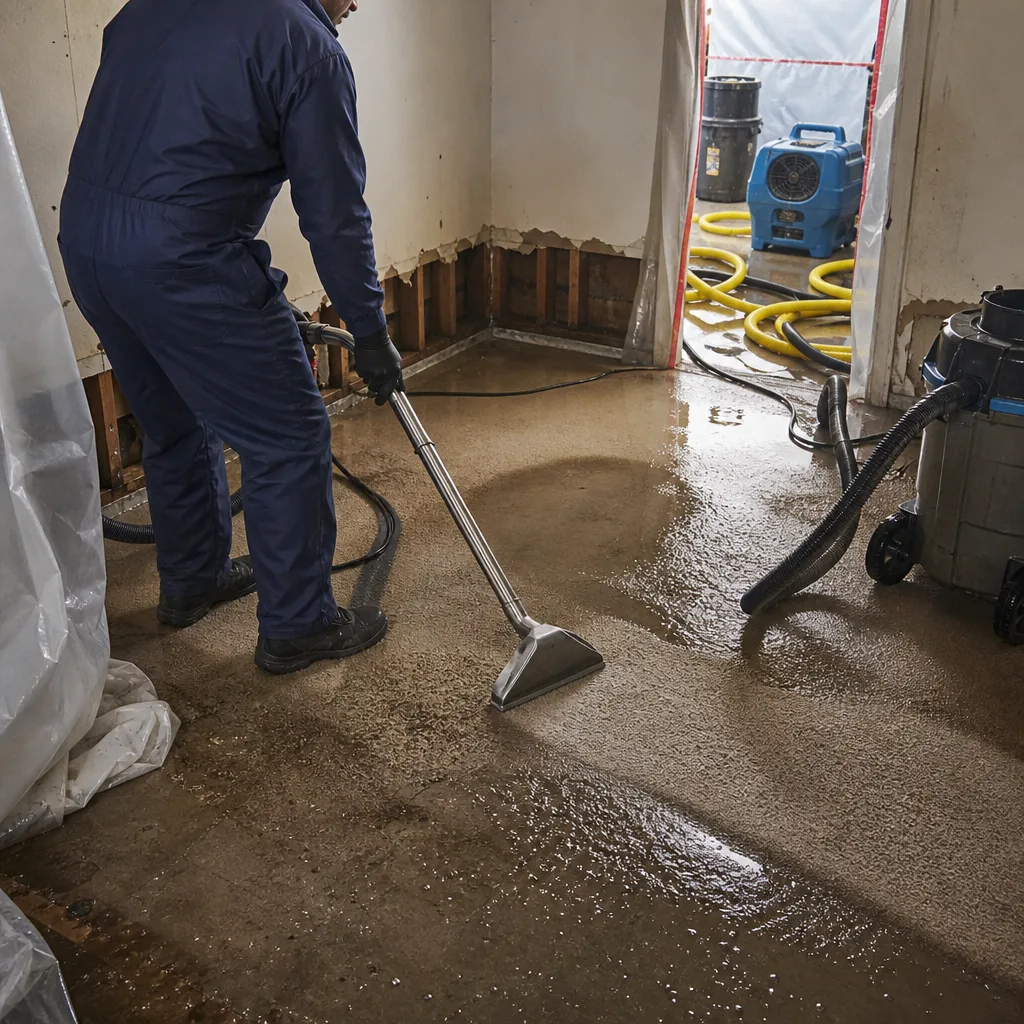
Our crews know the response routes and building patterns across Bonita’s distinct areas. Near the Sweetwater River corridor and Bonita Longhorn Road, slab-on-grade ranches from the 1960s and 1970s sit on expansive clay soils that hold moisture for weeks after major rain events. We’ve handled multiple jobs where hydrostatic pressure pushed water through slab cracks and cold joints, requiring Injectidry mat drying systems and extended dehumidification timelines that mesa-top properties simply don’t need.
The Bonita Downs and Valley Vista neighborhoods feature larger custom homes on acreage, many with horse facilities and accessory structures. These properties often have secondary water supplies, irrigation backflow issues, and detached structures with separate electrical and plumbing that complicate loss assessment. Our moisture mapping extends to outbuildings when the loss scope requires it.
Along Bonita Road and the commercial corridor, mixed-use buildings with flat roofing and aging parapet flashing see repeated intrusion points. The Willow Road area and neighborhoods approaching the Chula Vista boundary transition to slightly elevated terrain with better natural drainage, though the humid valley air still extends drying timelines compared to true mesa-top construction. Every neighborhood gets the same documentation protocol, but the equipment deployment and drying duration vary based on what we know about local soil conditions and microclimate.
Specialized Water Damage Restoration Services We Offer in Bonita
Emergency Water Extraction
Standing water removal within the first hour prevents wicking into drywall, insulation, and structural framing. Our truck-mounted extraction units handle deep carpet and pad saturation, while portable units access Bonita’s older ranch homes with limited driveway access or low-clearance garages. We extract from hard surfaces, subfloors, and crawl spaces where accessible.
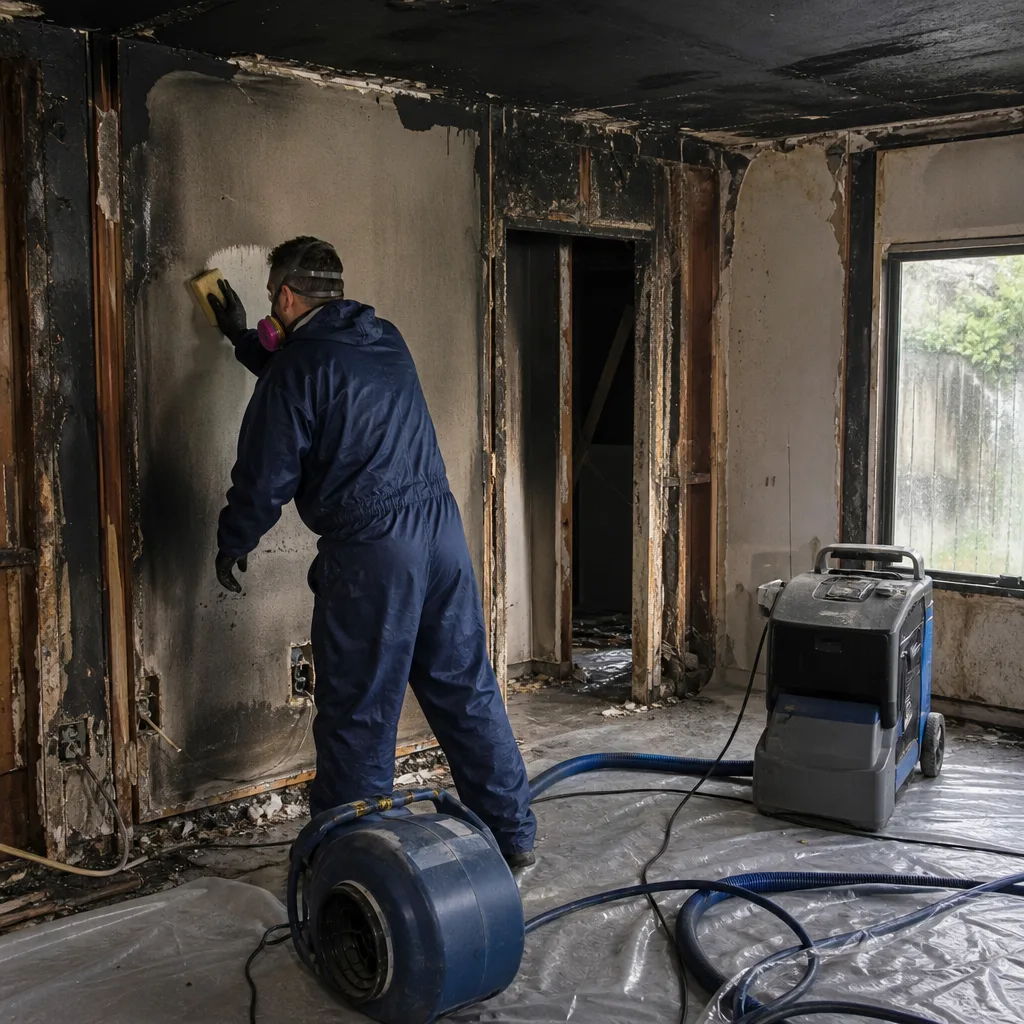
Structural Drying & Dehumidification
This is where Bonita’s geography matters most. The valley-floor humidity and slow-draining soils require longer drying timelines than mesa-top properties, with psychrometric targets verified by daily logging. We deploy Dri-Eaz and Phoenix dehumidifiers sized to the affected cubic footage, with air mover placement calculated for vapor pressure differential across wet materials. Tertiary drying - the final phase where bound moisture is driven from structural materials - often takes 30-50% longer in Bonita than in Chula Vista.
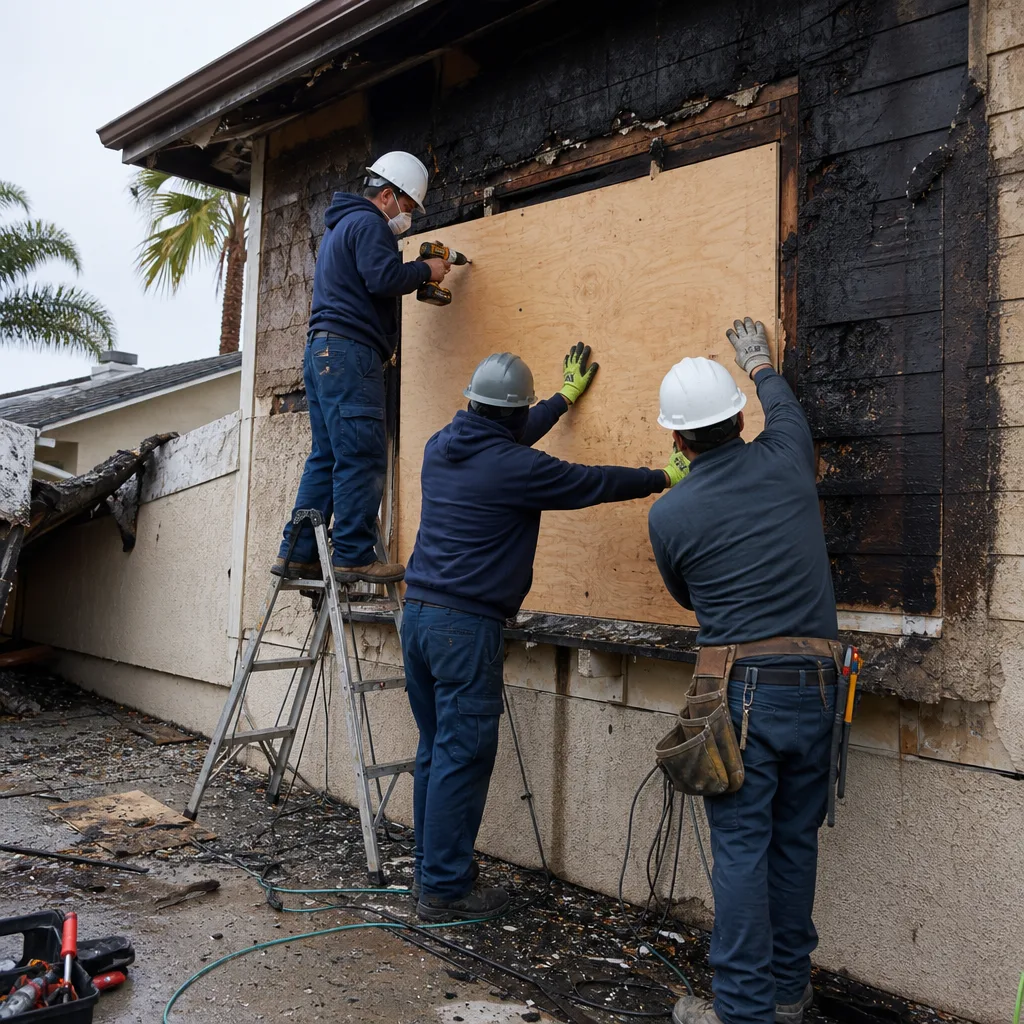
Flood Cleanup
Bonita’s FEMA-mapped flood hazard zones along the Sweetwater River corridor create Category 3 losses when groundwater enters living spaces. These jobs require full PPE, antimicrobial treatment, and disposal of porous materials per IICRC S500 standards. We coordinate with San Diego County environmental health when required and document all disposal for insurance and regulatory compliance.
Burst Pipe Restoration
Galvanized and early copper systems in Bonita’s 1950s-1980s housing stock fail at joints, behind walls, and under slabs. Our leak detection includes thermal imaging and acoustic location to minimize destructive investigation. Once the source is controlled, we scope the full extent of migration - water travels horizontally along slab edges and vertically through wall cavities in ways that aren’t visible from the burst point.
Basement Water Removal
Finished basements in Bonita’s valley-floor homes are particularly vulnerable to hydrostatic seepage and sump pump failures. We extract standing water, remove saturated finishes, and deploy sub-slab depressurization or perimeter drainage solutions where the geology requires ongoing management. The photo record documents pre-loss condition to support accurate reconstruction scope.
Ceiling & Roof Leak Water Damage
Santa Ana wind damage to roofing and flashing, followed by rain intrusion, creates ceiling collapses and insulation saturation in Bonita’s older homes with original roofing. We stabilize ceiling structures, extract wet insulation, and dry attic spaces with directed airflow and dehumidification before mold colonization begins.
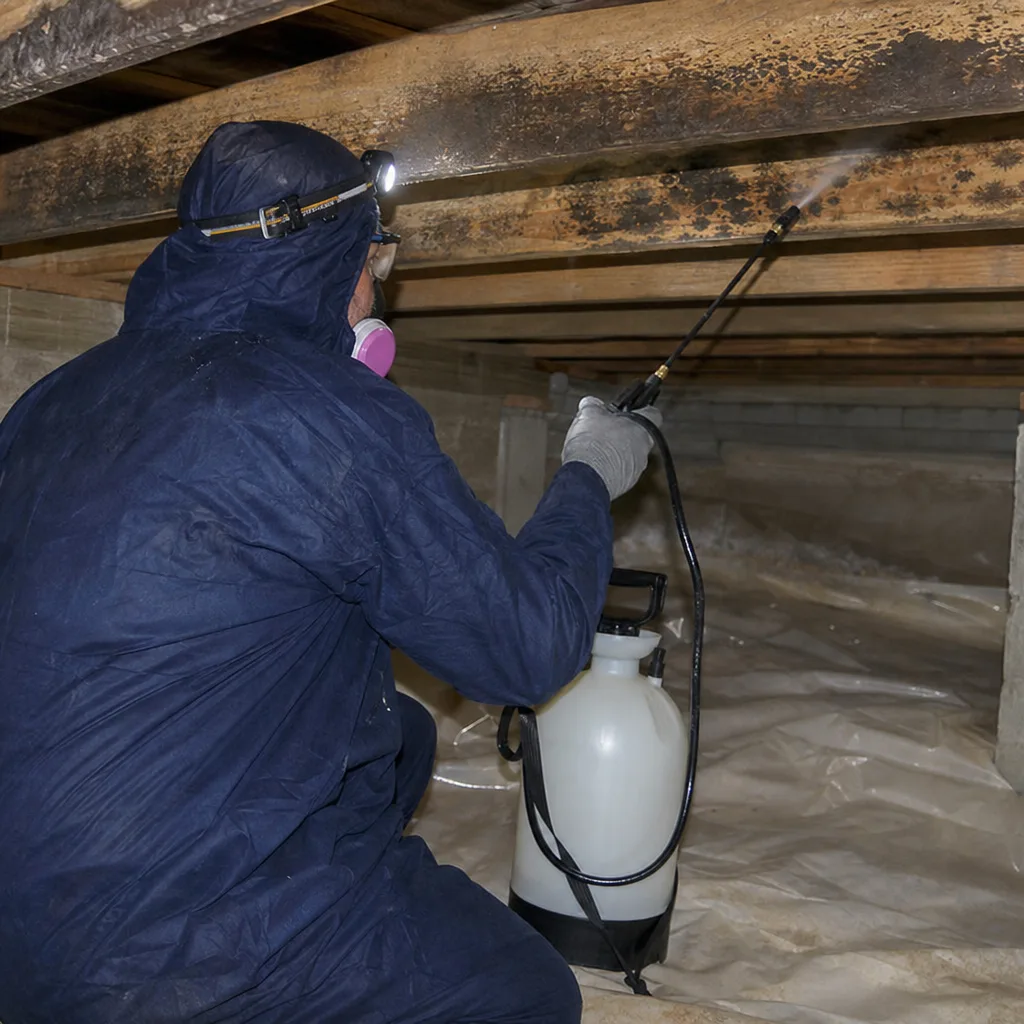
What happens when you call
- 1
A real person answersNo phone trees - you reach a local pro.
- 2
You get an upfront price rangeHonest numbers before anyone is dispatched.
- 3
A background-checked tech heads outLicensed & insured, dispatched right away.
- 4
You approve before work beginsNothing starts until you say go.
Water Damage Restoration Costs in Bonita, CA
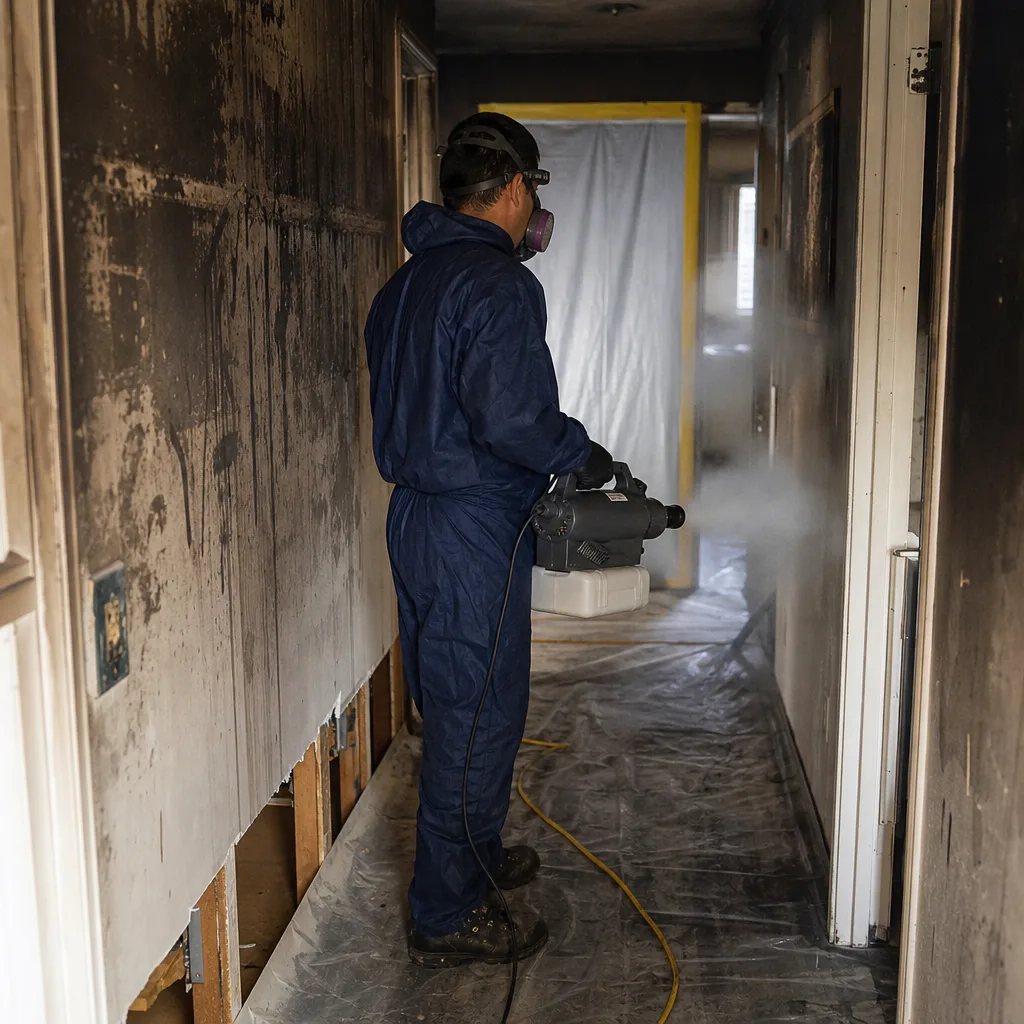
Typical water damage restoration in Bonita runs $2,800-$7,500 for residential losses involving extraction, structural drying, and minor repairs. Emergency water extraction and stabilization alone typically costs $1,200-$2,400. Category 3 flood cleanup with full porous material removal runs $4,500-$12,000 depending on affected square footage. Structural drying extended beyond standard timelines due to valley-floor humidity adds $400-$800 per additional day of equipment rental and monitoring.
What moves the price: the water category (Category 3 requires more disposal and PPE), the affected square footage, whether asbestos abatement is triggered by pre-1980s materials, and whether hydrostatic seepage requires extended drying or sub-slab intervention. Most Bonita homeowners carry insurance covering sudden and accidental water damage; we bill your carrier directly and provide the documentation they require. For out-of-pocket scenarios or deductible amounts, we deliver a written price before work begins - Haven Standard, Clause 1 - with no scope-creep additions once our crew is inside.
Call (858) 683-1768 for a free visual inspection and firm written scope.
We Also Serve Cities Near Bonita
Our crews respond throughout the San Diego metro area, including Lemon Grove to the north with its mix of mid-century and newer construction, Spring Valley with its hillside drainage challenges, La Mesa and its older commercial corridors, and central San Diego neighborhoods from the dispatch office. Each community gets the same documentation-first protocol, with equipment and timelines adjusted to local conditions.
Serving Bonita, CA - Our Local Coverage Area
We’re based in the Bonita area and know this community well. Use the map below to see our service coverage - if you’re nearby, we can almost certainly help.
Bonita Water Damage Restoration Questions, Answered
How fast can you get to my Bonita home?
Our response commitment to Bonita is 45 minutes from dispatch, and a live person answers every call at (858) 683-1768 with no voicemail delays. Crews carry extraction equipment, moisture meters, and thermal imaging on every truck, so stabilization begins immediately upon arrival.
Will my insurance cover water damage restoration in Bonita?
Most homeowners policies cover sudden and accidental water damage from supply line breaks, appliance failures, and weather-related intrusion, though gradual leaks and flood damage from rising groundwater typically require separate flood coverage. We document every loss from the first hour with photos, moisture readings, and written scope to support your claim, and we bill your carrier directly. Call (858) 683-1768 and we’ll review your coverage specifics during the free inspection.
Do I need full remediation or just water extraction?
Extraction alone is rarely sufficient in Bonita’s humid valley microclimate. Standing water removal must be followed by structural drying verified by daily moisture logs; without it, secondary mold growth behind baseboards and in wall cavities is likely within 72 hours. We provide a written scope distinguishing extraction, drying, and any remediation needs before work begins - no surprises, no upsells once the crew is inside.
How much does water damage restoration cost compared to nearby areas?
Bonita’s costs run comparable to Chula Vista and La Mesa for standard losses, but extended drying timelines from valley-floor humidity can add 20-30% to equipment rental duration on complex jobs. A typical residential loss in Bonita runs $2,800-$7,500; Category 3 flood cleanup runs higher. We deliver a firm written price before work starts - call (858) 683-1768 for your specific scope.
How long does structural drying take in Bonita?
Standard residential drying takes 3-5 days in most San Diego County locations, but Bonita’s valley-floor humidity and slow-draining soils often extend this to 5-8 days, with some slab-on-grade homes near the Sweetwater corridor requiring 10-14 days of monitored drying. We don’t remove equipment until daily moisture logs document pre-loss conditions - your insurance receives the complete drying record.
Can my family stay in the home during water damage restoration?
For Category 1 losses limited to one or two rooms, occupants often remain with containment and air scrubbing in place. Category 2 and 3 losses, or any job involving asbestos abatement or extensive demolition, typically require temporary relocation for safety. We discuss this during the initial assessment and coordinate with your insurance if additional living expenses apply.
What certifications do your Bonita water damage technicians hold?
Our technicians hold IICRC WRT (Water Damage Restoration Technician), ASD (Applied Structural Drying), and AMRT (Applied Microbial Remediation Technician) credentials, with license numbers provided on request. All work is documented to IICRC, RIA, and IFA standards - the documentation protocol that turns restoration invoices into payable insurance claims.
What should I do in the first 30 minutes after discovering water damage?
Shut off the water source if it’s a supply line break, turn off electricity to affected areas if safe to do so, and call (858) 683-1768 for immediate dispatch. Do not enter standing water if electrical hazards are present, and avoid DIY extraction on Category 2 or 3 losses where contamination is suspected. Our live dispatcher will guide you through immediate safety steps while crews are en route.
Written by Alicia Brennan, Owner at Back to Dry Restoration, serving Bonita and the San Diego metro area since 2011.
Water Damage Restoration in Nearby Areas